Pane e Tempesta sits in Rome's Monteverde Vecchio quarter, a neighbourhood better known for Sunday markets and local trattorias than destination dining. The address on Via Giovanni De Calvi positions it at a remove from the tourist circuits of the centro storico, which is precisely the point: this is a Roman neighbourhood bakery-restaurant where bread and sourcing carry the editorial weight that technique does elsewhere.
Pearl is the En Primeur Club membership app — saves, bookings, and concierge access live there. Same editors, same standards.
- Address
- Via Giovanni De Calvi, 23, 00151 Roma RM, Italy
- Phone
- +393891551336
- Website
- facebook.com
- Directions
- Get directions
 Saves & bookings on Pearl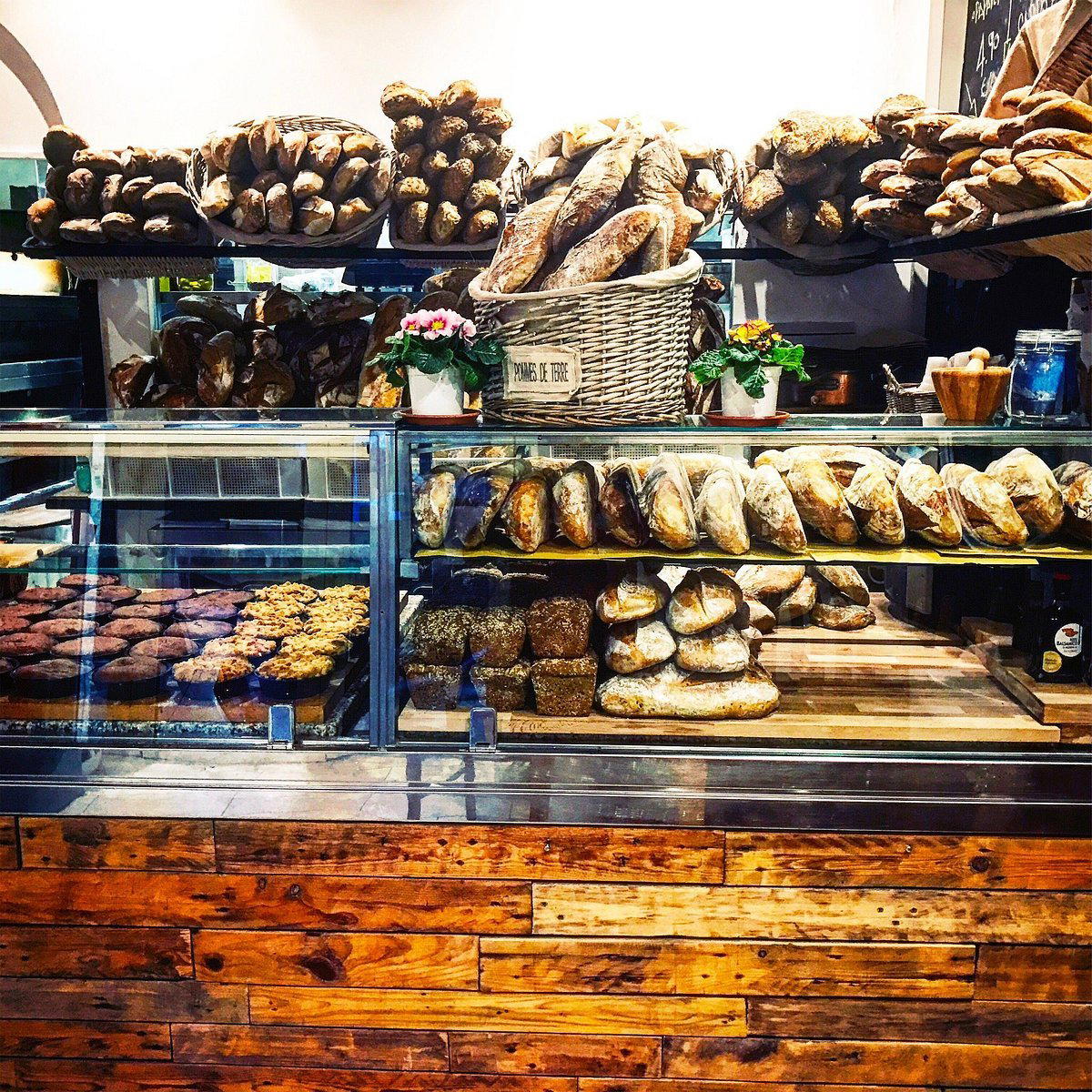
Bread as Premise, Not Garnish
In most Roman restaurants, bread arrives as an afterthought, a basket of industrially baked rolls set down before the menu. At Pane e Tempesta, located on Via Giovanni De Calvi in the Monteverde Vecchio district, the bread is the argument. The name translates literally as 'bread and storm'. That positioning sets it apart in a city where the prestige dining conversation tends to orbit Michelin-decorated kitchens like La Pergola or creative Italian rooms such as Il Pagliaccio and Enoteca La Torre.
Monteverde Vecchio is not a neighbourhood that trades on reputation. It sits west of Trastevere, past the Aurelian Wall, in a residential grid of low apartment buildings, corner bars, and family-run alimentari. On a weekday morning, Via Giovanni De Calvi runs quiet. The foot traffic is local. That ordinariness is the context in which Pane e Tempesta operates, and it shapes the register of the food: grounded, ingredient-led, priced for regulars rather than expense accounts.
Where the Ingredients Come From
Pane e Tempesta’s sourcing framework reflects a broader Italian shift toward ingredient-first cooking. Bread-focused kitchens in particular depend on sourcing decisions made at the flour level: the grain variety, the mill, the extraction rate, the hydration behaviour of a specific batch. These are not decisions that can be dressed up after the fact.
The restaurant operates within a network of small Italian producers whose output is defined by low-intervention farming, heritage grain varieties, and stone-milling practices that preserve germ oils and flavour compounds stripped out by industrial roller milling. This is the same sourcing logic that has shaped particularly credible bakery-restaurant hybrids in Italy, from the grain-forward kitchens of central Italy to the sourdough programs that have become reference points in cities like Milan and Florence. Within Rome, where the bread culture has historically centred on large, unsalted loaves baked in wood-fired communal ovens, a more flour-specific approach represents a deliberate departure from convention.
The kitchen extends that sourcing discipline beyond bread. Seasonal vegetables from small Lazio producers, proteins selected for provenance and welfare, and dairy from single-origin suppliers contribute to a menu architecture where ingredient identity precedes technique. This differs from Italy's formal tasting-menu rooms, where kitchens like Acquolina and Achilli al Parlamento work within a creative register that foregrounds transformation. The restaurant sits in a different tradition, one where restraint and product quality do the work that technical elaboration does elsewhere. Internationally, that philosophy aligns it with a wider set of producer-driven restaurants, from Uliassi in Senigallia to Reale in Castel di Sangro, though the format and price tier differ substantially.
The Neighbourhood Format and What It Implies
The restaurant inhabits a small-scale, neighbourhood-anchored, sourcing-led format that has gained influence in Italian dining. It sits between the trattoria tradition, which prizes familiarity and portion size over ingredient specificity, and the fine dining tier, which prices ingredient quality into a tasting menu architecture that removes spontaneity. This middle register has produced some of Italy's more interesting eating in recent years, at addresses ranging from the countryside cooking of Dal Pescatore in Runate to the Alba-anchored produce focus of Piazza Duomo.
In Rome specifically, this format has found fertile ground in districts like Pigneto, Ostiense, and Monteverde, where lower rents allow smaller kitchens to absorb the cost premium of quality sourcing without passing the full burden to the diner. The result is a version of serious eating that does not require the three-hour commitment of a tasting menu or the booking lead time of Osteria Francescana in Modena or Le Calandre in Rubano. It asks, instead, that the diner pay attention to what is on the plate rather than to the room it arrives in.
The format also shapes the wine list logic. At addresses in this tier, the bottle selection typically follows the same producer-first philosophy as the kitchen: small domaine wines, natural or low-intervention, chosen for affinity with the bread-and-vegetable-heavy menu rather than for label recognition. This is a different brief from the cellar-depth approach of a formal Roman enoteca, and it produces a more casual but often more interesting pairing dynamic.
Plotting Your Visit
The restaurant is located at Via Giovanni De Calvi, 23 in Monteverde Vecchio. The area sits roughly fifteen minutes by tram from Trastevere, or a short taxi or ride-share journey from the centro storico. It is not a neighbourhood that rewards aimless wandering in the way that the historic centre does, but a purposeful trip here, anchored by a meal, fits naturally into an itinerary that has already covered the obvious ground. For a full picture of where this address sits within Rome's broader dining context, the EP Club Rome restaurants guide maps the city by tier and neighbourhood in detail.
Given the absence of published booking data, it is worth contacting the restaurant directly to confirm availability, particularly for weekend sittings when neighbourhood demand is highest. The format suggests a relatively compact room with limited covers, which is typical for sourcing-led addresses of this type across Italy, from the intimate dining rooms of Quattro Passi in Marina del Cantone to the focused kitchens of Atelier Moessmer Norbert Niederkofler in Brunico. Arriving with some flexibility in timing, or visiting at lunch when weekend competition eases, is likely to improve your options. Hours are Tuesday through Saturday, 8 AM to 9 PM, with Monday and Sunday closed.
Standing Among Peers
Comparable venues nearby, for context on price, style, and recognition.
| Venue | Cuisine | Price | Notes |
|---|---|---|---|
| Pane e TempestaThis venue — the venue you are viewing | Roman Pizza al Taglio and Tonda | $$ | Not listed |
| Ristorante La Tavernaccia Da Bruno | Traditional Roman Trattoria | $$ | Portuense |
| Il Barroccio | Traditional Roman Osteria | $$ | Colonna |
| Hostaria Isidoro | Traditional Roman Trattoria | $$ | Monti |
| Trattoria L'avvolgibile | Traditional Roman Trattoria | $$ | Appio-Latino |
| Osteria Trastevere | Traditional Roman Cuisine | $$ | Trastevere |
Continue exploring
More in Rome
Restaurants in Rome
Browse all →
Bars in Rome
Browse all →
Hotels in Rome
Browse all →

At a Glance
- Casual
- Rustic
- Casual Hangout
- Brunch
- Beer Program
Current opening hours
- Monday
- Closed
- Tuesday
- 8 AM–9 PM
- Wednesday
- 8 AM–9 PM
- Thursday
- 8 AM–9 PM
- Friday
- 8 AM–9 PM
- Saturday
- 8 AM–9 PM
- Sunday
- Closed
Hours can change for holidays and private events. Last verified .
Casual bakery atmosphere with a welcoming counter for takeout and limited outdoor tables.