Panaderia La Patria
Our verdict
Panaderia La Patria sits along PR-155 in the mountain municipality of Morovis, a bakery rooted in the kind of everyday Puerto Rican bread culture that the island's interior towns have sustained for generations. For travellers moving through the central highlands, it represents the practical and cultural case for stopping where locals stop, not where the tourism infrastructure points.
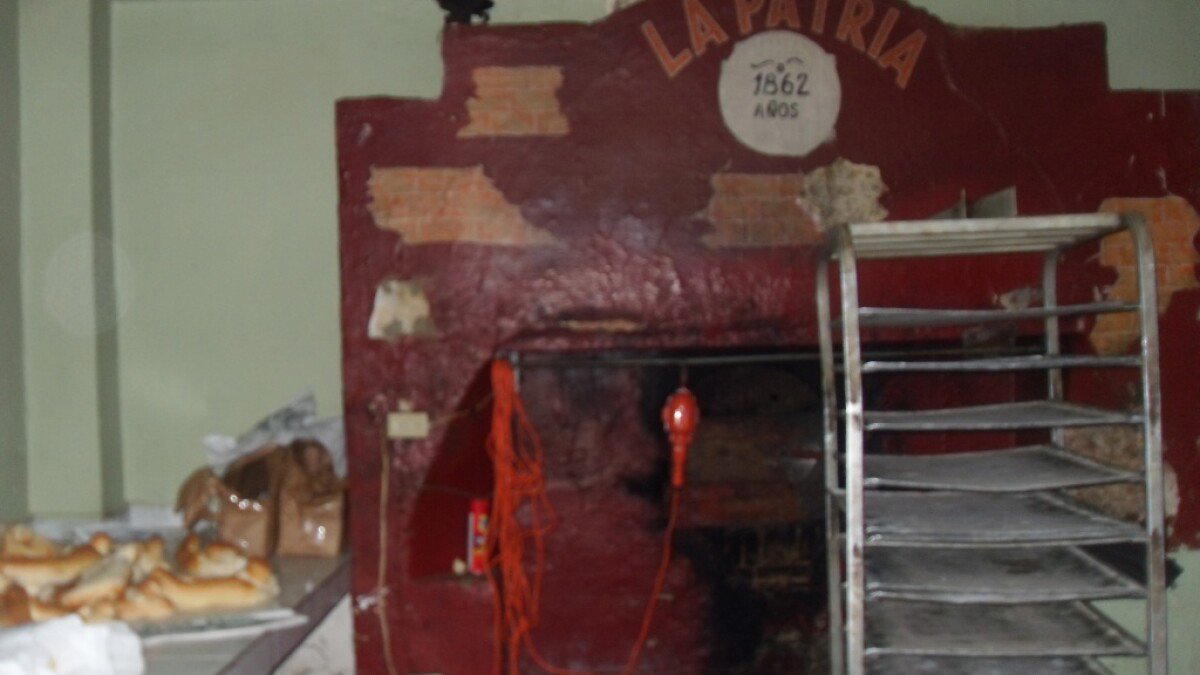
The menu
What to order
- Pan de la patita echa
- Quesitos
- Flan
The Road Through Morovis and What It Tells You About Puerto Rican Baking
The drive along PR-155 through Morovis is an argument for slowing down. The central highlands of Puerto Rico, the municipalities that tourists tend to pass through rather than stop in, have maintained a food culture shaped more by agricultural proximity and local habit than by outside attention. Bakeries in this part of the island occupy the same community role that panaderías have held for over a century: daily bread, morning coffee, pan de agua, and the kind of mallorca or quesito that does not need a glossy menu to justify itself. Panaderia La Patria, positioned at km 47.0 on PR-155, sits inside that tradition without apology. For our full editorial coverage of where to eat across this part of the island, see our full Morovis restaurants guide.
What the Interior Bakery Tradition Actually Means
Puerto Rico's panadería culture is often discussed in the context of San Juan, Old San Juan's historic bakeries, the Condado café scene, but the interior municipalities tell a different story. In towns like Morovis, Arecibo, and Cayey, the bakery is not a destination but an infrastructure. It serves the early-morning workers, the school run, the afternoon sobremesa. Bread here is produced against the rhythms of local demand, not tourist traffic. Flour sourced through regional distributors, lard or shortening maintained through longstanding supplier relationships, sugar for the pastry cases: the supply chain of a mountain-town panadería is hyperlocal by necessity, not by marketing strategy.
That distinction matters when you consider where Puerto Rican baking sits against, say, the coastal restaurant scene. At Jose Enrique Puerto Rican restaurant in San Juan, the emphasis is on refined criollo cooking with a chef-driven perspective. At Panaderia La Patria, the emphasis is on supply chain regularity and community function, which, from an ingredient-sourcing standpoint, is its own form of discipline. Neither model is subordinate to the other; they serve different parts of the same food culture. For another perspective on how Puerto Rico's west coast handles everyday eating, Brazo Gitano Franco in Mayaguez is worth examining alongside a Morovis stop.
Approaching the Bakery: What the Setting Signals
A roadside address on PR-155 in a municipality like Morovis does not signal ambiance in the curated sense. What it signals instead is function. The physical environment of a working Puerto Rican panadería in the highlands, the warmth from the ovens meeting the cooler mountain air, the glass cases holding the day's production, the counter transaction that takes ninety seconds, is a particular kind of atmosphere, and one that tells you more about island food culture than a plated tasting experience would. The context is the point. Travellers accustomed to dining rooms in San Juan hotels or coastal restaurants like Aleli at The Royal Sonesta San Juan in Carolina will find the register entirely different here, and productively so.
The location at 2 PR-155 km 47.0 places Panaderia La Patria within the network of stops that make the central highway corridor legible as a food itinerary rather than a transit route. Lago Dos Bocas, the reservoir-side dining cluster in Arecibo, sits in the same general highland corridor, see Lago Dos Bocas in Arecibo for comparison. Further south, Lechonera Los Pinos in Cayey anchors the lechón route that most visitors know. Panaderia La Patria occupies a quieter point on that map, one defined by daily bread rather than weekend ritual.
Ingredient Sourcing and the Logic of the Mountain Panadería
The sourcing logic of a panadería in Puerto Rico's interior is worth understanding on its own terms. Unlike coastal restaurants that have moved toward farm-to-table frameworks and branded local sourcing partnerships, the mountain bakery operates within a tighter, older economy. Ingredients arrive through established wholesale relationships; production quantities are calibrated to local consumption, not to the variability of tourist seasons. This is not a limitation, it is a form of consistency that coastal spots with fluctuating covers cannot easily replicate.
In the broader Caribbean bakery context, Puerto Rico's panadería tradition draws on Spanish colonial baking, the pan de agua, the trenza, the polvorón, filtered through decades of local adaptation. The result is a category of baked goods that sits distinctly apart from both the French-influenced patisserie of Martinique and the more utilitarian bread culture of the Dominican Republic. For travellers who have eaten their way through San Juan's café scene or explored the beach-bar food of spots like Charco Azul in Vega Baja or Kaplash in Anasco, a stop at a functioning highland panadería recalibrates the picture considerably.
Planning Your Visit
For travellers building a broader Puerto Rico itinerary that takes in both the interior and the coast, the following give a sense of the range: Estela Restaurant in Rincon on the west coast, Paros Restaurant in Puerto Rico, El Dorado in Playita, Tin Box Vieques Restaurant and Bar in Vieques, Da Bowls in Aguadilla, BODEGA in Caguas, La Parguera in La Parguera, and COA in Dorado. For a sense of what technically ambitious restaurant formats look like at the other end of the spectrum, Le Bernardin in New York City and Lazy Bear in San Francisco serve as useful reference points for what the premium-dining end of the food world looks like beyond the island.
Frequently asked questions
Does Panaderia La Patria work for a family meal?
A roadside panadería at km 47.0 on PR-155 in Morovis is built around informal, communal eating rather than sit-down dining. Families traveling through Puerto Rico's central highlands regularly stop at bakeries like this for baked goods and quick meals. It suits all ages precisely because the format is low-pressure and self-directed.
What's the overall feel of Panaderia La Patria?
The address on PR-155 in Morovis says most of it: this is a working bakery serving a mountain municipality, not a styled café destination. Expect a functional, community-facing space where locals stop on their daily route rather than a curated interior experience. The draw is the product and the context of the interior highlands, not the setting itself.
Is Panaderia La Patria worth the drive from San Juan into the central highlands?
Morovis sits roughly in the geographic center of Puerto Rico, accessible via PR-155 from the north coast corridor, a route that itself passes through municipalities rarely covered in mainstream travel itineraries. Panaderia La Patria at km 47.0 represents the interior panadería tradition that predates and largely operates independently of the San Juan café scene. For travelers interested in how Puerto Rican baking culture functions outside urban contexts, the drive through the highlands is the point, not just the destination.
What should I eat at Panaderia La Patria?
Puerto Rico's interior panaderías are defined by staples of the island's baking tradition: pan sobao, mallorcas, and savory pastries that reflect the practical demands of highland communities.
Where exactly is Panaderia La Patria?
Panaderia La Patria is located at 2 PR-155 km 47.0, Morovis, 00687, Puerto Rico, Morovis.
Is Panaderia La Patria reservation-only?
Panaderías operating along working highway corridors like PR-155 in Morovis function as walk-in establishments by design, reservations are not part of the format. Arrive during morning or midday hours, when bakeries in Puerto Rico's interior typically see the heaviest foot traffic and freshest product.
| Venue | Cuisine | Price | Awards |
|---|---|---|---|
| Panaderia La PatriaThis venue (the venue you are viewing) | Traditional Puerto Rican Bakery | Not listed | Not listed |
| Paros Restaurant | Greek Seafood | Not listed | Not listed |
| Positivo Sand Bar | Asian Fusion Sushi with Omakase | $200–300 | Forbes 4-Star |
| 1919 Restaurant | Modern Puerto Rican Fine Dining | $150–200 | Forbes 4-Star · Wine Spectator Best of Award of Excellence |
| ORUJO | Modern Puerto Rican Experimental | $100–150 | James Beard Award Semi Finalist · The Best Chef One Knife |
| COA | Modern Spanish & Puerto Rican Cuisine | $100–150 | Not listed |
Continue exploring
More in Morovis
Restaurants in Morovis
Browse all →
Bars in Morovis
Browse all →
Details
- Rustic
- Classic
- Cozy
- Casual Hangout
- Family
- Historic Building
- A La Carte
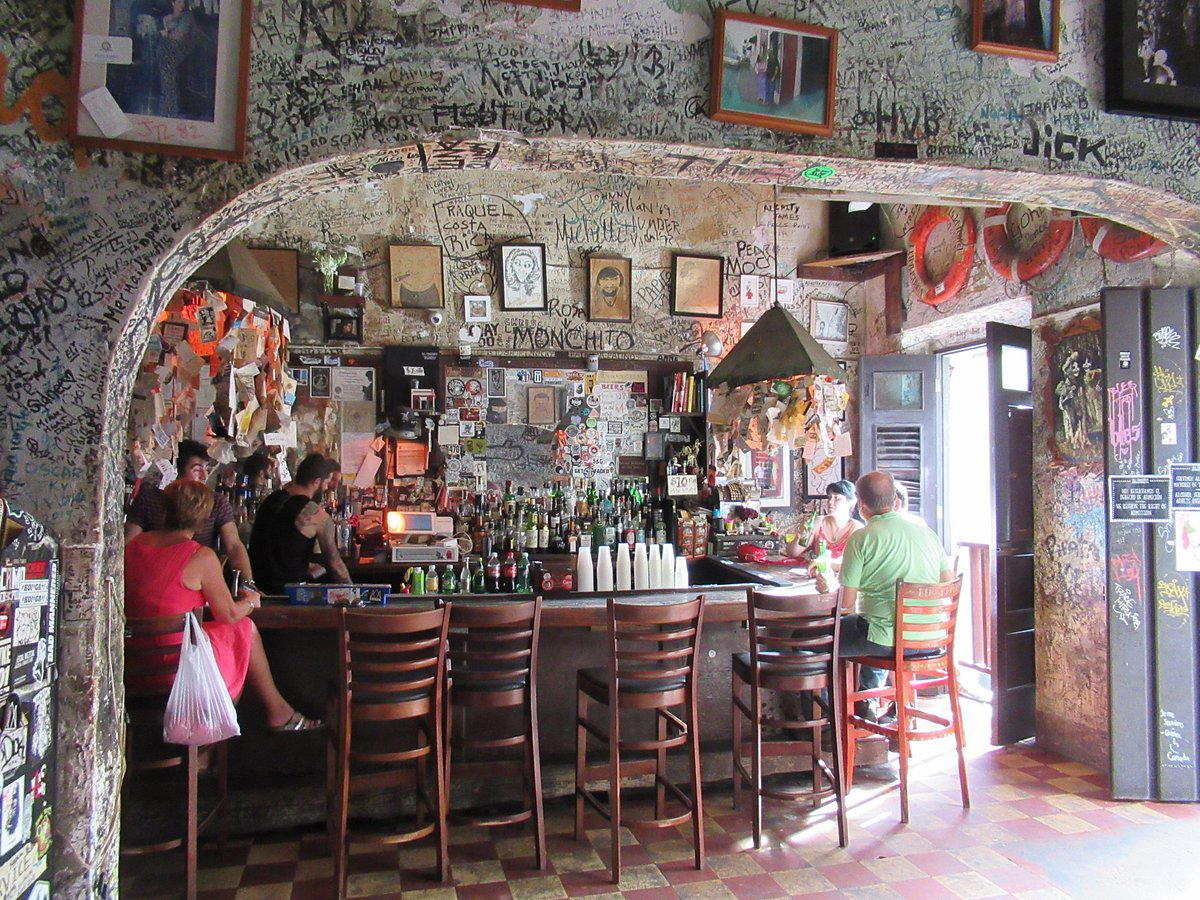
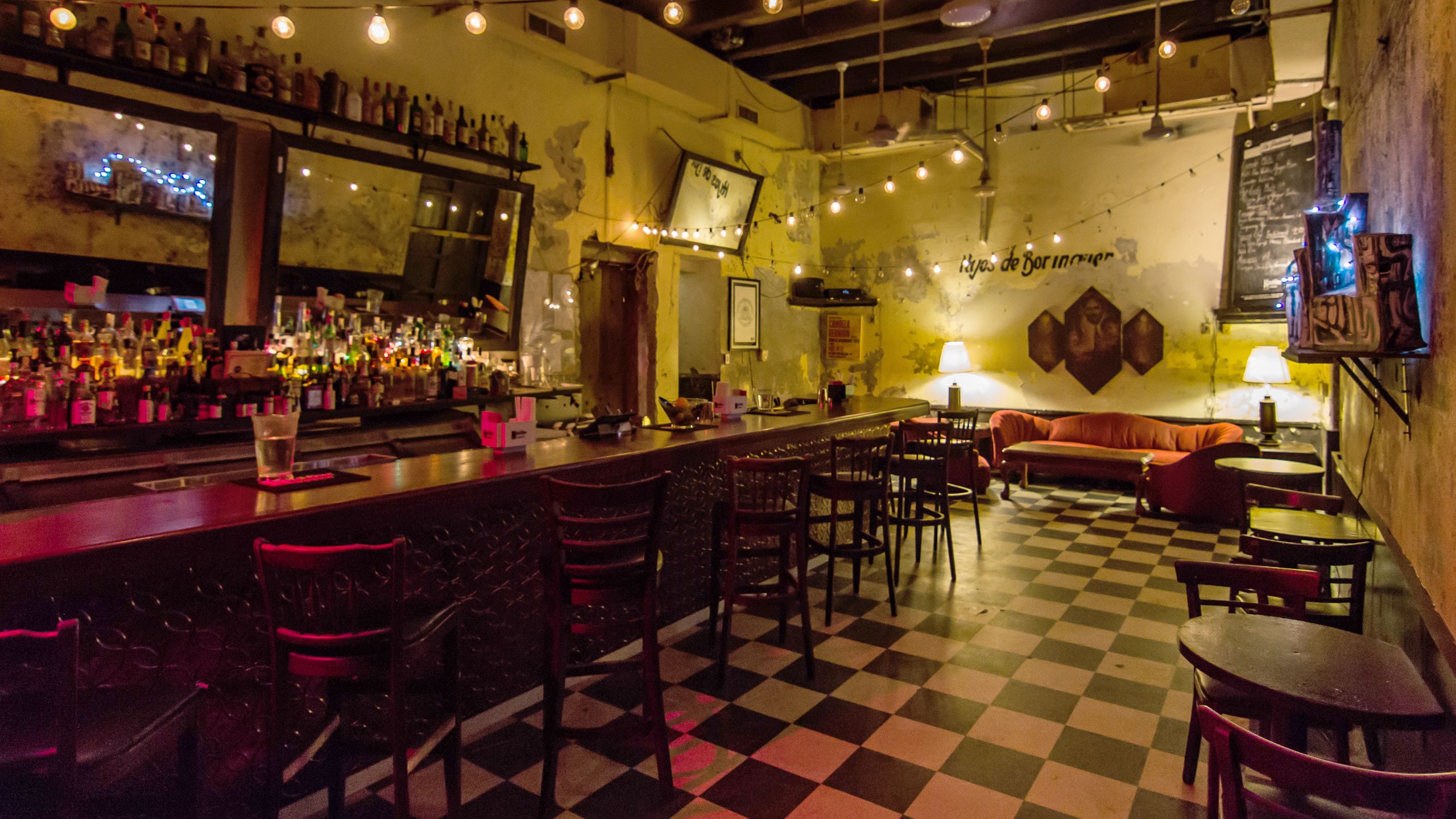
Traditional rustic atmosphere of a historic mountain town bakery with the charm of an original 19th-century brick oven.