Jose Enrique Puerto Rican restaurant
Our verdict
Jose Enrique sits on Ashford Avenue in San Juan's Condado district, anchoring a conversation about what serious Puerto Rican cooking looks like when it refuses to simplify itself for outside audiences. The kitchen draws on island-sourced ingredients and Creole technique in a format that reads casual but cooks with real precision. It is among the most-discussed Puerto Rican restaurants in the continental dining press.
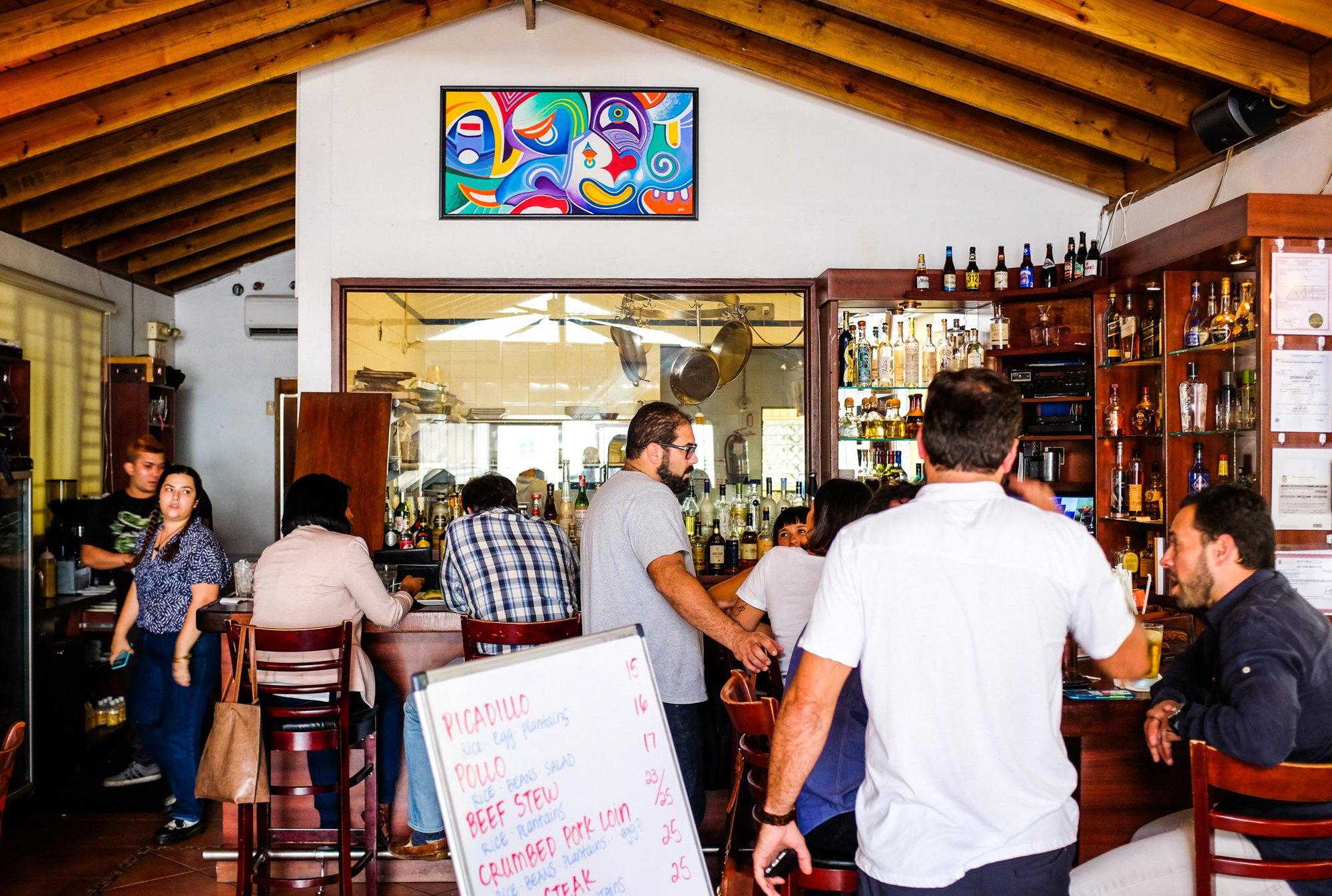
The menu
What to order
- Crudo de atún
- Bacalaito
- Carne guisá
- Pollo chupa
- Queso del país
Condado's Anchor for Ingredient-Driven Puerto Rican Cooking
Ashford Avenue in Condado runs a familiar arc: hotels, chain restaurants, tourist-facing menus built around approximations of local food. Jose Enrique sits on that same strip and pulls in the opposite direction. The dining room is open, informal in its physical presentation, and entirely serious in what arrives from the kitchen. That gap between setting and execution is part of what has kept it in the conversation among serious eaters visiting San Juan for the better part of two decades. The room does not ask for attention. The food takes it anyway.
For context on where this fits in San Juan's broader dining picture, our full San Juan restaurants guide maps the city's dining tiers across neighborhoods and cuisine types.
What the Sourcing Argument Actually Means Here
Puerto Rico's agricultural geography is specific: the island's highlands produce root vegetables, plantains, and tropical fruits that do not travel well and rarely appear in mainland kitchens. Coastal waters yield fish that move through local supply chains too fast for export. A kitchen that commits to sourcing from those systems is making a structural choice, not a marketing gesture. It means the menu shifts with availability. It means some nights offer ingredients that were not on any printed card from the week before.
This sourcing logic is the organizing principle at Jose Enrique. Puerto Rican Creole cooking, in its traditional form, was already built around availability: sofrito drawn from local aromatics, proteins that reflected what the land and sea offered seasonally, preparations layered through long technique rather than expensive imported inputs. A kitchen that takes that logic seriously in a contemporary format is not reinventing anything. It is restoring a discipline that modernization and tourism pressure worked to flatten.
This matters comparatively. Across San Juan's dining spectrum, restaurants like 1919 Restaurant (Modern American) and Areyto Modern Cuisine by Chef Jason González work within frameworks that blend international technique with local references. Jose Enrique occupies a different position: the local reference is the primary frame, not the accent.
The Creole Tradition as a Technical Standard
Visitors arriving with a reference point built from mainland Puerto Rican food, which tends toward milder, more uniform versions of island dishes, will find the cooking here calibrated differently. The adobo and sofrito base that underlies much of the menu carries more depth and variation than the standardized versions that moved off the island. Cooking times on proteins, the balance of acidity in sauces, the treatment of plantain across its ripeness spectrum: these are not casual decisions. They reflect a kitchen cooking within a tradition rather than gesturing at one.
That specificity is what draws comparison across Puerto Rico's dining geography. Outside San Juan, places like Lago Dos Bocas in Arecibo and La Parguera in La Parguera anchor similar commitments to local sourcing in their respective regions. The island's serious cooking, away from resort corridors, has always operated this way. Jose Enrique makes that argument within San Juan itself, on an avenue that could easily support something less demanding.
Where It Sits in the San Juan Conversation
San Juan's restaurant scene has grown substantially more competitive since the late 2010s, with new openings pulling the city's dining identity in multiple directions. Amor y Sal brings a coastal seafood focus; AQA Oceanfront plays the ocean-view premium; ARYA and Paros Restaurant in Puerto Rico expand the city's international range. In that field, Jose Enrique occupies the specific position of a restaurant that does not need to locate itself against an international reference point.
The press recognition it has accumulated over the years, including sustained attention from major American food publications, reflects a category that reviewers outside Puerto Rico often struggle to place. It is not fine dining in the tasting-menu sense. It is not casual dining in the sense of reduced ambition. It sits in the bracket that serious neighborhood restaurants occupy in cities with mature food cultures: technically rigorous, ingredient-committed, priced for repeat visits rather than one-time occasions.
For comparison at the higher end of the island's ambition range, COA in Dorado operates in a resort context with different price positioning. Elsewhere on the island, Estela Restaurant in Rincon and Charco Azul in Vega Baja reflect how ingredient sourcing plays out in different geographic and price contexts outside the capital.
Planning a Visit
Jose Enrique is located at 1021 Ashford Avenue in Condado, San Juan 00907. The restaurant's reputation and its position on one of San Juan's highest-footfall dining corridors means demand is consistent. Anyone visiting during peak tourist season, roughly November through April, or during major San Juan events, should plan accordingly. The format does not favor casual walk-ins at popular hours. Arriving early or booking ahead, where the system permits, is the practical move.
The Condado address places it within walking distance of the neighborhood's hotel cluster, which makes logistics direct for visitors staying in the area. San Juan's dining geography rewards planning: for visitors moving across the island, venues like Brazo Gitano Franco in Mayaguez, Kaplash in Anasco, and Da Bowls in Aguadilla extend the island's serious cooking argument well beyond the capital. And for a global calibration point, the sourcing discipline that Jose Enrique applies to Puerto Rican Creole cooking is the same structural commitment that separates tightly ingredient-focused kitchens from their peers at any level, whether you're considering Le Bernardin in New York City or Lazy Bear in San Francisco. The scale and price point differ. The underlying logic does not.
Also worth noting for visitors assembling a broader San Juan itinerary: El Dorado in Playita offers a different angle on the island's coastal cooking tradition at a separate price register.
Frequently asked questions
Is Jose Enrique Puerto Rican restaurant okay with children?
Nothing in the restaurant's setup formally excludes children, and the Condado neighbourhood on Ashford Avenue draws a broad range of diners. That said, the kitchen's focus on assertive Creole flavours and ingredient-driven cooking skews toward adult palates. Families visiting San Juan should call ahead to confirm seating arrangements suit their group.
Is Jose Enrique Puerto Rican restaurant better for a quiet night or a lively one?
Jose Enrique on Ashford Avenue sits in Condado, one of San Juan's highest-traffic dining corridors, and its reputation draws consistent crowds rather than a hushed room. Expect a lively atmosphere on most evenings, particularly on weekends when demand is sharpest. Those seeking a quieter table should aim for early-week sittings.
How does Jose Enrique differ from other Puerto Rican restaurants in San Juan's Condado neighbourhood?
While Condado's Ashford Avenue is lined with restaurants serving tourist-oriented versions of local food, Jose Enrique anchors its menu to Puerto Rico's own agricultural output, highland root vegetables, plantains, and tropical fruits sourced on-island. That sourcing discipline means the Creole cooking here reflects a more direct line to island tradition than most comparable restaurants in the area. For diners arriving in San Juan with a mainland Puerto Rican reference point, the difference in depth and intensity is considerable.
What do people recommend at Jose Enrique Puerto Rican restaurant?
The kitchen's sourcing approach centres on Puerto Rico's highland-grown root vegetables, plantains, and tropical fruits, so dishes anchored in those local ingredients tend to draw the strongest praise. The menu shifts with availability rather than running fixed year-round items, so specific dish recommendations vary by visit. Asking the front-of-house staff what came in that week is a reliable strategy.
Where exactly is Jose Enrique Puerto Rican restaurant?
Jose Enrique Puerto Rican restaurant is located at 1021 Ashford Ave, San Juan, 00907, Puerto Rico, San Juan.
Should I book Jose Enrique Puerto Rican restaurant in advance?
Yes. Jose Enrique's position as one of Condado's most-discussed dining addresses means walk-in availability is limited, especially on weekends and during Puerto Rico's peak travel months. Securing a reservation before arriving in San Juan is the practical approach. Contact options should be confirmed directly with the restaurant.
What's the standout thing about Jose Enrique Puerto Rican restaurant?
The kitchen's commitment to island sourcing sets it apart from the tourist-facing menus that define much of Ashford Avenue: produce comes from Puerto Rico's own agricultural regions rather than imported approximations. That sourcing argument shapes a version of Creole cooking that reads as technically grounded in actual island tradition. It is a meaningful distinction in a city where the category is often flattened for outside audiences.
Quick Comparison
| Venue | Cuisine | Price | Awards |
|---|---|---|---|
| Jose Enrique Puerto Rican restaurantThis venue (the venue you are viewing) | Elevated Puerto Rican | Not listed | Not listed |
| 1919 Restaurant | Modern Puerto Rican Fine Dining | $150–200 | Forbes 4-Star · Wine Spectator Best of Award of Excellence |
| ORUJO | Modern Puerto Rican Experimental | $100–150 | James Beard Award Semi Finalist · The Best Chef One Knife |
| Seva | Modern New American with Global Influences | $50–100 | Michelin Plate |
| Marmalade Restaurant & Wine Bar | Modern Fusion Fine Dining | $100–150 | Wine Spectator Best of Award of Excellence · OpenTable Top 100 Restaurants |
| La Bombonera | Traditional Puerto Rican Bakery Cafe | Not listed | Not listed |
Continue exploring
More in San Juan
Restaurants in San Juan
All restaurants in San Juan →
Bars in San Juan
All bars in San Juan →


Details
- Casual
- Sophisticated
- Rustic
- Cozy
- Date Night
- Special Occasion
- Open Kitchen
- Craft Cocktails
- Local Sourcing
- Farm To Table
- A La Carte
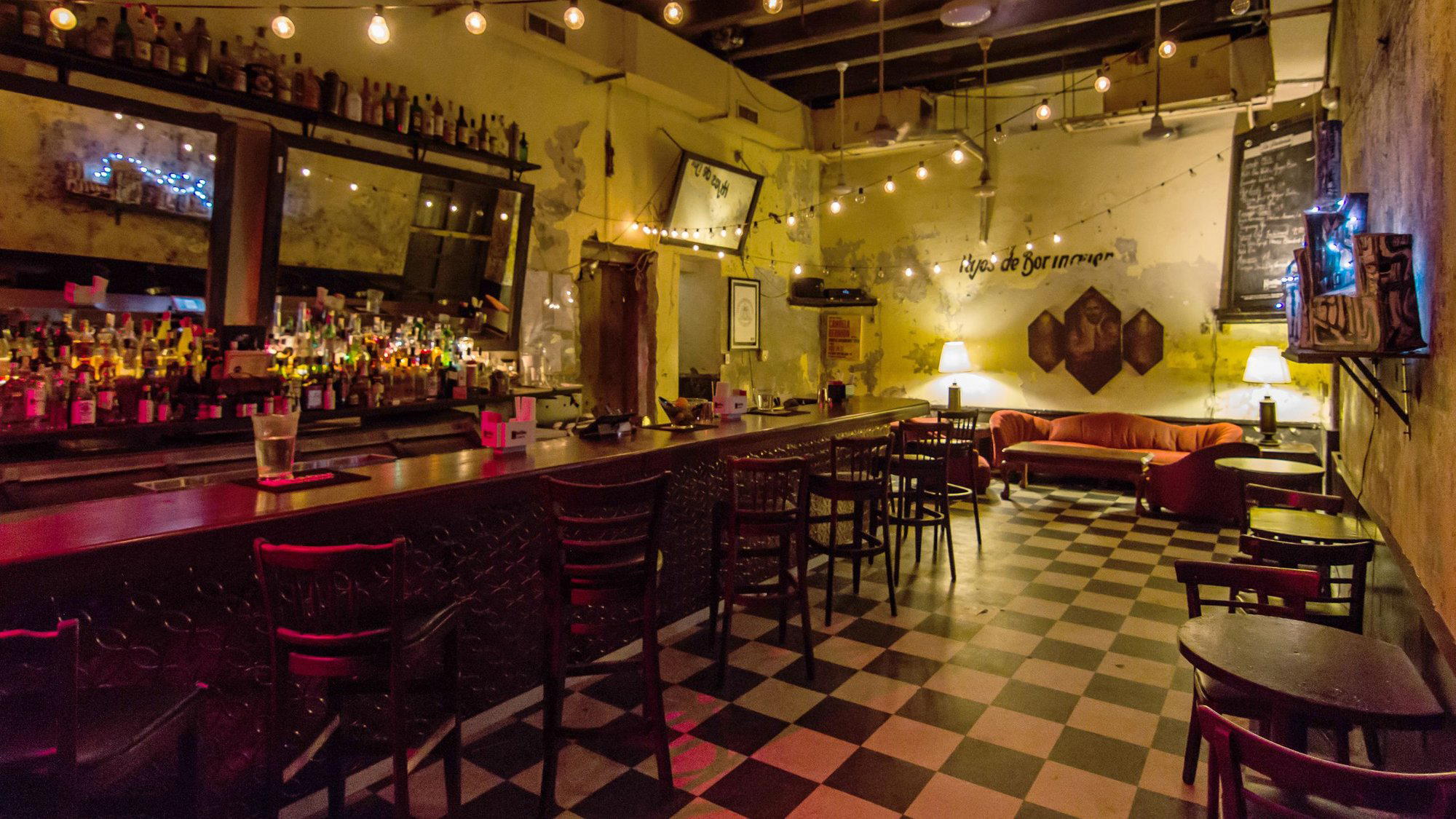
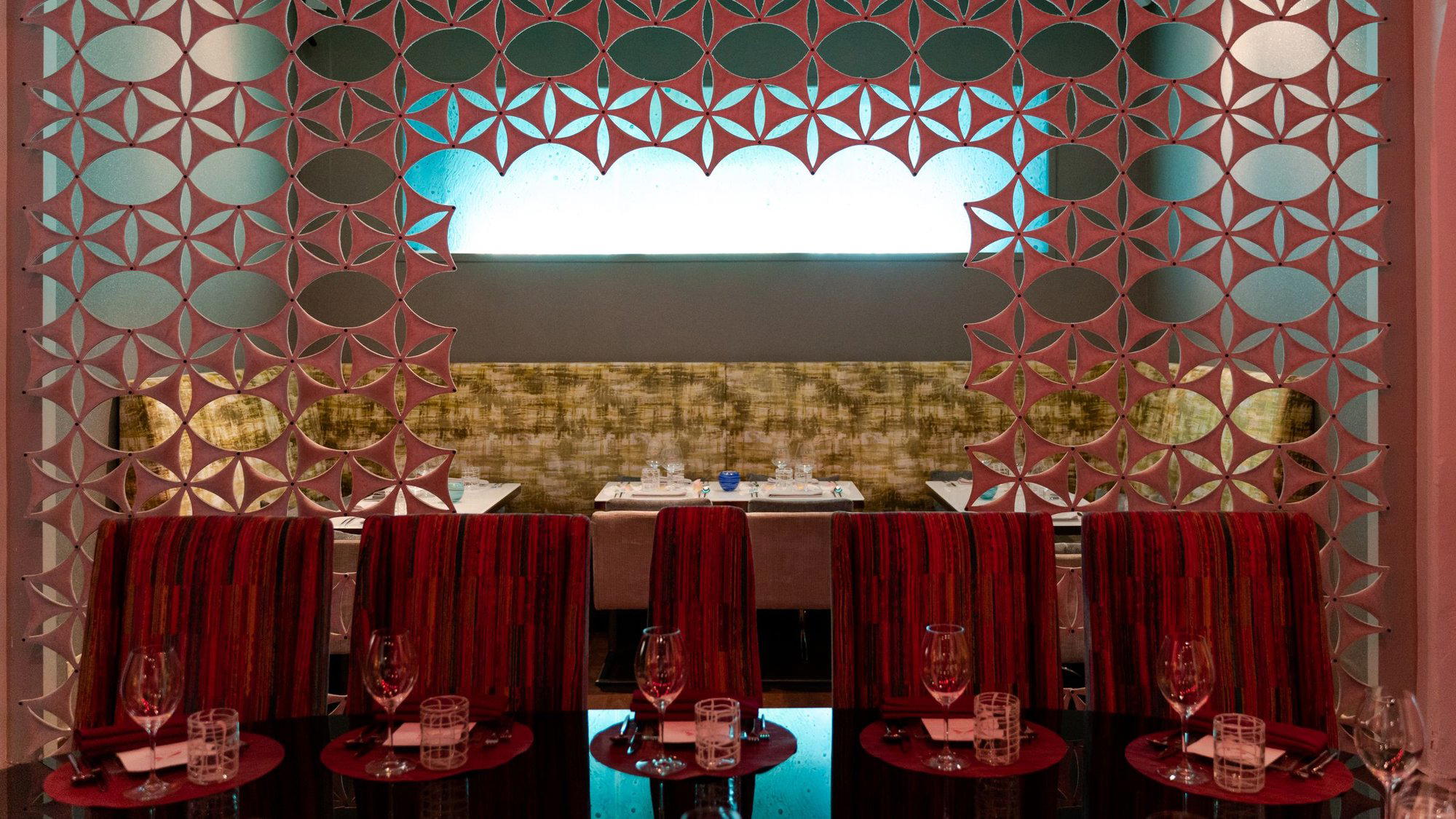
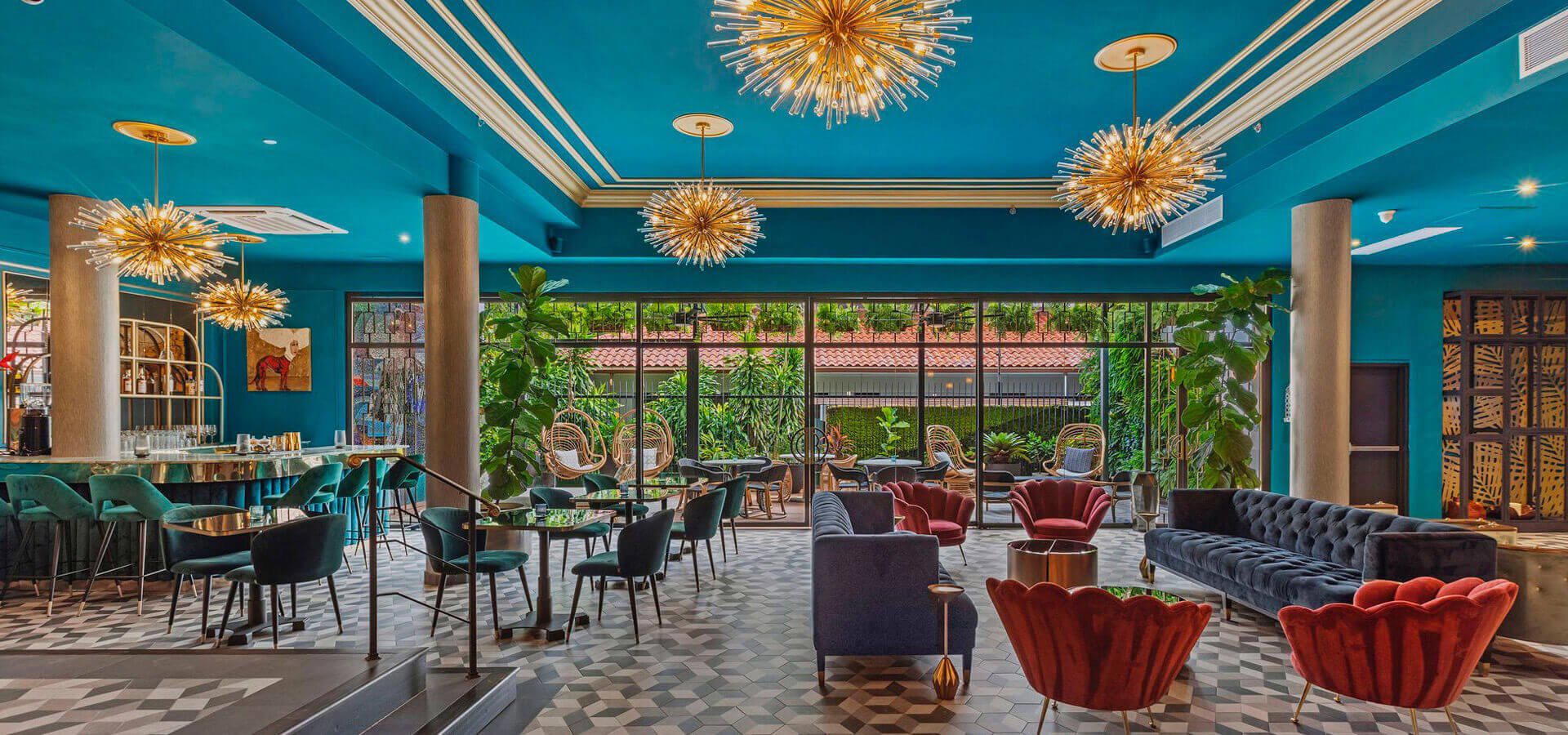
Casual yet sophisticated with white walls, mirrors, art, and a welcoming neighborhood feel.