Brazo Gitano Franco
Our verdict
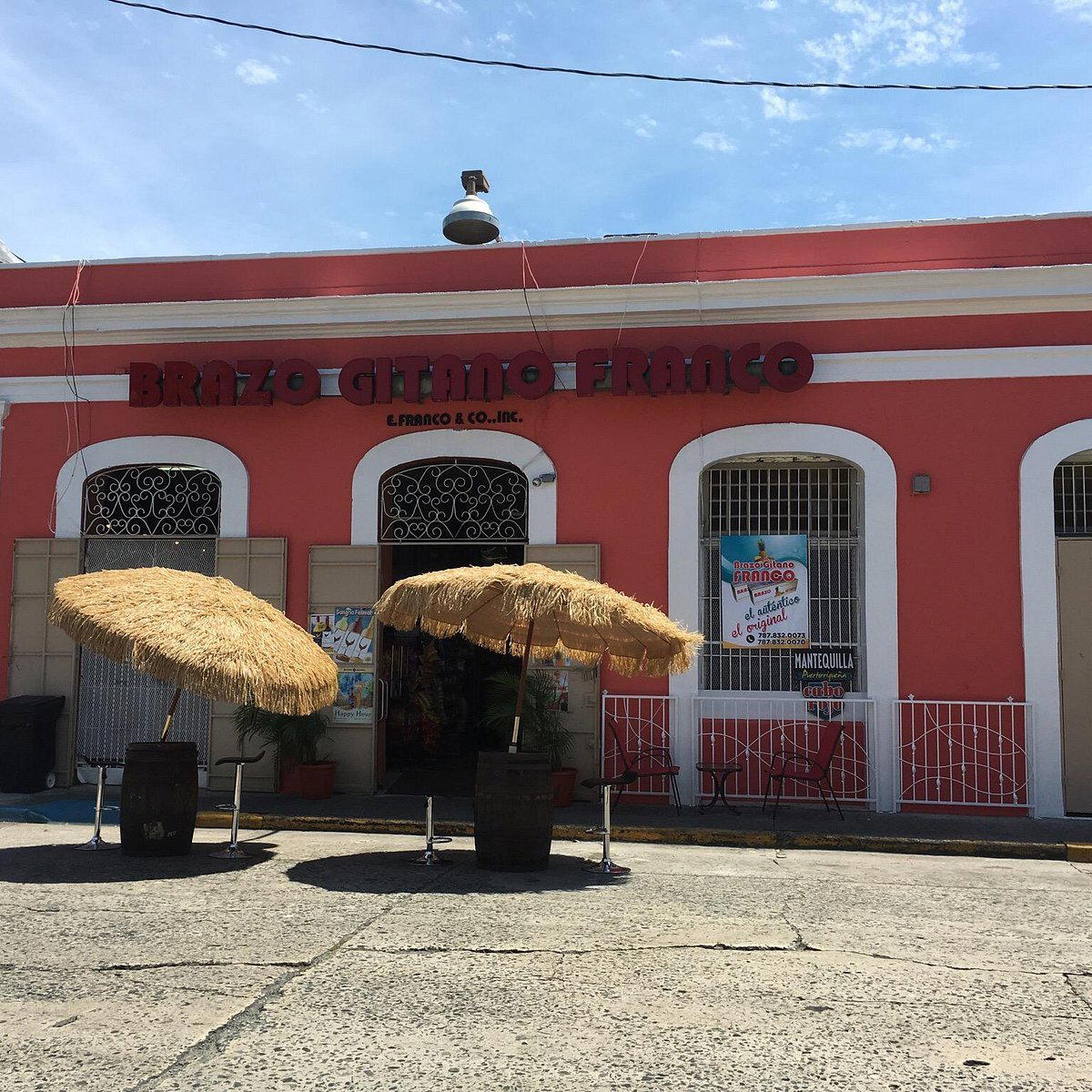
Brazo Gitano Franco occupies a corner address on Calle Méndez Vigo in central Mayagüez, placing it inside a neighborhood where Puerto Rican baking traditions have run uninterrupted for generations. The bakery format connects to the island's Spanish colonial pastry lineage, with the brazo gitano, a rolled sponge cake, as its organizing principle. For anyone tracing authentic local production in the city's western corridor, this address is the reference point.

Pearl is the En Primeur Club membership app, where members save venues, book tables and use the concierge.
The menu
What to order
- Guava Brazo Gitano
- Carrot Cream Cheese Brazo Gitano
Where Mayagüez Keeps Its Pastry Traditions
Calle Méndez Vigo runs through the commercial heart of Mayagüez like a ledger of the city's history, and the corner at Manuel Parallo is one of its older entries. The streetscape here is low-rise and lived-in, a mix of small commerce and foot traffic that belongs to the working rhythms of Puerto Rico's fourth-largest city rather than to any tourist circuit. Brazo Gitano Franco sits on that corner without fanfare, which is precisely how establishments of this type tend to operate in the western island towns. The draw is not atmosphere engineered for visitors; it is the product, and specifically a product with deep roots in Spanish and Caribbean baking culture.
The brazo gitano, literally "gypsy's arm," a rolled sponge cake filled with cream or fruit, arrived in Puerto Rico through the Spanish colonial kitchen and has remained a fixture of island celebration baking ever since. It sits in the same lineage as other rolled cakes carried across the Atlantic: the Swiss roll, the Spanish pionono, the Filipino brazo de Mercedes. What distinguishes the Puerto Rican version is its integration into everyday pastry life rather than relegation to special-occasion status. In towns like Mayagüez, a dedicated brazo gitano bakery is less a specialty shop than a neighborhood institution, the kind of address that local families return to across generations for birthdays, holidays, and ordinary Saturdays. For context on how Puerto Rico's baking culture compares across the island, Panaderia La Patria in Morovis represents a similar tradition in the central mountain region, anchoring its community through consistent, locally produced baked goods.
The Ingredient Argument Behind a Simple Cake
The brazo gitano's appeal is partly an argument about sourcing. The cake itself requires relatively few components, eggs, flour, sugar, and a filling, which means that quality differences between versions are amplified rather than masked. Puerto Rico's agricultural base, particularly in the western and northwestern zones around Mayagüez, has historically supported small-scale egg and dairy production, and the island's tropical climate yields fruits that can anchor fillings with a directness that imported alternatives cannot replicate: guava paste, local coconut preparations, and fresh cream from nearby producers each carry a flavor register that mass-manufactured counterparts flatten.
This is the underlying logic of a bakery operating at a fixed corner address in a specific city neighborhood: provenance is embedded in the routine supply chain. A shop of this type, sourcing from regional producers over time, accumulates ingredient relationships that are difficult to replicate on a larger or more itinerant scale. Western Puerto Rico's food corridor, which runs from Mayagüez south toward La Parguera and north toward Lago Dos Bocas in Arecibo, carries a distinct agricultural character that separates it from the metro San Juan dining scene anchored by restaurants like Jose Enrique. The bakeries and casual dining spots of Mayagüez operate inside that regional supply network whether or not they articulate it as a philosophy.
Mayagüez as a Bakery City
Mayagüez has a documented bakery culture that predates the modern Puerto Rican food revival by decades. The city's Spanish colonial foundation, its sustained commercial activity through the twentieth century, and its geographic position as the western island's urban center all contributed to a dense cluster of panaderías and dulcerías that have outlasted many of the economic pressures that reshaped other Puerto Rican towns. This is not nostalgia tourism; it is a live market. Local families in Mayagüez continue to source celebration cakes and daily pastries from neighborhood bakeries rather than from supermarket chains, which sustains the economics of places like Brazo Gitano Franco in a way that has become harder to maintain in more commercially homogenized markets.
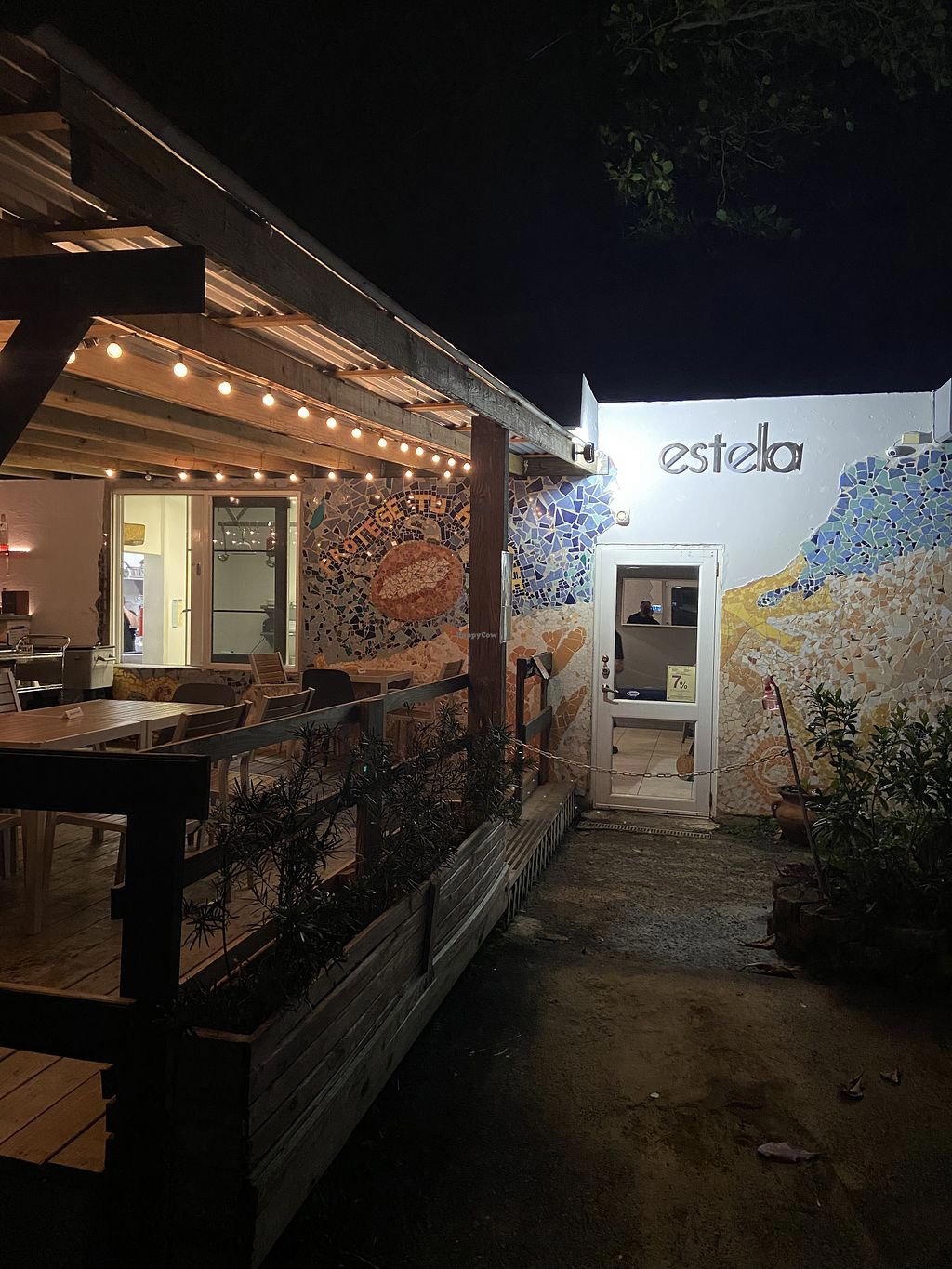
For visitors approaching from the western coast, the broader food context includes beach-adjacent spots like Kaplash in Añasco and the surf-town dining culture of Estela Restaurant in Rincón, both of which sit within a short drive. The western corridor also connects northward toward Da Bowls in Aguadilla. Against that backdrop of coastal casual dining, a corner bakery in central Mayagüez represents a different register entirely: urban, traditional, and oriented toward a repeat local clientele rather than a rotating visitor base. Our full Mayagüez restaurants guide maps the city's full range from street-level pastry to sit-down dining.
How to Approach a Visit
Planning around Brazo Gitano Franco requires flexibility. The practical approach is to visit during morning or mid-morning hours, when Puerto Rican bakeries typically have full production available, and to go earlier rather than later if a specific cake or larger order is the objective. The Calle Méndez Vigo address at the corner of Manuel Parallo is the confirmed location.
Puerto Rico's western bakery tradition does not position itself against the island's higher-profile dining destinations. The comparison set for a place like Brazo Gitano Franco is not COA in Dorado or Aleli at The Royal Sonesta San Juan; it sits in a different category entirely, one where the metric is not chef accolades or tasting menu format but consistency, neighborhood trust, and the kind of product integrity that comes from doing one thing well across many years. That framing applies equally to other Puerto Rican institutions like Lechonera Los Pinos in Cayey and Charco Azul in Vega Baja, each of which commands local loyalty through a similar logic of place-specific production.
For those traveling through the western island and building an itinerary that spans coastal dining and urban pastry stops, the pairing is natural: a morning at Brazo Gitano Franco followed by an afternoon at one of the nearby beach towns covers the range that makes western Puerto Rico a coherent food destination rather than a sequence of isolated stops. Further afield, venues like Tin Box in Vieques, El Dorado in Playita, and BODEGA in Caguas extend that argument across the island's different geographic registers.
Frequently asked questions
Can I bring kids to Brazo Gitano Franco?
A pastry counter on a busy commercial corner in Mayagüez is about as family-accessible as it gets. Brazo gitano is a straightforward rolled cake, no elaborate tasting format, no dress code, no reservation required. Children are at home in this kind of setting.
How would you describe the vibe at Brazo Gitano Franco?
The address, Esquina Manuel Parallo on Calle Méndez Vigo, puts it squarely in Mayagüez's commercial core, where the rhythm is transactional and local. This is a working bakery stop, not a café experience. Expect counter service, a neighbourhood crowd, and no frills beyond the product itself.
Is Brazo Gitano Franco the place to try a traditional Puerto Rican brazo gitano in Mayagüez?
Mayagüez has one of Puerto Rico's longest-documented bakery cultures, rooted in its Spanish colonial foundation, and Brazo Gitano Franco sits at one of the city's established commercial corners on Calle Méndez Vigo. The shop takes its name directly from the brazo gitano, the filled rolled sponge cake central to Puerto Rican pastelería tradition. For visitors specifically tracing that tradition in Mayagüez, this address is the relevant starting point.
What should I order at Brazo Gitano Franco?
The brazo gitano is the reason to come. The rolled sponge cake is the shop's namesake and the format around which everything is built.
Where exactly is Brazo Gitano Franco?
Brazo Gitano Franco is located at Esquina Manuel Parallo, 276 C. Méndez Vigo, Mayagüez, 00680, Puerto Rico, Mayaguez.
Comparable Venues
Comparable venues nearby, for context on price, style, and recognition.
| Venue | Cuisine | Price | Notes |
|---|---|---|---|
| Brazo Gitano FrancoThis venue (the venue you are viewing) | Puerto Rican Bakery & Cafe | $10–20 | Not listed |
| Leña Eh Food Truck | Wood-Fired Puerto Rican Street Food | $10–20 | Miramar |
| Christianson | Caribbean Cafe Brunch | $20–30 | Condado |
| Lote 23 | Puerto Rican Street Food Park | $20–30 | Hipódromo |
| Amor y Sal | Modern Puerto Rican Caribbean | Not listed | Pozo del Hato |
| Kaplash | Puerto Rican Seafood Empanadillas | Not listed | Anasco |
Continue exploring
More in Mayaguez
Restaurants in Mayaguez
All restaurants in Mayaguez →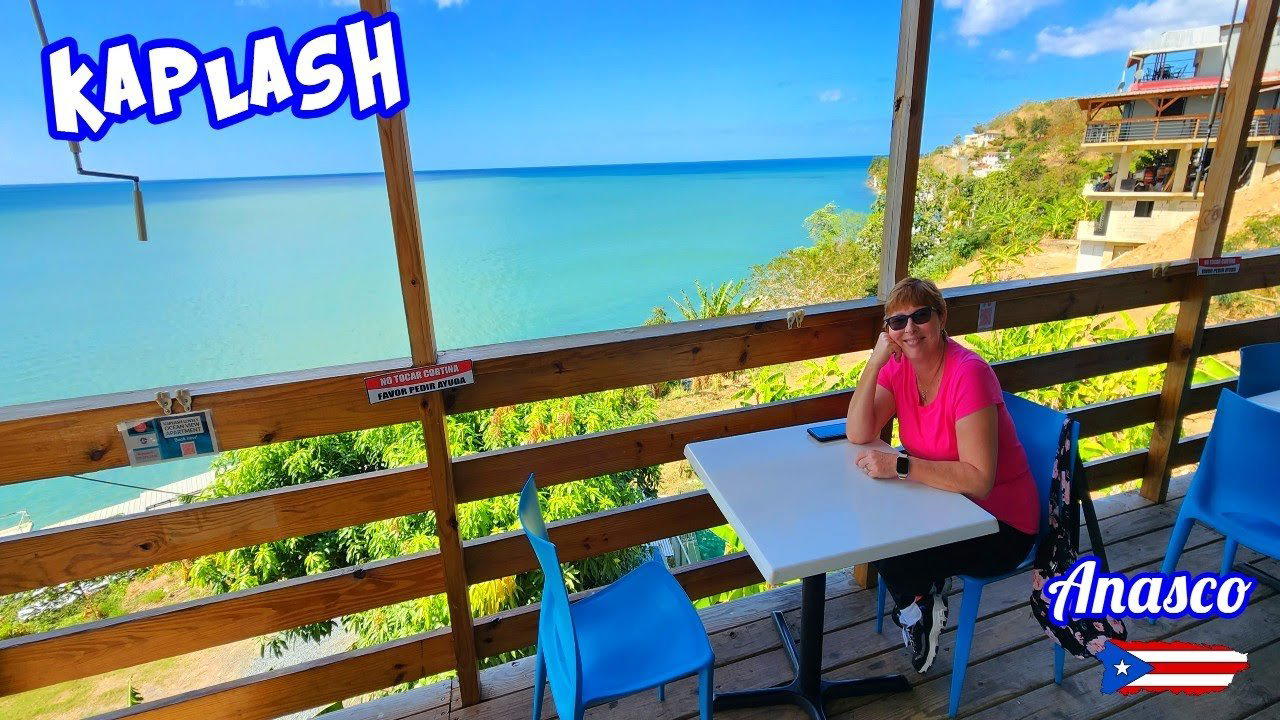

Bars in Mayaguez
Browse all →
Details
- Classic
- Cozy
- Casual Hangout
- Brunch
- Historic Building
- A La Carte
Current opening hours
- Monday
- 7 AM–4 PM
- Tuesday
- 7 AM–4 PM
- Wednesday
- 7 AM–4 PM
- Thursday
- 7 AM–4 PM
- Friday
- 7 AM–4 PM
- Saturday
- 7 AM–4 PM
- Sunday
- 7 AM–4 PM
Hours can change for holidays and private events. Last verified .
Cozy, nostalgic atmosphere in a quaint shop with a casual cafeteria for breakfast and lunch.