Casa BACARDÍ
Casa BACARDÍ sits on the Cataño waterfront, directly across San Juan Bay from Old San Juan, and operates as the working home of one of rum's most recognized global brands. The facility combines distillery access, tasting rooms, and a cocktail program rooted in BACARDÍ's century-long Caribbean production history, making it a reference point for anyone serious about Puerto Rican rum culture.

Pearl is the En Primeur Club membership app, where members save venues, book tables and use the concierge.
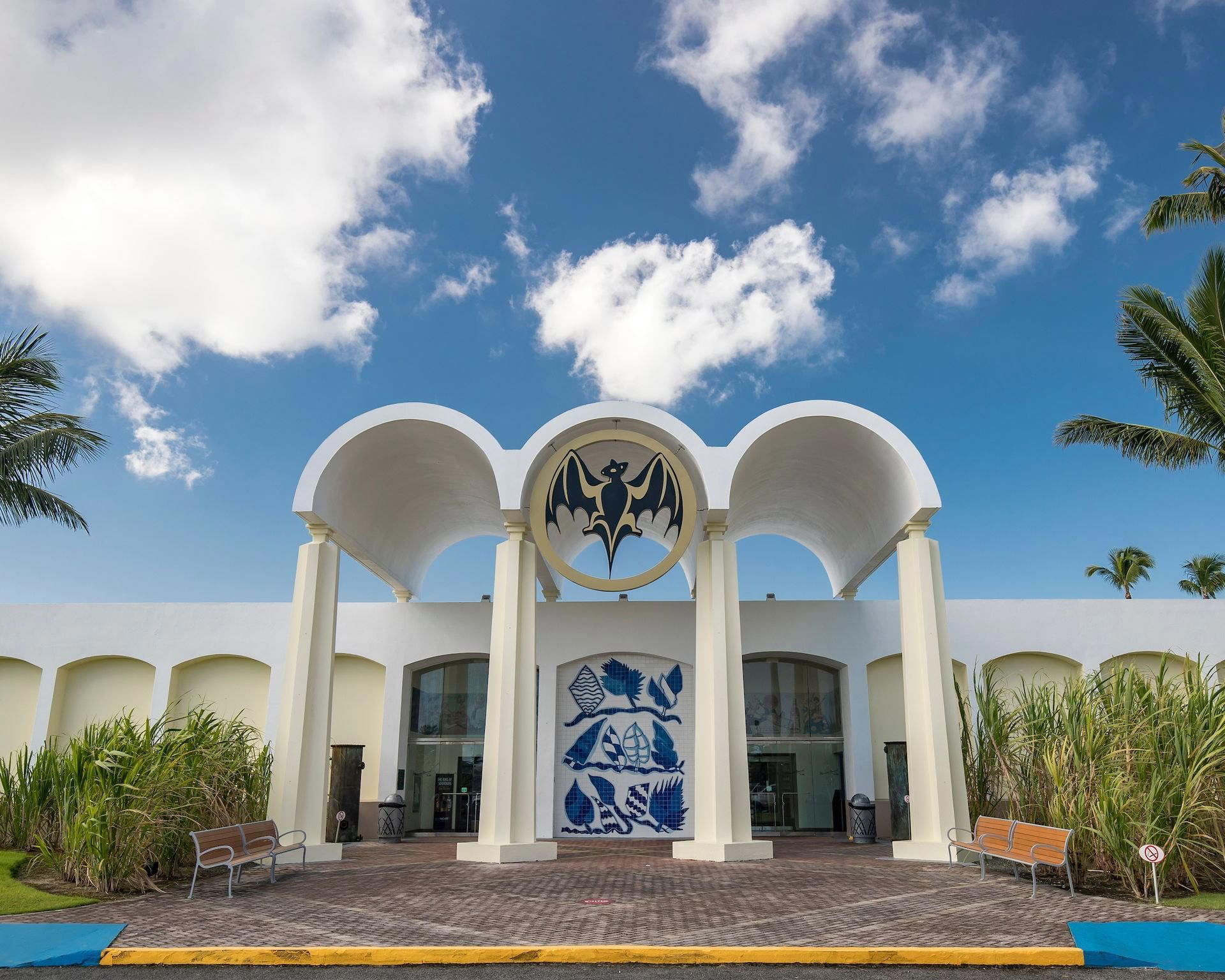
Rum at the Source: What Casa BACARDÍ Represents in Puerto Rico's Spirits Landscape
Puerto Rico produces more rum than any other Caribbean jurisdiction by volume, and the island's relationship with the spirit is not purely commercial. It is infrastructural, cultural, and, at its most concentrated, expressed in a single facility on the Cataño waterfront. Casa BACARDÍ sits on the western shore of San Juan Bay, a short ferry crossing from Old San Juan, and functions as the largest premium rum visitor facility in the world by throughput. That distinction matters less as a marketing credential than as a structural fact about how rum education, tourism, and brand heritage intersect in the Caribbean today.
The address, PR-165 KM 6.2, places it well outside the bar-and-restaurant density of San Juan's tourist corridor, and that physical separation is part of what makes a visit here feel distinct. You are not arriving at a polished hotel bar or an urban cocktail room. You are crossing a bay on a public ferry from Pier 2 in Old San Juan, walking toward a production campus that has been operating in Puerto Rico since the early twentieth century. The approach itself resets expectations.
The Cocktail Program in Context
Caribbean rum facilities that offer visitor experiences tend to divide into two categories: those that treat the tasting as an afterthought to the distillery tour, and those that build a genuine cocktail program around the spirit's range. Casa BACARDÍ positions itself in the second group, with dedicated tasting areas and cocktail-making sessions that go beyond a sample pour at the end of a production walkthrough.
The BACARDÍ portfolio is wide enough to support real category depth in a cocktail setting. White rums, aged expressions, and flavored variants occupy different positions in a well-structured cocktail menu, and the on-site program uses that range to move visitors through the logic of rum-based drinks rather than simply showcasing one flagship expression. The Mojito and the Daiquiri, both drinks with legitimate historical claims to BACARDÍ involvement, are reference points here in the way that a gin palace uses the Martini or a Scotch distillery returns to the highball. The technique may be direct, but the context is the point.
For comparison, bars like Jewel of the South in New Orleans or Kumiko in Chicago build cocktail programs around single-spirit literacy and historical accuracy. Casa BACARDÍ operates in a different register, one that is more accessible by design, but the underlying ambition, to use a place's history as the organizing principle of a drinks program, is shared. Similarly, Bar Leather Apron in Honolulu and Julep in Houston demonstrate how regional spirit identity can anchor serious bar programs in cities that are not traditionally associated with cocktail culture. Puerto Rico has a stronger native claim on rum than most, and Casa BACARDÍ is the most formalized expression of that claim.
Puerto Rico's Bar Scene: Where Casa BACARDÍ Sits
San Juan's cocktail scene has matured considerably over the past decade. La Factoría in San Juan is the most internationally cited example of that shift, a bar that operates across multiple rooms and formats and draws the kind of attention that appears in global cocktail rankings. Casa BACARDÍ does not compete in that register. It is not a bar in the operational sense of a place you drop into on a Tuesday evening. It is a structured visitor experience, ticketed and tour-based, that sits upstream of the island's independent bar culture rather than alongside it.
That distinction matters for planning purposes. Visitors who want to understand Puerto Rican rum at a production level, and who want a cocktail experience framed around that production history, will find what they are looking for here. Those seeking the kind of spontaneous, bartender-led discovery that defines places like Campamento Piñones in Loiza or La Parguera should build their itinerary around the island's independent venues and treat Casa BACARDÍ as a complementary half-day rather than an anchor evening.
The broader Puerto Rico rum trail also includes producers and spots well outside the San Juan metro. Da Bowls in Aguadilla, El Bohio in Rincon, PR-116 in Lajas, and Guavate in Cayey each reflect different facets of how the island eats, drinks, and gathers. Casa BACARDÍ represents the most globally visible point on that map, but it does not define the whole of it. For a fuller picture of what Cataño and the surrounding area offer, see our full Cataño restaurants guide.
Planning a Visit
The most practical access route from San Juan is the AMA ferry from Pier 2 at Old San Juan, a crossing that takes roughly ten minutes and deposits visitors within walking distance of the facility entrance. Driving from San Juan is possible via PR-165, but parking logistics and the relative ease of the ferry crossing make the water route the more sensible option for most visitors. Tours run across multiple formats, from standard distillery and history walkthrough packages to cocktail-making masterclass sessions, and booking in advance is advisable given that organized tour groups occupy a significant portion of available capacity, particularly on weekends and during peak travel months from December through April.
Experience is structured and narrated rather than open-format, which means the visit rewards visitors who arrive with some baseline curiosity about rum production or cocktail history. Those expecting a freestanding bar or restaurant operation will find the format more structured than they anticipate. Dress code is casual by the standards of the facility, and the overall tone sits firmly in the accessible, family-appropriate register rather than the adult-specialist tier where bars like La Factoría operate.
Fast Comparison
| Venue | Price | Awards |
|---|---|---|
| Casa BACARDÍThis venue (the venue you are viewing) | $30–50 | Not listed |
| La Factoría | $20–30 | World's 50 Best #26 · Food & Wine Top 10 US Bars #6 |
Continue exploring
More in Catano
Bars in Catano
All bars in Catano →
Restaurants in Catano
Browse all →
Casa BACARDÍ
The drinks
- Classic cocktails
Signature drinks: Cuba Libre, Mojito, Daiquiri.
Details
- Well Known
- Lively
- Historic
- Celebration
- Group Outing
- Casual Hangout
- Waterfront
- Historic Building
- Outdoor Terrace
- Lounge Seating
- Classic Cocktails
- Rum
- Waterfront
- Street Scene
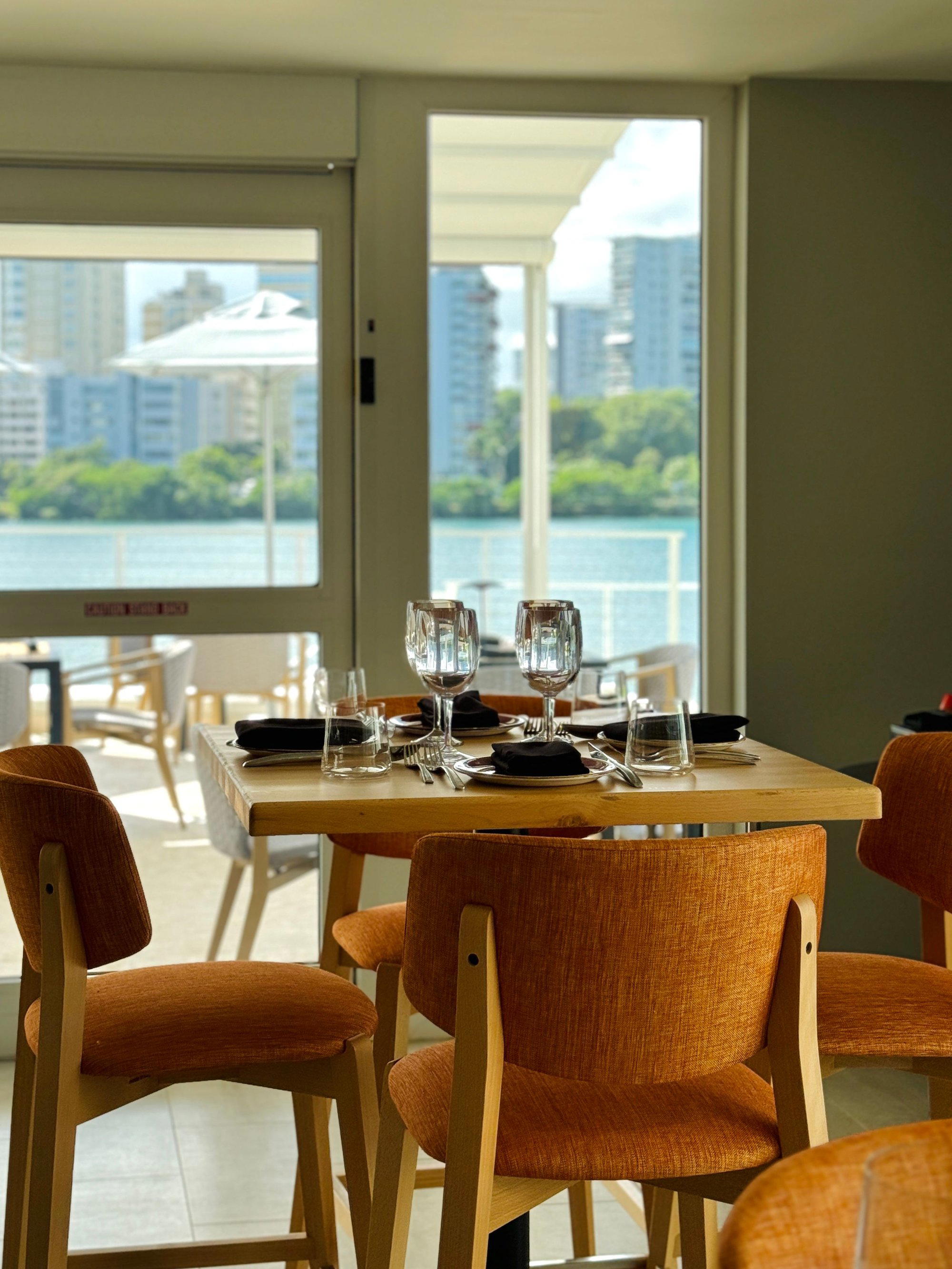
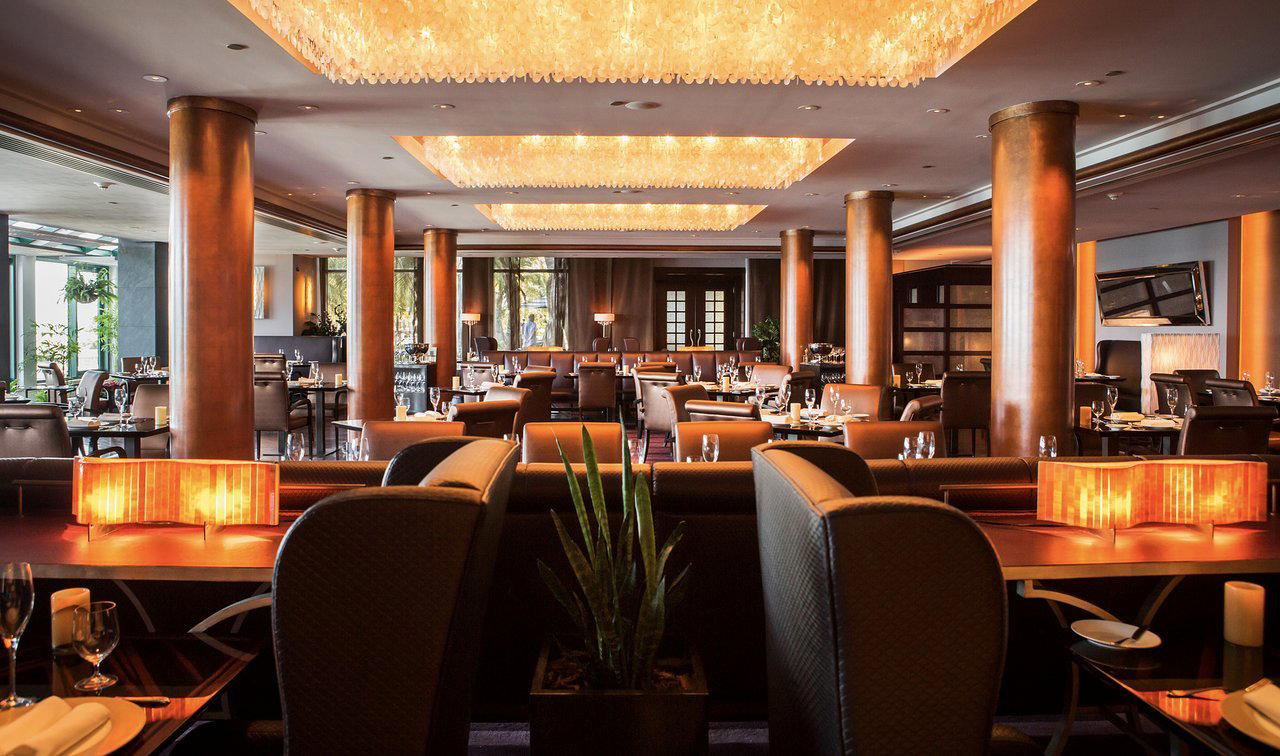
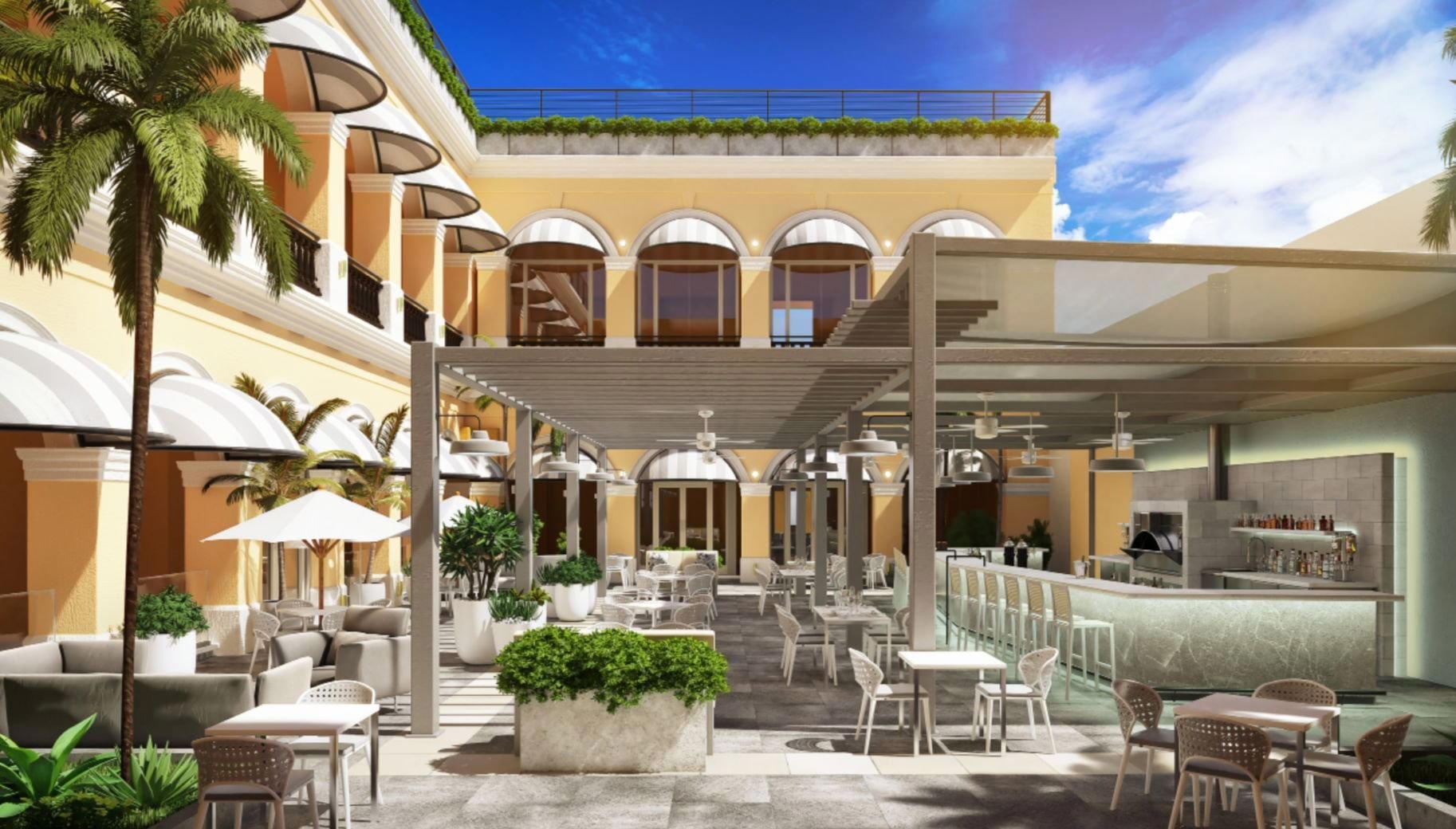
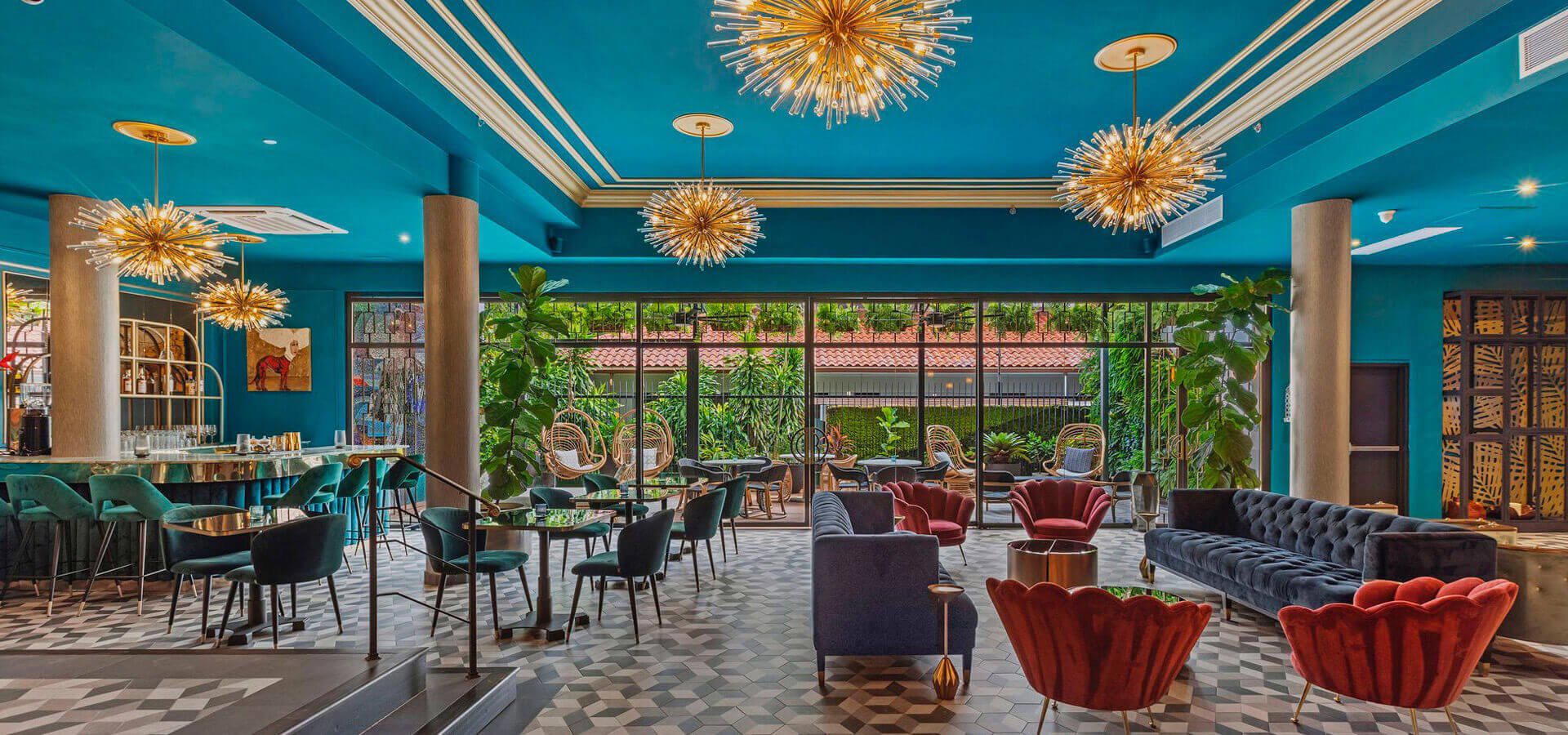
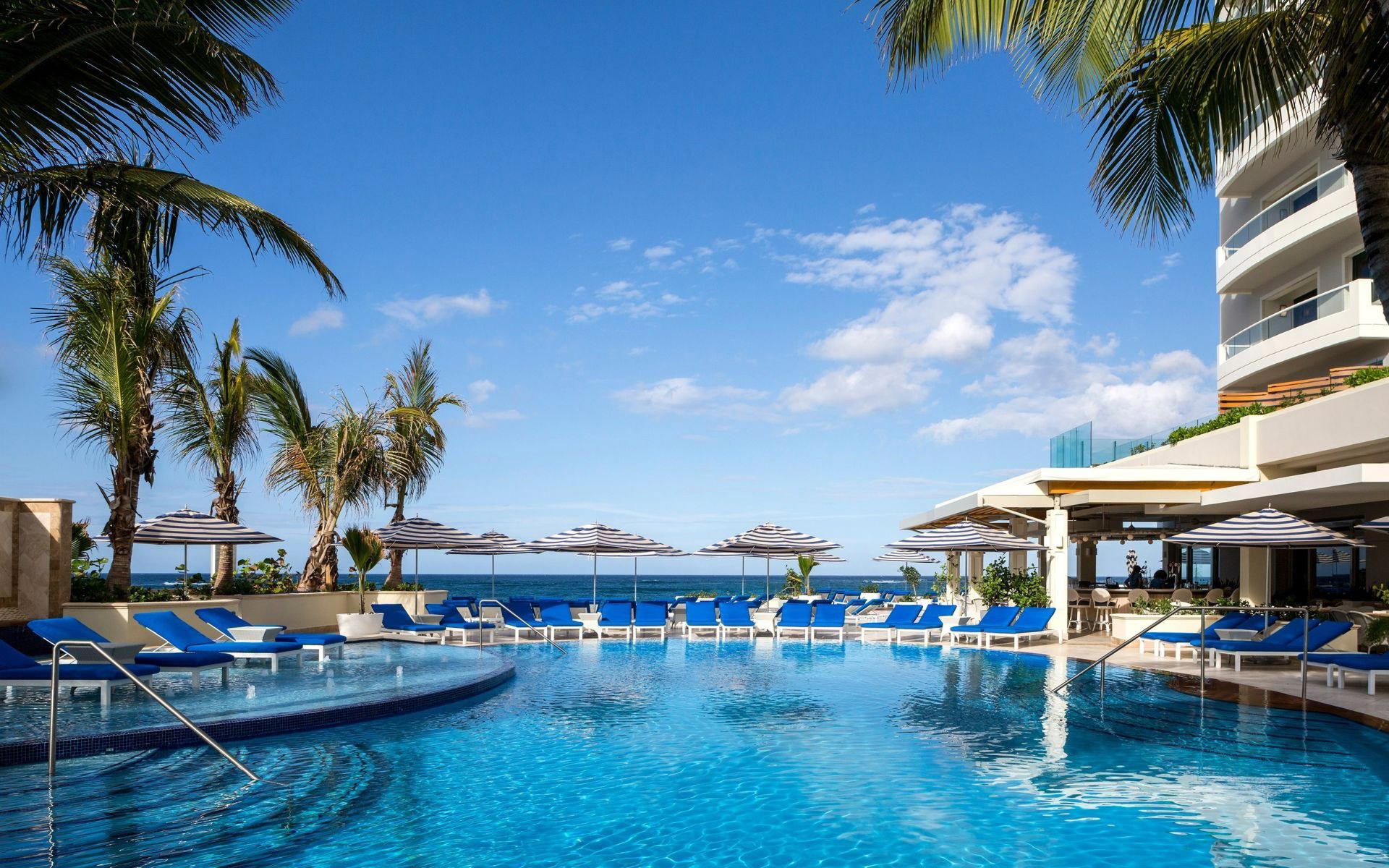
Lively music-filled waterfront pavilion with bay views and lively rum heritage atmosphere.