Marmalade Restaurant & Wine Bar



Marmalade Restaurant & Wine Bar on Calle de la Fortaleza brings multi-course tasting menus to Old San Juan with a focus on vegetables, organic sourcing, and sustainable technique. Its wine program has earned eleven consecutive Wine Spectator Awards, placing it in a distinct tier among Puerto Rico's fine dining options. The format rewards guests who arrive unhurried and ready to follow the kitchen's lead.
Pearl is the En Primeur Club membership app — saves, bookings, and concierge access live there. Same editors, same standards.
- Address
- 317 C. de la Fortaleza, San Juan, 00901, Puerto Rico
- Phone
- +1 787-724-3969
- Website
- marmaladepr.com
- Directions
- Get directions
 Saves & bookings on Pearl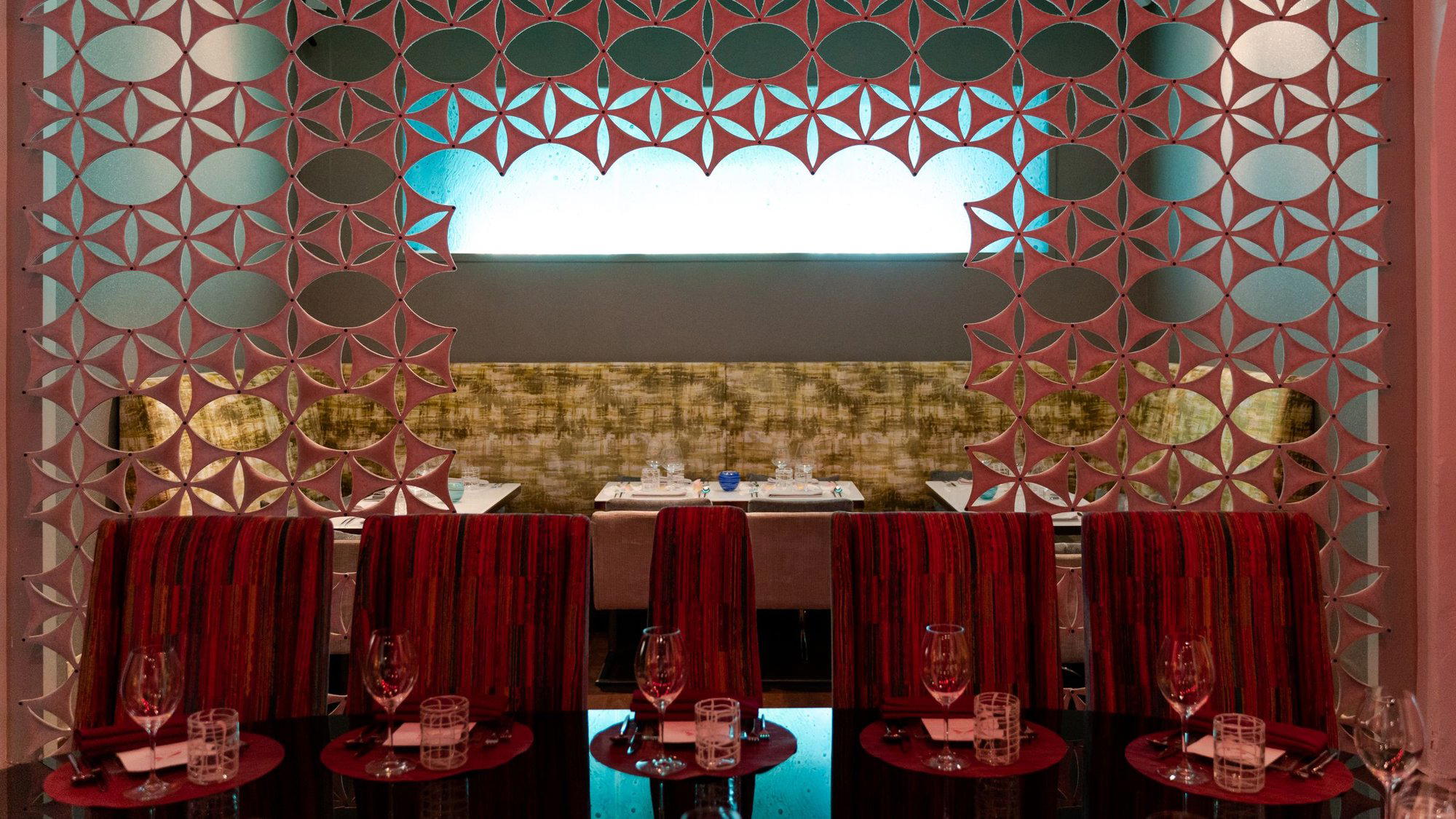
A Street in Old San Juan Where the Pace Changes
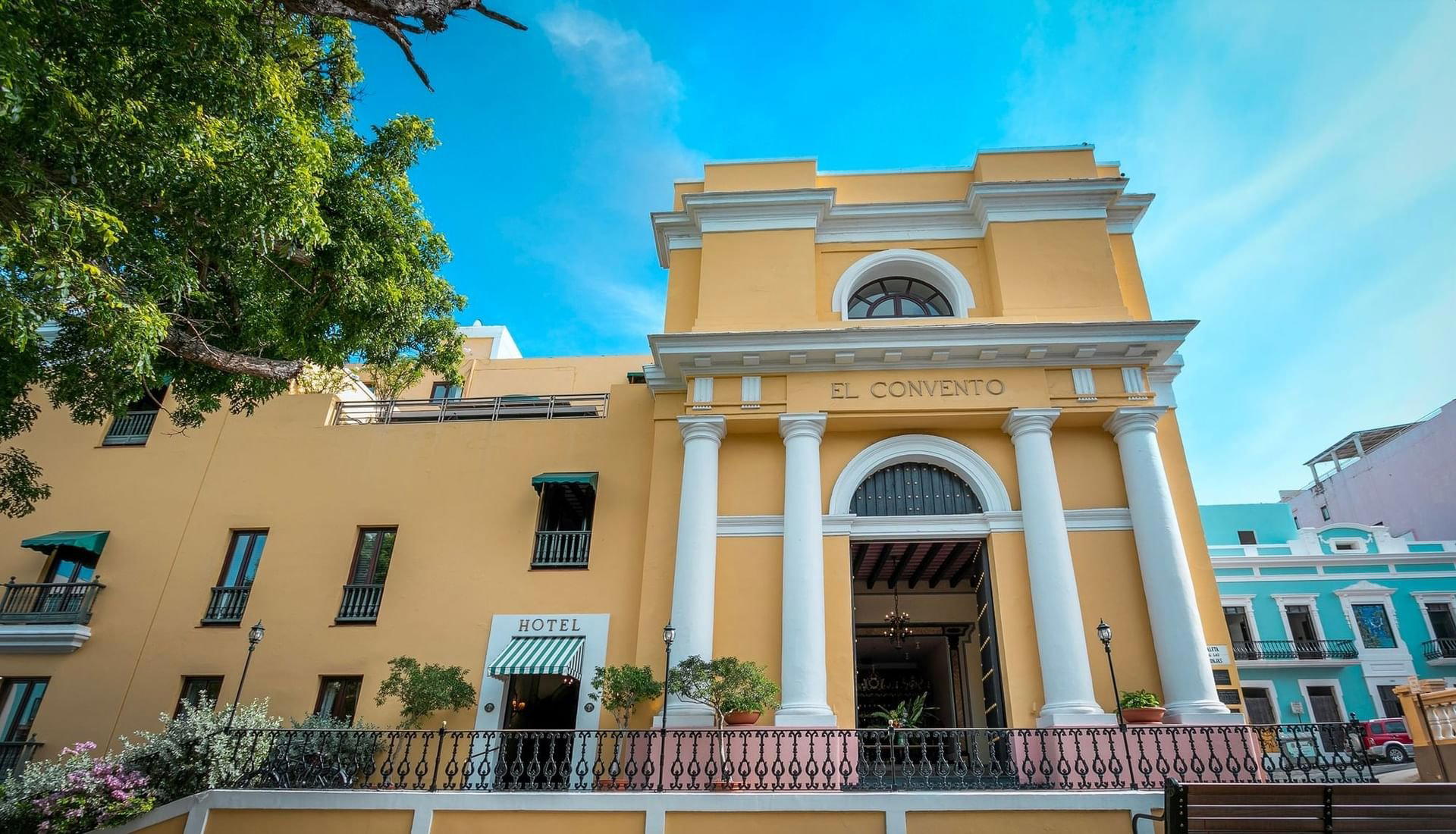
Calle de la Fortaleza runs through the oldest part of San Juan, past colonial facades, ironwork balconies, and the kind of foot traffic that moves differently at night than during the day. Marmalade Restaurant & Wine Bar is a restaurant in San Juan, Puerto Rico, with. The transition from the cobblestoned street outside to the interior signals something deliberate: this is a room built around a particular kind of meal, one measured in courses rather than in minutes.
Old San Juan, with its layered history and growing reputation as a serious dining address, has become the place where that tension resolves most interestingly. Marmalade operates at that intersection, with a tasting menu format and a commitment to organic, sustainable sourcing that places it in a different conversation from the island's resort dining circuit.
The Shape of the Meal
Tasting menus carry a set of implicit rules, and Marmalade's approach leans into them. The multi-course format here is not a showcase of technical spectacle for its own sake but an argument for vegetables and earth-friendly ingredients as the primary subject of a serious meal. That positioning is still uncommon in the Caribbean, where protein-forward traditions run deep and plant-forward fine dining occupies a small, specialist niche.
Restaurants like Aponiente in El Puerto de Santa María built their reputations on reframing what the sea and the land could produce when treated as the protagonist rather than the supporting cast. At the other end of the spectrum, Le Bernardin in New York City made precision and restraint a discipline in its own right. Marmalade's positioning draws from that same broader current: the idea that a tasting menu should teach the diner something about the source material, not just about the chef's dexterity.
The pacing of a meal at Marmalade is worth considering before you arrive. Multi-course formats in this register typically run two hours or more, and the rhythm is set by the kitchen, not the diner. That is the correct way to experience this kind of cooking. Arriving with a later commitment, or with guests who prefer à la carte flexibility, will undercut the format.
The Wine Program as a Structural Argument
The wine list has earned a Wine Spectator Award, and that recognition signals serious curation. The Wine Spectator Award of Excellence program evaluates lists on depth, breadth, and compatibility with the kitchen's direction. Earning it once requires a genuine program. Earning it eleven times requires sustained curation, which is a different and harder thing to sustain in a market where import logistics and changing vintages test even well-resourced programs.
In the context of Puerto Rico's dining scene, a wine list of this calibre shifts the entire structure of the evening. The food and wine conversation becomes genuinely bidirectional: the list is not just an adjunct to the menu but a parallel argument about flavour, origin, and season. Guests who want to engage with the wine component should communicate that to the floor at the start of the meal rather than treating it as an afterthought between courses. The better tasting menu rooms, from Atomix in New York City to Alain Ducasse at Louis XV in Monte Carlo, have long understood that the wine pairing conversation is part of the dining ritual, not separate from it. Marmalade's eleven-time recognition suggests the same philosophy applies here.
Old San Juan as a Dining Address
The neighbourhood context matters. Old San Juan is a historic zone, and its density of serious restaurants has grown considerably in recent years. The area now supports a range of fine dining formats, from the Modern American positioning of 1919 Restaurant to the more intimate approaches at venues like Canvas Restaurant, ORUJO, and Seva. Marmalade occupies its own register within this set: the multi-course tasting format and the sustained wine program place it in a tier that competes on depth of experience rather than on flexibility or accessibility.
For visitors planning several meals across an Old San Juan stay, the sequencing logic matters. Marmalade works well as a centrepiece dinner rather than a first-night exploration. Use a lighter, more à la carte meal earlier in a trip to orient yourself to the neighbourhood, then return to a format like this one when you have calibrated your appetite and schedule.
Puerto Rico's broader restaurant scene has earned increasing attention from travellers who previously routed exclusively through the resort strip east of the capital. Old San Juan has been the engine of that shift, and venues like Paros Restaurant demonstrate that the island's fine dining vocabulary now extends well beyond its colonial-era centre. For context on the Caribbean fine dining circuit more broadly, the formats at Lazy Bear in San Francisco and Alléno Paris au Pavillon Ledoyen illustrate how tasting menu culture at the higher end operates across different markets, each with its own relationship to seasonality and sourcing.
Planning Your Visit
Marmalade is located at 317 Calle de la Fortaleza in Old San Juan, on one of the district's most recognisable streets. The address is walkable from most hotels within the historic zone, and the cobblestone streets of the area mean that comfortable footwear is worth factoring into the evening. For accommodation options near the restaurant, the full San Juan hotels guide maps the range of properties across the district.
Given the tasting menu format and the wine program's recognition, reservations are the only sensible approach. How far in advance to book will depend on the season: Puerto Rico's peak visitor period runs roughly from mid-December through April, and Old San Juan's better restaurants fill early during those months. Outside peak season, lead times shorten, but a venue in this tier is not one to approach as a walk-in.
Cuisine Lens
Comparable venues nearby, for context on price, style, and recognition.
| Venue | Cuisine | Price | Notes |
|---|---|---|---|
| Marmalade Restaurant & Wine BarThis venue — the venue you are viewing | Modern Fusion Fine Dining | $$$$ | Not listed |
| Sensory | Modern Eclectic Fusion | $$$$ | Campo Alegre |
| MĀRO | Pacífico-Latina Fusion | $$$$ | Campo Alegre |
| HUMO | International with Asian Twist | $$$$ | Campo Alegre |
| DRGN | Latin-Asian Fusion | $$$$ | Condado |
| lala Puerto Rico | New Puerto Rican Fusion | $$$$ | San José |
Recognition history
Dated appearances from independent guides and award organizations, with the underlying list record or original source where available.
Wine Spectator Best of Award of Excellence
Wine Spectator
OpenTable Top 100 Restaurants
OpenTable
World Culinary Awards Puerto Rico's Best Restaurant 2025 #1
World Culinary Awards
At a Glance
- Romantic
- Elegant
- Sophisticated
- Intimate
- Cozy
- Date Night
- Special Occasion
- Celebration
- Wine Cellar
- Extensive Wine List
- Sommelier Led
- Local Sourcing
Current opening hours
- Monday
- 5–10 PM
- Tuesday
- 5–10 PM
- Wednesday
- 5–10 PM
- Thursday
- 5–10 PM
- Friday
- 5–10 PM
- Saturday
- 5–10 PM
- Sunday
- 5–10 PM
Hours can change for holidays and private events. Last verified .
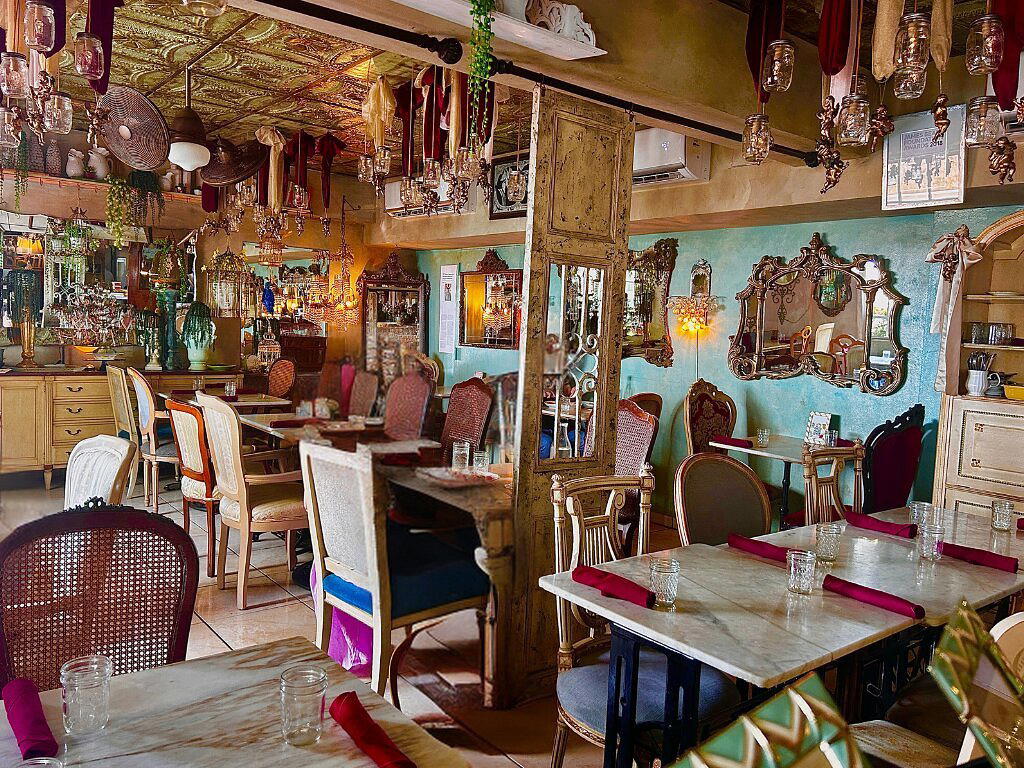
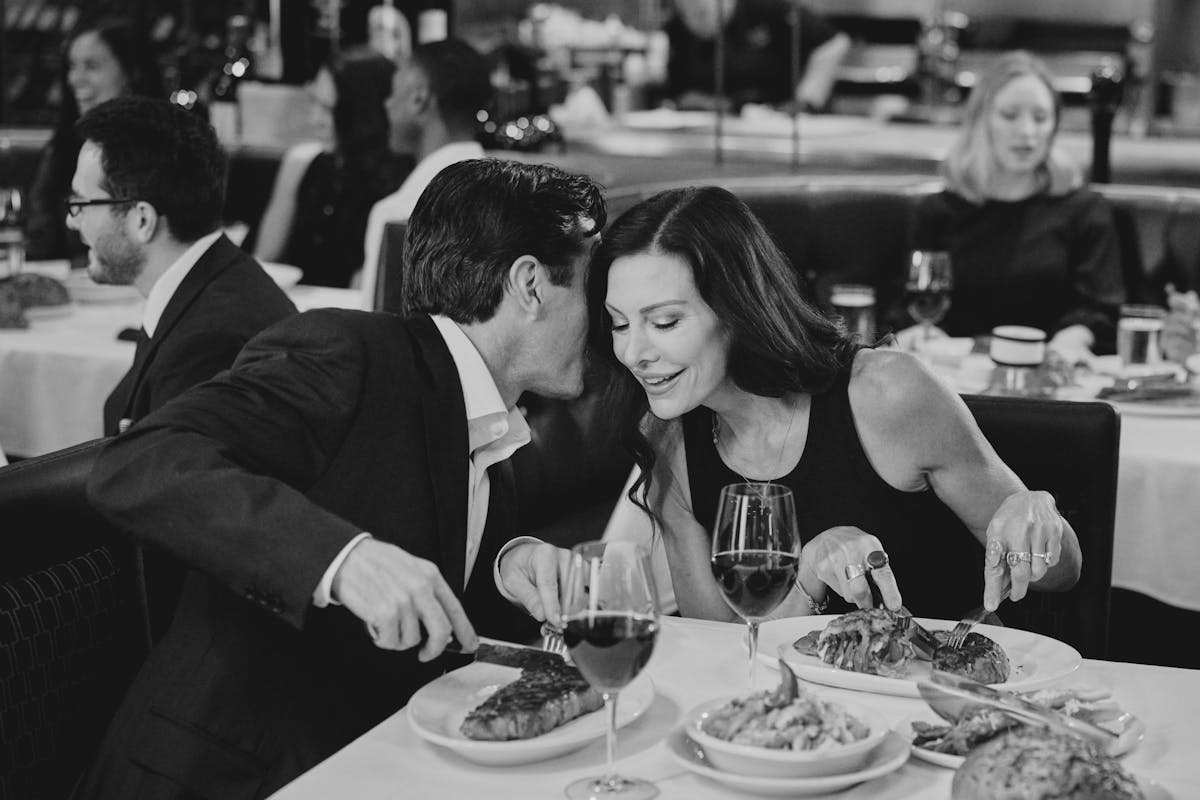
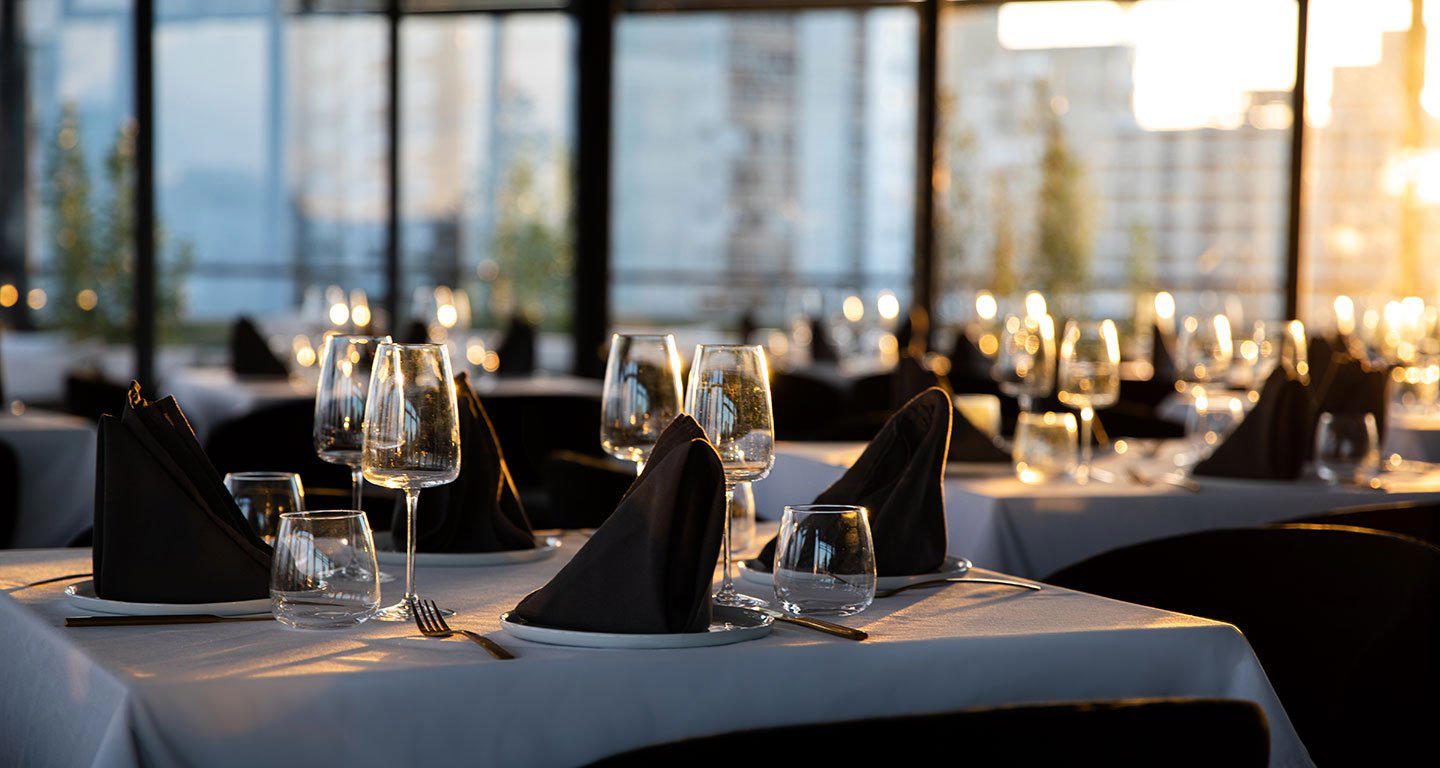
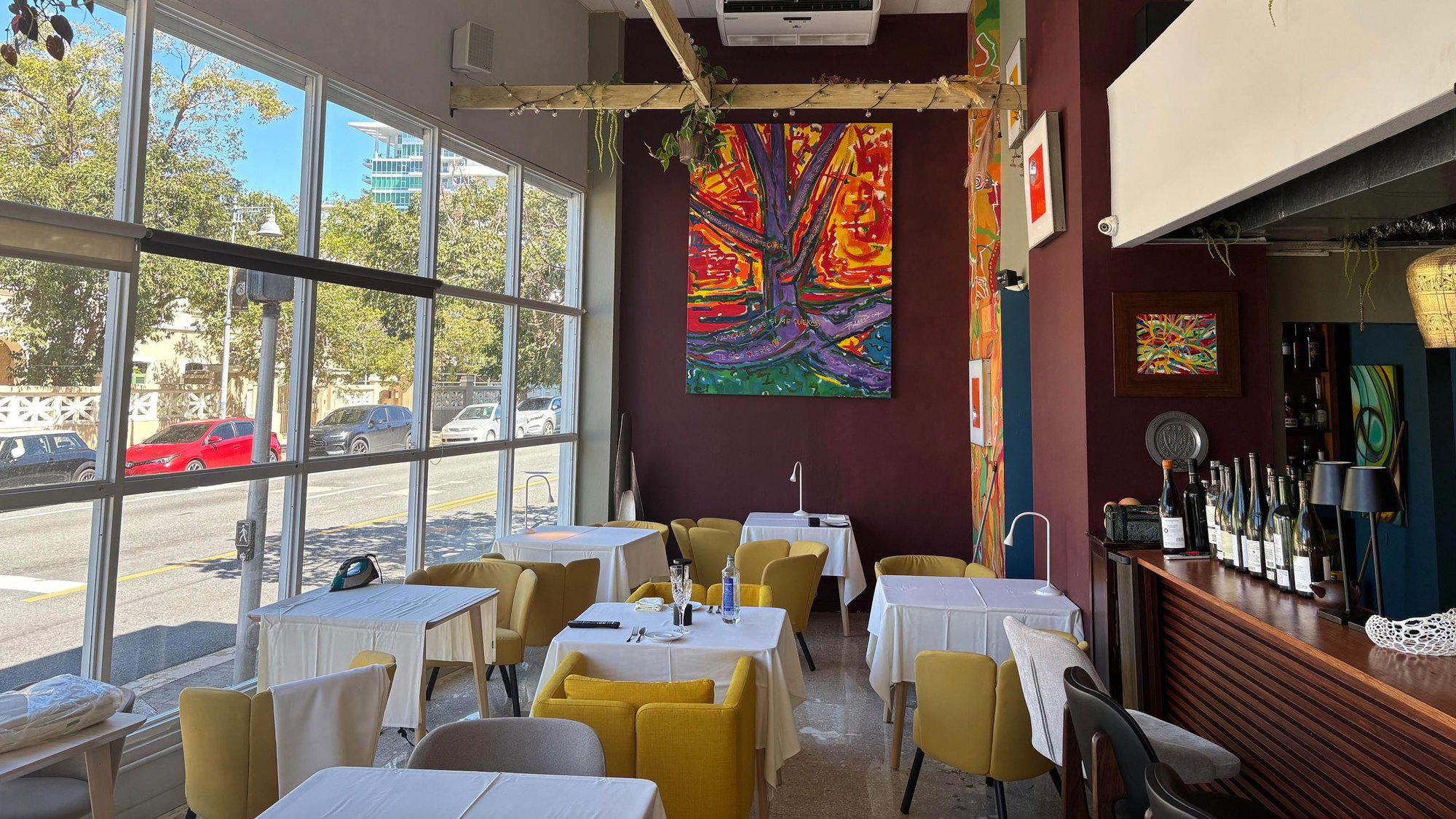
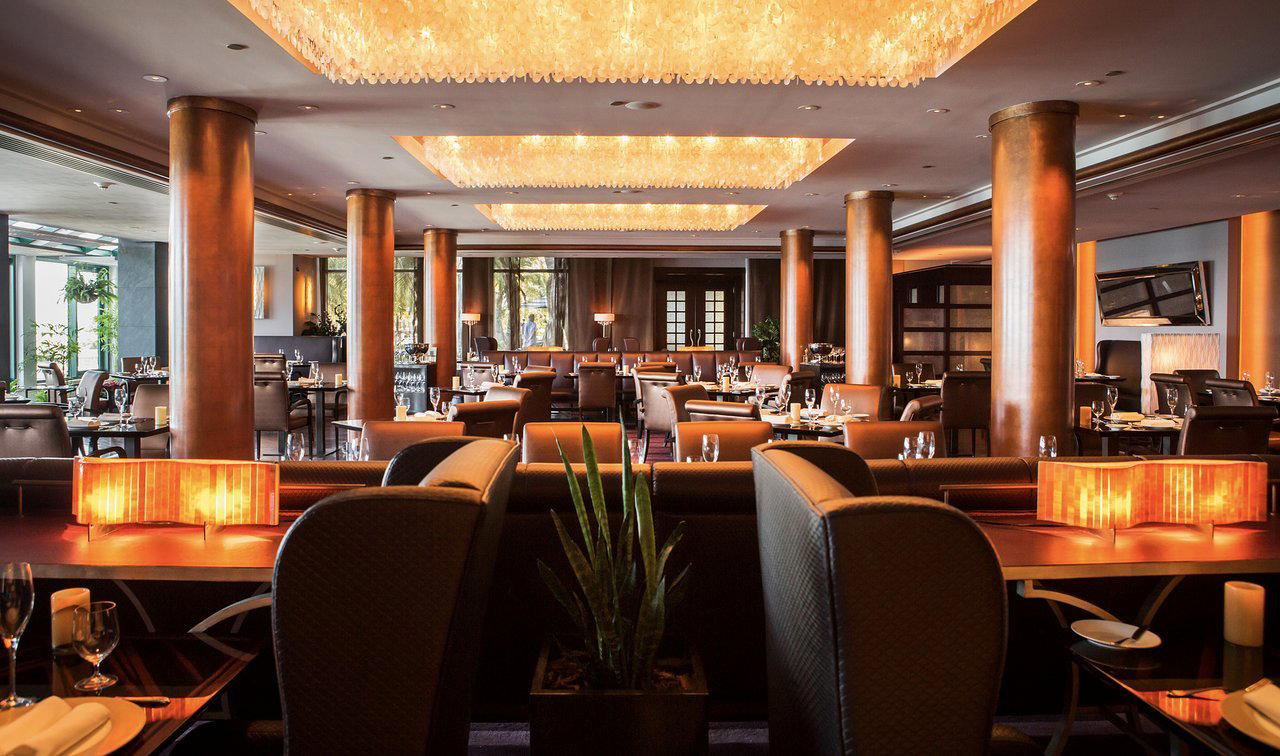
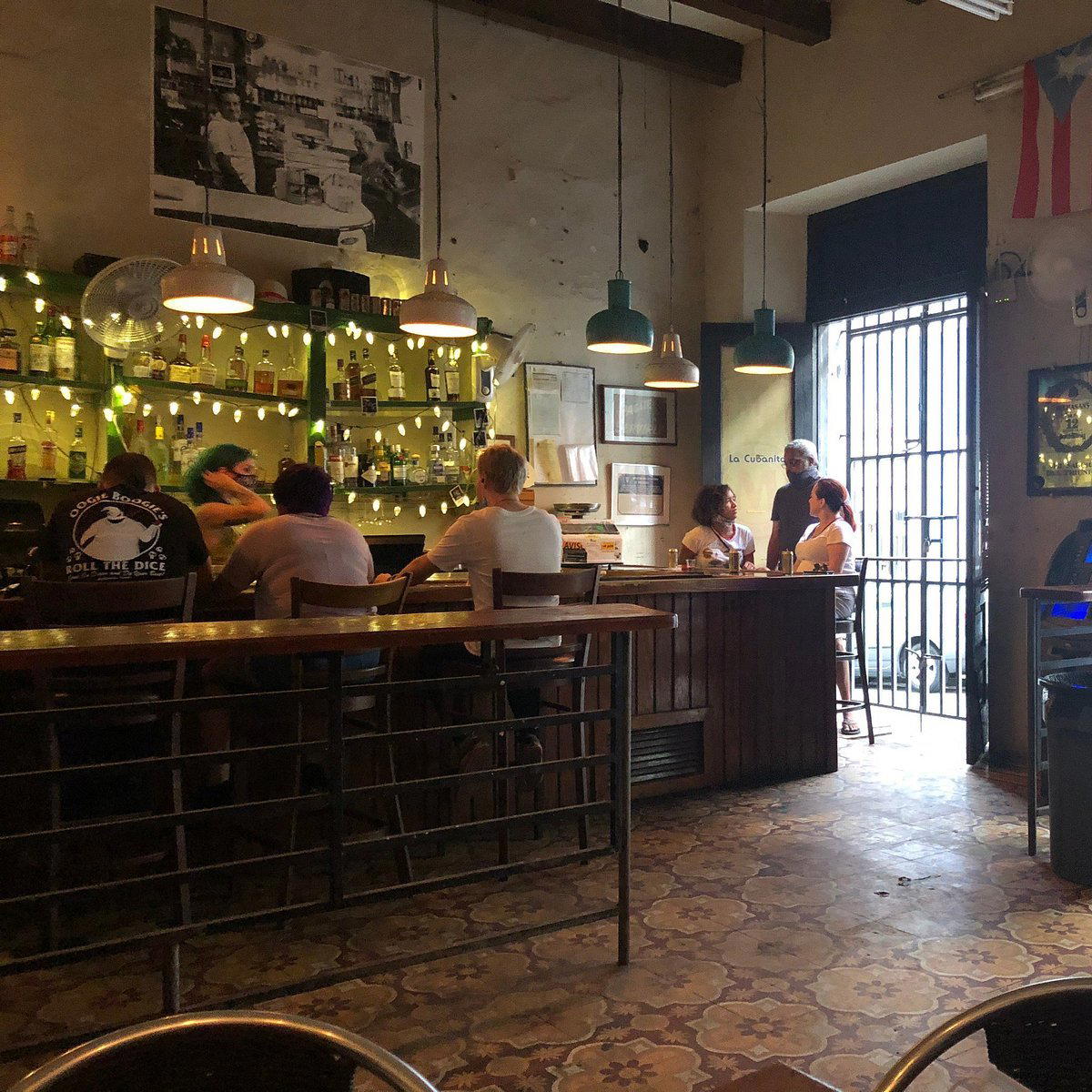
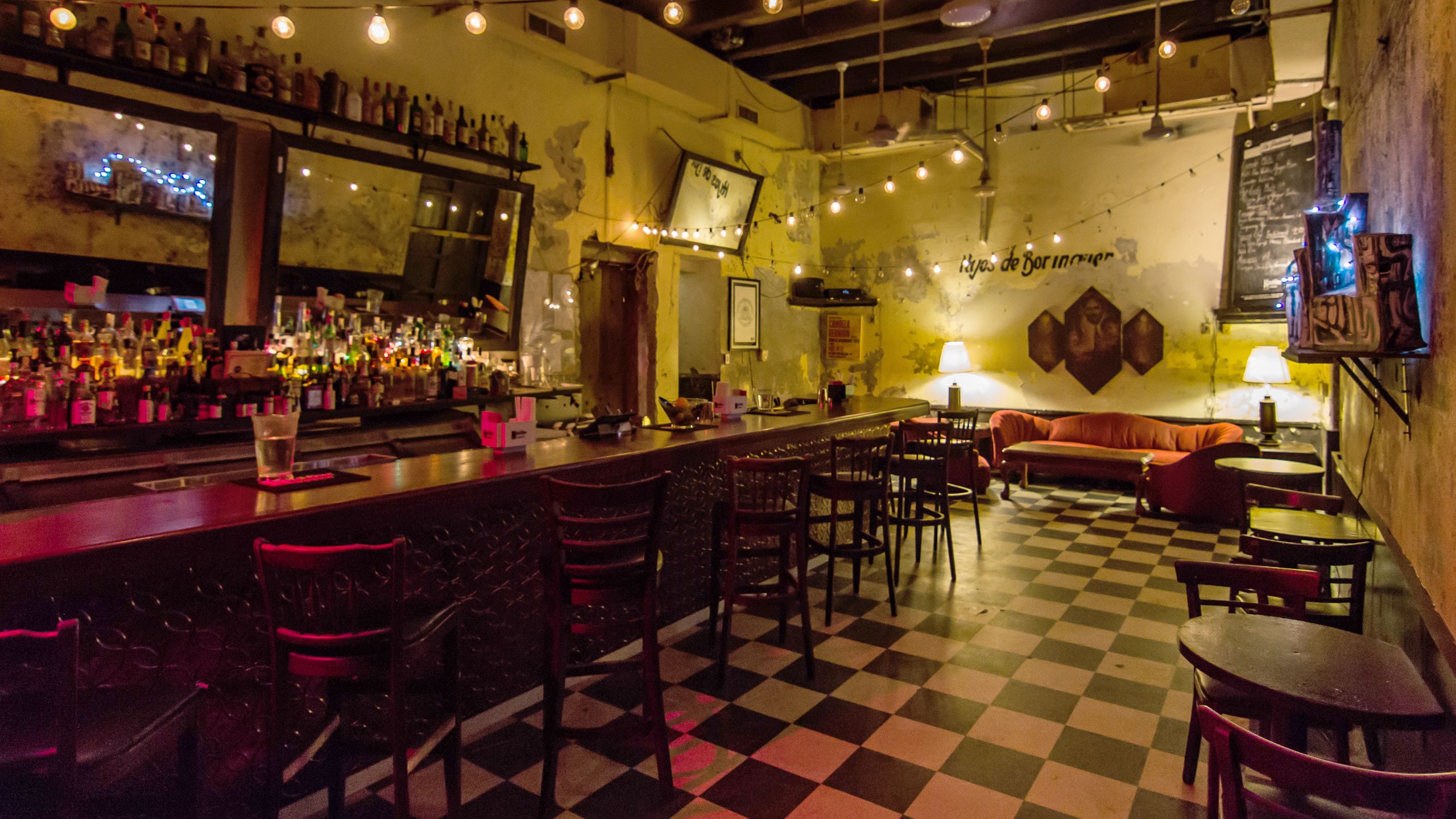
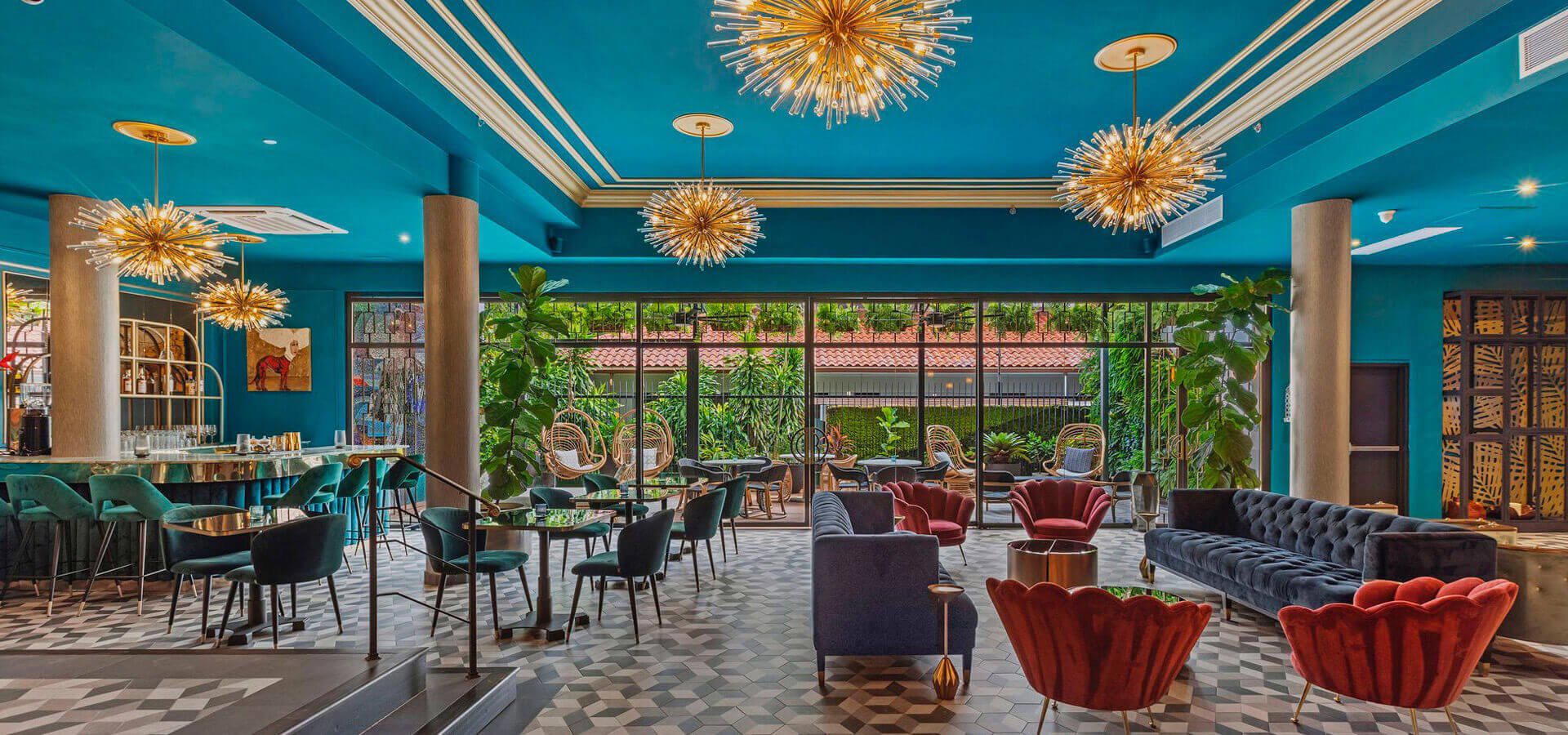
Warm, inviting atmosphere with romantic ambient lighting, modern decor, and comfortable seating that fosters intimate conversations.