La Cubanita
On a cobblestoned stretch of Calle San José in Old San Juan, La Cubanita occupies a position that places it alongside the island's most characterful drinking addresses. The bar draws on Cuban-Caribbean traditions in a neighbourhood where colonial architecture sets the backdrop for serious cocktail programs. For a fuller picture of where it sits in the local scene, see our San Juan bar and restaurant coverage.

Pearl is the En Primeur Club membership app, where members save venues, book tables and use the concierge.
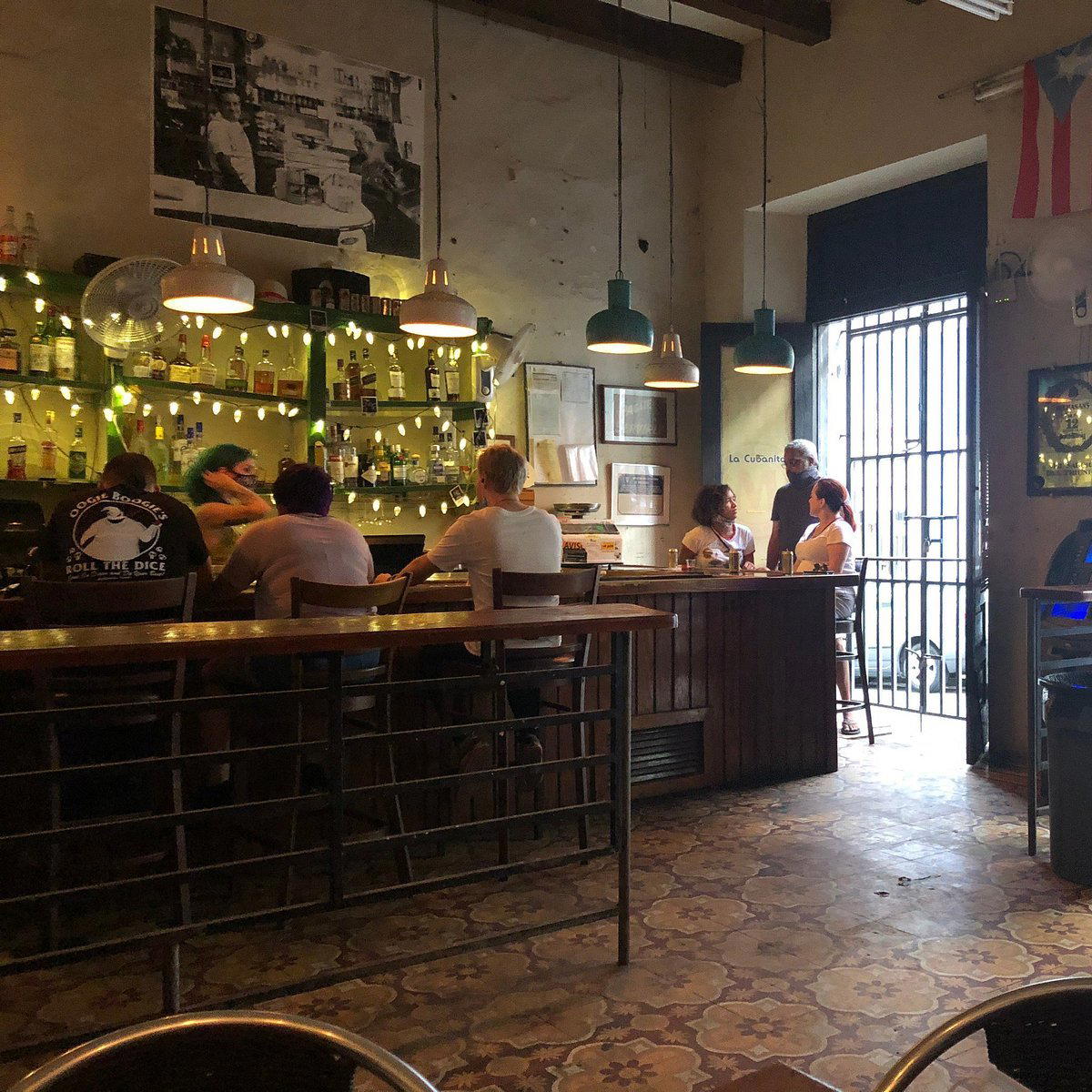
Old San Juan's Bar Scene and Where La Cubanita Fits
Old San Juan operates as one of the Caribbean's most concentrated drinking districts, where colonial-era buildings on streets like Calle San José and Calle Fortaleza house bars that range from no-frills neighbourhood institutions to technically ambitious cocktail programs. The area has spent the better part of a decade cultivating a reputation that extends beyond the island. La Factoría, which has appeared on the World's 50 Best Bars list, anchors the upper tier of that recognition, but the bars that have built reputations around Cuban and Caribbean identity occupy a distinct and more specific niche within the same geography. La Cubanita, at 51 Calle San José in the 00901 zip code, sits on one of the old city's most historically layered streets, within walking distance of both the tourist circuit and the blocks that attract a more local crowd after dark.
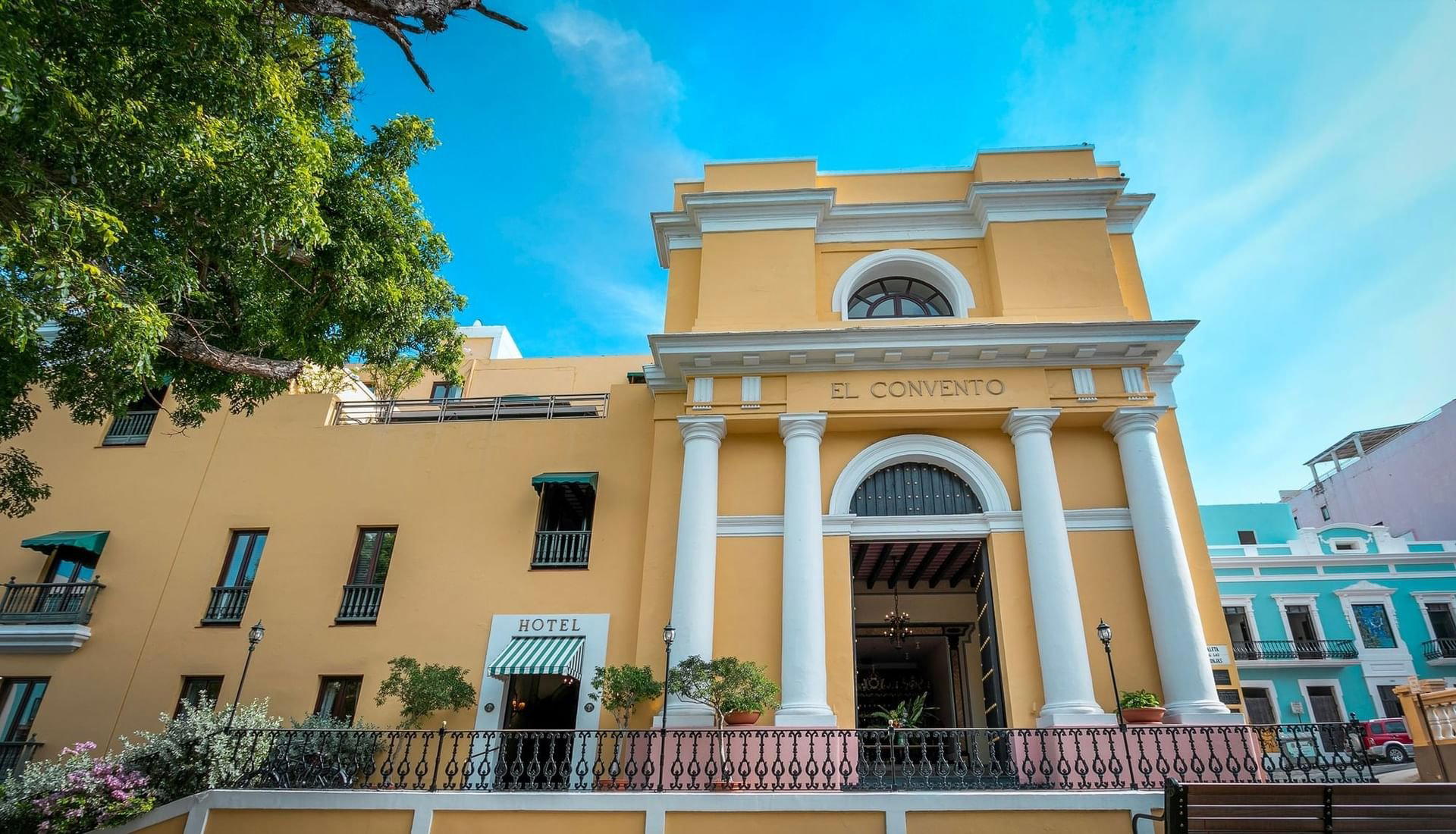
The address matters in Old San Juan. Calle San José passes through the heart of the historic district, flanked by churches, plazas, and colonial facades that give the street a weight that newer bar corridors lack. Bars in this immediate area trade partly on that atmosphere, and the physical approach to any venue here carries a particular character that pre-frames the experience before you step inside. In that sense, Old San Juan's street-level energy does a portion of the work that most bar interiors have to do alone.
The Cuban Tradition in a Puerto Rican Context
Cuban bar culture and Puerto Rican drinking traditions share root ingredients and historical overlap, but they have evolved into recognisably different expressions. Rum is central to both, but Cuban bartending carries a formal tradition built around a small canon of classic cocktails, including the daiquiri, the mojito, and the Cuba libre, each of which has a fixed technical standard against which any individual version is implicitly judged. In Puerto Rico, where rum production is extensive and the local identity of the spirit is deeply embedded, Cuban-inflected bar programs sit within a broader Caribbean conversation rather than as an import.
A bar operating under a Cuban identity in Old San Juan is therefore making a specific editorial claim about its approach. It is positioning itself within the classic cocktail tradition, where discipline in technique and faithfulness to the base formula carry more weight than novelty. Across the Caribbean, the bars that have built lasting reputations in this lane tend to do so through consistency and craft at the counter rather than through constantly rotating menus. The bartender's relationship to the classics becomes the product. Bar Leather Apron in Honolulu provides a Pacific parallel, where a counter-focused, technique-led program has built sustained recognition precisely because the emphasis falls on execution over novelty.
Behind the Bar: Craft as the Organising Principle
In bars where the Cuban classic canon is the foundation, the work behind the counter follows a recognisable logic. The daiquiri, in particular, functions as a litmus test for any program grounded in this tradition. Three ingredients, fixed ratios, and no room for distraction mean the quality of the rum, the freshness of the citrus, and the consistency of the balance are entirely exposed. Bars in this tradition that develop reputations do so because their bartenders treat these constraints as a discipline rather than a limitation.
The mojito operates by a different discipline: built rather than shaken, requiring judgment in the muddling and an understanding of how mint behaves under pressure. In Old San Juan, where heat and humidity affect both ingredients and guests in real time, getting these fundamentals right across a full service is the substance of the craft. The bars that hold their reputation in this neighbourhood over years are the ones where that discipline is maintained across the team, not just at the lead position.
This is the context in which La Cubanita's identity as a Cuban-themed venue in Old San Juan reads as a specific positioning rather than a generic one. The Cuban classic format is a demanding one to sustain, and the Calle San José address places the bar in direct comparison with some of the most scrutinised drinking addresses on the island. For context on the competitive environment, 1919 Restaurant represents the formally ambitious end of the San Juan spectrum, while El Batey Bar holds down the no-frills neighbourhood institution end. La Cubanita sits in a middle register that is defined by character and craft rather than by either formal ambition or deliberate roughness.
The Wider San Juan Drinking Map
Old San Juan is not the only address worth understanding when thinking about drinking in Puerto Rico. The island's bar culture extends well beyond the colonial district. Campamento Piñones in Loiza represents the kind of beach-adjacent, music-centred setting that defines a different register of Caribbean leisure entirely. Casa BACARDÍ in Catano offers the most direct engagement with the rum production heritage that underlies almost every glass poured in the region. Further afield, El Bohio in Rincon, PR-116 in Lajas, and La Parguera map the drinking culture of the island's west coast, where the pace and the priorities differ considerably from the urban concentration of San Juan.
Within Old San Juan itself, Chillums Gallery occupies yet another register, while the concentrated energy of the historic district means that a single evening can move across several distinct atmospheres within a few hundred metres. Da Bowls in Aguadilla represents the kind of daytime-focused, food-led address that rounds out a multi-day itinerary across the island's north coast.
For anyone building an itinerary around San Juan's drinking culture specifically, the Calle San José corridor is the natural starting point, and La Cubanita's Cuban-Caribbean identity gives it a distinct flavour profile within a street that otherwise leans toward broad-spectrum cocktail programming. The full picture of how these addresses relate to each other is covered in our full San Juan restaurants guide.
Planning Your Visit
La Cubanita is located at 51 Calle San José in Old San Juan, 00901. The address is walkable from most accommodation within the historic district and accessible from the broader San Juan metro area by rideshare. Old San Juan's bars generally operate on later schedules, with the evening crowd building after 9pm and the Calle San José stretch staying active into the early hours on weekends. Current hours, booking options, and any reservation requirements should be confirmed directly with the venue, as operating details for San Juan bars in this category are subject to change. The leading approach is to arrive with a specific drink in mind from the Cuban classic canon and let the bartender's execution tell you what the program is actually about.
Compact Comparison
| Venue | Price | Awards |
|---|---|---|
| La CubanitaThis venue (the venue you are viewing) | $20–30 | Not listed |
| La Factoría | $20–30 | World's 50 Best #26 · Food & Wine Top 10 US Bars #6 |
| Raion | $20–30 | Tatler Best 20 Bars Philippines |
Continue exploring
More in San Juan
Bars in San Juan
All bars in San Juan →
Restaurants in San Juan
All restaurants in San Juan →
Details
- Lively
- Whimsical
- Trendy
- Energetic
- Late Night
- Casual Hangout
- Group Outing
- Historic Building
- Seated Bar
- Craft Cocktails
- Rum
Current opening hours
- Monday
- 1 PM–1 AM
- Tuesday
- 1 PM–1 AM
- Wednesday
- 1 PM–1 AM
- Thursday
- 1 PM–1 AM
- Friday
- 1 PM–2 AM
- Saturday
- 1 PM–2 AM
- Sunday
- 1 PM–1 AM
Hours can change for holidays and private events. Last verified .
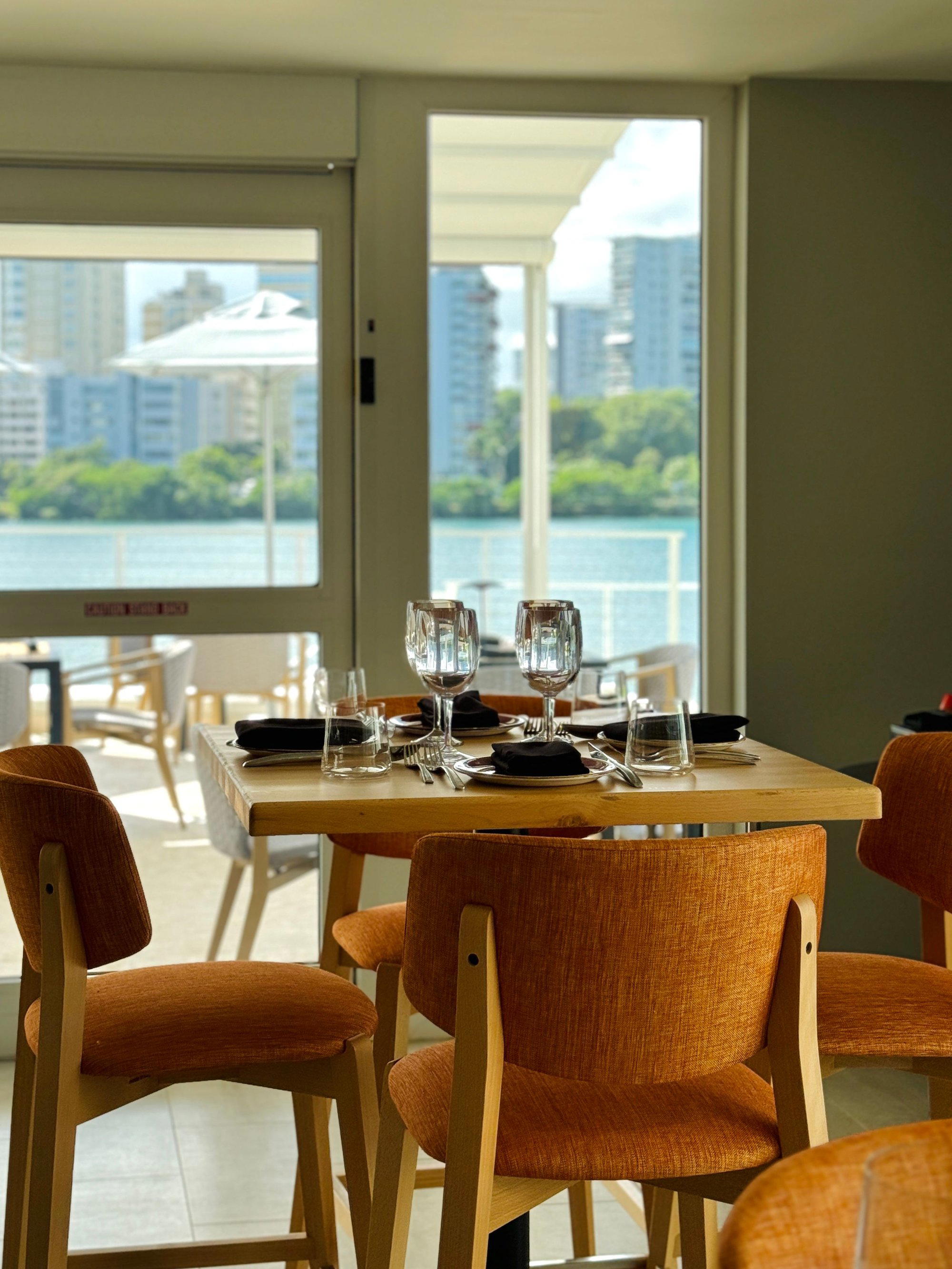
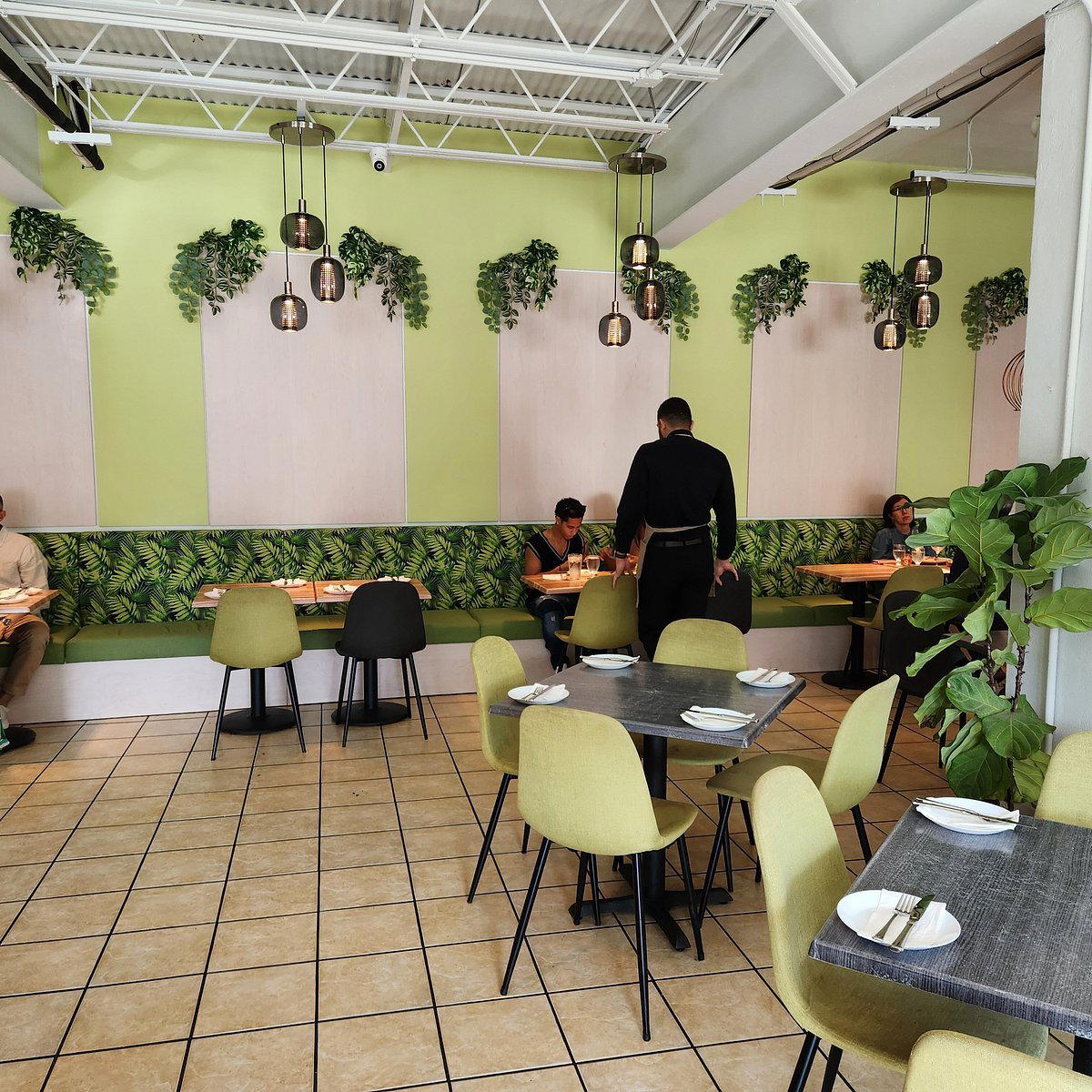
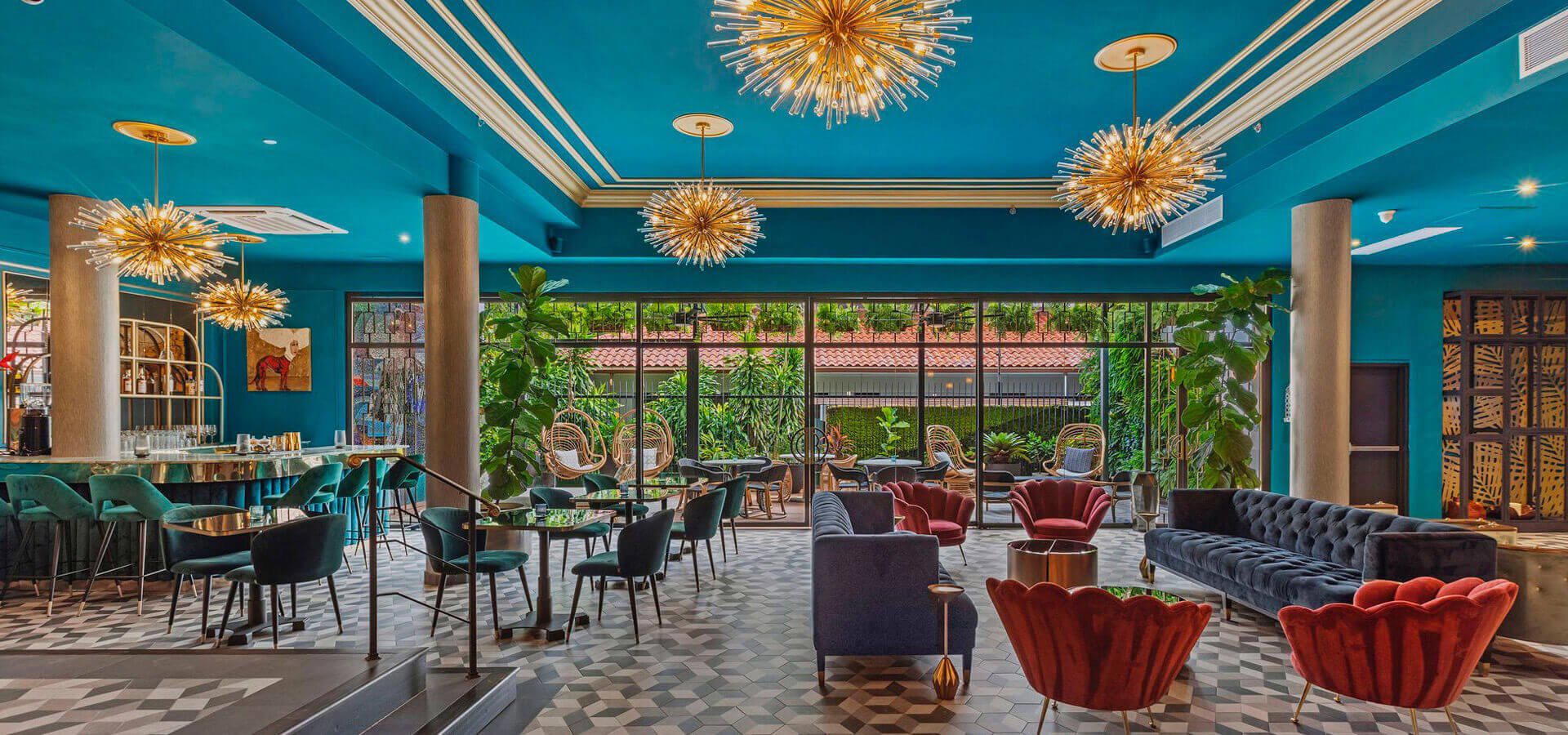
Lively and inviting with a laid-back whimsical feel blending old school market charm and lively Puerto Rican nightlife.