La Parguera
Our verdict
La Parguera is a fishing village on Puerto Rico's southwestern coast where the dining scene draws directly from the surrounding waters and mangrove bioluminescent bays. The area sits within the municipality of Lajas and attracts visitors who want proximity to Caribbean seafood at its most direct. Expect open-air settings, catch-driven menus, and a pace that follows the tides rather than a reservation book.

Pearl is the En Primeur Club membership app, where members save venues, book tables and use the concierge.
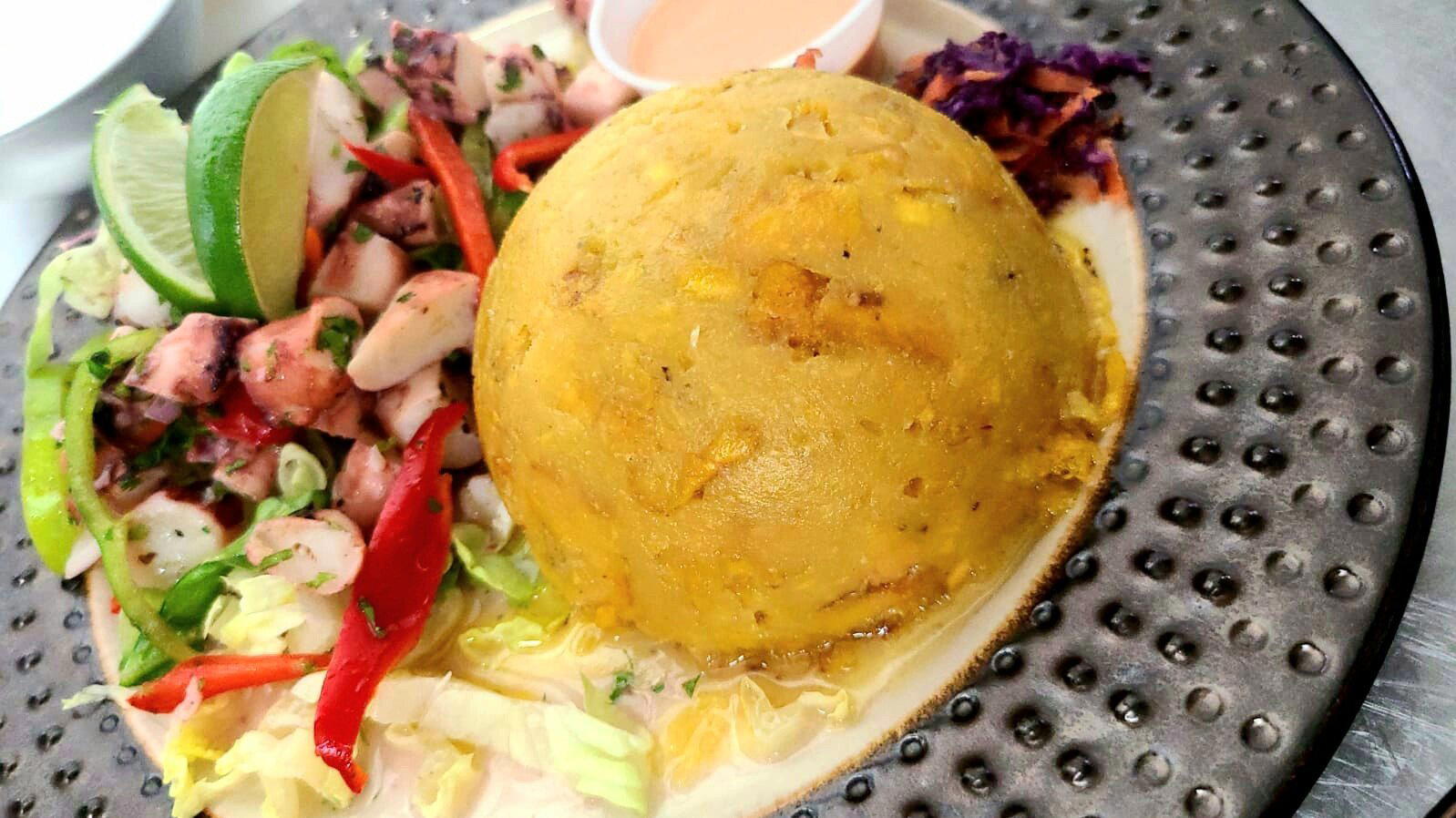
Where the Water Dictates the Menu
Puerto Rico's southwestern coast operates on a different logic from San Juan's restaurant corridor. In La Parguera, a fishing village that sits along the mangrove-lined edge of Lajas municipality, the distance between the catch and the plate is measured in hours rather than supply chains. The bioluminescent bay draws visitors for the spectacle, but the dining character of the area is shaped by something more functional: a working waterfront that has supplied the village's kitchens for generations.
This is not the kind of coast where ingredient sourcing is a marketing position. It is the operational baseline. The fishing boats that tie up along the boardwalk each morning set the terms for what appears on menus by afternoon. The Caribbean waters off the southwest shelf, shallower and warmer than the Atlantic side, yield snapper, grouper, mahi-mahi, and lobster at volumes that support a genuinely local food economy. That proximity shapes the character of eating here in ways that distinguish La Parguera from Puerto Rico's more resort-oriented dining corridors.
For context on how the island's food scene ranges from hyper-local fishing villages to polished urban dining rooms, our full La Parguera restaurants guide maps the area's options against broader Puerto Rican culinary patterns.
The Ingredient Geography of the Southwest Coast
The southwest of Puerto Rico sits in an agricultural and marine zone that differs meaningfully from the island's north and east. The Lajas Valley, which surrounds the village, is one of the island's significant farming corridors, with soils that support root vegetables, plantains, and tropical produce that feed into local kitchens directly. The result is a cuisine that draws vertically from its immediate geography rather than horizontally from imported stock.
This dual supply, sea protein from the shelf, plant matter from the valley, gives La Parguera's dining its particular texture. Whole fried fish served with tostones and rice is not a nostalgic dish here; it is a direct expression of what the coast and the valley produce together. The cooking style that frames these ingredients tends toward open flame and citrus rather than elaborate reduction or international technique. That restraint is appropriate to the sourcing: when the fish is pulled from the water the same day, complexity in the kitchen is redundant.
The comparison to Puerto Rico's more technically ambitious restaurant tier is instructive. At Jose Enrique in San Juan, local ingredients move through a more composed, chef-driven format. At Paros Restaurant, seafood carries a Mediterranean interpretive layer. La Parguera sits at the other end of that spectrum: the sourcing is local, the technique is traditional, and the dining format is casual and open to the water. Neither approach is superior, they address different reader intentions entirely.
The Physical Setting and What It Shapes
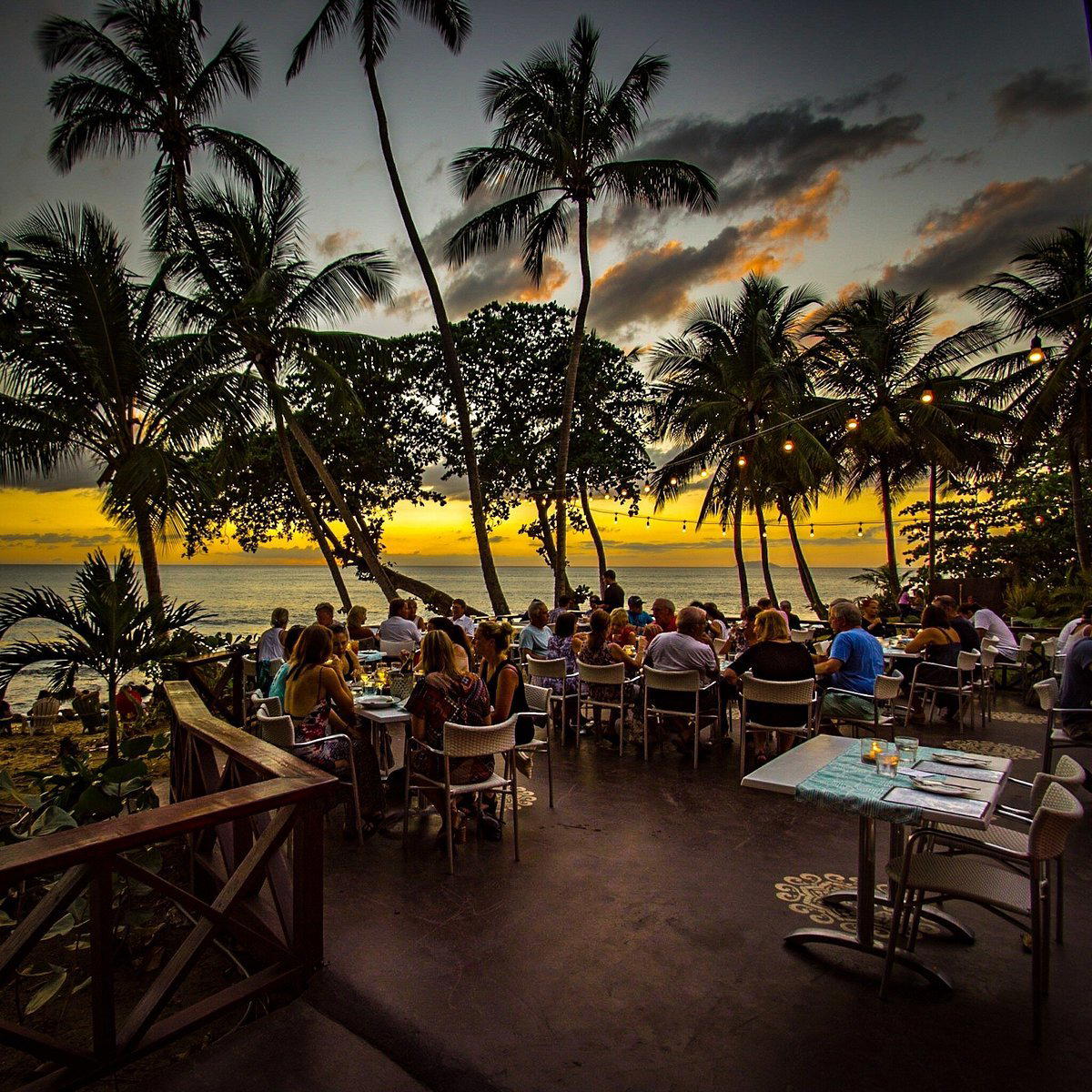
The boardwalk area of La Parguera concentrates most of the village's food activity. Open-air structures, ceiling fans turning against the afternoon heat, and views across the bay toward the mangrove channels are the consistent architectural logic. Dining here happens in proximity to the water, which is not incidental, it is the environmental argument for the food's provenance.
Pace is slow relative to San Juan's restaurant culture, and deliberately so. Tables turn without pressure. Seafood arrives whole or in generous portions rather than composed. The social register is local and family-oriented, with weekend crowds drawn from across the island rather than primarily from international tourism. That dynamic makes La Parguera's dining scene feel less performed than comparable coastal setups in more tourist-dense zones.
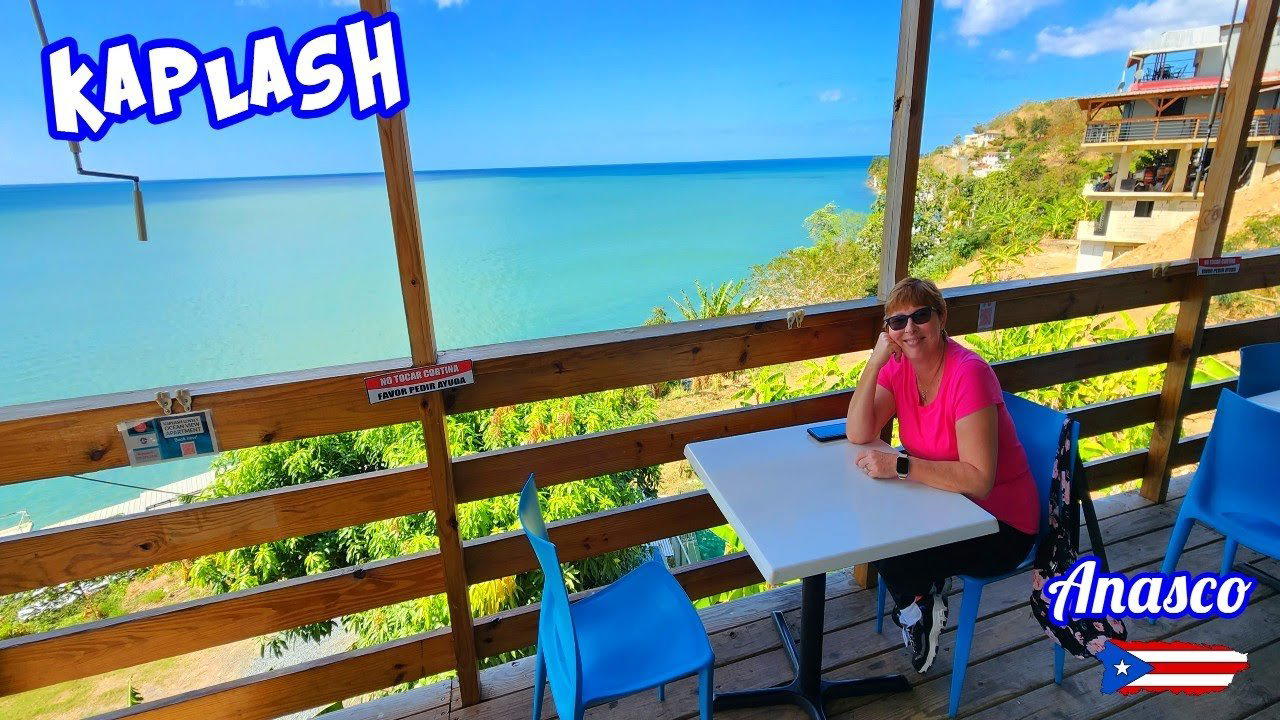
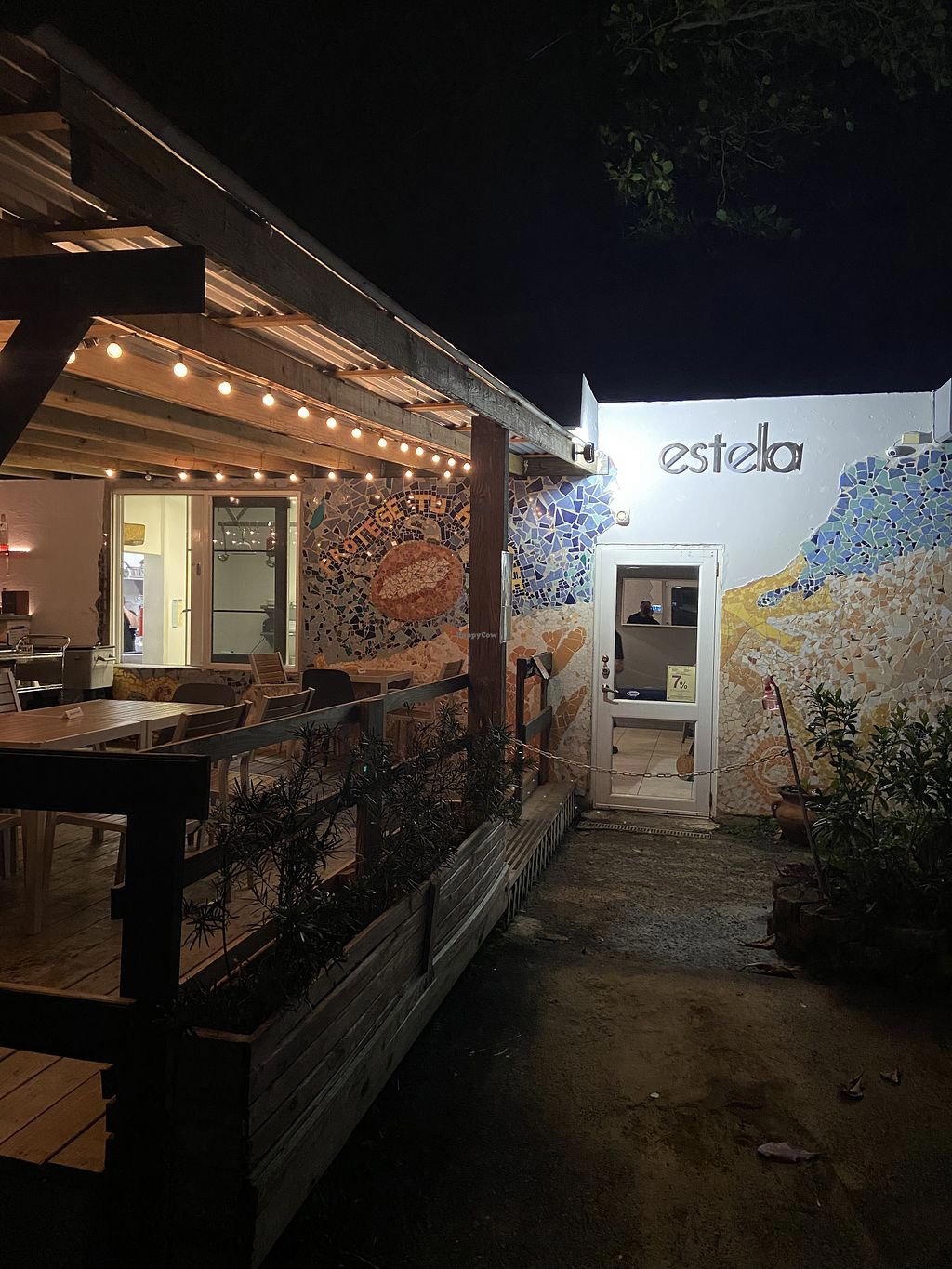
For visitors building a route across Puerto Rico's western coast, La Parguera pairs logically with stops further north. Estela Restaurant in Rincón and Kaplash in Añasco represent the western corridor's more structured dining options, while the southwest corner, Lajas, La Parguera, the salt flats nearby, remains the region's most direct expression of ingredient-first, low-intervention cooking.
Planning a Visit: Practical Orientation
La Parguera is approximately 35 kilometers from Ponce and around 175 kilometers from San Juan, making it a committed drive from the capital. The most common approach is to combine it with a broader western island loop rather than treating it as a day trip from the northeast. Rental car access is direct from both San Juan and Ponce, and the village itself is compact enough to walk once you arrive.
Weekend afternoons, particularly Saturday and Sunday lunchtimes, draw the heaviest local crowds. Weekday visits move at a quieter pace. The bioluminescent bay tours that run from the village operate in the evening, making La Parguera a natural overnight stop for those who want to combine the bay experience with a proper meal on the waterfront. Seafood is the appropriate order at any hour, given what the local supply chain makes available.
For those building a broader Puerto Rico dining itinerary, the island's range extends from village-level sourcing at La Parguera through to lake-set dining at Lago Dos Bocas in Arecibo, beach bar formats at Charco Azul in Vega Baja, and island-adjacent options at Tin Box in Vieques. Across all of these, the sourcing proximity question, how close is the food to where it was grown or caught, tends to be the most reliable indicator of what the meal will actually deliver.
For a sense of how Puerto Rico's most technically polished restaurants handle the same local ingredient pool with more kitchen intervention, Aleli at The Royal Sonesta San Juan and BODEGA in Caguas represent the composed end of the spectrum. Further afield, the question of how coastal sourcing translates into fine-dining formats has been answered at places like Le Bernardin in New York City, where the distance from water to plate is vast but the sourcing discipline is rigorous, a useful reference point for understanding what La Parguera does with proximity that more urbanized kitchens cannot replicate regardless of sourcing budget.
Other Puerto Rico stops worth mapping alongside a southwestern visit include Brazo Gitano Franco in Mayaguez, El Dorado in Playita, COA in Dorado, Da Bowls in Aguadilla, Lechonera Los Pinos in Cayey, and Panaderia La Patria in Morovis, each of which addresses a different register of Puerto Rican food culture. For a reference point on how community-driven dining formats work at a different scale and in a different geography, Lazy Bear in San Francisco demonstrates what happens when that ethos gets formalized into a tasting format, the contrast with La Parguera's informal waterfront register is sharp and clarifying.
Frequently asked questions
Is La Parguera child-friendly?
La Parguera's open-air boardwalk setup and working waterfront make it a practical stop for families. The village sits along the southwest coast of Lajas, and the casual, outdoor-oriented character of its food scene means there's little formality to contend with. Boat tours of the bioluminescent bay are a common draw for younger visitors.
What's the vibe at La Parguera?
La Parguera reads as a genuine fishing village rather than a tourist construct. The boardwalk area along the southwest Lajas coastline draws a mix of locals and day-trippers, with open-air structures and ceiling fans setting the pace. Evenings, particularly on weekends, pick up noticeably as residents from Ponce and further afield arrive.
Can you visit La Parguera's bioluminescent bay, and how does it connect to the village?
La Parguera sits on Phosphorescent Bay, one of Puerto Rico's three bioluminescent bays, which has made the Lajas village a destination beyond its food scene. Boat operators run evening tours directly from the boardwalk area, typically in non-motorized kayaks or electric boats to protect the dinoflagellate population. Visiting the bay and eating along the waterfront are naturally paired given the village's compact geography.
What's the best thing to order at La Parguera?
The southwest coast's marine zone means fresh catch from the Caribbean is the organizing principle here. What's available depends on what local boats brought in, so ask what came in that day rather than defaulting to a fixed menu item. The Lajas Valley's agricultural output also means local produce tends to appear alongside the seafood.
Where do I go for La Parguera?
La Parguera is located at Lajas 00667, Puerto Rico, La Parguera.
How far ahead should I plan for La Parguera?
La Parguera is roughly 175 kilometers from San Juan, which means it requires a deliberate half-day drive rather than a casual detour. Weekend evenings draw higher traffic from the southwest region, so arriving earlier in the day gives you more room in the village's compact boardwalk area. Accommodation in the village books faster during Puerto Rican holiday weekends.
What's La Parguera best at?
La Parguera's clearest strength is the directness of its supply chain: fishing boats operating off the southwest Puerto Rico coast feed into a village-scale food scene with little distance between water and plate. The setting in Lajas also places it adjacent to the Lajas Valley, one of the island's more productive agricultural corridors, which shapes the produce available locally.
| Venue | Cuisine | Price | Awards |
|---|---|---|---|
| La PargueraThis venue (the venue you are viewing) | Creole-International Fusion | Not listed | Not listed |
| Paros Restaurant | Greek Seafood | Not listed | Not listed |
| Positivo Sand Bar | Asian Fusion Sushi with Omakase | $200–300 | Forbes 4-Star |
| 1919 Restaurant | Modern Puerto Rican Fine Dining | $150–200 | Forbes 4-Star · Wine Spectator Best of Award of Excellence |
| ORUJO | Modern Puerto Rican Experimental | $100–150 | James Beard Award Semi Finalist · The Best Chef One Knife |
| COA | Modern Spanish & Puerto Rican Cuisine | $100–150 | Not listed |
Continue exploring
More in La Parguera
Restaurants in La Parguera
All restaurants in La Parguera →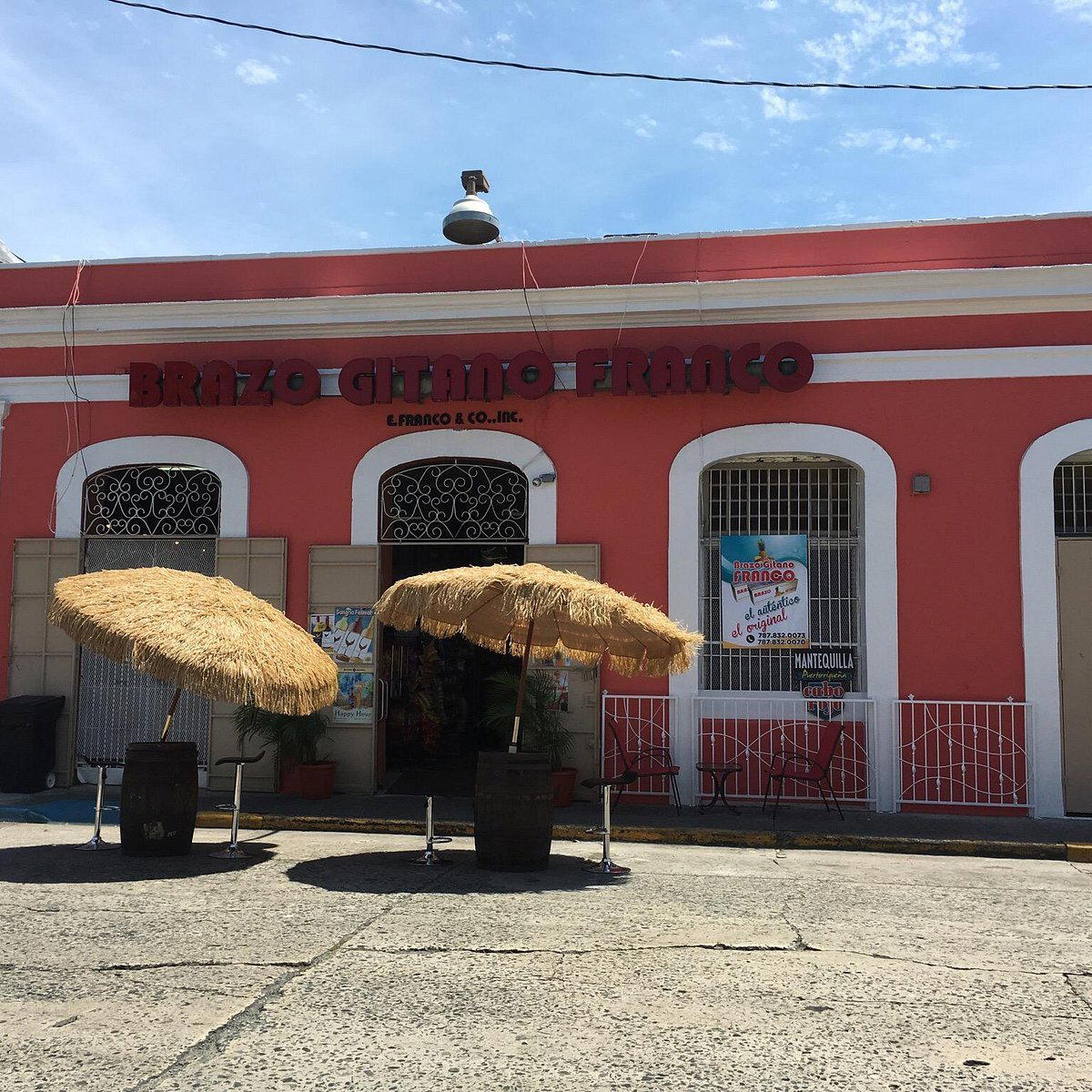
Bars in La Parguera
Browse all →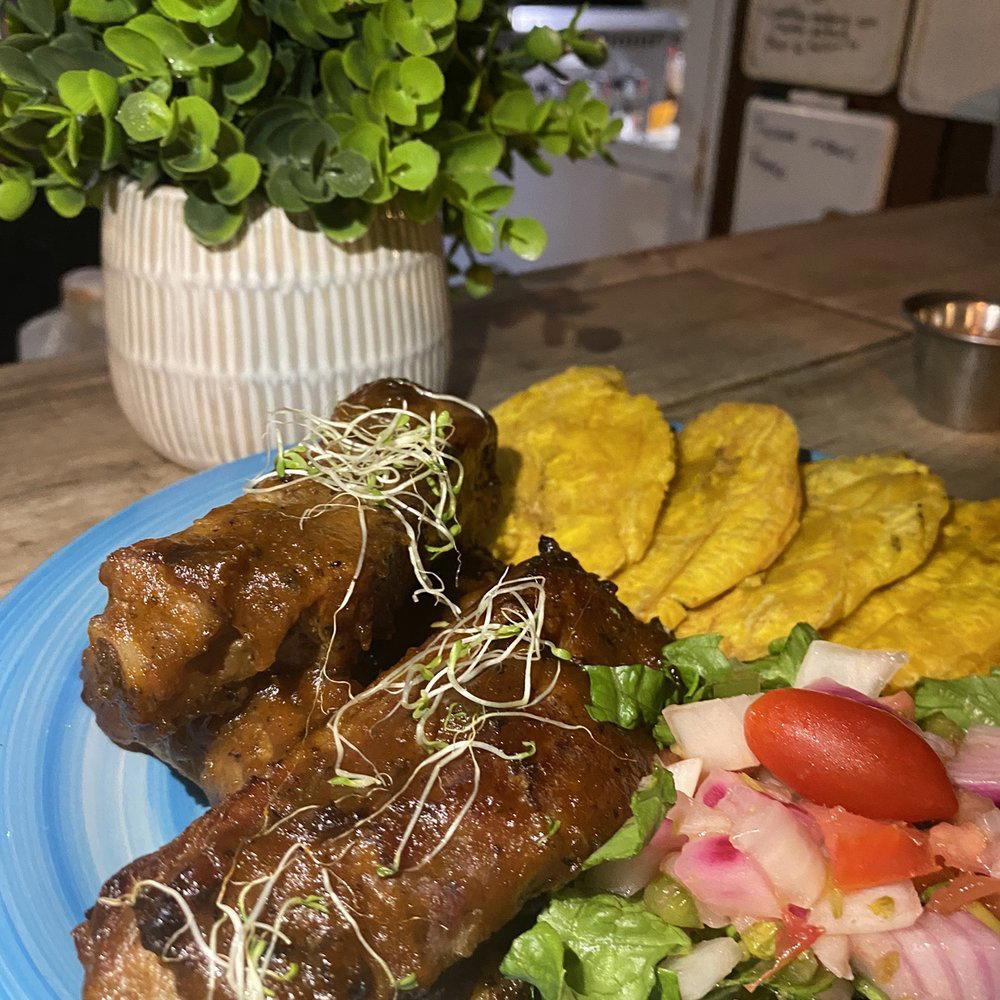
Hotels in La Parguera
Browse all →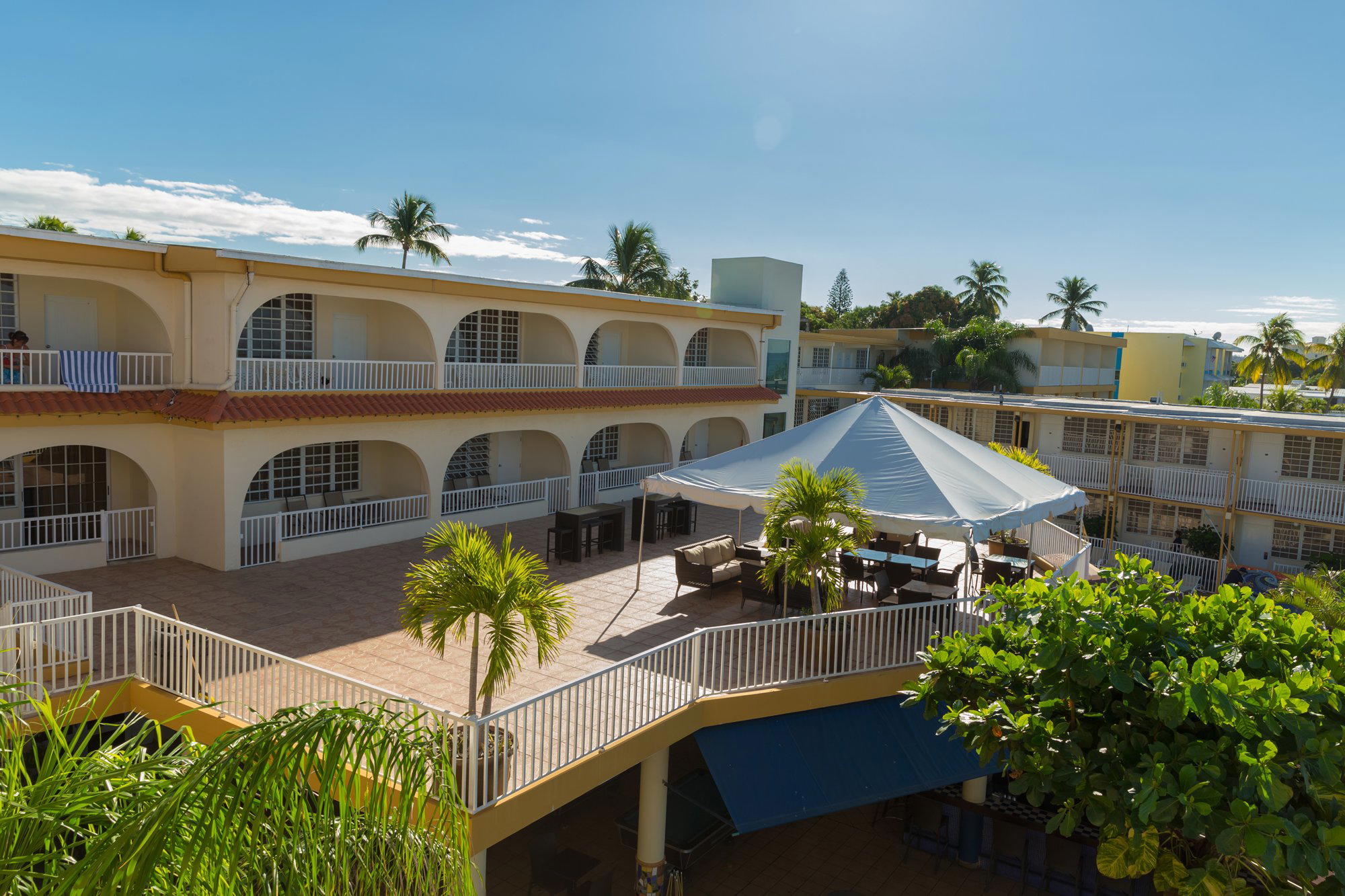
Details
- Scenic
- Rustic
- Date Night
- Special Occasion
- Casual Hangout
- Waterfront
- Local Sourcing
- Waterfront
- A La Carte
Current opening hours
- Monday
- 4–11:59 PM
- Tuesday
- 4–11:59 PM
- Wednesday
- 4–11:59 PM
- Thursday
- 4–11:59 PM
- Friday
- 4–11:59 PM
- Saturday
- 4–11:59 PM
- Sunday
- 4–11:59 PM
Hours can change for holidays and private events. Last verified .
Welcoming with spectacular waterfront backdrop and meticulous culinary presentation.