Kaplash
Our verdict
Kaplash sits in Añasco, a quiet municipality on Puerto Rico's west coast where the farming interior meets the shoreline, and where local sourcing has long shaped what ends up on the plate. The kitchen draws from the agricultural and fishing traditions that define this stretch of the island, placing it within a growing tier of west-coast Puerto Rico dining that prioritizes proximity to ingredients over metropolitan polish.

Pearl is the En Primeur Club membership app, where members save venues, book tables and use the concierge.
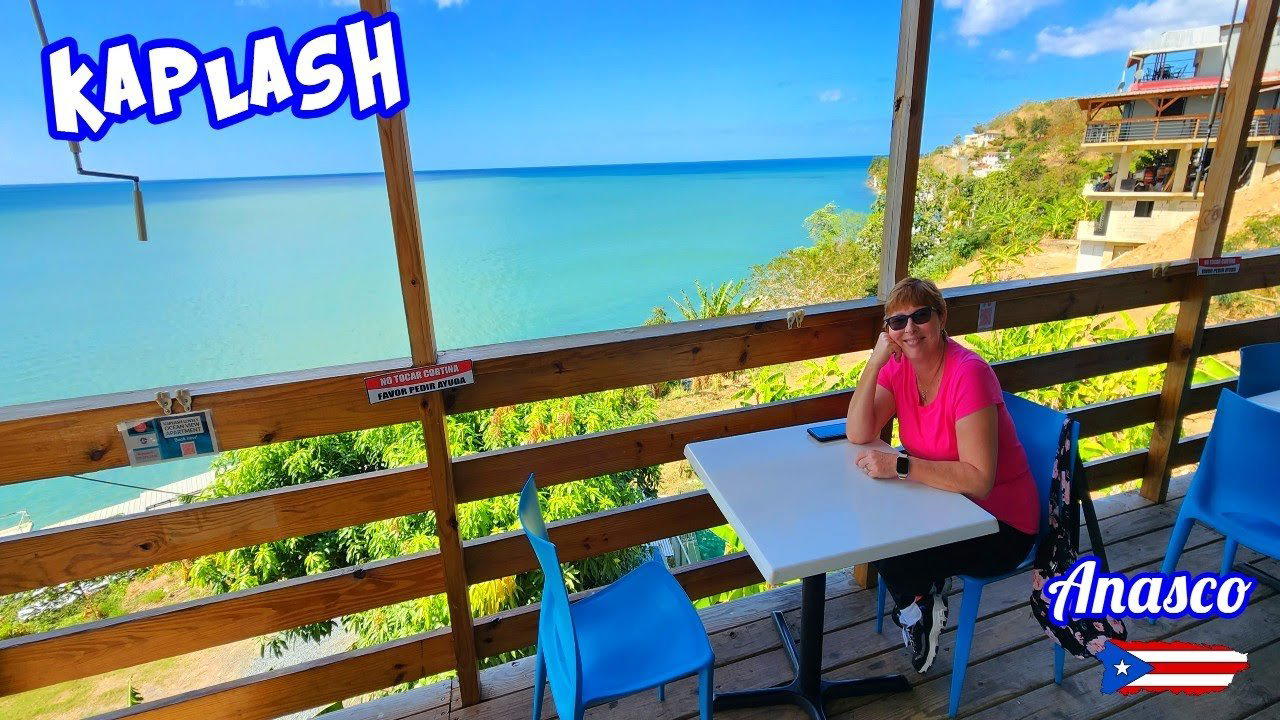
The menu
What to order
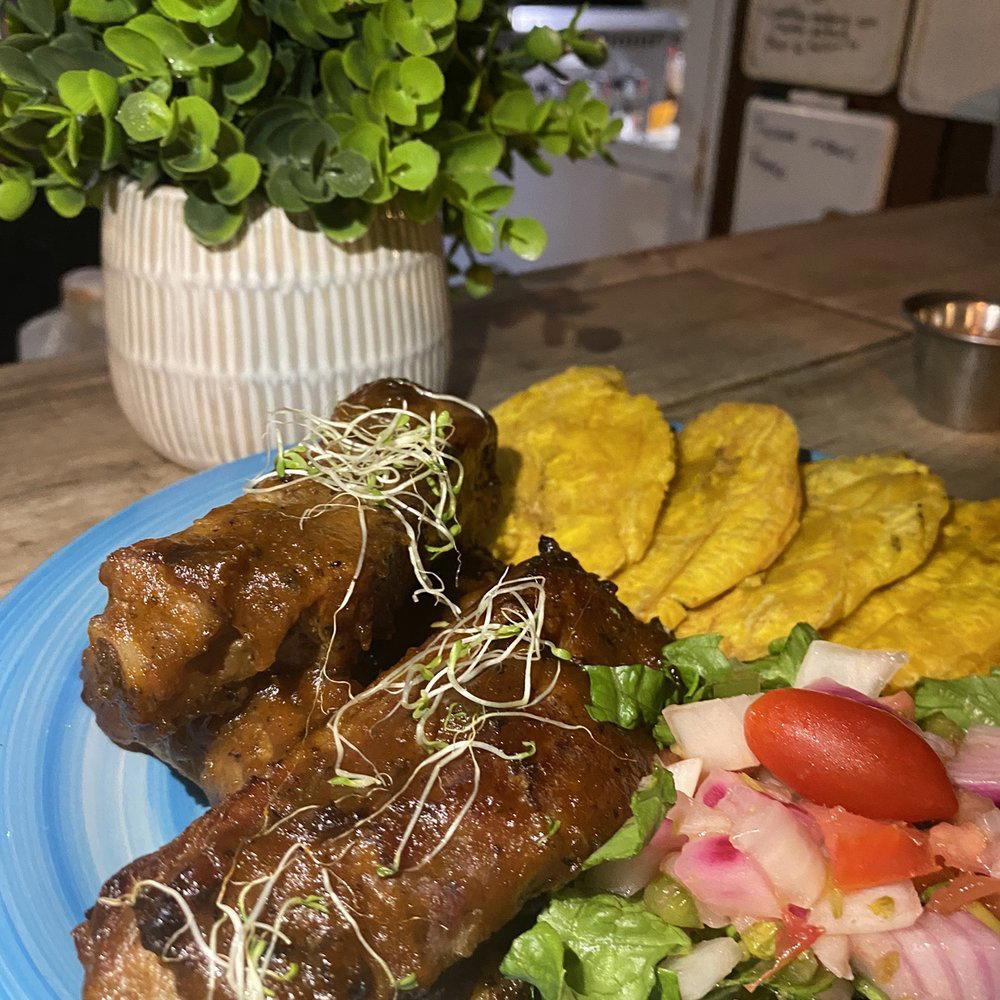
- Empanadilla de Jueyes
- Empanadilla de Langosta
- Empanadilla de Camarones
- Kaplash Combo
Where the West Coast Feeds Itself
The western corridor of Puerto Rico, running from Mayagüez down through Añasco and toward the coast at Rincón, operates on a different rhythm than the capital. San Juan's dining scene tilts toward hotel groups, internationally trained chefs, and tourist-facing formats. Out here, the sourcing chain is shorter, the clientele more local, and the cooking more directly tied to what the land and surrounding waters produce week to week. Kaplash sits along PR-115 in Añasco, a municipality whose agricultural identity, shaped by sugar-cane history and small-scale farming, continues to influence how food moves from field and sea to table across this part of the island. For context on what the broader Añasco dining scene looks like, see our full Añasco restaurants guide.
The Setting Along PR-115
PR-115 is a working road, not a scenic drive curated for visitors. It connects Mayagüez to the coast through a stretch of Añasco that mixes residential neighborhoods, local commerce, and agricultural land. Arriving at Kaplash, you are not entering a designed destination in the resort-town sense. The surroundings are plainly Puerto Rican west-coast: the air carries the particular weight of humid interior heat, traffic moves at a local pace, and the building sits within the lived geography of the municipality rather than set apart from it. This kind of rootedness in actual place is increasingly rare across the island's more developed dining corridors, and it shapes the character of what a kitchen like this can offer. The absence of a tourist-facing identity is itself a signal about the sourcing and cooking priorities inside.
Ingredient Sourcing on the West Coast
Puerto Rico's west coast sits within one of the island's most productive agricultural zones. Añasco and the surrounding municipalities have historically supplied plantains, root vegetables, and fresh produce to markets across the island. The fishing grounds off the western coast, where the Atlantic and Caribbean channels converge, yield species that appear in coastal kitchens here in ways that San Juan's more mediated supply chains cannot easily replicate. At this geographic remove from the capital, a kitchen's relationship to its suppliers tends to be more direct: smaller volume, less intermediary infrastructure, and a tighter feedback loop between what is available and what appears on the menu. This is the sourcing context within which Kaplash operates, and it is a context worth understanding before comparing it to restaurants that draw from a different supply model entirely.
The logic is different: proximity to agricultural production replaces proximity to prestige distribution networks.
The Añasco Dining Tier
Puerto Rico's smaller municipalities have not historically attracted the editorial attention directed at San Juan or the beach-resort towns. That gap is closing, slowly, as dining coverage expands beyond the capital and as travelers in search of more grounded eating experiences look west and south. Añasco has not yet accumulated the restaurant density of Rincón, where places like Estela Restaurant serve a more internationally mixed crowd, but it occupies a specific position in the island's food geography that rewards attention. Restaurants here operate without the pricing pressure that tourism creates elsewhere, and without the expectation that every dish must translate to an audience unfamiliar with Puerto Rican ingredients and preparations.
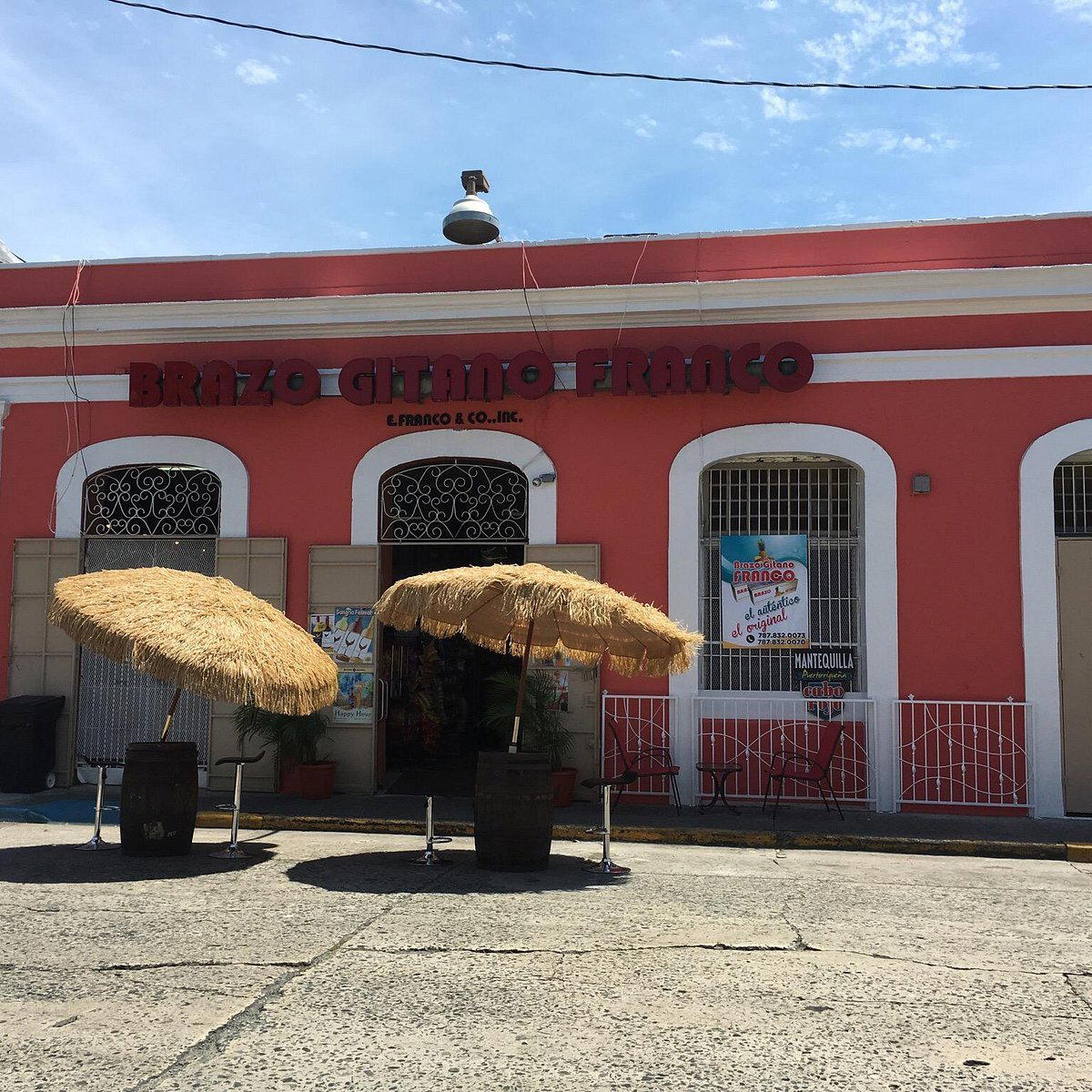
The west-coast tier also includes kitchens in neighboring towns that share similar sourcing logic: Brazo Gitano Franco in Mayagüez anchors the region's more established dining identity, while smaller operations across the corridor serve local populations with menus that shift based on what is available. Paros Restaurant represents a different model again, demonstrating how much range exists even within this western stretch of the island.
How Kaplash Fits the Pattern
Across Puerto Rico's non-capital municipalities, the restaurants that sustain themselves long-term tend to share a few structural characteristics: they are embedded in their communities rather than designed around visitor traffic, their menus respond to seasonal and logistical availability rather than fixed tourist expectations, and their prices reflect a local cost-of-living logic. Kaplash, positioned on PR-115 in a working stretch of Añasco, fits that pattern. This is not a kitchen trying to replicate what is happening at Le Bernardin in New York or Lazy Bear in San Francisco. The comparison set is regional, the audience is primarily local, and the value proposition is direct access to west-coast Puerto Rican cooking in an unmediated environment.
Other regional kitchens operating within this broader island-sourcing framework include Lago Dos Bocas in Arecibo, which has built a reputation around a specific lakeside format and local clientele, and Lechonera Los Pinos in Cayey, which anchors a specific Puerto Rican roasting tradition. Charco Azul in Vega Baja and La Parguera extend that pattern across the island's northern and southern coasts respectively. Panaderia La Patria in Morovis illustrates how even bakery formats carry serious ingredient sourcing logic in smaller municipalities.
Planning a Visit
Kaplash is located at 7QWJ+PM3 on PR-115 in Añasco, Puerto Rico 00610. PR-115 runs through the municipality and connects to the broader west-coast road network; driving is the practical option for reaching Añasco from either Mayagüez to the north or the Rincón corridor to the south. This is common for smaller, community-embedded kitchens across Puerto Rico's western municipalities, where digital presence does not always keep pace with the kitchen's actual activity. Additional dining options in the region worth researching alongside this visit include COA in Dorado, Da Bowls in Aguadilla, El Dorado in Playita, BODEGA in Caguas, and Tin Box Vieques Restaurant and Bar in Vieques for a fuller picture of how Puerto Rico's non-capital dining scene is developing.
Frequently asked questions
Can I bring kids to Kaplash?
Kaplash is located on PR-115 in Añasco, a working-road address that draws a local, community-oriented crowd rather than a nightlife or fine-dining clientele. Calling ahead or checking on arrival is the practical approach given no contact details are currently published.
How would you describe the vibe at Kaplash?
Kaplash sits on PR-115 in Añasco, a stretch that mixes residential and small-commercial life well outside the resort-town circuit. The atmosphere reflects that context: functional, local, and oriented toward the community it feeds rather than toward outside visitors. It reads less as a destination experience and more as a neighborhood anchor operating on the west coast's own rhythm.
Is Kaplash worth visiting if I'm based in Mayagüez or passing through on PR-115?
Kaplash is positioned on PR-115 in Añasco, which puts it directly on the route connecting Mayagüez to the coast at Rincón, no significant detour required. Añasco's dining options receive considerably less editorial coverage than San Juan or the beach-resort towns, meaning places that sustain themselves here do so on local reputation rather than press cycles. For anyone already on that corridor, it represents a low-friction way to eat where the west coast actually feeds itself.
What do people recommend at Kaplash?
Añasco sits within one of the island's historically productive agricultural zones, so west-coast kitchens at this level typically work with what is regionally available. Visiting directly or following any social presence the venue maintains is the most reliable way to know what is on offer.
How do I find Kaplash?
Kaplash is located at 7QWJ+PM3, PR-115, Añasco, 00610, Puerto Rico, Anasco.
Comparison Snapshot
| Venue | Cuisine | Price | Awards | Notes |
|---|---|---|---|---|
| KaplashThis venue (the venue you are viewing) | Puerto Rican Seafood Empanadillas | Not listed | Not listed | Not listed |
| Paros Restaurant | Greek Seafood | Not listed | Not listed | Not listed |
| Positivo Sand Bar | Asian Fusion Sushi with Omakase | $200–300 | Forbes 4-Star | Beach Bar |
| 1919 Restaurant | Modern Puerto Rican Fine Dining | $150–200 | Forbes 4-Star · Wine Spectator Best of Award of Excellence | Modern American |
| ORUJO | Modern Puerto Rican Experimental | $100–150 | James Beard Award Semi Finalist · The Best Chef One Knife | Not listed |
| COA | Modern Spanish & Puerto Rican Cuisine | $100–150 | Not listed | Not listed |
Continue exploring
More in Anasco
Restaurants in Anasco
All restaurants in Anasco →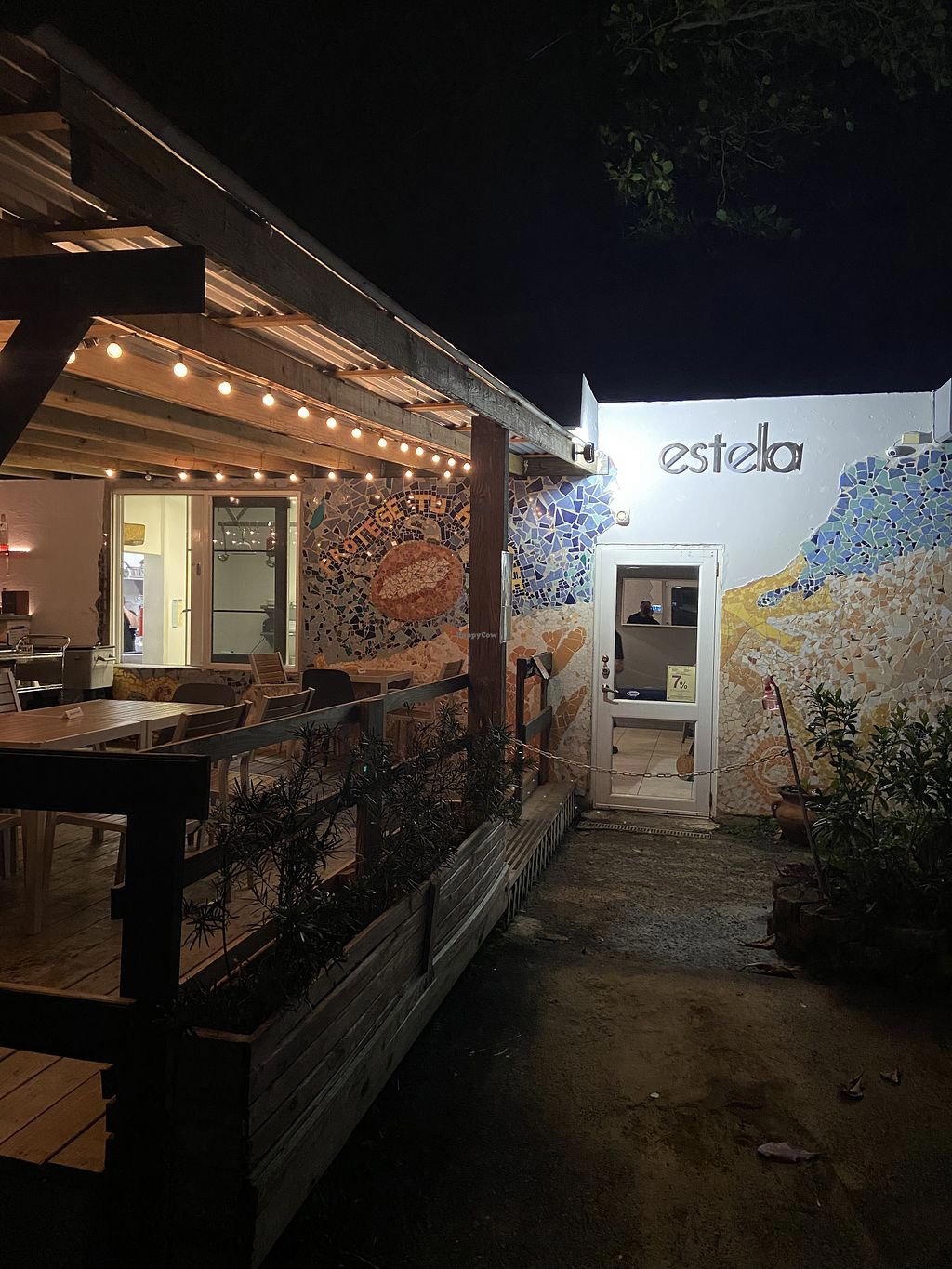

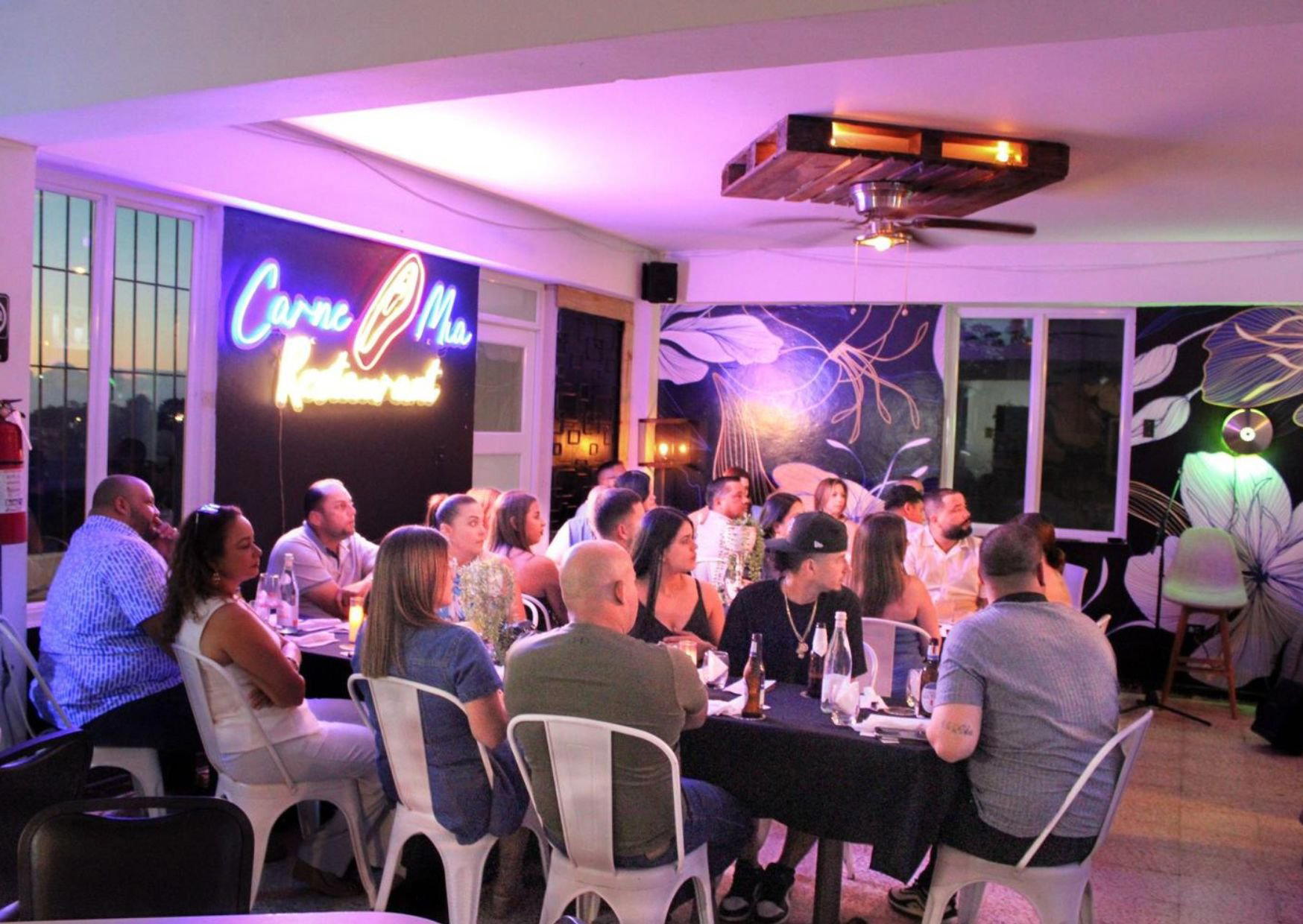
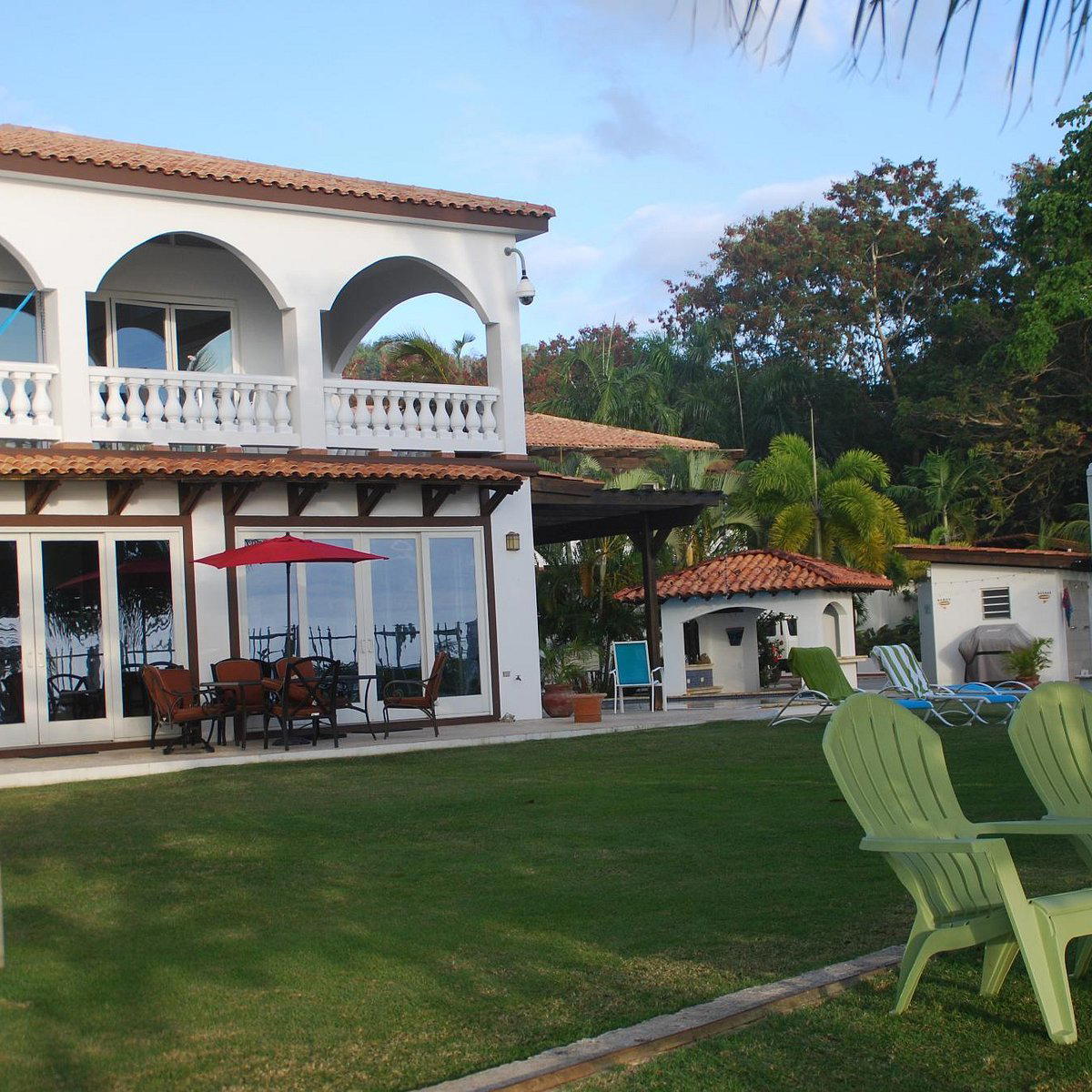
Bars in Anasco
Browse all →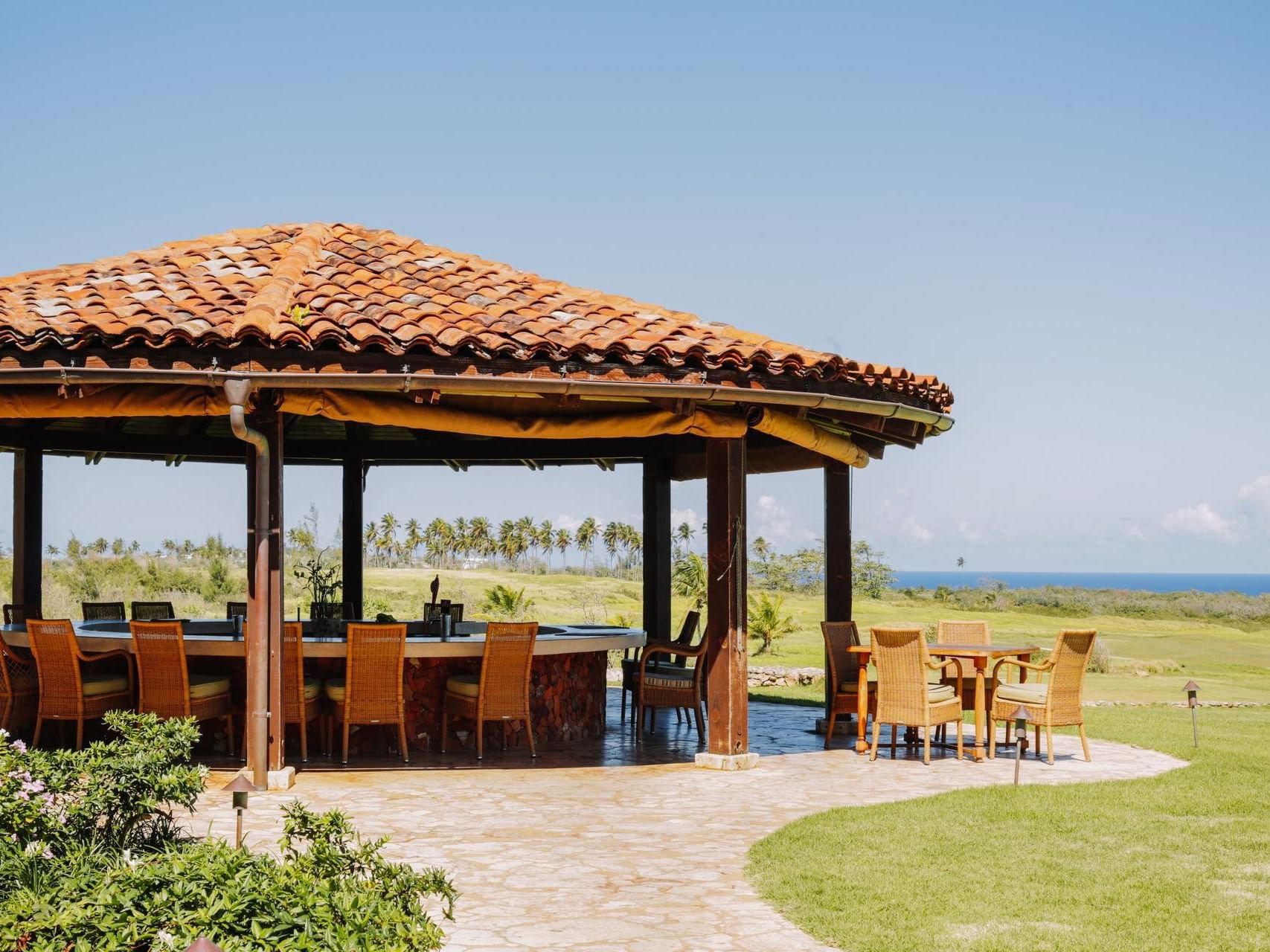
Details
- Casual
- Cozy
- Casual Hangout
- Waterfront
- Terrace
- Waterfront
- A La Carte
- Vegetarian Friendly
Current opening hours
- Monday
- 11 AM–9 PM
- Tuesday
- 11 AM–9 PM
- Wednesday
- 11:30 AM–9 PM
- Thursday
- 11 AM–9 PM
- Friday
- 11 AM–9 PM
- Saturday
- 11 AM–9 PM
- Sunday
- 11 AM–9 PM
Hours can change for holidays and private events. Last verified .
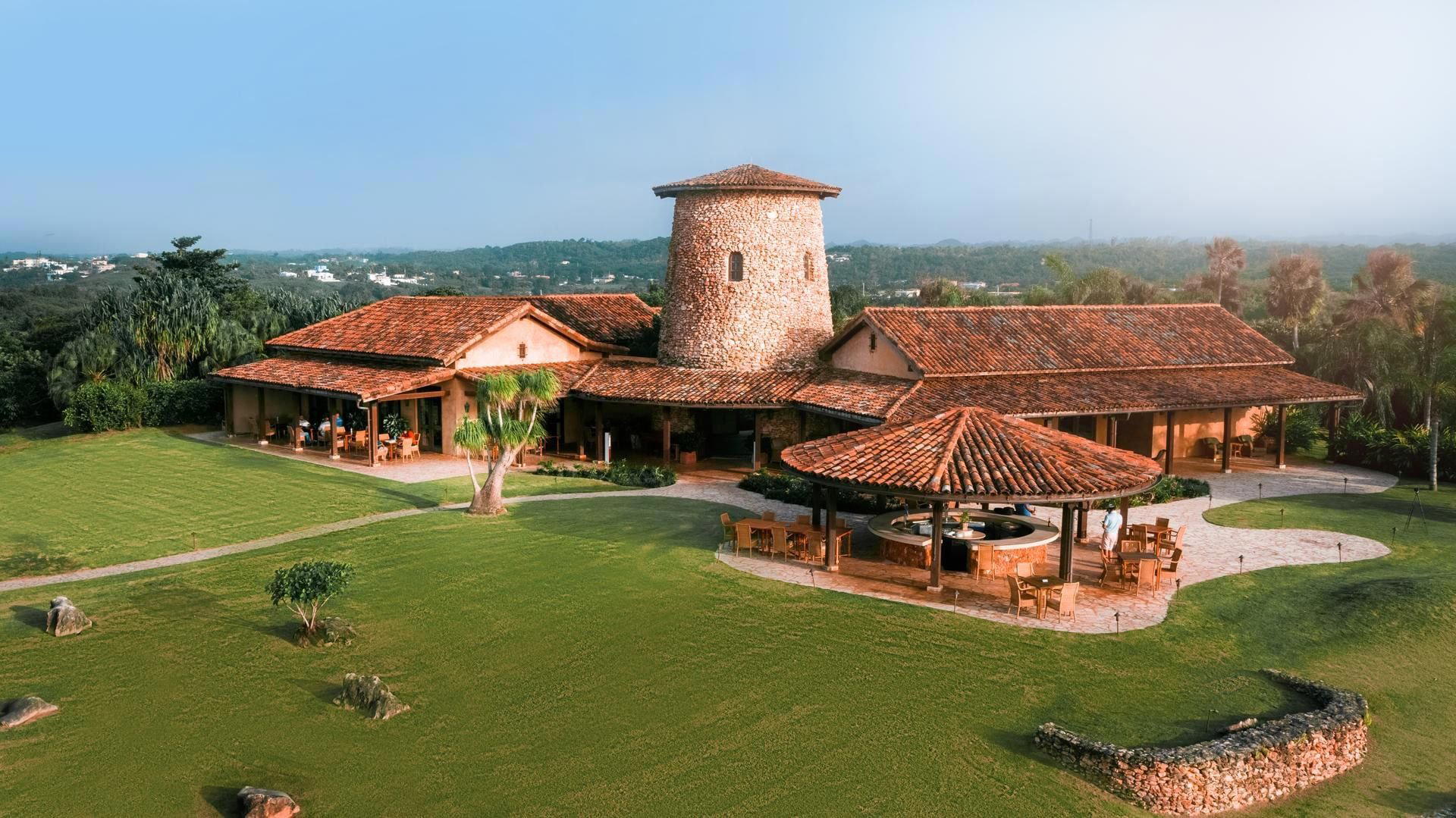
Relaxed casual terrace atmosphere with ocean breezes and far-reaching sea views.