COA
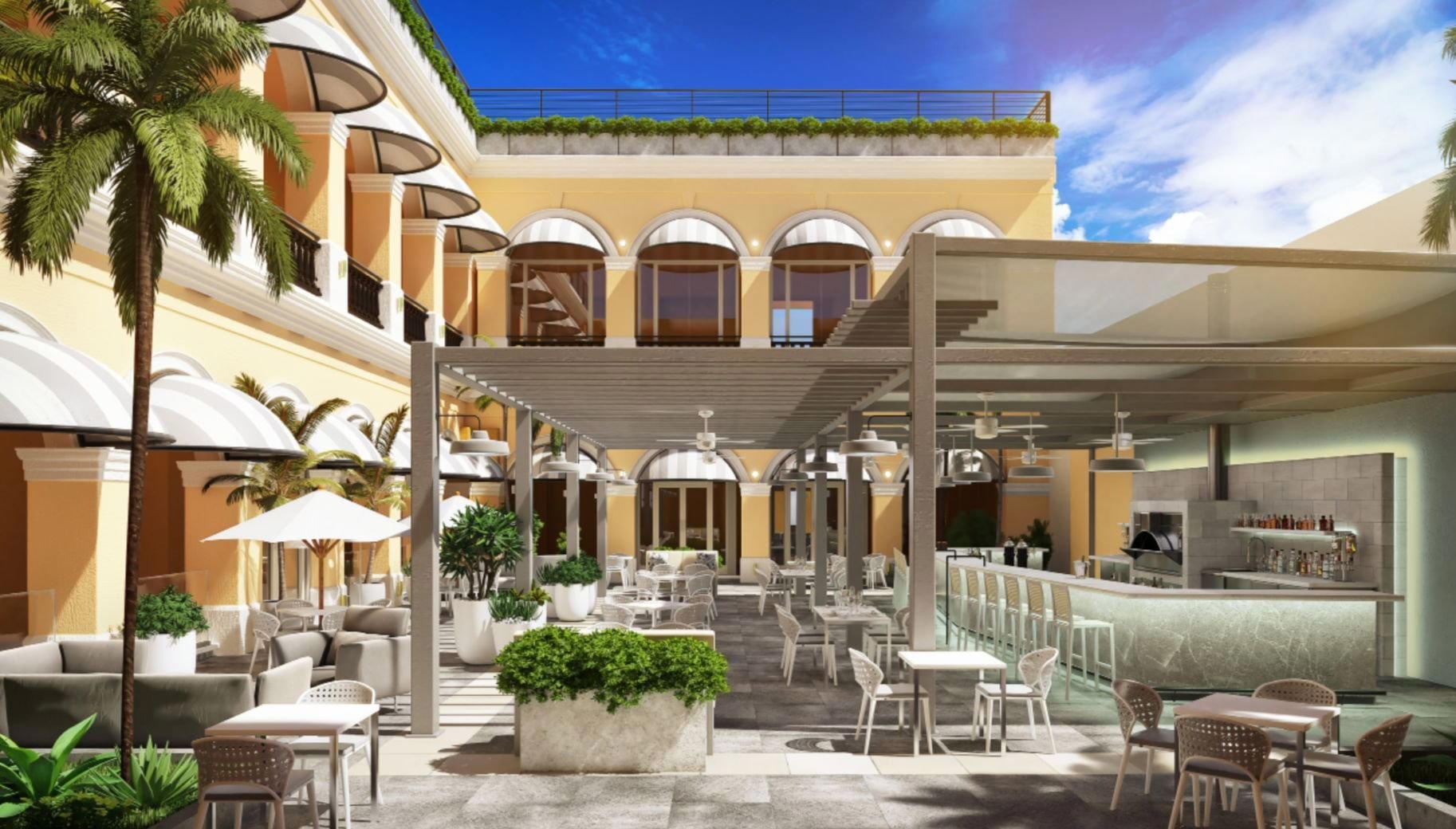
COA is the signature restaurant at Dorado Beach, a Ritz-Carlton Reserve, where open-air dining meets a wood-burning grill program built around Caribbean ingredients. Ocean breezes move through the dining room while the Mi Brasa fire station drives a menu grounded in the island's produce and coastal traditions. For grilled fare in Dorado, it sits at the upper end of the resort dining tier.
Pearl is the En Primeur Club membership app — saves, bookings, and concierge access live there. Same editors, same standards.
- Address
- 100 Dorado Beach Drive, Dorado
- Phone
- 787-278-7217
- Website
- ritzcarlton.com
- Directions
- Get directions
 Saves & bookings on Pearl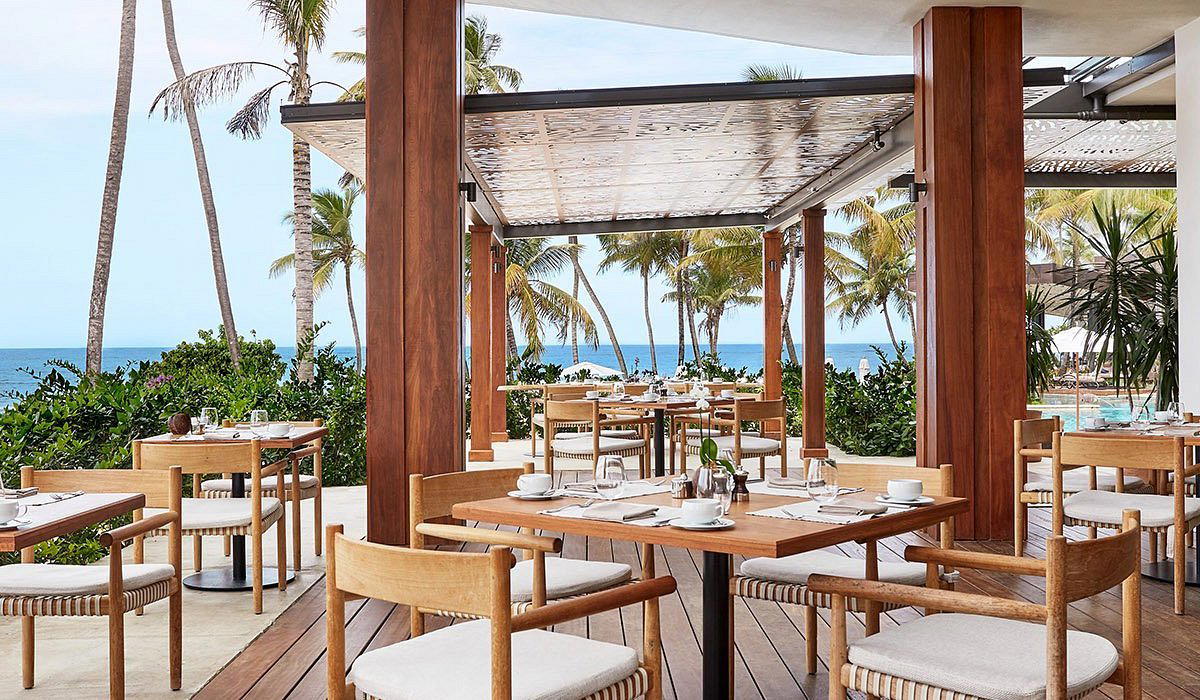
Fire, Salt Air, and the Caribbean Table
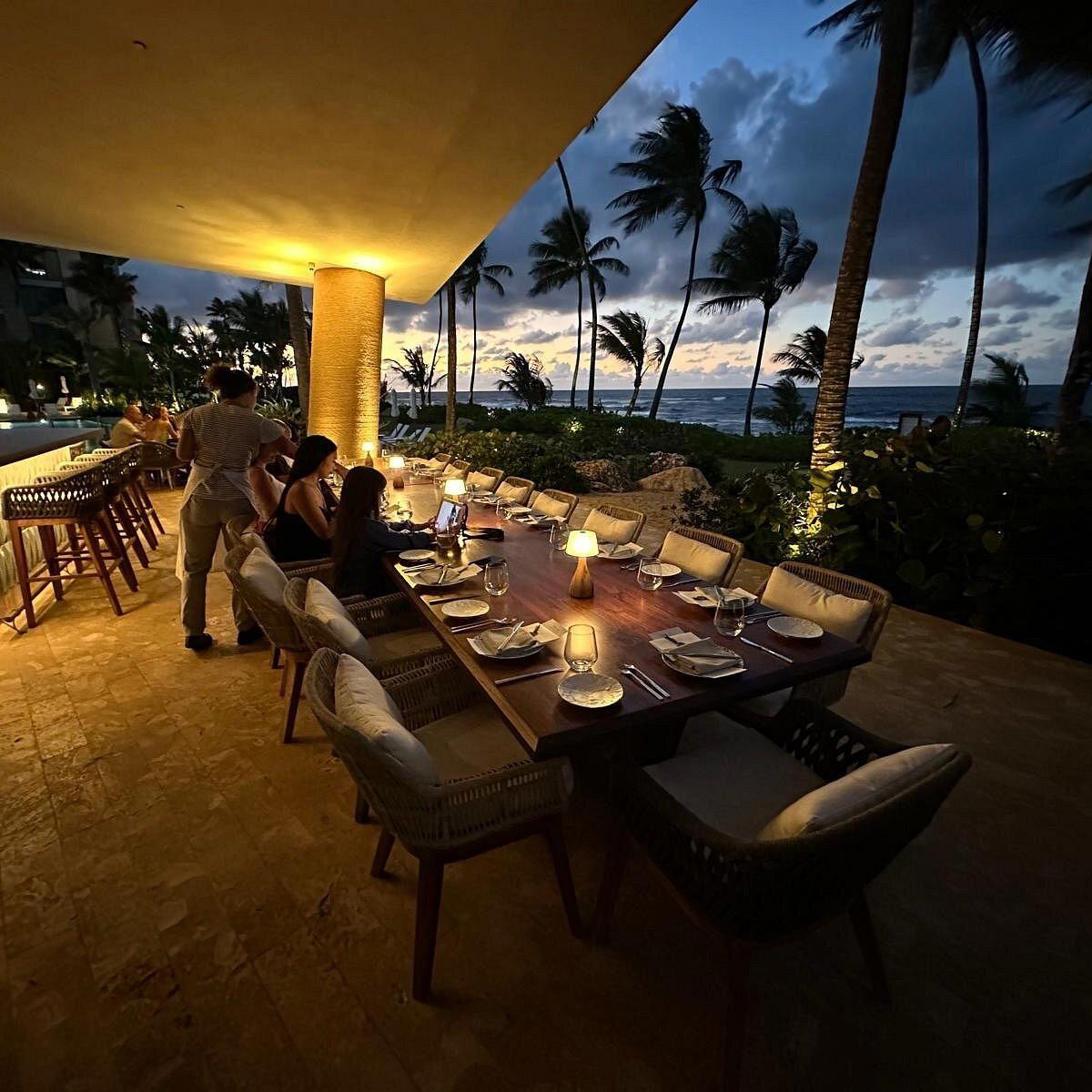
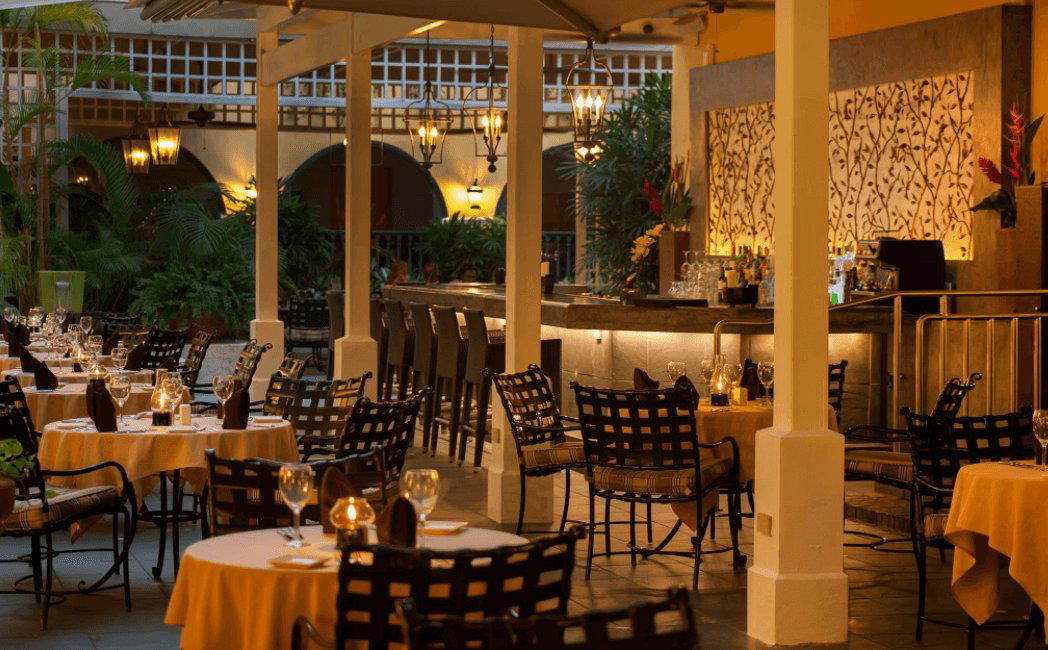
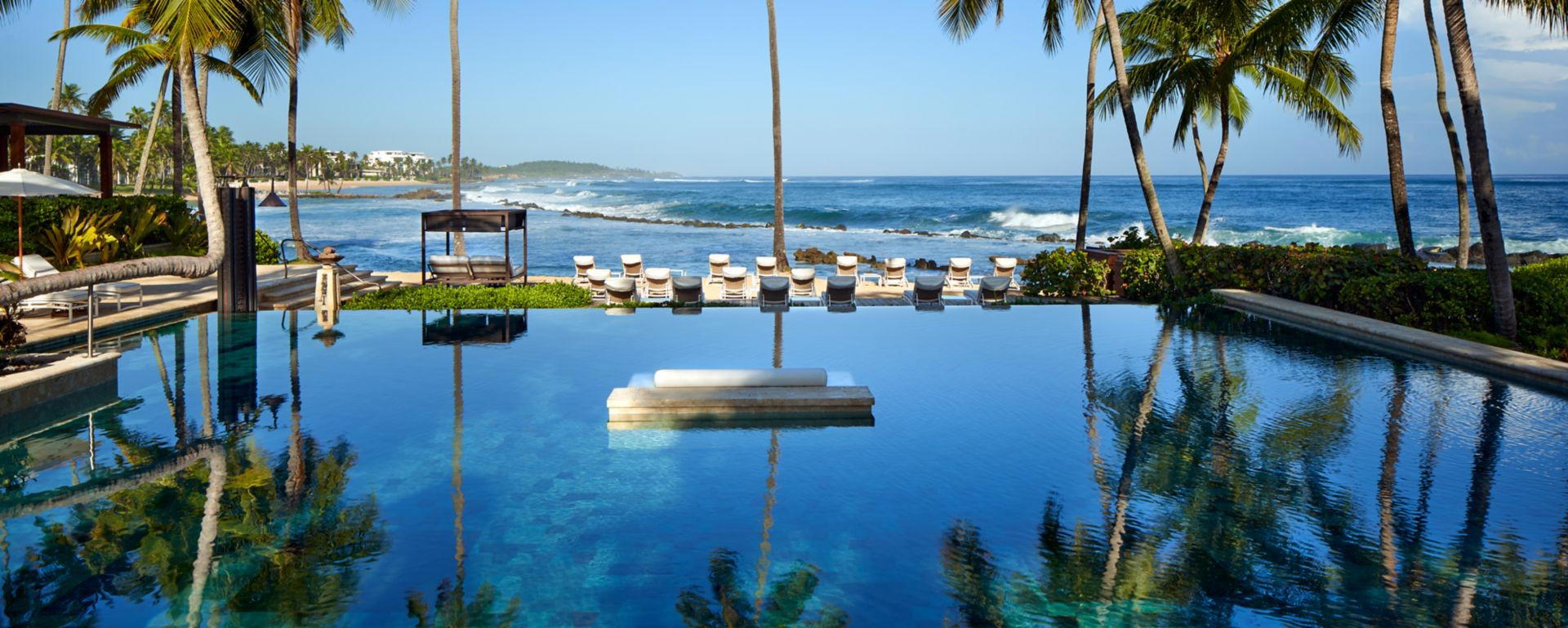
Puerto Rico's north coast has long held a particular kind of outdoor dining logic: the trade winds are reliable, the light stays warm late into the evening, and the proximity to both ocean and interior farmland means that sourcing from close range is less a philosophy than a practical reality. At COA, the signature restaurant at Dorado Beach, a Ritz-Carlton Reserve, that geography shapes the entire format. The open-air dining room operates without the sealed insulation of a conventional hotel restaurant. Ocean breezes cross the space, the ambient temperature of the coast is part of the experience, and the kitchen's central instrument, the Mi Brasa wood-burning grill, makes its presence known well before the food arrives.
Wood-fire cooking at this price tier has become a recognizable format across resort destinations in the Americas and Europe. What distinguishes one program from another is often what feeds the fire and what arrives from it. At COA, the Mi Brasa grill functions as the editorial spine of the menu, and the sourcing question, where ingredients come from and how that proximity affects quality, is the right frame for understanding what the kitchen is doing.
Island Ingredients and the Case for Local Sourcing
Puerto Rico sits in a productive agricultural and maritime zone. The island's interior yields tropical fruits, root vegetables, and herbs that have no direct equivalent in continental American cooking. The coastal waters provide fish and shellfish that, when sourced at short distance, arrive at the kitchen in a condition that longer supply chains cannot replicate. This is not a peripheral point. Ingredient freshness is the variable that wood-fire cooking most directly amplifies: the technique adds complexity through char, smoke, and Maillard reaction, but it cannot manufacture quality that sourcing does not provide first.
Grilled programs built on proximity to source, whether at coastal restaurants in the Basque Country or open-fire kitchens in South America, share a common logic. The fire is the finish. The ingredient is the argument. COA's positioning within a Ritz-Carlton Reserve property means it operates in the company of resort restaurants that tend to prioritize comfort and consistency. The Mi Brasa format suggests an appetite for something more pointed: a cooking approach with a defined technical identity, oriented around fire discipline and Caribbean produce rather than a broad international menu designed to offend no one.
For comparison, the fire-led restaurant tradition has produced some of the most discussed dining of the past decade at properties and destinations well outside Puerto Rico. Places like Aponiente in El Puerto de Santa María have built entire reputations around the argument that geography and marine sourcing can anchor a distinct culinary identity. Closer to COA's format, the question is whether a resort kitchen can hold the same sourcing discipline, and the open-air structure at least removes the architectural barrier between the diner and the environment that produced the food.
Where COA Sits in the Dorado Dining Picture
Dorado Beach operates as a self-contained luxury destination, which means the restaurants within it compete against each other as much as against the wider Dorado dining scene. COA's grilled format places it in a different register than a seafood-forward or Mediterranean concept. Flor de Sal, another option within the Dorado dining circuit, represents a different approach to island ingredients. The two concepts address different moods and different appetites for fire and smoke intensity.
Beyond the resort, Paros Restaurant in Puerto Rico addresses Greek seafood traditions with local fish, while 1919 Restaurant in San Juan represents the modern American fine dining tier available on the island. COA occupies its own position: a grilled program inside a luxury resort, drawing on Caribbean produce and an open-air format that neither of those alternatives replicates.
For diners travelling between Puerto Rico and internationally recognized fire-led programs, the reference points are wide. The controlled-fire discipline at restaurants like Lazy Bear in San Francisco or the classical authority at Le Bernardin in New York City represent different ends of the sourcing and technique spectrum. COA's argument is more regional in ambition and more immediate in execution: Caribbean ingredients, Caribbean climate, and a cooking method that respects both.
The Dining Room and Its Context
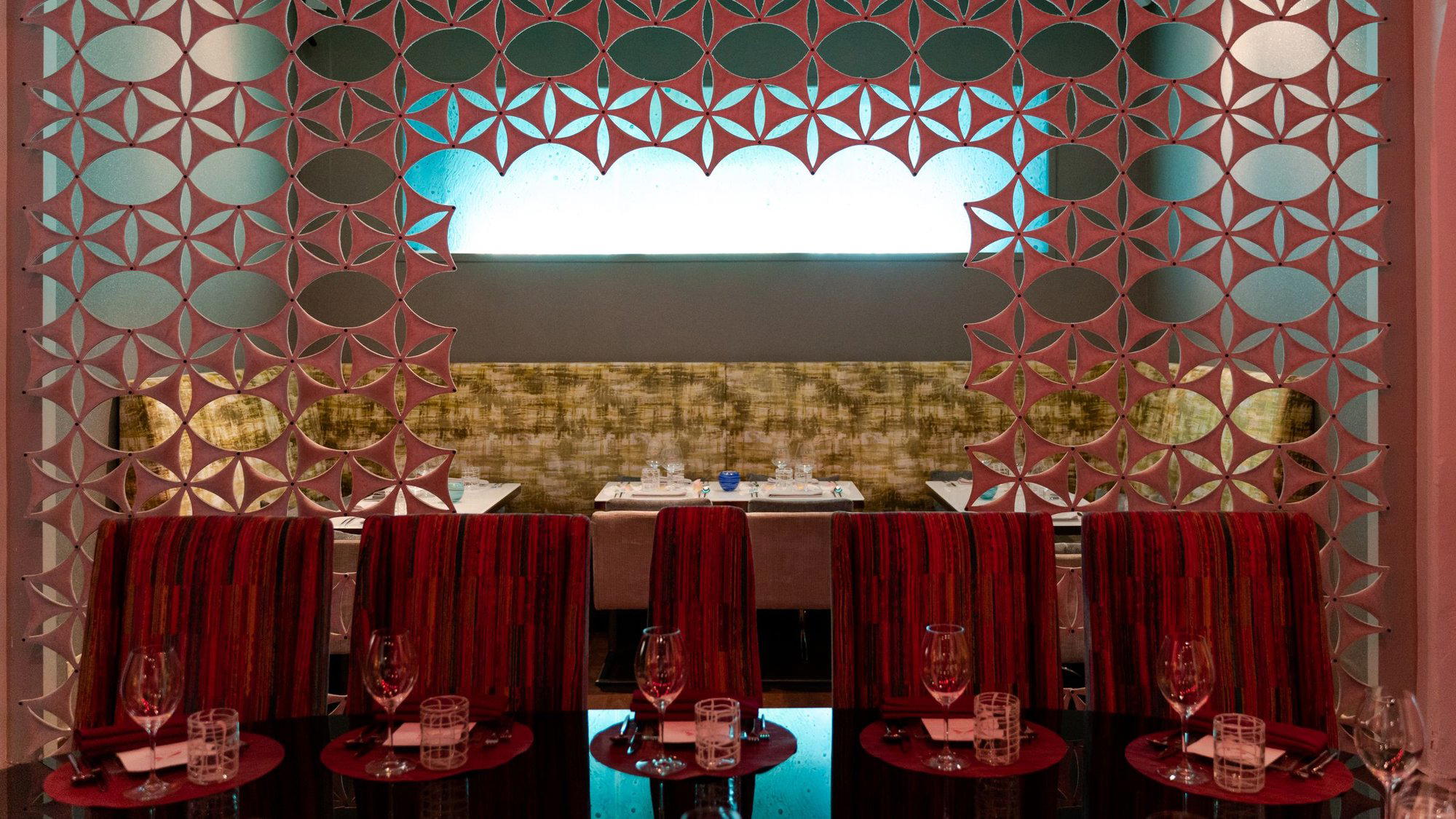
Open-air restaurants at resort properties in the Caribbean carry a specific set of design decisions. The choice to leave the space unsealed, to allow ocean air to move through the dining room, signals that the environment is considered part of the offering rather than a variable to be controlled. The Mi Brasa grill reinforces that orientation. Wood-burning kitchens generate their own atmosphere through smoke, aroma, and the visible theatrics of live fire. At COA, these elements converge in a setting where the physical conditions of the north coast, the breeze, the evening temperature, the proximity to the ocean, are structural to the experience rather than incidental.
Resort dining at the Reserve tier typically emphasizes service consistency and menu range. COA's format suggests a more focused proposition: a grilled program with a defined cooking identity, set in an environment where the ingredients, the method, and the location are in coherent alignment. That coherence is what separates a purposeful restaurant concept from a hotel dining room that happens to have a kitchen.
Planning a Visit
COA is located at 100 Dorado Beach Drive, Dorado, within the Ritz-Carlton Reserve property. As a signature restaurant at a Reserve-tier hotel, it operates within the booking infrastructure of the resort. Guests staying at Dorado Beach will find access through the hotel concierge the most reliable approach. Non-staying visitors should contact the resort directly to confirm availability and any reservation requirements, as demand at the property's signature venues tends to exceed walk-in capacity, particularly during peak Caribbean travel months from December through April.
For a broader orientation to what Dorado offers across dining, drinking, and accommodation, our full Dorado restaurants guide covers the wider circuit, while our full Dorado hotels guide, our full Dorado bars guide, our full Dorado wineries guide, and our full Dorado experiences guide map the full range of options in the area. For reference points at the international fine dining tier, Alain Ducasse at Louis XV in Monte Carlo, Alinea in Chicago, Alléno Paris au Pavillon Ledoyen, Arpège in Paris, Aqua in Wolfsburg, 8½ Otto e Mezzo Bombana in Hong Kong, and Emeril's in New Orleans provide useful calibration for what formal resort and destination dining looks like at comparable tiers elsewhere.
How COA Dorado compares with similar nearby venues.
| Venue | Cuisine | Awards |
|---|---|---|
| COA | Not listed | Forbes Soon To Be Rated (2026) |
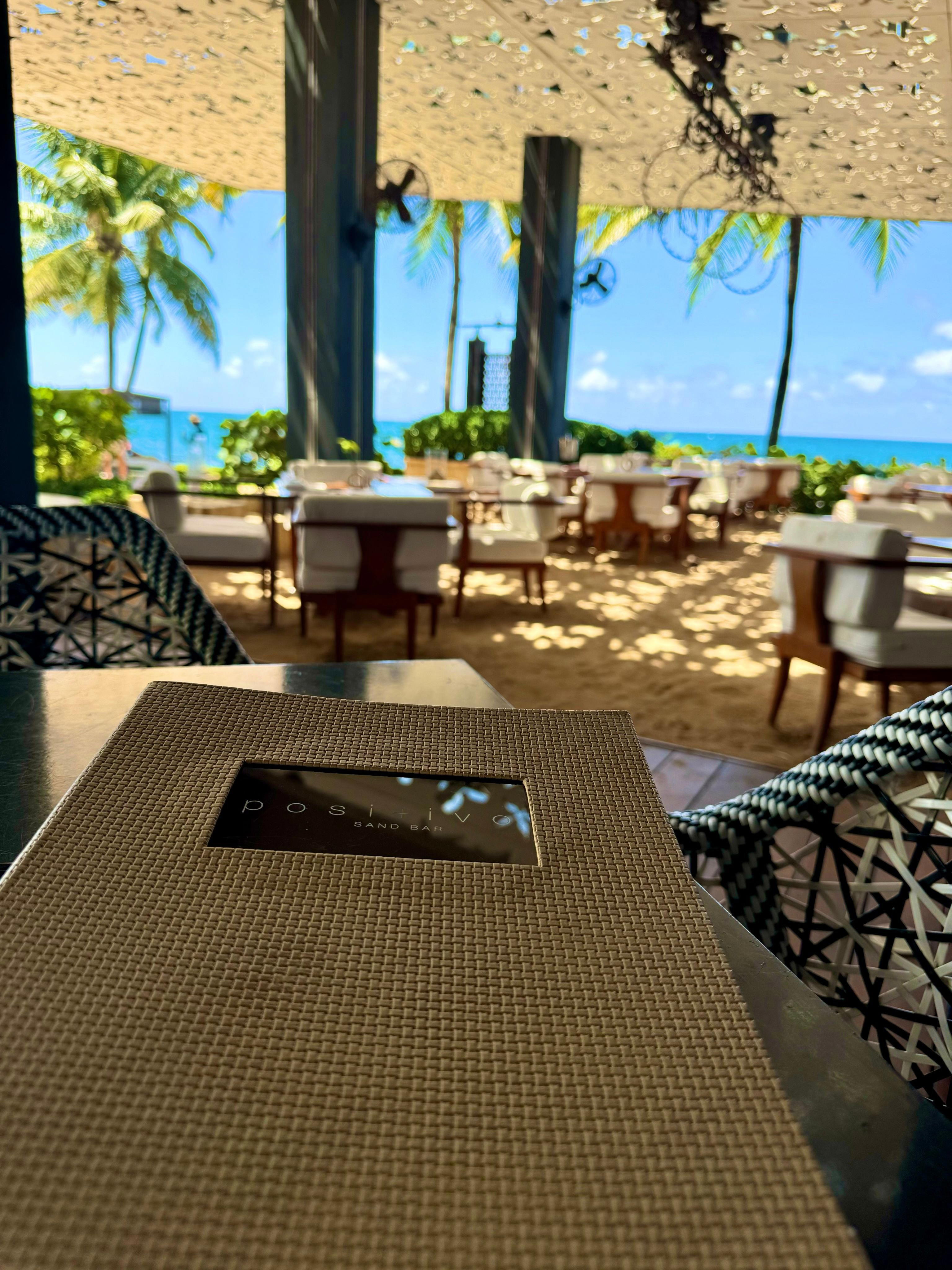
| Positivo Sand Bar | Beach Bar | Not listed |
At a Glance
- Elegant
- Scenic
- Sophisticated
- Lively
- Special Occasion
- Date Night
- Celebration
- Business Dinner
- Waterfront
- Terrace
- Hotel Restaurant
- Panoramic View
- Extensive Wine List
- Sommelier Led
- Local Sourcing
- Waterfront
Current opening hours
- Monday
- 7–11 AM, 6–10 PM
- Tuesday
- 7–11 AM, 6–10 PM
- Wednesday
- 7–11 AM, 6–10 PM
- Thursday
- 7–11 AM, 6–10 PM
- Friday
- 7–11 AM, 6–10 PM
- Saturday
- 7–11 AM, 6–10 PM
- Sunday
- 7–11 AM, 6–10 PM
Hours can change for holidays and private events. Last verified .
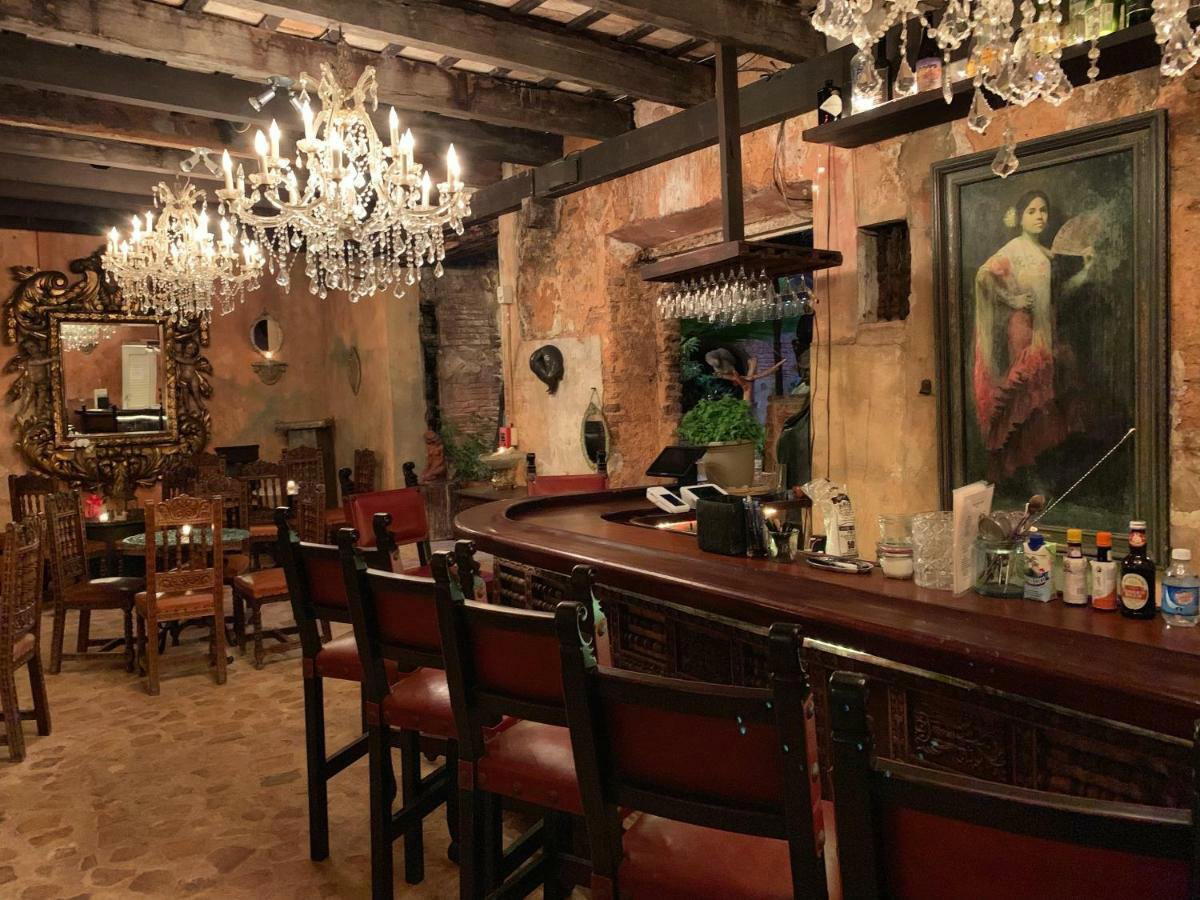
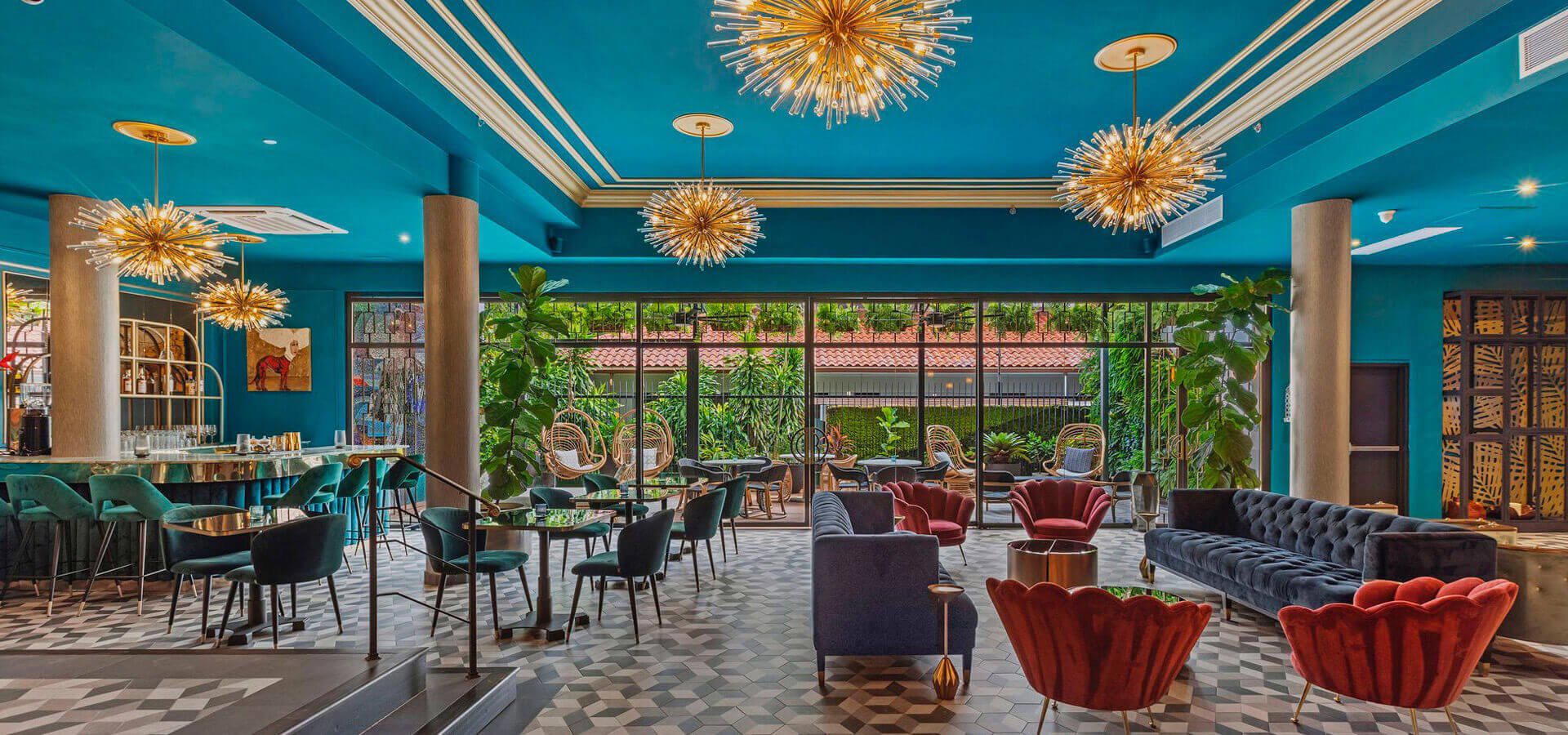
Elegant and sophisticated with beautiful sunset views over the beach and pool area; lively atmosphere especially on weekends with Latin music; refined lighting and tasteful decor.
Know Before You Go
- Getting there
- 100 Dorado Beach Drive, Dorado