Da Bowls
Our verdict
Da Bowls operates along PR-110R in Aguadilla, sitting within Puerto Rico's northwest coast food scene where casual formats built around fresh, local ingredients have found a loyal following. The bowl format, common across health-conscious dining trends in the Caribbean, here connects to the agricultural richness of the island's interior and coastal produce. A practical stop for visitors moving through Aguadilla's surf and beach corridor.
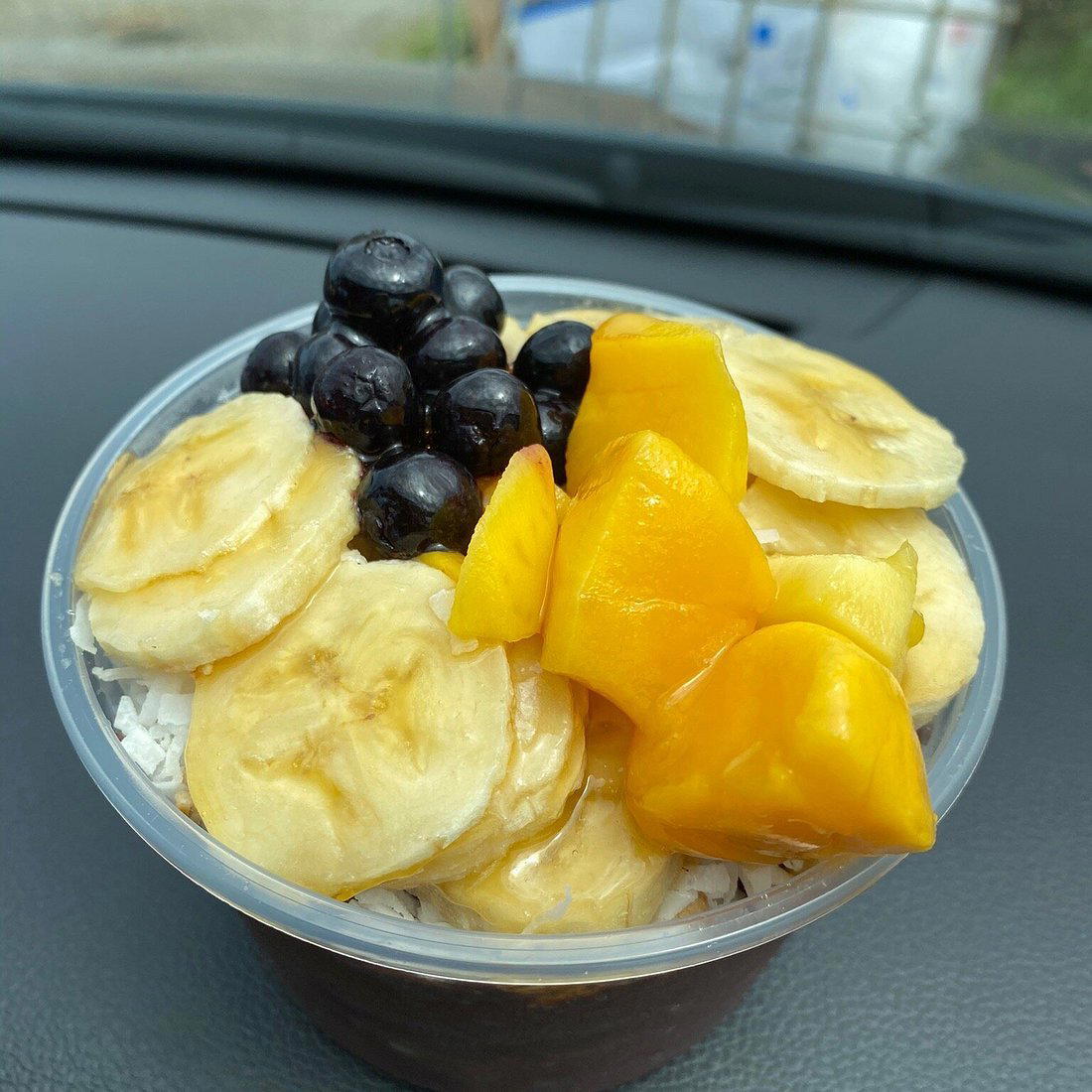
The menu
What to order
- Reef Bowl
- Golo Bowl
Where the Northwest Coast Feeds Itself
Aguadilla sits at Puerto Rico's northwestern tip, a stretch of coastline better known for surf breaks and Rafael Hernández Airport than for destination dining. That geography shapes what people eat here. The northwest corridor, from Aguadilla through Isabela and down toward Rincón, has developed a food culture that leans on local produce, proximity to the ocean, and the practical rhythms of a working coastal town rather than the tourist-polished menus of San Juan or the resort circuits of Dorado. In that context, a bowl-format operation along PR-110R is less a trend import and more a logical response to what the region actually grows and catches.
Puerto Rico's agricultural interior, particularly the mountain municipalities that feed the coast, produces plantains, tropical fruits, root vegetables, and leafy greens that rarely appear on the menus of the island's fine-dining circuit. The bowl format, when done with sourcing discipline rather than as an aesthetic shortcut, can actually do more justice to those ingredients than plated cuisine, because it puts produce and protein at the center without the structural demands of classical technique. That tension between sourcing integrity and format simplicity defines the leading casual eating on the island's west coast.
The Bowl Format as a Sourcing Argument
Across Puerto Rico, a quieter shift has been underway in how casual restaurants present local ingredients. The island's dependence on food imports, historically around 85 percent of consumed food by some estimates, has made local sourcing a genuine statement rather than a marketing footnote. Operations that commit to Caribbean-grown produce, whether through relationships with mountain farmers or coastal fishermen, position themselves differently from the majority of the food-service sector. The bowl format, with its flexible composition and visual transparency, makes sourcing legible in a way that stew-based or fried-food traditions sometimes obscure.
Da Bowls, located on PR-110R in Aguadilla, operates within this broader pattern. The address places it along one of the main arteries connecting Aguadilla's airport zone to the town center and the beach communities further south. That positioning, accessible rather than destination-specific, suggests a model built around repeat local custom as much as visitor traffic, which is a meaningful signal about what the kitchen is actually optimizing for. Restaurants that serve their neighborhood day after day tend to have sharper sourcing accountability than those that can reset expectations with each new wave of tourists.
For visitors working through Aguadilla's dining options, the bowl format also offers a practical advantage: it reads clearly across dietary preferences, which matters in a town where group travel mixes surfers, families, and weekend visitors from San Juan. Puerto Rico's west coast dining scene, documented across our full Aguadilla restaurants guide, has enough variety to reward a deliberate approach to meal planning, and a lighter, produce-forward option like Da Bowls fits into a multi-day itinerary alongside heavier traditional plates.
Northwest Puerto Rico's Dining Reference Points
The west coast sits at a different register from San Juan's restaurant scene, where operations like Jose Enrique Puerto Rican restaurant have drawn national attention for reframing jíbaro cooking through a modern lens. The northwest doesn't compete on those terms and doesn't need to. Its dining identity is built on accessibility, informality, and ingredients that don't travel well, which is precisely why eating close to the source matters here.
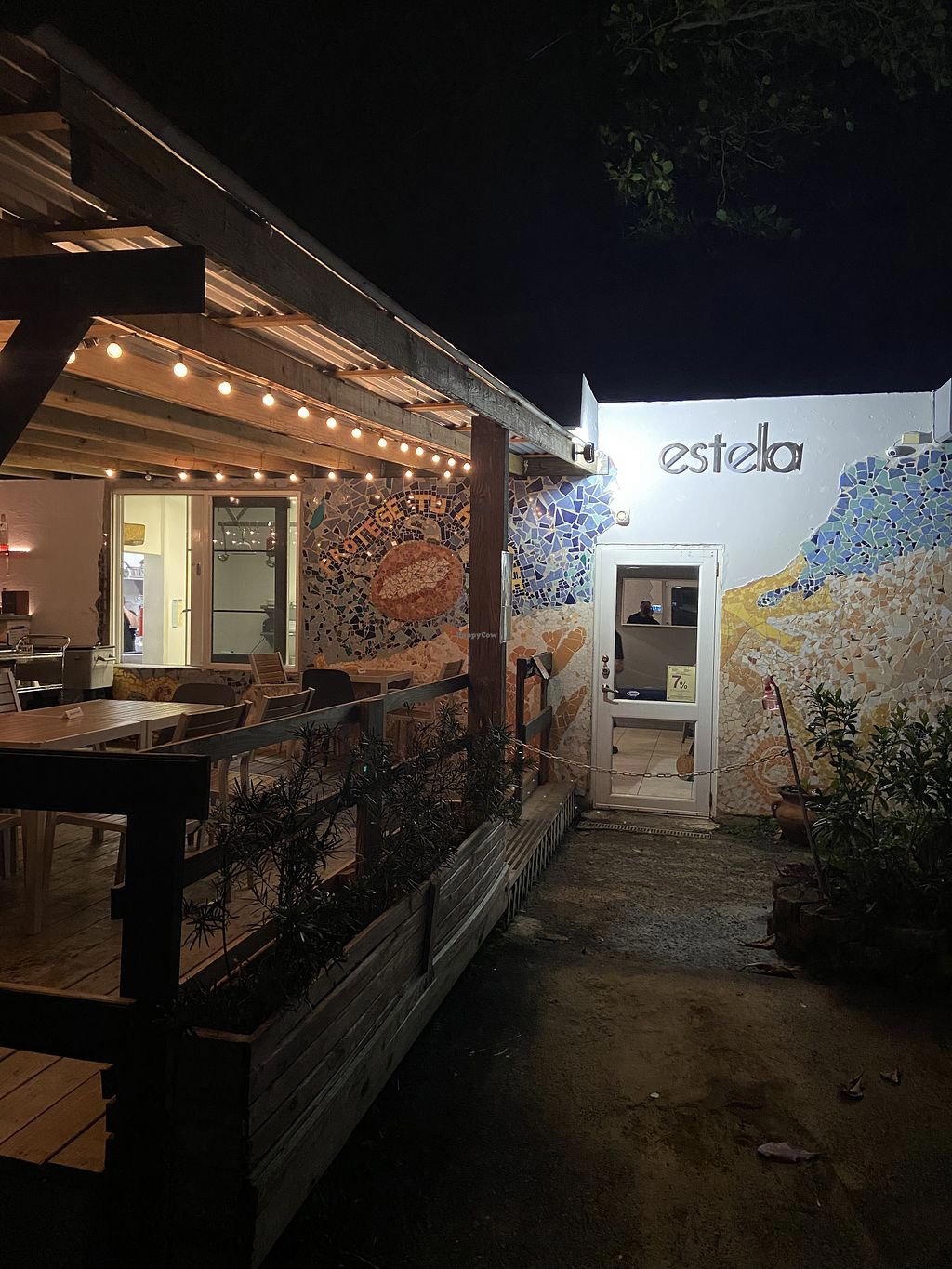
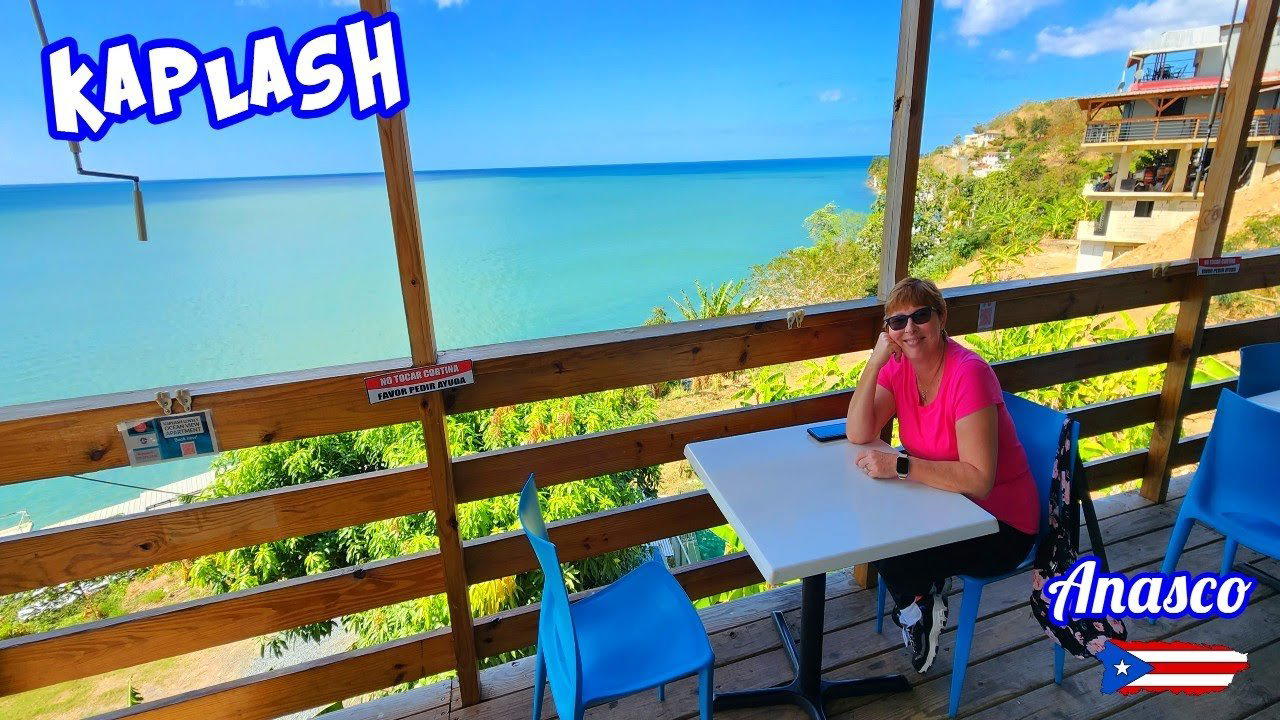
Within the immediate region, Estela Restaurant in Rincón and Kaplash in Añasco represent the kinds of neighborhood operations that have built followings through consistency and local sourcing rather than through formal recognition. Further along the coast, Brazo Gitano Franco in Mayaguez anchors a different tradition entirely, rooted in pastry and bakery formats that reflect the region's Spanish colonial food heritage. And for those crossing the island, Lago Dos Bocas in Arecibo offers an example of how scenic geography and traditional Puerto Rican cooking combine into a dining experience that's hard to replicate in an urban setting.
Closer to Aguadilla itself, Tuluum 110 represents the town's growing appetite for non-Puerto Rican formats along the same PR-110 corridor, a sign that the local dining base has broadened enough to support culinary range rather than just traditional plates. That diversification makes the northwest a more interesting eating destination than it was a decade ago, even if it hasn't generated the press attention that San Juan's restaurant scene commands.
For comparison across Puerto Rico's broader casual dining range, Charco Azul in Vega Baja, El Dorado in Playita, and La Parguera each illustrate how different coastal communities have developed distinct dining personalities from similar geographic starting points. The island's food culture is less monolithic than outside coverage suggests, and the west coast specifically rewards visitors who look past the established circuits.
Planning a Visit
Da Bowls sits along PR-110R, a road that functions as a primary connector through Aguadilla's commercial and residential zones. Visitors arriving via Rafael Hernández Airport will find the PR-110 corridor directly accessible from the terminal, making this a practical option for those who want a solid meal before heading south toward Isabela or Rincón. Walk-in access is standard for bowl-format casual operations of this type, though hours may vary seasonally.
Those building a longer Puerto Rico itinerary may also want to cross-reference dining options at the island's larger formal properties, including Aleli at The Royal Sonesta San Juan and Paros Restaurant, which represent the contrasting end of the island's hospitality spectrum. And for those curious how the island's best-known fine-dining addresses compare to international reference points, Le Bernardin in New York City and Lazy Bear in San Francisco offer useful benchmarks for what formal tasting formats look like at their most technically developed, a useful frame when thinking about where Puerto Rico's dining scene sits relative to the broader North American conversation.
Frequently asked questions
Where exactly is Da Bowls?
Da Bowls is located at PR-110R, Aguadilla, 00603, Puerto Rico, Aguadilla.
Is Da Bowls a good option for eating near Rafael Hernández Airport in Aguadilla?
Da Bowls sits along PR-110R in Aguadilla, the primary commercial corridor that connects the airport zone to surrounding residential areas, making it geographically convenient for arrivals and departures on Puerto Rico's northwest coast. It operates in the casual, quick-service segment that the west coast dining scene leans toward, distinct from San Juan's more formal restaurant tier. No hours are currently confirmed, so timing a visit around a flight requires checking availability in advance.
What's the must-try dish at Da Bowls?
Specific menu items for Da Bowls have not been formally documented in public editorial records. The bowl format itself is the operative concept at this Aguadilla spot on PR-110R, so arriving with an appetite for composed, ingredient-driven bowls is the reasonable starting point.
Do they take walk-ins at Da Bowls?
Given the casual bowl-format positioning, walk-in service is consistent with how most similar operations along Puerto Rico's west coast function, but confirming directly before visiting is advisable. No phone or website is currently listed in the public directory.
What is Da Bowls known for?
Da Bowls is a casual bowl-format restaurant on PR-110R in Aguadilla, operating in a part of Puerto Rico's northwest coast that sits apart from San Juan's more documented dining scene. The bowl format, common across the island's evolving casual segment, positions it as a practical local reference for composed meals using accessible ingredients. It draws from Aguadilla's everyday food culture rather than destination-dining circuits.
Is Da Bowls allergy-friendly?
No allergy or dietary accommodation data has been confirmed for Da Bowls in Aguadilla. For specific ingredient or allergen questions, contacting the venue directly before visiting is the only reliable approach.
At-a-Glance Comparison
| Venue | Cuisine | Price | Awards | Notes |
|---|---|---|---|---|
| Da BowlsThis venue (the venue you are viewing) | Acai Bowls | Not listed | Not listed | Not listed |
| Paros Restaurant | Greek Seafood | Not listed | Not listed | Not listed |
| Positivo Sand Bar | Asian Fusion Sushi with Omakase | $200–300 | Forbes 4-Star | Beach Bar |
| 1919 Restaurant | Modern Puerto Rican Fine Dining | $150–200 | Forbes 4-Star · Wine Spectator Best of Award of Excellence | Modern American |
| ORUJO | Modern Puerto Rican Experimental | $100–150 | James Beard Award Semi Finalist · The Best Chef One Knife | Not listed |
| COA | Modern Spanish & Puerto Rican Cuisine | $100–150 | Not listed | Not listed |
Continue exploring
More in Aguadilla
Restaurants in Aguadilla
Browse all →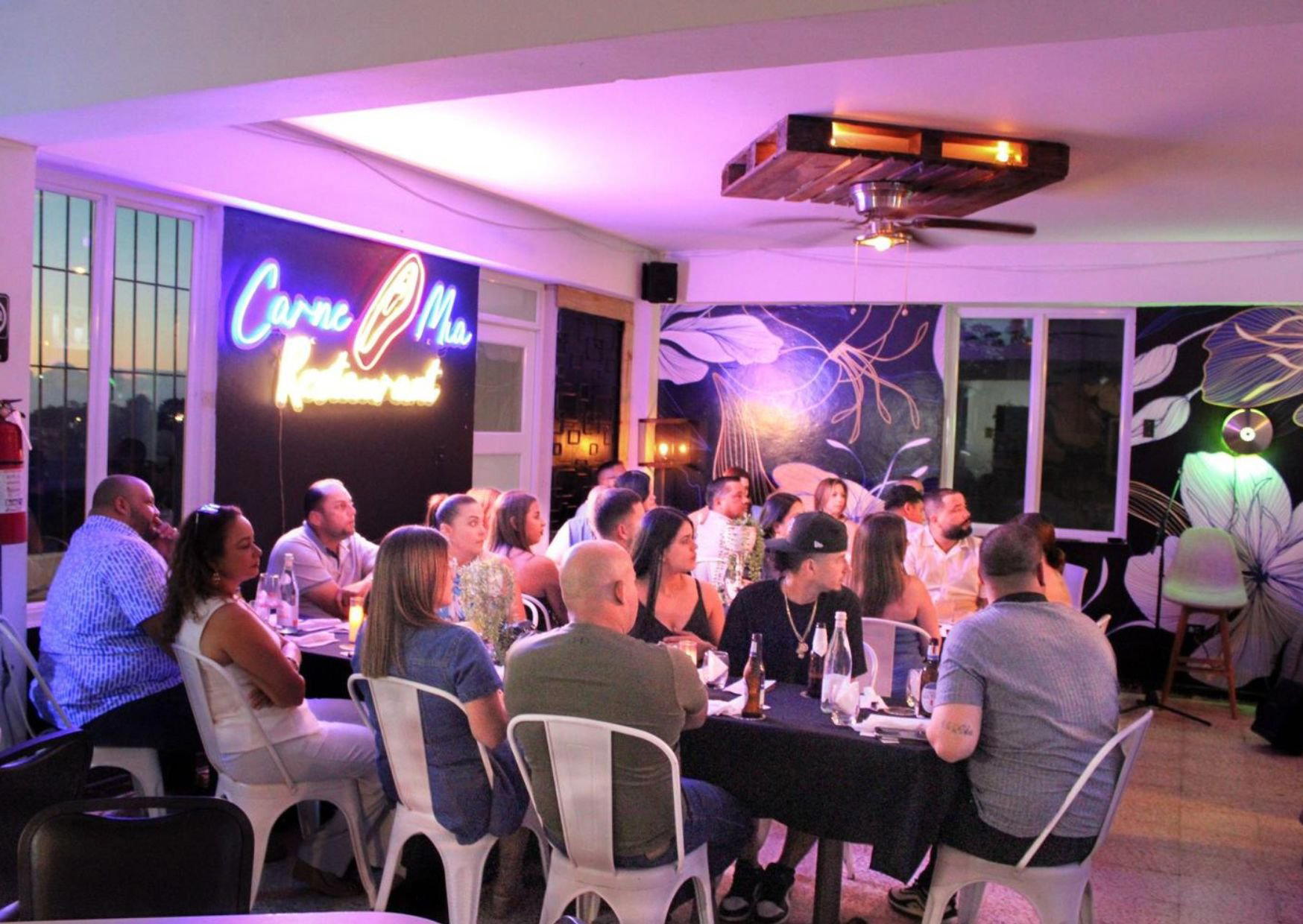
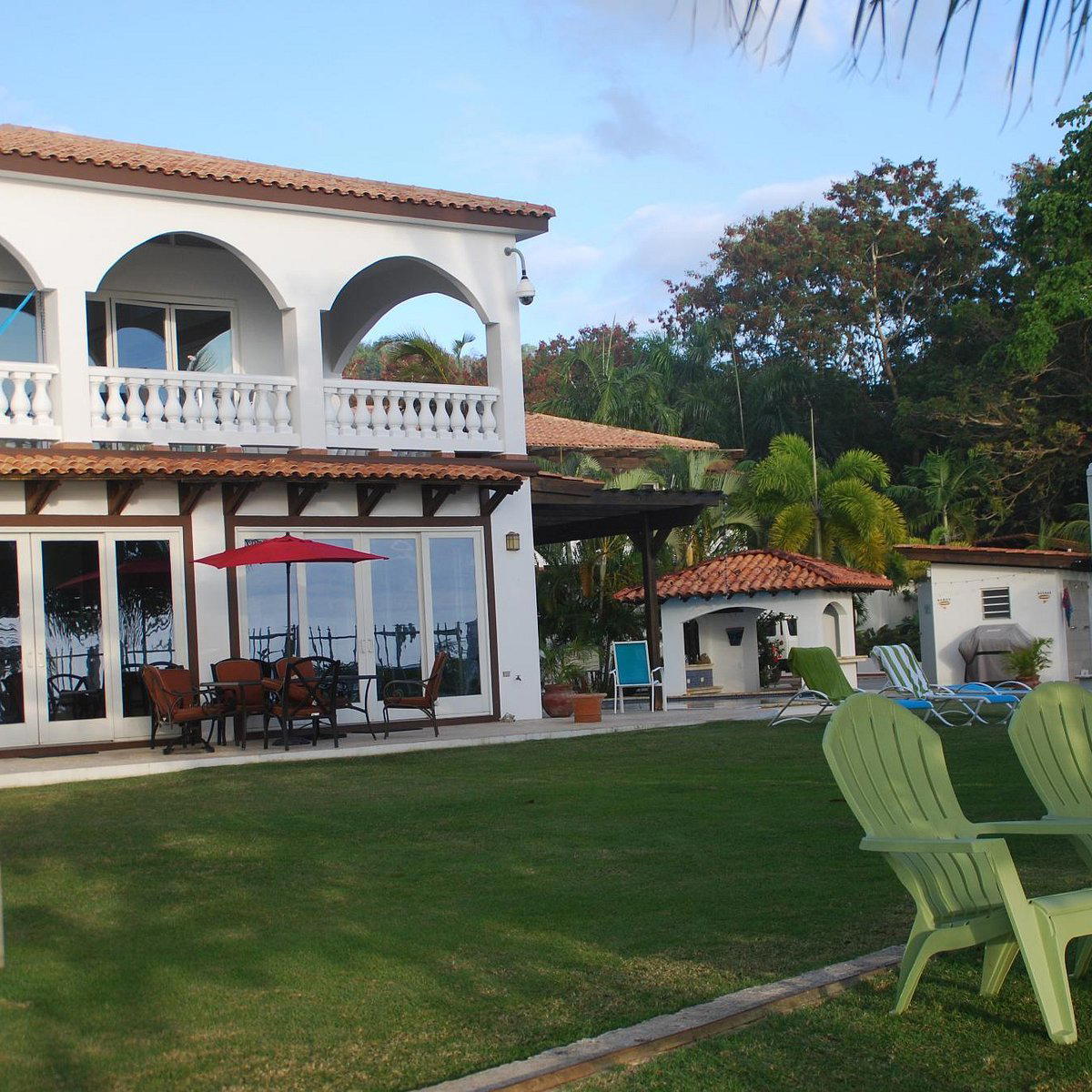

Bars in Aguadilla
Browse all →
Details
- Cozy
- Trendy
- Casual Hangout
- Family
- Open Kitchen
- Local Sourcing
- A La Carte
- Vegetarian Friendly
- Vegan Options
Casual, chill surf-oriented space with local art, spacious indoor seating, and a laid-back healthy vibe.