Charco Azul
Our verdict
"Charco Azul Waterfall The beauty of the island doesn't get more mesmerizing than this!! Head over to Charco Azul in the north of the island in Vega Baja. Bring lunch and plan to stay for a while! Photo by Gerald Giovanni"

Pearl is the En Primeur Club membership app, where members save venues, book tables and use the concierge.
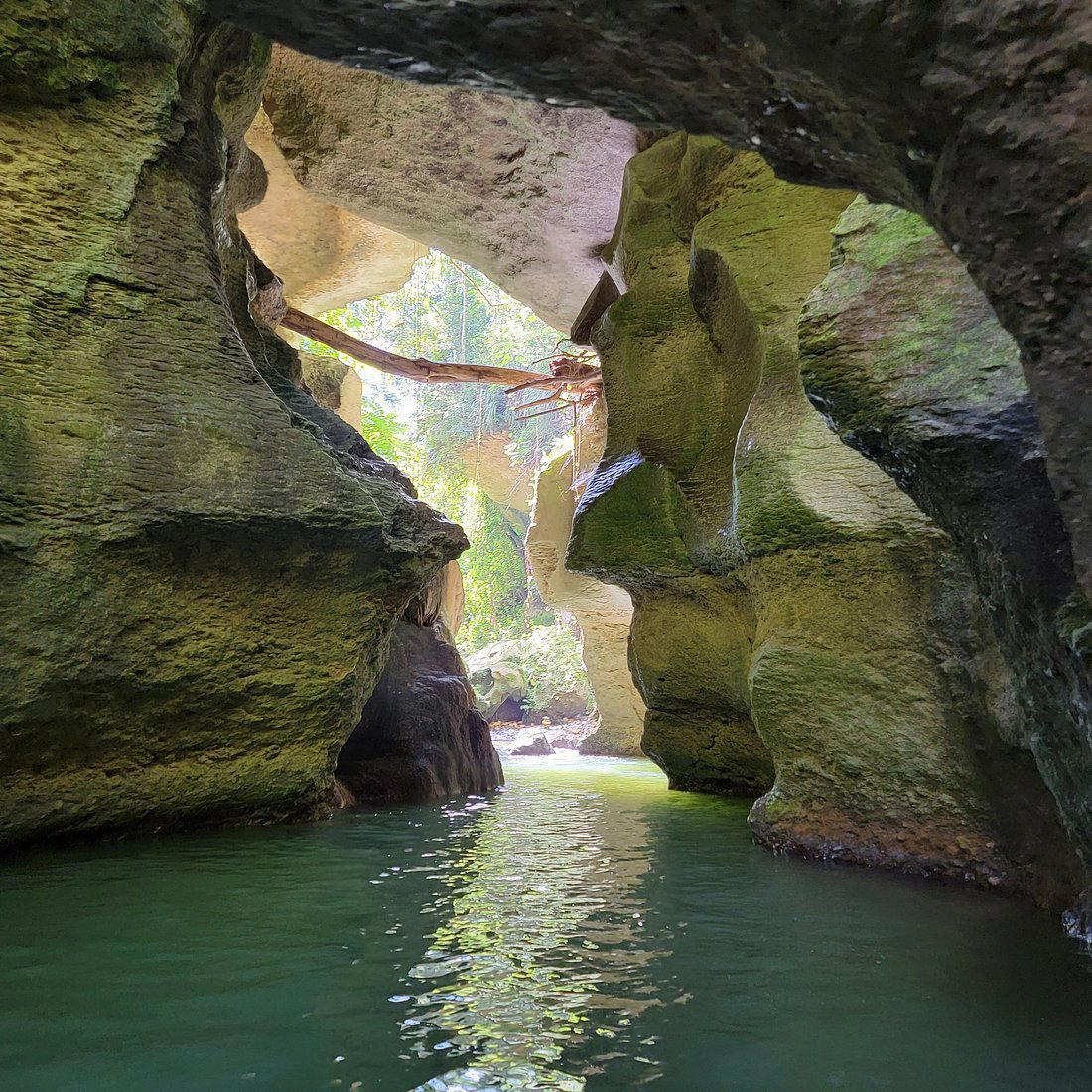
Where Vega Baja Meets the Water
Vega Baja sits on Puerto Rico's north coast roughly midway between San Juan and Arecibo, a municipality shaped as much by its lagoon system as by its inland cane-field history. Charco Azul takes its name from that geography: charco means pool or watering hole, and the blue pools of Vega Baja's natural reserve are among the most photographed features on this stretch of coast. Arriving here, you are already inside the ingredient story before a plate arrives. The north coast's combination of river mouths, mangrove fringe, and Atlantic-facing shoreline produces a particular seafood ecology that distinguishes it from the restaurant corridors of Condado or Old San Juan.
Puerto Rico's dining scene has divided, over the past decade, into two recognizable currents: the hotel-anchored, internationally benchmarked restaurants of the metropolitan area, and the community-rooted spots that draw regulars from surrounding towns rather than tourists from the airport corridor. Charco Azul operates in the latter current. That positioning is not a limitation. It is the condition that keeps sourcing short and the kitchen connected to what the coast actually produces week to week. For context on how San Juan's more formalized end of that spectrum operates, Jose Enrique in San Juan is the reference point most critics reach for first.
Ingredient Geography on the North Coast
Puerto Rico's north coast is not a single ingredient zone. The stretch between Dorado and Arecibo passes through micro-environments: the karst interior feeds cold freshwater into lagoons, Atlantic swells push different fish populations inshore depending on season, and the agricultural flatlands around Vega Baja historically supplied root vegetables and tropical fruit to island markets. That layered provenance is the editorial argument for venues in this corridor. Where COA in Dorado operates closer to the resort infrastructure of the north coast's eastern reach, Vega Baja sits in a less developed segment where local supply chains remain the practical reality rather than a marketing position.
Coastal Puerto Rican cooking at this latitude draws on a short list of recurring references: whole-fried fish, mofongo built on local plantains, seafood stewed with sofrito and annatto, and rice preparations that absorb cooking liquid from whatever protein anchors the dish. The quality ceiling in this format is determined almost entirely by ingredient freshness and the cook's restraint with seasoning. Over-seasoning is the failure mode; a fish that arrived this morning needs less intervention than one that has traveled. That logic governs the better kitchens in this region, and it is what separates a meal worth driving to from one that is merely convenient.
For comparison points elsewhere on the island, Lago Dos Bocas in Arecibo to the west demonstrates how inland water-adjacent dining develops its own sourcing character, with freshwater fish and cooler mountain air defining a different register. La Parguera on the southwest coast shows yet another version: bioluminescent bay proximity, different marine species, a different tourist draw. Vega Baja's north-coast position puts it between these two poles.
The Scene in Context
Dining in small Puerto Rican municipalities follows a rhythm that larger cities have largely abandoned. Lunch is the anchor meal, tables fill early, and the kitchen's energy peaks before mid-afternoon. Weekend traffic from San Juan, roughly 35 kilometers to the east, is a consistent pattern for coastal towns in this range. Visitors making a day trip along the north coast frequently combine a stop here with the natural pools that give the area its name, which means the setting functions as both destination and waypoint depending on the traveler's itinerary.
The comparison set for Charco Azul in terms of regional positioning includes community-anchored seafood and Puerto Rican cooking destinations across the island. Estela in Rincon on the west coast and Paros Restaurant both operate in the space where local sourcing and informal service define the experience more than formal credentials do. Lechonera Los Pinos in Cayey represents the mountain interior version of the same principle: ingredient integrity over presentation polish, community audience over tourist positioning.
Further afield, the spectrum runs from the bakery-anchored morning economy of Panaderia La Patria in Morovis to the beach-bar format of Da Bowls in Aguadilla, each representing a different way that non-metropolitan Puerto Rico builds a dining identity around its immediate geography. The thread connecting them is that the supply chain is short because it has to be, not because it has been engineered as a brand story.
At the other end of the island's formality range, Aleli at The Royal Sonesta San Juan and BODEGA in Caguas show what happens when the same Puerto Rican culinary DNA gets rehoused in hotel dining or urban creative spaces. The contrast is instructive. Neither approach is superior; they serve different reader needs and different moments in a trip. For international benchmarking, Le Bernardin in New York City and Lazy Bear in San Francisco anchor the far end of the formality axis, useful reference points for understanding how far the informal Puerto Rican coastal format intentionally diverges from fine-dining convention.
Planning a Visit
Vega Baja is accessible by car from San Juan in under an hour via Route 22, the main north-coast expressway. The municipality is not served by the metropolitan area's urban train network, so a rental car or hired transfer is the practical requirement. The natural pools at Charco Azul are a separate attraction from the dining scene, but the proximity means a visit can absorb both. Brazo Gitano Franco in Mayaguez and Kaplash in Anasco are further west along the same highway corridor for those building a longer coastal itinerary. Tin Box in Vieques and El Dorado in Playita represent the offshore island and south-coast alternatives for travelers with more time. Our full Vega Baja restaurants guide covers the broader dining picture for the municipality.
Frequently asked questions
Is Charco Azul child-friendly?
Vega Baja's dining culture skews toward family gatherings, and lunch-anchored restaurants in the municipality generally accommodate children without much formality. Charco Azul sits in that same north-coast tradition.
What kind of setting is Charco Azul?
The name Charco Azul references the blue lagoon geography that defines Vega Baja on Puerto Rico's north coast, suggesting a waterside or lagoon-adjacent context rather than an urban interior setting. Vega Baja's restaurant scene is shaped by its proximity to both karst interior and coastal micro-environments.
Where exactly is Charco Azul located in Vega Baja, and how do you get there?
Charco Azul is located in Vega Baja, Puerto Rico (postal code 00693), a municipality on the island's north coast accessible via Route 22 from San Juan in under an hour. Vega Baja is not served by metro rail, so a car or rideshare is the standard approach.
What's the must-try dish at Charco Azul?
Puerto Rico's north coast between Dorado and Arecibo draws on both fresh lagoon catch and karst-interior produce, so the kitchen likely reflects that ingredient geography.
How do I find Charco Azul?
Charco Azul is located at Vega Baja 00693, Puerto Rico, Vega Baja.
Do they take walk-ins at Charco Azul?
In small Puerto Rican municipalities like Vega Baja, lunch service tends to fill quickly, tables often go to locals arriving early rather than to advance reservations. Calling ahead or arriving at opening is the safer approach, particularly on weekends.
What's the signature at Charco Azul?
The venue's name points to the blue lagoon system central to Vega Baja's identity, which in north-coast Puerto Rico typically means seafood and local catch play a central role. Confirming the current menu with the venue directly will give the most accurate picture.
Fast Comparison
| Venue | Cuisine | Price | Awards | Notes |
|---|---|---|---|---|
| Charco AzulThis venue (the venue you are viewing) | Not listed | Not listed | Not listed | Not listed |
| Paros Restaurant | Greek Seafood | Not listed | Not listed | Not listed |
| Positivo Sand Bar | Asian Fusion Sushi with Omakase | $200–300 | Forbes 4-Star | Beach Bar |
| 1919 Restaurant | Modern Puerto Rican Fine Dining | $150–200 | Forbes 4-Star · Wine Spectator Best of Award of Excellence | Modern American |
| ORUJO | Modern Puerto Rican Experimental | $100–150 | James Beard Award Semi Finalist · The Best Chef One Knife | Not listed |
| COA | Modern Spanish & Puerto Rican Cuisine | $100–150 | Not listed | Not listed |
Continue exploring
More in Vega Baja
Restaurants in Vega Baja
All restaurants in Vega Baja →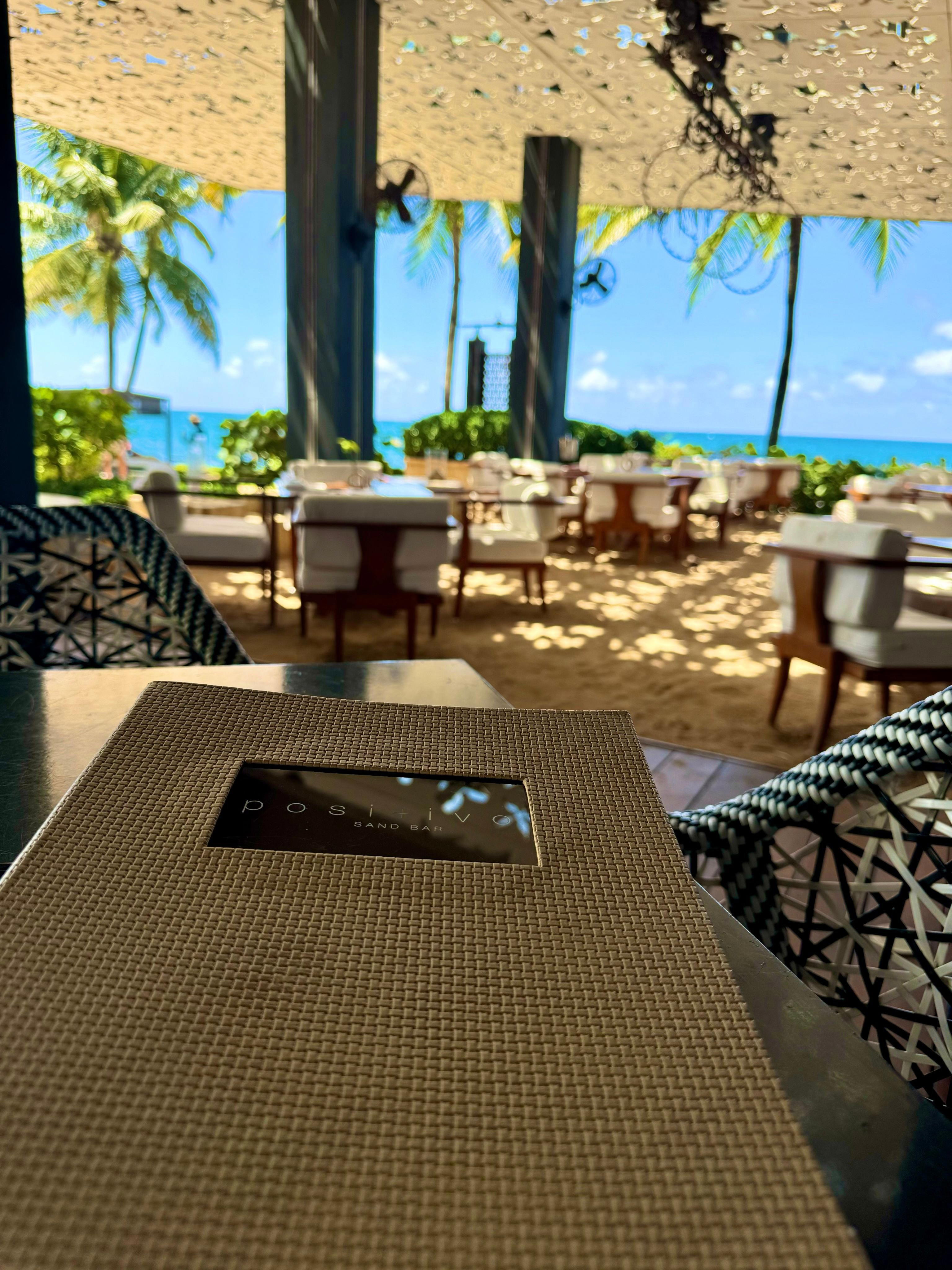
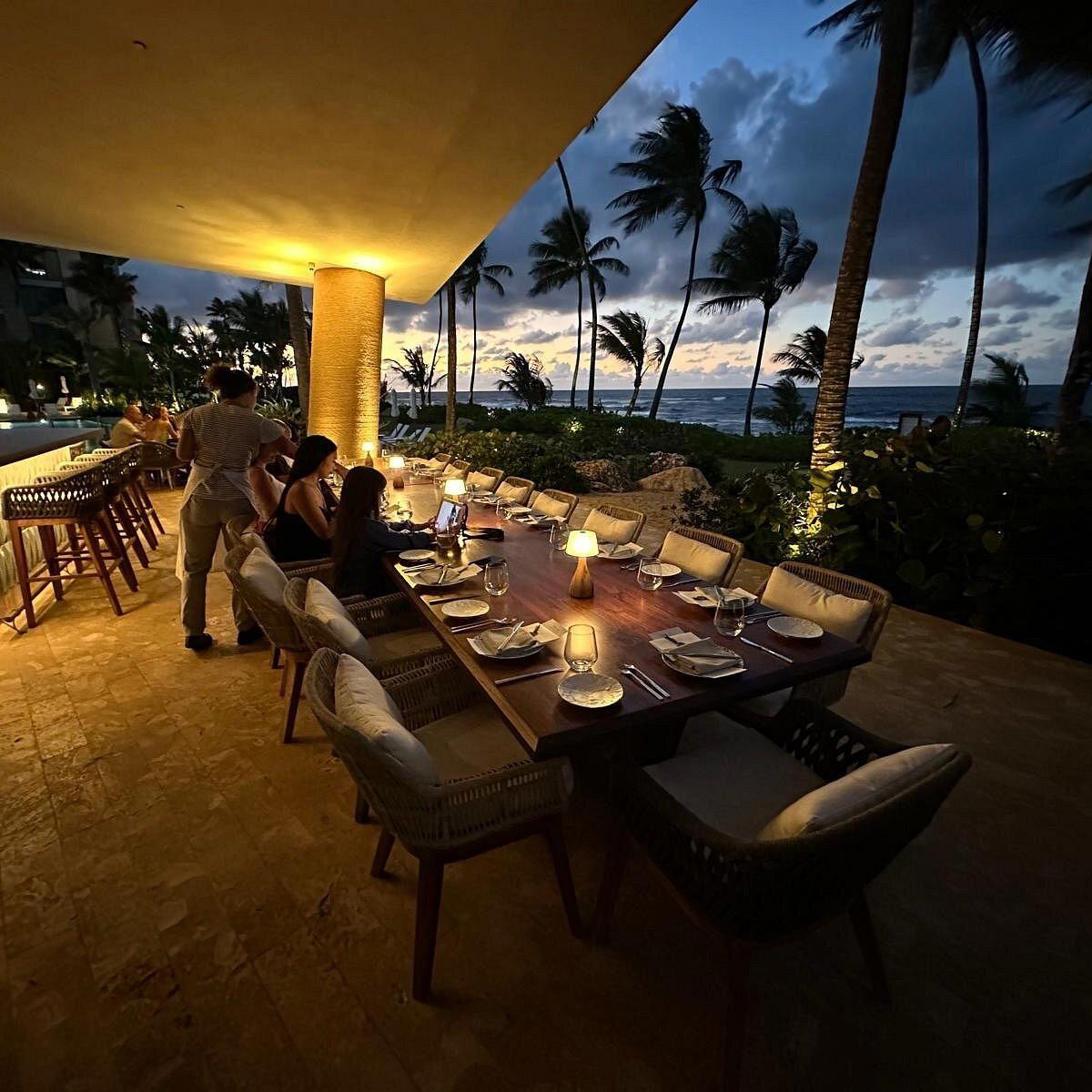
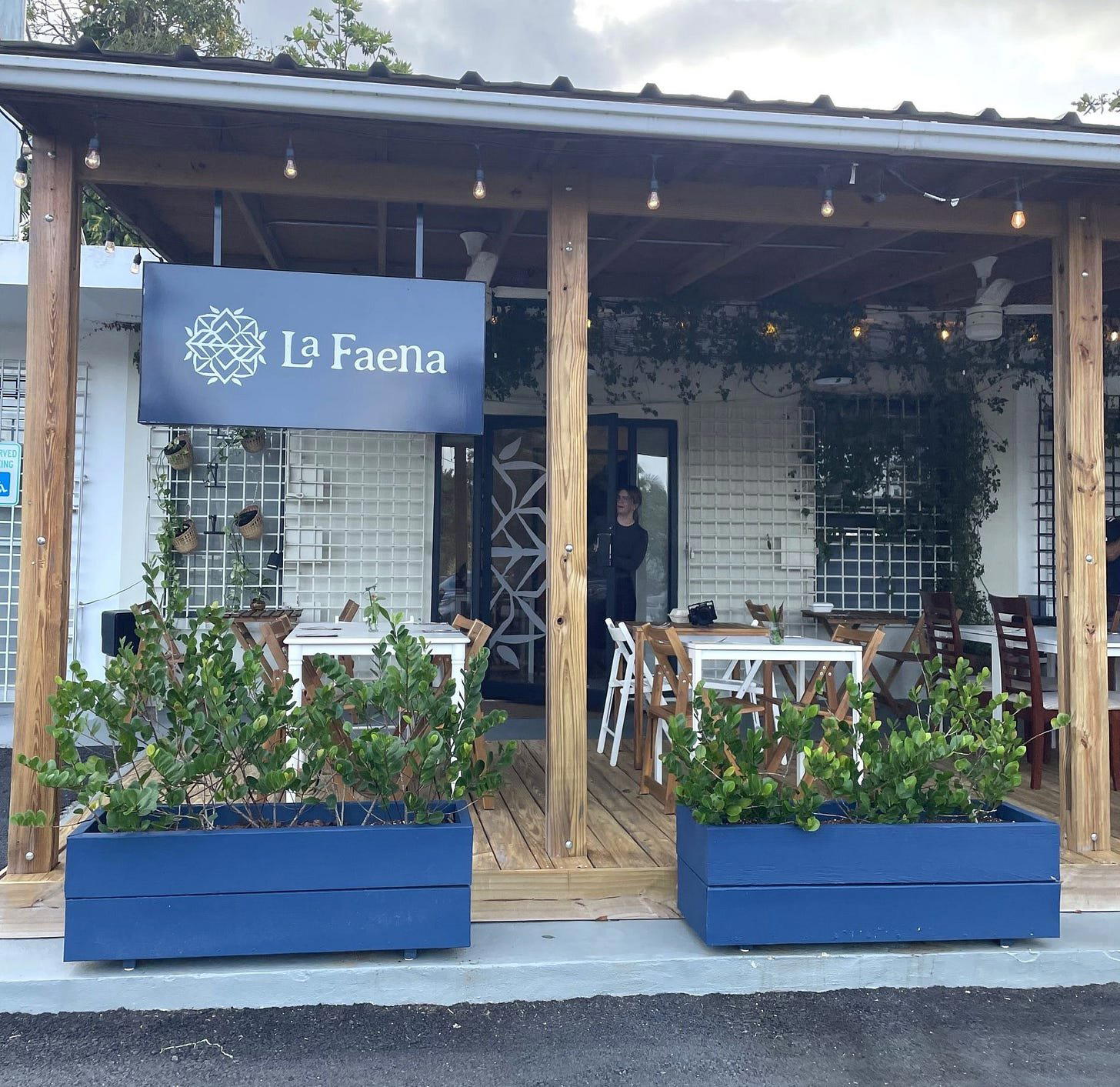
Bars in Vega Baja
Browse all →

Details
- Waterfront
- Waterfront
Outdoor natural canyon atmosphere with flowing water and dramatic rock landscapes.