Lago Dos Bocas
Our verdict
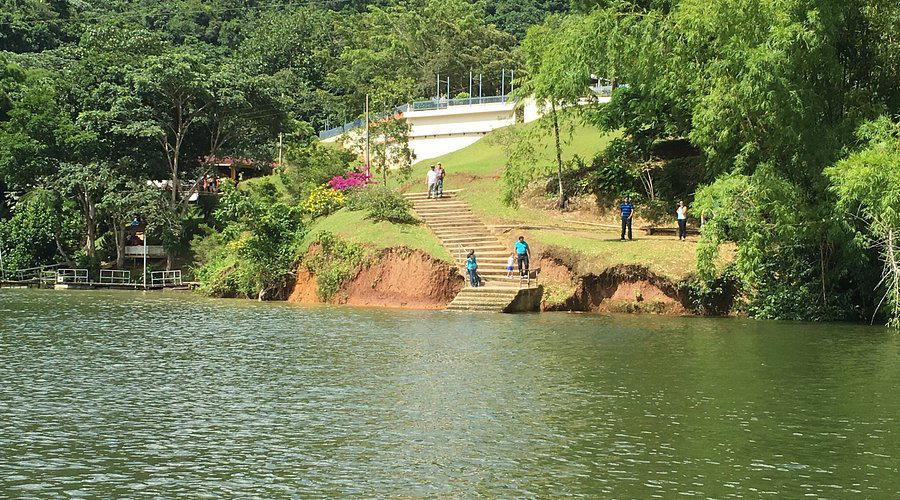
Lago Dos Bocas sits on a reservoir in the karst hills outside Arecibo, where open-air waterside dining has anchored local food culture for decades. The lake's floating restaurants draw regulars from across Puerto Rico's north coast for fresh-caught fish and the particular leisure of arriving by lancha. It represents a distinctly Puerto Rican tradition of destination eating tied directly to a natural landmark.

Pearl is the En Primeur Club membership app, where members save venues, book tables and use the concierge.
The menu
What to order
- Mofongo
- Churrasco
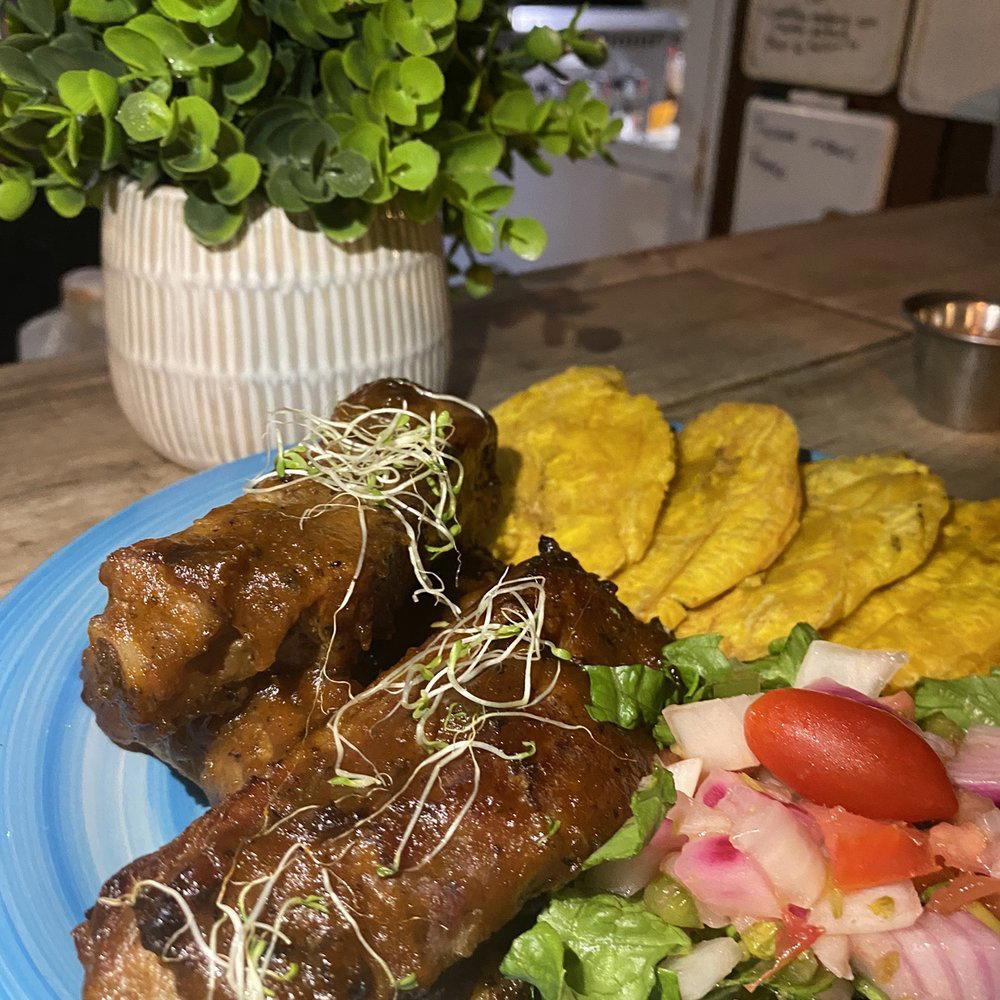
- Filete de chillo
- Masitas de cerdo
Where the Water Defines the Meal
There are dining experiences in Puerto Rico that exist because of a place rather than despite it, and Lago Dos Bocas is the clearest example on the island's north coast. The reservoir sits in the karst interior south of Arecibo, ringed by steep green hills that drop directly to the water's edge. To reach the restaurants at the lake, visitors board a free government-operated lancha from the dock at Route 10, a short ferry crossing that has become as much a part of the ritual as anything served on a plate. That crossing reframes the meal before it begins: you are not walking into a dining room, you are traveling to one.
This is the kind of geography-anchored dining tradition that rarely survives urbanization, which makes Lago Dos Bocas worth understanding on its own terms. The lake's restaurants operate in open-air structures built directly over or beside the water, with views across the reservoir toward the forested hills of the Karst Country that defines this stretch of interior Puerto Rico. The setting puts it in a different category from the beach-facing seafood operations that line the island's coastal towns. The experience here is freshwater, interior, and distinctly of its region in ways that coastal venues are not. For a broader sense of how dining options spread across the island's north, our full Arecibo restaurants guide maps the territory.
Ingredient Logic: What the Lake Provides
Puerto Rico's most compelling food traditions are often the ones where the sourcing question answers itself. At Lago Dos Bocas, the organizing principle of the menu has historically been proximity: freshwater fish pulled from the reservoir, particularly species like tilapia and chillo, appear alongside criollo preparations that reflect the cooking culture of Puerto Rico's interior rather than its coast. This is a meaningful distinction. Coastal Puerto Rican seafood cooking, well represented by places like Paros Restaurant in Puerto Rico and Charco Azul in Vega Baja, tends toward salt-water species and beach-adjacent informality. The lake's restaurants operate from a different larder and a different mood.
Interior Puerto Rican cooking draws on the agricultural traditions of the island's mountain and karst regions: sofrito built from local recao and ají caballero, rice cooked with pigeon peas, root vegetables from the highlands. The restaurants at Lago Dos Bocas fit within that tradition rather than departing from it. This is not the place to find fusion menus or chef-driven tasting formats of the kind you might encounter at COA in Dorado or at the nationally recognized Jose Enrique in San Juan. The point here is faithfulness to a regional pantry rather than departure from it.
That regional grounding is what draws Puerto Ricans themselves to the lake, often in family groups making a weekend afternoon of the ferry crossing, the meal, and the return trip. The food functions as a record of what the interior of the island has always cooked, and the setting ensures that sourcing logic remains visible in a way it rarely is in urban restaurants.
The Lake's Place in Puerto Rico's Broader Dining Map
Puerto Rico's dining geography divides roughly between the metropolitan concentration around San Juan and Carolina, the beach-town operations along both coasts, and a sparser interior category that includes places like Lago Dos Bocas, the lechonera corridor in Cayey (well represented by Lechonera Los Pinos), and the roadside bakeries of the mountain towns, among them Panaderia La Patria in Morovis. These interior destinations share a logic: they are built around a local resource or tradition, and the journey to reach them is part of the proposition.
Lago Dos Bocas sits comfortably in that interior category, and it draws from a different visitor base than the resort-facing restaurants of the east coast or the cocktail-bar scene of San Juan. Places like Tin Box in Vieques or Aleli at The Royal Sonesta San Juan address an international tourist market with corresponding formats. The lake's audience is primarily local, which tends to be a reliable indicator of where authentic regional cooking survives.
For visitors coming from the west of the island, Estela in Rincon, Kaplash in Anasco, and Brazo Gitano Franco in Mayaguez represent the western end of the north coast's dining range. Lago Dos Bocas occupies the northeastern interior, close enough to the coast to be reachable but firmly rooted in a different culinary register. Further south along the coast, La Parguera and El Dorado in Playita operate in the salt-water fishing tradition; the lake sits apart from that entirely.
For contrast at the highest end of the spectrum, the technical ambition of a place like Le Bernardin in New York City or the communal tasting format of Lazy Bear in San Francisco represents one pole of contemporary dining. Lago Dos Bocas represents something structurally opposite: low formality, high regional specificity, and a sourcing story built into the geography rather than constructed from a chef's travels. Both have their logic; they serve different needs entirely.
Planning a Visit
The practical reality of eating at Lago Dos Bocas is bound up in the lancha schedule, which operates from the dock on Route 10 south of Arecibo on a timetable set by the Puerto Rico Department of Natural Resources. The ferry is free and runs throughout the day, but crossing times and restaurant hours are best confirmed in advance, particularly outside peak weekend periods when service can thin out. Weekends draw the densest local crowds, which means the atmosphere is at its fullest but so is the wait for a table. A weekday visit in the mid-morning or early afternoon gives a quieter experience of the reservoir. The drive from San Juan runs roughly 70 kilometers west along Highway 22 before turning south into the karst hills, a direct road trip that many Puerto Rican families make as a deliberate weekend outing rather than an incidental stop. Those arriving from the Aguadilla or Mayaguez end of the island will find Da Bowls in Aguadilla or BODEGA in Caguas logical stops on a longer circuit. Dress code is casual by the nature of the setting; the open-air structures and ferry crossing make anything more impractical.
Frequently asked questions
Is Lago Dos Bocas good for families?
The lancha ride from the Route 10 dock south of Arecibo makes the trip itself part of the appeal for families with children. The setting is open-air and informal, and the food tradition here draws on Puerto Rico's criollo kitchen, which runs toward shared plates and generous portions. There are no recorded barriers to family groups, and the format suits casual, unhurried meals.
Is Lago Dos Bocas formal or casual?
Lago Dos Bocas is casual in both format and dress, access via the government-operated lancha from Arecibo sets a practical, outdoors tone before you even sit down. The restaurants around the lake are open-air operations, not white-tablecloth rooms. Comfortable clothes suited to a lakeside setting in Puerto Rico's interior heat are the appropriate call.
How do you get to the restaurants at Lago Dos Bocas in Arecibo?
Access to the lake's restaurants is by lancha, the government-operated ferry that departs from the dock on Route 10 south of Arecibo on a fixed schedule. There is no road access to the lakeside kitchens, which means the boat is not optional, it is the only route in. Planning around the lancha timetable is the central logistical fact of any visit to Lago Dos Bocas.
What do regulars order at Lago Dos Bocas?
The lake's geography answers the sourcing question directly: freshwater fish pulled from Lago Dos Bocas itself is the organizing logic of the menu at the restaurants here. Locals and repeat visitors typically orient toward whatever the day's catch dictates, prepared in the criollo style that defines Puerto Rico's inland cooking tradition. Specific preparations vary by kitchen and season.
Where is Lago Dos Bocas in Arecibo?
Lago Dos Bocas is located at Puerto Rico, Arecibo.
How It Stacks Up
| Venue | Cuisine | Price | Awards | Notes |
|---|---|---|---|---|
| Lago Dos BocasThis venue (the venue you are viewing) | Traditional Puerto Rican Comida Criolla | $10–20 | Not listed | Not listed |
| Paros Restaurant | Greek Seafood | Not listed | Not listed | Not listed |
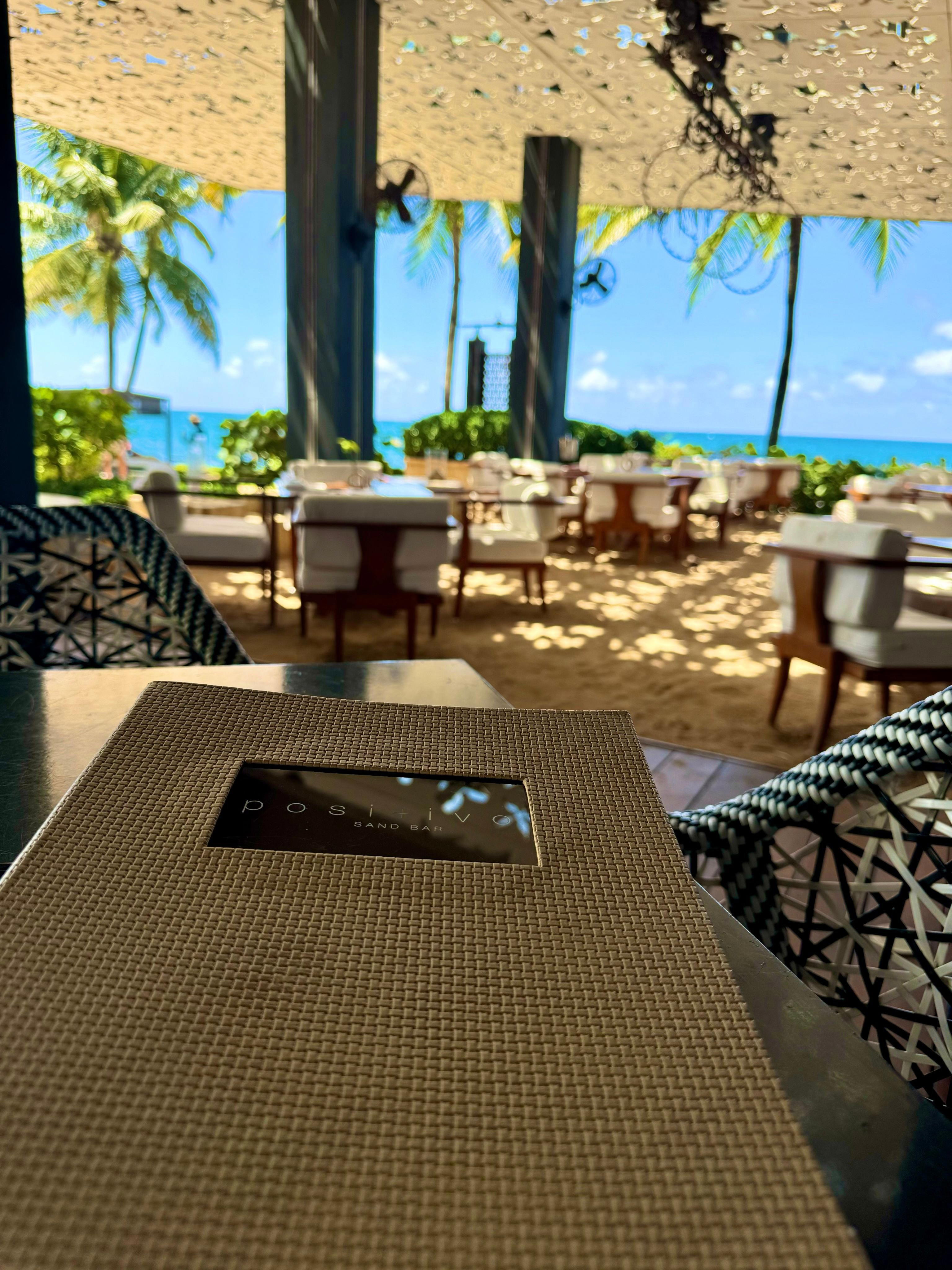
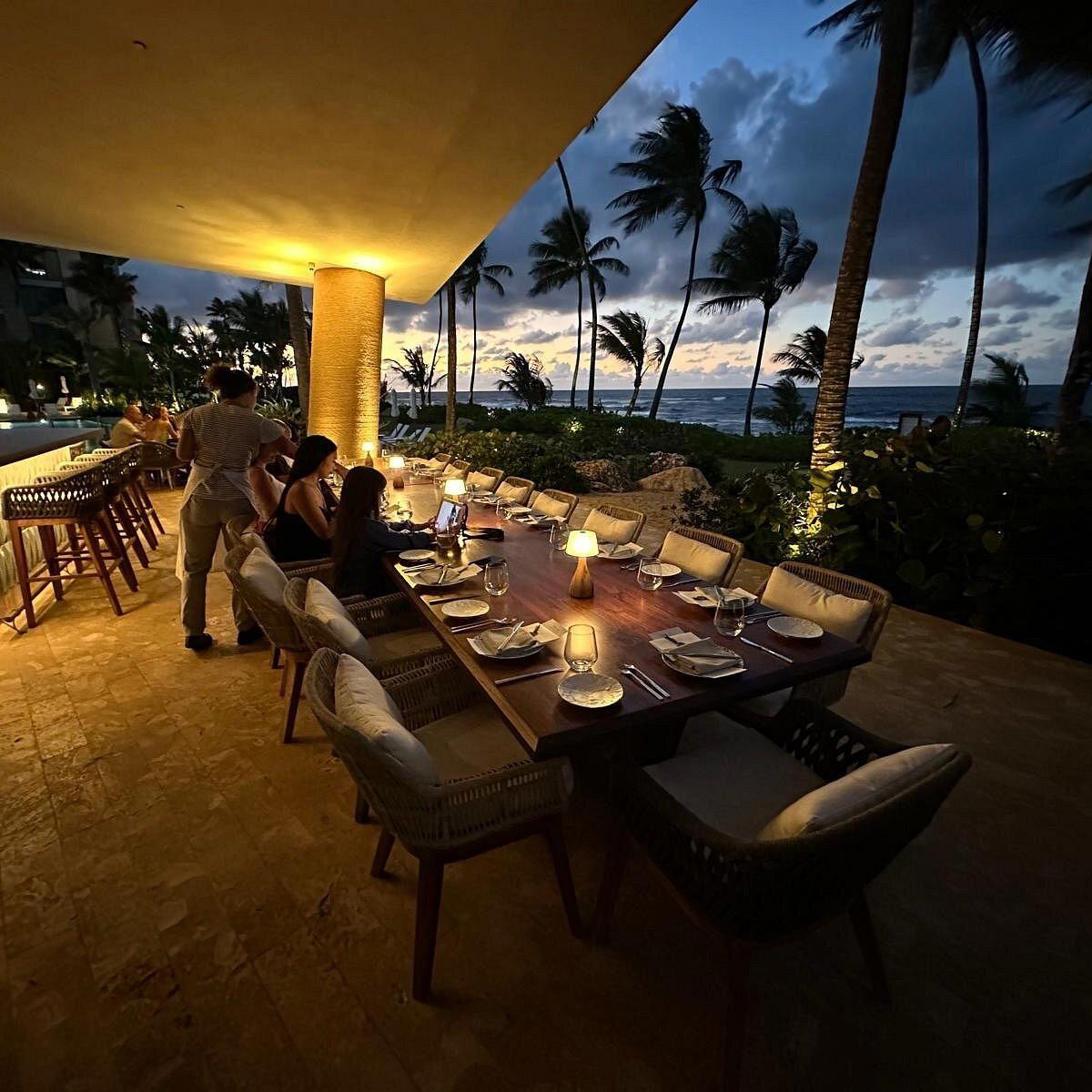
| Positivo Sand Bar | Asian Fusion Sushi with Omakase | $200–300 | Forbes 4-Star | Beach Bar |
| 1919 Restaurant | Modern Puerto Rican Fine Dining | $150–200 | Forbes 4-Star · Wine Spectator Best of Award of Excellence | Modern American |
| ORUJO | Modern Puerto Rican Experimental | $100–150 | James Beard Award Semi Finalist · The Best Chef One Knife | Not listed |
| COA | Modern Spanish & Puerto Rican Cuisine | $100–150 | Not listed | Not listed |
Continue exploring
More in Arecibo
Restaurants in Arecibo
All restaurants in Arecibo →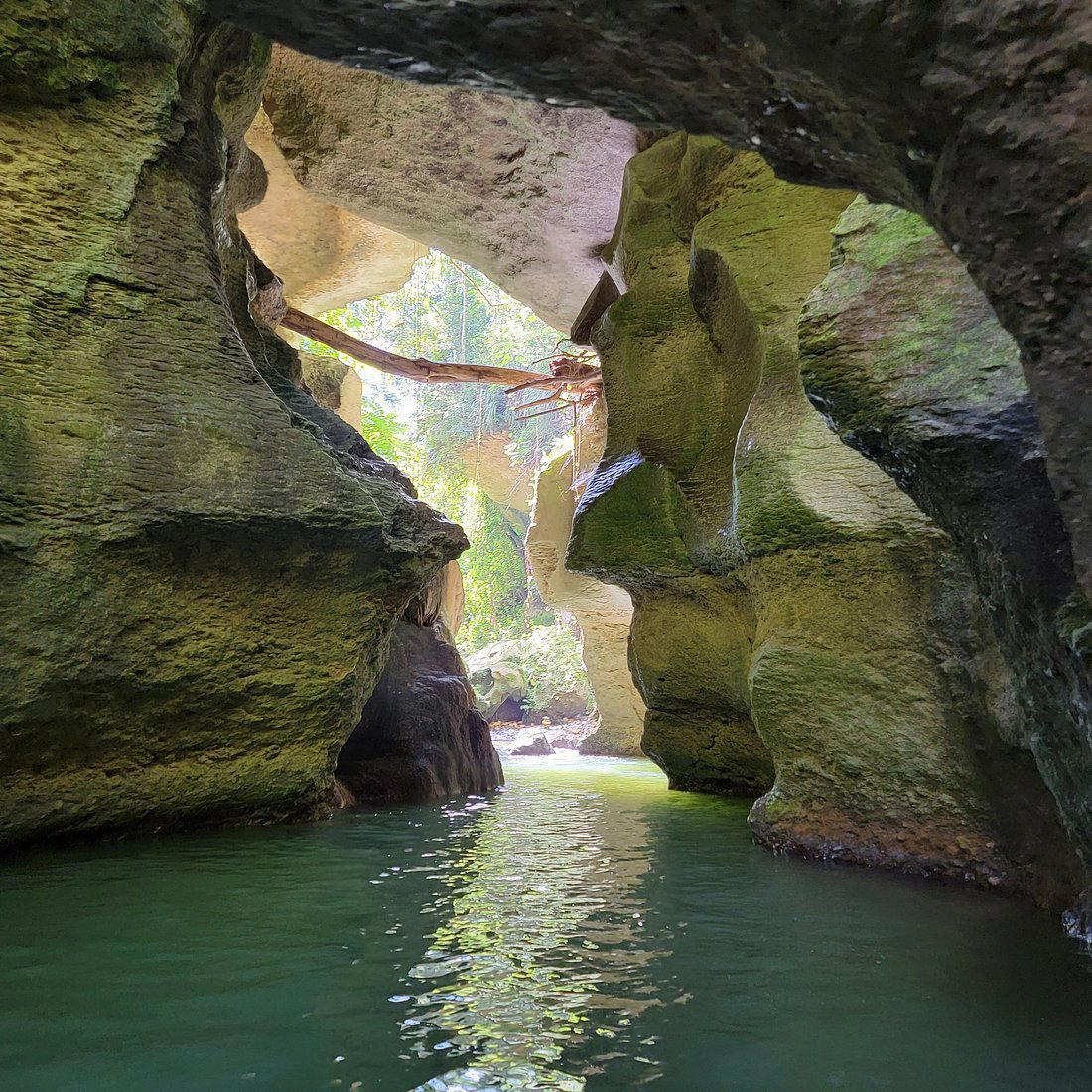
Details
- Scenic
- Rustic
- Family
- Group Dining
- Casual Hangout
- Waterfront
- Terrace
- Panoramic View
- Local Sourcing
- Waterfront
- Mountain
- A La Carte
- Family Style
- Pescatarian Friendly
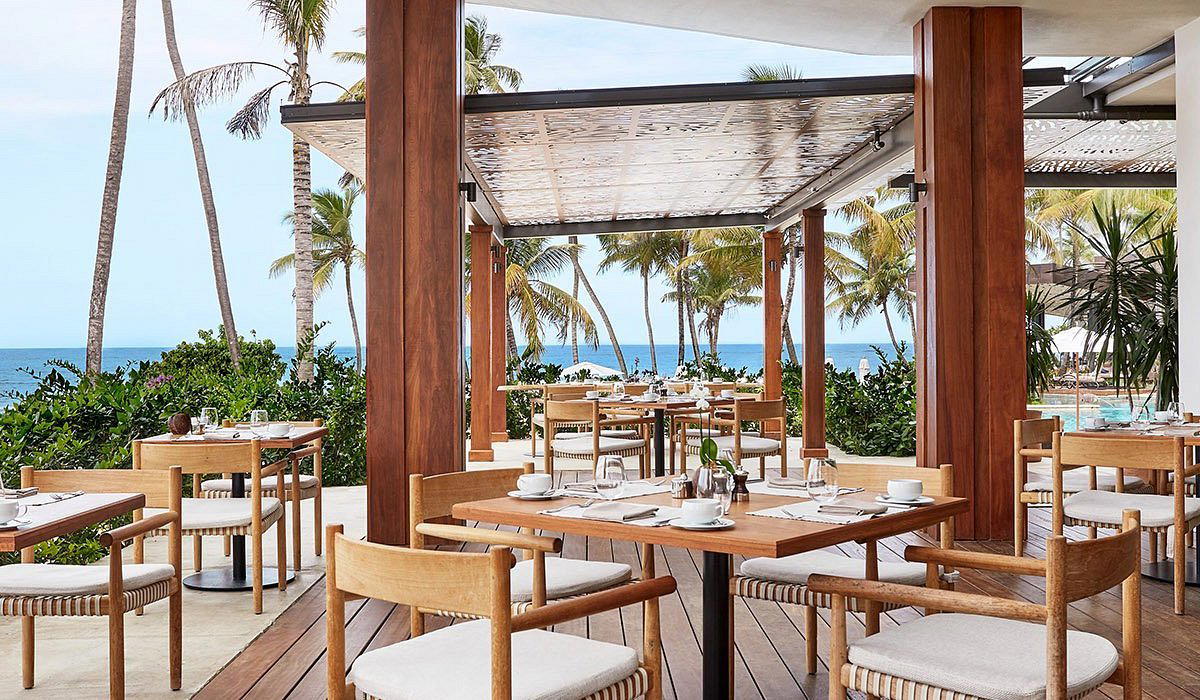
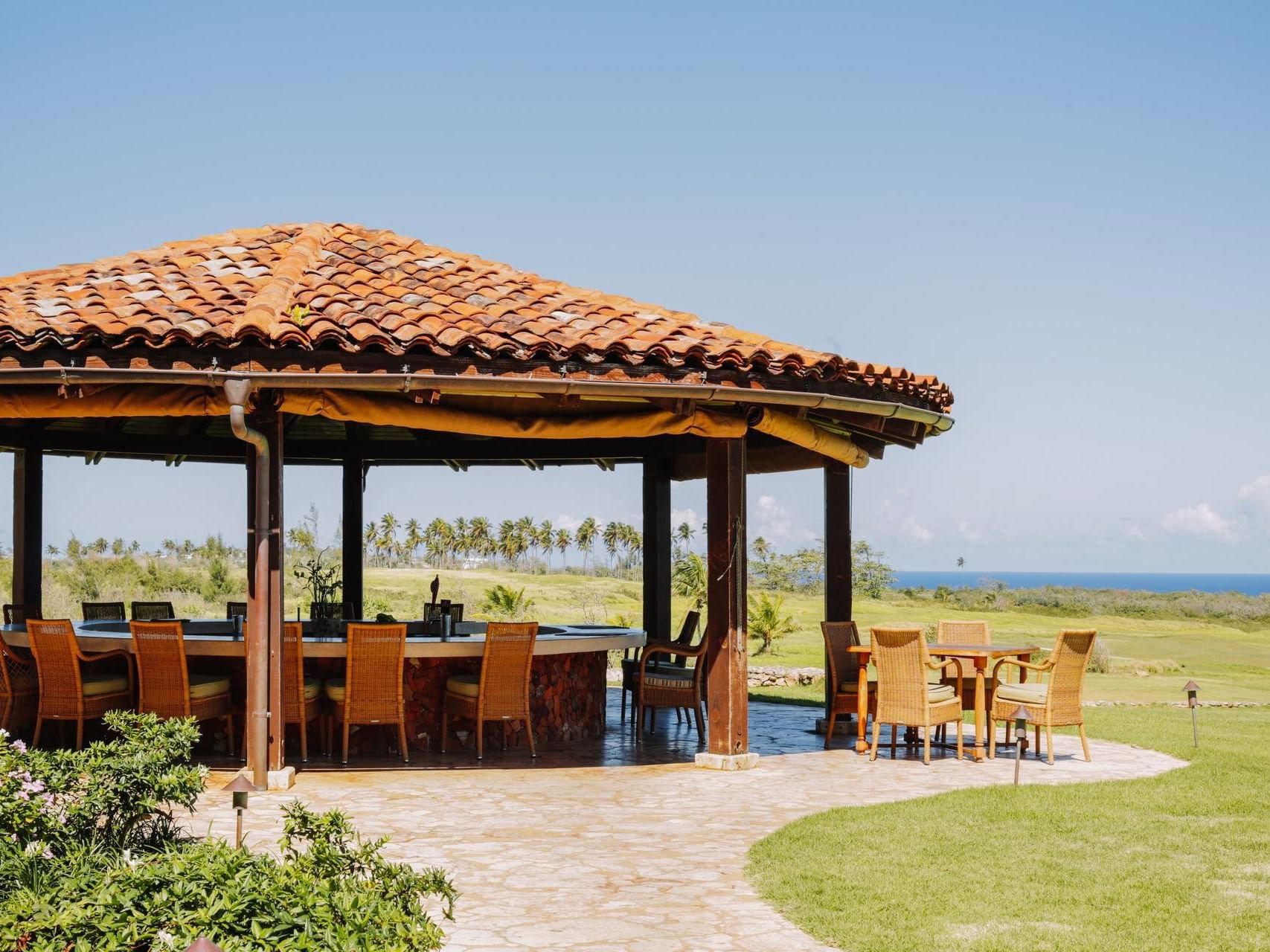
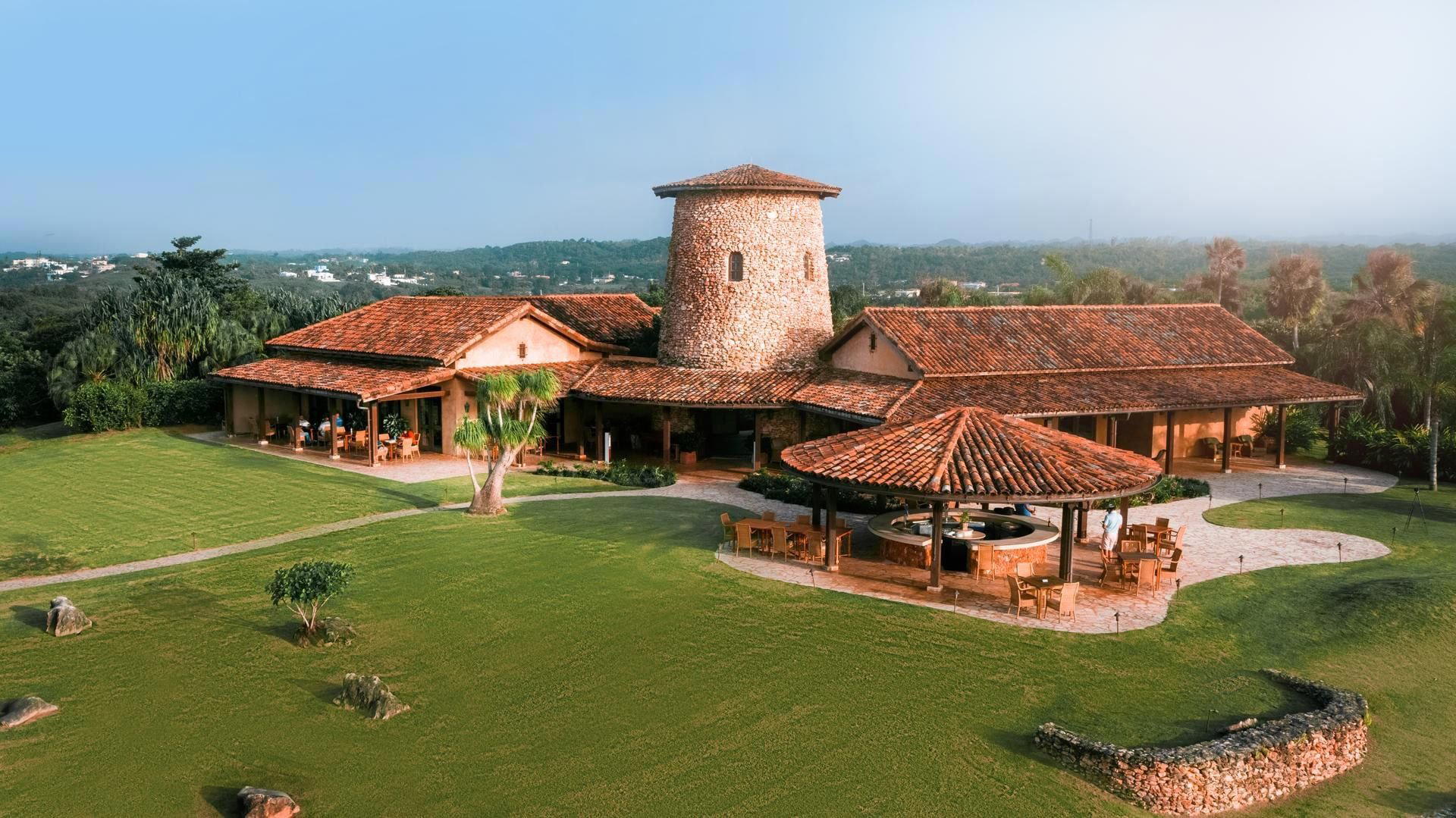
Open-air and covered dining decks overlooking the lake with natural mountain scenery; casual, family-friendly atmosphere with simple, authentic local cuisine.