Hotel Palacio Provincial
Hotel Palacio Provincial occupies a historic address on Calle San Francisco in the heart of Old San Juan, placing guests inside one of the Caribbean's most architecturally coherent colonial districts. The building's Spanish colonial bones, thick masonry walls, interior courtyards, and period proportions, situate it within a small peer group of Old San Juan properties where the structure itself is the primary offer. For travellers whose itinerary is organised around architecture and neighbourhood, the address is the argument.
Pearl is the En Primeur Club membership app — saves, bookings, and concierge access live there. Same editors, same standards.
- Address
- 103 C. de San Francisco, San Juan, 00901, Puerto Rico
- Phone
- +1 787 425 0164
- Website
- hilton.com
- Directions
- Get directions
 Saves & bookings on Pearl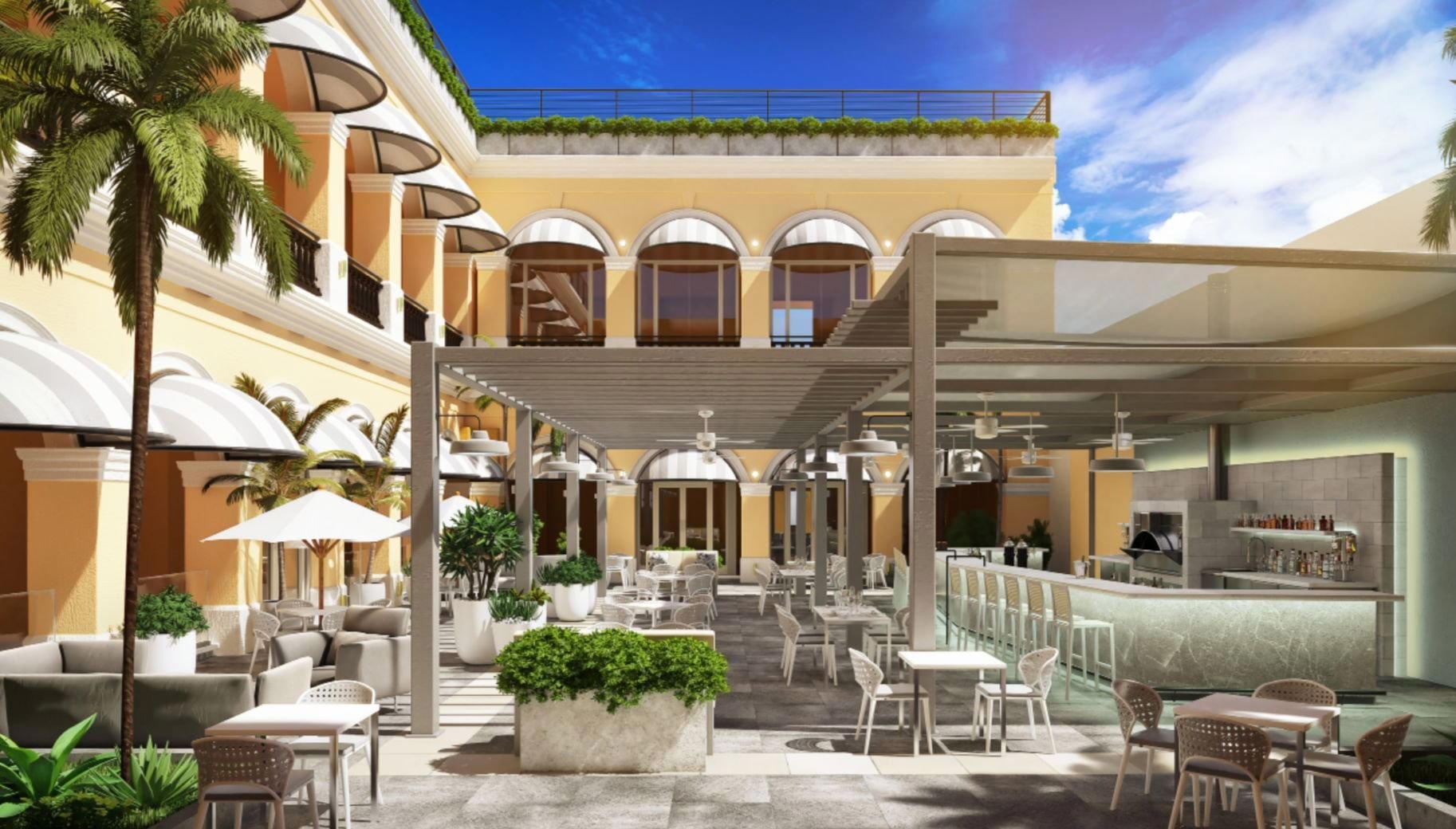
Where the Building Does the Talking
Old San Juan's streets were laid out in the sixteenth century on a grid that still holds, and Calle San Francisco sits within that grid, running between the city's principal plazas with an unbroken row of Spanish colonial facades on either side. Hotel Palacio Provincial occupies one of those facades at number 103, inside a structure that predates modern hospitality by several centuries. The building's presence on that street is a fact of local architectural history, and that distinction shapes the experience from the moment you approach the entrance.
Thick masonry walls, high ceilings built for cross-ventilation before air conditioning existed, and the proportional logic of colonial construction give the property a thermal and acoustic character that newer hotels in the Condado or Isla Verde corridors cannot replicate. Spanish colonial architecture in the Caribbean was engineered for the climate, and a building that has stood for generations carries those engineering decisions in its bones.
Old San Juan's Accommodation Tier
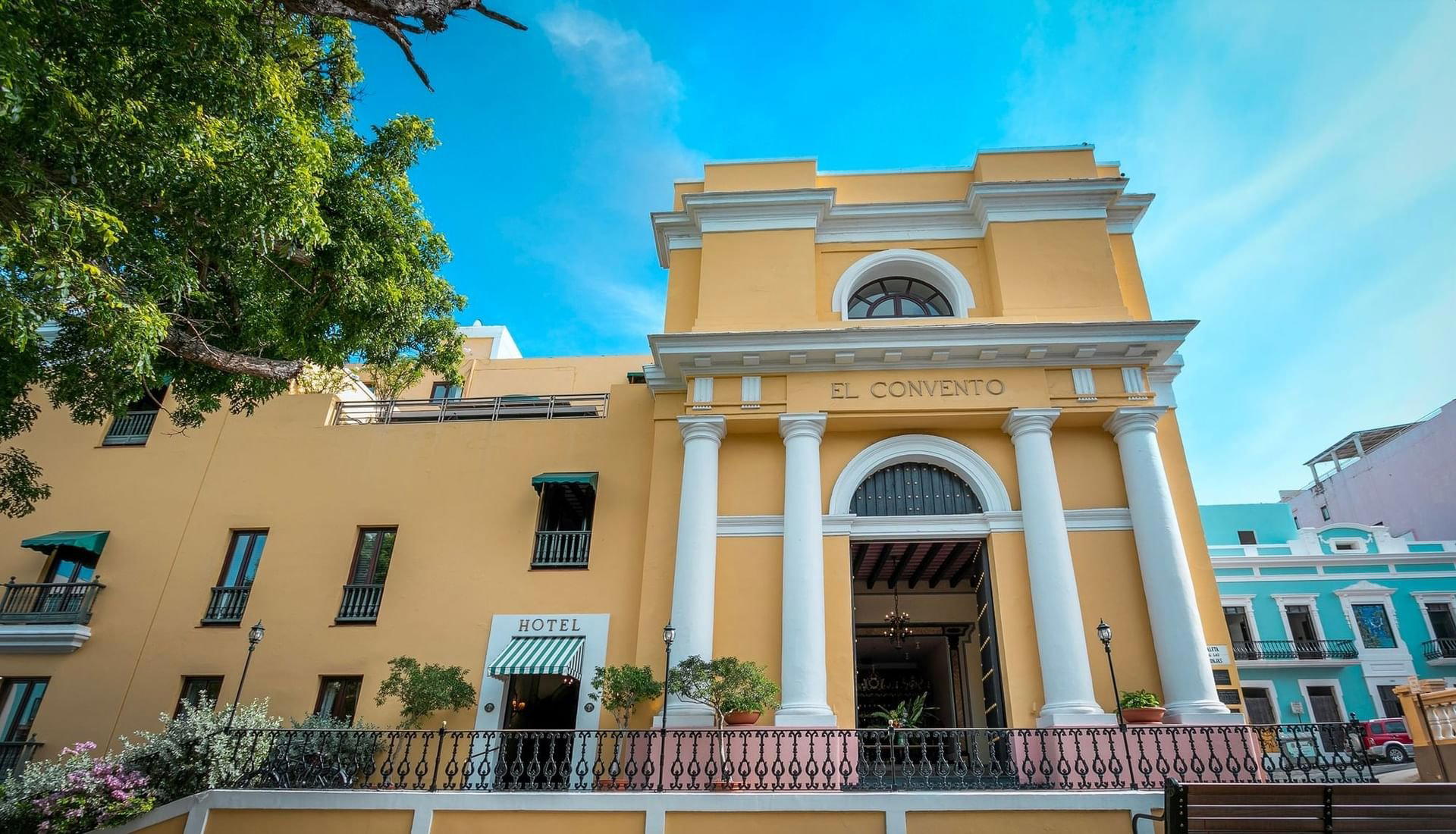
Old San Juan's hotel market divides into a few recognisable cohorts. At the larger end, properties like Hotel El Convento, a seventeenth-century Carmelite convent converted into a full-service hotel, set the benchmark for historic adaptive reuse with amenities. Smaller, design-led properties form a separate tier: The Gallery Inn operates as an artist-owned guesthouse with a distinctly idiosyncratic atmosphere, while Casa Botánica Hotel, Don Rafa Boutique Hotel and Residences, and O:live Boutique Hotel each occupy a boutique position defined by limited keys and an emphasis on neighbourhood immersion over amenity breadth.
Hotel Palacio Provincial fits the boutique-historic tier. Its competitive set is not the resort strip, not the Condado Vanderbilt Hotel with its beachfront scale, and not the Fairmont El San Juan Hotel in Carolina with its full resort infrastructure. The comparison is to properties where the address and the building are the product, and where guests are choosing proximity to the walled city's plazas, museums, and dining over pool acreage or a beach strip.
Across Puerto Rico's wider island accommodation spectrum, the contrast is even sharper. Properties like Finca Victoria in Vieques offer rural seclusion, while Four Seasons Resort and Residences in Río Grande or Royal Isabela anchor the luxury resort end of the island market. The Palacio Provincial's logic is urban and historical rather than resort-oriented, which places it in a different conversation entirely. And for travellers who want the colonial city as their primary environment, that is precisely the point.
The Architecture as Primary Offer
Spanish colonial construction in Puerto Rico followed Iberian precedents adapted for Caribbean conditions: interior patios that pull air through the building, loggias that mediate between interior and exterior, and load-bearing masonry that keeps ground floors cool. Old San Juan's designation as a UNESCO World Heritage Site reflects the coherence and completeness of this urban fabric. A hotel that occupies an original structure within that fabric is not simply selling a room, it is selling access to a lived-in piece of that designation.
The renovation approach taken at properties of this type matters considerably. In the leading cases, the adaptation preserves structural logic while updating mechanical systems, keeping the building's thermal performance intact. In weaker cases, heavy renovation strips the spatial character that justified the address in the first place. The building's street address and period construction remain the foundation of the offer.
For comparison, the adaptive-reuse approach taken at properties like Aman Venice or Castello di Reschio demonstrates how historic structures at the summit of the market can be converted with minimal spatial compromise. At a different scale and price point, Old San Juan's boutique properties face the same fundamental question: how much of the original building's character survives the conversion. Calle San Francisco's architectural continuity gives any well-executed property on that block a significant head start.
Neighbourhood Access and Practical Positioning
Calle San Francisco connects Plaza de Armas to the west with the city's older commercial and ecclesiastical core, placing Hotel Palacio Provincial within walking distance of the principal landmarks that draw visitors to Old San Juan: the Catedral de San Juan Bautista, Castillo San Felipe del Morro, and the network of plazas that serve as the social infrastructure of the walled city. That walkability is not incidental, it is the primary logistical advantage of a Calle San Francisco address over hotel options positioned outside the walls.
Guests arriving from Luis Muñoz Marín International Airport in Carolina should factor in the Old San Juan access conditions. The walled city operates on narrow streets with limited through-traffic for private vehicles, and particularly practical arrival approach involves being dropped near one of the main gates rather than attempting door-to-door service. Once inside the walls, the neighbourhood is pedestrian by nature, and the property's central position on Calle San Francisco makes it a convenient base for covering the old city on foot. For those considering Verano San Juan as an alternative within the neighbourhood, the same pedestrian logic applies.
Many boutique Old San Juan hotels in this tier do not offer spa access, multiple restaurant concepts, or beach access, so the clarity of what is included in the room rate matters more than at resort-scale options.
Where It Sits in a Wider Travel Frame
Travellers calibrating Puerto Rico against broader Caribbean or global historic-city options will find the Old San Juan boutique category occupies a specific niche. It is closer in spirit to staying inside the walls of a Mediterranean old town, Valletta, Dubrovnik, or the historic cores of Cartagena or Havana, than to a Caribbean beach resort. The appeal is urban, walkable, and contingent on genuine interest in the built environment.
For those who have stayed at properties like Cheval Blanc Paris or Hotel Bel-Air and are now looking for something at a different scale and price register, or for those making their first visit to Puerto Rico and wanting to understand the island's history through its capital's streets, Hotel Palacio Provincial's address on Calle San Francisco positions it squarely in the urban-historic category that Old San Juan does better than any other Caribbean capital.
At-a-Glance Comparison
Comparable venues nearby, for context on price, style, and recognition.
| Venue | Cuisine | Price | Awards | Notes |
|---|---|---|---|---|
| Hotel Palacio ProvincialThis venue — the venue you are viewing | Historic boutique hotel blending Spanish Colonial architecture with modern luxury. | $$$$ | 3-Star | Not listed |
| The Gallery Inn | Artistic historic boutique | $$$ | 3-Star | Mercado |
| Hotel El Convento | Restored 17th-century convent blending history with luxury | $$$$ | 4-Star | Catedral |
| O:LV Fifty Five | Sophisticated city tower styled boutique hotel with city swagger. | $$$$ | 4-Star | Condado |
| O:live Boutique Hotel | Relaxed luxury boutique with Mediterranean influences and intimate design. | $$$$ | 4-Star | Condado |
| Don Rafa Boutique Hotel and Residences | Luxury boutique blending mid-century Puerto Rican elegance with contemporary refinement | $$$$ | 4-Star | Miramar |
At a Glance
- Elegant
- Historic
- Sophisticated
- Intimate
- Romantic
- Romantic Getaway
- Anniversary
- Weekend Escape
- Historic Building
- Rooftop Pool
- Terrace
- Wi Fi
- Pool
- Fitness Center
- Room Service
- Concierge
- Restaurant
- Street Scene
- Wi Fi
- Pool
- Fitness Center
- Room Service
- Concierge
- Restaurant
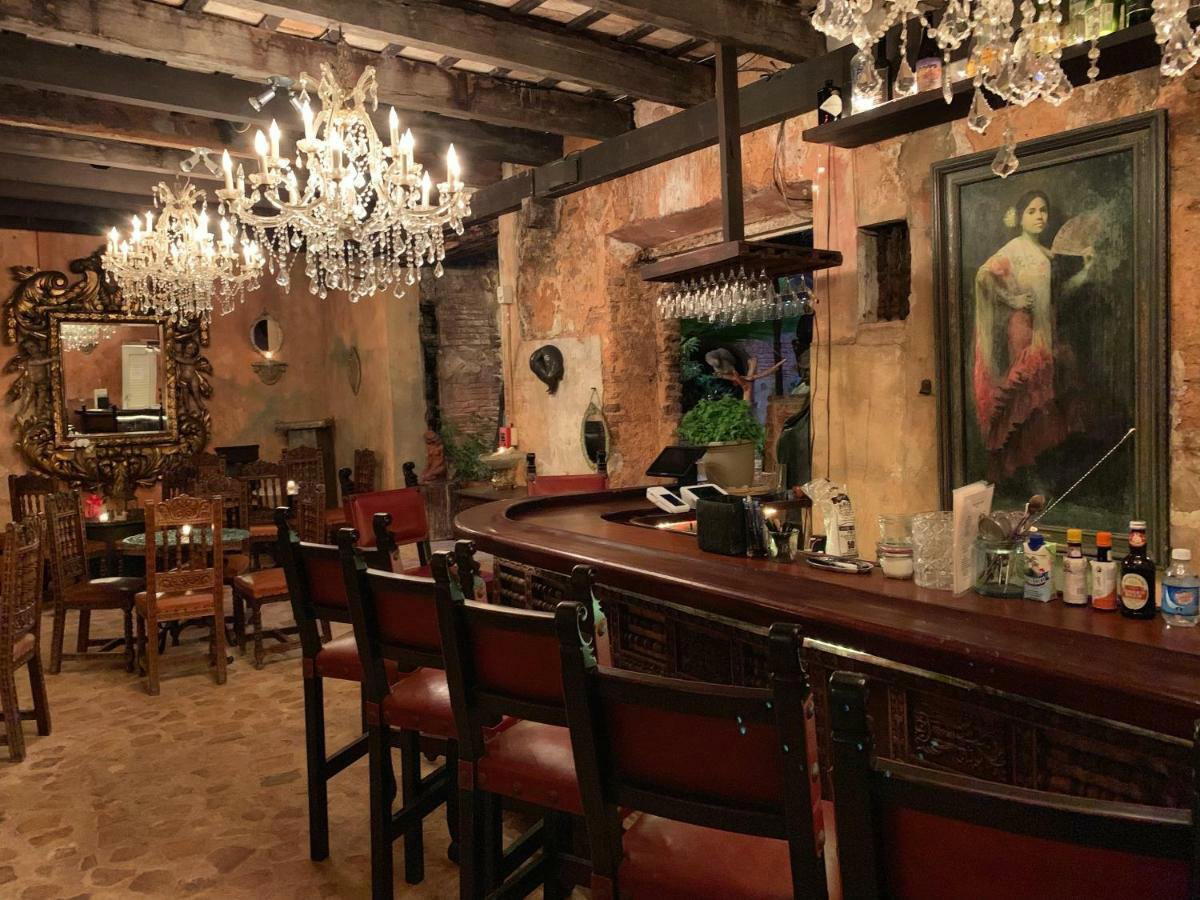
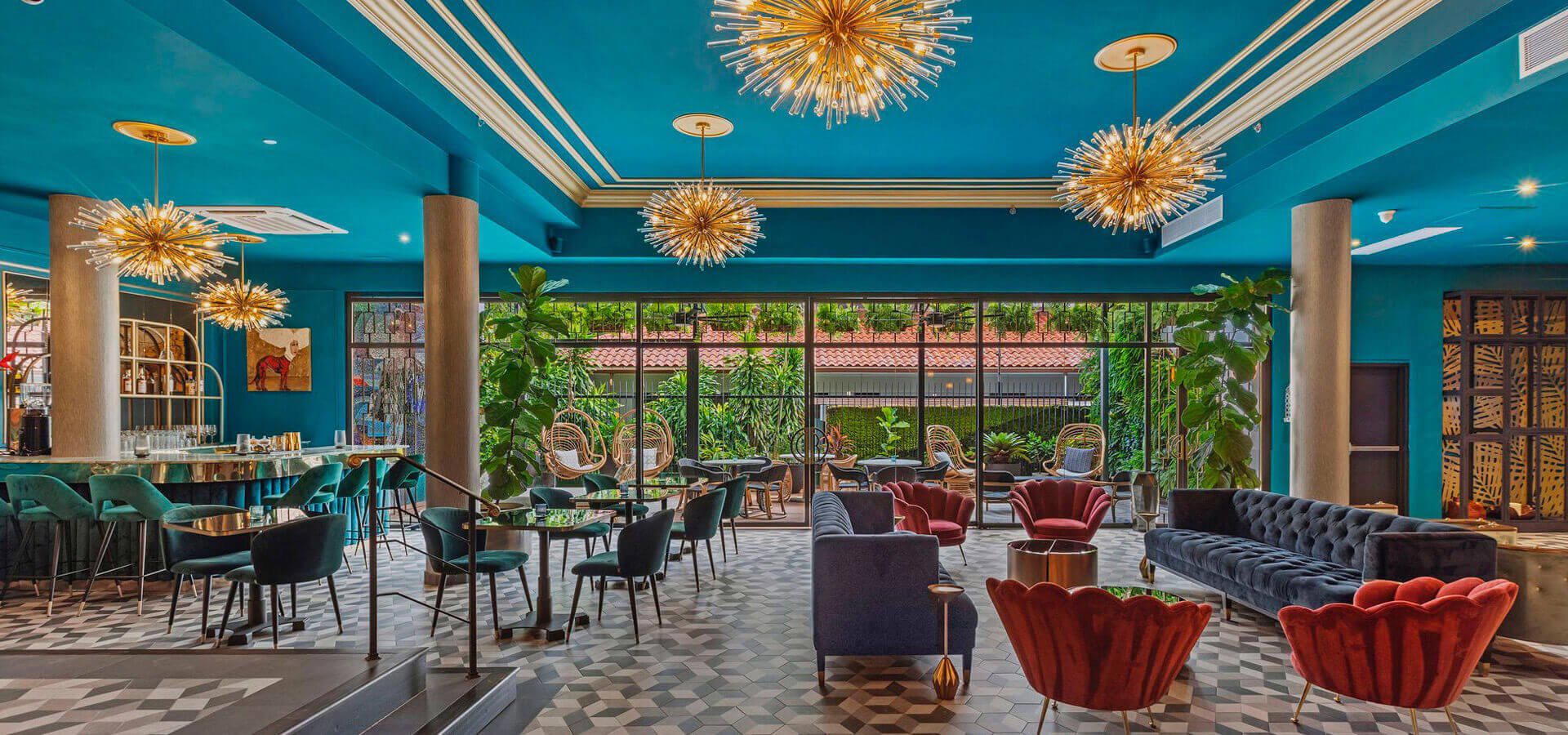
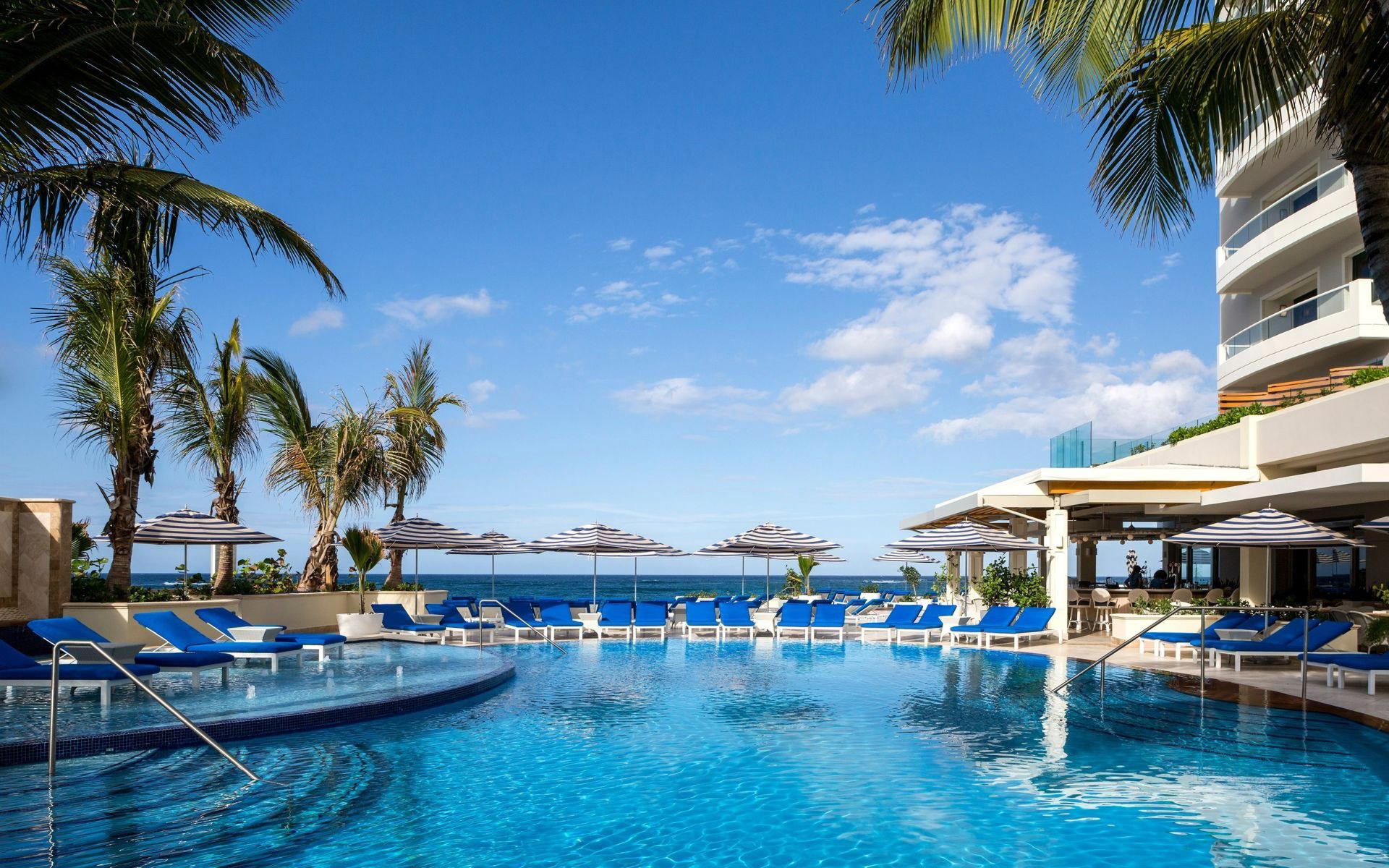
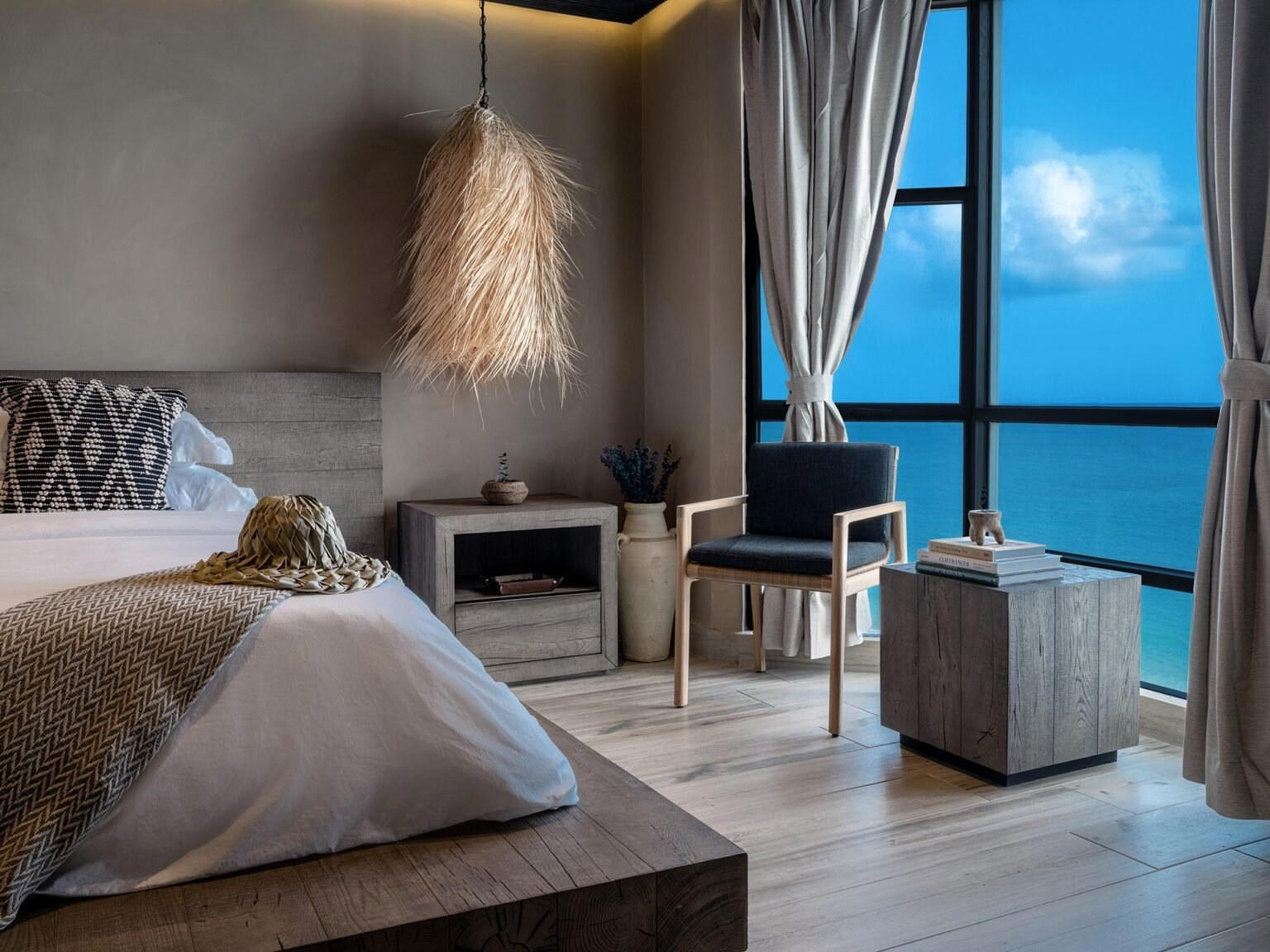
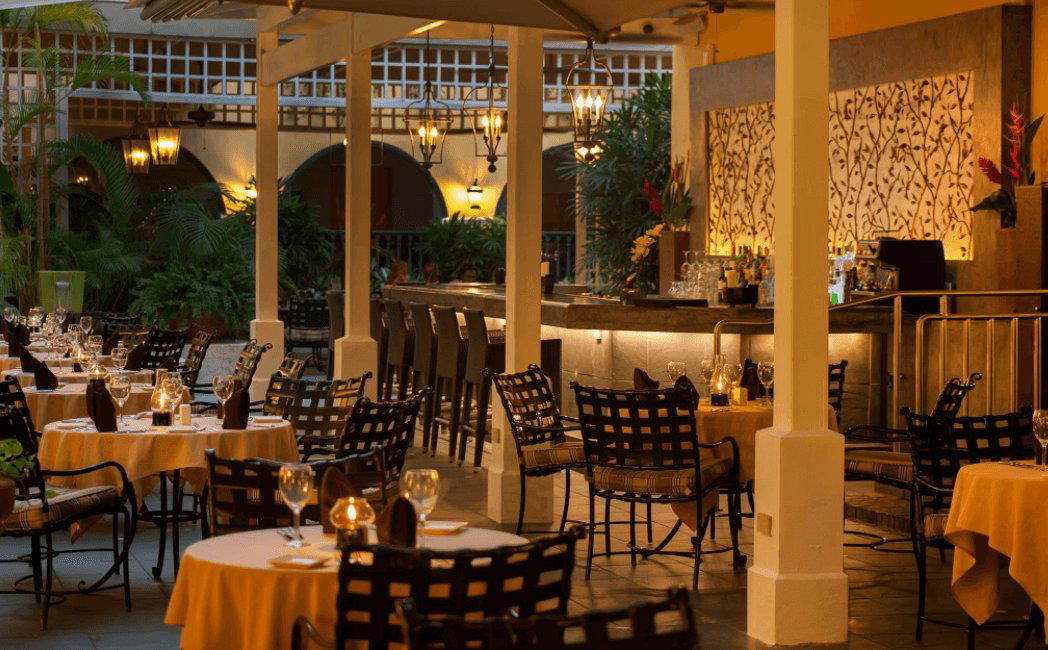
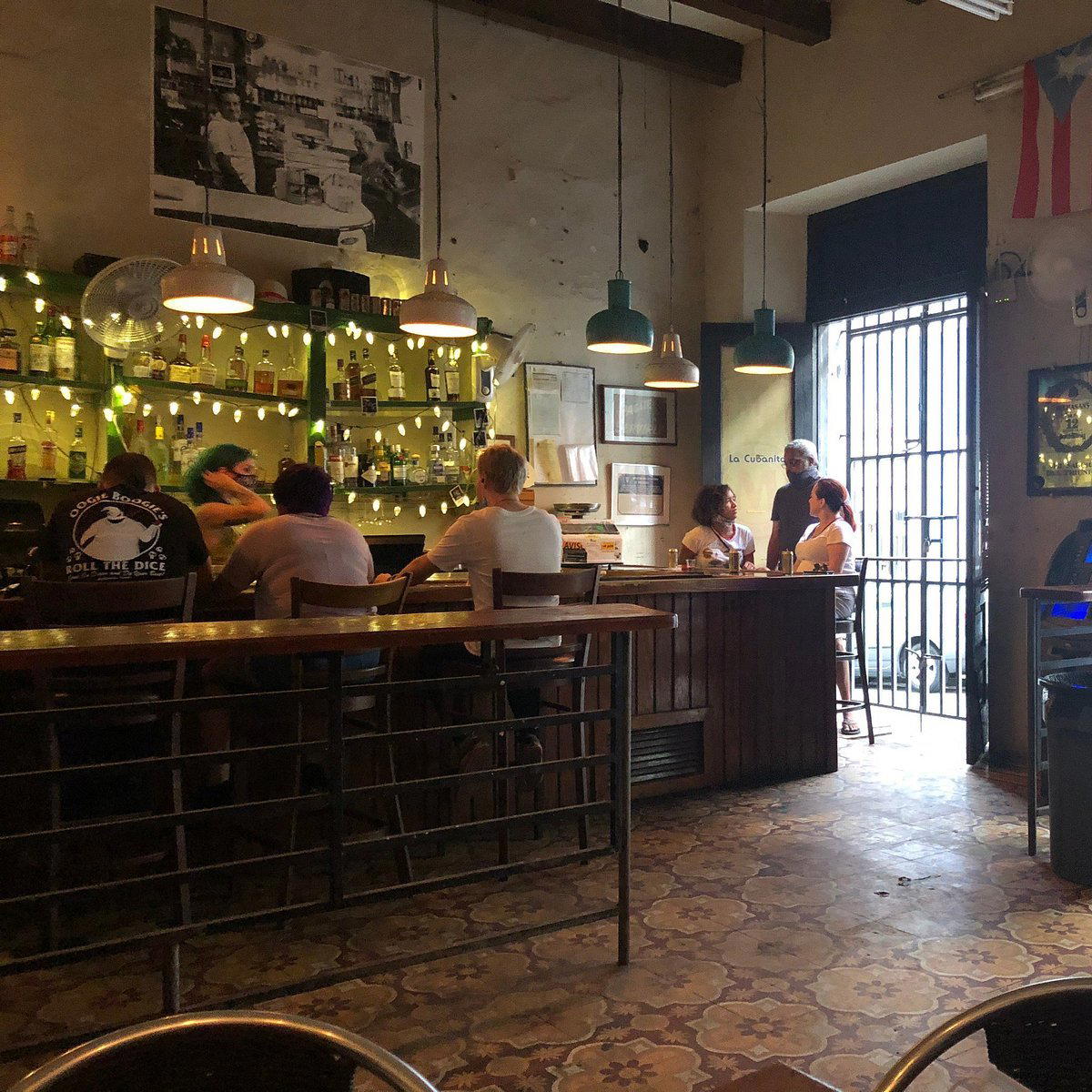
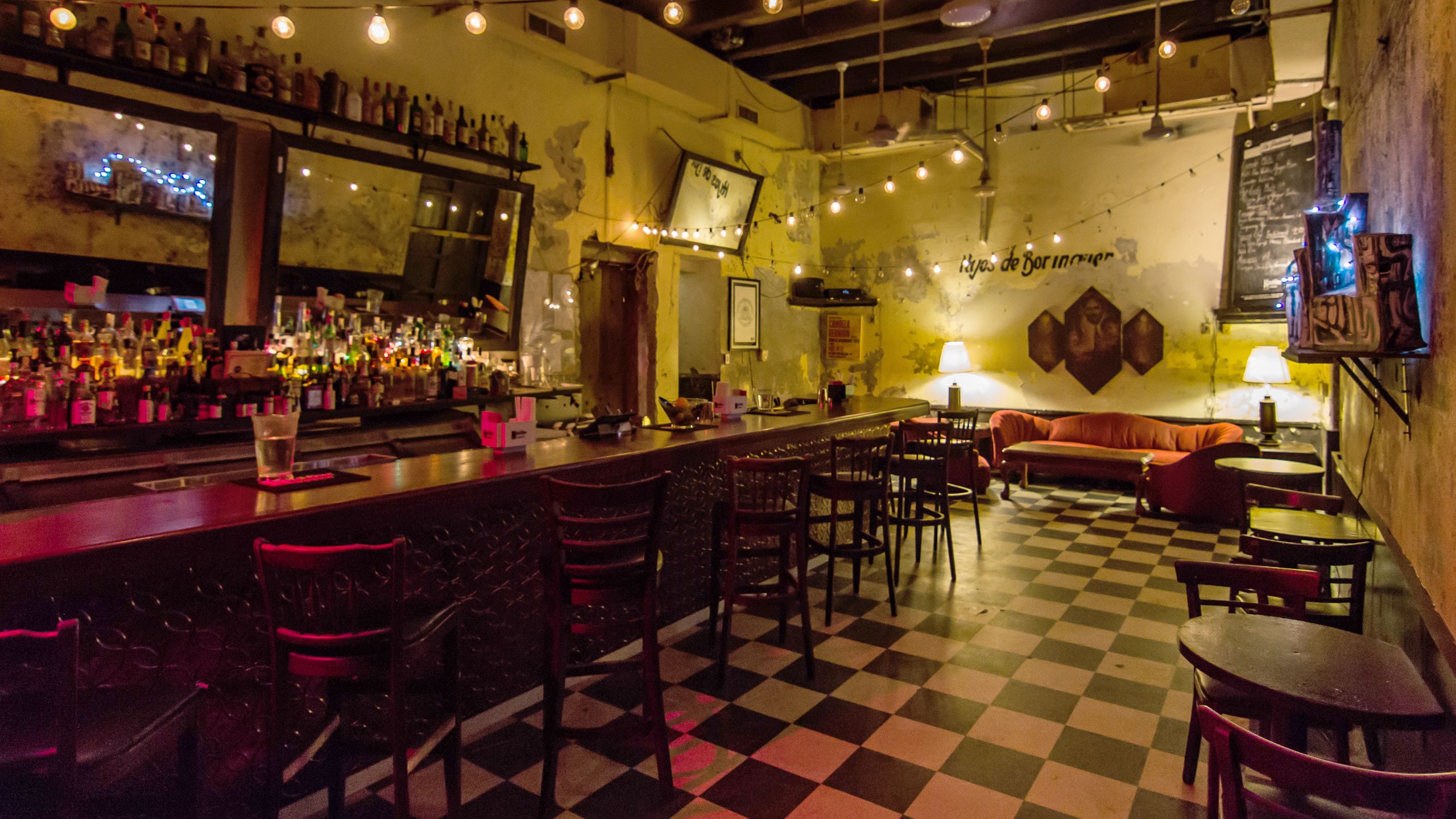
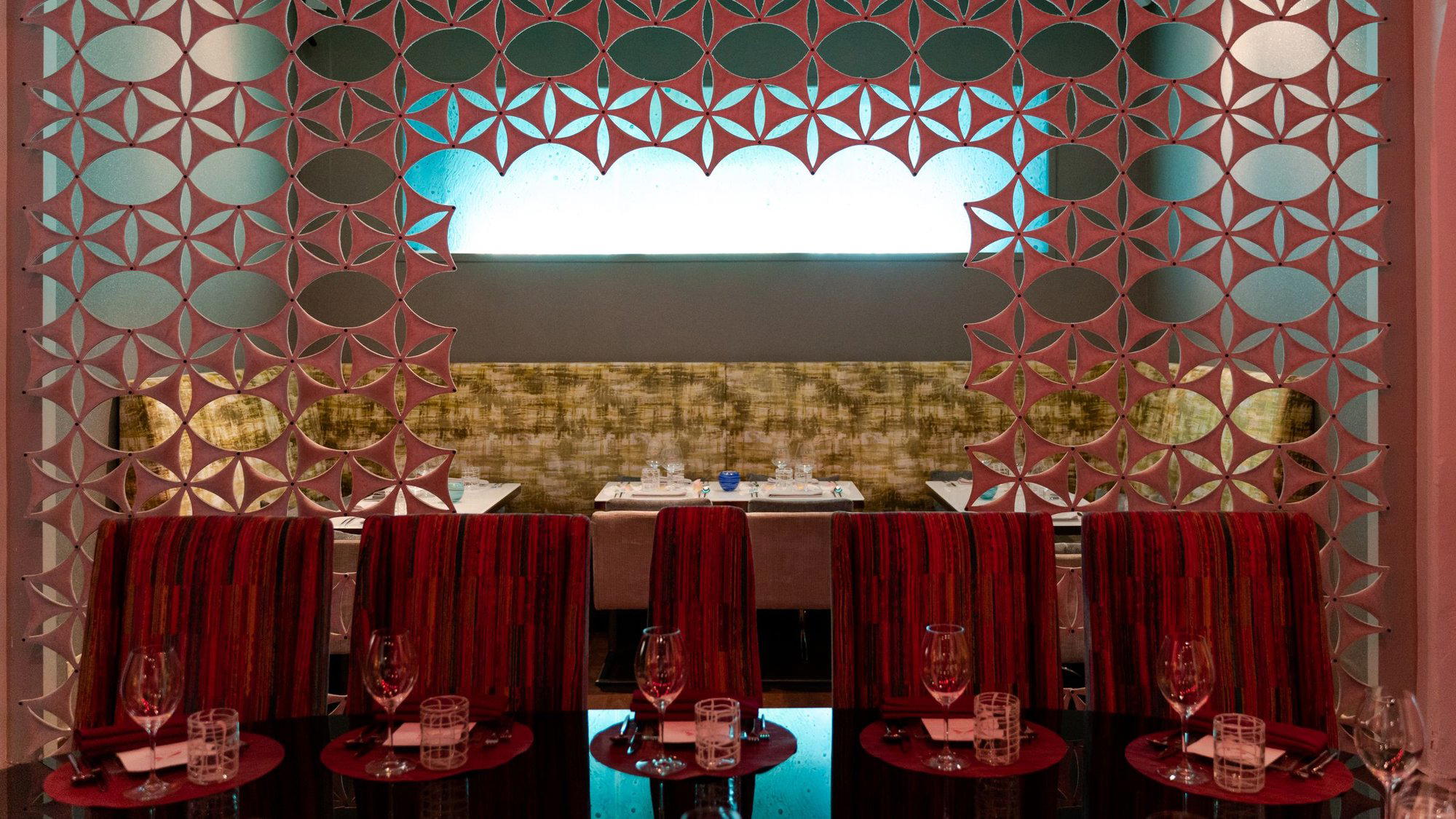
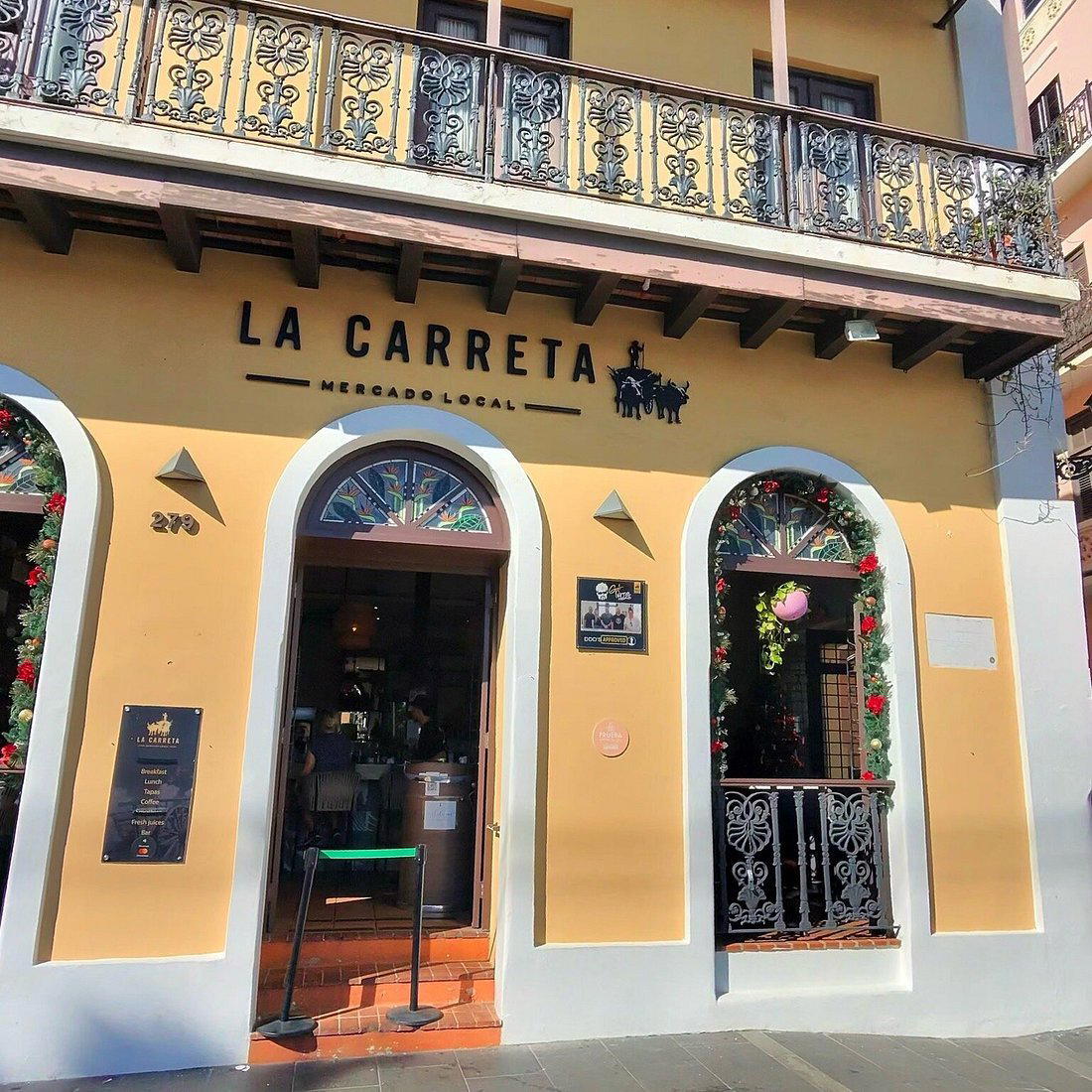
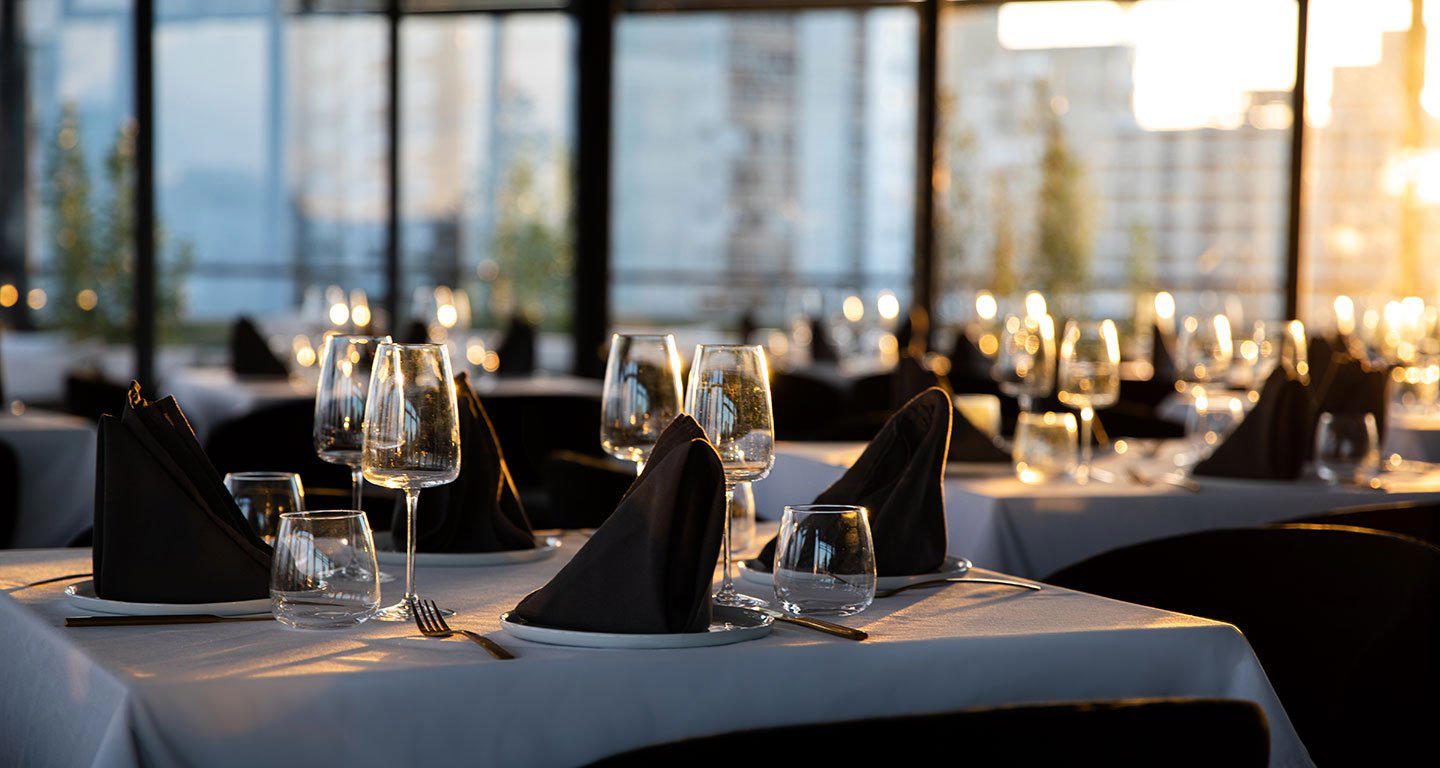
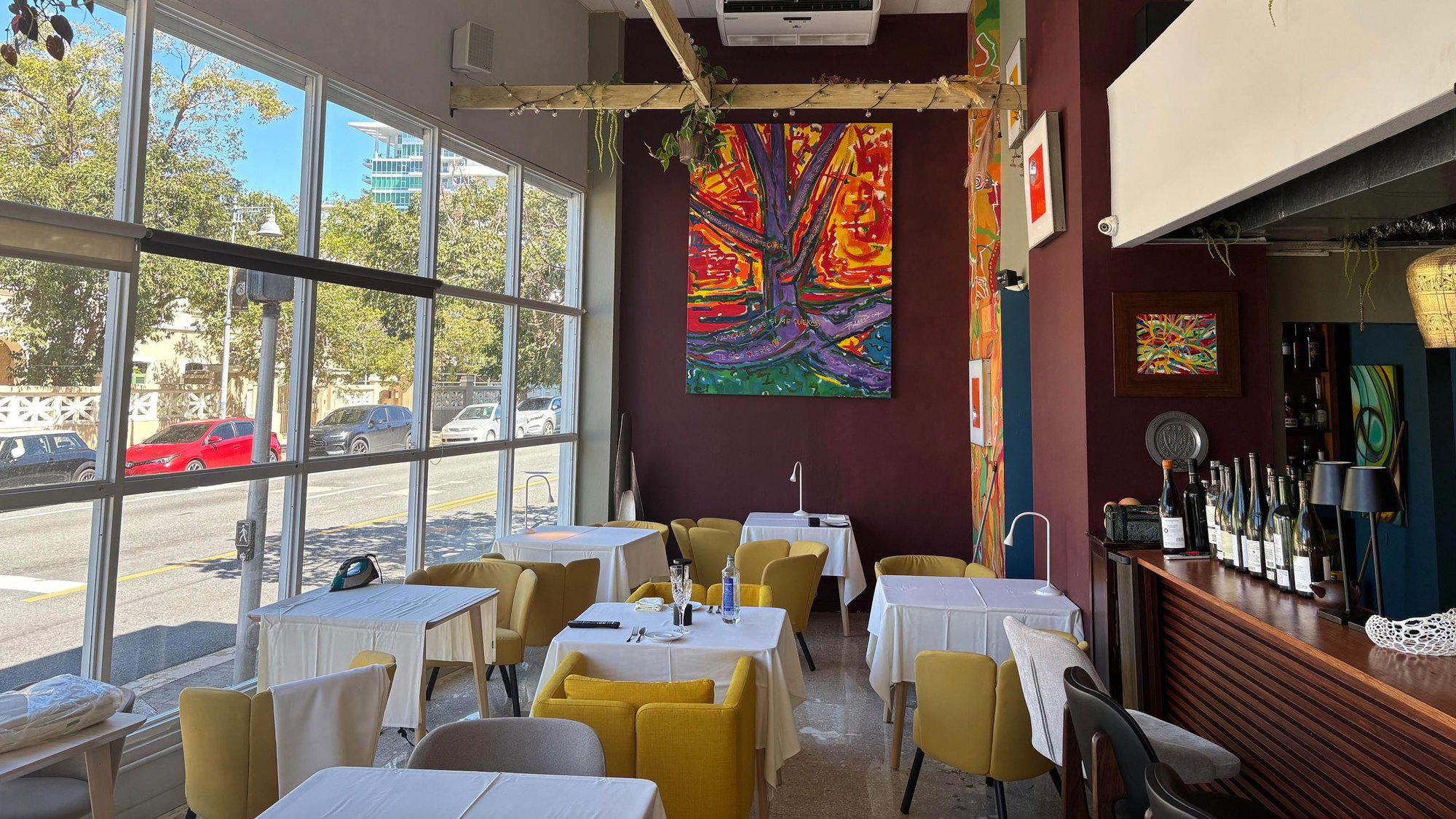
Cool marble-floored lobby with canary yellow arched galleries around twin courtyards, contemporary neutral-toned rooms with high beam ceilings, and a rooftop terrace offering sunset city views.