Estela Restaurant
Our verdict
On Road 115 at KM 14, Estela Restaurant sits in the agricultural and coastal corridor that defines Rincón's dining character: close enough to the water to pull from it, close enough to the island's interior farms to cook seasonally. The kitchen here operates within a tradition of ingredient-forward cooking that distinguishes the western Puerto Rico table from the resort-driven menus of the island's north coast.

Pearl is the En Primeur Club membership app, where members save venues, book tables and use the concierge.
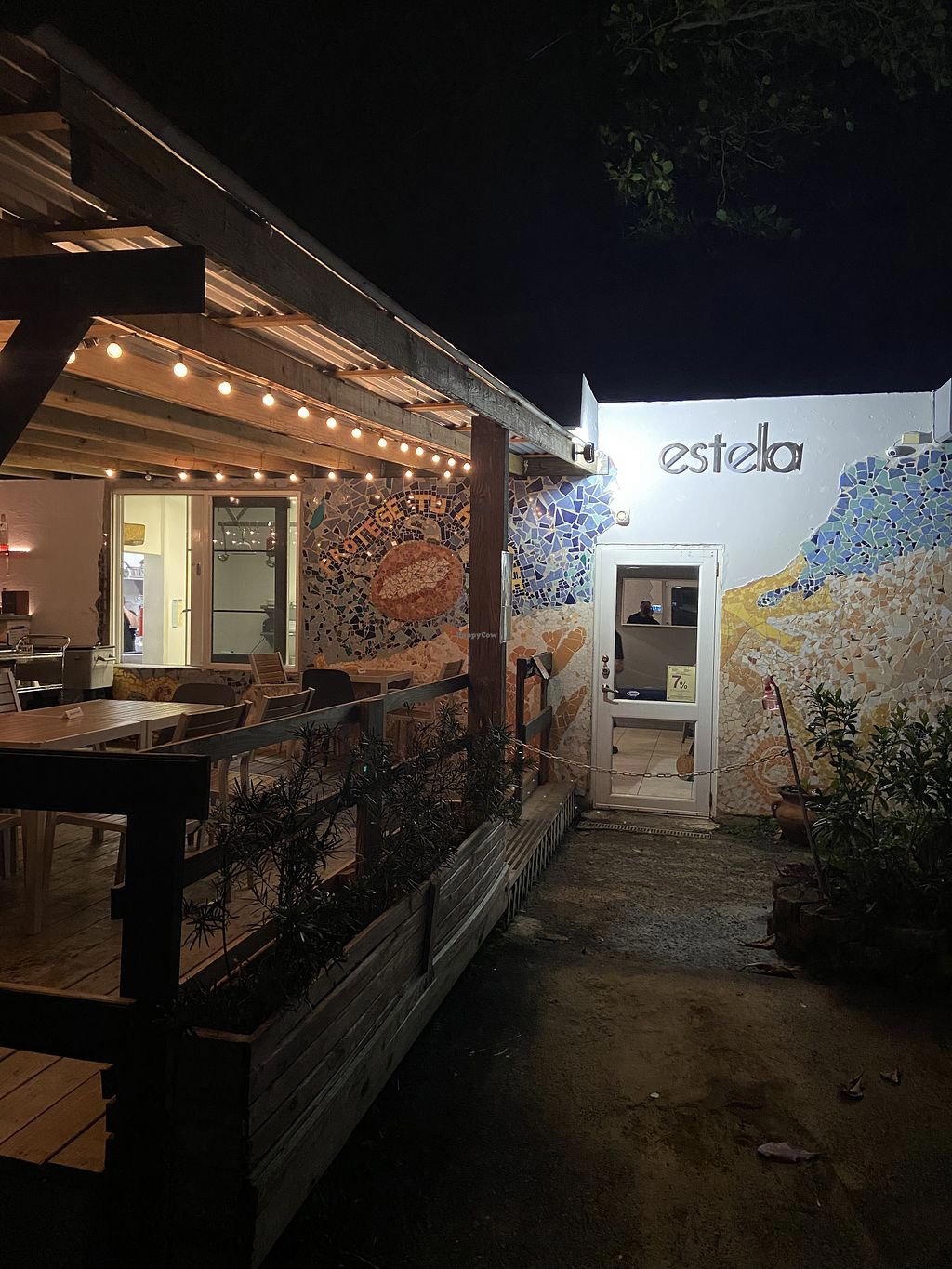
Where Road 115 Meets the West Coast Table
The stretch of Road 115 running through Rincón's southern km markers is as good a shorthand as any for what makes western Puerto Rico's dining scene different from the capital. San Juan's restaurant corridor answers to tourism volume and international press cycles. Out here, the reference points are the fishing boats coming in at Añasco, the plantain farms climbing the hillsides toward the central cordillera, and the kind of regulars who drive forty minutes because something on the plate was worth it. Estela Restaurant, positioned at KM 14 on that road, sits inside that tradition rather than outside it looking in.
Rincón has long occupied a particular niche in Puerto Rico's food geography: surf culture brought international residents and a palate for fresh, lightly handled ingredients, while the agricultural density of the west coast kept local sourcing genuinely viable rather than aspirational. The restaurants that have lasted here tend to reflect both pressures. For context on how the town's dining scene has developed across different price points and formats, our full Rincon restaurants guide maps the broader picture.
The Ingredient Logic of the West Coast
Puerto Rico's western corridor is among the island's most agriculturally productive zones. The region produces plantains, root vegetables, tropical fruits, and fresh-caught seafood in quantities that give local kitchens genuine optionality, the ability to build menus around what arrived that morning rather than what a distributor scheduled. This stands in contrast to the supply-chain dependency that shapes cooking in more tourist-dense areas, where consistency across covers often overrides seasonal response.
The editorial angle worth holding here is not simply that local sourcing is virtuous but that it produces a distinct cooking register. When plantains are sourced days rather than weeks from harvest, when fish comes from the Mona Passage rather than a mainland cold chain, the kitchen's job shifts. Technique becomes less about compensating for ingredient distance and more about getting out of the way. That restraint-driven logic is the throughline connecting the stronger kitchens along this coastline, from the beach-adjacent formats near the surf breaks to the more structured dining rooms further inland.
Across the western region, restaurants working this way share certain characteristics: shorter menus that rotate on supply rather than concept, a preference for preparations that highlight texture and freshness over heavy sauce work, and a pricing logic that reflects ingredient quality rather than imported prestige. La Copa Llena and Villa Playa Maria represent adjacent points in Rincón's dining range, each positioned differently against the same coastal-agricultural supply base.
Rincón in the Puerto Rico Dining Context
Puerto Rico's restaurant scene has developed pronounced regional identities over the past decade. San Juan's Santurce and Miramar neighborhoods pull fine-dining investment and press attention Jose Enrique in San Juan exemplifies the capital's approach to rooted Puerto Rican cooking with wide editorial recognition. The western towns operate differently: smaller dining rooms, less predictable hours, menus that respond to the week's catch and harvest rather than a fixed format.
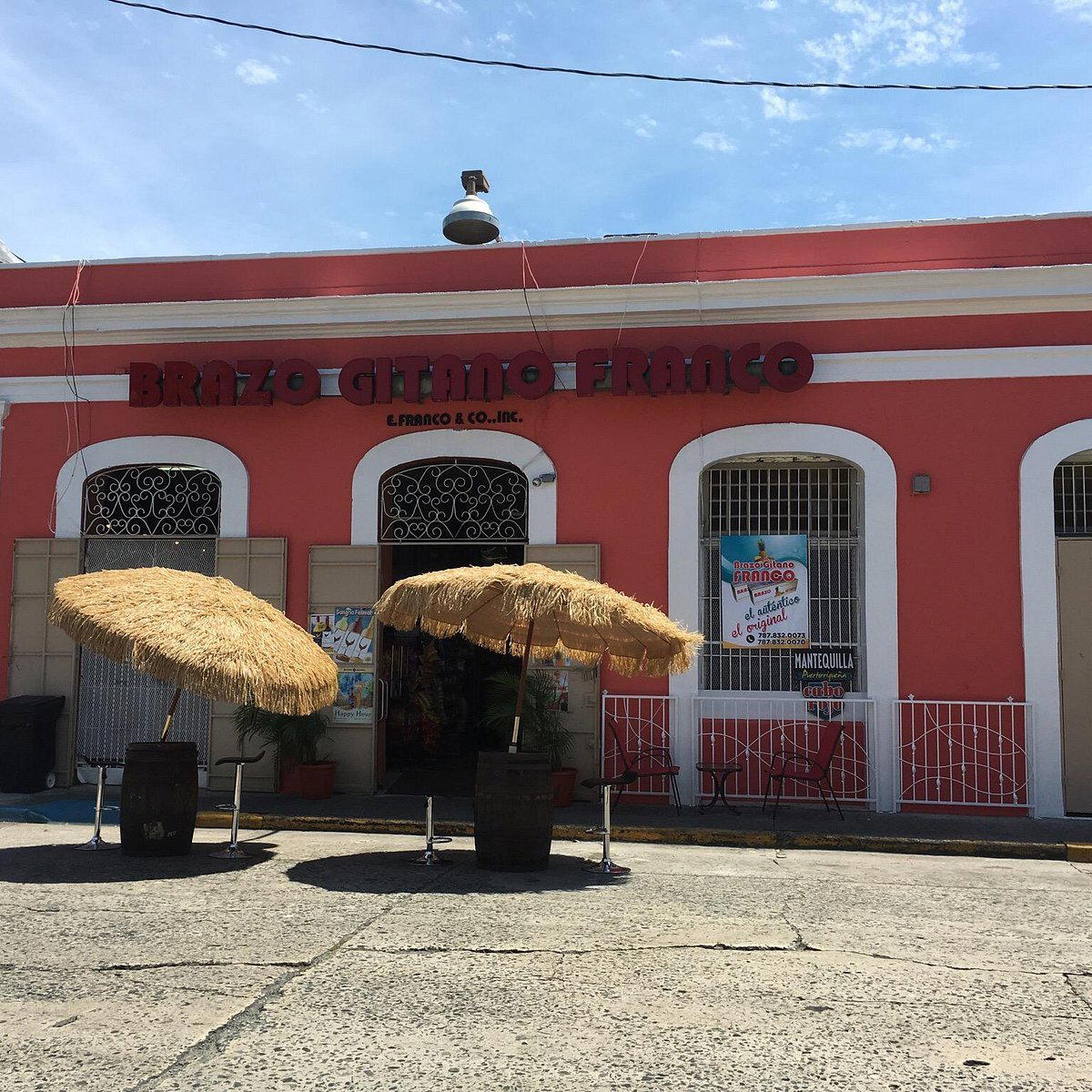
This regionalism mirrors patterns visible across the island. Paros Restaurant in Puerto Rico demonstrates how Greek seafood technique can anchor itself in local waters, while COA in Dorado shows how the north coast's resort adjacency shapes a different kind of ambition. Further west, Brazo Gitano Franco in Mayaguez anchors the kind of institution-grade local cooking that sustains a neighborhood across generations. Rincón sits in a different register from all of them: neither resort-polished nor urban-forward, but shaped by a surf-and-farm community that has sustained its own culinary identity.
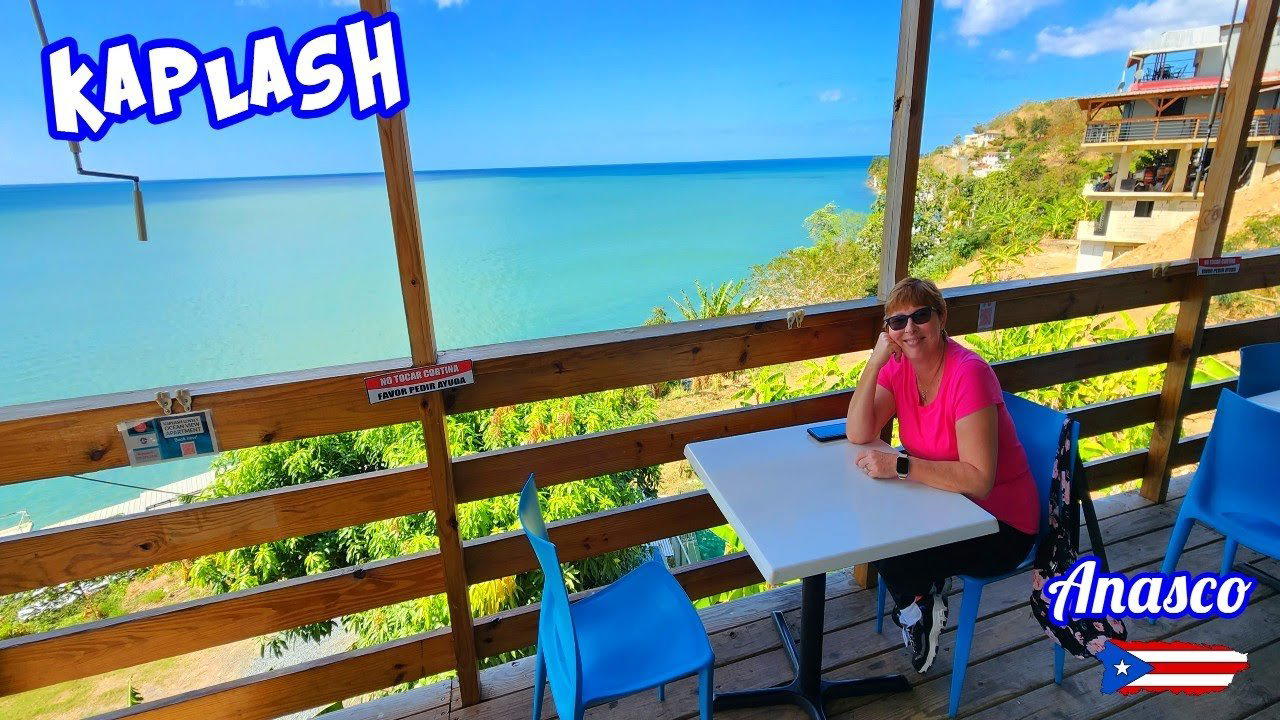
The comparison matters for visitors making decisions about where to eat along Puerto Rico's west coast. Kaplash in Anasco and Charco Azul in Vega Baja sit within the same regional orbit, each representing how smaller municipalities have developed their own kitchen identities around local ingredients and community regulars rather than visitor traffic.
Planning a Visit
Estela Restaurant is located on Road 115 at KM 14 in Rincón, in the municipality's southern section. Road 115 is the primary coastal artery through this part of the island, and the KM 14 marker puts the restaurant in a zone that mixes residential, agricultural, and light commercial uses, the kind of address that tells you something about the establishment's relationship to its surroundings before you walk through the door. Visitors coming from San Juan should allow approximately two hours by car via Route 2 west; those based in Mayaguez are twenty minutes south.
That seasonal pattern shapes dining availability across the town's restaurant range, and last-minute walk-ins become less reliable as the winter swell season peaks.
For visitors building a broader west-coast itinerary, Da Bowls in Aguadilla provides a lighter counterpoint to the north, while El Dorado in Playita and La Parguera extend the coastal dining circuit southward. Those interested in island-wide context will find additional anchors in Lago Dos Bocas in Arecibo, Lechonera Los Pinos in Cayey, Panaderia La Patria in Morovis, and Tin Box in Vieques. For reference points outside the island, Le Bernardin in New York City and Lazy Bear in San Francisco represent how ingredient-sourcing rigor operates at the fine-dining tier in mainland US markets.
Frequently asked questions
Is Estela Restaurant suitable for children?
Nothing in Estela's available record suggests a strict adults-only policy. The Road 115 KM 14 location in Rincón's southern section is accessible by car, which makes logistics relatively manageable for families.
What makes Estela Restaurant in Rincón different from dining options in San Juan?
Estela's address at Road 115 KM 14 places it squarely in western Puerto Rico, a region with a distinct agricultural identity that separates it from the capital's Santurce and Miramar restaurant clusters. Where San Juan's dining scene concentrates fine-dining ambition and international influence, Rincón's west coast corridor runs on locally sourced produce and a slower coastal pace. For visitors based in Rincón rather than San Juan, Estela offers a geographically grounded alternative without the two-hour drive east.
Where is Estela Restaurant in Rincon?
Estela Restaurant is located at road 115 KM 14, Rincón, 00677, Puerto Rico, Rincon.
Fast Comparison
Comparable venues nearby, for context on price, style, and recognition.
| Venue | Cuisine | Price | Notes |
|---|---|---|---|
| Estela RestaurantThis venue (the venue you are viewing) | Modern Caribbean Fusion | $100–150 | Not listed |
| La Copa Llena | Modern Caribbean Seafood | $30–50 | Rincon |
| Villa Playa Maria | Dining | Not listed | Rincon |
| SOCIAL | Modern Puerto Rican International | $30–50 | Condado |
| Mar del Caribe | Caribbean Seafood and Puerto Rican | Not listed | Las Marías |
Continue exploring
More in Rincon
Restaurants in Rincon
All restaurants in Rincon →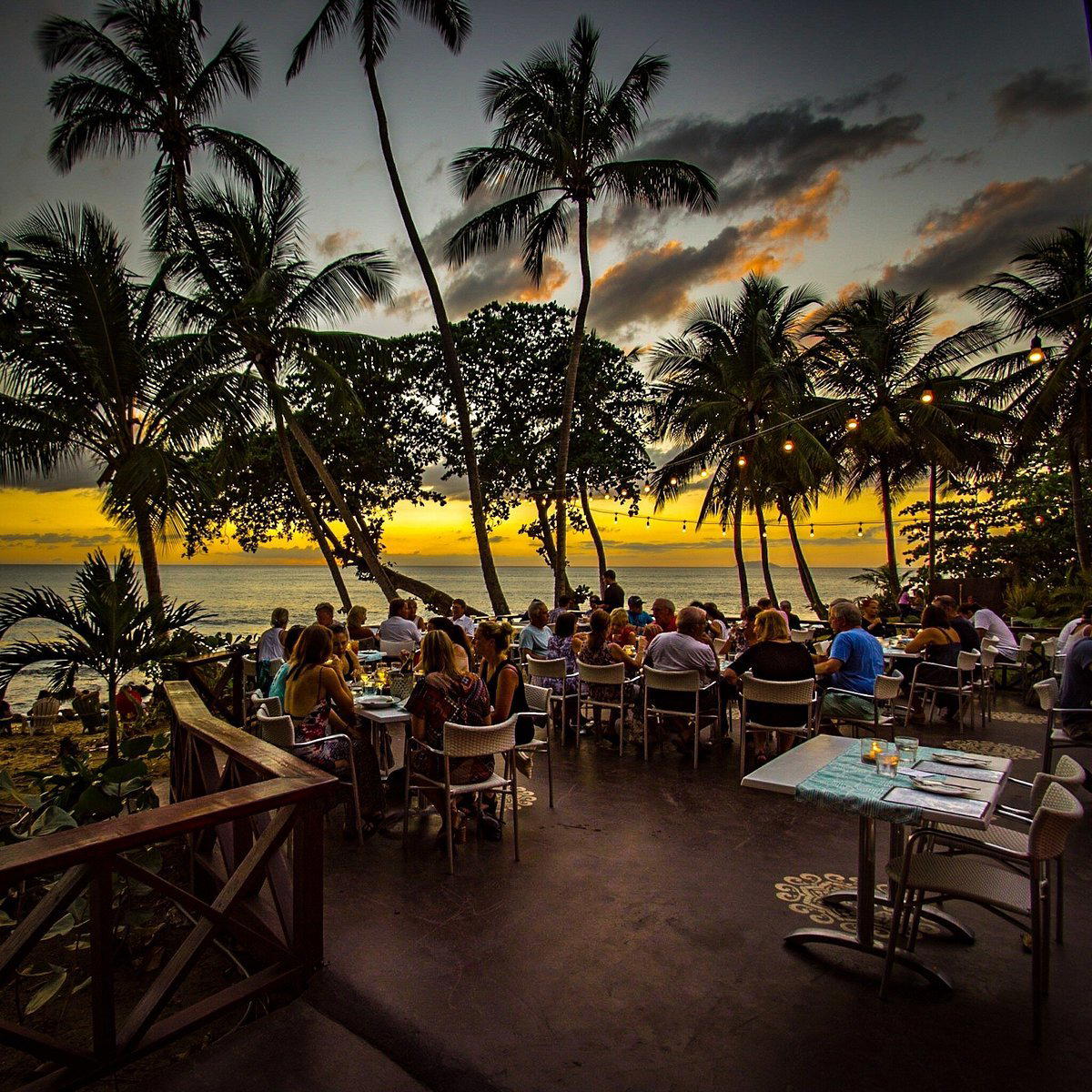
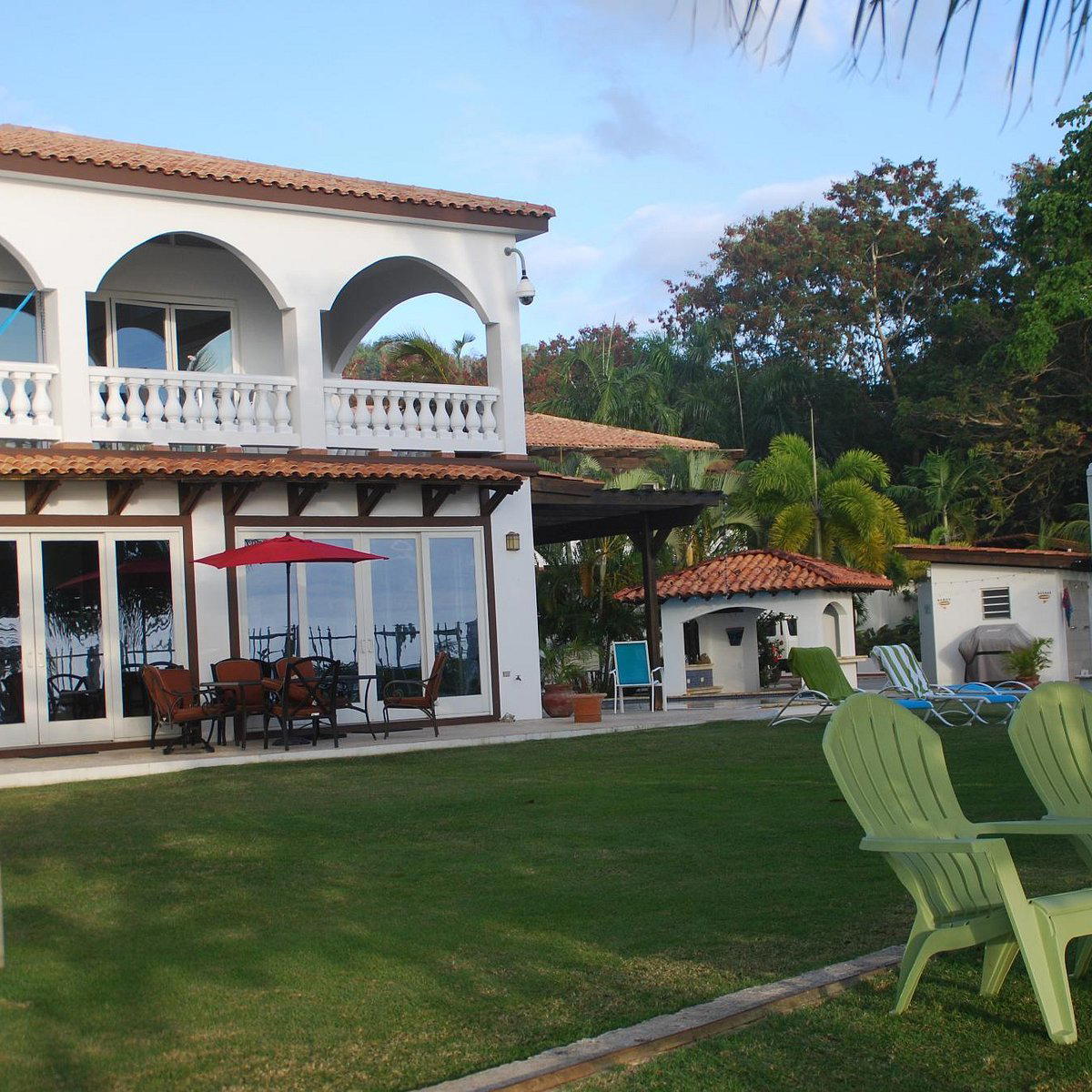
Bars in Rincon
Browse all →
Details
- Elegant
- Cozy
- Modern
- Sophisticated
- Date Night
- Special Occasion
- Open Kitchen
- Craft Cocktails
- Farm To Table
- Local Sourcing
- A La Carte
- Vegetarian Friendly
- Vegan Options
- Gluten Free Options
Current opening hours
- Monday
- Closed
- Tuesday
- 6–10 PM
- Wednesday
- 6–10 PM
- Thursday
- 6–10 PM
- Friday
- 6–10 PM
- Saturday
- 6–10 PM
- Sunday
- Closed
Hours can change for holidays and private events. Last verified .
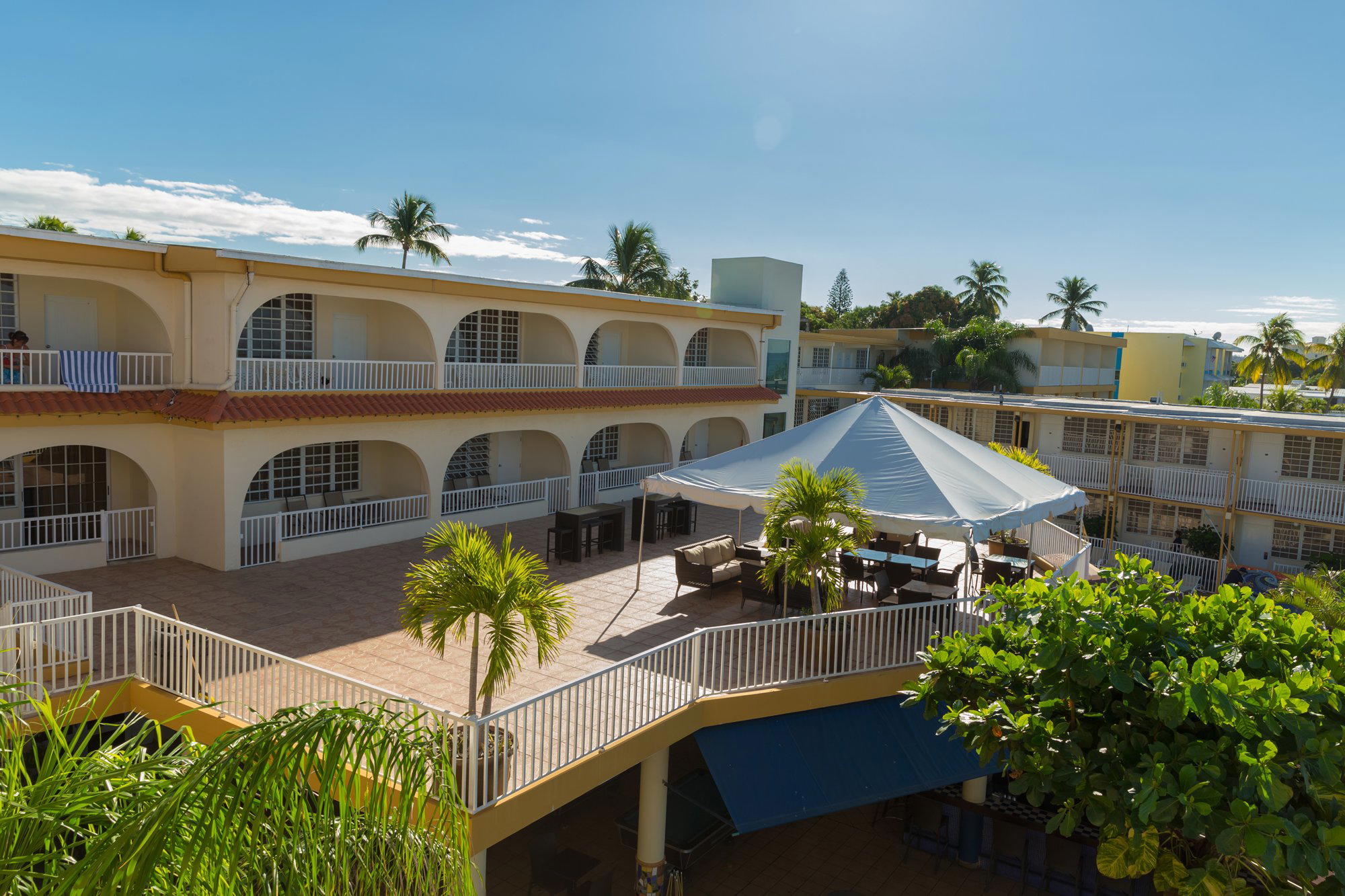
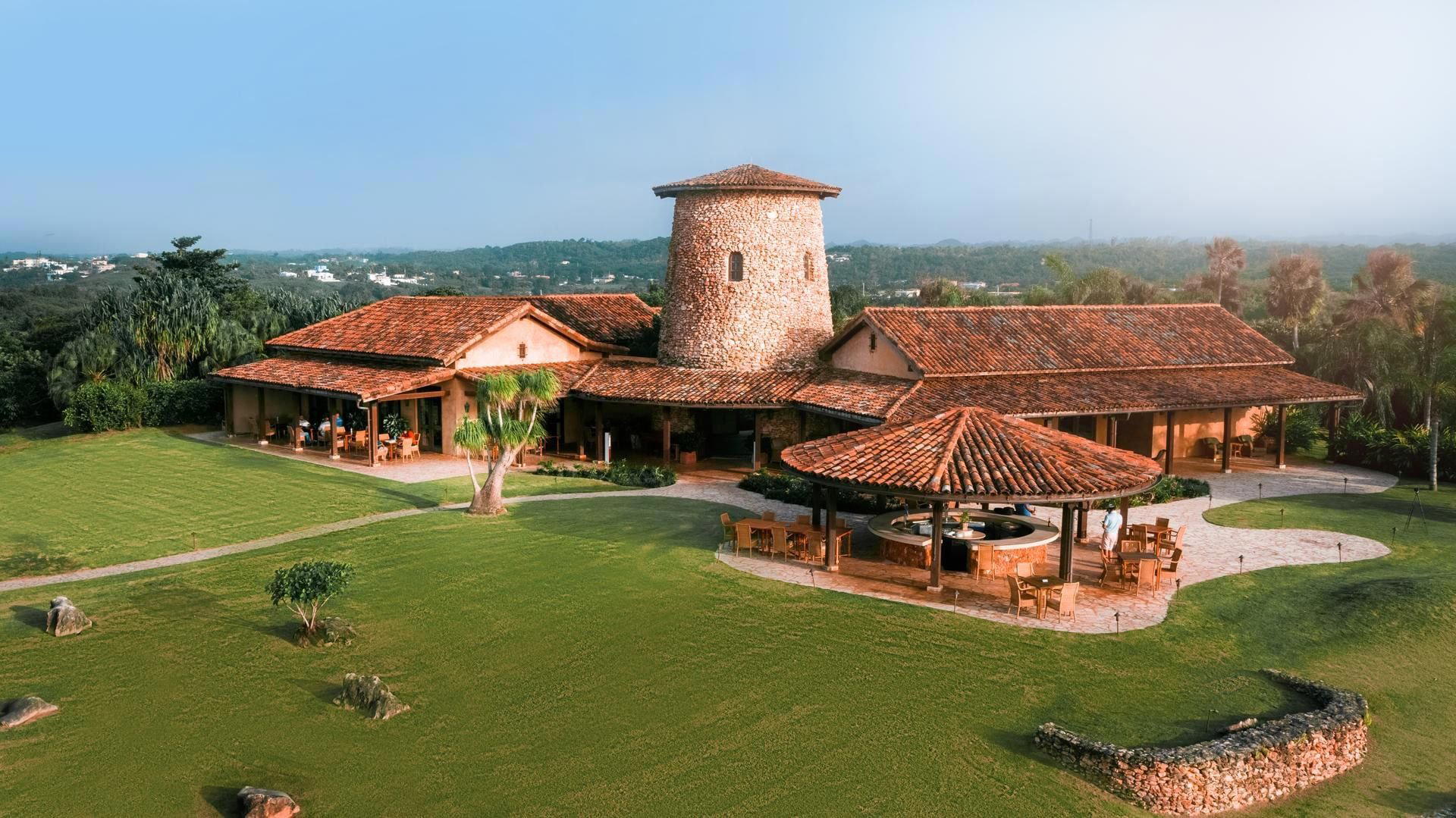
Relaxed coastal elegance balancing comfort and sophistication with minimalist decor, low music, and a welcoming atmosphere.