Flor de Sal

Salt, Sea, and the Caribbean Table The name alone signals intent. Flor de sal, the delicate crust of sea salt harvested by hand from the surface of salt pans, is among the more geographically specific ingredients in any kitchen. It cannot be...
Pearl is the En Primeur Club membership app — saves, bookings, and concierge access live there. Same editors, same standards.
- Address
- 100 Dorado Beach Drive, Dorado
- Phone
- 787-278-7271
- Website
- ritzcarlton.com
- Directions
- Get directions
 Saves & bookings on Pearl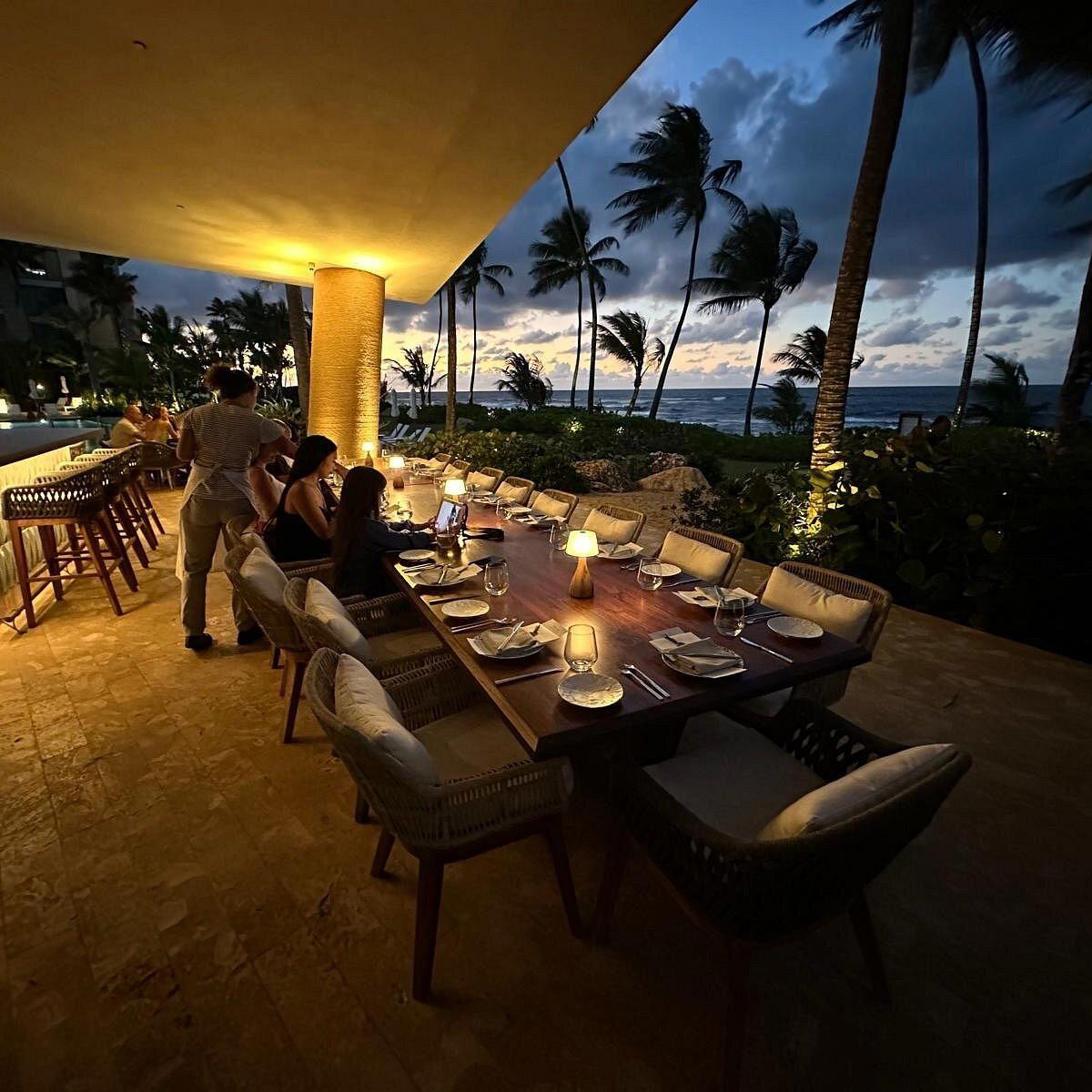
Salt, Sea, and the Caribbean Table
The name alone signals intent. Flor de sal — the delicate crust of sea salt harvested by hand from the surface of salt pans — is one of the most geographically specific ingredients in any kitchen. It cannot be manufactured at scale, it cannot be faked, and it dissolves differently on the tongue than anything that comes out of a commercial grinder. A restaurant that takes its name from this particular ingredient, in Dorado, Puerto Rico, is making a quiet argument about provenance before a single dish arrives at the table. In the Caribbean dining context, that argument carries weight.
Dorado occupies a particular position in Puerto Rico's food conversation. The town sits roughly 30 kilometres west of San Juan along the island's northern coast, and its dining scene has historically revolved around the resort corridor anchored by the Dorado Beach resort complex. That geography shapes expectations: visitors arrive with resort-level appetites and a willingness to spend, while the surrounding region supplies some of the island's most direct access to Atlantic seafood and tropical produce. The combination has encouraged a handful of kitchens to take sourcing seriously, framing Caribbean ingredients not as a backdrop to continental cooking but as the point of the meal. Flor de Sal operates within that tradition. For a broader view of what's eating and drinking well in this part of Puerto Rico, our full Dorado restaurants guide covers the scene comprehensively.
Where Ingredients Become the Argument
The editorial lens that matters most here is ingredient sourcing, and in the Caribbean that conversation is genuinely complicated. Island kitchens face a structural tension that mainland restaurants don't: much of what arrives on a plate has crossed water to get there. The chefs who push back against that dependency, who build menus around local fishermen, island-grown produce, and regional salt traditions, are doing something that requires active commitment rather than passive convenience. The name Flor de Sal reads as a statement of that commitment. Sea salt harvested from Caribbean or Atlantic salt pans, used as a finishing element rather than a background seasoning, is the kind of detail that signals a kitchen's relationship with its terroir.
That relationship matters beyond the plate. In a regional context where tourism revenue often drives menus toward predictability, restaurants that anchor their identity in local sourcing help sustain the supply chains that make ingredient-driven cooking viable across the island. It is the same logic that drives Arpège in Paris to maintain its own garden, or that shapes the hyper-local sourcing models at places like Lazy Bear in San Francisco, the ingredient is the brief, and the menu follows. At Flor de Sal, the name alone implies that the kitchen has made a version of that choice.
The Dorado Dining Context
Puerto Rico's premium dining has traditionally concentrated in San Juan, where kitchens like 1919 Restaurant operate at the highest technical register, drawing on the capital's density of culinary talent and international visitor traffic. Dorado offers something different: a smaller, more contained scene where the ratio of serious kitchens to available diners is tighter, and where a well-positioned restaurant can develop a loyal following among both resort guests and residents who make the drive from San Juan.
The comparison set within Dorado includes COA, which has built a following in the local market, and options that lean into the resort-adjacent dining format. Paros Restaurant in Puerto Rico represents the Greek seafood strand of the island's dining mix, demonstrating how international cuisine templates layer onto local seafood availability. Flor de Sal, with its sourcing-first naming, positions itself in the tier that prioritises ingredient identity over cuisine category. That is a narrower lane, but a more defensible one when the sourcing credentials are genuine.
Globally, the restaurants that have built the most durable identities around sea-sourced ingredients, Aponiente in El Puerto de Santa María, with its radical commitment to marine ingredients, or Le Bernardin in New York City, where fish is treated with the same reverence that meat commands elsewhere, make the case that oceanic sourcing, handled with discipline, produces some of the most coherent menus in contemporary fine dining. In a Caribbean setting, that model translates directly: the Atlantic is the larder, and the kitchen's credibility depends on how well it uses it.
Planning a Visit
Dorado is accessible from San Juan in under an hour by car, making it a viable day trip or an anchor for a longer stay on Puerto Rico's north coast. Visitors combining a meal at Flor de Sal with broader exploration of the area will find the full picture of what to drink and where to stay covered in our full Dorado bars guide, our full Dorado hotels guide, our full Dorado wineries guide, and our full Dorado experiences guide. Given the concentration of resort accommodation along the Dorado Beach corridor, booking dining in advance is advisable during the winter high season, when the area draws significant traffic from the northeastern United States. The address, 100 Dorado Beach Drive, places the restaurant within that resort corridor, which sets both the physical context and the pricing expectations for visitors arriving without a prior reference point.
The Broader Salt Tradition
There is a tradition in Italian cooking of throwing salt over your left shoulder for good luck, a gesture that speaks to how deeply the ingredient is woven into culinary culture across the Mediterranean and beyond. Flor de sal as a concept travels from those same salt pan traditions, whether the salinas of Guérande in France, the Sicilian coast, or the Atlantic-facing flats of the Iberian peninsula. That the ingredient has a name recognisable to anyone who has spent time in serious European kitchens, and that a Caribbean restaurant has chosen it as its identity, places Flor de Sal in a conversation about ingredient provenance that extends well beyond Puerto Rico. The most technically ambitious restaurants in that global conversation, from Alain Ducasse's Louis XV in Monte Carlo to Alléno Paris au Pavillon Ledoyen, treat salt as a precision tool rather than a condiment. The name Flor de Sal suggests a kitchen that understands the difference.
How Flor de Sal Dorado compares with similar nearby venues.
| Venue | Cuisine | Awards |
|---|---|---|
| Flor de Sal | Not listed | Forbes Recommended (2026) |
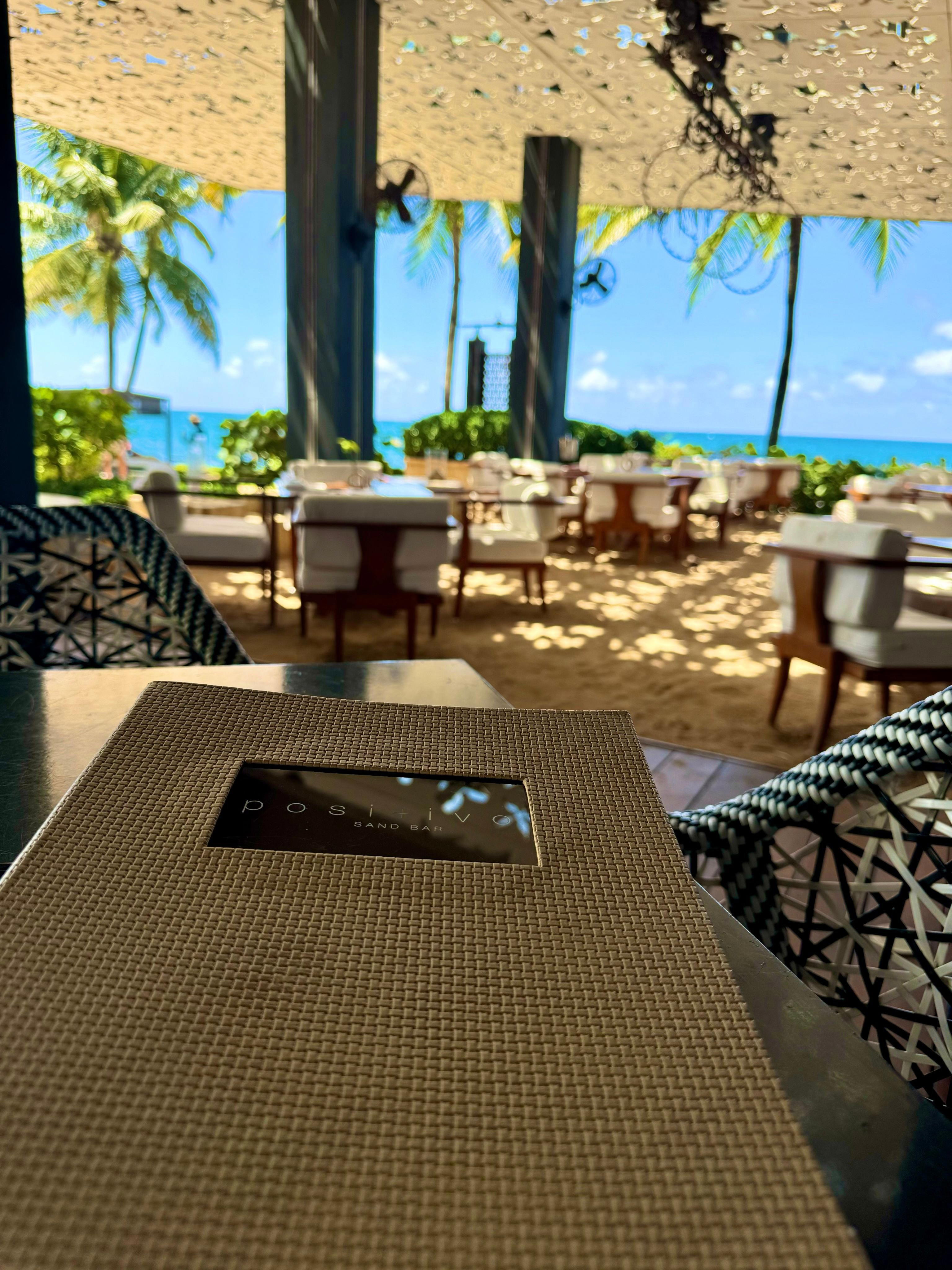
| Positivo Sand Bar | Beach Bar | Not listed |
Recognition history
Dated appearances from independent guides and award organizations, with the underlying list record or original source where available.
Forbes Recommended
Forbes

At a Glance
- Elegant
- Romantic
- Scenic
- Sophisticated
- Date Night
- Special Occasion
- Waterfront
- Open Kitchen
- Terrace
- Extensive Wine List
- Local Sourcing
- Waterfront
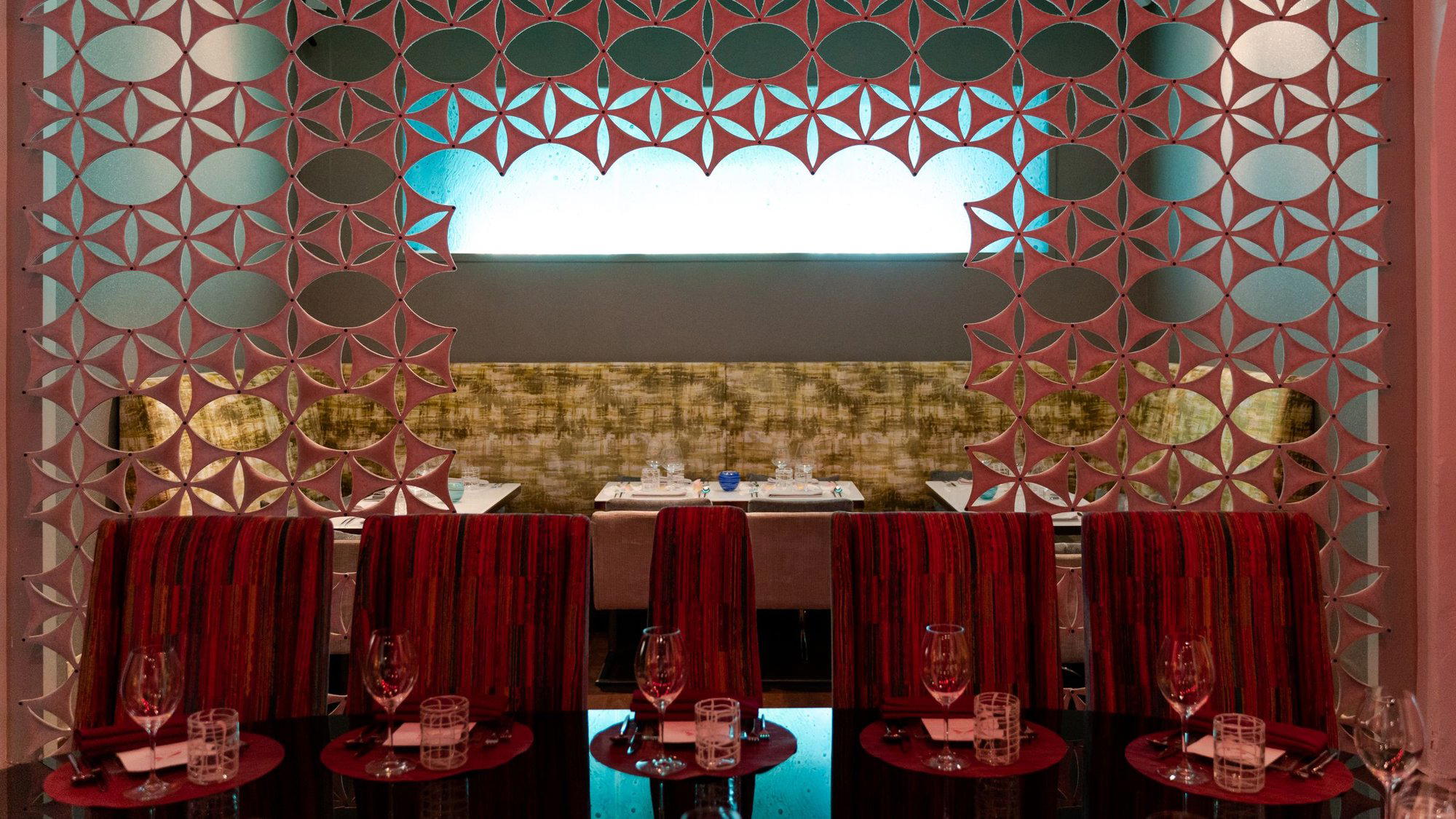
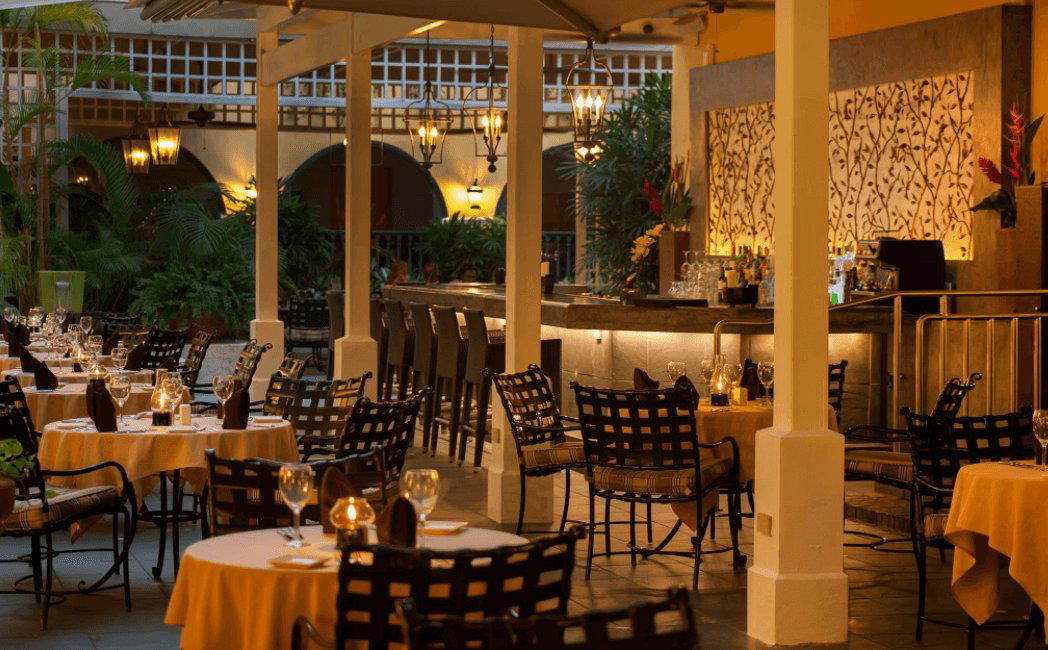
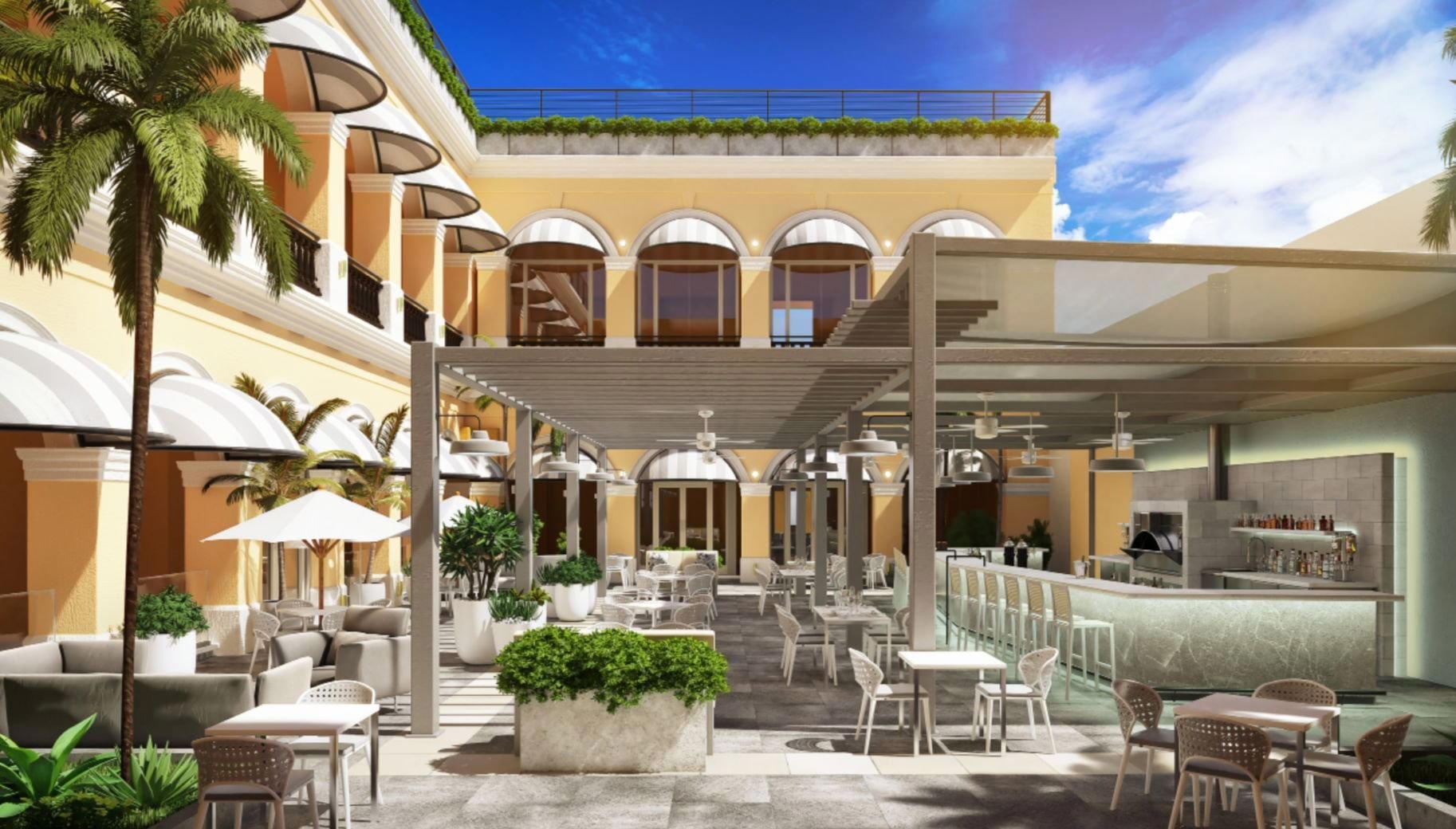
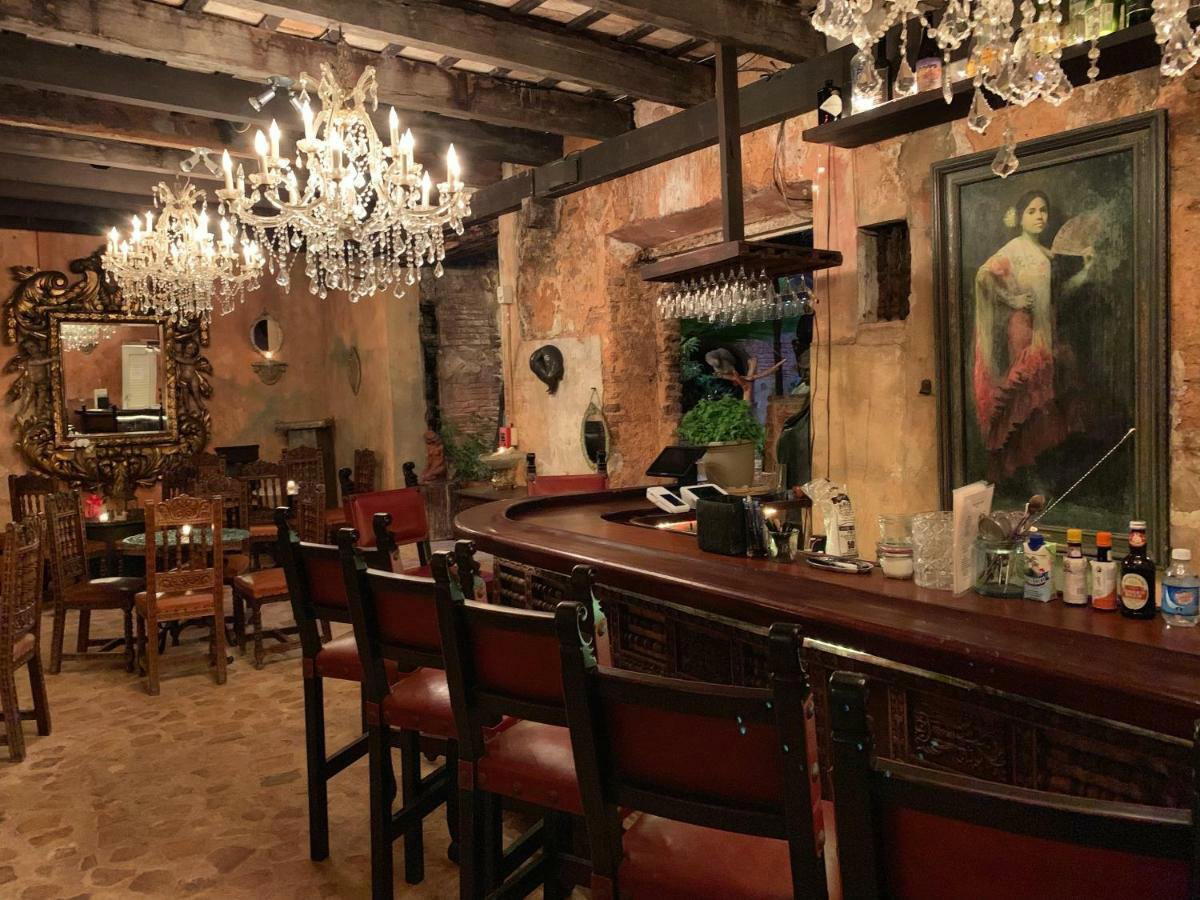
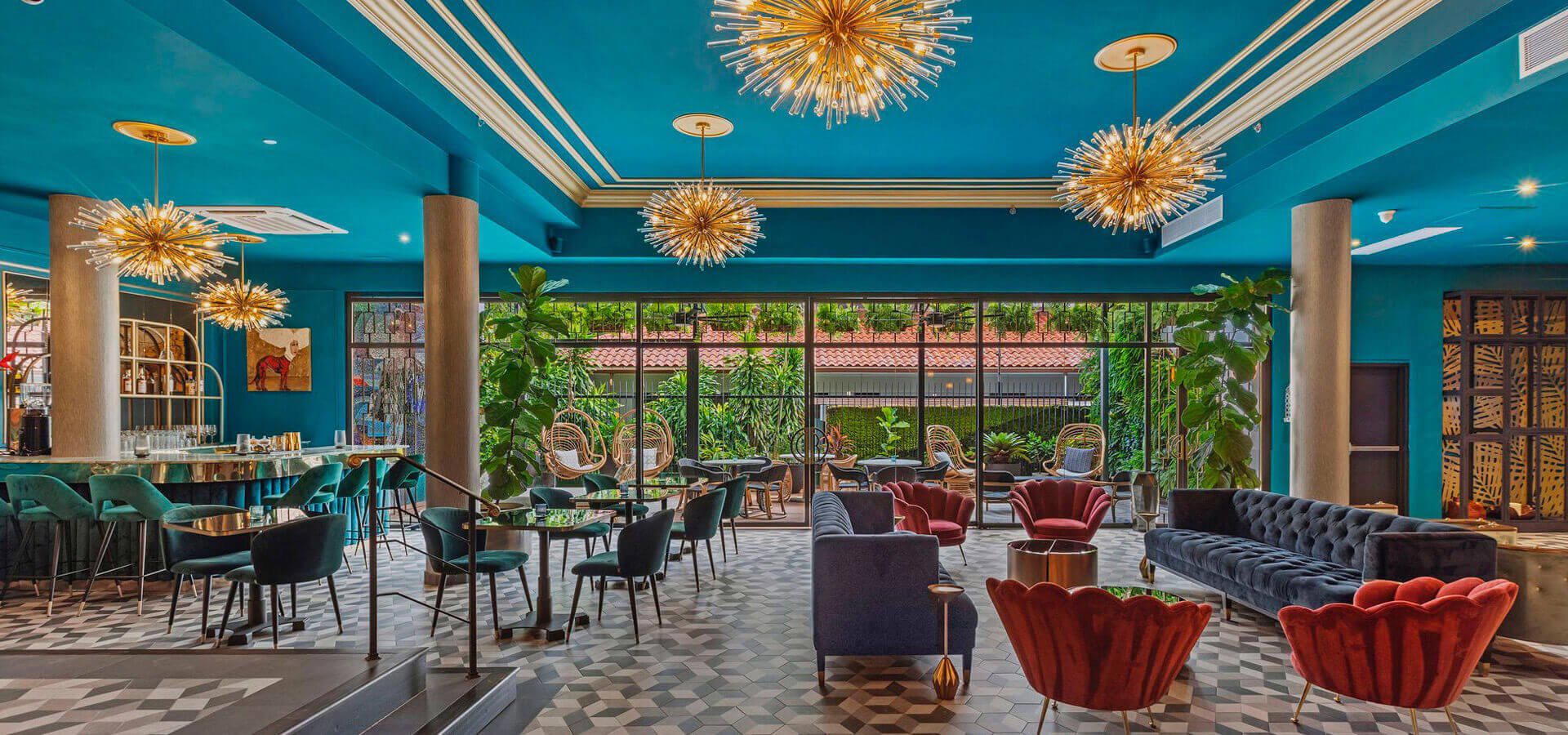
Open-air beachfront setting with barefoot elegance, pillow-laden chairs, and ocean views.
Know Before You Go
- Getting there
- 100 Dorado Beach Drive, Dorado