Aleli at The Royal Sonesta San Juan
Our verdict
Aleli at The Royal Sonesta San Juan belongs to Carolina’s hotel-dining circuit, where resort kitchens sit between beach-day convenience and a more place-aware reading of Puerto Rico’s produce, seafood, and tropical pantry. The useful lens is sourcing: in a city shaped by airport proximity, shoreline hotels, and short-stay travelers, the restaurant’s value depends on how clearly the plate connects back to the island rather than generic resort cooking.

Pearl is the En Primeur Club membership app, where members save venues, book tables and use the concierge.
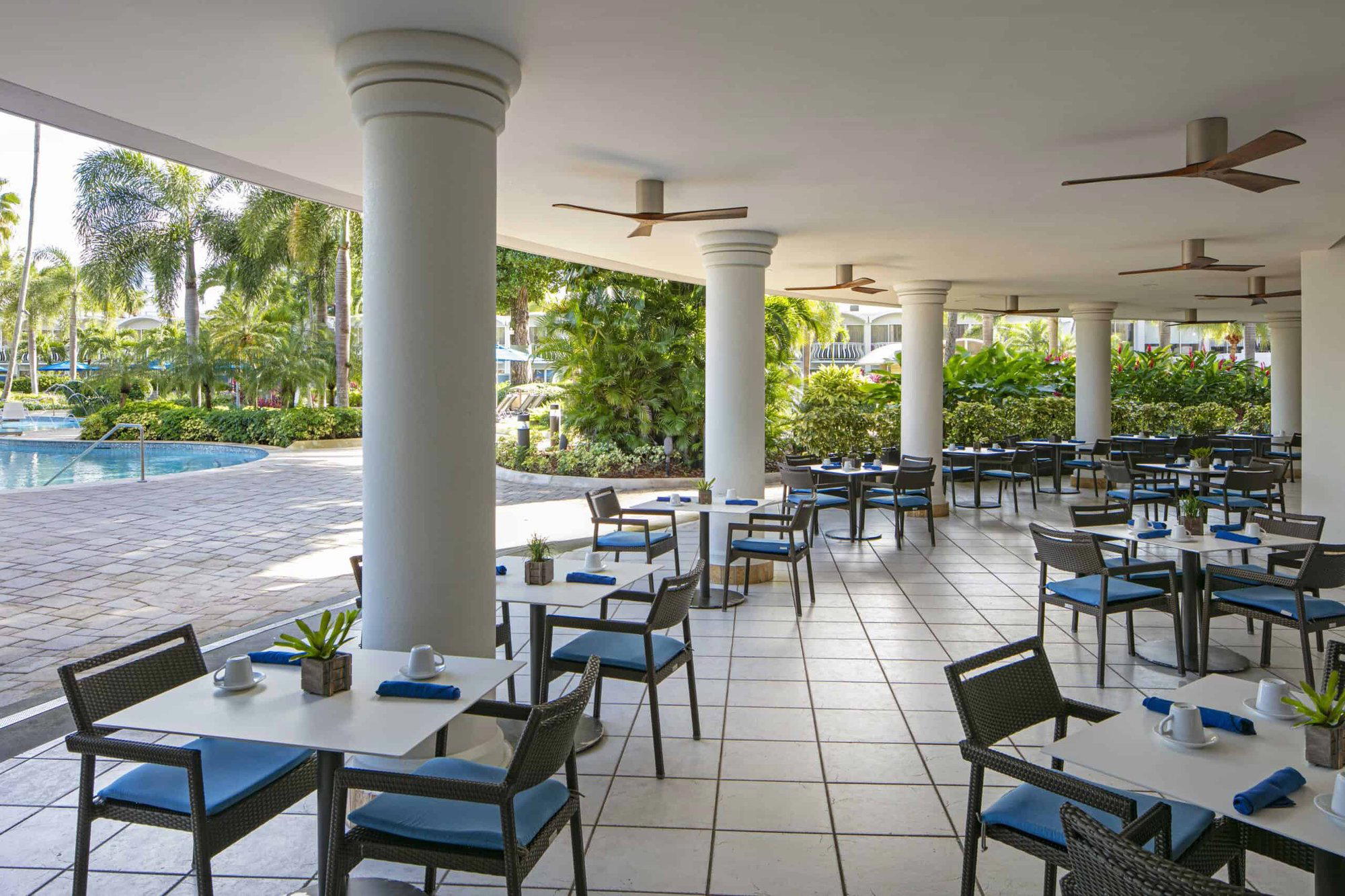
Approaching a hotel restaurant in Carolina, the first signal is rarely the menu. It is the rhythm around it: suitcases crossing polished floors, families moving between pool and lobby, flight schedules sitting in the background of dinner plans. Aleli at The Royal Sonesta San Juan belongs to that particular Puerto Rican category, the resort dining room that has to serve guests in transit while still making an argument for place.
That argument matters in Carolina because the city’s dining scene is not built like denser historic or chef-driven dining districts elsewhere. It is shaped by hotel traffic, beach days, and the practical fact that many travelers are here for a narrow window before or after a flight. In that setting, ingredient sourcing becomes the difference between a restaurant that is anywhere with palm trees and one that reads as Puerto Rico.
Carolina hotel dining works when the island pantry stays visible
Puerto Rican cooking has always been a conversation between land, sea, and trade routes: plantains, root vegetables, rice, beans, pork, tropical fruit, coffee, rum, and seafood from surrounding waters. In a resort context, those ingredients can be reduced to shorthand, or they can be treated as a working pantry. Aleli is better understood through that test than through the usual luxury-hotel vocabulary.
The stronger hotel restaurants in Carolina tend to avoid forcing every meal into the same all-day international template. Nearby, Banyan Tree Grill, El San Juan Beach Club, and other Carolina dining rooms show how varied the local hotel circuit has become: grill formats, beachfront service, and resort dining rooms all competing for the same visitor attention. The useful question is not which room is louder or more polished, but which one gives the kitchen a reason to be in Puerto Rico.
Aleli at The Royal Sonesta San Juan sits inside that comparison set rather than outside it. There is no public award shorthand attached to the restaurant, and that shifts the burden onto the experience itself: the room, the service tempo, and the extent to which the menu speaks to local produce and coastal appetite. In a city where guests often choose dinner by convenience, that is a practical editorial distinction.
The better choice for travelers who want place without leaving the hotel circuit
Carolina’s advantage is access. The same convenience that makes the city a common first or last stop in Puerto Rico also makes its restaurants easy to underestimate. A hotel dining room here has to do two things at once: handle resort-scale demand and give diners something more rooted than interchangeable vacation cooking. Aleli’s setting inside The Royal Sonesta San Juan places it directly in that tension.
For travelers comparing Carolina with dining elsewhere in the metro area, the trade-off is clear. Other dining scenes can be more chef-centric and reservation-driven, with destination restaurants occupying a different tier of special-occasion planning. Carolina, by contrast, rewards the diner who wants a shorter logistical chain: beach, hotel, dinner, and back upstairs without turning the evening into a cross-city plan.
That does not make the category less serious. Resort kitchens in Puerto Rico are often a visitor’s first encounter with the island’s food culture, which gives them unusual responsibility. A plate built around local starches, seafood, herbs, fruit, or rum carries more weight here than another anonymous hotel staple. Ingredient sourcing is not decorative; it is the mechanism by which a hotel restaurant earns its address.
The broader Puerto Rico dining map reinforces the point. Across the island, dining identity changes sharply by city, audience, and format, from casual counters to hotel restaurants and polished dining rooms. Carolina’s version is less about pilgrimage dining and more about whether the hotel circuit can translate the island’s pantry for guests who may only have one dinner to pay attention.
How to read the choice in Carolina
Aleli at The Royal Sonesta San Juan is a sensible pick when the night calls for a hotel-based restaurant in Carolina rather than a long transfer or a tasting-menu commitment. The setting places it firmly in Carolina’s resort orbit, which means the decision is as much about timing and context as cuisine. This is the kind of room to evaluate against other Carolina hotel restaurants, not against small independent counters with limited seating or award-led restaurants across the metro area.
For a fuller read on the city, use our full Carolina restaurants guide alongside our full Carolina hotels guide, our full Carolina bars guide, our full Carolina wineries guide, and our full Carolina experiences guide. The comparison is useful because Carolina’s hospitality economy works as a cluster: where someone sleeps, drinks, swims, and eats often happens within a tight radius.
The strongest reason to put Aleli on a Carolina shortlist is not spectacle. It is the practical promise of a resort dining room that should be judged by how clearly it uses Puerto Rico as more than a backdrop. Travelers who care about ingredient origin should look for island produce, coastal cooking cues, and a menu that does not flatten local flavor into generic Caribbean gloss. That is the standard Carolina hotel restaurants need to meet in 2026.
For readers tracking wider dining formats beyond Puerto Rico, contrast is instructive: in some cities, narrow specialization often drives the decision. Carolina’s hotel restaurants operate differently. Their task is breadth with enough local specificity to justify staying on property.
Frequently asked questions
Can I bring kids to Aleli at The Royal Sonesta San Juan?
The Royal Sonesta San Juan setting in Carolina makes Aleli a straightforward hotel restaurant choice for mixed-age groups. Families staying in Carolina can usually treat it as part of the hotel dining circuit rather than a special-occasion room.
What's the vibe at Aleli at The Royal Sonesta San Juan?
Expect a hotel-dining room inside The Royal Sonesta San Juan in Carolina, with the practical rhythm that comes from serving travellers. The mood is shaped more by location and convenience than by a stand-alone destination-restaurant scene.
What's the address for Aleli at The Royal Sonesta San Juan?
Carolina.
Is Aleli at The Royal Sonesta San Juan reservation-only?
Those details are not published. At a hotel restaurant in Carolina, the standard pattern is walk-in dining with reservations handled through the property if offered. Check the venue's official channels for the latest details.
What has Aleli at The Royal Sonesta San Juan built its reputation on?
Its appeal comes from being inside The Royal Sonesta San Juan in Carolina, which makes it a practical option for hotel guests. That setting in Puerto Rico matters more here than any named chef or tasting-menu claim.
Is Aleli at The Royal Sonesta San Juan allergy-friendly?
There is no venue-specific allergy policy listed for Aleli at The Royal Sonesta San Juan. Guests with allergies should confirm details directly with the dining team in Carolina before ordering.
Side-by-Side Snapshot
Comparable venues by cuisine and price in the same metro.
| Venue | Cuisine | Price |
|---|---|---|
| Aleli at The Royal Sonesta San JuanThis venue (the venue you are viewing) | International with Puerto Rican influences | $20–30 |
| Sottovento | Authentic Italian Ristorante | $50–100 |
| Ocean Breeze | Oceanfront Caribbean | Not listed |
| El San Juan Beach Club | Coastal Seafood & Cocktails | Not listed |
| Meat Market | Modern Steakhouse | $50–100 |
| Banyan Tree Grill | Caribbean grill & comfort food | $30–50 |
Continue exploring
More in Carolina
Restaurants in Carolina
All restaurants in Carolina →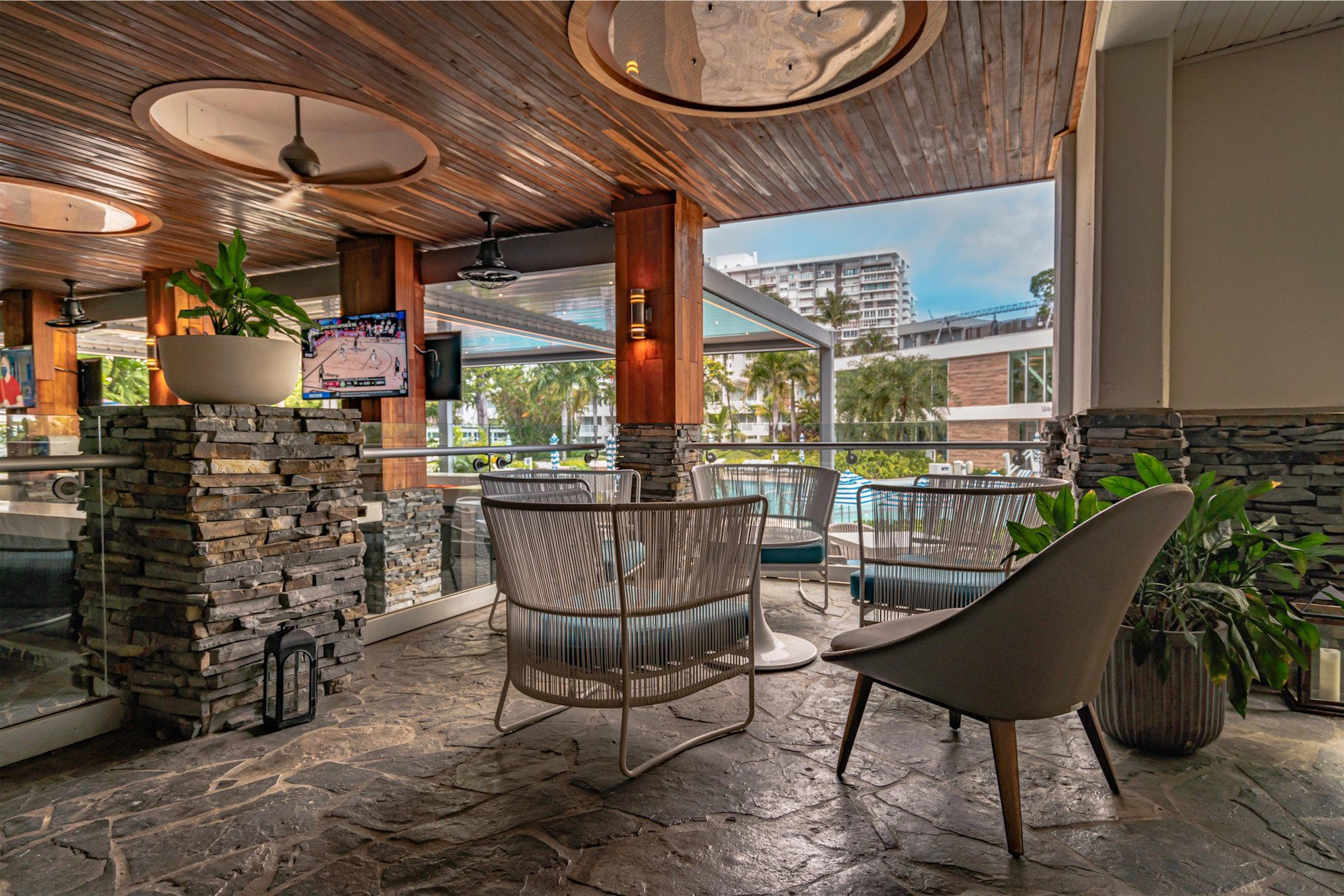
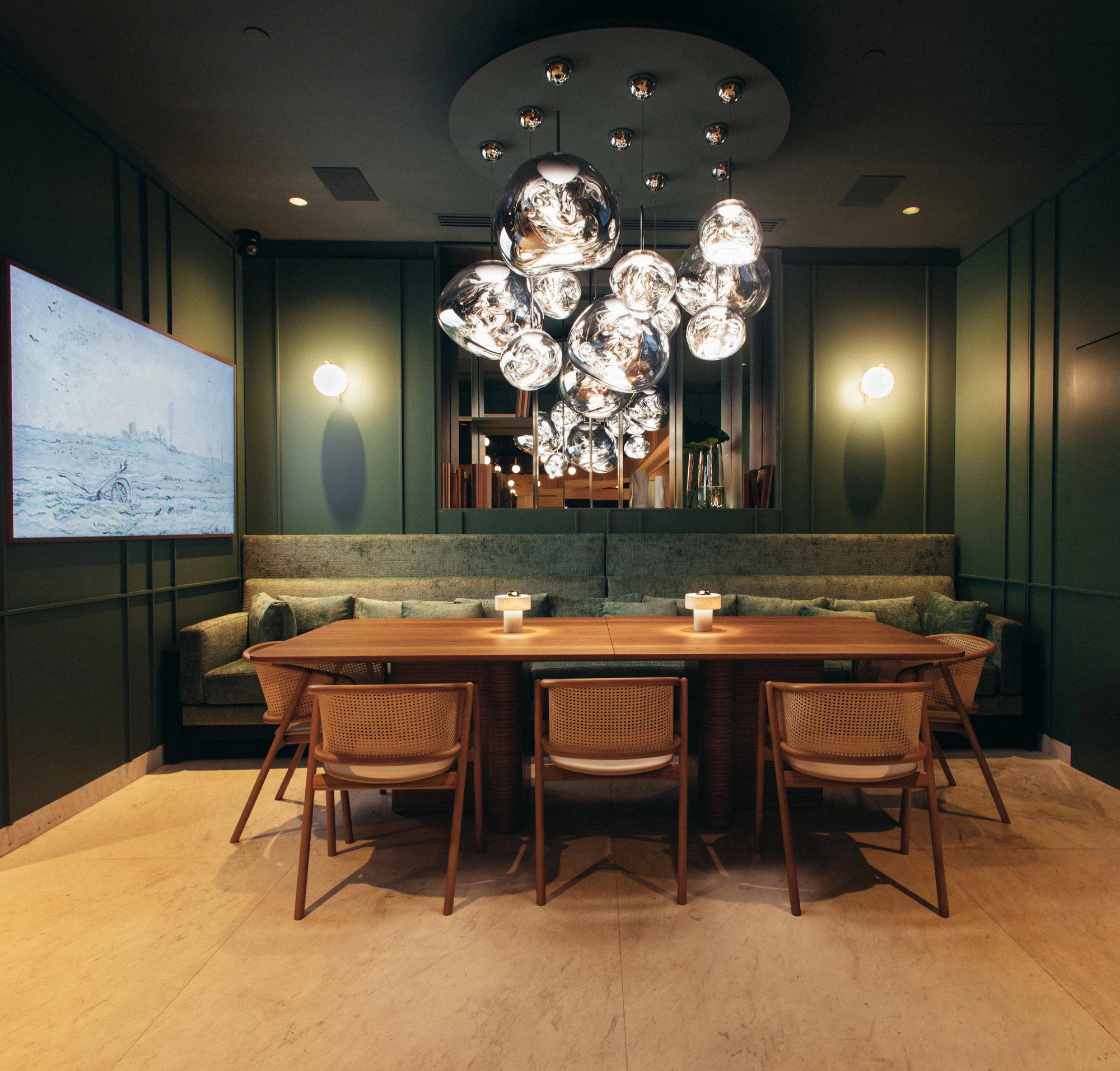
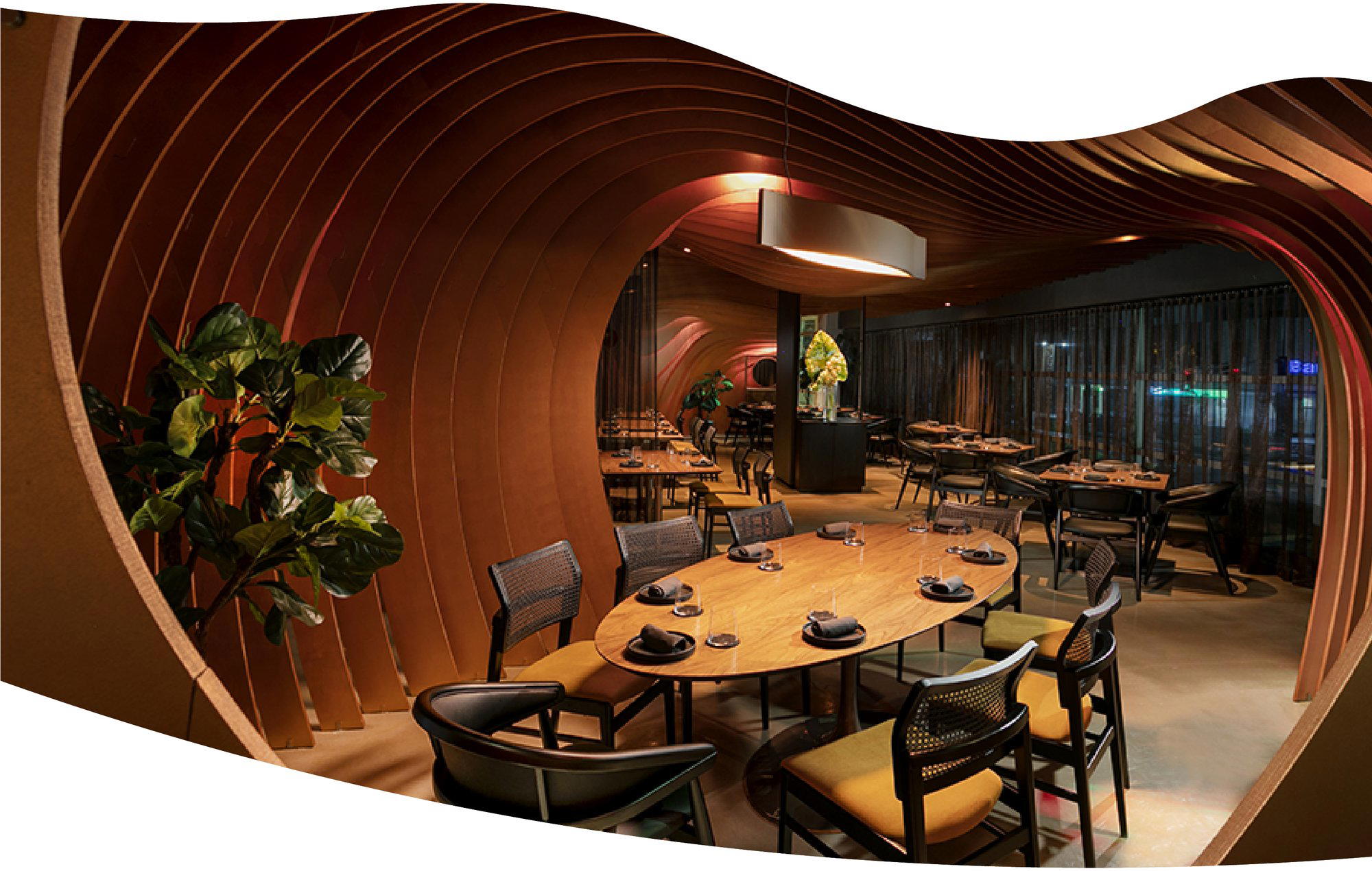

Bars in Carolina
Browse all →

Details
- Relaxed
- Family
- Brunch
- Hotel Restaurant
- Terrace
- Waterfront
- A La Carte
- Buffet
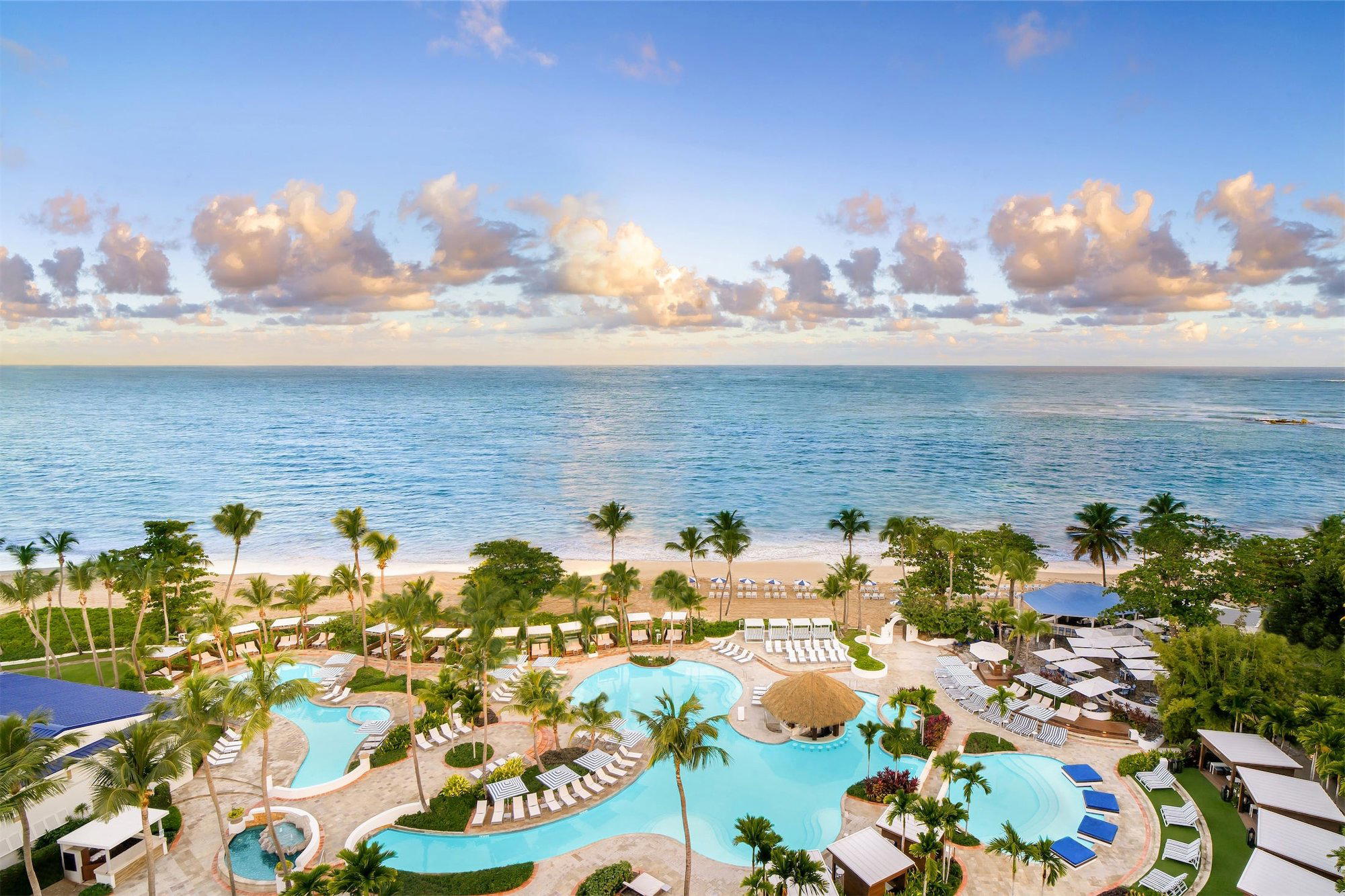
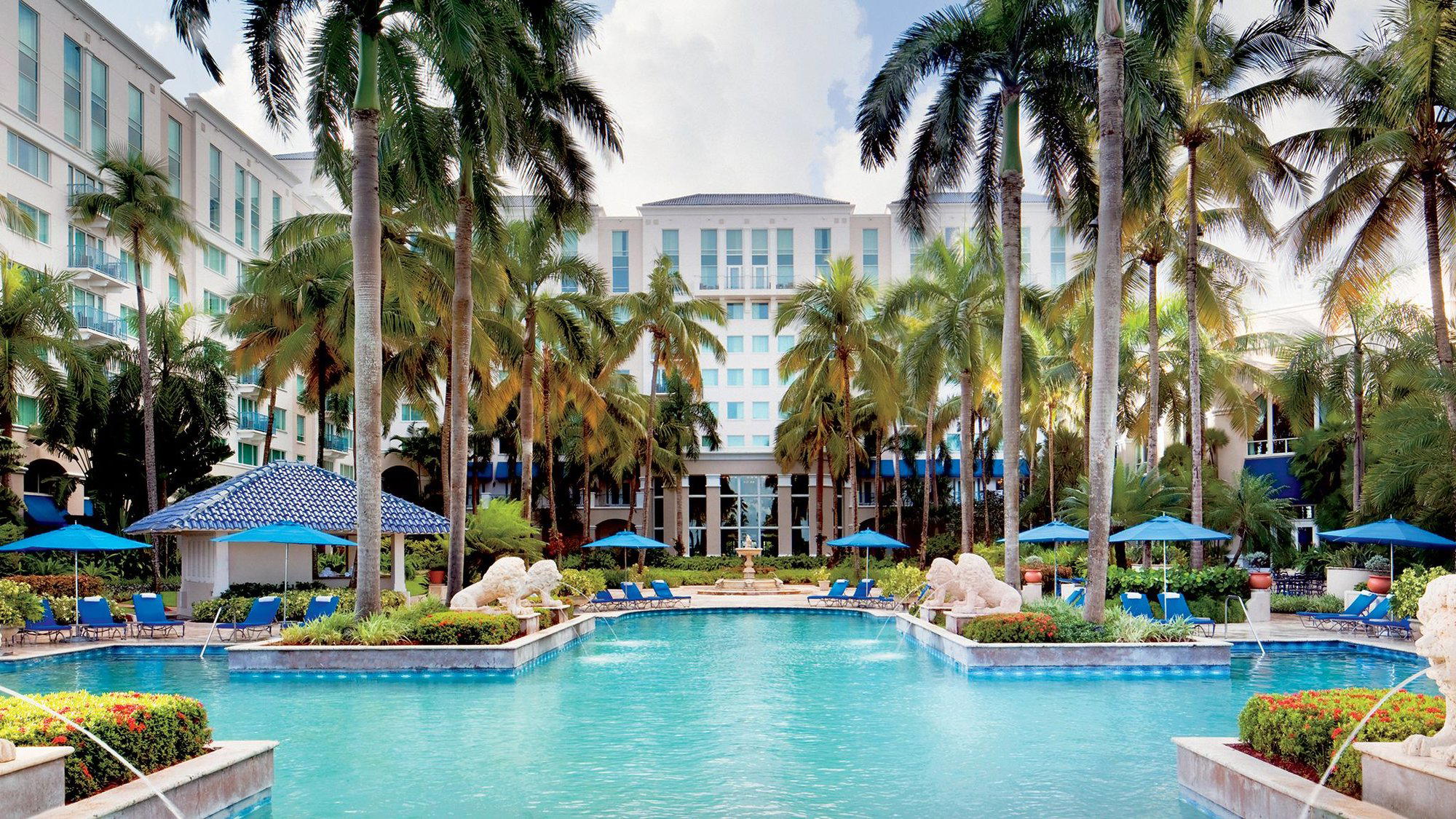
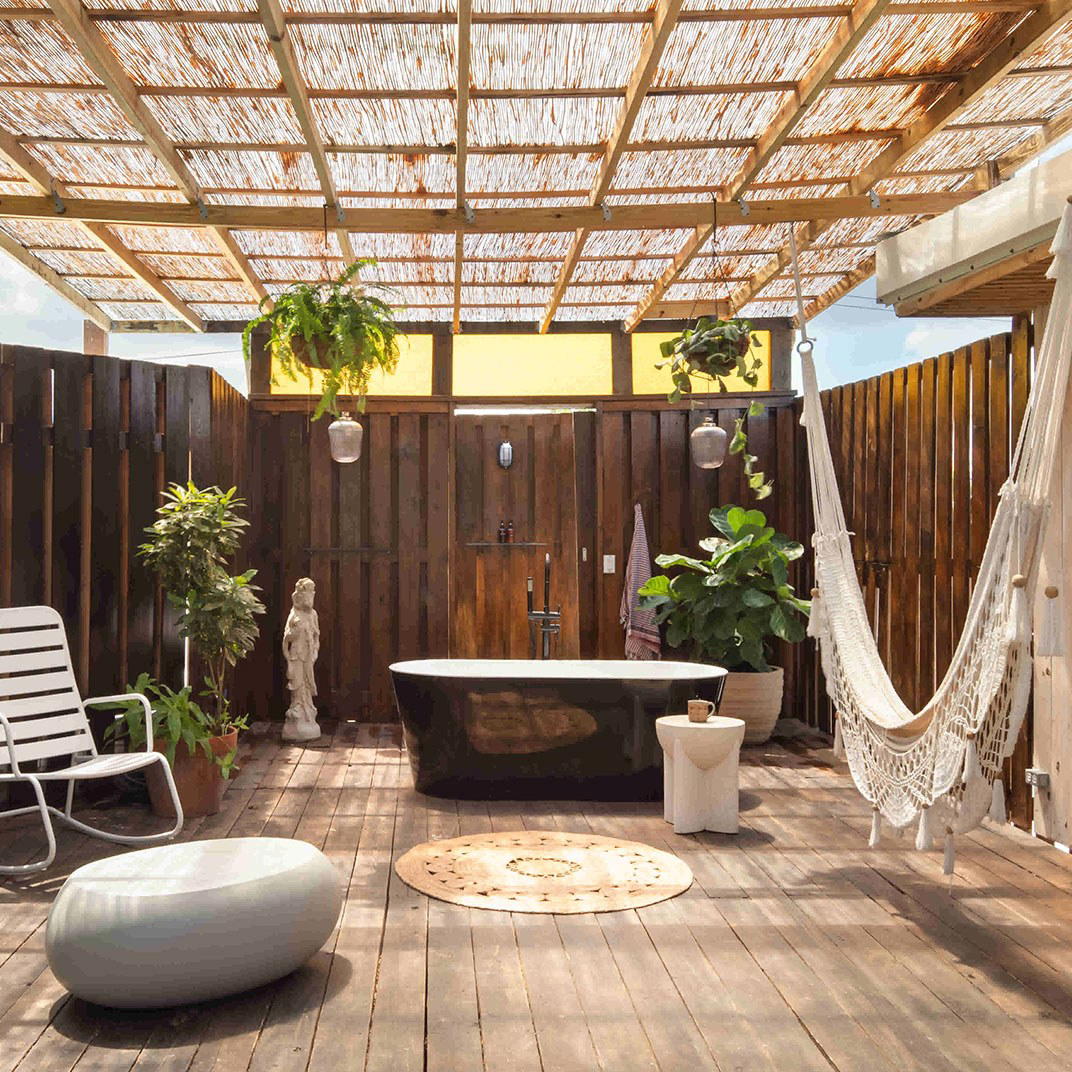
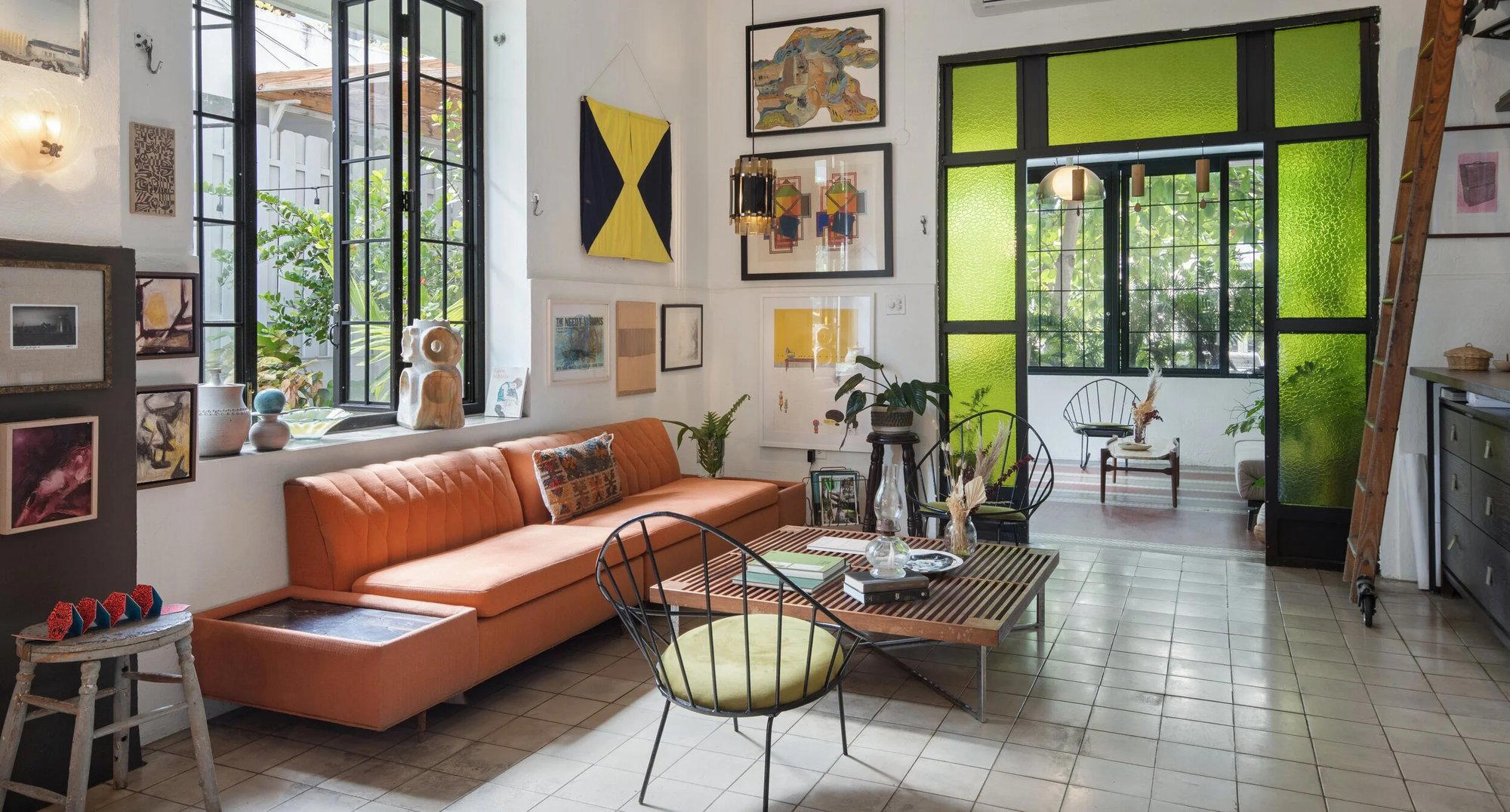
Relaxed and breezy terrace atmosphere overlooking the sparkling lagoon pool.