Belgrade's Italian-leaning dining scene has a distinct pocket of trattorias anchored around fresh dairy sourcing, and Osteria Mozzarella on Uroša Martinovića occupies a specific niche within it. The name signals the kitchen's organising principle: a product-first approach where quality of ingredient precedes technique. In a city where Serbian and Italian culinary traditions increasingly overlap, this address draws a crowd that knows the difference.
Pearl is the En Primeur Club membership app — saves, bookings, and concierge access live there. Same editors, same standards.
- Address
- Uroša Martinovića 31, Beograd, Serbia
- Phone
- +38169750300
- Website
- mozzarella.rs
- Directions
- Get directions
 Saves & bookings on Pearl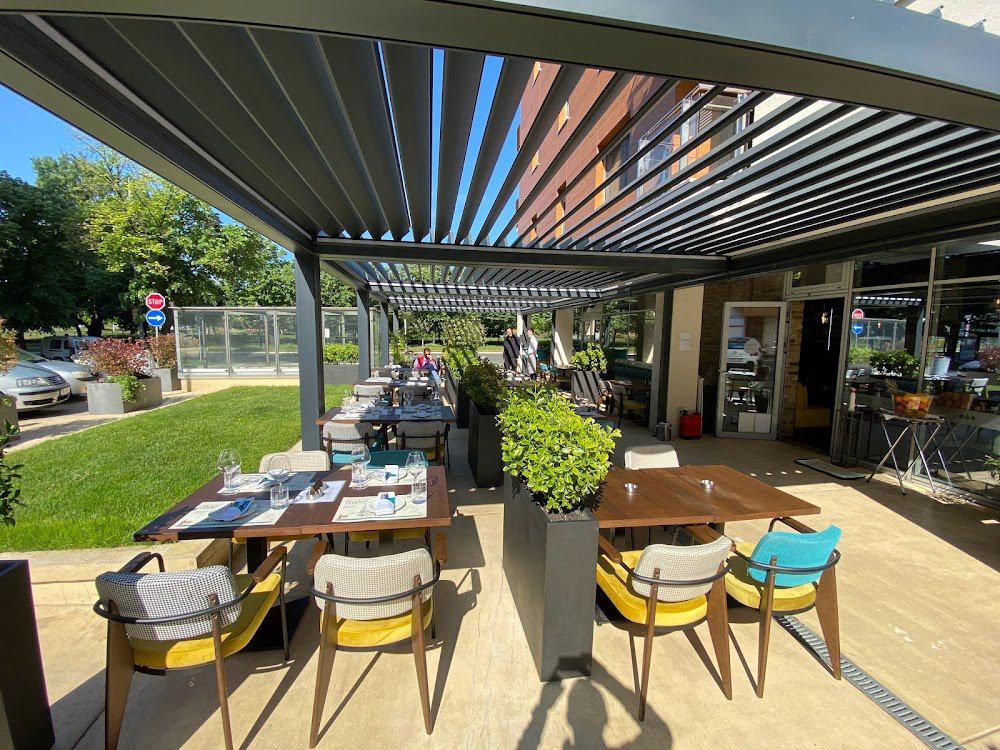
Where Belgrade's Italian Instinct Meets Product-First Cooking
The setting is close-grained and unhurried. No spectacle at the entrance, no heavy branding on the facade. What announces the kitchen's priorities here is the name itself: Osteria Mozzarella. When a restaurant names itself after a single ingredient, it is making a statement about where it stands on the question of sourcing versus showmanship.
The city's mid-to-upper dining tier now splits fairly cleanly between two orientations: kitchens that build menus around technique-forward presentations, as seen at Langouste and The Square, and kitchens that anchor their credibility in the quality of raw materials. Osteria Mozzarella belongs firmly in the second camp. The Italian osteria format has always operated on a product logic: fewer components, better sourced, handled with enough discipline to let the ingredient speak.
The Ingredient as Argument
Fresh mozzarella carries a short biological window. At its leading, within hours of production, the cheese pulls apart in layers, releases a faint acidity balanced against milky sweetness, and holds a temperature that registers as almost body-warm. By the following morning, that quality has migrated. The leading Italian trattorias and osterie have always understood this, which is why sourcing geography matters so much in this category: how far the product travels, and how it is handled in transit, determine what actually arrives on the plate.
Serbia's dairy sector includes artisan producers, particularly in the western and central regions, whose output can support a product-first kitchen if the supply relationship is maintained with some rigour. Restaurants that take this seriously tend to work with a tighter, rotating set of producers rather than a single distributor. The distinction is visible on the plate: consistent quality through the year versus the kind of natural variation that comes with genuine seasonal sourcing.
The Serbian dining tradition has its own dairy logic, expressed through kaymak, kajmak-enriched dishes, and sheep's milk cheeses that bear only passing resemblance to Italian analogues but share the same underlying principle: fat content, freshness, and production method matter enormously. The proximity of that tradition to Italian thinking about mozzarella and burrata is not incidental. It creates a context in which Belgrade diners are, better equipped than most European audiences to understand what distinguishes a properly sourced dairy-led menu from a generic one.
The Belgrade Italian Dining Tier
Italian food in Belgrade covers a wide band. At the accessible end, casual pizza and pasta spots have proliferated across the city with little to differentiate them beyond location and price. Further along the spectrum, a smaller group of addresses has made more deliberate choices about what Italian cooking means in a Serbian context. Ambar and Avala represent the Balkan dining tradition rather than the Italian, but they share the regional instinct for generous, produce-anchored hospitality that runs through the better Italian addresses as well. Barrel House occupies a different segment entirely.
Osteria Mozzarella's positioning, by name and by format, targets a diner who is thinking about the ingredient before considering anything else on the menu. This is a narrower pitch than a general Italian restaurant makes, which means the kitchen has less room to deflect with crowd-pleasing pasta or elaborate presentation. The ingredient either delivers or it does not. That kind of transparency tends to build a loyal local following quickly, because there is nowhere to hide and nowhere to pad the experience with supplementary theatre.
Seasonal Timing and When to Go
The case for visiting in spring or early autumn is, in a dairy-first kitchen, partly about supply chain logic. Italian fresh cheese production follows seasonal patterns tied to grazing and milk composition. Serbian artisan producers follow comparable rhythms. Late spring, when fresh-grass milk supply peaks, and early autumn, when second-flush grazing quality lifts again, tend to produce the strongest raw material for mozzarella-adjacent products. A kitchen that sources attentively will reflect that variation across the year.
Planning ahead for a table on Uroša Martinovića is advisable for weekend evenings, when neighbourhood restaurants of this type tend to fill through repeat local custom and word-of-mouth. Belgrade's dining public has grown considerably more informed about Italian regional cooking over the past decade, partly through increased travel to Italy and partly through a small number of importers who have raised the bar on what Italian products look like in the Serbian market. A kitchen that aligns itself with that awareness will have a ready audience.
Beyond Belgrade: Serbia's Broader Dining Circuit
For visitors using Belgrade as a base but travelling more widely through Serbia, the country's regional dining culture is worth mapping. Kod Brana in Cacak and Lovački dom in Valjevo represent a domestic tradition quite distinct from anything the restaurant is doing, grounded in Serbian rural cooking and game. Windmill in Pancevo and Etno Kuća Dinar in Vrsac operate in a similar register. KAFANA DUKAT in Pirot, Kafe Restoran Maša in Novi Sad, Kod poštara in Aran Elovac, Aleksandar Gold in Uzice, Grand **** in Kopaonik, and ČARDA ZLATNA KRUNA in Apatin each anchor a different corner of the country's dining geography. Together they illustrate how far Serbian food culture extends beyond the capital and how varied the regional expression is.
For international reference points on what product-first kitchens at their most refined look like, Le Bernardin in New York City and Atomix in New York City represent the upper end of ingredient-rigour dining in a different market entirely, useful for understanding where that philosophy leads when taken to its furthest conclusion.
Planning Your Visit
The restaurant is located at Uroša Martinovića 31 in Belgrade. The address sits in a residential district accessible by taxi or rideshare from the city centre in under fifteen minutes. Given the format, one direct approach is to arrive with enough time for a full table meal rather than a quick stop. Reservations are recommended.
Similar Picks
Comparable venues nearby, for context on price, style, and recognition.
| Venue | Cuisine | Price | Notes |
|---|---|---|---|
| Osteria MozzarellaThis venue — the venue you are viewing | Regional Italian Osteria | $$ | Not listed |
| PizzaBar | Italian Pizza | $$ | Novi Beograd |
| Figo | Authentic Italian Pizza with Serbian Twists | $$ | Palilula |
| Trattoria Campania | Authentic Neapolitan Italian Trattoria | $$ | Belgrade Center |
| RESTORAN DUOMO | Traditional Italian Pizza and Pasta | $$ | Dorcol |
| RESTORAN DIMITRIJE | Italian Steak & Pizza | $$$ | Vračar |
At a Glance
- Cozy
- Classic
- Date Night
- Business Dinner
- Open Kitchen
- Extensive Wine List
Current opening hours
- Monday
- 8 AM–12 AM
- Tuesday
- 8 AM–12 AM
- Wednesday
- 8 AM–12 AM
- Thursday
- 8 AM–12 AM
- Friday
- 8 AM–12 AM
- Saturday
- 8 AM–12 AM
- Sunday
- 8 AM–12 AM
Hours can change for holidays and private events. Last verified .
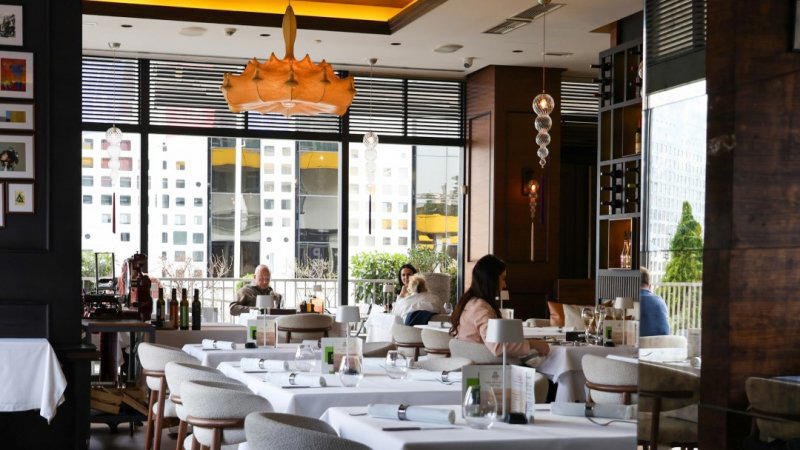
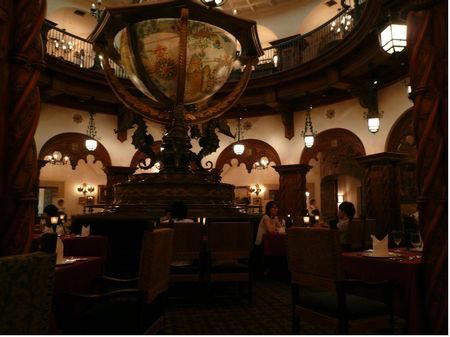
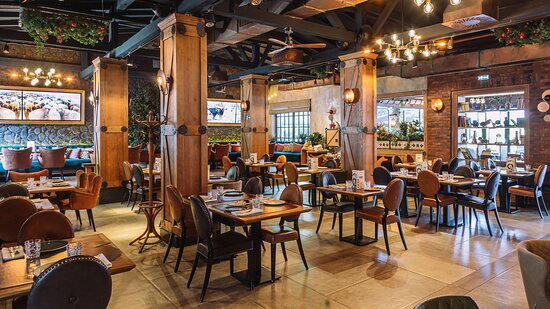
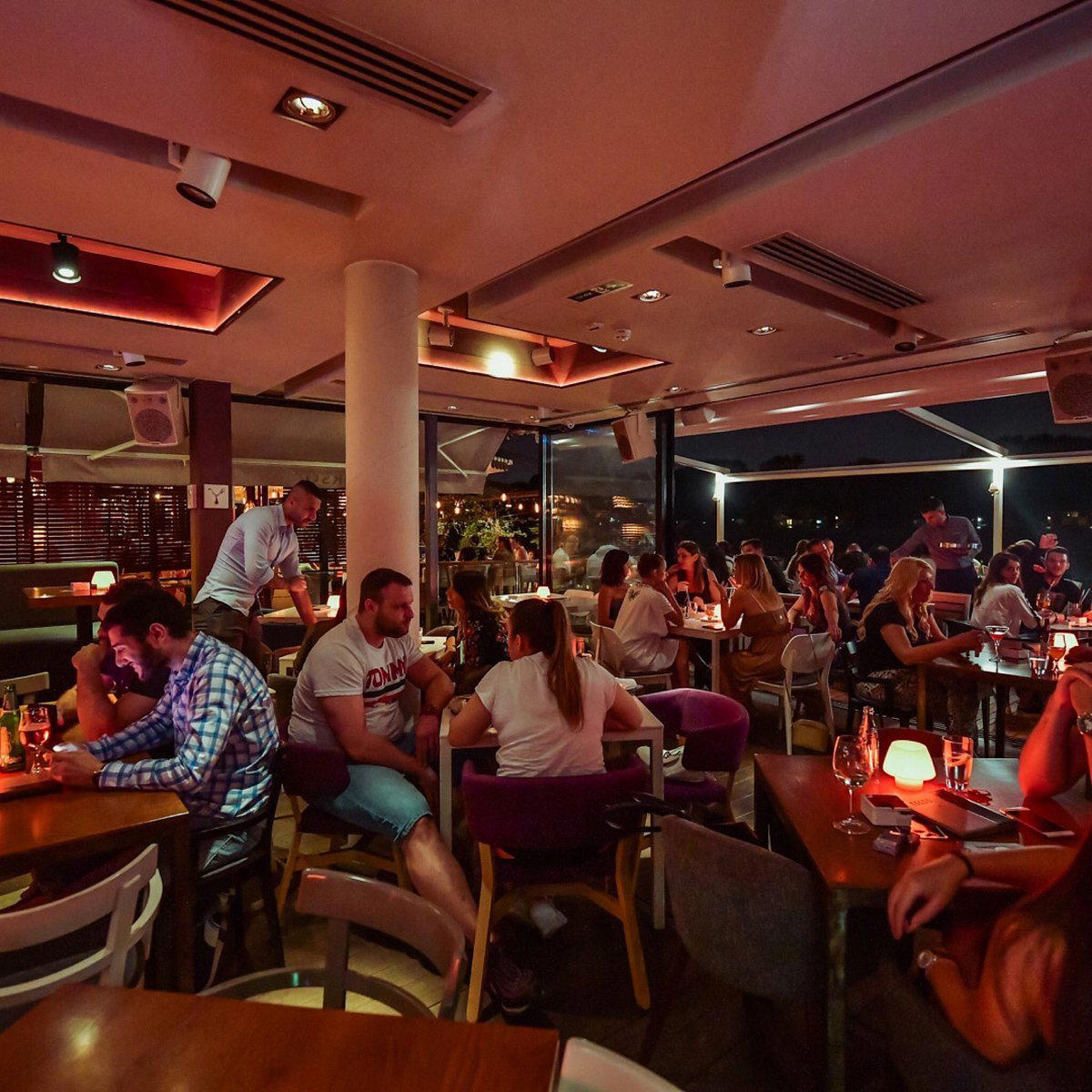
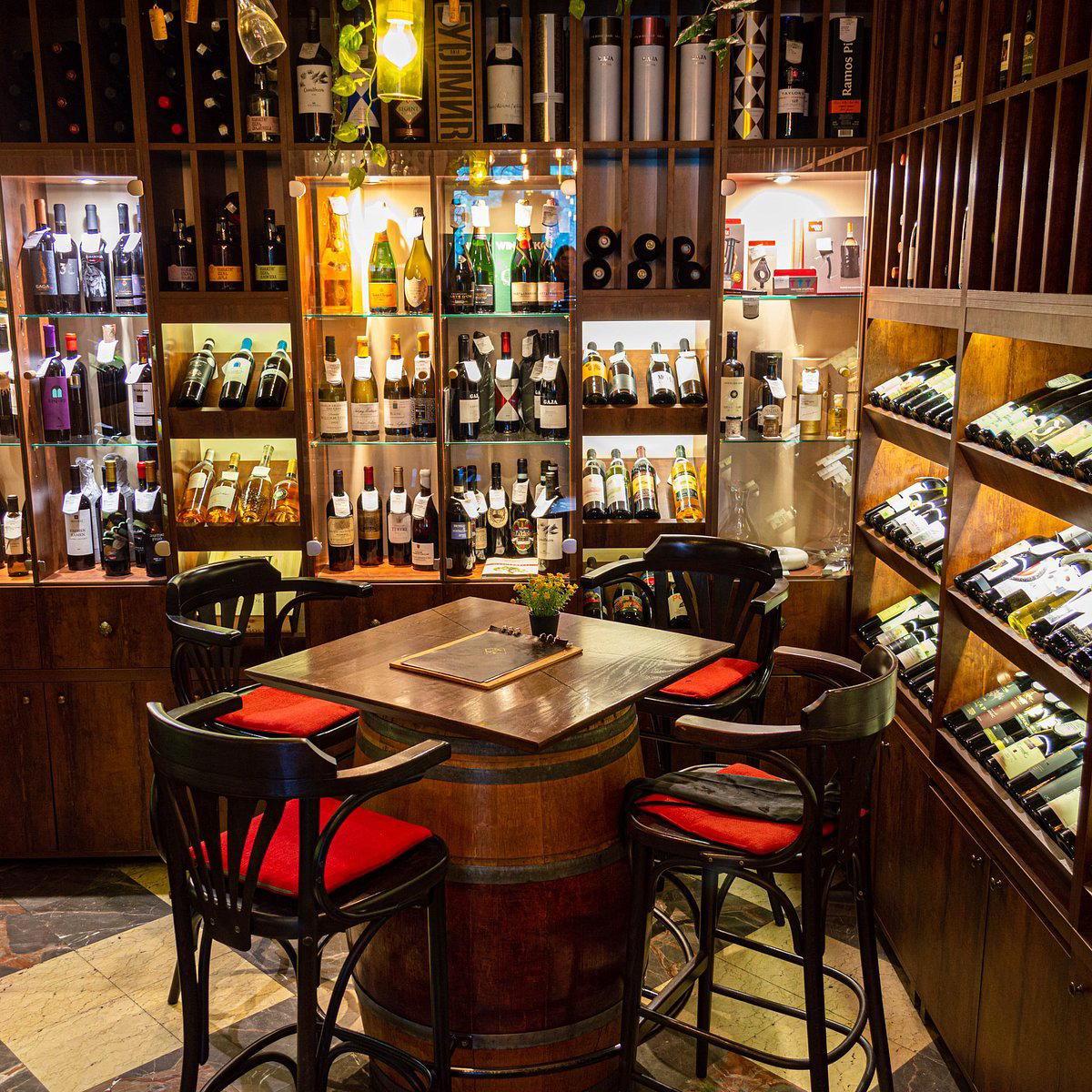
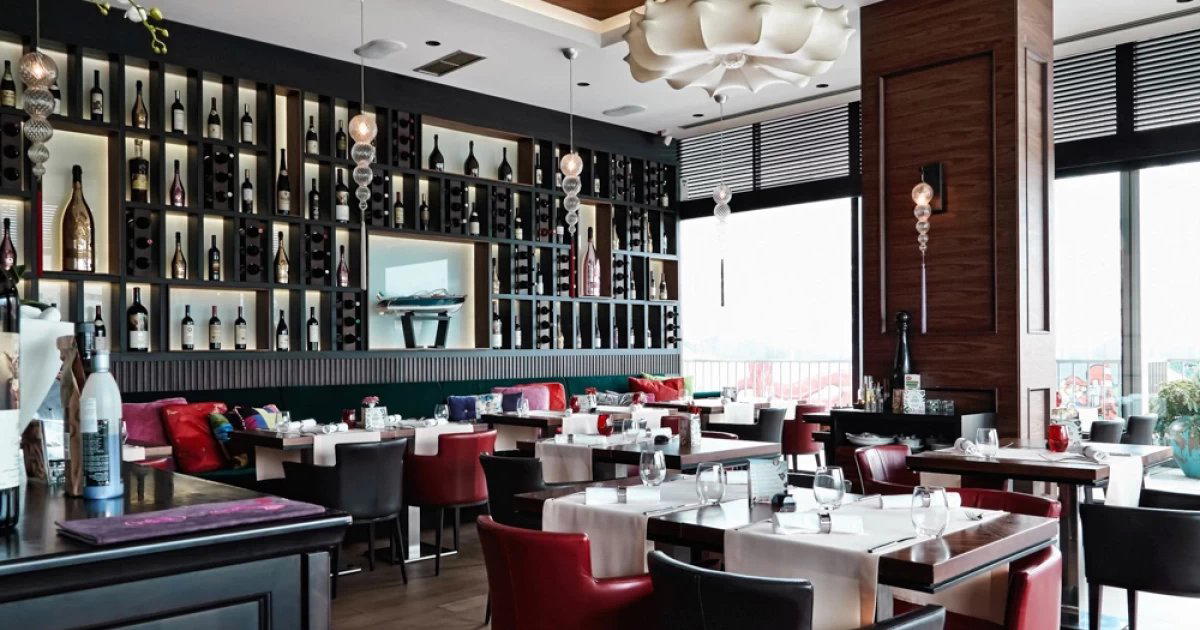
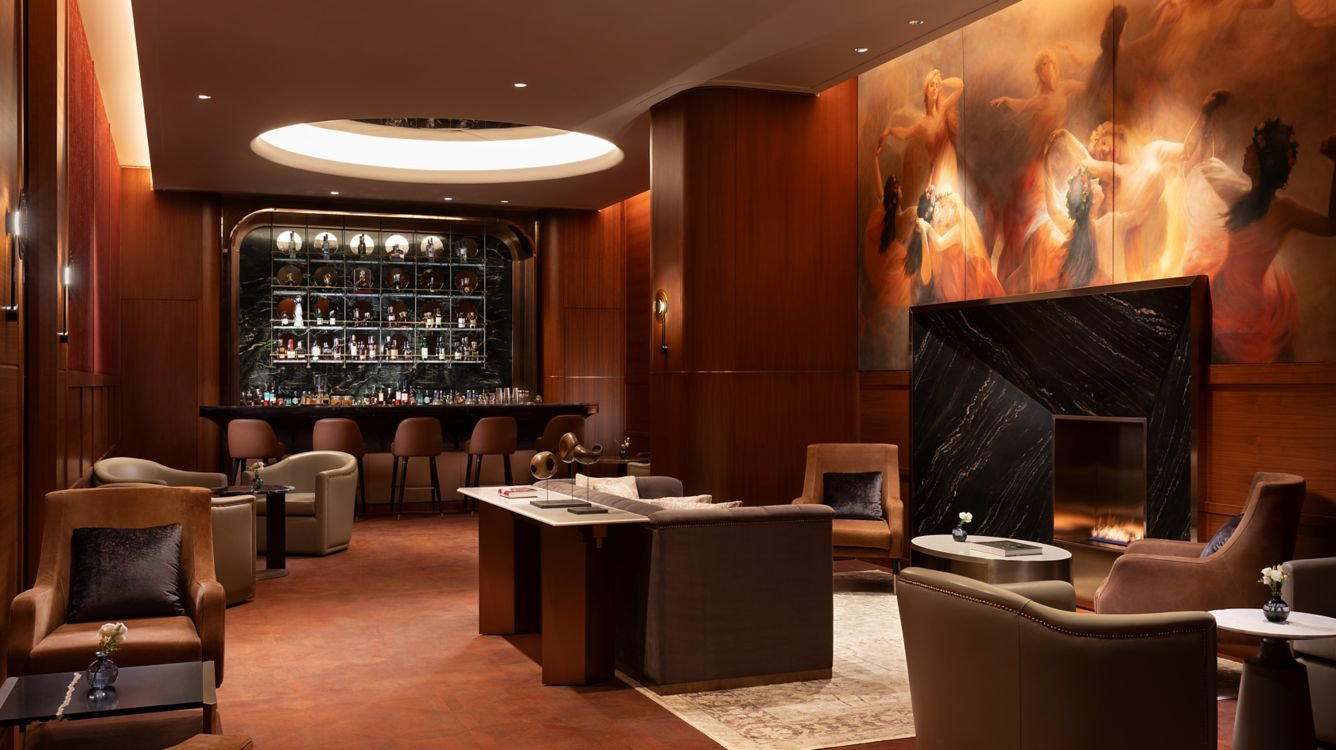
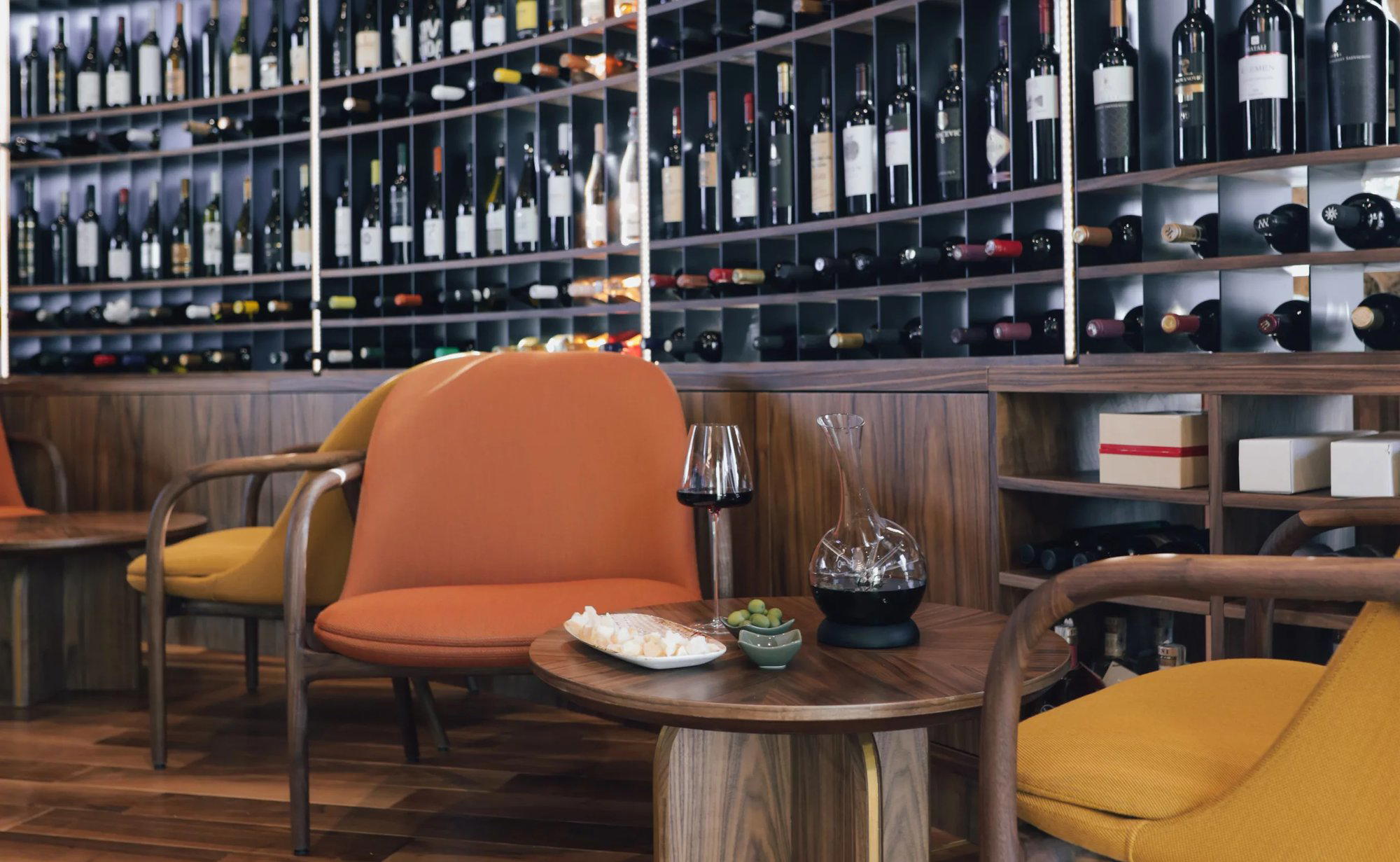
Well-designed interior with nice atmosphere, cozy setting that can get crowded.