A Trastevere-adjacent trattoria operating since 1931, Osteria dal 1931 sits on Via di Donna Olimpia in a neighbourhood where Roman dining has quietly evolved around it. The address places it outside the tourist circuit that dominates central Trastevere, drawing a local clientele that values continuity over novelty. For visitors seeking the rhythm of a working Roman neighbourhood osteria, this is a practical and historically grounded option.
Pearl is the En Primeur Club membership app — saves, bookings, and concierge access live there. Same editors, same standards.
- Address
- Via di Donna Olimpia, 44, 00152 Roma RM, Italy
- Phone
- +39 06 537 0032
- Website
- osteriadal1931.com
- Directions
- Get directions
 Saves & bookings on Pearl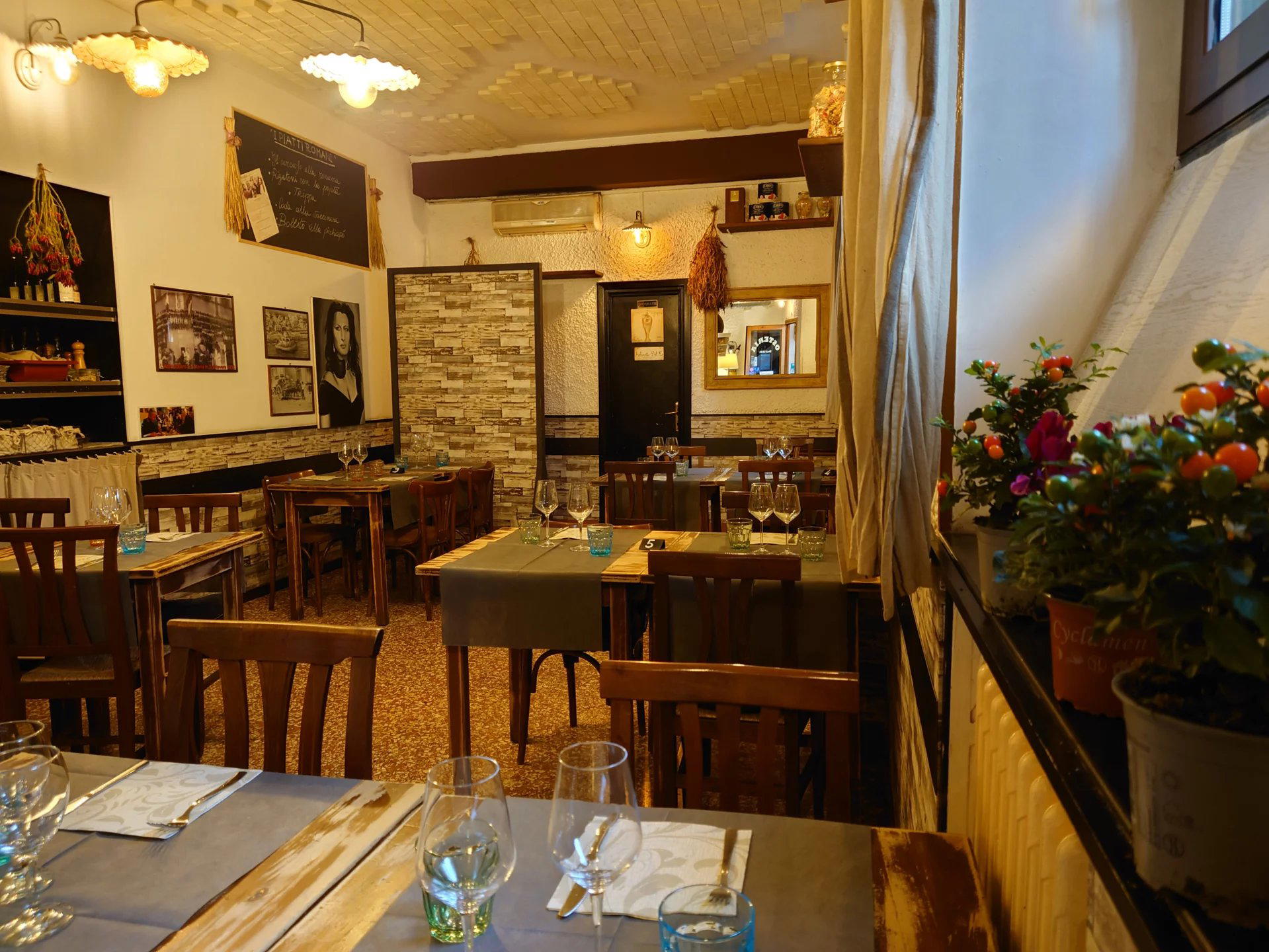
Via di Donna Olimpia and the Slow Persistence of the Roman Osteria
The stretch of Via di Donna Olimpia that runs through the Gianicolense quarter is not where most visitors to Rome think to eat. Trastevere, a few minutes south, absorbs the bulk of tourist attention, while the Prati neighbourhood pulls the business-lunch crowd to the north. Between these poles, a band of residential Rome carries on with the kind of dining that once defined the city before the Michelin circuit reshaped expectations: small rooms, fixed habits, and a menu anchored in what the Roman kitchen has always produced. Osteria dal 1931 has operated in this band for over nine decades, making it one of the longer-tenured addresses in a city that periodically dismantles and reinvents its restaurant stock.
The longevity itself is editorial context. Rome's restaurant scene has undergone significant stratification since the 1990s. At the upper end, addresses like La Pergola and Il Pagliaccio compete on the same creative terms as comparable European fine-dining destinations, running tasting menus with international wine lists and reservation windows that stretch months out. Creative Italian formats have found a foothold too, with places like Acquolina, Enoteca La Torre, and Achilli al Parlamento each staking distinct positions in the contemporary tier. The osteria format, by contrast, has neither chased that evolution nor disappeared. It has simply remained, adapting at the margins while the core proposition, Roman cooking, table wine, a bill that does not require negotiation, stays intact.
Nine Decades of Reinvention Without Rebranding
What separates a place that has operated since 1931 from mere survival is the question of how it has changed. Italian osterias in residential Rome have historically absorbed pressure in two directions: rising ingredient costs that push operators toward cheaper sourcing, and a tourist economy that rewards visibility over fidelity. The addresses that have held their local clientele through this pressure are the ones that recalibrated slowly, adjusting the room or the menu without abandoning the logic that built the original customer base.
The 1931 founding date places the osteria in a particular historical frame. Pre-war Roman dining at this level was organised around cucina povera principles: offal cuts, dried pasta, seasonal vegetables, and the kind of preparations that made economical ingredients worth eating. The decades that followed brought prosperity, which in Rome's osteria circuit meant the gradual introduction of better cuts, broader wine selections, and eventually the kind of specials board that could accommodate supply fluctuations without altering the printed menu. This slow accumulation of small changes is how traditional Italian restaurants evolve, in contrast to the sharper pivots visible in the creative Italian tier represented by Reale in Castel di Sangro or Piazza Duomo in Alba, where reinvention is explicit and documented.
The contrast extends to how these establishments handle their own histories. Tasting-menu restaurants tend to narrate evolution as a series of deliberate intellectual moves. Osterias like this one absorb change without announcement, which makes them harder to write about but more representative of how most Italian cooking actually transmits across generations. The same dynamic plays out at Dal Pescatore in Runate, a family-run institution that has held three Michelin stars while maintaining continuity of approach across multiple generations.
The Gianicolense Address as a Category Signal
Rome dining hierarchy increasingly sorts by neighbourhood as much as by format. Central addresses in the historic centre command premiums that have less to do with cooking quality and more to do with proximity to tourist accommodation. The Gianicolense quarter, where Via di Donna Olimpia runs, is a working residential zone with a strong local commercial strip. Restaurants here price against a local customer who commutes, not a visitor with a two-night budget. That pricing logic has preserved a category of Roman eating that has become genuinely difficult to locate in the more-trafficked quarters.
Address is reachable from central Rome by tram or bus, and the walk from Trastevere's northern edge takes under fifteen minutes. That proximity to Trastevere matters: visitors who have already budgeted time in that neighbourhood can extend into Via di Donna Olimpia without significant logistical effort, and the contrast between Trastevere's current tourist density and the quieter residential character of Gianicolense is itself worth the short detour.
Where Osteria dal 1931 Sits in the Broader Italian Dining Conversation
To calibrate expectations correctly, it helps to think about what the Roman trattoria and osteria formats represent in the national conversation. Italy's most discussed restaurant addresses in the international press tend to cluster around creative or fine-dining formats: Osteria Francescana in Modena, Enoteca Pinchiorri in Florence, Enrico Bartolini in Milan, or coastal destination tables like Uliassi in Senigallia and Quattro Passi in Marina del Cantone. These are the addresses that generate international press, attract destination diners, and drive awards recognition.
The residential Roman osteria operates entirely outside that circuit. Its validation comes from repeat local custom, neighbourhood reputation, and the kind of word-of-mouth that functions without social media amplification. This is not a lesser form of success; it is a different one, oriented toward a different reader. The visitor who has already booked Le Calandre in Rubano or Atelier Moessmer Norbert Niederkofler in Brunico for the high-wire moments of a trip to Italy and wants something grounded and unperformative for the evenings in between will find the osteria format the more appropriate frame. For international visitors whose entire Rome experience is structured around restaurant theatre, this is a recalibration, not a destination.
Booking at this category of Roman address is generally less fraught than at the creative-tier restaurants. Tables at Osteria dal 1931 are not typically allocated months in advance; the local clientele that supports these addresses tends to walk in or call the same week. However, as residential Roman osterias attract more coverage in international travel media, this pattern is shifting, and weekend evenings particularly can fill without notice. Arriving without a reservation on a Tuesday is a reasonable risk; Saturday dinner without advance contact is less so. For those planning around Rome's full dining range, the EP Club Rome restaurants guide maps the city's options across formats and price points.
For international readers who want a comparison outside Italy, the osteria format shares structural logic with certain American community-restaurant models, though the cooking traditions diverge sharply. Lazy Bear in San Francisco or Le Bernardin in New York City represent opposite poles of the formality spectrum, which underscores how narrow the osteria's particular register actually is: unhurried, vernacular, oriented toward the neighbourhood rather than the destination diner.
Planning a Visit
Via di Donna Olimpia 44 places the osteria in a quiet residential block in the Gianicolense district of Rome's Municipio I. The practical details available for this address are limited: phone and website information is not currently confirmed in public records, and hours should be verified through local sources or on arrival, as Italian residential osterias frequently adjust schedules seasonally. Reservations are recommended.
Standing Among Peers
Comparable venues nearby, for context on price, style, and recognition.
| Venue | Cuisine | Price | Notes |
|---|---|---|---|
| Osteria dal 1931This venue — the venue you are viewing | Traditional Roman Osteria | $$ | Not listed |
| Arso Trattoria Moderna | Traditional Roman Trattoria | $$ | .null |
| Da Benito e Gilberto | Italian Seafood | $$ | Borgo |
| Nuraghe Sardo | Authentic Sardinian Seafood | $$ | Monte Mario |
| Propaganda Italian Cuisine | Modern Italian Trattoria | $$ | Celio |
| Trattoria Monti | Le Marche Trattoria | $$ | Esquilino |
Continue exploring
More in Rome
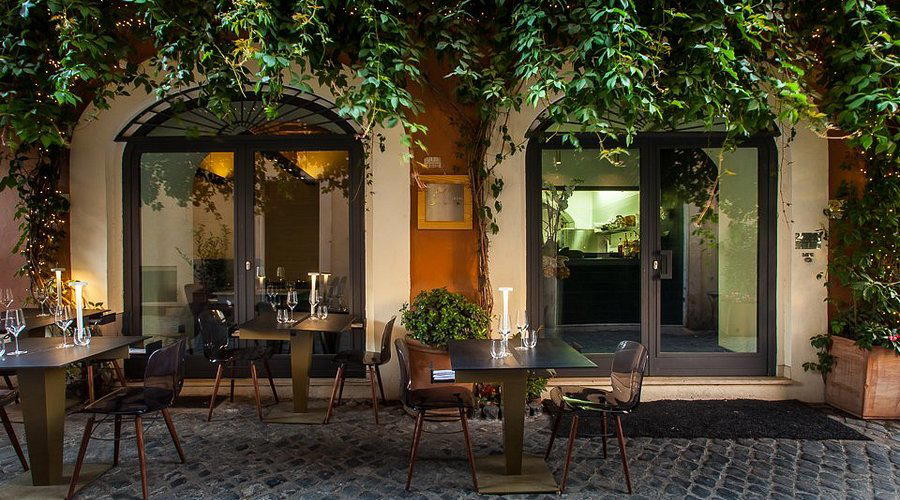
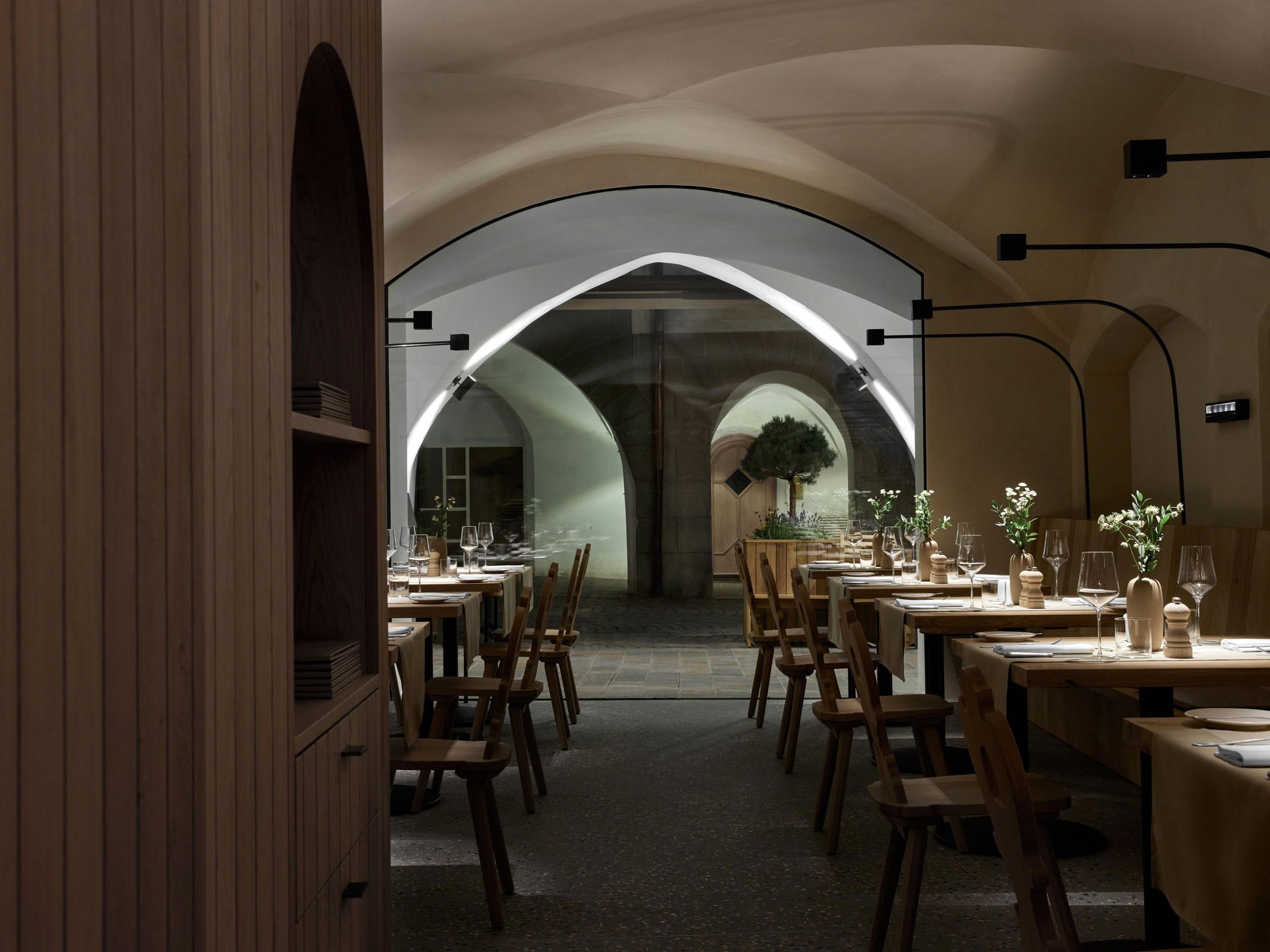
Restaurants in Rome
Browse all →
Bars in Rome
Browse all →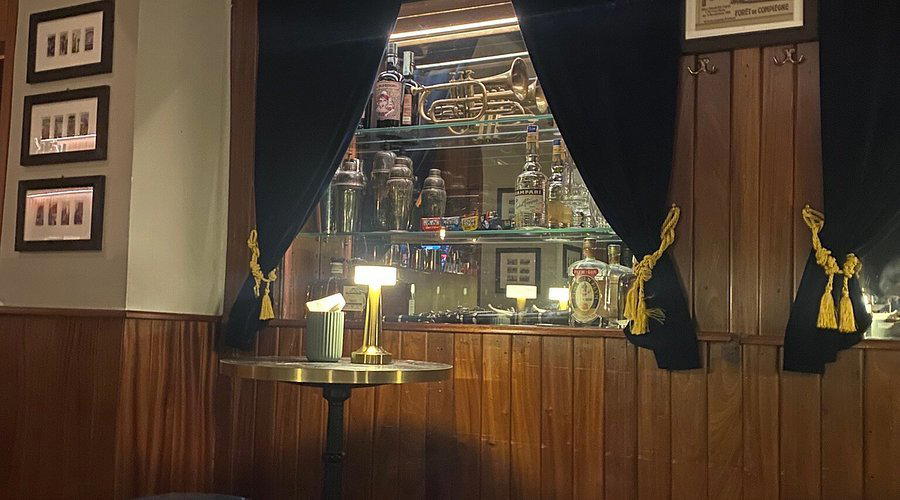
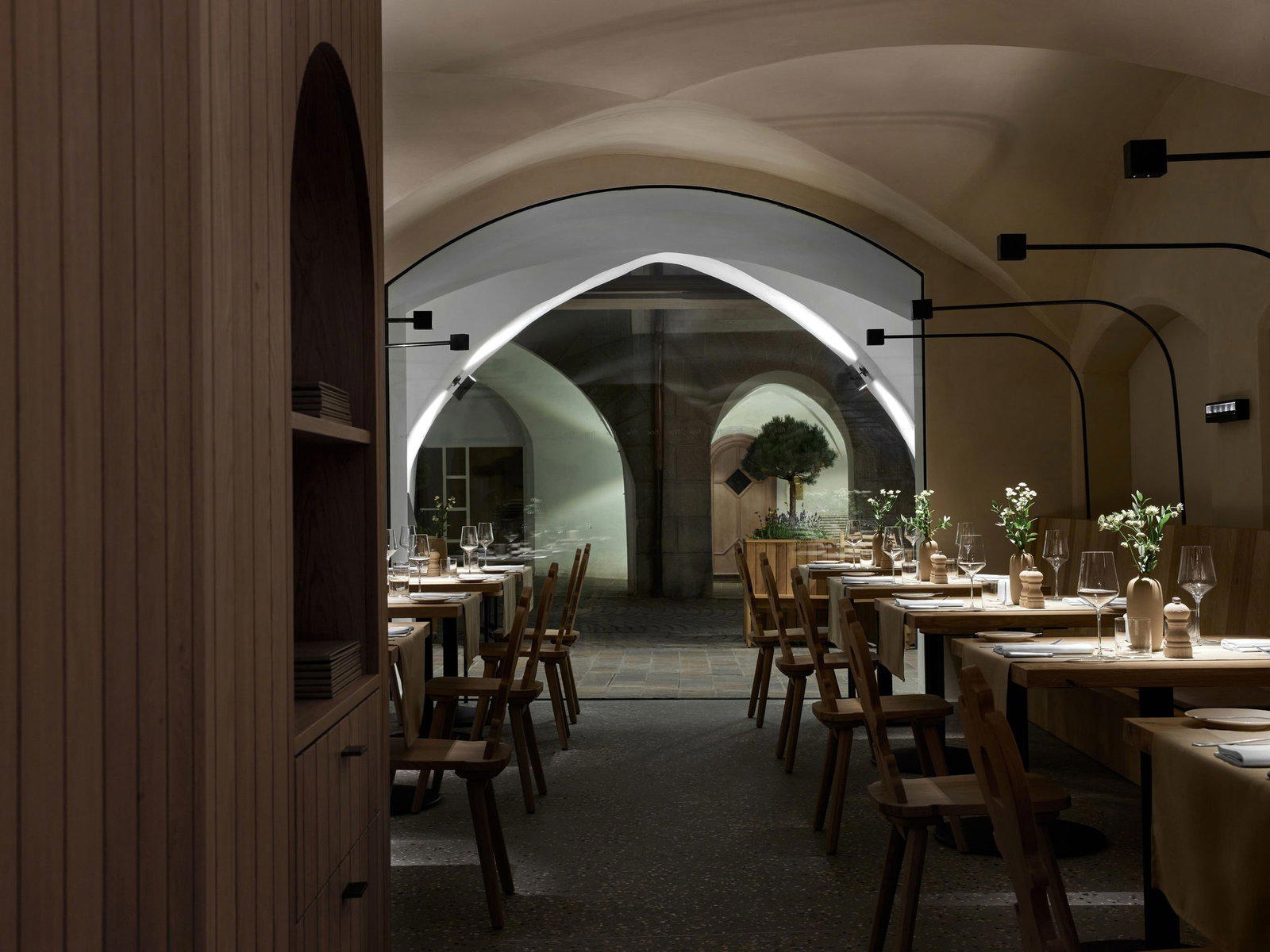
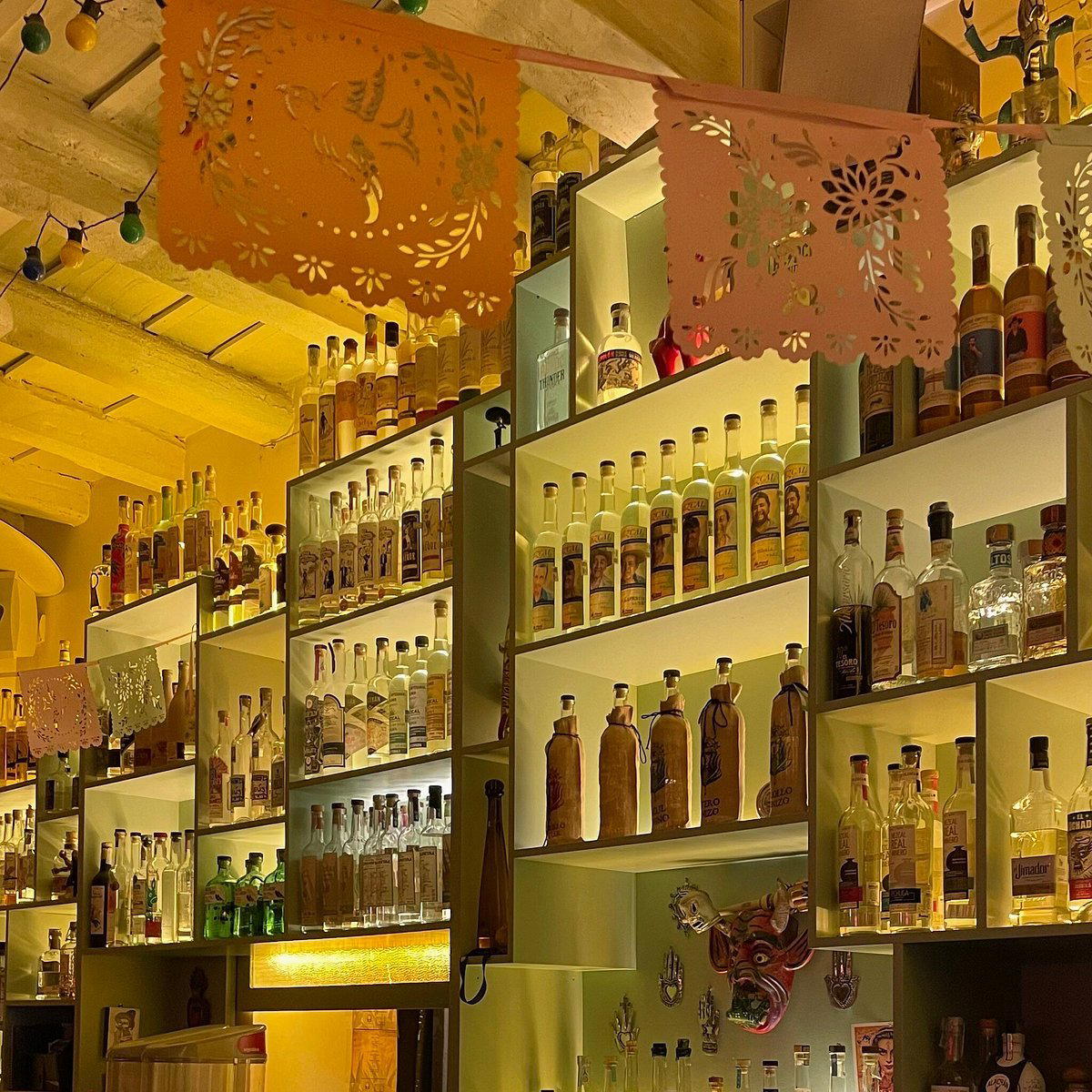
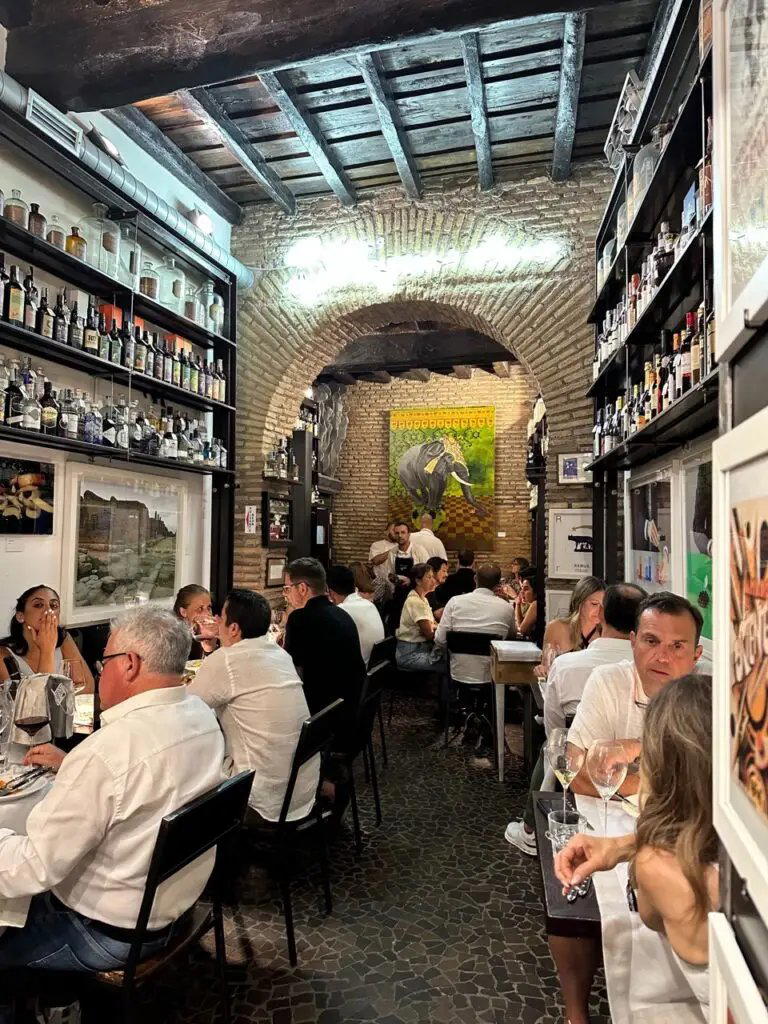
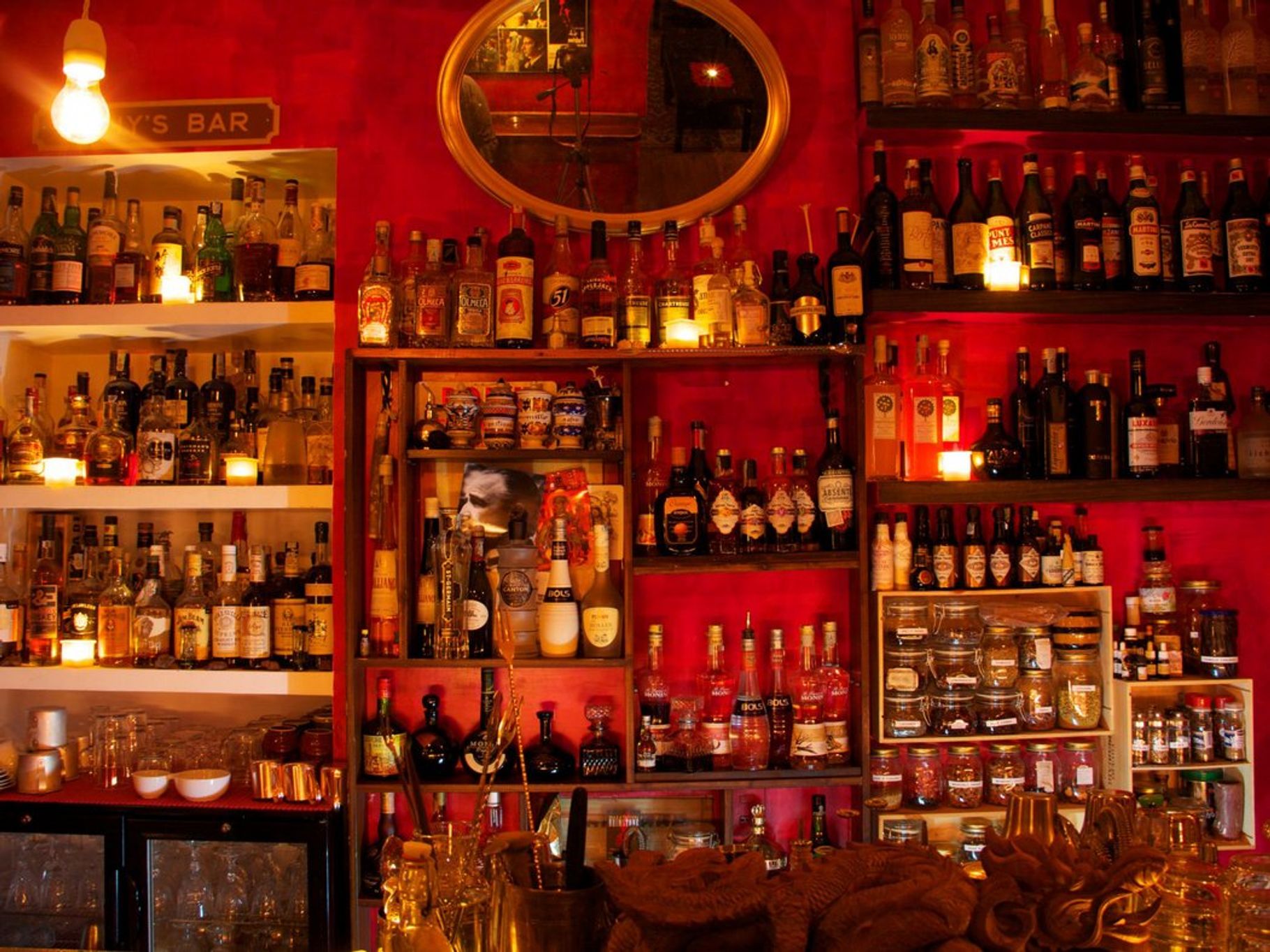
Hotels in Rome
Browse all →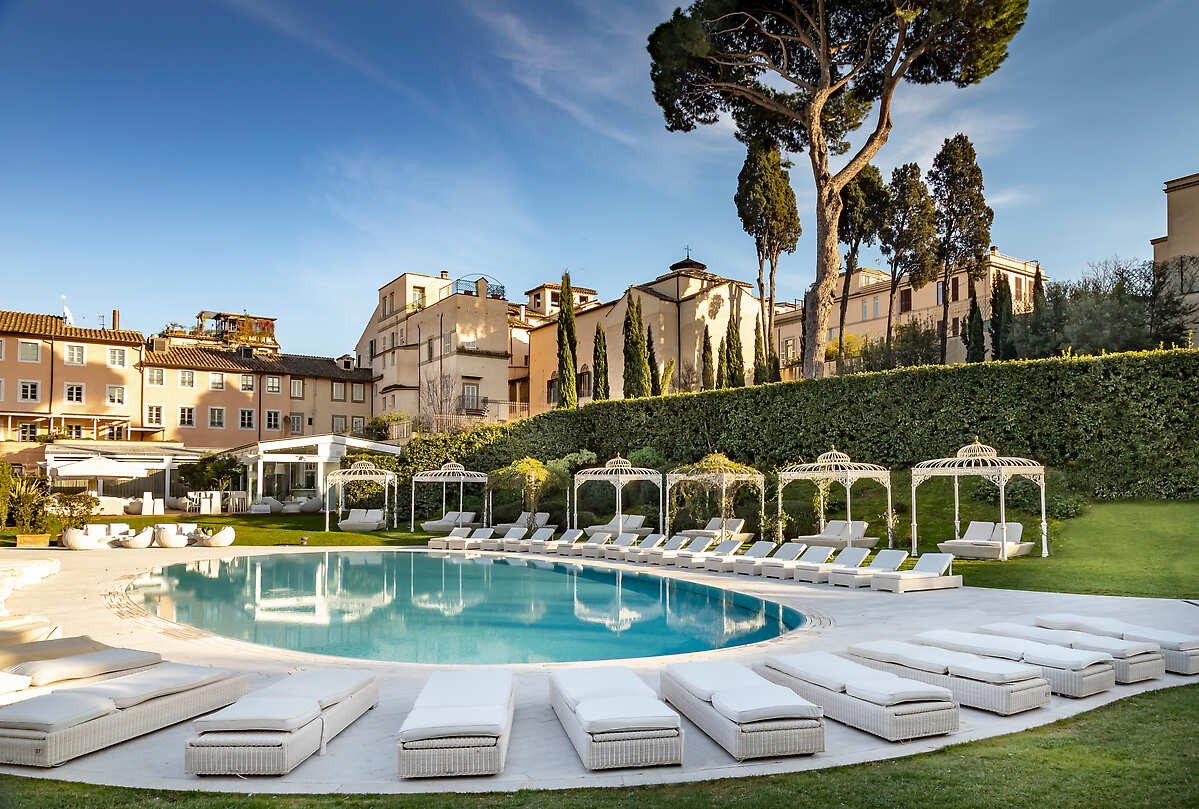


At a Glance
- Classic
- Rustic
- Cozy
- Date Night
- Family
- Special Occasion
- Historic Building
Current opening hours
- Monday
- 12–3 PM, 7–11 PM
- Tuesday
- 12–3 PM, 7–11 PM
- Wednesday
- 12–3 PM, 7–11 PM
- Thursday
- 12–3 PM, 7–11 PM
- Friday
- 12–3 PM, 7–11 PM
- Saturday
- 12–3 PM, 7–11 PM
- Sunday
- 12–3 PM, 7–11 PM
Hours can change for holidays and private events. Last verified .
Cozy and welcoming with unfussy, timeless atmosphere evoking old-school Rome.