Sardinian cooking in Rome occupies a particular niche: distinct from the capital's pasta-and-offal canon, drawing on island products that rarely cross the water. Nuraghe Sardo, on Viale delle Medaglie d'Oro in the Prati-adjacent Medaglie d'Oro quarter, represents that tradition in a neighbourhood where serious regional dining sits alongside everyday Roman trattorie.
Pearl is the En Primeur Club membership app — saves, bookings, and concierge access live there. Same editors, same standards.
- Address
- Viale delle Medaglie d'Oro, 50 A, 00136 Roma RM, Italy
- Phone
- +39639736584
- Website
- opentable.com
- Directions
- Get directions
 Saves & bookings on Pearl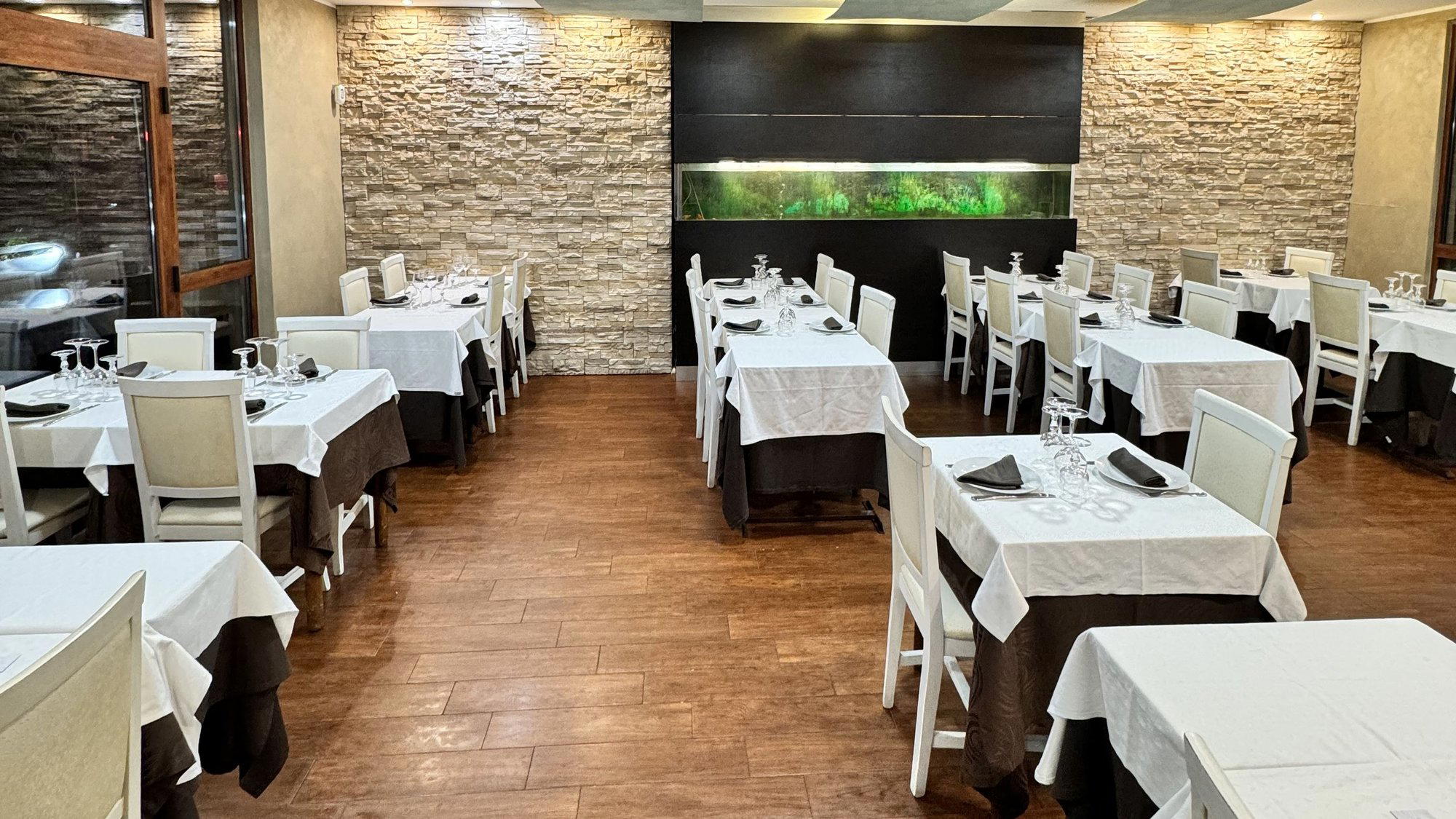
Sardinian Cooking in Rome: A Different Register
Rome's dining identity is built on a tight canon: cacio e pepe, coda alla vaccinara, supplì, and the offal traditions of Testaccio. That canon is well-defended and, at its leading, rigorously executed. But the city has long hosted a parallel track of regional Italian cooking that operates outside it, and Sardinian restaurants form one of the more coherent strands of that tradition. The island's cuisine draws on ingredients and techniques that have almost no overlap with Roman convention: bottarga aged from grey mullet roe, pane carasau flatbread, pecorino sardo, myrtle-scented preparations, suckling pig roasted over open fire. When those products arrive in Rome with kitchen discipline behind them, the result is a cooking register that requires the diner to recalibrate expectations entirely.
Nuraghe Sardo sits on Viale delle Medaglie d'Oro in the Medaglie d'Oro quarter, northwest of the Tiber, in a residential stretch that sits beyond the main tourist circuit. The area is not without serious eating: the neighbourhood feeds a local population of professionals and families who eat out regularly and have clear expectations for quality. That context matters. Restaurants in this part of Rome succeed or fail on repeat custom, not on foot traffic from the centro storico, which tends to select for a higher standard of consistent delivery over headline novelty.
Island Ingredients in a Continental Kitchen
The editorial angle worth pursuing with Sardinian cooking in Rome is precisely the tension between indigenous products and continental technique. Sardinia's pantry is specific: bottarga from Cabras, the flatbreads, the dense pecorino variants, the porcetto (suckling pig) roasted with myrtle, the fregola pasta that absorbs broth like a coarser cous cous. These are not interchangeable with mainland Italian equivalents, and a kitchen that handles them with seriousness will source them distinctly rather than substitute. The question any informed diner brings to a Sardinian restaurant on the mainland is whether the island supply chain is intact or approximate.
That tension between sourcing fidelity and geographic displacement puts Sardinian restaurants in Rome in the same category as Sicilian kitchens in Milan or Neapolitan pizzerie in Turin: the credibility of the cooking rests substantially on whether the products are genuine. Across Italy, particularly discussed addresses working with regional-specific ingredients and technique include Uliassi in Senigallia, where Adriatic product specificity drives a three-Michelin-star program, and Reale in Castel di Sangro, where Abruzzo's mountain larder informs a deeply regional fine-dining approach. Neither is analogous to Nuraghe Sardo's register, but both illustrate how Italian cooking's regional specificity, when taken seriously, produces something categorically different from generic Italian.
The Medaglie d'Oro Quarter: What the Location Signals
Viale delle Medaglie d'Oro is a long residential artery in the Trionfale-Monte Mario zone, running north from the Vatican walls toward the Balduina neighbourhood. It is not a dining destination in the way that Testaccio or Pigneto attract visiting food writers, but that is partly the point. The density of neighbourhood restaurants here reflects a dining culture driven by locals rather than algorithms. For a Sardinian specialist, the address also carries a practical logic: the community in this part of Rome includes a meaningful number of Sardinian-origin residents, which historically supported a cluster of regional restaurants and shops supplying island products. That local constituency is a different demand signal than tourist demand, and it has implications for both menu fidelity and pricing.
Rome's higher-end contemporary Italian scene concentrates mostly south and east of here: La Pergola holds the city's only three Michelin stars, while Il Pagliaccio, Acquolina, Enoteca La Torre, and Achilli al Parlamento anchor the creative and contemporary Italian tier. Nuraghe Sardo does not compete with that cohort. Its competition is the broader category of serious regional Italian restaurants serving an informed neighbourhood audience.
How Sardinian Cooking Compares Across Italy's Regional Diaspora
The strongest Sardinian restaurants on the mainland tend to cluster in cities with established Sardinian migrant communities: Genoa, Turin, and parts of Rome among them. The format, when handled well, typically anchors on a core of traditional preparations executed with the correct ingredients, rather than attempting to translate island cuisine into a contemporary fine-dining idiom. The latter approach, which restaurants like Piazza Duomo in Alba or Osteria Francescana in Modena have demonstrated with their respective regional traditions, requires both the technical apparatus of a modern kitchen and deep command of the source ingredients. For most neighbourhood-level regional specialists, the more defensible position is fidelity over innovation: getting the bottarga right, cooking the porcetto at the correct temperature over the correct wood, achieving the right texture in fregola without over-absorbing the broth.
Internationally, the challenge of transplanting a coastal or island cuisine into a major city has been addressed at different scales: Le Bernardin in New York City built its reputation on French seafood technique applied with notable product sourcing, while Atomix in New York City demonstrates how Korean culinary tradition can be reconsidered through a fine-dining framework without losing its identity. Neither model maps directly onto a Sardinian trattoria in Rome, but the underlying logic applies: the integrity of the transplanted cuisine rests on sourcing discipline and technical honesty.
Planning a Visit
The restaurant is located at Viale delle Medaglie d'Oro, 50 A, in the 00136 postcode, accessible by tram or bus from the Vatican and Prati districts. For a neighbourhood restaurant of this type in Rome, contacting the venue directly ahead of a visit is advisable, particularly for weekend evenings, when local demand competes with any walk-in capacity. Diners with dietary requirements or allergies should communicate those directly when booking, as kitchens at this scale typically handle substitutions on a case-by-case basis rather than through a standardised process.
The Short List
Comparable venues nearby, for context on price, style, and recognition.
| Venue | Cuisine | Price |
|---|---|---|
| Nuraghe SardoThis venue — the venue you are viewing | Monte Mario, Authentic Sardinian Seafood | $$ |
| Ristorante Pancrazio | Parione, Traditional Roman Trattoria | $$ |
| Osteria dal 1931 | Gianicolese, Traditional Roman Osteria | $$ |
| Rifugio Romano | Castro Pretorio, Vegan Roman Trattoria | $$ |
| San Biagio | Della Vittoria, Italian Pizza | $$ |
| Arte Bianca di Gabriele | Foro Italico, Roman Pizza al Taglio | $$ |
Continue exploring
More in Rome
Restaurants in Rome
Browse all →
Bars in Rome
Browse all →
Hotels in Rome
Browse all →

At a Glance
- Cozy
- Rustic
- Classic
- Family
- Date Night
- Casual Hangout
- Terrace
- Extensive Wine List
Current opening hours
- Monday
- Closed
- Tuesday
- 12:30–3 PM, 7:30–11:30 PM
- Wednesday
- 12:30–3 PM, 7:30–11:30 PM
- Thursday
- 12:30–3 PM, 7:30–11:30 PM
- Friday
- 12:30–3 PM, 7:30–11:30 PM
- Saturday
- 12:30–3 PM, 7:30–11:30 PM
- Sunday
- 12:30–3 PM, 7:30–11:30 PM
Hours can change for holidays and private events. Last verified .
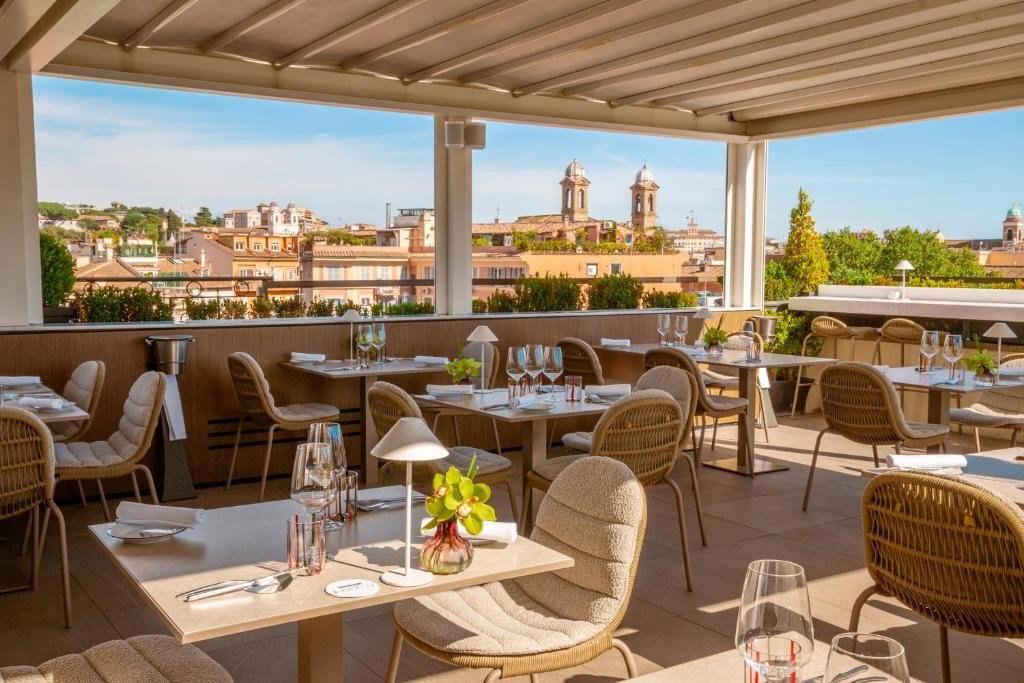
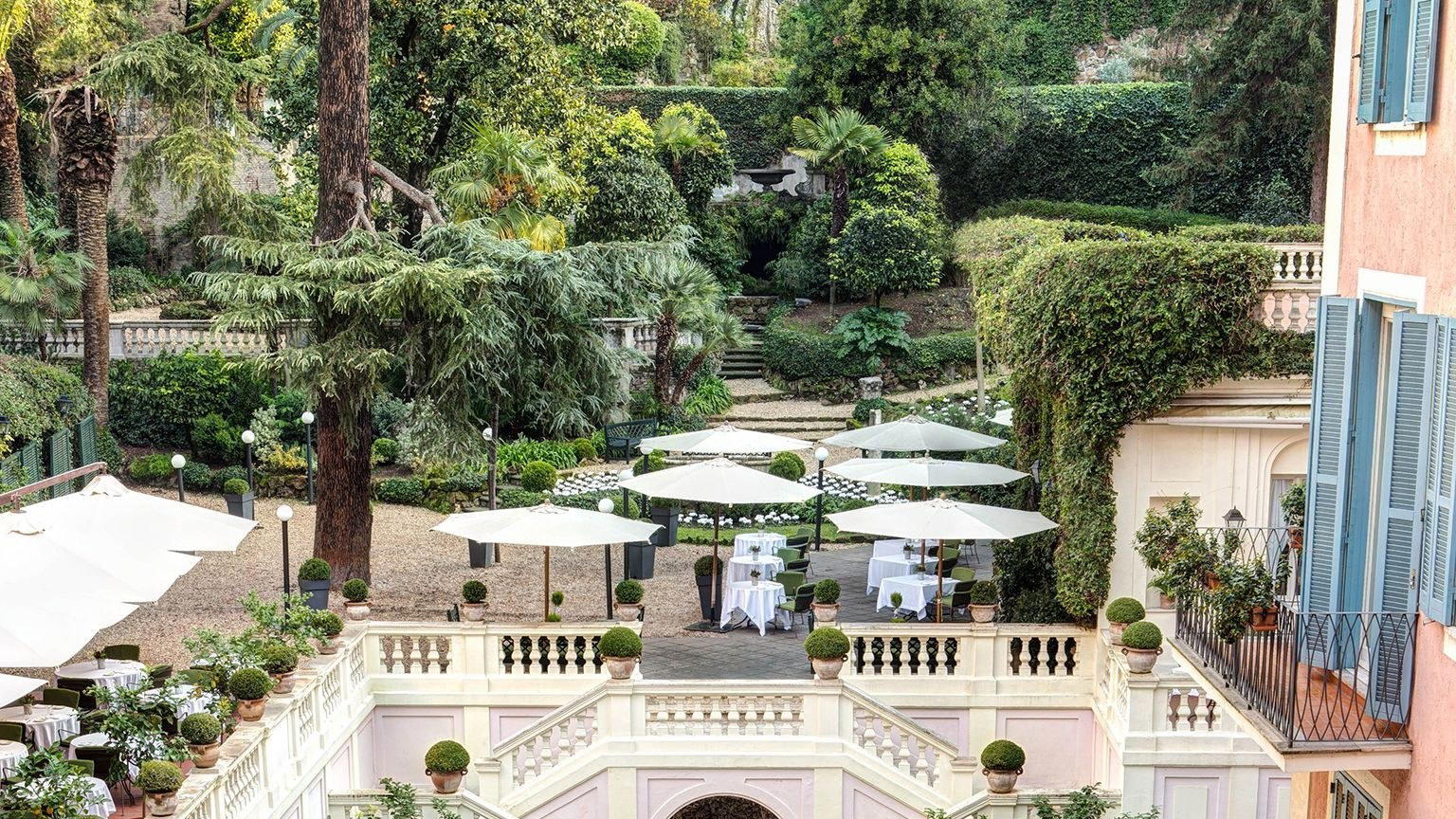
Cozy and welcoming neighborhood atmosphere with various rooms and a terrace, described as well-kept with tables at appropriate distances.