Positioned at the edge of the Rialto market on Campo San Giacomo di Rialto, Osteria Bancogiro operates in one of Venice's most historically loaded addresses. The kitchen draws on the Veneto's lagoon larder, placing it firmly in the mid-tier of Venetian dining where honest cicchetti culture meets a more considered wine list. For visitors seeking proximity to the market's morning rhythm without the formality of the city's grand-hotel dining rooms, it fills a specific gap.
Pearl is the En Primeur Club membership app — saves, bookings, and concierge access live there. Same editors, same standards.
- Address
- Campo S. Giacomo di Rialto, 122, 30125 Venezia VE, Italy
- Phone
- +39 041 523 2061
- Website
- osteriabancogiro.it
- Directions
- Get directions
 Saves & bookings on Pearl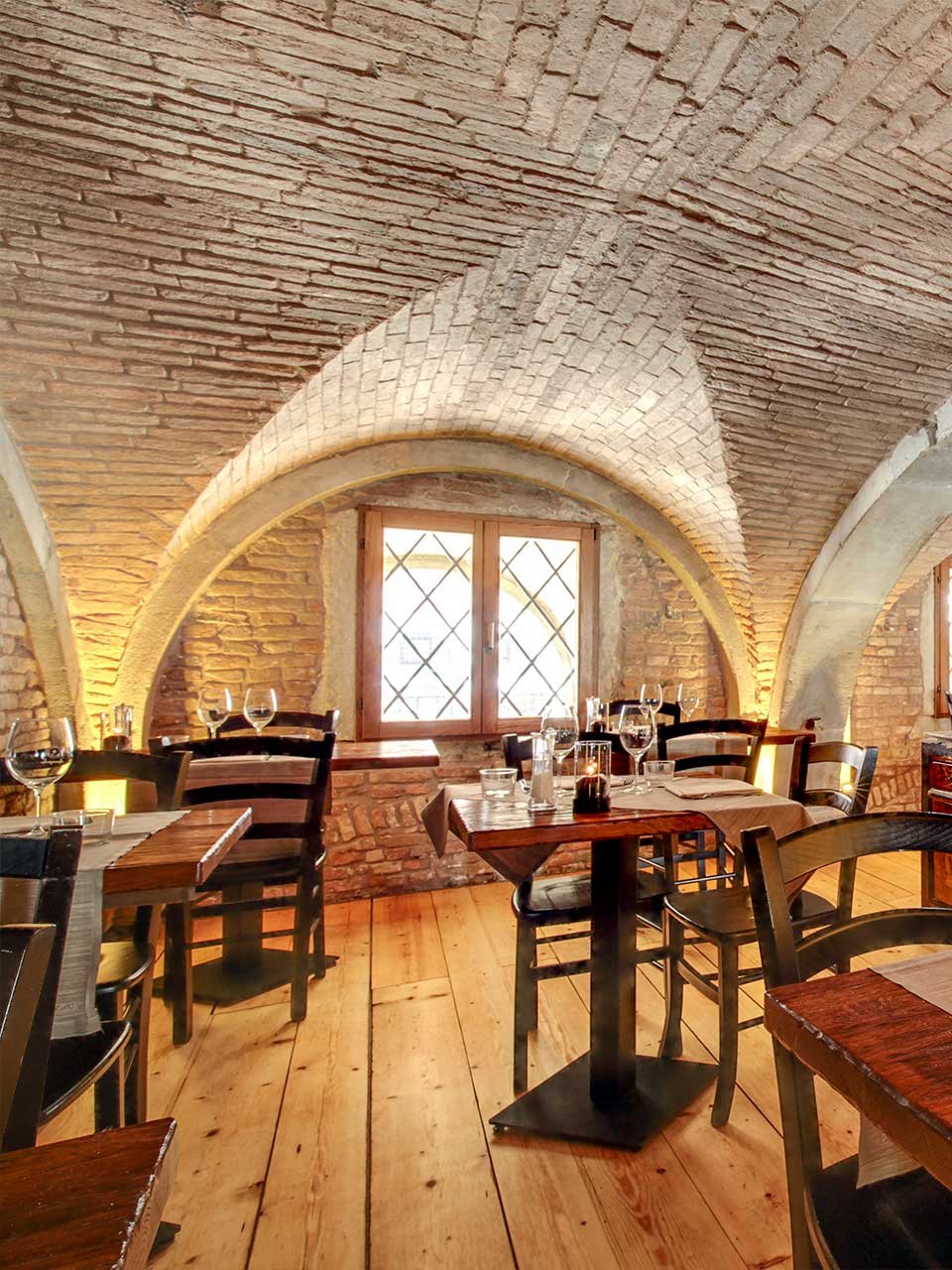
The Rialto Setting and What It Means
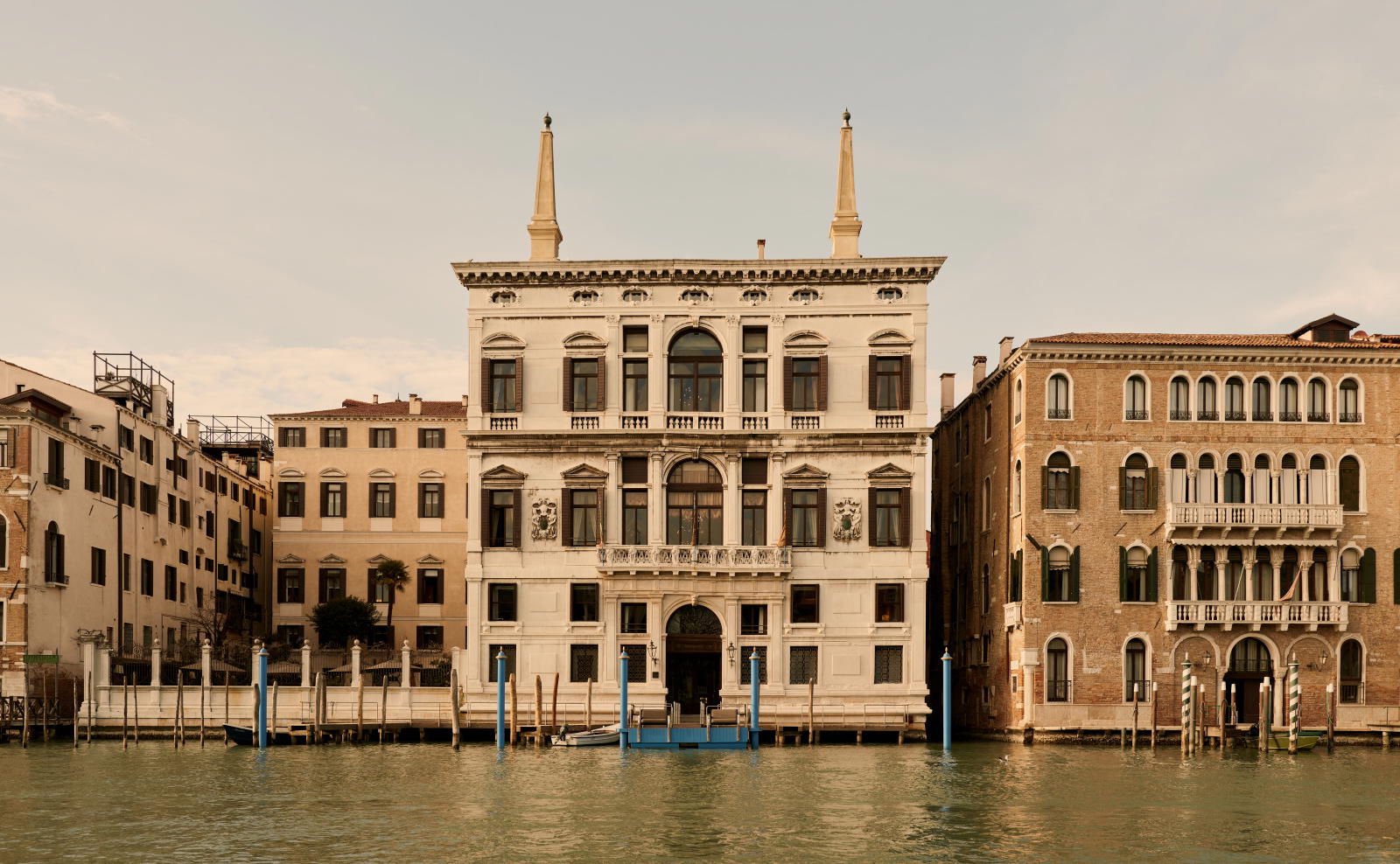
Campo San Giacomo di Rialto is not a quiet square. It sits at the commercial heart of Venice's oldest trading district, a few steps from the market stalls where fishmongers have sold the morning's lagoon catch for centuries. Arriving here, past the Gothic church of San Giacomo, under the arcades where merchants once settled accounts, the physical weight of the place is immediate. Any osteria operating on this campo inherits both the foot traffic and the culinary expectations that come with proximity to one of Italy's most storied produce markets. Osteria Bancogiro occupies that position, with canal-facing tables that look directly across the Grand Canal. The geography alone sets a context that no amount of interior design could manufacture.
Venice's dining scene ranges from bacaro snack counters to formal tasting-menu rooms at hotels like the Gritti or Cipriani. Bancogiro sits within that cluster, in the company of places like Local, which takes a contemporary Italian approach at the higher end of the price range, and Osteria alle Testiere, which operates a tightly booked, strictly Venetian format in Castello. The competitive set is distinct from the grand-hotel dining represented by Oro Restaurant or the formal modern cuisine at Ristorante Quadri on Piazza San Marco, and equally distinct from the creative ambition of Glam Restaurant by Enrico Bartolini.
The Meal as It Unfolds
The Venetian osteria format has its own internal logic, one shaped by the city's position as a historic port and its dependence on the lagoon. A meal progresses differently here than in a Florentine trattoria or a Roman osteria. The opening registers are lighter, built around small plates and the cicchetti tradition, crostini with baccalà mantecato, or a plate of sarde in saor, the sweet-and-sour sardine preparation that has been part of the Veneto kitchen since the medieval spice trade made raisins and pine nuts a pantry staple. These aren't appetisers in the French sense; they're a distinct culinary register, descended from the snacking culture of the Rialto workers who needed to eat standing at a counter between transactions.
From there, the meal typically moves toward the pasta course. Bigoli in salsa, thick whole-wheat spaghetti with a sauce of onions and salted anchovies, is a preparation almost exclusive to the Veneto, and its absence or presence on a Venetian menu functions as a rough signal of a kitchen's orientation. The middle of the meal, at an osteria close to the Rialto fish market, naturally gravitates toward what arrived that morning: branzino from the lagoon, canestrelli (small scallops), or the various cuttlefish preparations that colour risotto and pasta alike with their ink. It draws from a tightly bounded geography.
The close of a meal at a canal-side table on the Grand Canal in late afternoon, when the vaporetto wash rocks gondolas and the light off the water diffuses into the stone of the opposite bank, is one of those Venetian experiences that has as much to do with timing as with food. Dessert in the Venetian tradition tends toward restraint, a glass of grappa, a tiramisù whose origins the Veneto claims loudly, or a plate of fritole during carnival season. The meal ends quietly as the city carries on around it.
Venice's Dining Context: Where Bancogiro Fits
Italian dining at the highest level of ambition is documented elsewhere in the country. The progression from Osteria Francescana in Modena to Piazza Duomo in Alba or Le Calandre in Rubano defines one tier of the country's restaurant culture. Venice contributes to that picture through venues like Wistèria, which occupies the contemporary end of the city's spectrum. Bancogiro operates in a different register entirely, closer in spirit to the working osteria tradition than to the progression of a composed tasting menu. That's not a limitation; it's a category choice with its own internal standards.
The wine list at an osteria near the Rialto typically anchors to the Veneto: Soave, Amarone, and Valpolicella. The regional logic is coherent. Venetian food and Veneto wine developed alongside each other over centuries, and the pairing of a lagoon fish dish with a mineral-edged Soave Classico reflects something more than convention. Venues further along Italy's Adriatic coast, like Uliassi in Senigallia, have taken the Italian seafood format to its highest technical register. Bancogiro's value proposition is different: it's the argument for proximity, for eating the fish where it was caught, in a square shaped by centuries of market trade.
For context on how Venice's dining culture compares with other Italian coastal traditions, Quattro Passi in Marina del Cantone and Dal Pescatore in Runate represent the kind of long-established Italian restaurant seriousness that earns multi-generational loyalty. At the opposite end of format ambition, Reale in Castel di Sangro or Atelier Moessmer Norbert Niederkofler in Brunico define what Italian cuisine looks like when filtered through a contemporary fine-dining framework. Bancogiro belongs to neither of those poles. It belongs to the middle ground that most visitors to Venice actually inhabit.
Planning a Visit
The Rialto market operates in the mornings, and the campo is quieter in the early afternoon before aperitivo hour picks up. Tables on the canal terrace are the draw, and they fill early on warm evenings. The venue sits on Campo San Giacomo di Rialto, 122, Canal-facing terrace seats in high season require advance planning. Visitors spending time in Milan before or after Venice can reference Enrico Bartolini in Milan or, if the trip extends to Florence, Enoteca Pinchiorri for a contrasting point of reference on Italian fine dining at full formality.
Credentials Lens
Comparable venues nearby, for context on price, style, and recognition.
| Venue | Cuisine | Price | Notes |
|---|---|---|---|
| Osteria BancogiroThis venue — the venue you are viewing | Modern Venetian Osteria | $$$ | Not listed |
| Ostaria Boccadoro | Modern Venetian Seafood | $$$ | Cannaregio |
| Osteria Enoteca Ai Artisti | Creative Venetian Osteria | $$$ | Dorsoduro |
| Da Rioba | Creative Venetian Seafood | $$$ | Cannaregio |
| Carpaccio | Traditional Venetian Seafood | $$$ | Castello |
| La Porta d'Acqua | Venetian Seafood | $$$ | San Polo |
Continue exploring
More in Venice
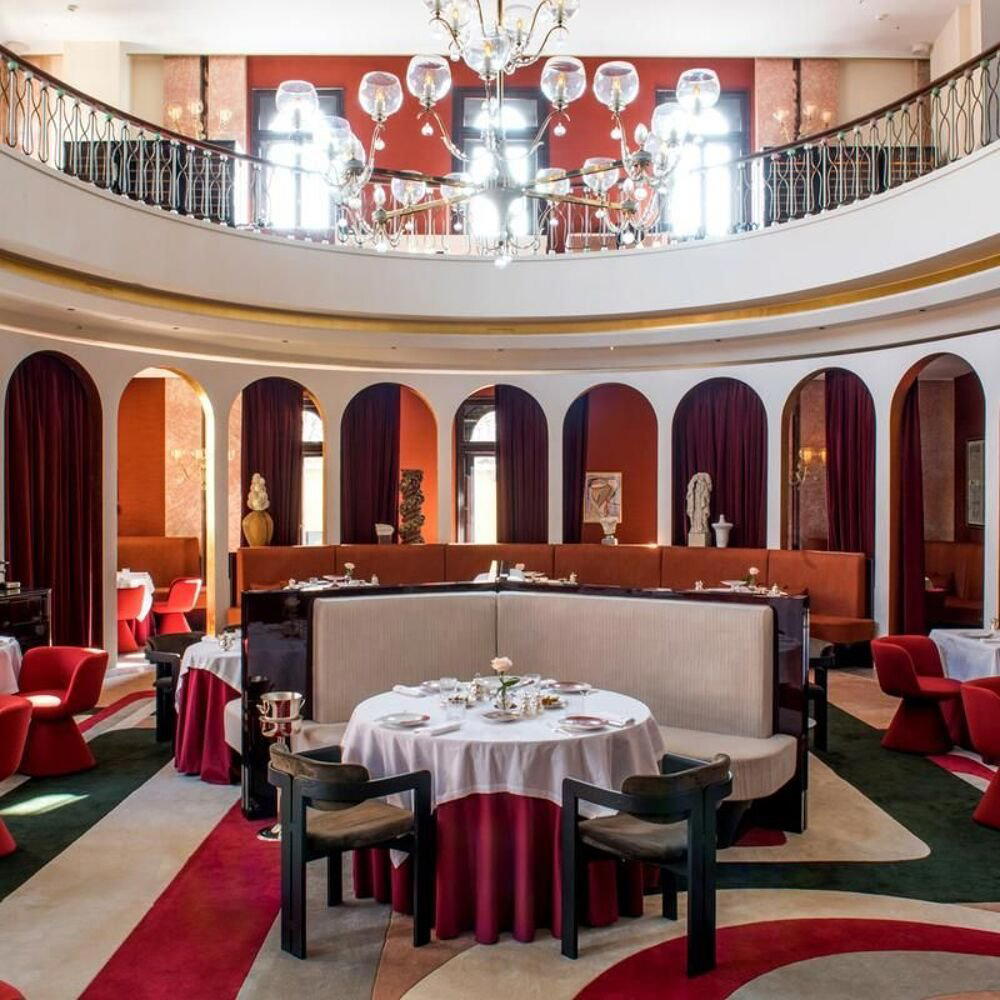
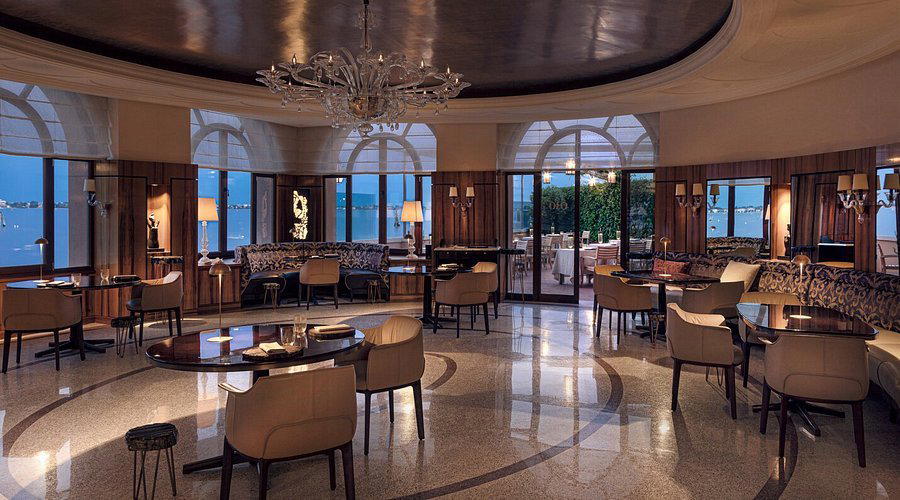
Restaurants in Venice
Browse all →
Bars in Venice
Browse all →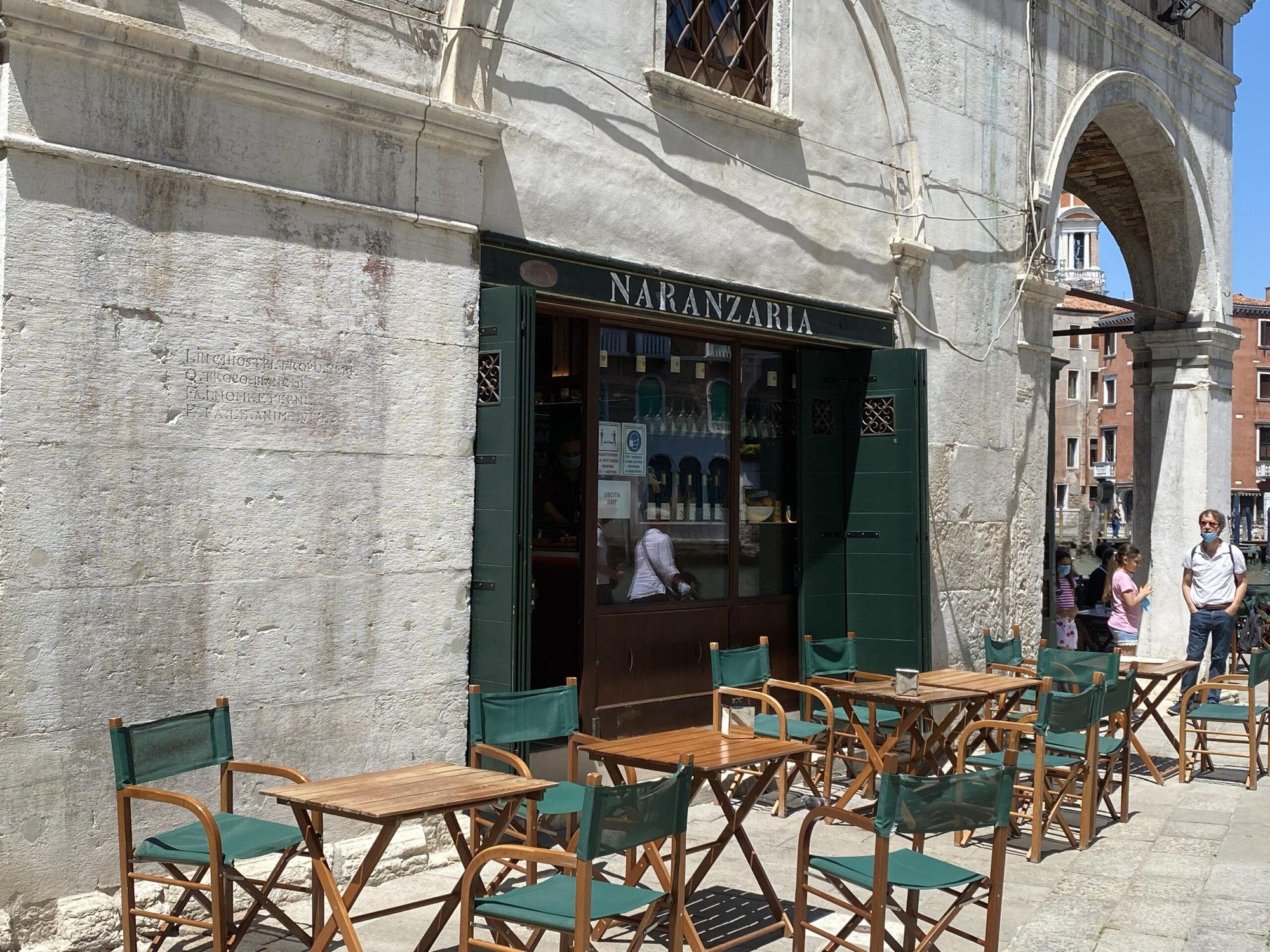
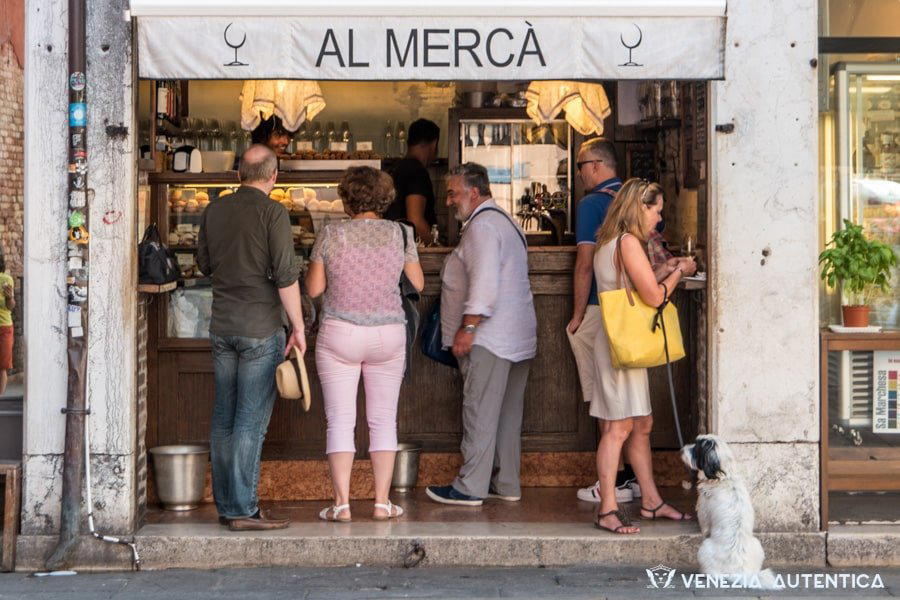
Hotels in Venice
Browse all →
At a Glance
- Rustic
- Cozy
- Elegant
- Scenic
- Intimate
- Date Night
- Special Occasion
- Casual Hangout
- Waterfront
- Terrace
- Historic Building
- Extensive Wine List
- Local Sourcing
- Waterfront
Current opening hours
- Monday
- 9 AM–12 AM
- Tuesday
- 9 AM–12 AM
- Wednesday
- Closed
- Thursday
- 9 AM–12 AM
- Friday
- 9 AM–12 AM
- Saturday
- 9 AM–12 AM
- Sunday
- 9 AM–12 AM
Hours can change for holidays and private events. Last verified .
Brick walls, vaulted ceilings, stylish dining room upstairs; lively ground-floor wine bar and stone terrace with canal views.