On a quiet campiello in Cannaregio, Ostaria Boccadoro draws a loyal neighbourhood following that has little to do with tourist circuits. The kitchen works within Venice's lagoon-to-table tradition, and the regulars who fill the outdoor tables on warm evenings return not for novelty but for consistency. A reliable address for Venetian seafood in a city where that standard is harder to meet than it sounds.
Pearl is the En Primeur Club membership app — saves, bookings, and concierge access live there. Same editors, same standards.
- Address
- Campiello Widmann già Biri, 5405/a, 30121 Venezia VE, Italy
- Phone
- +39 041 521 1021
- Website
- boccadorovenezia.it
- Directions
- Get directions
 Saves & bookings on Pearl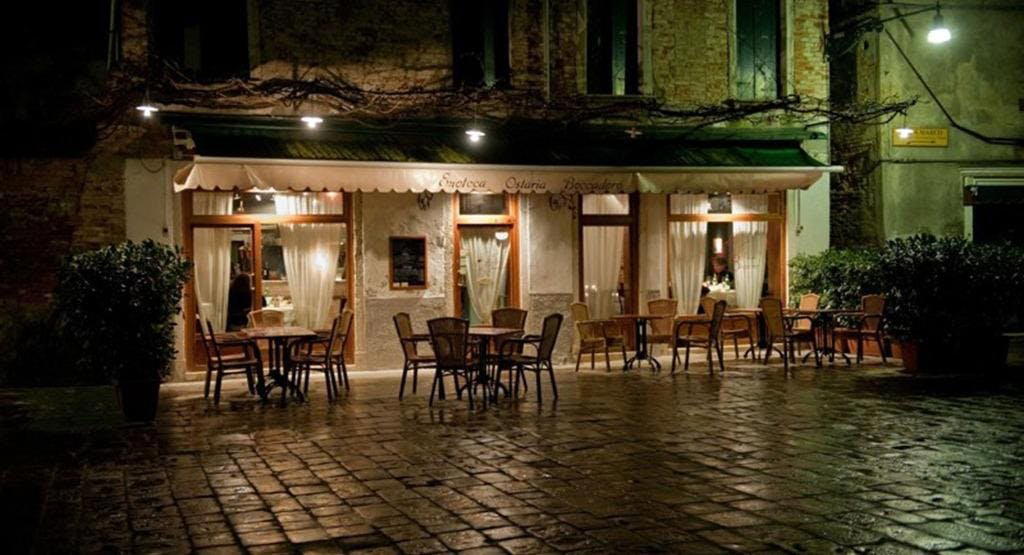
A Campiello That Earns Repeat Visits
Cannaregio has a different rhythm from the sestieri that absorb most of Venice's visitor traffic. The further you move from the Lista di Spagna toward the quieter northern reaches of the district, the more the city starts to feel like it belongs to people who actually live in it. Campiello Widmann già Biri sits inside that quieter geography, and Ostaria Boccadoro occupies a position there that neighbourhood restaurants in Venice rarely manage to hold for long: it draws regulars.
That word carries specific weight in a city where restaurants face an almost structural incentive to optimize for one-time visitors. The economics of tourist traffic in Venice push menus toward the recognizable and the safe. Places that build a repeat clientele in this environment are doing something right at a level that goes beyond execution, they are giving people a reason to choose the same table over the many alternatives within walking distance.
What the Regulars Come Back For
The regulars' perspective on any Venetian seafood ostaria tends to cut through the details that tourists fixate on. It isn't the décor or even a single dish. It is the accumulated sense that the kitchen understands its own tradition and doesn't drift. Venice's lagoon-to-table approach is one of the more specific and demanding regional cuisines in Italy, it relies on supply lines that have existed for centuries, on relationships with Rialto fish market vendors, and on a restraint in preparation that allows the product to carry the flavour. When that tradition is applied consistently, the results are worth returning to. When it isn't, the gap is immediately obvious to anyone who knows what sarde in saor or a properly handled moeche should taste like.
Boccadoro sits within the broader mid-tier of Venetian trattoria and ostaria dining, a category that sits below formal tasting-menu restaurants like Glam Restaurant by Enrico Bartolini or Ristorante Quadri, and positions itself closer in spirit to places like Osteria alle Testiere and Al Covo, where the price point is €€€ and the format is rooted in product rather than concept. Local and Oro Restaurant operate at a more contemporary register; Boccadoro's appeal is precisely that it doesn't reach in that direction.
In the broader Italian seafood tradition, places that maintain this kind of neighbourhood loyalty tend to share a few qualities: a short, seasonally adjusted menu, direct supplier relationships, and a kitchen that resists the pressure to over-complicate. The leading reference points in Italian coastal dining, Uliassi in Senigallia at the high end, Quattro Passi in Marina del Cantone in a different register, demonstrate how seriously Italy takes the relationship between coastline and kitchen. Boccadoro operates within that same philosophical lineage, at a neighbourhood scale appropriate to Cannaregio.
The Unwritten Menu
Every well-functioning ostaria in Venice has something that functions as an unwritten menu: the dishes that don't need to be described because anyone who has been before already knows to order them. This institutional knowledge is one of the clearest markers of a restaurant with genuine regulars rather than a constant churn of first-timers. The Venetian tradition is particularly rich in this regard, cicchetti culture, the bacaro circuit, and the ostaria format all share a preference for the known quantity over the experimental. The regulars at Boccadoro arrive with a sense of what the season should be producing and what the kitchen should be doing with it.
Venice's lagoon produces ingredients with specific seasonal windows, moleche in spring and autumn, branzino and orada through warmer months, the particular sweetness of scampi from the Adriatic. An ostaria that tracks those windows consistently builds a clientele that tracks it too. That seasonal attentiveness is what converts a first visit into a habit, and a habit into the kind of loyalty that fills tables on Tuesday evenings in November when the tourist flow has thinned to almost nothing.
Le Calandre in Rubano, Reale in Castel di Sangro, and Piazza Duomo in Alba represent what Italian cooking looks like when it moves into a formal tasting format. Boccadoro represents something older and in its own way more demanding: the neighbourhood standard that earns repeat visits without the scaffold of a tasting menu or a brigade kitchen.
Getting There and Planning a Visit
Campiello Widmann già Biri sits in the northern part of Cannaregio, a district that remains one of the more navigable for visitors willing to walk beyond the main tourist arteries. The address, 5405/a, places it within a quiet square that requires a deliberate approach through the neighbourhood's narrower calli rather than appearing on any obvious route. That quality of mild obscurity is part of what preserves the local character of the place. Venetian restaurants that are easy to find from the train station tend not to stay neighbourhood institutions for long.
Venice rewards the kind of visitor who commits to a neighbourhood for two or three evenings rather than trying to cover the city's restaurant options in a single pass. Cannaregio's density of genuine local dining makes it one practical district for that approach. Booking ahead is advisable, particularly through warmer months when outdoor seating on the campiello becomes the primary draw. Contact details are best confirmed through current channels given the frequency with which Venetian restaurants update their reservation policies.
Dal Pescatore in Runate, Enoteca Pinchiorri in Florence, and Osteria Francescana in Modena anchor Italy's formal end of the spectrum. Atelier Moessmer Norbert Niederkofler in Brunico and Enrico Bartolini in Milan add northern Italian depth. For those building an itinerary around what neighbourhood dining can deliver at its leading, international comparisons such as Le Bernardin in New York City and Lazy Bear in San Francisco illustrate how different markets frame the question of repeat-visit loyalty. Wistèria offers an alternative contemporary option within Venice itself.
Cuisine Lens
Comparable venues nearby, for context on price, style, and recognition.
| Venue | Cuisine | Price | Notes |
|---|---|---|---|
| Ostaria BoccadoroThis venue — the venue you are viewing | Modern Venetian Seafood | $$$ | Not listed |
| Osteria Bancogiro | Modern Venetian Osteria | $$$ | San Polo |
| L’Alcova | Traditional Venetian | $$$ | Santa Croce |
| Ombra del Leone | Classic Venetian Seafood | $$$ | San Marco |
| Alla Rivetta | Traditional Venetian Seafood Trattoria | $$$ | Castello |
| Da Rioba | Creative Venetian Seafood | $$$ | Cannaregio |
Continue exploring
More in Venice
Restaurants in Venice
Browse all →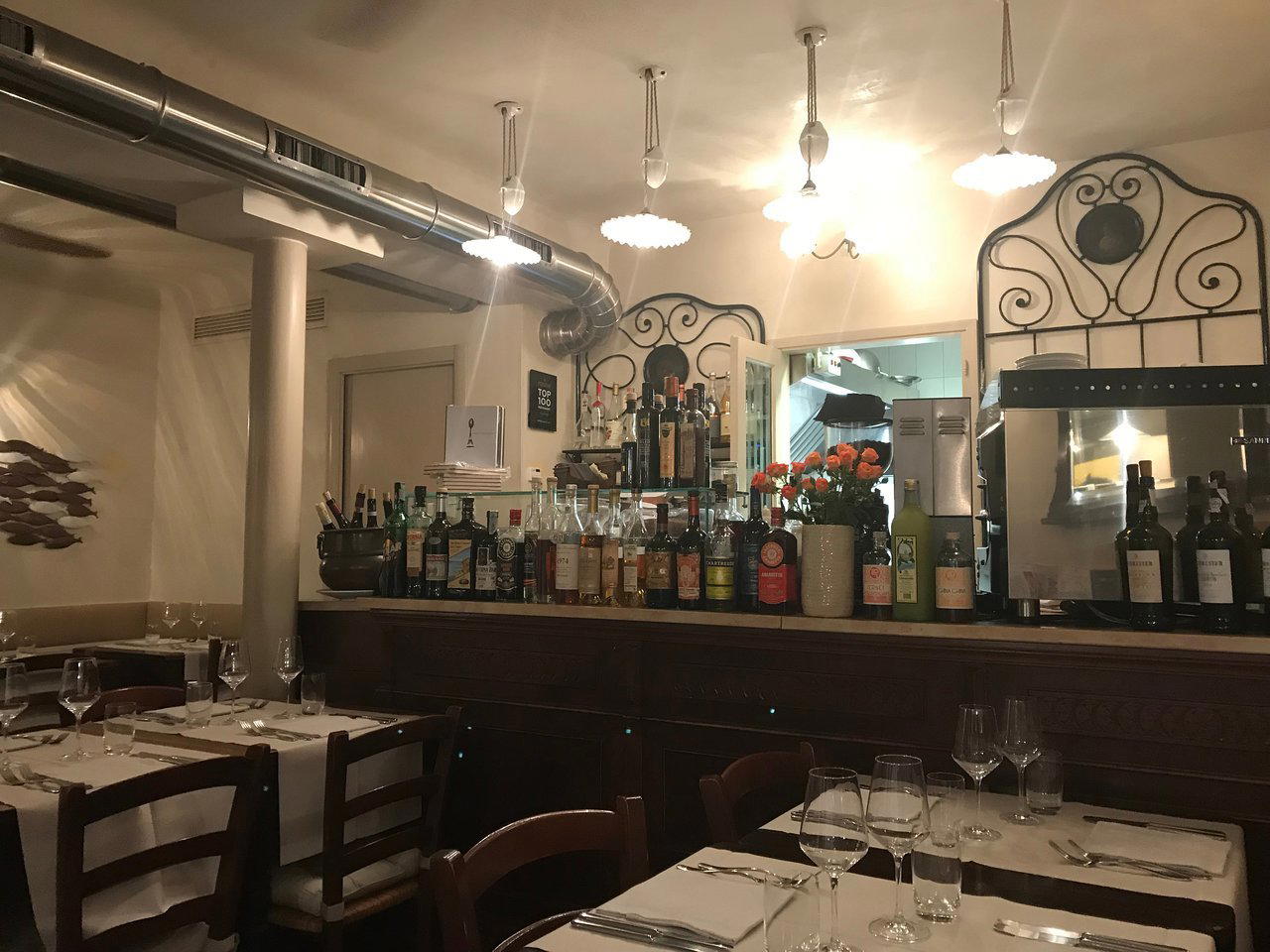
Bars in Venice
Browse all →
Hotels in Venice
Browse all →

At a Glance
- Cozy
- Intimate
- Rustic
- Elegant
- Date Night
- Special Occasion
- Terrace
- Extensive Wine List
- Local Sourcing
- Street Scene
Current opening hours
- Monday
- 12–2:30 PM, 7–10 PM
- Tuesday
- 12–2:30 PM, 7–10 PM
- Wednesday
- 12–2:30 PM, 7–10 PM
- Thursday
- 12–2:30 PM, 7–10 PM
- Friday
- 12–2:30 PM, 7–10 PM
- Saturday
- 12–2:30 PM, 7–10 PM
- Sunday
- 12–2:30 PM, 7–10 PM
Hours can change for holidays and private events. Last verified .
Cozy and quiet old-fashioned interior with elegant traditional linens, modern art on brick walls, split into small rooms, and a summer terrace.