Our verdict
Da Rioba sits along the Fondamenta de la Misericordia in the Cannaregio sestiere, one of Venice's least theatrically tourist-facing neighbourhoods. The address places it within a canal-side dining scene that operates closer to local rhythms than to the restaurant rows around San Marco. For travellers willing to cross the bridge from the more familiar parts of the city, the setting alone reframes expectations about what a Venetian meal can feel like.

Pearl is the En Primeur Club membership app, where members save venues, book tables and use the concierge.

The menu
What to order
- Grilled scampi
- Spaghetti noir
- Grilled duck
- Rombo alla griglia
Canal-Side Cannaregio: The Scene Before the Plate
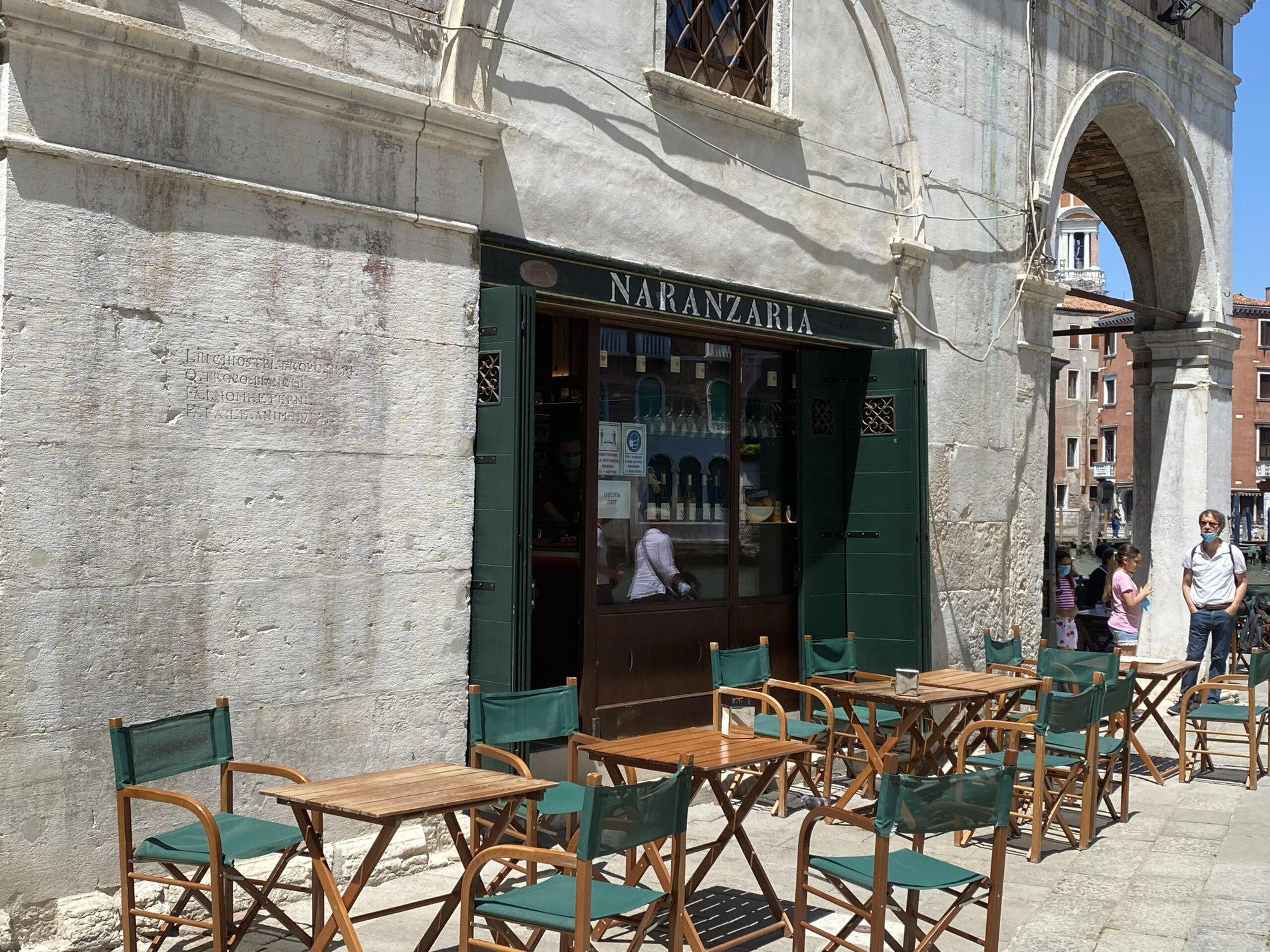
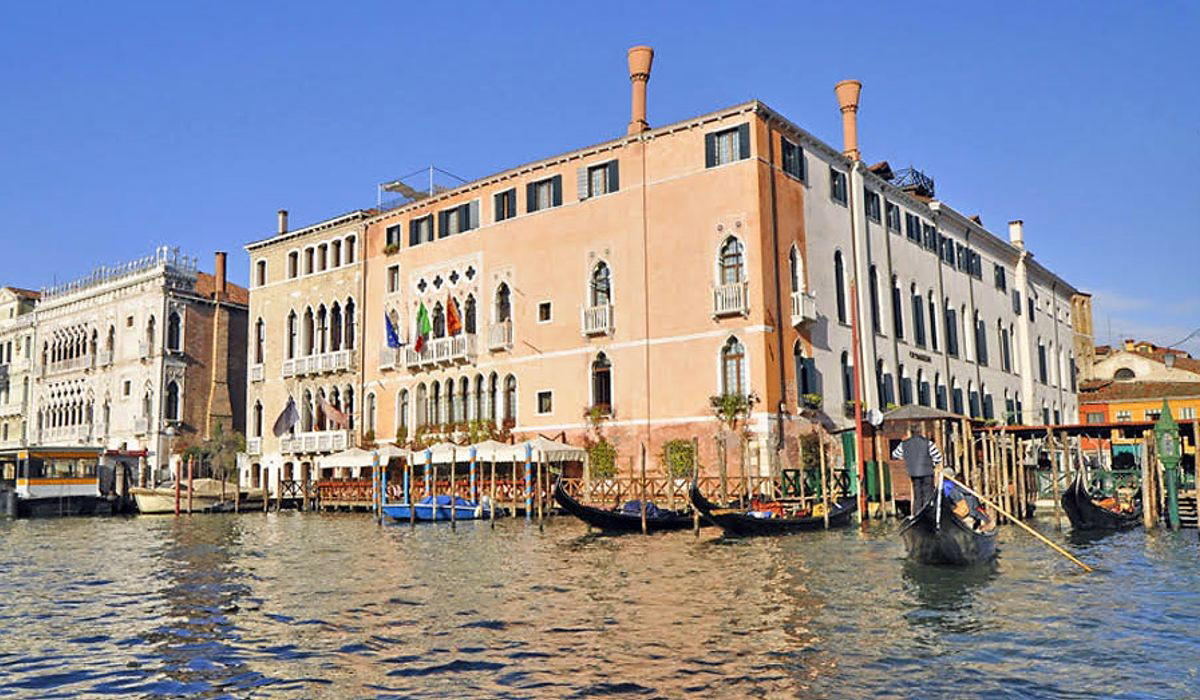
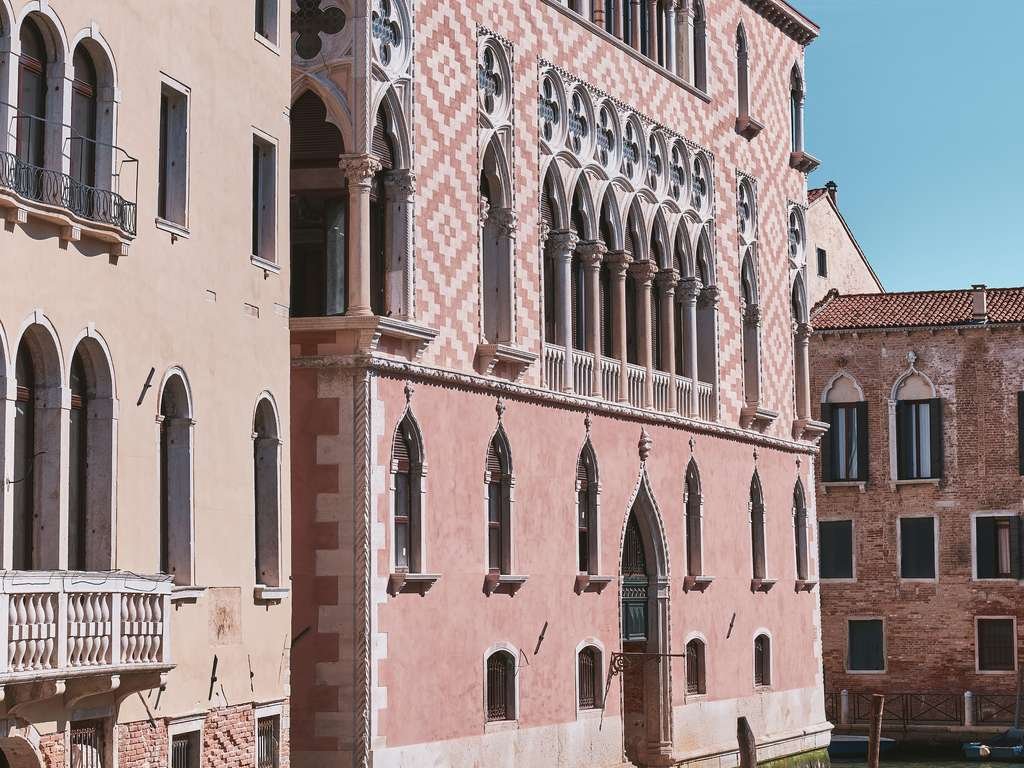
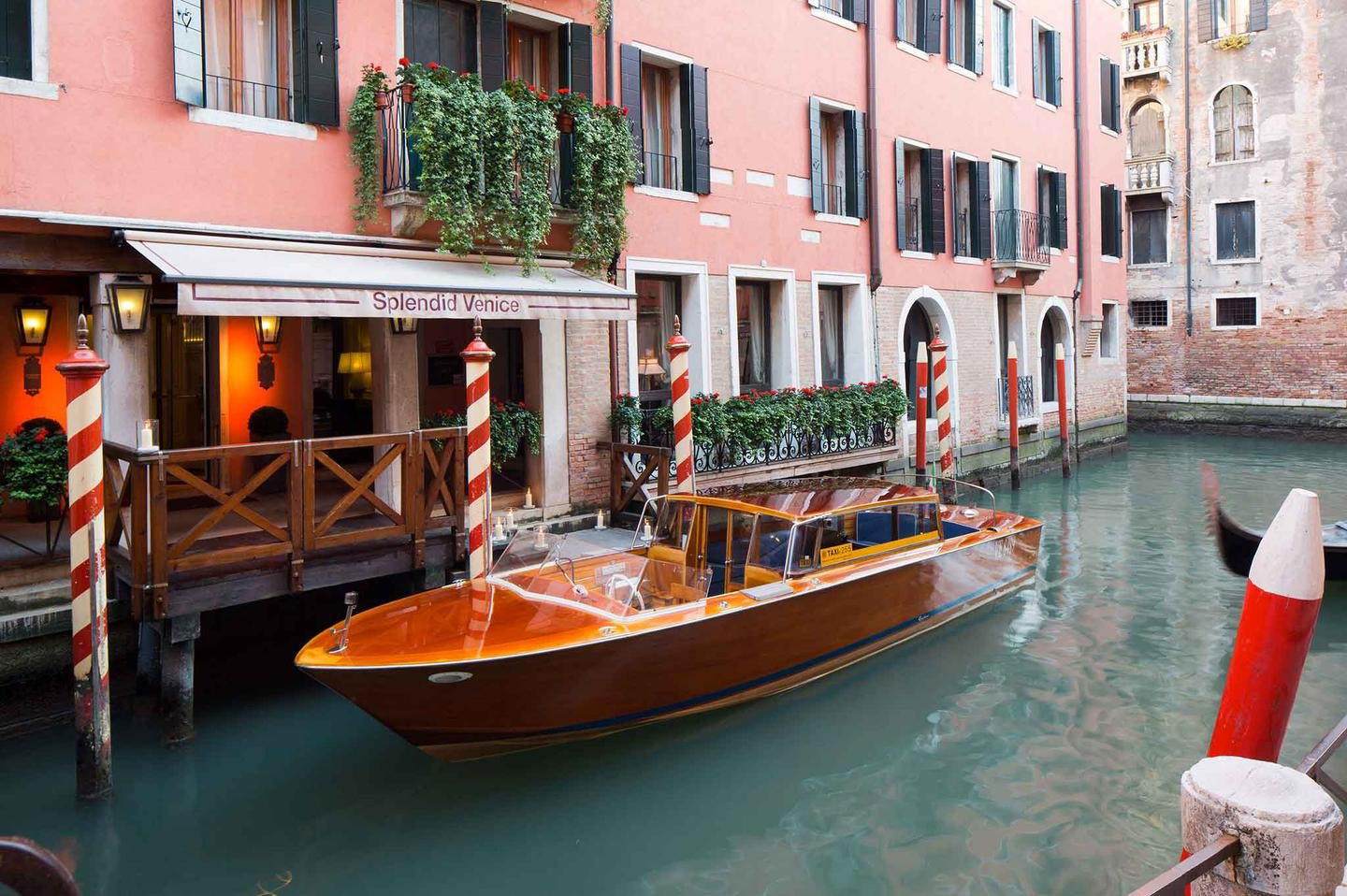
The Fondamenta de la Misericordia runs along one of Cannaregio's quieter canals, a stretch where the late-afternoon light sits low on the water and the foot traffic belongs more to residents than to visitors navigating with phones. In a city where the density of tourist-facing hospitality is almost inescapable, this particular fondamenta operates on a different frequency. Bars open early for spritz, gondoliers tie up at unmarked spots, and the restaurants that line the water tend to serve a mixed room: neighbourhood regulars alongside travellers who've done enough research to know this part of the city exists. Da Rioba at number 2553 sits squarely within that character. The address is not a shortcut to anything else, you arrive here on purpose, which already filters the room before the menu is in your hands.
Venice's dining geography has always split along lines that tourists rarely interrogate. The dense triangle of San Marco, Rialto, and the Accademia bridges captures the majority of covers, and within that zone, pricing and quality vary wildly. Beyond it, in Cannaregio, Dorsoduro, and Castello, a more functional dining culture persists, places shaped by proximity to local markets, fish deliveries from the Rialto, and a clientele that returns weekly rather than once in a lifetime. Da Rioba operates within that second geography, which shapes everything from pacing to the implicit menu logic.
What the Menu Architecture Tells You
In Venetian restaurants operating outside the high-tourist tier, menu structure tends to be legible and market-responsive rather than elaborate. The kitchen builds around what arrived that morning rather than around a fixed tasting architecture, which means the menu reads as a kind of daily argument for whatever the Adriatic produced.
The distinction between a restaurant that offers elaborate multi-course formats and one that works in shorter, sharper cycles is meaningful in Venice specifically. The city's seafood supply is genuinely seasonal and daily in character: moleche (soft-shell crab) appear in spring, sarde in saor anchors autumn menus, and the cichèti tradition that runs through Venetian eating generally favours smaller, more frequent engagements with the plate rather than extended ceremony. A menu that reflects this logic is making a structural statement. Compared to the more formally constructed programs at places like Glam Restaurant by Enrico Bartolini or Oro Restaurant, a Cannaregio address like Da Rioba represents a different kind of seriousness, one measured in sourcing and seasonal accuracy rather than in technical complexity or course count.
For the reader who has eaten across Italy's more formally awarded rooms, Osteria Francescana in Modena, Le Calandre in Rubano, or the seafood rigour of Uliassi in Senigallia, a Venetian canal-side trattoria offers a useful counterpoint. The intellectual project is different: not transformation but fidelity. The Adriatic ingredient is not a vehicle for a chef's technique; it is the point.
Cannaregio as Context
Understanding Da Rioba means understanding what Cannaregio does to a meal. This is the sestiere that contains the Jewish Ghetto, the Strada Nova shopping artery, and the long fondamente that face the lagoon toward the northern islands. It is also the area of Venice with the highest concentration of residents relative to tourists, which means its restaurants are subject to a form of peer pressure that San Marco addresses are not: the person at the next table probably eats here regularly and has opinions about what's changed.
That audience shapes the kitchen. Restaurants in neighbourhoods with working local clienteles tend to remain more honest about sourcing, more careful about consistency, and less inclined toward the theatrical gestures that distract from the ingredient. Venice's most discussed neighbourhood restaurants in recent years have tended to cluster in exactly this zone. For broader orientation across the city's dining options, the full Venice restaurants guide maps this geography in more detail, including how places like Wistèria and Ristorante Quadri sit in very different parts of both the city and the price-tier conversation.
How Da Rioba Sits Within Italy's Broader Seafood Tradition
Italy's seafood restaurant culture runs from the Adriatic to the Tyrrhenian with significant regional variation. The northeastern tradition, of which Venetian cooking is a central expression, tends toward preparations that preserve the structural integrity of the fish rather than embedding it in sauce-heavy contexts. The treatment of crudo, the preference for grilling over braising, and the relationship with the lagoon's specific species, go, caparozzoli, scampi, mark Venetian kitchens as distinct from the central Italian approaches exemplified at a place like Quattro Passi in Marina del Cantone or the rigorously alpine-product focus of Atelier Moessmer Norbert Niederkofler in Brunico.
Within that northeastern tradition, a canal-side restaurant like Da Rioba functions as a point of access rather than a point of arrival for the most technically adventurous diner. It is, to use the comparison plainly, closer in spirit to Dal Pescatore in Runate's commitment to regional continuity than to the category-defying formats of Reale in Castel di Sangro. That is not a criticism. It is a description of what kind of meal this is and who it is for.
Planning a Visit
The Fondamenta de la Misericordia is most easily reached on foot from the Ca' d'Oro vaporetto stop on the Grand Canal, a walk of roughly ten minutes through the interior of Cannaregio. Evenings along this stretch are active but not crowded in the way the Rialto area becomes after dark. Visitors arriving from the San Marco end of the city should allow time to cross; this is not a venue that rewards rushing, and the approach along the canal is part of the experience. Given Da Rioba's position in an active neighbourhood dining stretch, booking ahead is advisable particularly in the spring and early autumn months when Venice's visitor numbers are highest and local restaurants fill quickly. For international comparisons of service pacing and format, useful for setting expectations before a Venetian canal-side meal, it is worth noting how differently structured operations like Le Bernardin in New York City, Lazy Bear in San Francisco, or Enrico Bartolini in Milan approach the same raw material of a serious seafood-forward kitchen. The Venetian version is less formal, less orchestrated, and more contingent on the day's supply, which, depending on what you want from dinner, is either a limitation or a feature. At Da Rioba's address, it is very much the latter.
Frequently asked questions
What is Da Rioba known for?
What do regulars order at Da Rioba?
What's the overall feel of Da Rioba?
Is Da Rioba suitable for children?
How far ahead should I plan for Da Rioba?
Does Da Rioba have outdoor seating along the canal?
Cuisine Context
| Venue | Cuisine | Price | Awards | Notes |
|---|---|---|---|---|
| Da RiobaThis venue (the venue you are viewing) | Creative Venetian Seafood | $50–100 | Not listed | Not listed |
| Local | Modern Italian Fine Dining | $50–100 | 1 Michelin Star · Falstaff Restaurant - 93 Falstaff Points | Modern Italian, Contemporary |
| Ristorante Quadri | Modern Venetian Fine Dining | $200–300 | 1 Michelin Star · La Liste Top Restaurants | Modern Cuisine |
| Osteria alle Testiere | Traditional Venetian Seafood | $50–100 | Michelin Plate · World's 50 Best #24 | Venetian |
| Al Covo | Authentic Venetian Seafood | $100–150 | Michelin Plate | Trattoria, Venetian |
| Corte Sconta | Traditional Venetian Seafood | $100–150 | Michelin Plate · Star Wine List | Trattoria, Seafood |
Continue exploring
More in Venice
Restaurants in Venice
All restaurants in Venice →
Bars in Venice
All bars in Venice →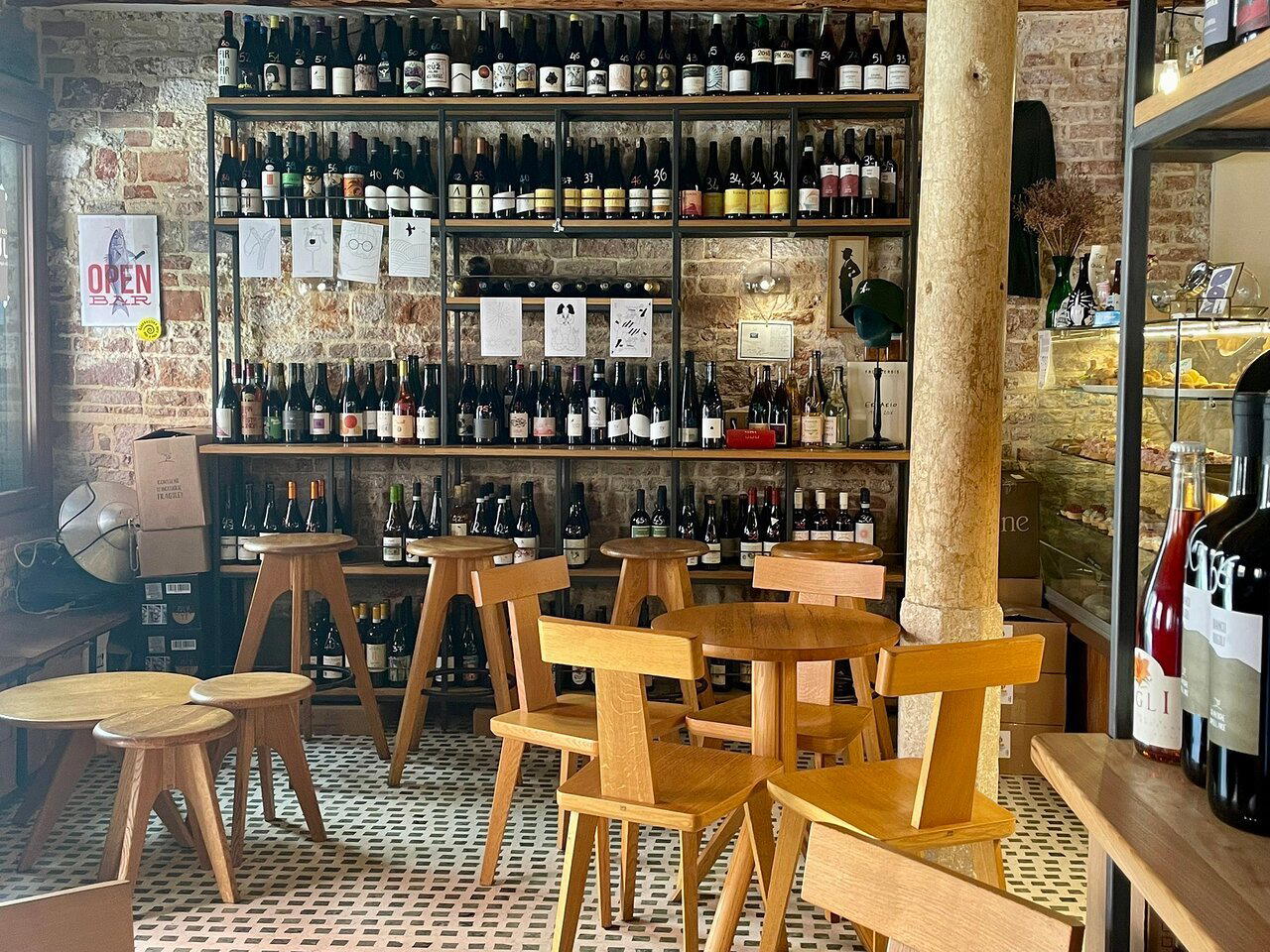
Details
- Romantic
- Scenic
- Cozy
- Classic
- Date Night
- Group Dining
- Business Dinner
- Special Occasion
- Waterfront
- Standalone
- Historic Building
- Extensive Wine List
- Beer Program
- Local Sourcing
- Sustainable Seafood
- Waterfront
- A La Carte
- Set Menu
- Wine
- Craft Beer
- Vegetarian Friendly
- Vegan Options
- Gluten Free Options
- Pescatarian Friendly
- Allergy Accommodating
Current opening hours
- Monday
- Closed
- Tuesday
- 11 AM–3 PM, 7–11 PM
- Wednesday
- 11 AM–3 PM, 7–11 PM
- Thursday
- 11 AM–3 PM, 7–11 PM
- Friday
- 11 AM–3 PM, 7–11 PM
- Saturday
- 11 AM–3 PM, 7–11 PM
- Sunday
- 11 AM–3 PM, 7–11 PM
Hours can change for holidays and private events. Hours as of .
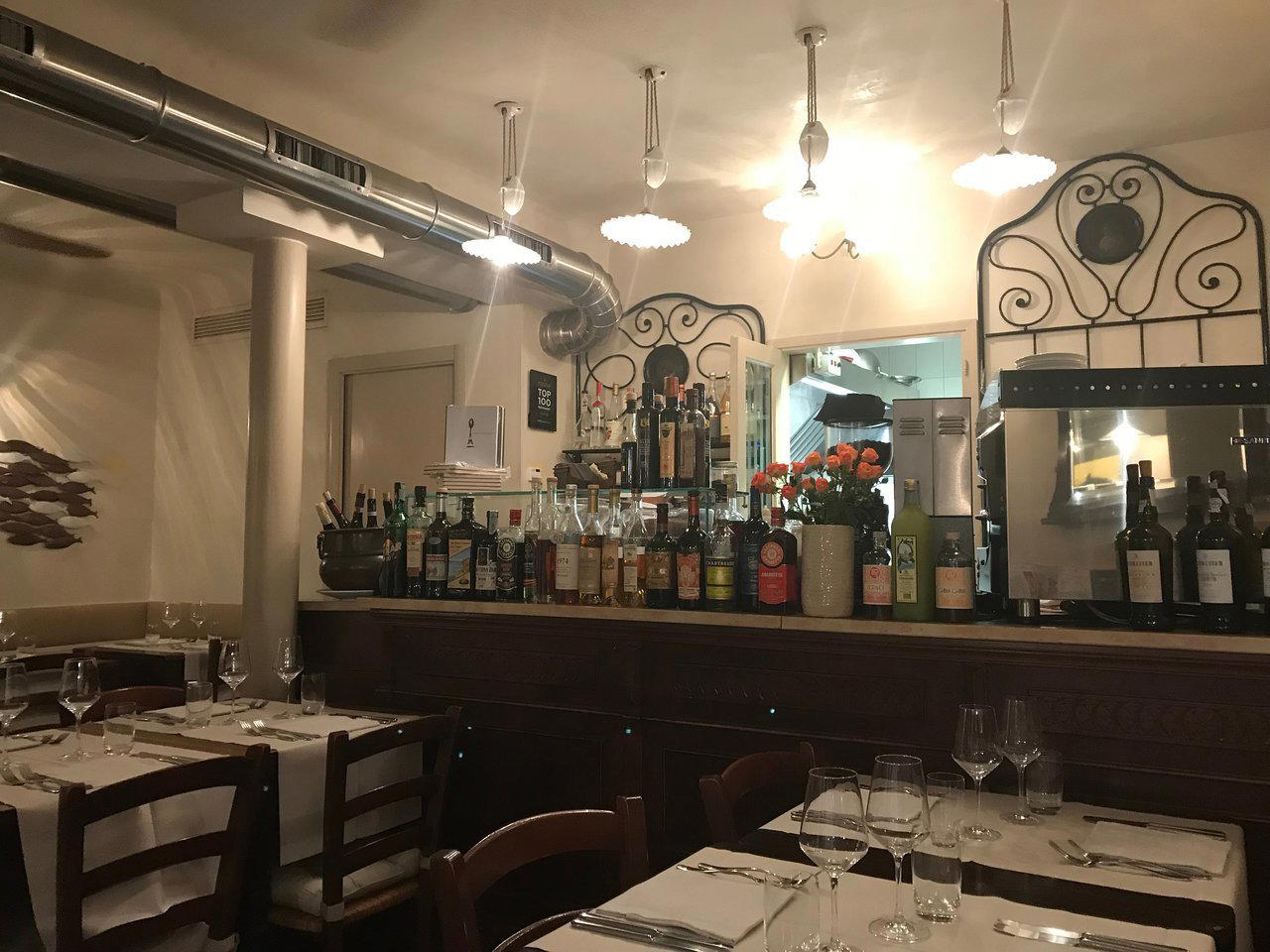
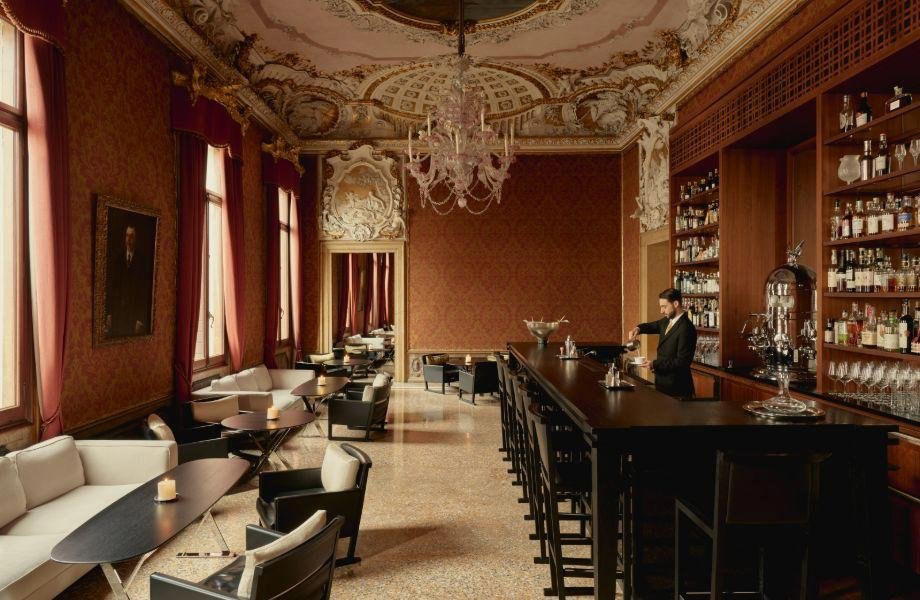
Intimate single room with polished wood tables, exposed brick walls, wooden beams, terrazzo flooring, and local artwork; soft background music creates a tranquil yet lively atmosphere.