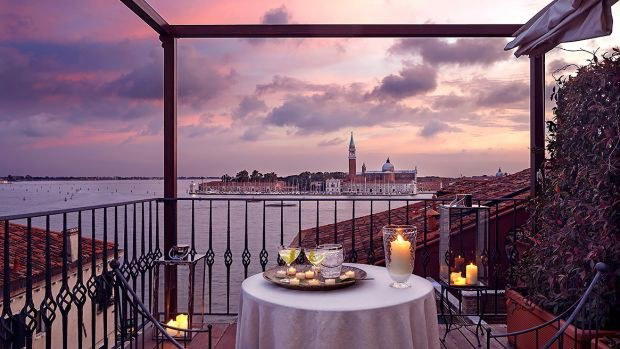
Positioned on the Riva degli Schiavoni, Carpaccio occupies one of Venice's most historically charged waterfronts, where lagoon light and centuries of trading culture shape the dining context as much as any kitchen decision. Against a comparable set that ranges from modern Italian tasting menus to traditional Venetian trattorias, Carpaccio holds a place tied to place and promenade in equal measure.
Pearl is the En Primeur Club membership app — saves, bookings, and concierge access live there. Same editors, same standards.
- Address
- Riva degli Schiavoni, 4088/4089, 30122 Venezia VE, Italy
- Phone
- +39415289615
- Website
- ristorantecarpaccio.it
- Directions
- Get directions
 Saves & bookings on Pearl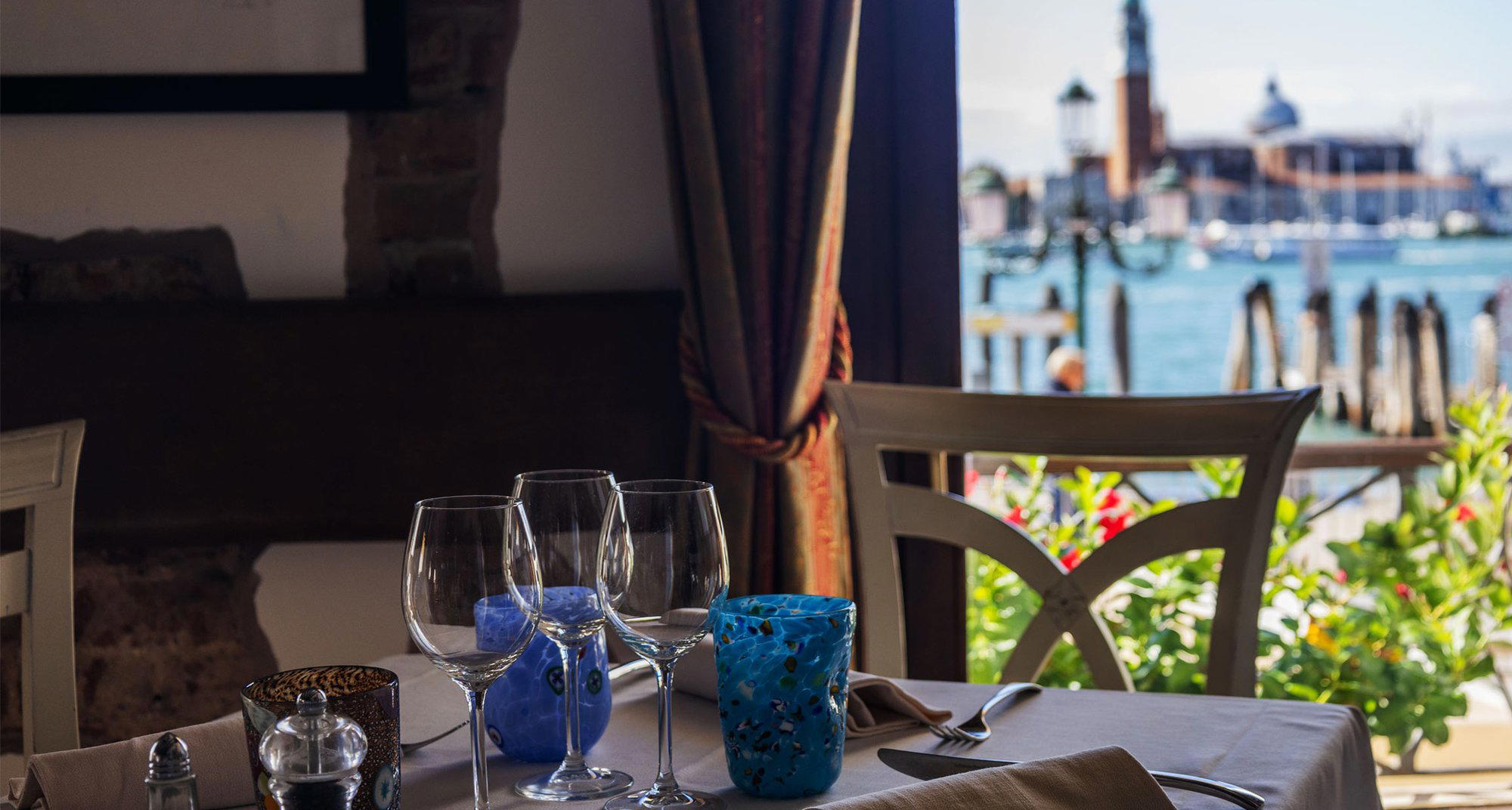
A Waterfront Address With Its Own Gravitational Pull
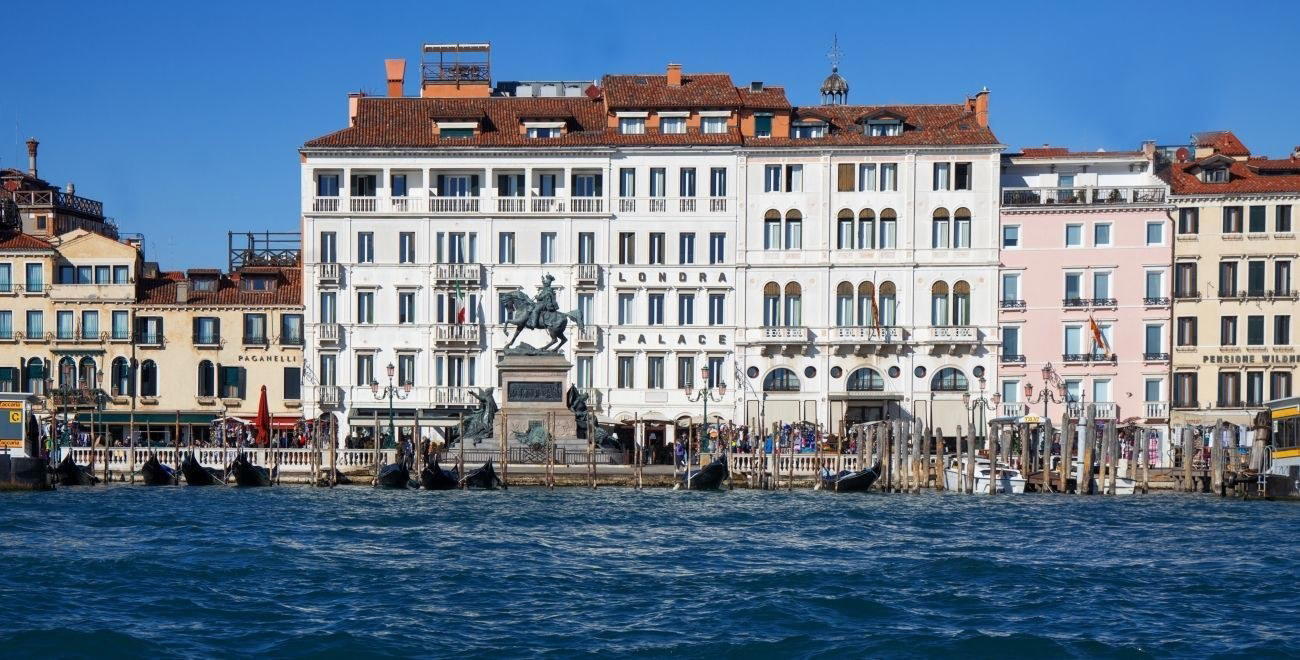
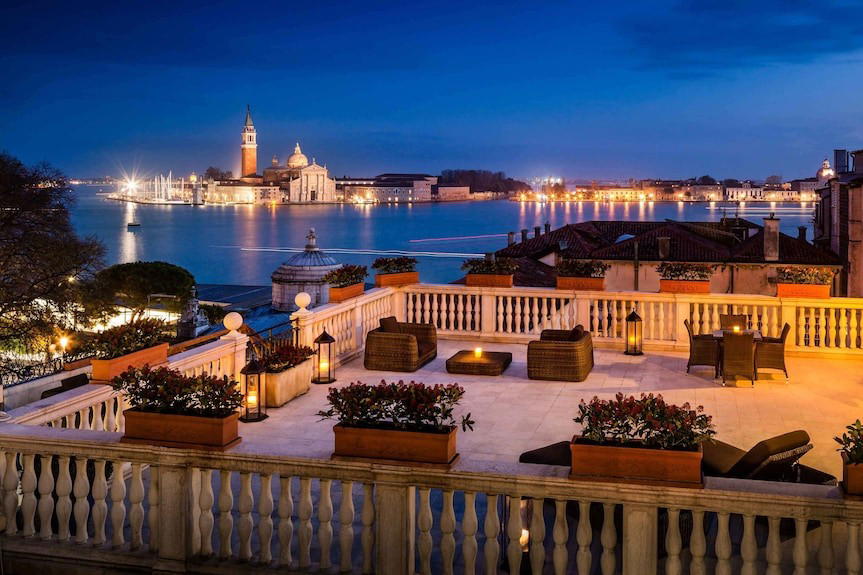
The Riva degli Schiavoni is not a quiet street. It has been one of Venice's primary civic arteries since the Republic used it as a docking corridor for vessels arriving from the Dalmatian coast, and the name, Schiavoni referring to Slavs from those eastern shores, carries that mercantile history in plain sight. Restaurants along this stretch do not compete primarily on secrecy or neighbourhood intimacy. They compete on what it means to eat beside a waterway that has looked largely the same for five centuries, with the church of San Giorgio Maggiore framing the view across the basin and vaporetto wakes rippling the surface beyond the terrace rail. Carpaccio, at address 4088/4089 on this embankment, operates within that specific gravitational field.
The name itself functions as a cultural reference point before any dish arrives. Pietro Carpaccio was a Venetian painter working in the late fifteenth and early sixteenth centuries, and the word has since been borrowed twice over, once by Giuseppe Cipriani of Harry's Bar in 1950 when he invented the raw beef preparation now carried on menus globally, and again here as a restaurant name that places itself squarely within that local lineage. Venice has always been comfortable with this kind of layered self-reference.
How the Riva Dining Scene Has Shifted
For much of the twentieth century, the grand hotels and restaurants along the Riva degli Schiavoni existed in a category defined by tourist volume rather than culinary ambition. The logic was simple: captive audiences with lagoon views rarely demanded much beyond competent execution and fast service. That calculus has changed significantly over the past two decades as Venice's serious dining scene redistributed itself. Michelin-starred kitchens moved toward the quieter sestieri, Dorsoduro, Cannaregio, the islands, while the waterfront retained its drama but lost much of its claim to gastronomic authority.
What has emerged more recently is a middle tier: restaurants on or near the Riva that attempt to hold both the view and a credible kitchen position simultaneously. This is a harder balance to maintain than it appears. The operational pressures of a high-foot-traffic location, turnover expectations, tourist pricing conventions, the sheer volume of walk-in inquiries, can work against the slower rhythms that serious food service requires. Carpaccio's positioning on this stretch places it within that ongoing negotiation between spectacle and substance, a tension that defines contemporary dining along Venice's most photographed embankment.
For comparison, the current upper tier of Venetian fine dining is represented by addresses further removed from the tourist corridors. Glam Restaurant by Enrico Bartolini operates at a creative register that reflects investment in culinary identity over location premium, while Local has built a modern Italian and contemporary program that draws on seasonal lagoon produce with clear editorial discipline. Oro Restaurant and Ristorante Quadri occupy the €€€€ bracket with a different kind of institutional authority rooted in their Piazza San Marco adjacency. Wistèria sits at the contemporary end of a quieter neighbourhood register. The Riva addresses, including Carpaccio, occupy a distinct competitive zone, visible, accessible, waterfront-anchored, that attracts a different reader decision than any of those alternatives.
The Venetian Culinary Tradition This Address Inherits
Venetian cooking has a longer and more specific identity than the broader northern Italian canon sometimes suggests. The city's position as a medieval and Renaissance trading hub shaped its pantry in ways that persist: spice use that reflects Ottoman and Arab routes, a preponderance of cured and pickled preparations developed for preservation on long sea voyages, and a seafood vocabulary tied to the northern Adriatic and the lagoon itself. Dishes like sarde in saor, sardines marinated in sweet-and-sour onions with raisins and pine nuts, carry that history in their structure. Baccalà mantecato, the whipped salt cod preparation, arrived via the cod-trading routes of the North Atlantic and became Venetian through centuries of repetition.
A restaurant operating under a name as historically embedded as Carpaccio inherits a conversation with that tradition whether it chooses to or not. The question for any address in this position is what relationship it maintains with those deep roots as dining preferences continue to evolve. Across Italy, the broader pattern has been a generational split: older institutions defending classical execution while younger kitchens perform reinterpretation as a primary language. Venues like Osteria Francescana in Modena, Reale in Castel di Sangro, and Uliassi in Senigallia have staked out positions along that spectrum with considerable external recognition. The Venice scene, partly because of its structural tourism dependence, has been slower to produce that kind of critical consensus.
Outside Italy, the conversation about what serious fish-focused cooking can look like continues at addresses like Le Bernardin in New York City, where the approach to seafood has been shaped by decades of critical scrutiny at the highest level. That broader frame is useful context for understanding what Venetian restaurants are, and are not, attempting at this moment.
Planning a Visit: What the Address Tells You
The Riva degli Schiavoni runs east from the Palazzo Ducale toward the Arsenale, and Carpaccio sits at numbers 4088/4089, which places it in the middle stretch of the embankment, close enough to the Doge's Palace for the architectural drama to remain palpable, far enough to avoid the densest crowd accumulation directly adjacent to the tourist sites. The closest vaporetto stop is San Zaccaria, served by lines 1, 2, 4.1, 4.2, and several seasonal routes, making the approach by water entirely practical from any point in the city. Given Venice's seasonal dynamics, the embankment is significantly more crowded between April and October, with August representing peak pressure. Shoulder months, March, November, offer the same lagoon geography with considerably less foot traffic, which affects the experience of any restaurant along this stretch.
Walk-in availability along the Riva is historically more accessible in the morning hours and on weekday lunches outside summer peak, though that pattern shifts quickly as occupancy rises.
Italy's wider fine dining circuit, for those extending the trip, includes consistently recognised addresses at Dal Pescatore in Runate, Piazza Duomo in Alba, Le Calandre in Rubano, Quattro Passi in Marina del Cantone, Atelier Moessmer Norbert Niederkofler in Brunico, Enoteca Pinchiorri in Florence, and Enrico Bartolini in Milan.
The Quick Read
Comparable venues nearby, for context on price, style, and recognition.
| Venue | Cuisine | Price | Notes |
|---|---|---|---|
| CarpaccioThis venue — the venue you are viewing | Castello, Traditional Venetian Seafood | $$$ | Not listed |
| Osteria Enoteca San Marco | San Marco, Modern Venetian Osteria | $$$ | Not listed |
| Riva Rosa | Burano, Venetian Seafood | $$$ | Not listed |
| da Celeste Pellestrina | Not listed | $$$ | Pellestrina, Traditional Venetian Seafood |
| Osteria Da Carla | San Marco, Modern Venetian Osteria | $$$ | Not listed |
| La Porta d'Acqua | San Polo, Venetian Seafood | $$$ | Not listed |
Continue exploring
More in Venice
Restaurants in Venice
Browse all →
Bars in Venice
Browse all →
Hotels in Venice
Browse all →
At a Glance
- Elegant
- Romantic
- Scenic
- Classic
- Date Night
- Special Occasion
- Business Dinner
- Terrace
- Waterfront
- Open Kitchen
- Local Sourcing
- Sustainable Seafood
- Waterfront
Current opening hours
- Monday
- 12–2:30 PM, 7–10:30 PM
- Tuesday
- 12–2:30 PM, 7–10:30 PM
- Wednesday
- 12–2:30 PM, 7–10:30 PM
- Thursday
- 12–2:30 PM, 7–10:30 PM
- Friday
- 12–2:30 PM, 7–10:30 PM
- Saturday
- 12–2:30 PM, 7–10:30 PM
- Sunday
- 12–2:30 PM, 7–10:30 PM
Hours can change for holidays and private events. Last verified .
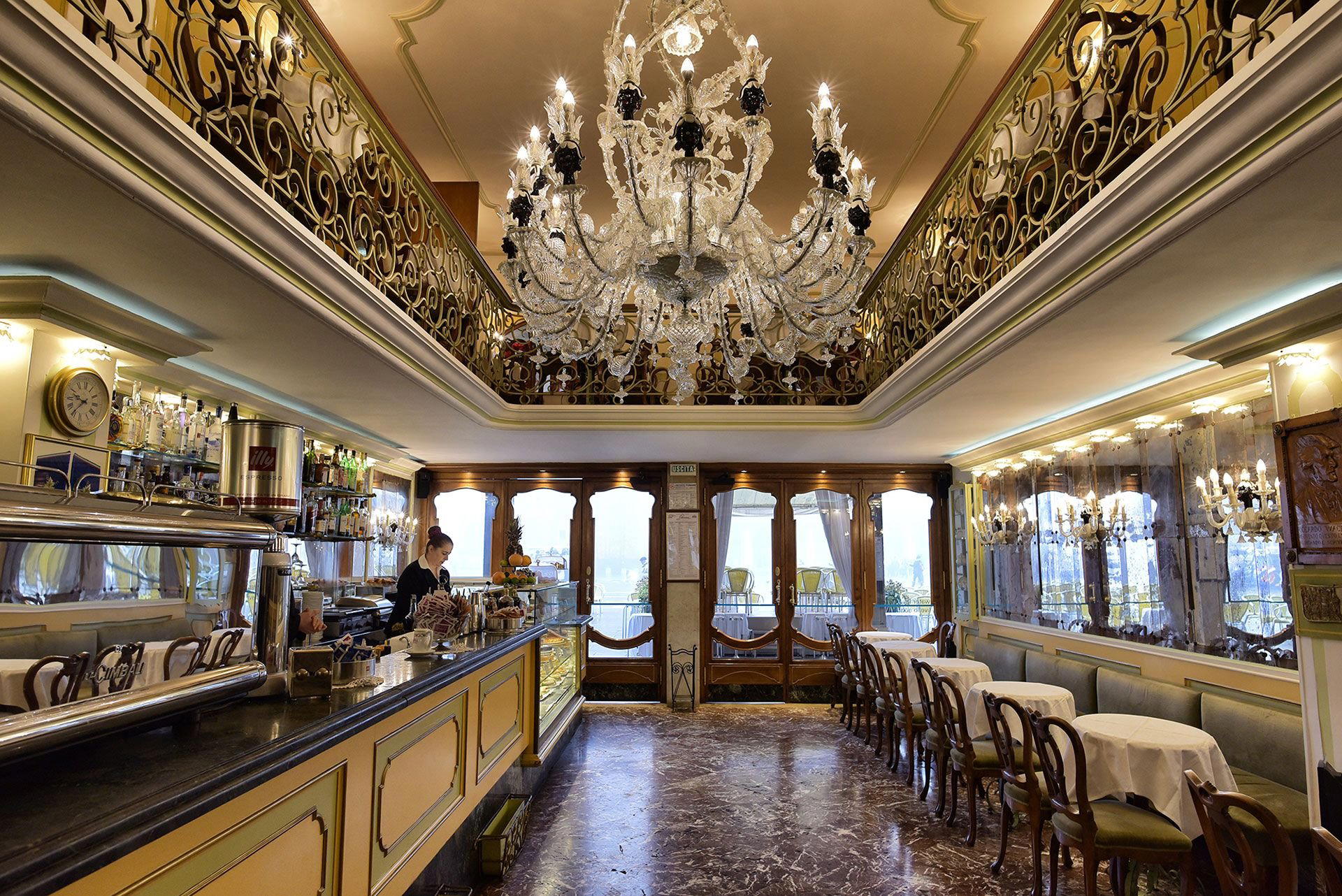
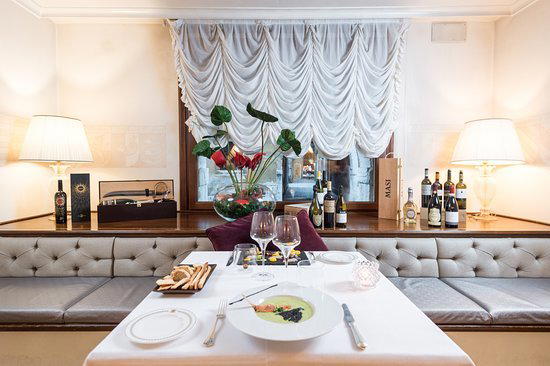
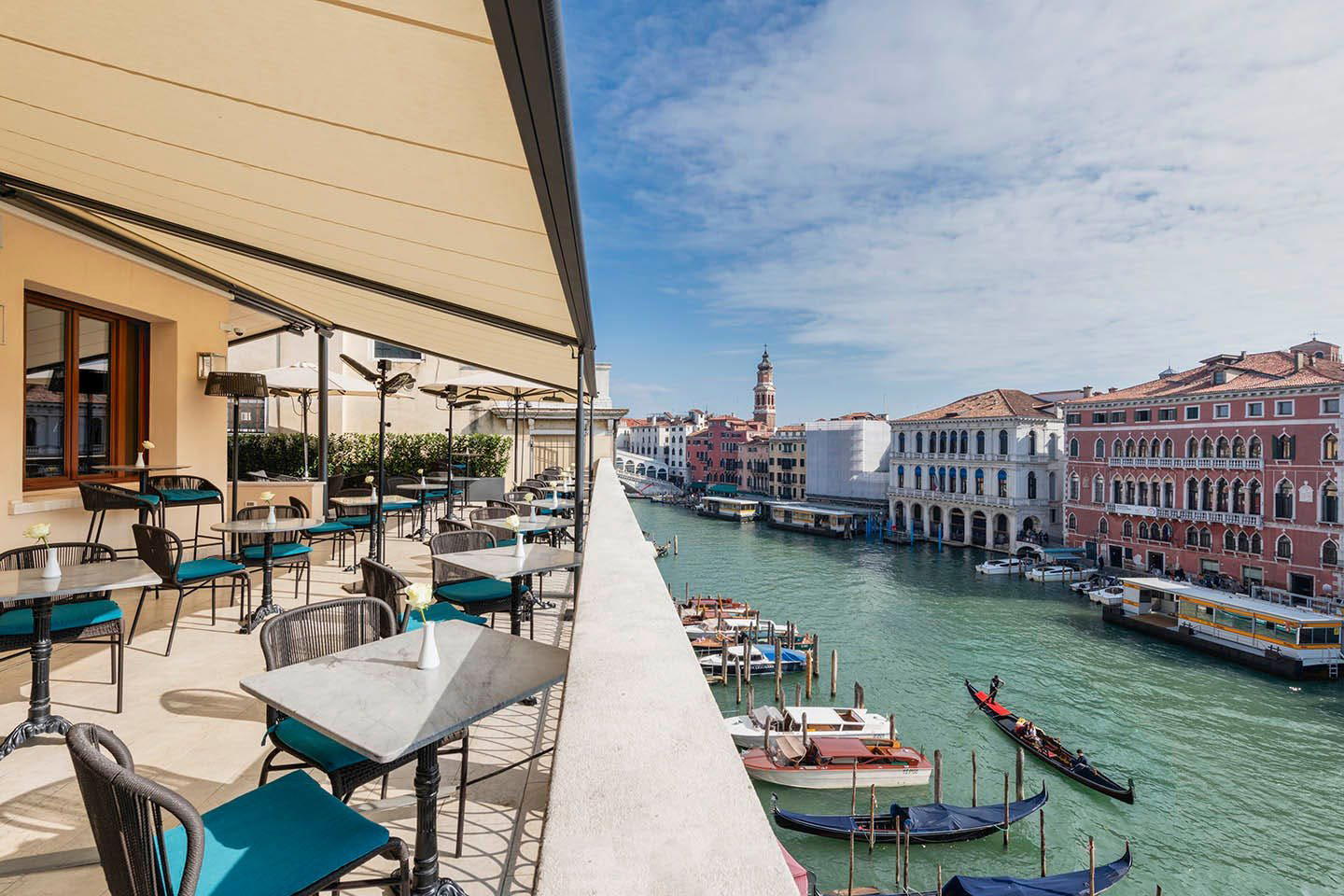
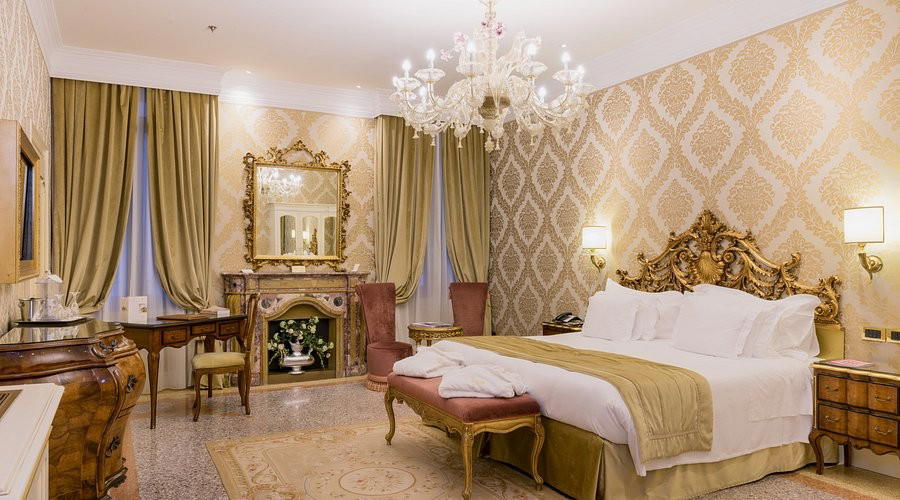
Elegant and welcoming with warm hospitality, featuring an outdoor terrace by the lagoon, intimate ground-floor dining overlooking the canal, and panoramic upper-level room.