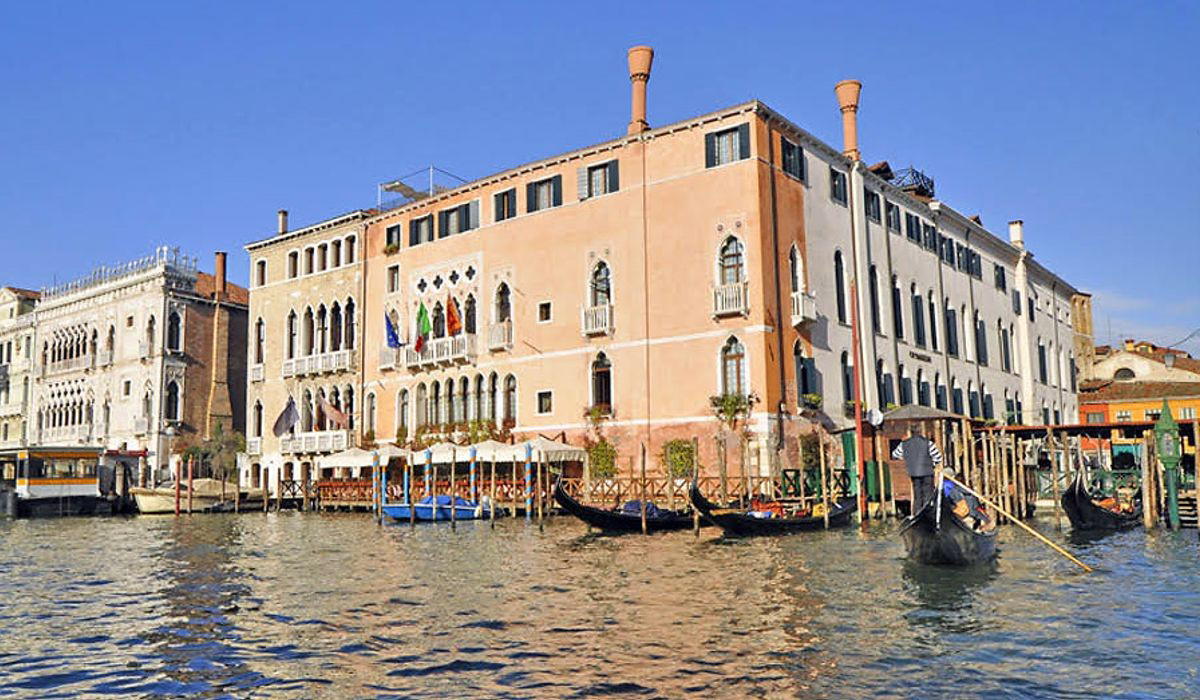
On the Riva del Vin, one of the Grand Canal's most historically loaded quaysides, La Porta d'Acqua occupies a position that places it squarely within Venice's Rialto dining corridor. The address alone signals proximity to the market suppliers that define serious Venetian cooking, and the setting asks the question most visitors to the city eventually face: how do you separate the restaurants built for the view from those built around what's on the plate?
Pearl is the En Primeur Club membership app — saves, bookings, and concierge access live there. Same editors, same standards.
- Address
- Riva del Vin, 1097, 30125 Venezia VE, Italy
- Phone
- +39412412124
- Website
- laportadacqua.com
- Directions
- Get directions
 Saves & bookings on Pearl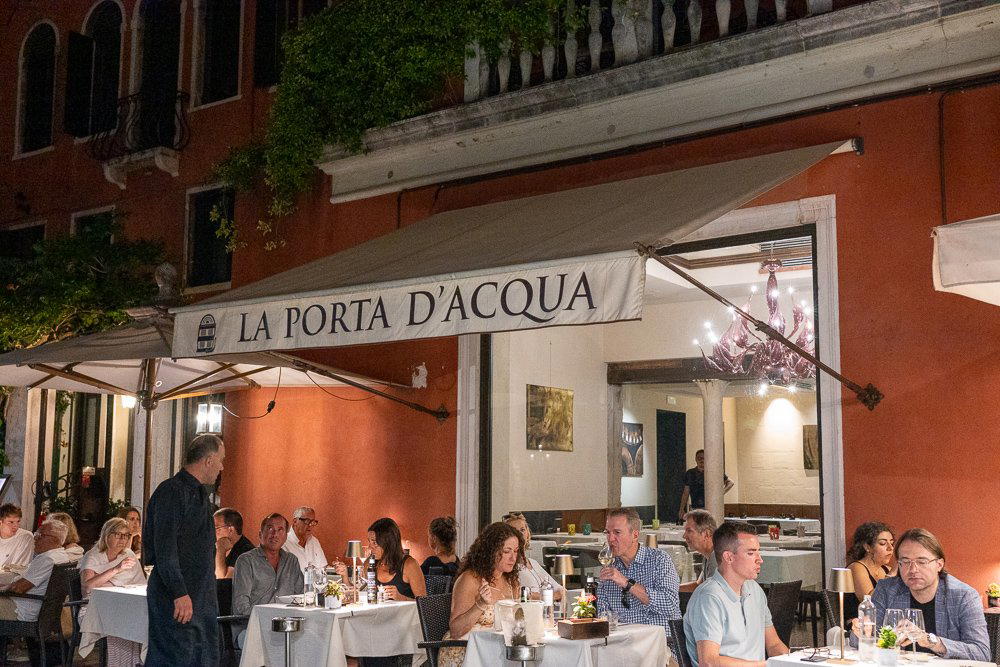
The Rialto Corridor and What It Demands
Venice's dining scene divides more sharply than most Italian cities between restaurants that trade on location and those that treat location as one variable among several. The Riva del Vin, where La Porta d'Acqua sits at number 1097, runs along the Grand Canal between the Rialto Bridge and the Ca' Foscari bend. It is among the more photographed stretches of waterfront in Europe, and that visibility cuts both ways. Kitchens along this quayside face an audience that has already booked the view; the question is whether they give it a reason to return. The restaurants along this corridor that hold sustained local respect tend to be the ones where front-of-house, kitchen, and wine service work in visible coordination rather than operating as separate departments delivering a set piece.
That dynamic, the relationship between kitchen output, dining room rhythm, and the wine program, is where serious Venetian restaurants are won or lost. The city's seafood-driven cuisine is technically unforgiving. Lagoon fish and shellfish offer little cover for timing errors between kitchen and floor, and a poorly matched wine can collapse a dish built around brine and iodine. The establishments in Venice that consistently earn repeat local custom are almost always those where the sommelier and kitchen communicate in real time, adjusting pacing to the table rather than running a fixed sequence.
Where La Porta d'Acqua Sits in the Venice Market
Venice's restaurant market at the Rialto end of the Grand Canal spans a wide price and format range. At the summit of the market, places like Ristorante Quadri on Piazza San Marco carry significant historical weight and modern culinary investment, while Glam Restaurant by Enrico Bartolini represents the Michelin-recognized creative wing of contemporary Venetian dining. One tier down in formality but not in seriousness, places like Local and Wistèria operate in the modern Italian and contemporary registers, holding loyal audiences on the strength of consistent cooking rather than ceremony. La Porta d'Acqua occupies the Riva del Vin address that gives it immediate canal-side exposure, and how it deploys that position determines which tier it genuinely belongs to.
For broader context on where the city's dining is moving, the EP Club Venice restaurants guide maps the full range across neighborhoods and formats. La Porta d'Acqua's Rialto address puts it within walking distance of the Mercato di Rialto, the wholesale fish and produce market that opens before dawn and sets the terms for what appears on plates across the city that day. Restaurants that source directly from the Rialto market, rather than through intermediary suppliers, tend to show it in the composition of what reaches the table: fewer out-of-season ingredients, more structural simplicity built around whatever came off the boats that morning.
Venetian Cuisine and the Canal-Side Kitchen
The culinary tradition associated with the Rialto market is among the more regionally specific in Italy. Venetian cooking draws from the lagoon (cuttlefish, soft-shell crab, sea bass), the Adriatic (red mullet, scallops, mantis shrimp), and a set of mainland Veneto ingredients, radicchio from Treviso, white asparagus from Bassano, stockfish from the northern trade routes, that gave the cuisine its distinctive combination of brine and sweetness long before Italian regional cooking became an international reference point. The sarde in saor, the risi e bisi, the bigoli in salsa: these are dishes that resist modernization poorly because their logic is already precise. Kitchens that understand this tend to adjust seasonings and sourcing rather than format.
Across Italy's serious dining scene, the restaurants that have built particularly durable reputations share a similar discipline: they work within a defined tradition and deepen it rather than decorating around it. Dal Pescatore in Runate has sustained three Michelin stars across decades by holding to a regional logic rather than chasing format trends. Osteria Francescana in Modena built its international reputation by interrogating a tradition rather than abandoning it. Uliassi in Senigallia applies Adriatic seafood logic with genuine technical ambition. These are the reference points against which Venice's serious kitchens are measured when critics look beyond the canal views.
Further afield, restaurants like Le Calandre in Rubano, just 40 kilometres from Venice, and Piazza Duomo in Alba demonstrate what northern Italian cooking achieves when the kitchen-to-floor relationship is treated as a core operational discipline rather than an afterthought. The comparison is useful when assessing any Venice restaurant that takes its food seriously: proximity to the Rialto market is an advantage only if the kitchen knows what to do with it.
Team Structure and the Canal-Side Dining Room
The editorial angle that matters most for a Riva del Vin address is the question of team cohesion. Canal-side dining rooms in Venice attract a high proportion of tourists on single visits, which creates a commercial incentive to prioritise turnover and view allocation over the kind of pacing and wine conversation that repeat local custom requires. The restaurants along this stretch that build a reputation beyond their postcode are those where the front-of-house team reads a table accurately enough to shift between languages, dietary registers, and service speeds without losing the thread. A skilled sommelier in this context is doing more than pouring wine, they are managing the rhythm of the meal and, in a seafood-heavy menu, making pairing calls that determine whether the kitchen's work lands correctly.
Internationally, the coordination model that produces this kind of dining room discipline is well-documented. Le Bernardin in New York City built its reputation partly on exactly this integration of kitchen and floor around a seafood program. Atomix in New York City treats front-of-house as an active editorial layer of the meal rather than a delivery mechanism. Closer to Venice, Oro Restaurant operates within a luxury hotel context that brings its own service structure and expectations. Each of these examples illustrates a different model of team integration, and they collectively define the standard against which serious canal-side dining in Venice should be assessed.
Planning a Visit
The restaurant is at Riva del Vin 1097, in the San Polo sestiere, a short walk from the Rialto Bridge on the San Polo bank of the Grand Canal. The address is accessible on foot from the Rialto Mercato vaporetto stop, which keeps it well inside the city's pedestrian logic rather than requiring water taxi access. Riva del Vin is busiest in the late afternoon and early evening when canal traffic and tourist footfall peak simultaneously; a reservation for an earlier dinner service typically means a calmer dining room. Open daily from 10 AM to 10 PM, with reservations recommended.
Those planning a wider Italian itinerary around serious dining might also consider Enoteca Pinchiorri in Florence, Enrico Bartolini in Milan, Reale in Castel di Sangro, Quattro Passi in Marina del Cantone, or Atelier Moessmer Norbert Niederkofler in Brunico as reference points for the range Italian fine dining currently covers.
Cost and Credentials
Comparable venues nearby, for context on price, style, and recognition.
| Venue | Cuisine | Price | Notes |
|---|---|---|---|
| La Porta d'AcquaThis venue — the venue you are viewing | San Polo, Venetian Seafood | $$$ | Not listed |
| Taverna al Remer | Santa Croce, Venetian Seafood Taverna | $$$ | Not listed |
| LPV Ristorante | Not listed | $$$ | Riva degli Schiavoni, Classic Venetian Fine Dining |
| Ombra del Leone | San Marco, Classic Venetian Seafood | $$$ | Not listed |
| Ostaria Boccadoro | Cannaregio, Modern Venetian Seafood | $$$ | Not listed |
| La Bitta | Not listed | $$$ | Dorsoduro, Traditional Venetian Meat Osteria |
Continue exploring
More in Venice
Restaurants in Venice
Browse all →
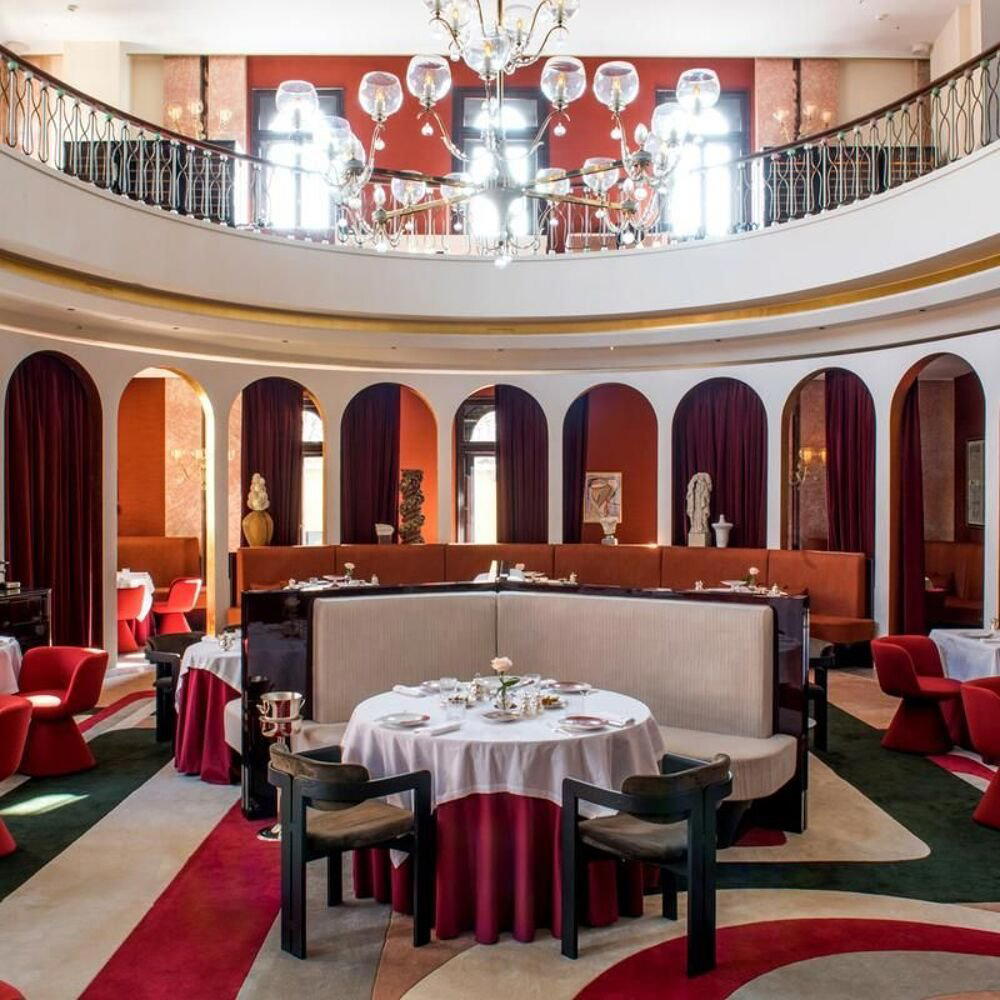
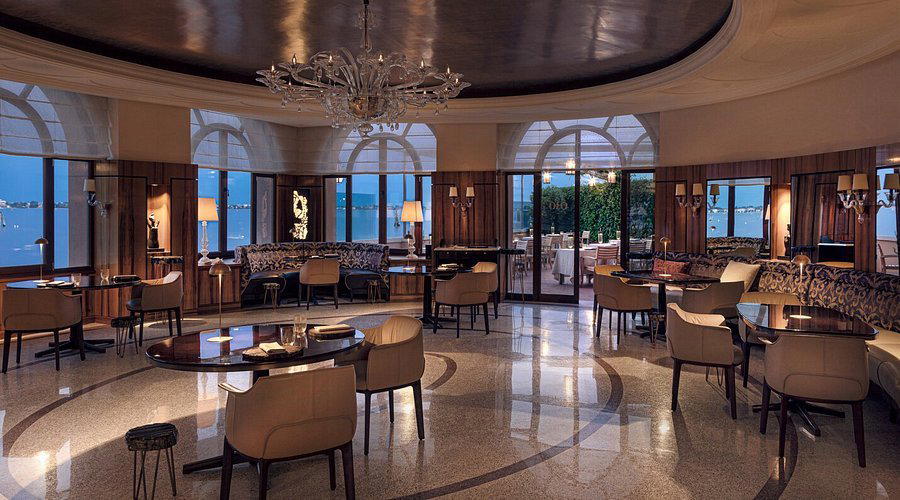
Bars in Venice
Browse all →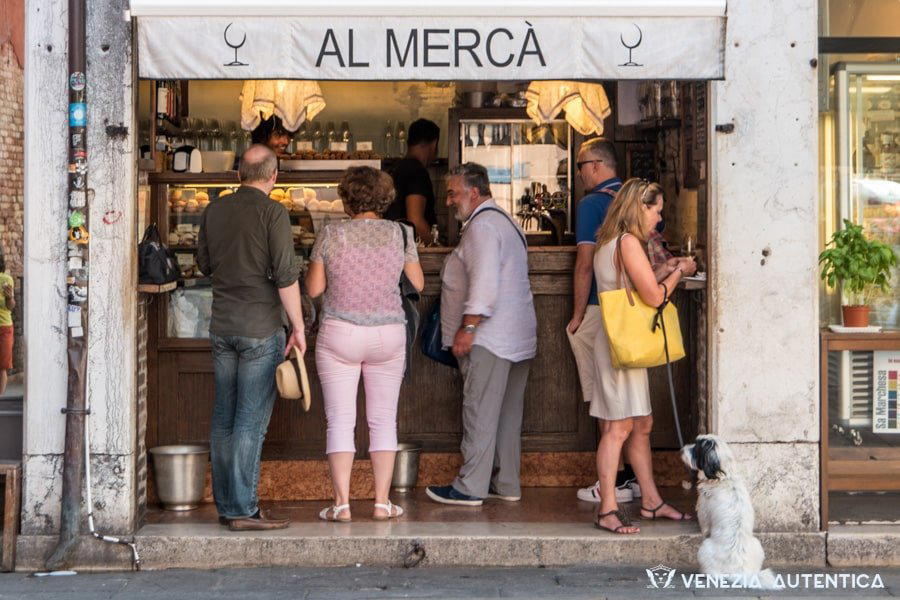
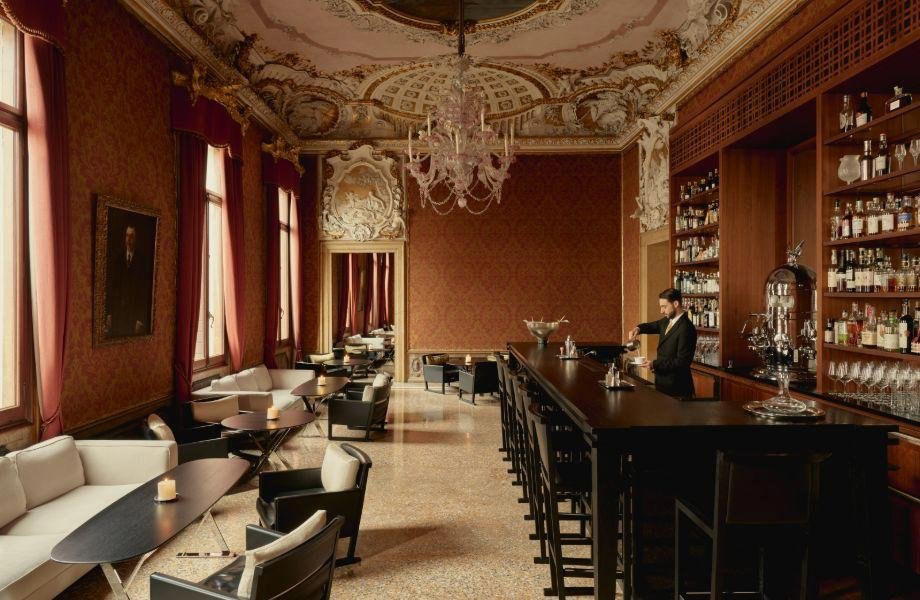
Hotels in Venice
Browse all →
At a Glance
- Elegant
- Romantic
- Sophisticated
- Scenic
- Date Night
- Special Occasion
- Waterfront
- Historic Building
- Terrace
- Extensive Wine List
- Waterfront
Current opening hours
- Monday
- 10 AM–10 PM
- Tuesday
- 10 AM–10 PM
- Wednesday
- 10 AM–10 PM
- Thursday
- 10 AM–10 PM
- Friday
- 10 AM–10 PM
- Saturday
- 10 AM–10 PM
- Sunday
- 10 AM–10 PM
Hours can change for holidays and private events. Last verified .
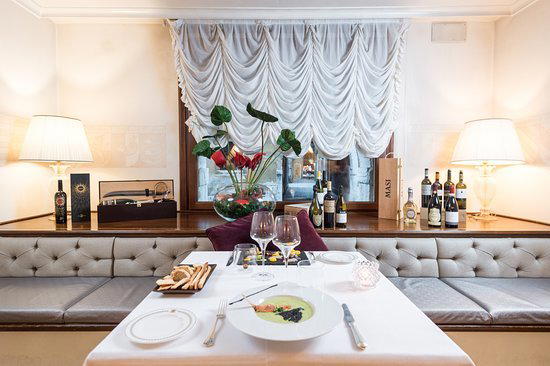
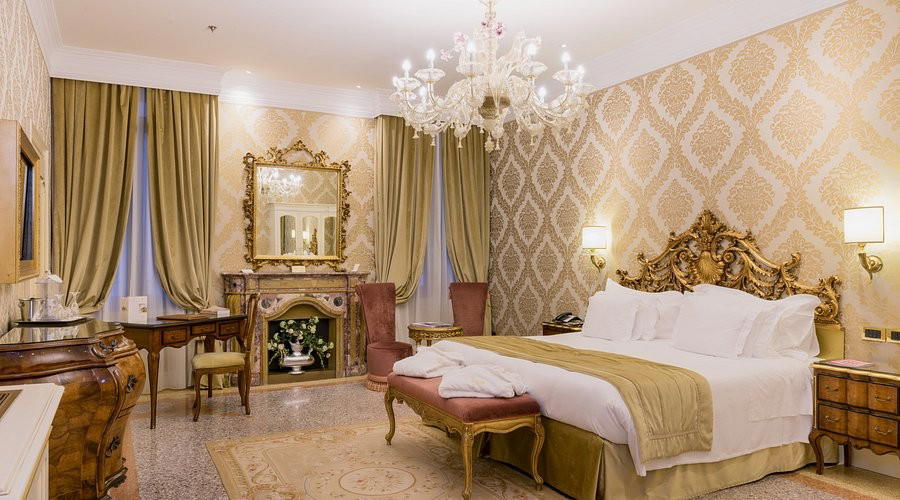
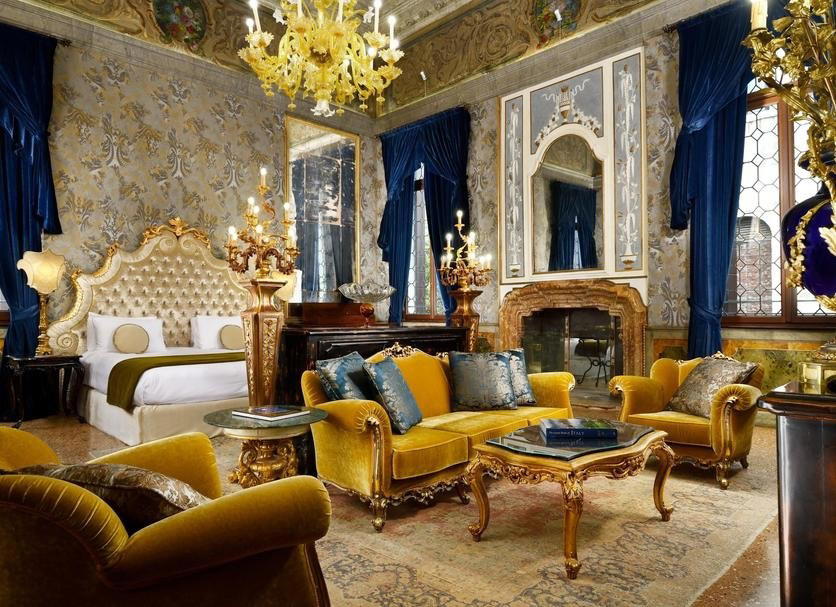
Elegant and sophisticated with a pleasant atmosphere enhanced by dramatic Grand Canal views.