On a quiet fondamenta in Venice's Dorsoduro sestiere, Osteria Enoteca Ai Artisti occupies the kind of canal-side address that rewards those who have moved beyond the obvious tourist circuits. The osteria format here leans into the traditional pairing of curated wine and ingredient-led cooking that defines the better end of Venetian neighbourhood dining. It sits comfortably within the €€–€€€ bracket that still characterises genuinely local Venetian tables.
Pearl is the En Primeur Club membership app — saves, bookings, and concierge access live there. Same editors, same standards.
- Address
- Fondamenta Toletta, 1169 abc, 30123 Venezia VE, Italy
- Phone
- +39415238944
- Website
- enotecaartisti.com
- Directions
- Get directions
 Saves & bookings on Pearl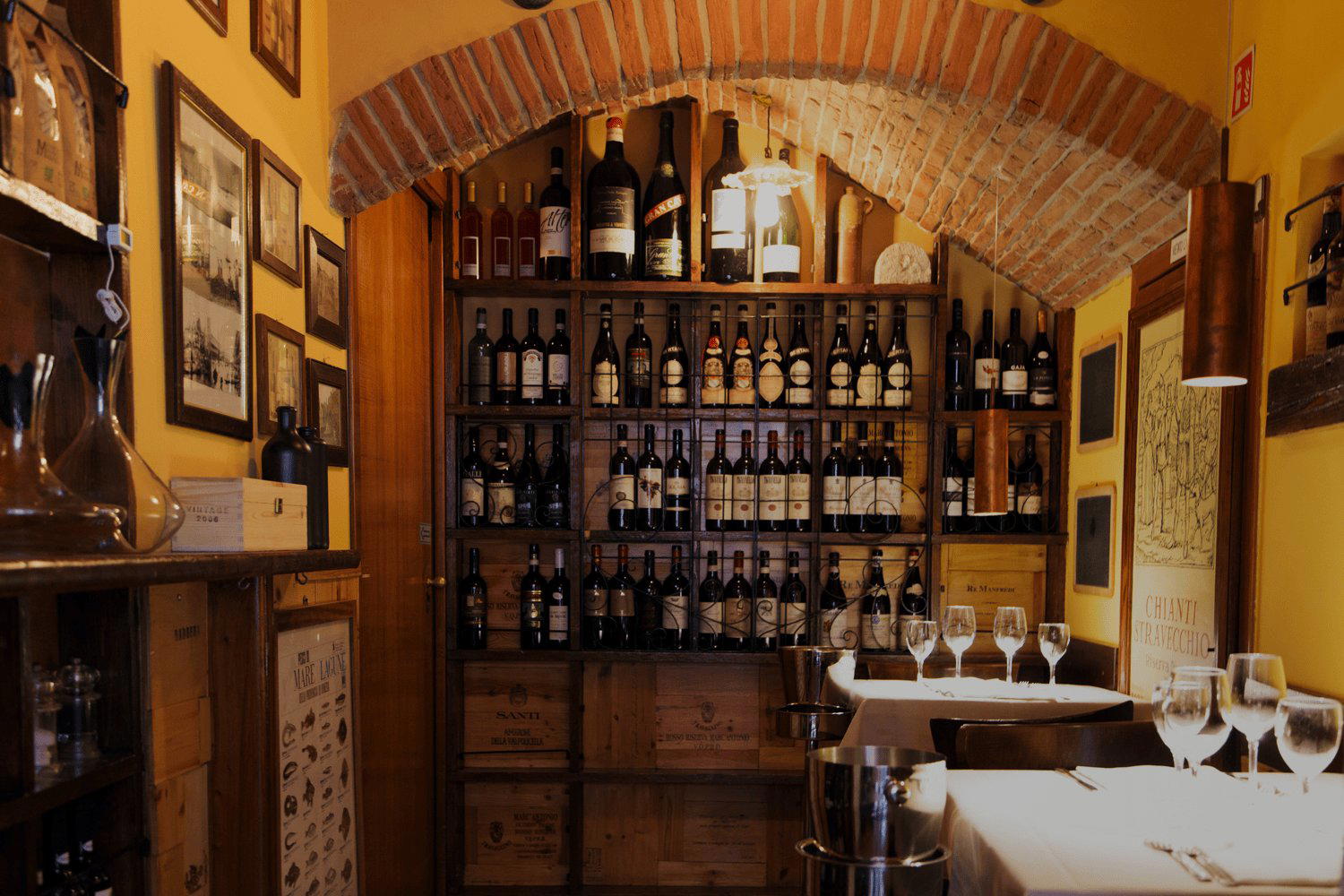
A Dorsoduro Address and What It Signals
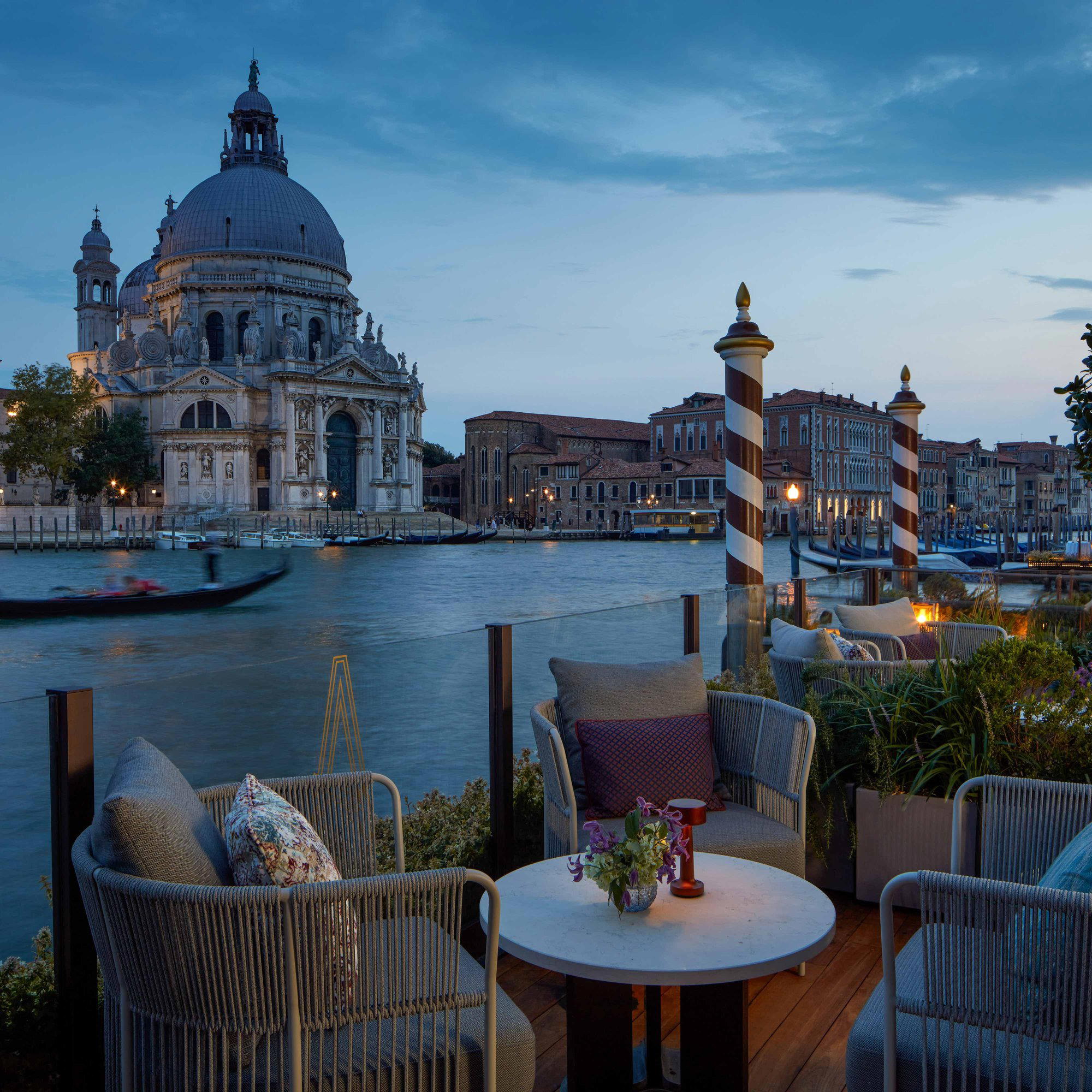
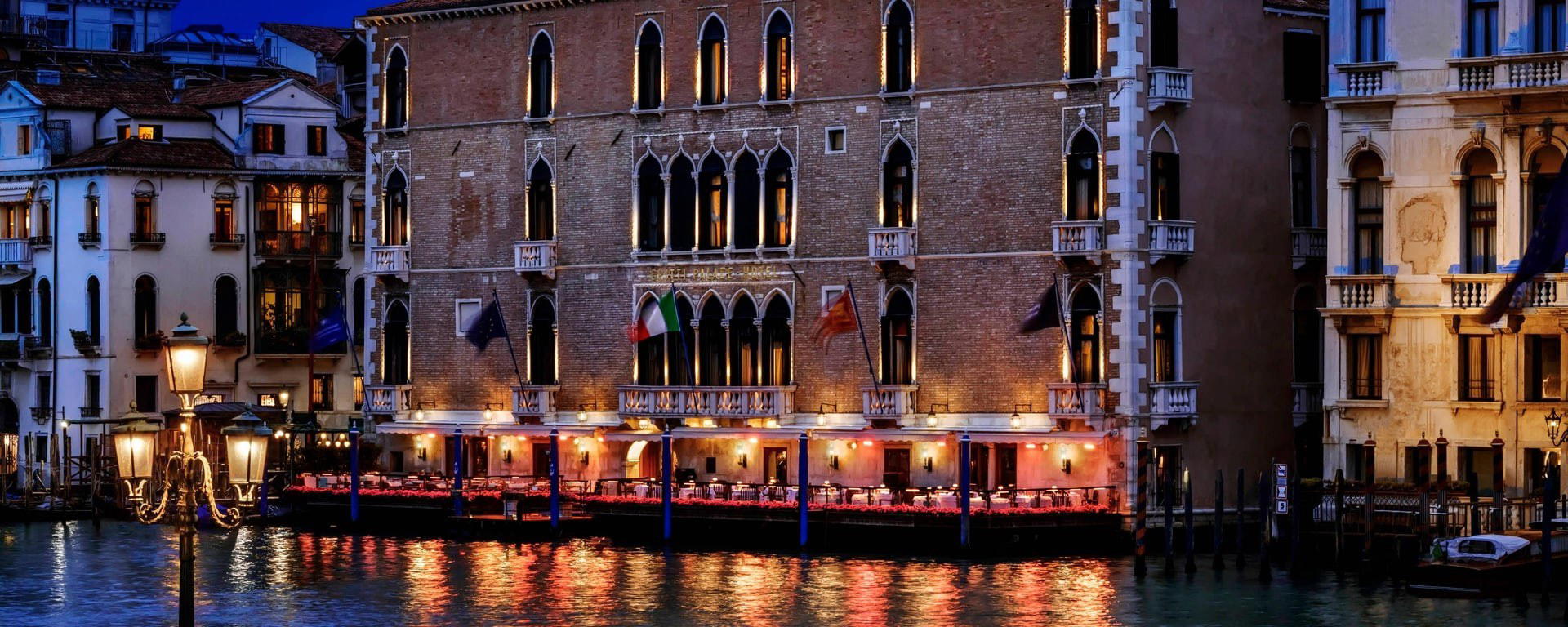
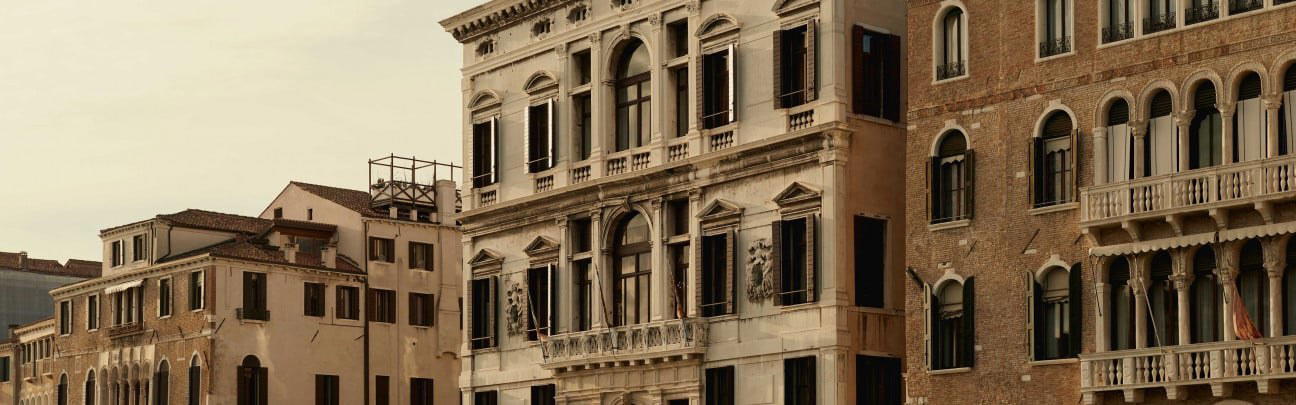
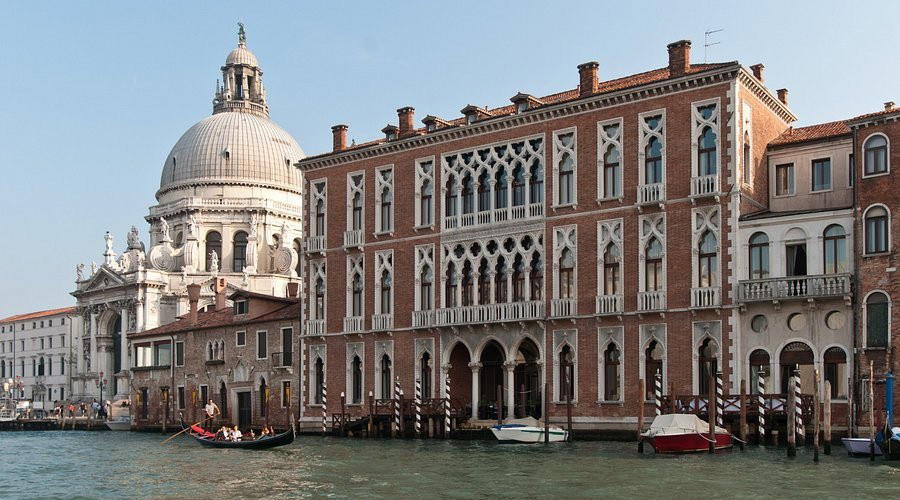
Venice's dining scene has always sorted itself geographically as much as by price or ambition. The sestiere of Dorsoduro carries a different character from the tourist-facing restaurants that cluster around the Rialto or near the Piazza San Marco. Its streets, or rather its calli and fondamente, attract a different crowd: students from the nearby Ca' Foscari university, working Venetians, and the kind of traveller who has already done the obvious route and wants something less rehearsed. Fondamenta della Toletta, where Osteria Enoteca Ai Artisti sits at number 1169, belongs firmly to that register. The approach on foot, along a narrow canal lined with the back doors of old palazzi, sets expectations before you arrive at the door.
The osteria-enoteca format is one of the more honest containers in Italian dining. It positions wine as a co-equal with food rather than a supporting player, and it tends to attract operators who have a genuine point of view on what goes in the glass. That combination, neighbourhood location plus an enoteca identity, places Ai Artisti in a specific tier of Venetian restaurant: not the grand dining rooms of Ristorante Quadri on the Piazza, not the contemporary tasting-menu format of Local, but closer to the tradition of cooking that treats Venetian ingredients as the argument rather than the occasion for a chef's signature style.
The Physical Space and What It Tells You
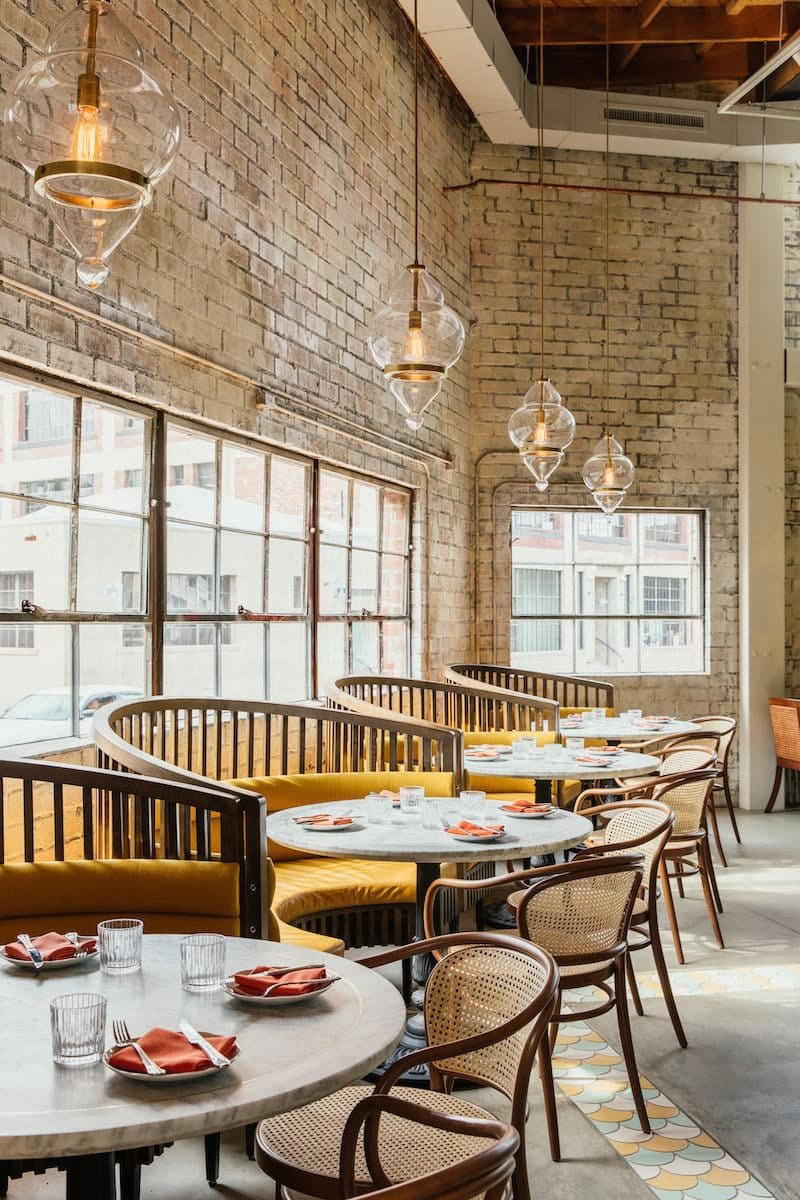
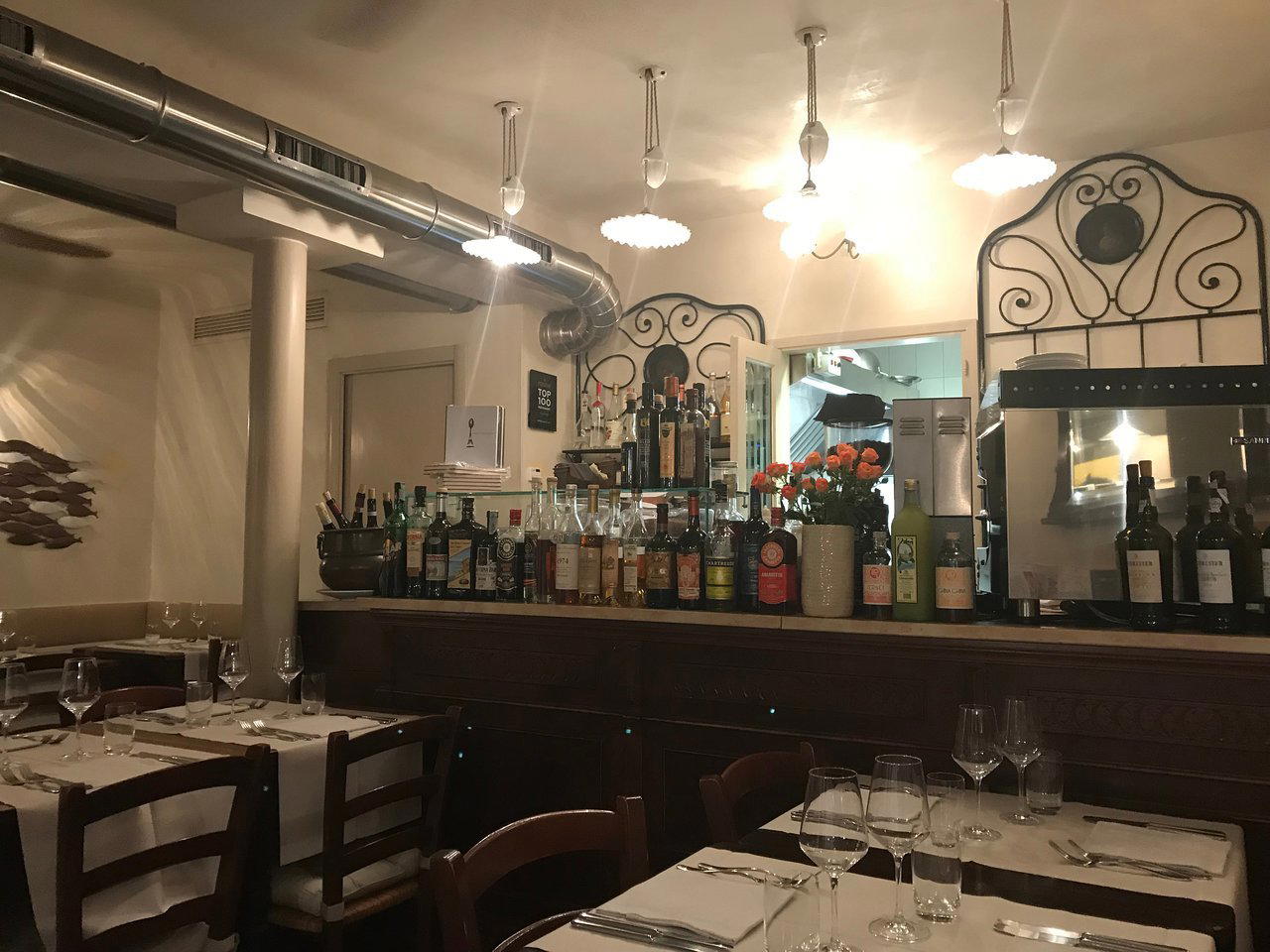
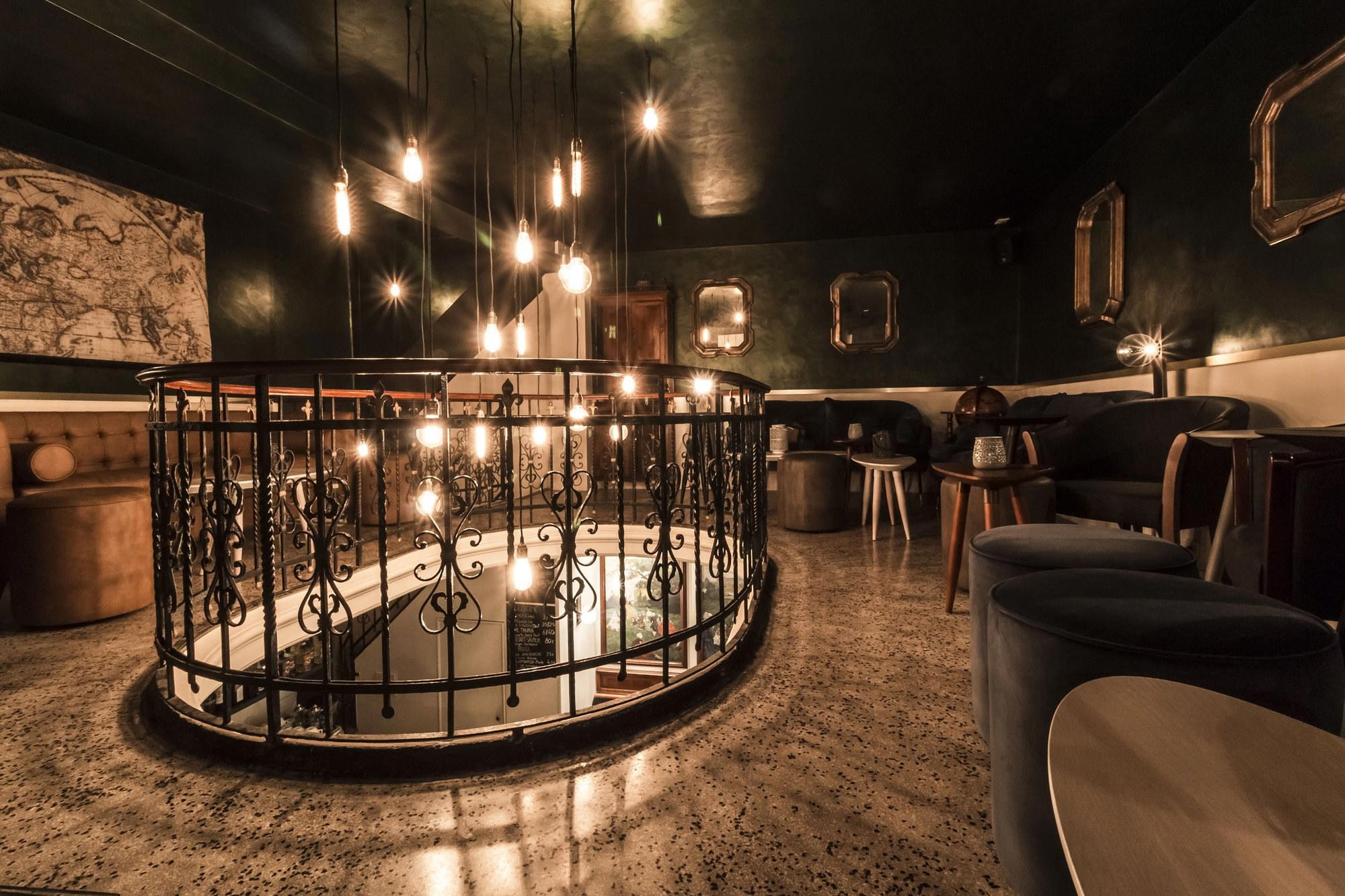
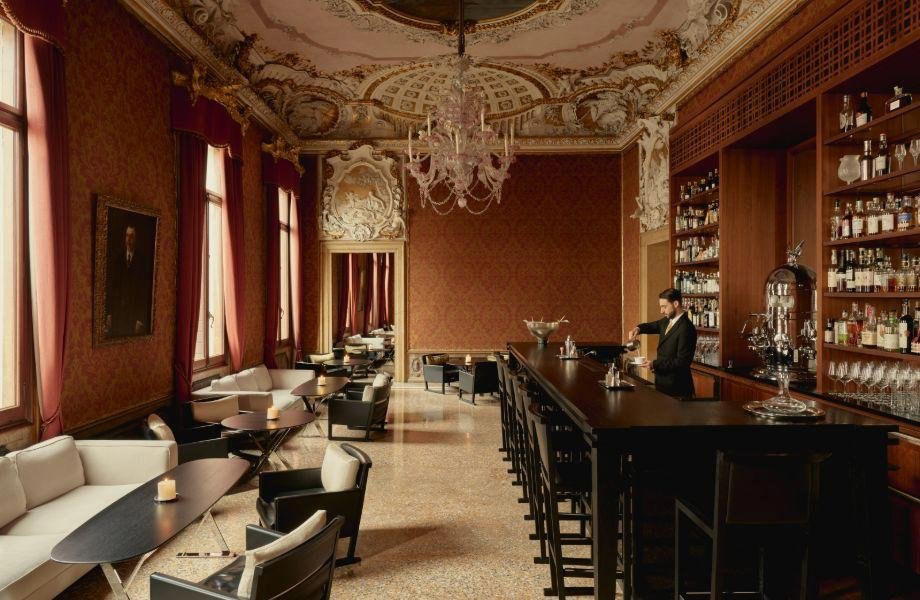
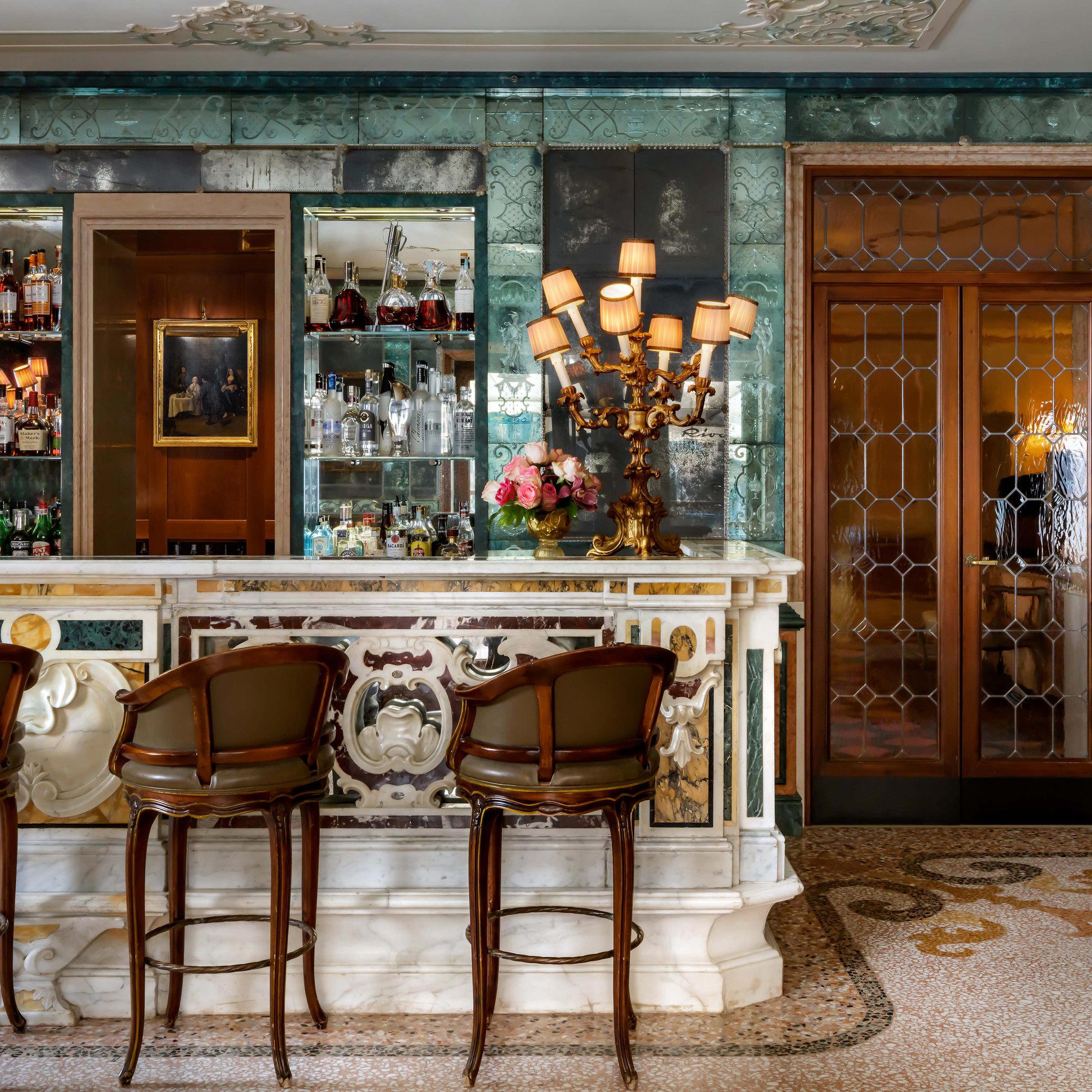
In Venice, the physical container of a restaurant carries meaning in a way that is not always true in other cities. Space is scarce, ceilings are low, walls are thick, and the layout of a room is usually the product of what the building allowed rather than what an architect planned. At Ai Artisti, the interior operates on the scale typical of a serious neighbourhood osteria: compact, with the kind of seating arrangement that means a full room feels convivial rather than crowded, and an empty room feels like you have arrived too early rather than that something is wrong.
The enoteca dimension matters here architecturally as well as editorially. Wine storage, whether visible shelving, a dedicated rack behind a bar, or bottles integrated into the dining room itself, communicates the establishment's priorities before a menu is handed over. In the better Venetian osterias, the wine list is not a secondary document; it is the point. The name above the door at Ai Artisti makes that commitment explicit. For a reader used to comparing this format against, say, the more formal enoteca tradition of Enoteca Pinchiorri in Florence, the scale here is deliberately smaller, more immediate, and less ceremonial.
Dorsoduro's light changes through the day in the particular way that canal-side locations in Venice do, and a table near the front of a narrow osteria in the late afternoon carries a quality of natural illumination that no interior design decision can replicate. That physical reality, stone floors, aged plaster, a canal a few metres from the door, does more to establish the atmosphere than any deliberate styling could.
Where This Fits in the Venetian Dining Order
Venice has a recognisable hierarchy in its restaurant culture, and understanding where an osteria-enoteca sits within it helps set the right expectations. At the upper tier, places like Glam Restaurant by Enrico Bartolini and Oro Restaurant operate with the formal service rhythms and technical ambition associated with Michelin recognition. One step below, contemporary addresses like Wistèria occupy a creative-casual register. The osteria tier, where Ai Artisti operates, is different in purpose: it is the format that sustains daily Venetian eating rather than the format that produces destination dining moments.
That distinction matters for what you are actually buying when you sit down. The leading osterie in Italy, from the seafood-led trattorias of the lagoon to the cichetti-anchored wine bars of the Veneto, deliver value through product quality and culinary restraint rather than through technical complexity. The comparison set for Ai Artisti is not Osteria Francescana in Modena or Le Calandre in Rubano; it is the category of serious neighbourhood wine restaurants that exist in every Italian city and that Venice has historically produced at a high level, given the quality of its lagoon fish supply and the proximity of the Veneto wine region.
The Veneto's wine output gives an osteria-enoteca in Venice natural material to work with: Soave and Lugana for whites, Valpolicella and its richer derivations for reds, prosecco from the Conegliano-Valdobbiadene zone as an aperitif register that is not the industrial version sold elsewhere. A serious enoteca in this city should have an opinion on all of those categories, and the format of Ai Artisti implies it does. For readers who have spent time at wine-led restaurants of similar ambition elsewhere in Italy, including Uliassi in Senigallia or Dal Pescatore in Runate, the register here is intentionally quieter, more like the daily rhythm of eating than a special occasion.
Practical Planning
Dorsoduro is reachable by vaporetto from multiple points on the Grand Canal, and the Fondamenta della Toletta is a short walk from the Ca' Rezzonico stop. The neighbourhood rewards a longer stay rather than a quick visit: combine a meal at Ai Artisti with the Gallerie dell'Accademia a few hundred metres away, or approach the fondamenta in the early evening when the light and the foot traffic are at their most characteristic. Booking ahead is advisable for any serious Venetian restaurant, particularly in the spring and autumn shoulder seasons when the city draws visitors who plan carefully. The osteria format typically means a more flexible approach to timing than a fixed tasting-menu counter, but the room's compact scale means it fills quickly on popular evenings.
Cuisine and Recognition
Comparable venues nearby, for context on price, style, and recognition.
| Venue | Cuisine | Price | Notes |
|---|---|---|---|
| Osteria Enoteca Ai ArtistiThis venue — the venue you are viewing | Creative Venetian Osteria | $$$ | Not listed |
| La Bitta | Traditional Venetian Meat Osteria | $$$ | Dorsoduro |
| Impronta Restaurant Venice | Contemporary Venetian Italian | $$$ | San Polo |
| Osteria Enoteca San Marco | Modern Venetian Osteria | $$$ | San Marco |
| Ostaria Boccadoro | Modern Venetian Seafood | $$$ | Cannaregio |
| Algiubagio Restaurant | Traditional Venetian Italian | $$$ | Cannaregio |
At a Glance
- Cozy
- Elegant
- Intimate
- Rustic
- Date Night
- Special Occasion
- Waterfront
- Terrace
- Open Kitchen
- Extensive Wine List
- Waterfront
- Street Scene
Current opening hours
- Monday
- Closed
- Tuesday
- 12:45–2:45 PM, 7–10 PM
- Wednesday
- 12:45–2:45 PM, 7–10 PM
- Thursday
- 12:45–2:45 PM, 7–10 PM
- Friday
- 12:45–2:45 PM, 7–10 PM
- Saturday
- 12:45–2:45 PM, 7–10 PM
- Sunday
- Closed
Hours can change for holidays and private events. Last verified .
Cozy and elegant with low ceilings, soft lighting, canal-side tables, and a welcoming family atmosphere.