

Michelin Plate · Tabelog Bronze #206
Our verdict
Oryori Kotan occupies a quiet address in Nara's Omiyacho district, offering Japanese cuisine at the ¥¥¥ tier with Michelin Plate recognition in both 2024 and 2025. The setting fits Nara's broader pattern of restrained, precision-driven dining that draws on the city's historical depth without replicating Kyoto's kaiseki conventions. Reservations are advisable for any visit.

Pearl is the En Primeur Club membership app, where members save venues, book tables and use the concierge.
The menu
What to order
- Beef hobayaki
- Vegetable takiawase
- Dashi soup
Nara's Dining Register and Where Oryori Kotan Sits Within It
Nara occupies an unusual position in Japan's fine-dining conversation. It draws serious visitors for its historical density, the city served as Japan's first permanent capital and retains a concentration of eighth-century temples and shrines that few places anywhere can match, yet its restaurant scene operates largely outside the international spotlight that falls on Kyoto, Osaka, and Tokyo. That relative quietness is not a sign of thin quality. It reflects a city where the dining culture runs deep but local, where the leading tables are known primarily through domestic reputation and word of mouth rather than through the international award cycles that govern the Kansai hierarchy. Within that context, restaurants earning Michelin recognition in Nara carry weight that outpaces the raw badge count. Oryori Kotan, holding a Michelin Plate in both 2024 and 2025 and positioned at the ¥¥¥ price tier in the Omiyacho neighbourhood, belongs to the tier of Nara dining that earns its standing through consistency rather than spectacle.
The ¥¥¥ bracket in Nara places Oryori Kotan in company with venues such as NARA NIKON, Oryori Hanagaki, and Tsukumo, a cohort that shares a commitment to Japanese cooking at a level where technique and sourcing do the communicating. Further along the price register, venues like Ajinokaze Nishimura and Ajinotabibito Roman represent adjacent directions in the city's dining character. Nara's Japanese fine-dining scene has never converged on a single dominant format the way Kyoto has around kaiseki. The city's tables tend toward individual approaches, shaped in part by Nara's own ingredient traditions, the Yamato Basin's vegetables, the proximity to Yoshino cedar country, the quiet influence of temple cuisine on local palates going back centuries.
The Ritual of the Meal: Pacing and Intentionality in Japanese Dining
Japanese fine dining at this price tier operates on a logic that differs structurally from Western tasting-menu culture. The distinction is not simply one of ingredients or technique, it is temporal. A meal at a serious Japanese counter or private dining room is built around deliberate pacing, where each course arrives not to impress in sequence but to establish a rhythm. Silence between courses is not a gap to be filled; it is part of the format. The physical temperature of a dish, the order in which elements appear on the table, the weight of the ceramics used, these details are communicative in the same register as flavour. For a visitor arriving from outside Japan's dining tradition, the adjustment is less about taste and more about attention. You are asked to be present in a way that most Western restaurant formats do not require.
At establishments in Oryori Kotan's category across Nara and the wider Kansai region, this ritual dimension shapes the entire visit. The Omiyacho address, in the area immediately surrounding Nara's central temple precincts, sets a tone before the meal begins. This part of the city moves at a different pace from the tourist circuits around Todai-ji and the deer park; its residential and commercial fabric is quieter, and the experience of arriving for dinner here involves a kind of decompression that purpose-built dining destinations in Osaka or Tokyo cannot replicate. That contextual framing is not incidental to the meal, it is structurally related to how Japanese dining at this level works. The environment primes the register.
For comparison across the broader Japanese fine-dining tier, the same logic of intentional pacing appears in very different city contexts: at Harutaka in Tokyo, where the sushi counter format compresses that intentionality into each individual piece, or at Gion Sasaki in Kyoto, where kaiseki's seasonal architecture sets the framework. HAJIME in Osaka represents the point where Japanese fine dining absorbs European structural thinking without abandoning its underlying attention to material and moment. Oryori Kotan's Japanese category and price positioning place it in a different register from those larger-city flagships, more intimate in scale, more rooted in its specific city context, but the underlying grammar of the meal shares the same origins.
Michelin Plate Recognition and What It Signals in This Market
The Michelin Plate designation, awarded to Oryori Kotan in both 2024 and 2025, functions differently in a secondary city like Nara than it does in Tokyo or Osaka. In markets where Michelin has been active for decades and where the concentration of starred restaurants is high, a Plate can signal a promising but unresolved kitchen. In Nara, where the Michelin footprint is smaller and the density of assessed venues lower, the same designation signals a table that inspectors considered worth noting, a meaningful threshold given that many of the city's most serious restaurants operate below Michelin's visibility entirely. The sustained recognition across consecutive guide years adds consistency as a data point, indicating this is not a one-cycle assessment.
Across Japan's western cities, the Tabelog platform provides a parallel and in many cases more granular signal than Michelin for domestic diners. The dynamic in Nara skews further toward local reputation: the city's dining scene is proportionally more domestic in its audience, which means the restaurants that hold at this level do so without heavy reliance on international review infrastructure.
Placing Oryori Kotan in the Wider Japanese Dining Map
Visitors planning a serious dining itinerary through Japan's mid-Honshu corridor often anchor on Kyoto and Osaka, treating Nara as a half-day excursion for the temples. The consequence of that framing is that Nara's dinner tables go largely unbooked by foreign visitors, which means the leading seats are held by a predominantly local and domestic-tourism audience. For anyone willing to structure a full evening around the city, and Nara's traditional ryokan options make overnight stays genuinely worthwhile, the dining tier represented by Oryori Kotan becomes accessible in a way that comparably recognised tables in Kyoto or Tokyo are not. The booking pressure here is lower, though reservations remain the right approach at any ¥¥¥ establishment.
The Japanese dining category covers significant internal range. In Tokyo, Myojaku and Azabu Kadowaki represent the capital's version of refined Japanese cooking at serious price points, where the competitive density requires a more differentiated identity. In smaller cities and in markets like 1000 in Yokohama or 6 in Okinawa, the dining proposition is shaped by local ingredient character and a different relationship to the national fine-dining conversation. Oryori Kotan belongs to a Nara-specific version of that pattern: Japanese cooking at a level of seriousness that reflects the city's history and its quiet culinary confidence, without needing to perform for an audience wider than its own neighbourhood.
Planning Your Visit
Oryori Kotan is located at 6 Chome-2-17 Omiyacho in Nara, within walking distance of the city's central historic district. At the ¥¥¥ price tier and with Michelin Plate recognition in place for 2024 and 2025, this is a reservation-appropriate table, contact in advance, as walk-in availability at this category of Japanese dining is not a reliable option. Nara is accessible from Kyoto in approximately 45 minutes by express train and from Osaka in a comparable time, making it a feasible dinner destination from either city for visitors who prefer to travel back the same evening, though an overnight stay allows a more considered engagement with both the dining and the city. For a broader picture of what Nara offers across categories, see our full Nara restaurants guide, our full Nara hotels guide, our full Nara bars guide, our full Nara wineries guide, and our full Nara experiences guide.
Frequently asked questions
What do regulars order at Oryori Kotan?
Oryori Kotan operates in the Japanese cuisine category at the ¥¥¥ tier, and at this level in Nara the standard format is a set course rather than à la carte ordering. Regulars at comparable Japanese dining rooms in this price bracket, venues with Michelin recognition and a fixed omakase or course structure, do not typically select individual dishes. The kitchen determines the progression. What distinguishes returning guests at this category of restaurant is familiarity with the pace and a willingness to engage with the seasonal logic of what is presented, which shifts across the year as Nara's agricultural calendar and the broader Kansai market dictate what ingredients are at peak condition. Peer venues such as Oryori Hanagaki and Ajinokaze Nishimura follow the same structural logic.
Is Oryori Kotan reservation-only?
At the ¥¥¥ price point with sustained Michelin Plate recognition, Oryori Kotan sits within the tier of Nara dining where reservations are the operative expectation rather than a convenience. Japanese fine dining at this level, whether in Nara, Kyoto, or the comparable category in cities like Fukuoka where sushi counters of similar standing such as those in the Tabelog Award tier operate with strict advance booking, is structured around the kitchen knowing its covers ahead of service. Arriving without a reservation is possible in theory but carries genuine risk of unavailability. The same principle applies across Nara's comparable tables: Tsukumo and Ajinotabibito Roman both operate within the same booking-first framework that defines serious Japanese dining at this price tier.
Cuisine and Awards Snapshot
Comparable venues nearby, for context on price, style, and recognition.
| Venue | Cuisine | Price | Awards | Notes |
|---|---|---|---|---|
| Oryori KotanThis venue (the venue you are viewing) | Traditional Kaiseki | $50–100 | Michelin Plate · Tabelog Bronze #206 | Not listed |
| Gen | Traditional Juwari Soba | $50–100 | Michelin Plate · Tabelog 100 #78 | Nara |
| Arigato | Japanese | Not listed | Michelin Plate | Nara |
| Masala an TAKUMI | Indian Fusion with Japanese & French Influences | $30–50 | Michelin Bib Gourmand | Nara |
| Unagino Toyokawa | Kansai-Style Unagi | $30–50 | Michelin Bib Gourmand · Tabelog 100 #89 | Nara |
| 37+1 - Sanjuhachi | Japanese-Italian Farm-to-Table | Not listed | Michelin Plate · We're Smart World 2 Radishes | Yamatotakada |
Recognition history
Dated appearances from independent guides and award organizations, with the underlying list record or original source where available.
Michelin Plate
Michelin
Tabelog Bronze #206
Tabelog
Full recognition history (6 entries)
Michelin Plate
Michelin
Tabelog 100 #32 · No. 32
Tabelog · Tabelog 100 - Sushi - WEST - 2025
Tabelog Silver
Tabelog
Michelin Plate
Michelin
Continue exploring
More in Nara
Restaurants in Nara
All restaurants in Nara →

Bars in Nara
All bars in Nara →


Hotels in Nara
All hotels in Nara →



Wineries in Nara
Browse all →
Details
- Elegant
- Intimate
- Classic
- Sophisticated
- Special Occasion
- Date Night
- Open Kitchen
- Sake Program
- Local Sourcing
- Set Menu
- Sake
Current opening hours
- Monday
- 5:30–10 PM
- Tuesday
- 11:30 AM–2 PM, 5:30–10 PM
- Wednesday
- 11:30 AM–2 PM, 5:30–10 PM
- Thursday
- 11:30 AM–2 PM, 5:30–10 PM
- Friday
- 11:30 AM–2 PM, 5:30–10 PM
- Saturday
- 11:30 AM–2 PM, 5:30–10 PM
- Sunday
- Closed
Hours can change for holidays and private events. Hours as of .
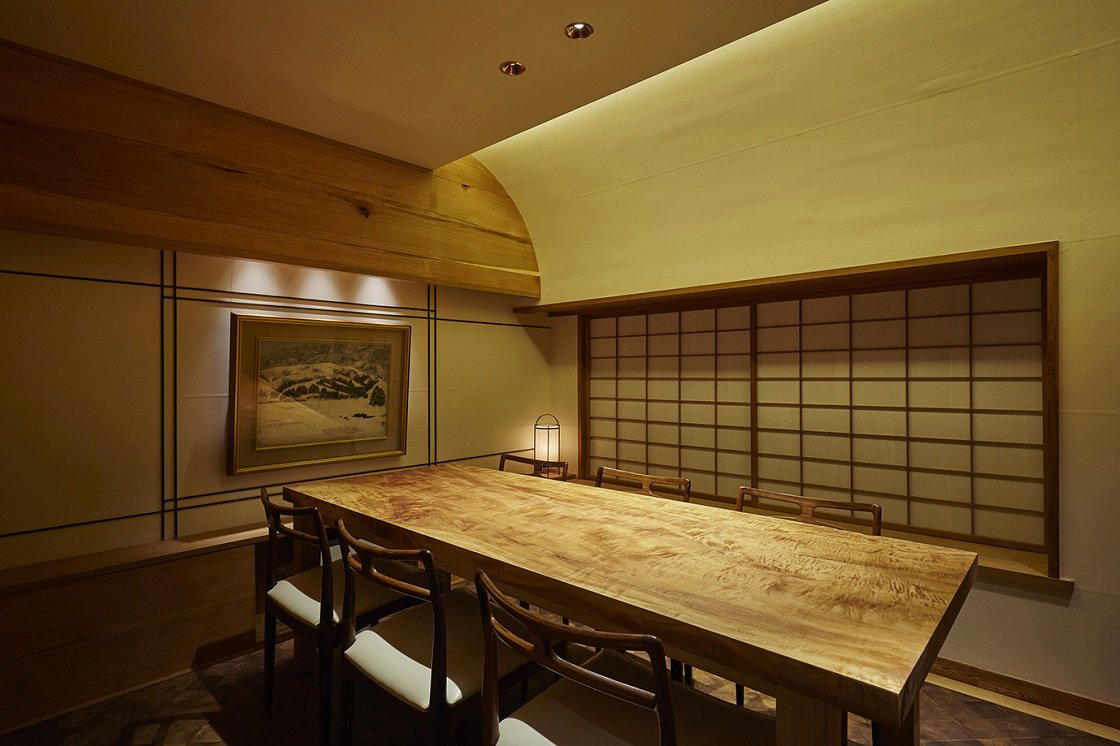
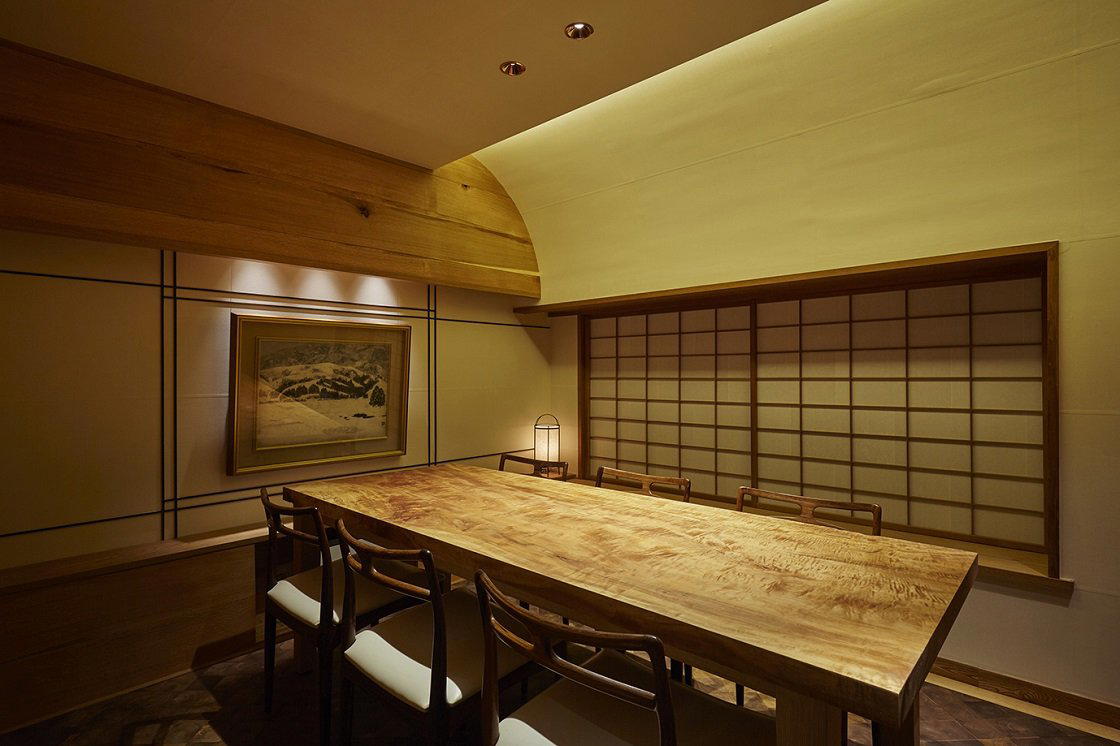
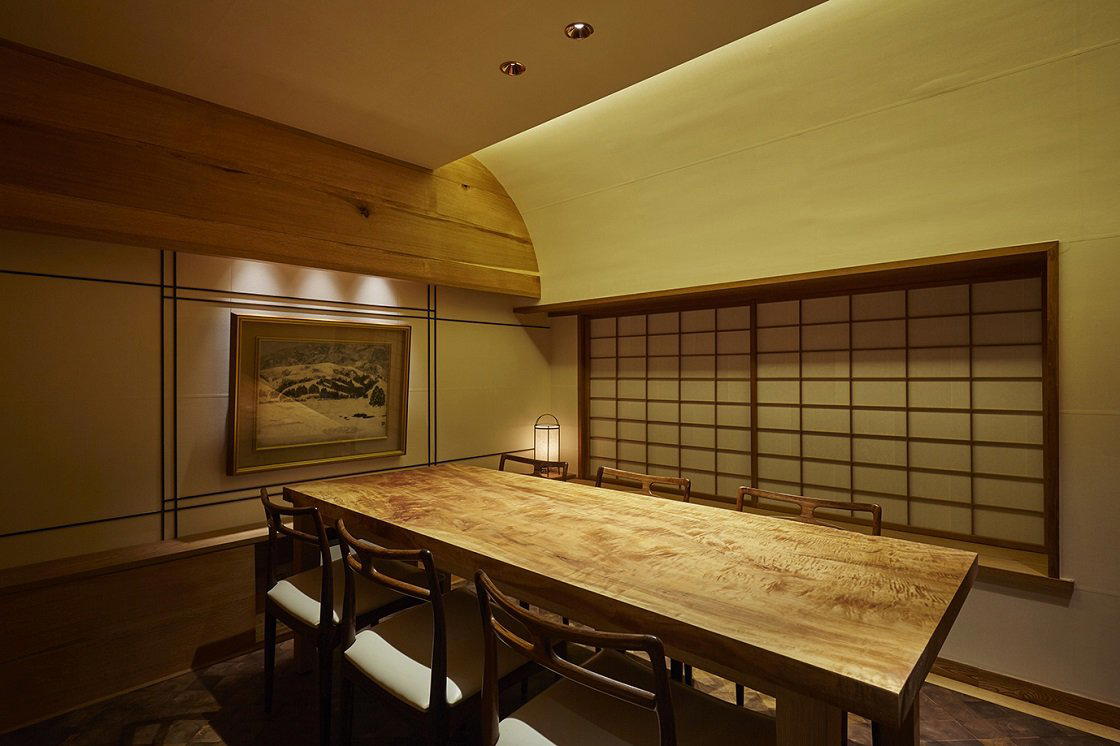
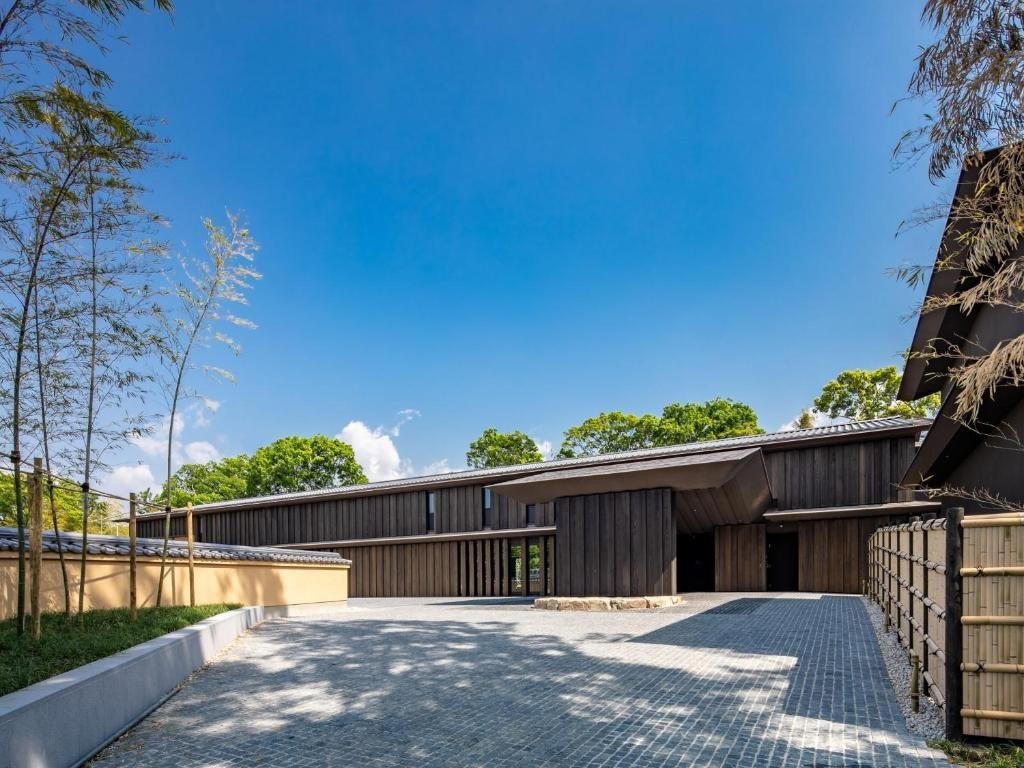
Refined and intimate setting emphasizing the depth of taste in light foods, reflecting the essence of traditional Japanese cuisine.