
Michelin Plate
Our verdict
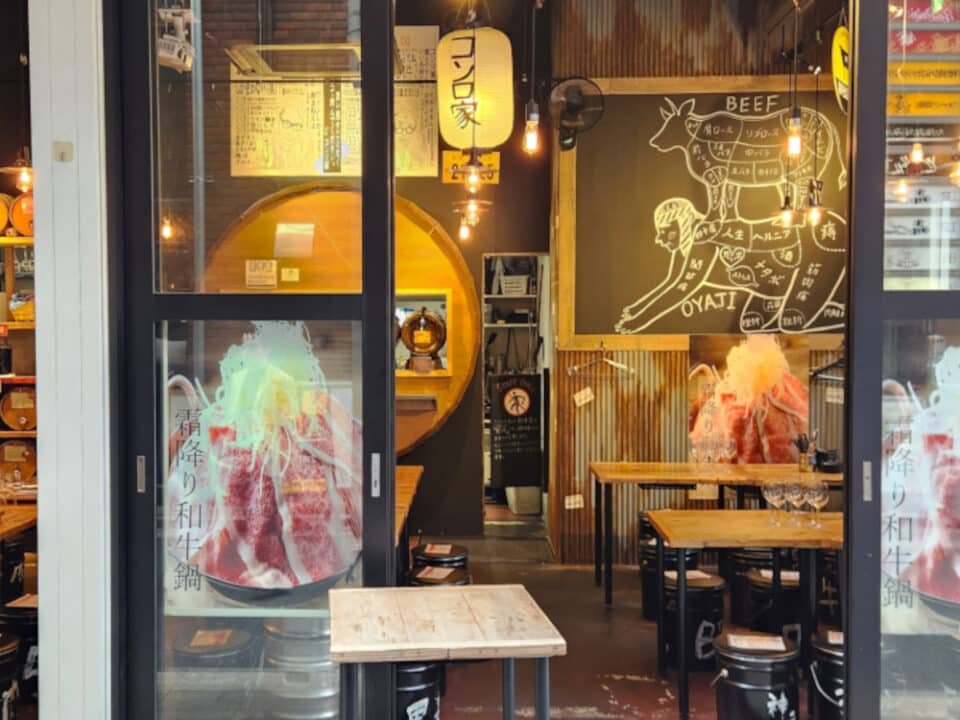
The room draws a quieter, neighbourhood-rooted crowd rather than the tourist circuit, making it one of the more considered options for Japanese cuisine outside Nara's central dining corridor.

Pearl is the En Primeur Club membership app, where members save venues, book tables and use the concierge.
Dining Outside the Deer Park Circuit
Most visitors to Nara organise their eating around the historic centre, where restaurants cluster near Kofukuji and the park's eastern edge. The Gakuenkita district sits further out, served by the Kintetsu Gakuenmae line, and the restaurants that have built reputations there do so without the footfall advantage that proximity to Todai-ji provides. Arigato is one of them. In a city where recognition tends to concentrate on kaiseki houses in the old town, a Michelin-noted Japanese restaurant in a residential neighbourhood represents a distinct position in Nara's dining map.
For context on how Nara's restaurant tier is structured, our full Nara restaurants guide covers the spread from traditional kaiseki to neighbourhood Japanese, and it's worth reading before planning a multi-dinner itinerary across the city.
What the Michelin Plate Signals in This Context
The Michelin Plate, introduced to acknowledge restaurants that inspectors consider worth knowing about without awarding a star, functions differently from starred recognition but carries weight at the city level. In Nara, where the Michelin footprint is smaller than Kyoto or Osaka, Plate recognition places a restaurant inside a curated shortlist. NARA NIKON holds two Michelin stars and represents the city's leading formal tier; Arigato's Plate recognition at the ¥¥¥ price point positions it as a serious mid-to-upper option that doesn't require the full commitment of a starred evening.Gion Sasaki in Kyoto or a meal at HAJIME in Osaka, Arigato reads as the thoughtful local alternative rather than the headline booking.
A small review pool at near-perfect score typically indicates a consistent experience among a loyal local clientele rather than the diluted average of a high-volume tourist destination.
Sake, Shochu, and the Logic of Pairing at This Price Point
Japanese cuisine at the ¥¥¥ level in a prefecture like Nara occupies interesting territory for beverage pairing. Nara Prefecture has a documented relationship with sake production that predates most of Japan's other brewing regions: the city's temples and shrines were among the earliest sites of organised rice wine brewing, and the prefecture still supports active sake houses today. A restaurant operating at this tier in Nara has the geographic and cultural context to build a sake list with regional coherence rather than simply stocking nationally recognised labels.
The integration of sake into a Japanese dinner at this price point works differently from wine pairing in a European format. Where wine often functions as a parallel track to food, sake in a Japanese context tends to support and amplify umami without competing with the subtler register of dashi-based preparations. Shochu, typically distilled from barley, sweet potato, or rice, offers a different pairing logic: lower perceived sweetness, higher spirit character, and a dry finish that suits grilled or fermented courses. A restaurant flagged for Michelin recognition at ¥¥¥ in a sake-producing prefecture would be expected to have enough fluency in its beverage programme to guide guests through that distinction, whether or not an elaborate sommelier format is in place.
For broader context on Japanese dining formats where beverage programming plays a central role, Harutaka in Tokyo and Azabu Kadowaki in Tokyo both represent how Japanese cuisine at higher price tiers handles drink integration in the capital.
Placing Arigato Within Nara's Neighbourhood Japanese Scene
Nara's mid-to-upper Japanese dining scene includes several names worth cross-referencing. Oryori Hanagaki and Tsukumo represent the kaiseki-adjacent tradition with strong local reputations. Ajinokaze Nishimura and Ajinotabibito Roman operate in the same general price tier and serve as useful comparisons when building an itinerary around multiple evenings in the city. Arigato's geographic position in Gakuenkita rather than the central tourist zone makes it a natural choice for the second or third evening of a longer Nara stay, after the obligatory central-area meals have been handled.
For Japanese cuisine at comparable price points across Japan's regional cities, Goh in Fukuoka and Myojaku in Tokyo both illustrate how the ¥¥¥ Japanese format performs in different urban contexts. Further afield, 1000 in Yokohama and 6 in Okinawa offer data points on how regional Japanese restaurants at this tier differentiate through local produce and format discipline.
Planning a Visit
Arigato is located at 1 Chome-14-5, Monteclair Gakuenmae 101, in Nara's Gakuenkita area, accessible via the Kintetsu Gakuenmae station on the Kintetsu Kyoto and Kintetsu Kashihara lines. The ¥¥¥ pricing places it in the mid-to-upper band for Nara, comparable to other serious Japanese restaurants in the city but below the formal kaiseki-starred tier. Given the small reviewed base and the near-perfect score, booking ahead is advisable: restaurants with this profile in residential Nara neighbourhoods tend to run limited covers and fill through regulars and word-of-mouth rather than online reservation platforms.
Travellers planning a fuller Nara programme should also consult our full Nara hotels guide, our full Nara bars guide, our full Nara wineries guide, and our full Nara experiences guide for a complete picture of what the city offers beyond the dinner table.
Frequently asked questions
What kind of recognition has Arigato received?
Arigato has received recognition including: Michelin Plate (2025); Michelin Plate (2024).
What do people recommend at Arigato?
Arigato carries Michelin Plate recognition in both 2024 and 2025, which indicates that inspectors consistently found the kitchen worth flagging across two separate assessment cycles. At the ¥¥¥ price point in Nara's Gakuenkita area, the menu sits within the broader Japanese cuisine category, though specific dish details are not published. The double Plate listing suggests a consistent house style rather than a one-season showing.
What does dinner at Arigato typically cost?
Pricing at Arigato is listed as ¥¥¥.
How hard is it to get a table at Arigato?
Arigato holds Michelin Plate status for 2024 and 2025 and operates at the ¥¥¥ price tier in Gakuenkita, a residential area of Nara that draws a local rather than tourist-heavy crowd. That combination typically means a compact dining room with regulars who book ahead, particularly on weekends. Contacting the restaurant directly in advance is advisable, as phone and online booking details are not publicly listed.
Comparison Snapshot
| Venue | Cuisine | Price | Awards | Notes |
|---|---|---|---|---|
| ArigatoThis venue (the venue you are viewing) | Japanese | Not listed | Michelin Plate | Not listed |
| akordu | Modern Spanish with Nara Influences | $150–200 | 2 Michelin Stars · La Liste Top Restaurants | Spanish, Innovative |
| Wa Yamamura | Traditional Kaiseki | $100–150 | 1 Michelin Star | Kaiseki, Japanese |
| Araki | Seasonal Japanese Tempura and Kaiseki | $100–150 | Michelin Plate · Tabelog Bronze #23 | Not listed |
| Tama | French with Local Nara Ingredients | $50–100 | Michelin Plate | Not listed |
| NARA NIKON | Kaiseki | $150–200 | 2 Michelin Stars · La Liste Top Restaurants | Japanese |
Recognition history
Dated appearances from independent guides and award organizations, with the underlying list record or original source where available.
Michelin Plate
Michelin
Full recognition history (3 entries)
Michelin Plate
Michelin
Michelin Plate
Michelin
Continue exploring
More in Nara
Restaurants in Nara
All restaurants in Nara →
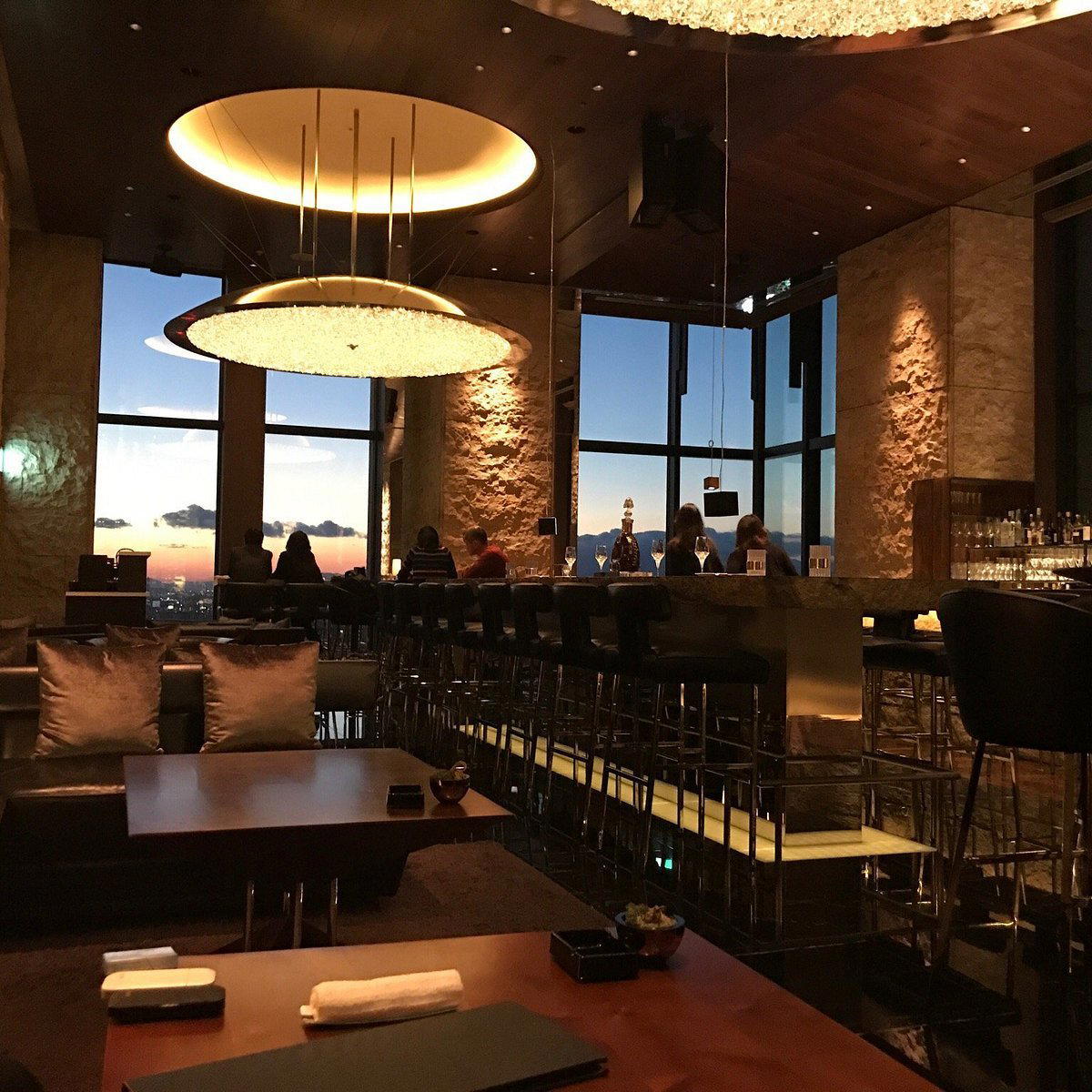
Bars in Nara
All bars in Nara →

Hotels in Nara
All hotels in Nara →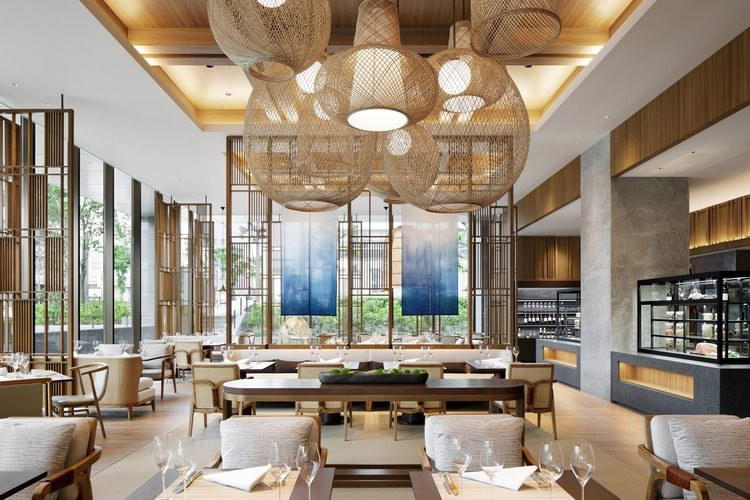
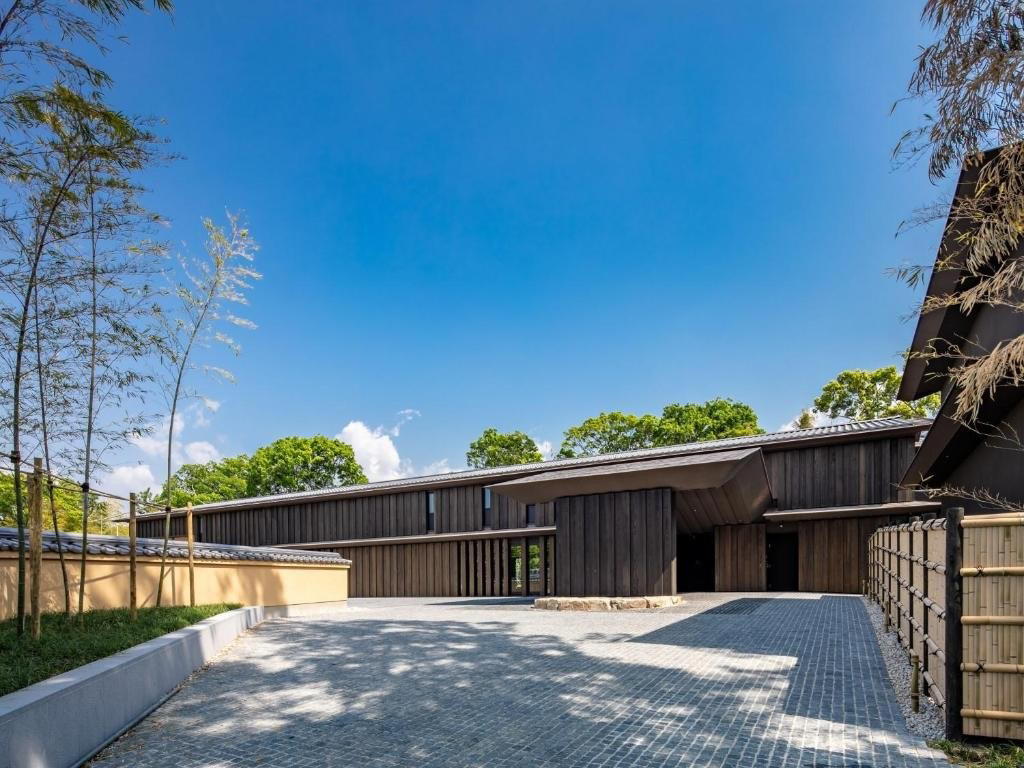
Wineries in Nara
Browse all →
Details
- Special Occasion
Current opening hours
- Monday
- 12–2 PM, 5:30–9:30 PM
- Tuesday
- 12–2 PM, 5:30–9:30 PM
- Wednesday
- 12–2 PM, 5:30–9:30 PM
- Thursday
- 12–2 PM, 5:30–9:30 PM
- Friday
- 12–2 PM, 5:30–9:30 PM
- Saturday
- 12–2 PM, 5:30–9:30 PM
- Sunday
- 12–2 PM, 5:30–9:30 PM
Hours can change for holidays and private events. Hours as of .