

Michelin Plate · We're Smart World 2 Radishes
Our verdict
A Japanese-Italian farm-to-table restaurant in Yamatotakada, Nara, 37+1 - Sanjuhachi was conceived around a single discipline: cooking what the garden gives. Chef Toshikazu Kamei pairs creative vegetable-forward dishes and local wines with an almost philosophical attention to water quality, making this one of the more considered cross-cultural experiments in the Nara dining scene.

Pearl is the En Primeur Club membership app, where members save venues, book tables and use the concierge.
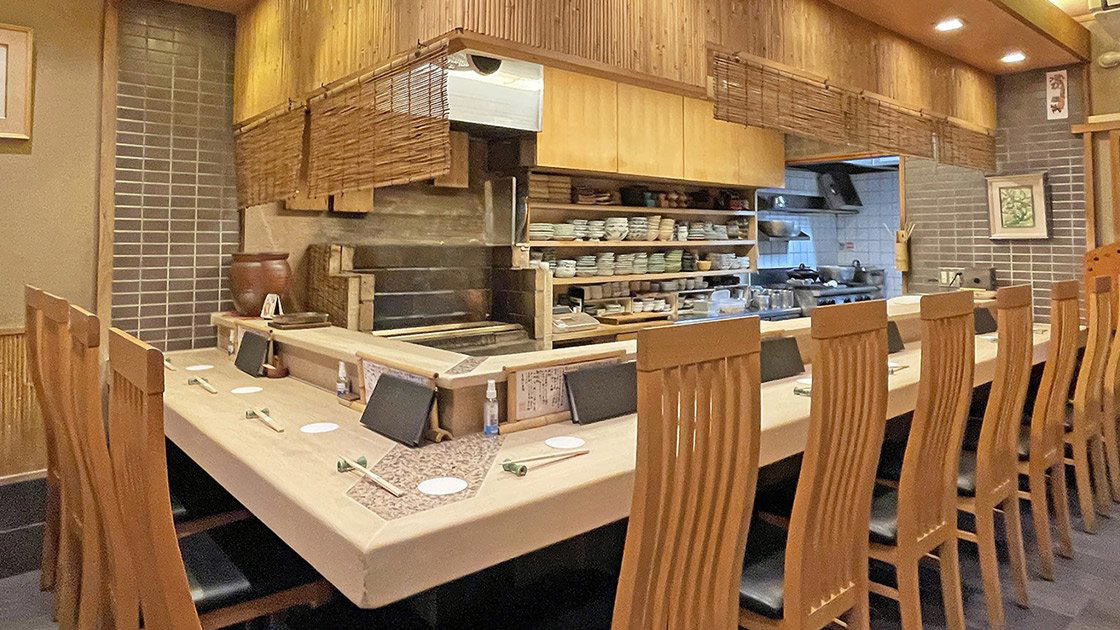
Where the Garden Sets the Menu
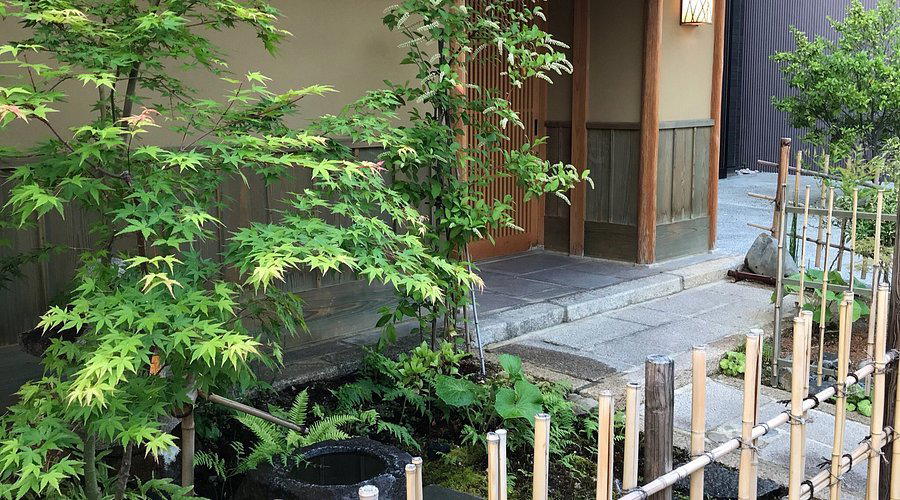
Yamatotakada sits in the southern reaches of Nara Prefecture, a working city that receives far fewer visitors than the deer-park precincts to the north. It is precisely this remove from the tourist circuit that makes the dining choices here feel less curated for outside consumption and more rooted in the rhythms of local producers and seasonal supply. The restaurant at 12-11 Katashiocho does not announce itself with the visual grammar of a destination restaurant. What it offers instead is a commitment to a discipline that is gaining traction across Japan's regional dining scene: letting sourcing be the architecture of the menu.
The Japanese-Italian farm-to-table format that 37+1 - Sanjuhachi operates within is, at first glance, an odd pairing. Here in Nara, operating within that same culinary grammar carries a different weight. The produce of Yamato, as the region is historically known, includes ancient vegetable varieties that predate many of the more familiar cultivars found in Tokyo's market gardens. A restaurant that takes these seriously is making a regional argument, not just a seasonal one.
The Logic of Sourcing, Applied Consistently
Farm-to-table as a phrase has been worn thin by overuse, but the underlying discipline it describes, specifically the practice of subordinating the menu to what is available rather than fitting available produce into a fixed menu, produces a distinct type of restaurant. At 37+1 - Sanjuhachi, that discipline extends to what might seem like a minor detail but functions as a signal of seriousness: water. Chef Kamei has identified water as a foundational ingredient, both in the kitchen processes and at the table, where sourcing standards are applied with the same care given to produce. This is consistent with a growing body of thinking in high-attention cooking circles in Japan, where water chemistry affects everything from rice texture to dashi clarity. The fact that water selection is refined to a stated philosophy here, rather than a behind-the-scenes technical decision, tells you something about the level of attention being applied across the board.
The creative salads that have become a focal point of the menu are the most direct expression of the sourcing-led approach. Salads in this register are not garnishes or preambles; they function as the primary vehicle for communicating what the garden is doing at any given moment. For a restaurant that crosses Japanese and Italian sensibilities, the salad course is also the point where those two traditions converge most naturally, drawing on Italian comfort with raw and lightly dressed vegetables and Japanese precision in selection, preparation, and presentation. Comparable sourcing-led approaches can be found at giueme in Akita and Bleston Court Yukawatan in Nagano, both of which have built strong regional identities around similar commitments to local agricultural supply chains.
Local Wine as an Extension of the Philosophy
The wine list at 37+1 - Sanjuhachi draws from local producers, and this is not a minor programming decision. Nara Prefecture's wine production is small by national standards, and pairing it with Italian-influenced food is a deliberate act of regional coherence rather than a safe commercial choice. The better-known wine pairing formats in the Kansai region, such as the wine programs at HAJIME in Osaka or the beverage curation at Gion Sasaki in Kyoto, operate with access to a much wider international cellar. Choosing local wine as the primary pairing vehicle here reflects the same logic that governs the food sourcing: the region should speak for itself.
This kind of internal consistency, where the produce, water, and wine all draw from the same geographic and philosophical well, is more unusual than the farm-to-table label alone suggests.
Nara's Broader Dining Context
Within Nara's dining scene, 37+1 - Sanjuhachi occupies a different register than the establishments that cluster around traditional kaiseki formats or the city's more internationally recognized addresses. Restaurants such as Oryori Hanagaki, Tsukumo, and Ajinokaze Nishimura work within distinctly Japanese frameworks with long-established traditions behind them. NARA NIKON and akordu, which brings a Spanish and innovative frame to Nara dining, represent the more experimental end of the city's food culture. 37+1 - Sanjuhachi sits between those poles: cross-cultural in its influences but grounded in the specific agricultural identity of its prefecture.
For visitors who have explored the temple circuits of Nara's historic core and are looking for a restaurant that reflects the prefecture's agricultural depth rather than its tourist-facing identity, Yamatotakada is the right direction to head. The city itself warrants more attention than it typically receives from travellers passing through on the way between Osaka, Kyoto, and the Yoshino mountains. Our full Nara restaurants guide covers the wider range of addresses across the prefecture, and our Nara hotels guide, bars guide, and experiences guide provide additional context for planning time here. There is also a Nara wineries guide for those interested in exploring the local wine producers that supply restaurants like this one at the source.
The Name, and What It Signals
The name 37+1 - Sanjuhachi encodes a piece of personal history that doubles as a statement of intent. Chef Toshikazu Kamei had set a target age of 37 to open his own restaurant. The delay by one year produced the name rather than abandoning it, which says something about the temperament operating in this kitchen. Restaurants built around a clear founding premise and a willingness to articulate it tend to maintain a more legible identity over time than those that drift toward whatever the market signals are asking for. The ongoing evolution of this project, which is still establishing its full shape, is one of the more interesting threads in Nara's dining development to follow.
For comparative reference in Japanese restaurants where a cross-cultural culinary identity has produced a distinct and coherent result, Harutaka in Tokyo and Goh in Fukuoka represent the kind of long-term focus that produces lasting reputations. At the international level, the sourcing discipline that restaurants like Le Bernardin in New York City and Emeril's in New Orleans apply to their primary ingredients offers a different frame for thinking about what ingredient-led cooking looks like when applied consistently across an entire program.
Planning a Visit
37+1 - Sanjuhachi is located at 12-11 Katashiocho in Yamatotakada, accessible from Osaka via the Kintetsu Osaka Line to Yamato-Yagi or Yamatotakada Station. Given the restaurant's small-scale, sourcing-led format and the fact that it is still building its profile in the broader Nara dining conversation, booking in advance is advisable, particularly if visiting during the spring and autumn seasons when travel through Nara Prefecture is heaviest. Specific hours, pricing, and booking methods are best confirmed directly with the restaurant, as these details are subject to change at any small independent operation. The restaurant's address in Yamatotakada places it outside the central Nara tourist area, which means it functions leading as a destination in its own right rather than a stop on a temple-hopping itinerary.
Frequently asked questions
Is 37+1 - Sanjuhachi child-friendly?
The format here is slow and considered, built around seasonal garden sourcing and local wine pairings, a pace that suits adults more naturally than young children. Nothing in the restaurant's documented concept explicitly excludes families, but the unhurried, course-driven rhythm of Chef Kamei's Japanese-Italian approach is calibrated for guests who engage with that structure.
How would you describe the vibe at 37+1 - Sanjuhachi?
Quiet and purposeful. The restaurant sits in Yamatotakada, away from Nara's tourist-facing districts, and the atmosphere reflects that: no performance, no crowd pressure. Chef Kamei's founding premise, opening his own place on his own terms, one year late, carries through into a dining room that moves at the kitchen's pace, not the city's.
What awards or recognition does 37+1 - Sanjuhachi have?
37+1 - Sanjuhachi has received recognition including: Chef Toshikazu Kamei had a dream: to open his own restaurant at the age of 37. It happened—with a one-year delay—which explains the name: 37+1. The restaurant itself is a Japanese-Italian “farm-to-table” concept, where the chef cooks with r….
What's the signature dish at 37+1 - Sanjuhachi?
The creative salads are the most consistently cited expression of the kitchen's sourcing philosophy, composed directly from what the garden supplies rather than from a fixed menu template. They function as a through-line for the Japanese-Italian concept, changing with the season and reflecting Chef Kamei's stated priority of respecting what the land provides.
Where exactly is 37+1 - Sanjuhachi?
37+1 - Sanjuhachi is located at 12-11 Katashiocho, Yamatotakada, Nara 635-0085, Japan, Nara.
What's the best way to book 37+1 - Sanjuhachi?
Given the restaurant's independent scale and location in Yamatotakada, arriving with a direct inquiry, via any contact the venue publishes locally, is the practical approach. Checking ahead is advisable, as small garden-sourced restaurants in this format typically run limited covers.
Quick Comparison
Comparable venues nearby, for context on price, style, and recognition.
| Venue | Cuisine | Price | Awards | Notes |
|---|---|---|---|---|
| 37+1 - SanjuhachiThis venue (the venue you are viewing) | Japanese-Italian Farm-to-Table | Not listed | Michelin Plate · We're Smart World 2 Radishes | Not listed |
| Kakomura | Traditional Setouchi Kaiseki | $50–100 | Michelin Plate | Nara |
| 奈良・春日奥山月日亭 | Traditional Japanese Kaiseki | $150–200 | Not listed | 春日野町 |
| 本城 | Traditional Kaiseki | $50–100 | Michelin Plate | Nara |
| Arigato | Japanese | Not listed | Michelin Plate | Nara |
| Inakajaya Chie | Traditional Japanese Kaiseki | Not listed | Michelin Plate | Sakurai |
Recognition history
Dated appearances from independent guides and award organizations, with the underlying list record or original source where available.
Michelin Plate
Michelin
We're Smart World 2 Radishes
We're Smart World
Continue exploring
More in Nara
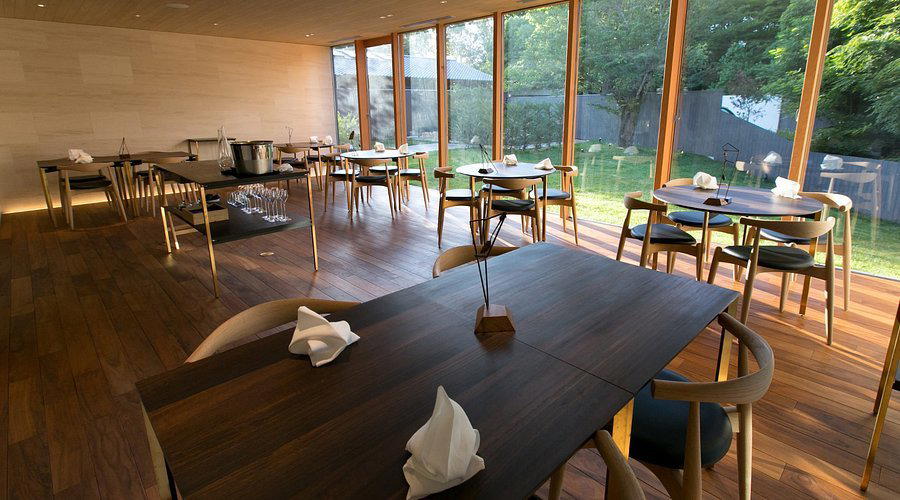
Restaurants in Nara
All restaurants in Nara →

Bars in Nara
All bars in Nara →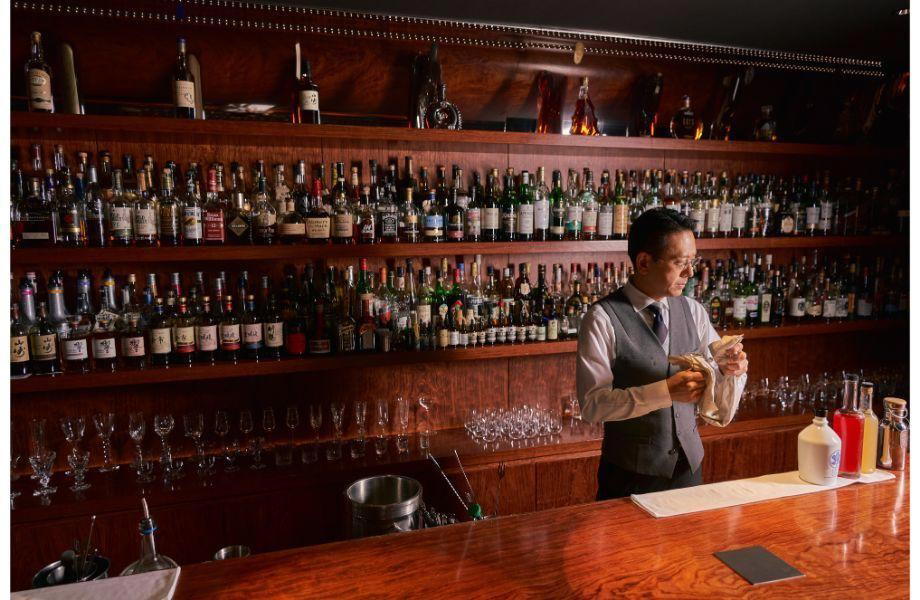
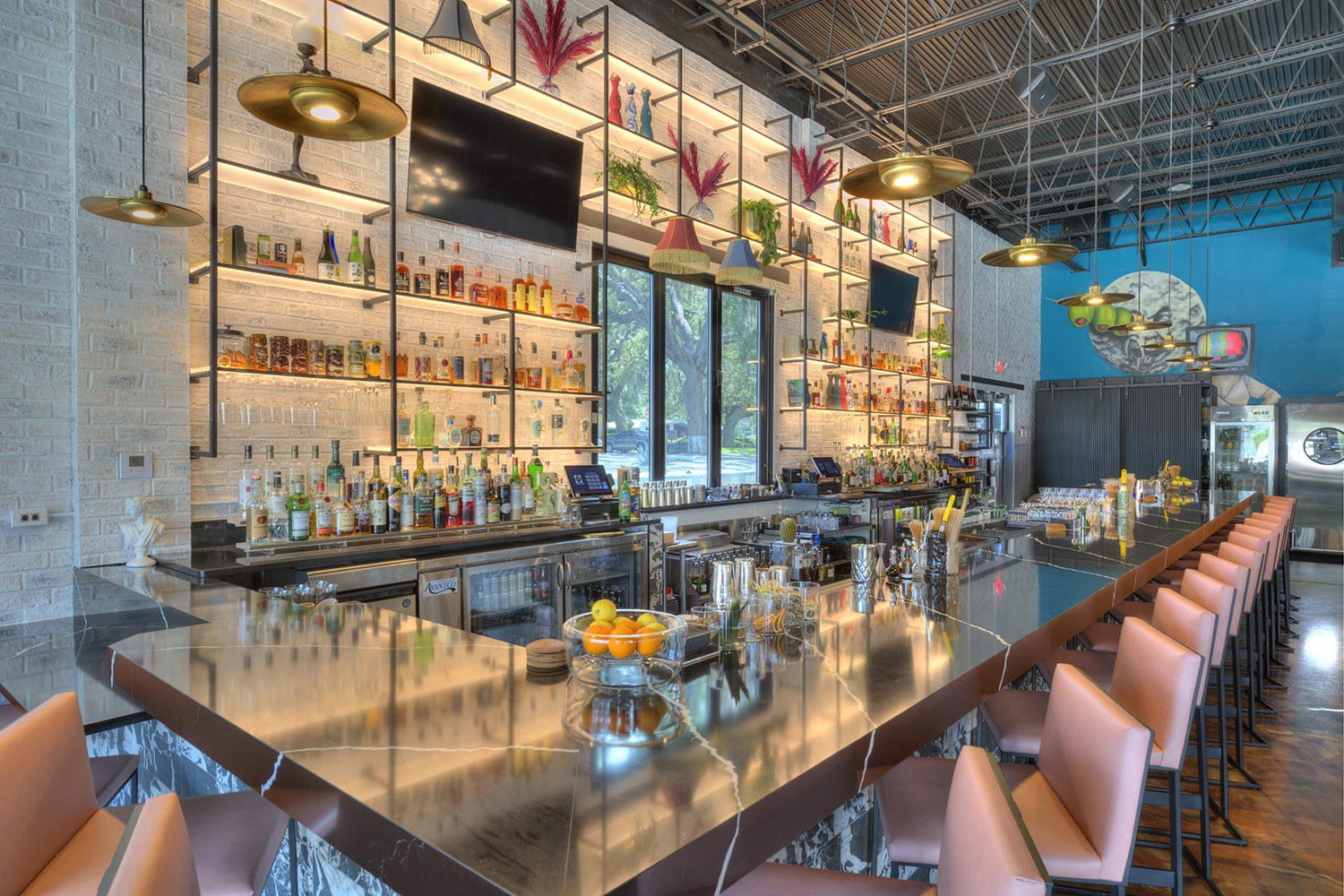
Hotels in Nara
All hotels in Nara →
Wineries in Nara
Browse all →
Details
- Cozy
- Elegant
- Rustic
- Date Night
- Special Occasion
- Garden
- Sake Program
- Farm To Table
- Local Sourcing
- Garden
- A La Carte
- Local Wines
Current opening hours
- Monday
- 12–2 PM, 6–11 PM
- Tuesday
- Closed
- Wednesday
- 12–2 PM, 6–11 PM
- Thursday
- 12–2 PM, 6–11 PM
- Friday
- 12–2 PM, 6–11 PM
- Saturday
- 12–2 PM, 6–11 PM
- Sunday
- 12–2 PM, 6–11 PM
Hours can change for holidays and private events. Hours as of .
Cozy and natural atmosphere emphasizing respect for garden produce, paired with local wines.