
A Kyoto-trained kaiseki counter in Ebisu, Oryori Ichiho carries Michelin Plate recognition for two consecutive years and a menu that moves with the seasons, pike conger in summer, eddoes in winter, dashi built on kombu rather than bonito. The price tier sits below Tokyo's top kaiseki rooms, making it one of the more accessible entry points into ingredient-led Japanese cooking in the city.
Pearl is the En Primeur Club membership app — saves, bookings, and concierge access live there. Same editors, same standards.
- Address
- Japan, 〒150-0013 Tokyo, Shibuya, Ebisu, 1 Chome−23−10 LCUBE EBISU 3F
- Phone
- +81 3-6338-3633
- Website
- ichiho-tokyo.jp
- Directions
- Get directions
 Saves & bookings on Pearl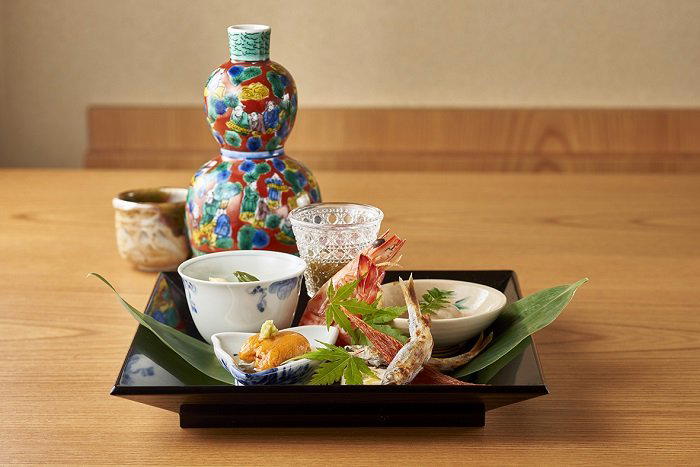
Kyoto Form, Tokyo Address
The dominant narrative in Tokyo's kaiseki tier tends to run through Ginza and Roppongi, where rooms like Azabu Kadowaki and Kagurazaka Ishikawa set the city's expectations for what formal Japanese cooking should cost and feel like. Ebisu sits outside that orbit, which is exactly why a restaurant like Oryori Ichiho attracts the kind of audience that has already done the flagship circuit and is now looking for something smaller and more deliberate. The address, a third-floor room in LCUBE EBISU on Ebisu 1-chome, is not designed to announce itself. The audience finds it anyway.
The restaurant's name carries intentional meaning: the character ho can read as either a step forward or as prosperity and bounty, a dual meaning that signals what the cooking is trying to do, advance while staying rooted. That framing is particularly coherent when set against the kitchen's Kyoto reference points. The kitchen draws its dashi from kombu, producing a base that is lighter in colour and more restrained in its umami delivery. That single technical decision shapes almost everything else on the menu.
What the Regulars Already Know
Repeat visitors to Oryori Ichiho tend not to arrive with a checklist. They come back for rhythm: the way the menu tracks the Japanese calendar with a specificity that goes beyond seasonal garnish. Pike conger (hamo) signals summer; eddoes (satoimo) mark winter. These are not decorative ingredients. In Kyoto cooking, both carry deep cultural weight, hamo is central to the Gion Festival table, and satoimo features in harvest ceremonies, and a kitchen that treats them seriously is signalling its orientation toward a culinary tradition that predates any contemporary trend.
The dish structure reinforces that orientation. Fish steamed with grated turnip (kabura mushi) is a preparation associated with Kyoto's older restaurant culture, demanding precision in timing and temperature to hold the delicate balance between the fish and the softened daikon crown. Bamboo-shoot dumplings draw from a similar well of classical reference. Neither dish is trying to surprise a first-time visitor with novelty. They are rewarding the guest who already knows what good kabura mushi should feel like and is here to find out whether this kitchen can deliver it. That is a different contract between restaurant and diner than the one operating at Tokyo's more spectacle-oriented rooms.
Michelin Plate recognition in both 2024 and 2025 confirms consistent execution. Plate recognition typically reflects kitchens where the food is good, the sourcing is honest, and the cooking does not overclaim. That description fits the Ichiho proposition precisely. Among its Ebisu and wider south-Shibuya peers, it occupies a middle ground between neighbourhood washoku dining and the full kaiseki formalism of rooms like Ginza Fukuju or Jingumae Higuchi.
The Kombu Dashi Argument
In the broader context of Tokyo's Japanese restaurant scene, the choice to anchor a menu in kombu dashi rather than katsuobushi is a quiet editorial statement. Bonito-forward stocks tend to carry more immediate impact, the inosinate compounds hit quickly and broadly. Kombu's glutamate builds more slowly, allowing the ingredients on top of it to read more clearly. A piece of fish or a winter root vegetable in a kombu-based broth announces itself rather than being carried along by the stock. This is the technical basis for why Kyoto cooking is often described as ingredient-focused: the dashi supports rather than leads.
That approach places Oryori Ichiho in a distinct comparable set from the kaiseki rooms that foreground theatrical plating or multi-component innovation. Kitchens working in the Kyoto mode, including Isshisoden Nakamura in Kyoto and Gion Sasaki, tend to be evaluated on a different axis than restaurants where the cooking is primarily about technique display. Regulars at these rooms are reading the dashi, not the plating. For anyone following that school of Japanese cooking across cities, the restaurant's position in Ebisu makes it a natural Tokyo data point in that wider conversation.
Elsewhere in the country, 1000 in Yokohama and 6 in Okinawa offer additional reference points for tracking how Japanese cooking evolves across different urban registers.
Know Before You Go0 / 5 (16 reviews)Booking Essential Hours Mon: Closed; Tue: 5–11 PM; Wed: 5–11 PM; Thu: 5–11 PM; Fri: 5–11 PM; Sat: 5–11 PM; Sun: 5–11 PM Nearest Station Ebisu (JR Yamanote Line / Tokyo Metro Hibiya Line)
Comparison Snapshot
Comparable venues nearby, for context on price, style, and recognition.
| Venue | Cuisine | Price | Awards | Notes |
|---|---|---|---|---|
| Oryori IchihoThis venue — the venue you are viewing | Kyoto-Style Kaiseki | $$$ | Michelin Plate | Not listed |
| Toriyaki Ohana | Modern Chicken Toriyaki Omakase | $$$ | Michelin Plate | Shibuya |
| Sushi Rinda | Omakase Sushi | $$$ | Michelin Plate | Meguro |
| Kyoryori Aun | Kyoto-style Kaiseki with Dashi Focus | $$$ | Michelin Plate | Shibuya |
| Chiso Koryu | Seasonal Japanese Kaiseki | $$$ | Michelin Plate | Chūō |
| Tempura Otsuka | Authentic Tempura | $$$ | Michelin Plate | Taitō |
Recognition history
Dated appearances from independent guides and award organizations, with the underlying list record or original source where available.
Michelin Plate
Michelin
Michelin Plate
Michelin
Michelin Plate
Michelin













At a Glance
- Elegant
- Intimate
- Sophisticated
- Special Occasion
- Date Night
- Chefs Counter
- Open Kitchen
- Sake Program
- Local Sourcing
Current opening hours
- Monday
- Closed
- Tuesday
- 5–11 PM
- Wednesday
- 5–11 PM
- Thursday
- 5–11 PM
- Friday
- 5–11 PM
- Saturday
- 5–11 PM
- Sunday
- 5–11 PM
Hours can change for holidays and private events. Last verified .
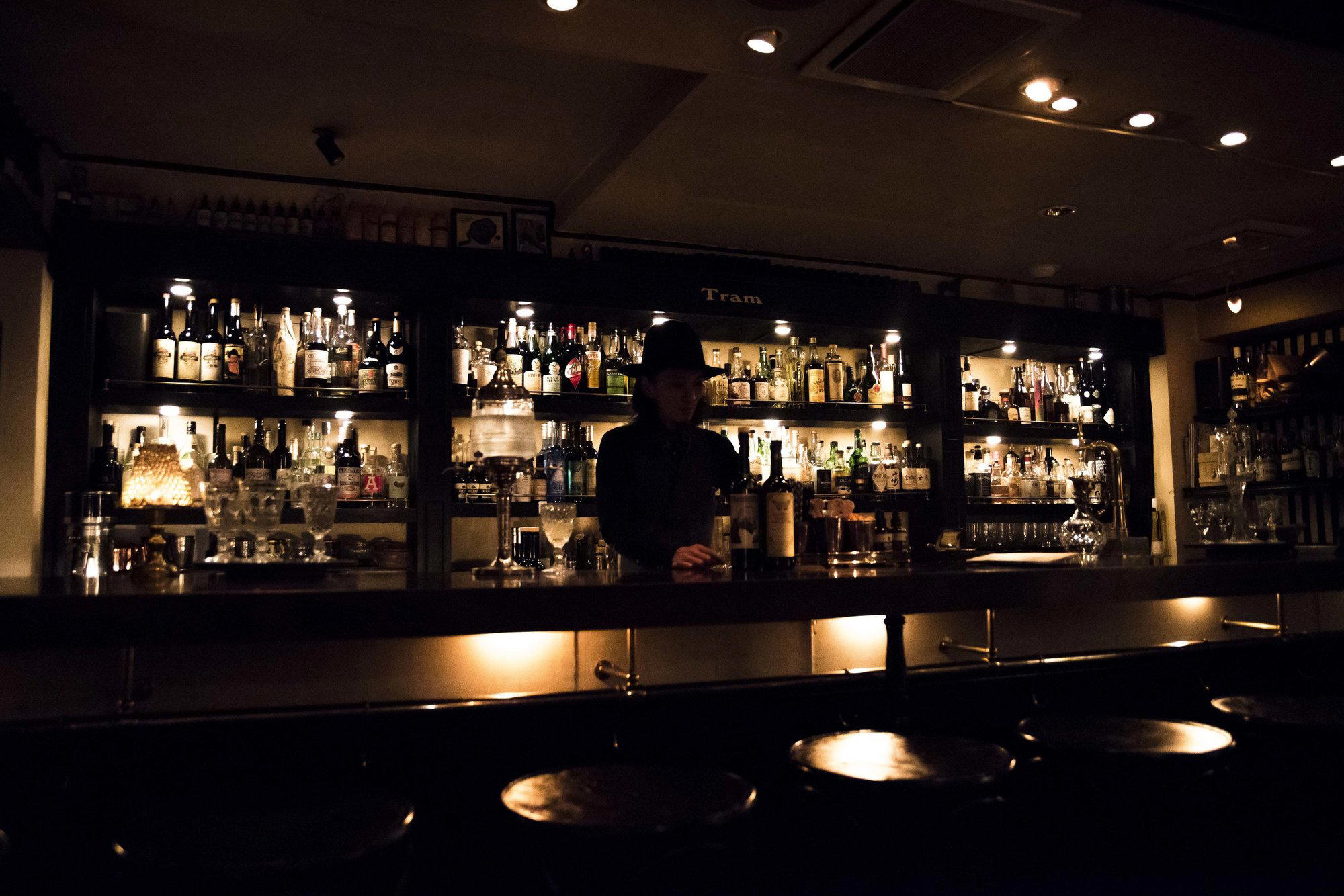
Relaxing, minimalist counter-only setting with refined and carefully crafted dishes in a hideout-style atmosphere.