Michelin Plate
Our verdict
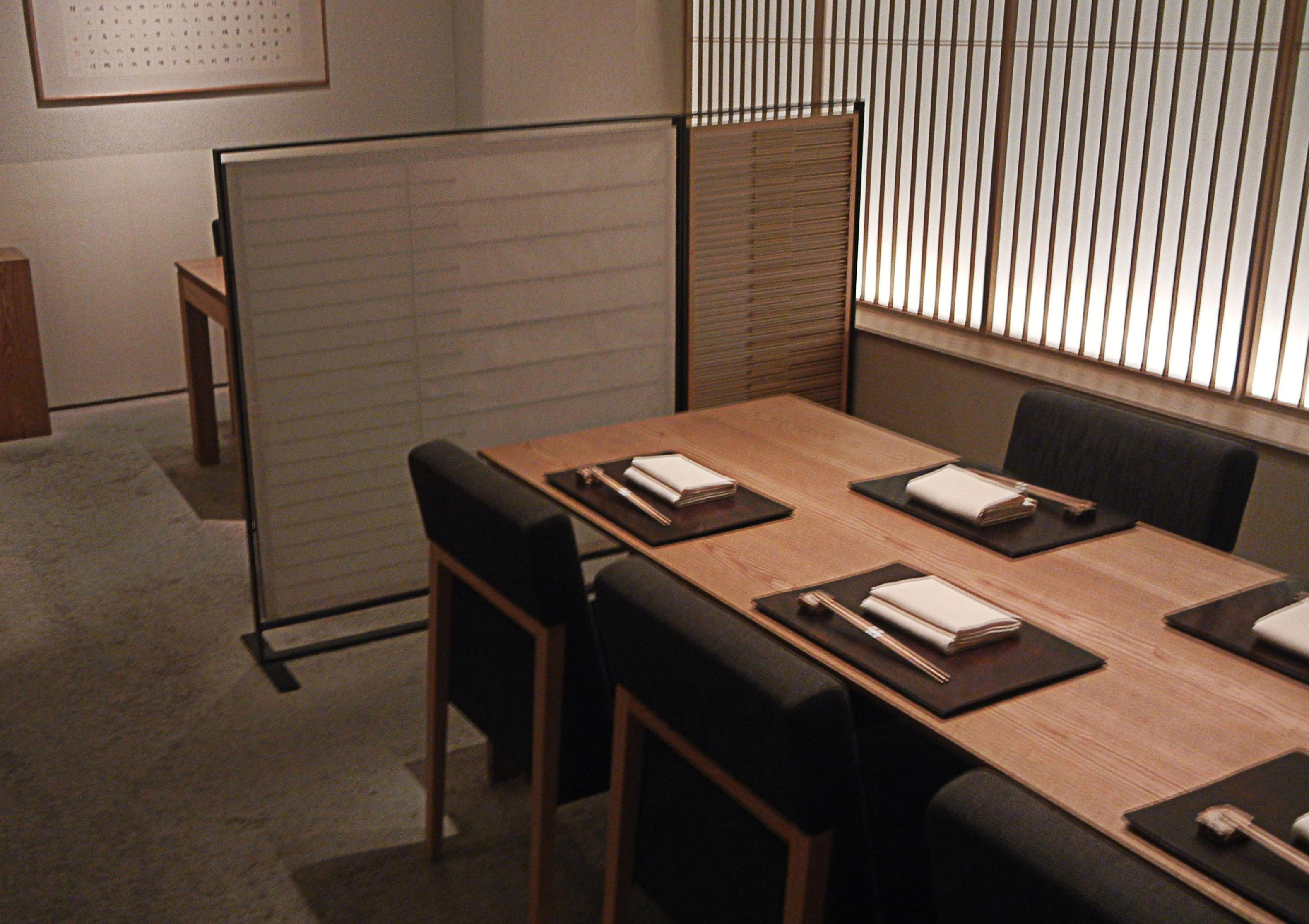
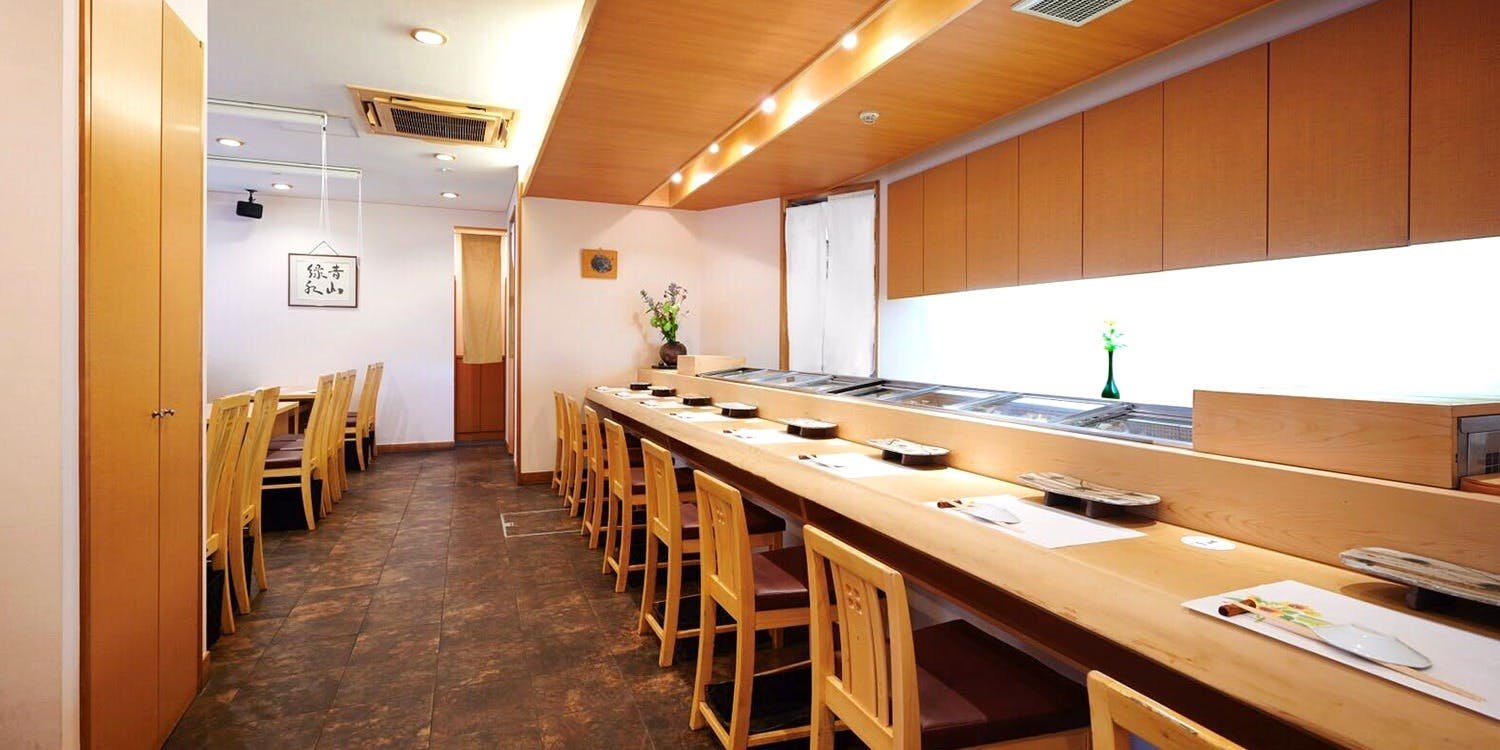
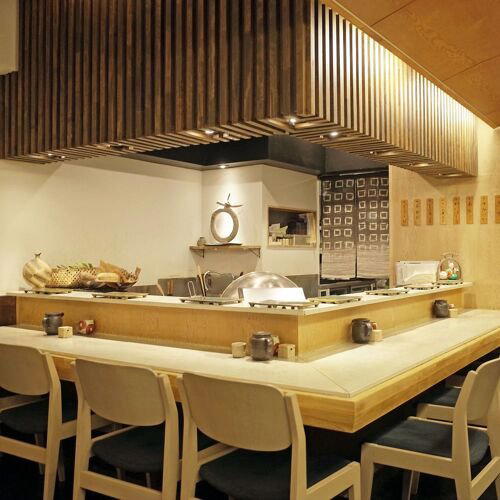
A Michelin Plate tempura counter in the Iriya neighbourhood of Taito City, Tempura Otsuka follows the classical Edomae progression, tiger prawn and squid giving way to rarer river and sea species like tidepool gunnel and big-eyed flathead. The walls are lined with senshagaku, wooden tablets inscribed by local supporters, anchoring the room in the rhythms of old shitamachi Tokyo. Price range: ¥¥.

Pearl is the En Primeur Club membership app, where members save venues, book tables and use the concierge.
The menu
What to order
- Kuruma prawn tempura
- Oyster mushroom tempura
The wooden tablets that line the walls of Tempura Otsuka are not decorative choices made by an interior designer. They are senshagaku, the kind of votive tablets traditionally fixed to shrine pillars, inscribed here with the names of the restaurant's local supporters. In a neighbourhood like Iriya, a low-rise pocket of Taito City that retains more of Tokyo's old shitamachi grain than most, that detail is a declaration of intent. This is not a counter built for destination dining tourism. It is a counter built for a place.
Edomae Tempura and the Iriya Neighbourhood
Tempura's deep roots in Tokyo's eastern, historically working-class wards are not incidental. The Edomae tradition, meaning, broadly, the use of ingredients drawn from Tokyo Bay and its surrounding waterways, shaped tempura as a fast, precise, artisan craft long before it became a subject for fine-dining reinterpretation. The great tempura counters of the Ginza or Roppongi tier operate within that heritage, but they also operate at a considerable remove from it, priced and positioned for international expense accounts. The neighbourhood tempura counter, particularly in districts like Asakusa, Ueno, or Iriya, carries that same tradition at a different pitch: grounded, local, technically serious, and priced within reach of the people who actually live nearby.
Tempura Otsuka sits squarely in that second category. The ¥¥ price range places it well below the city's high-end tempura counter tier, venues like Tempura Kondo or Tempura Motoyoshi, and in closer alignment with places like Tempura Ginya, where technical rigour and accessibility coexist without the ceremony that accompanies multi-star dining. That positioning is not a compromise. It reflects a different strand of the same tradition.
The Classical Progression
Edomae tempura, at its most orthodox, follows a sequenced logic: begin with the delicate and mild, build gradually toward the assertive and briny. At Tempura Otsuka, that structure holds. The meal opens with tiger prawn, squid, and sillago, ingredients that reward restraint in batter and oil temperature, their flavour present but not dominant. As the sequence advances, the kitchen moves toward what the venue's Michelin Plate recognition specifically flags as Edomae toppings: tidepool gunnel and big-eyed flathead, species less commonly encountered at counters serving visitors unfamiliar with Tokyo Bay's more particular harvest.
The phrase "Edomae toppings" carries weight in this context. It signals a deliberate choice to source and feature ingredients tied to the old Edo-era fishing tradition rather than substituting more recognisable or commercially convenient alternatives. In broader terms, it positions the kitchen within a preservationist current in Tokyo's tempura scene: counters that treat ingredient specificity as the primary form of expression rather than batter technique as spectacle or presentation as performance. For comparison, counters like Fukamachi or Edomae Shinsaku also work within Edomae frameworks, each with their own emphases on sourcing, format, and price positioning.
Artisan Practice in a Shrine-District Setting
The owner-chef's connection to Iriya is biographical as much as culinary. Born and raised in the neighbourhood, the chef practises what the Michelin assessors describe as artisanship in the most direct sense: doing a craft correctly, without deviation, over time. The senshagaku on the walls reinforce this. Those tablets, bearing the names of the restaurant's local community, are not there to signal authenticity to visitors, they predate any such consideration. They reflect a practice where the chef cooks for the people whose names are on the walls, and those people keep coming back.
That dynamic is less common in Tokyo's dining scene than it once was. The city's most discussed restaurants now occupy a tier where reputation is built internationally, bookings arrive from abroad, and the local neighbourhood functions largely as a backdrop. Here, the inversion applies: the neighbourhood is the foreground, and the cooking is accountable to it.
Where This Counter Sits in Tokyo's Tempura Picture
Tokyo's tempura scene covers more ground than its Michelin star count suggests. At the high end, multi-star counters charge accordingly and operate with months-long booking queues. At the opposite end, stand-up tempura bars in depachika food halls serve competent fried seafood at speed. Between those poles sits a substantial middle tier: seated counters with trained chefs, considered ingredient sourcing, and prices that reflect craft without requiring significant financial planning. Tempura Otsuka belongs here, distinguished within that tier by its Michelin Plate recognition, its Edomae ingredient focus, and its explicit embeddedness in a neighbourhood with a long, identifiable character.
For visitors moving between Japan's major dining cities, the Edomae tempura tradition is worth tracing across geographies. In Osaka, Numata operates its own tempura counter with a regional inflection, while Mudan Tempura in Taipei shows how the form travels and adapts across the wider region. For broader context on Japanese fine dining at a different price point and register, HAJIME in Osaka, Gion Sasaki in Kyoto, and akordu in Nara offer reference points for how Japanese culinary traditions are being interpreted across formats and cities. Goh in Fukuoka and 1000 in Yokohama extend that map further, as does 6 in Okinawa at the southern edge of Japan's dining geography.
Planning a Visit
Tempura Otsuka is located at 2 Chome-12-11 Iriya, Taito City, in a residential pocket of eastern Tokyo most easily reached via Iriya Station on the Tokyo Metro Hibiya Line. The address puts it outside the typical tourist circuit, which means a direct journey by subway rather than the taxi-dependent approach required for some of Tokyo's less accessible dining destinations. The ¥¥ price positioning makes it approachable for a lunch or early dinner visit without advance financial commitment. The Michelin Plate recognition from 2024 is the primary published trust signal.
For a fuller picture of where to eat, drink, and stay across the city, consult our full Tokyo restaurants guide, our full Tokyo hotels guide, our full Tokyo bars guide, our full Tokyo wineries guide, and our full Tokyo experiences guide.
Frequently asked questions
What awards or recognition does Tempura Otsuka have?
Tempura Otsuka has received recognition including: The owner-chef, born and raised in Iriya, is an artisan through and through. Proceedings are by the book, starting with milder flavours like tiger prawn, squid and sillago before proceeding to bolder tastes. Edomae toppings are favoured, su….
What's the pricing like at Tempura Otsuka?
Pricing at Tempura Otsuka is listed as ¥¥.
What should I eat at Tempura Otsuka?
The menu follows the classical Edomae sequence: tiger prawn, squid, and sillago open proceedings before the kitchen moves to bolder, briny catches like tidepool gunnel and big-eyed flathead. These Edomae-favoured ingredients are sourced from Tokyo Bay's broader tidal tradition, and the fixed progression means there is no à la carte decision to make. At the ¥¥ price point, this counter delivers orthodox technique without the premium charged at multi-star Tokyo addresses.
What type of food is Tempura Otsuka known for?
How do I find Tempura Otsuka?
Tempura Otsuka is located at 2 Chome-12-11 Iriya, Taito City, Tokyo 110-0013, Japan, Tokyo.
Reputation First
| Venue | Cuisine | Price | Awards | Notes |
|---|---|---|---|---|
| Tempura OtsukaThis venue (the venue you are viewing) | Authentic Tempura | $100–150 | Michelin Plate | Not listed |
| Harutaka | Edo-Style Omakase Sushi | $200–300 | 3 Michelin Stars · World's 50 Best #76 | Sushi |
| RyuGin | Modern Kaiseki | $500+ | 3 Michelin Stars · World's 50 Best #41 | Kaiseki, Japanese |
| L'Effervescence | Modern French with Japanese Influences | $200–300 | 3 Michelin Stars · World's 50 Best #69 | French |
| HOMMAGE | Modern French with Japanese Influences | $150–200 | 2 Michelin Stars · World's 50 Best #78 | Innovtive French, French |
| MAZ | Innovative Peruvian-Japanese Fusion | $150–200 | 2 Michelin Stars · World's 50 Best #28 | Innovative |
Recognition history
Dated appearances from independent guides and award organizations, with the underlying list record or original source where available.
Michelin Plate
Michelin
Full recognition history (3 entries)
Michelin Plate
Michelin
Michelin Plate
Michelin