

Ajonegro holds a Michelin star in Logroño for its precise fusion of Mexican and La Riojan ingredients, led by two chefs who trained under Jordi Cruz at the three-Michelin-starred ABaC. Seasonal produce drives a menu where spice is calibrated for European palates, moving between tacos built on local proteins and desserts rooted in Mexican tradition. An à la carte and tasting menu run Wednesday through Sunday, with Sunday lunch the final service of the week.
Pearl is the En Primeur Club membership app — saves, bookings, and concierge access live there. Same editors, same standards.
- Address
- C. Hermanos Moroy, 1, bajo 9, 26001 Logroño, La Rioja, Spain
- Phone
- +34 941 54 51 41
- Website
- restauranteajonegro.es
- Directions
- Get directions
 Saves & bookings on Pearl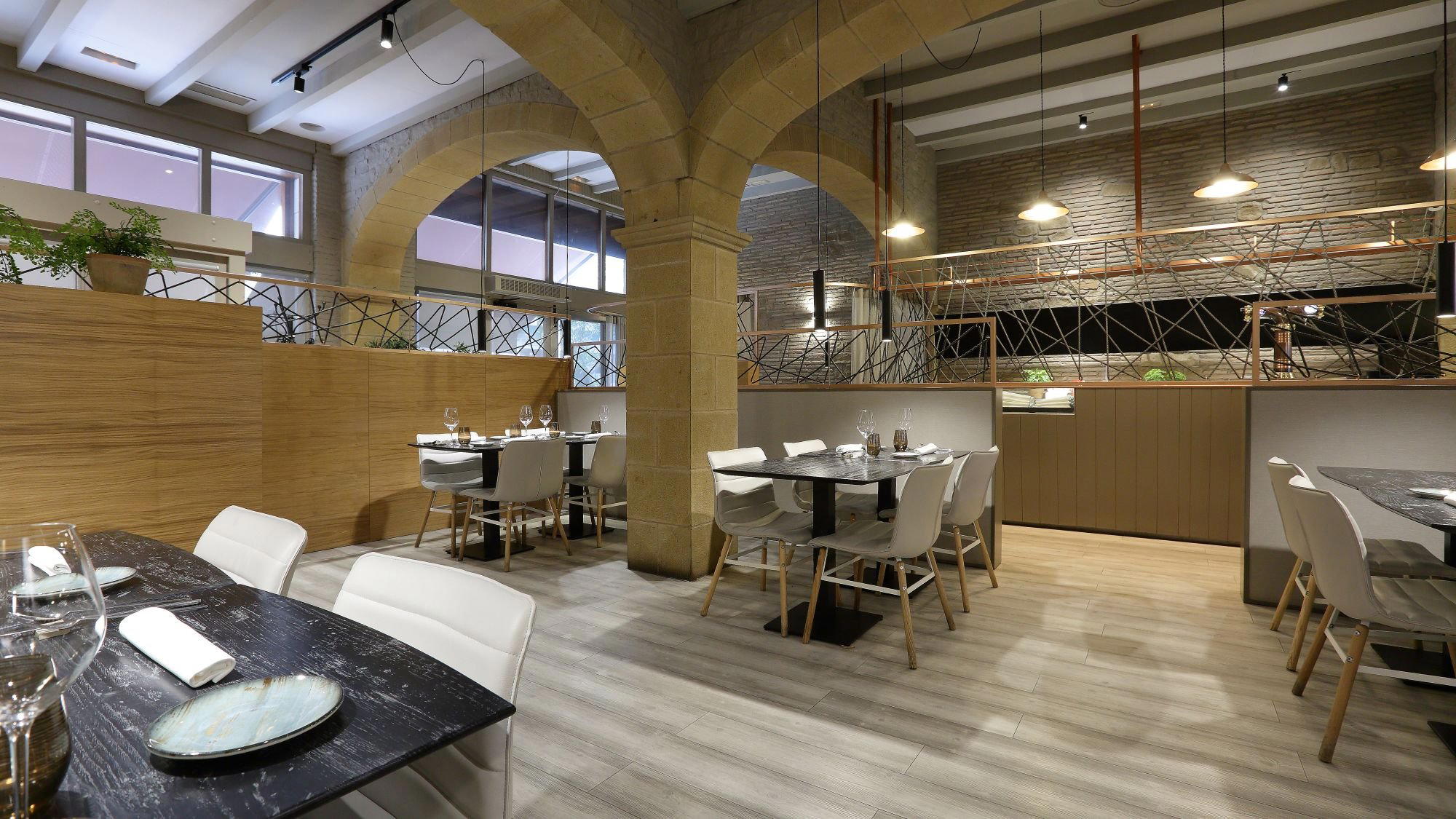
Where Two Larders Meet
Ajonegro is a Michelin-starred restaurant in Logroño, La Rioja, serving Mexican-Riojan Fusion in a €€€ price tier. Logroño is not a city that announces itself loudly on the international dining circuit. Its reputation rests on pintxos bars along the Calle Laurel, on Rioja wine poured freely, and on a regional cooking tradition anchored to lamb, white asparagus, and river vegetables. That context makes Ajonegro more legible: it is precisely the tension between La Rioja's ingredient culture and Mexican culinary tradition that gives the restaurant its editorial logic. The question the kitchen asks, in every dish, is what happens when two geographically distant larders are treated with equal seriousness and allowed to converge on a single plate.
That question has an answer endorsed by the Michelin Guide, which awarded Ajonegro a star in 2024. In a city where Ikaro holds the other Michelin-starred position in the creative tier, and where Kiro Sushi and Juan Carlos Ferrando occupy adjacent fine-dining price points, Ajonegro sits in a compact but clearly defined bracket of restaurants making Logroño a more serious destination for considered eating. Its price range of €€€ places it below the €€€€ ceiling of Kiro Sushi, and well above the neighbourhood bistro register of La Cocina de Ramón.
The Ingredient Logic Behind the Menu
The fusion operating at Ajonegro is not the vague pan-internationalism that the word often implies. It is a structured dialogue between two ingredient traditions, both with strong regional identities. La Rioja's seasonal produce, its game, its pork, its river-sourced seafood, meets the chiles, moles, and corn preparations that define the central Mexican table. What the kitchen appears to resist is the casual exoticising of one tradition at the expense of the other. Both are treated as source material for genuine technique.
Spice is adapted for European palates, but not erased. The venison with pink Mexican mole places a La Riojan game protein inside a sauce tradition that in Mexico would carry heat, complexity, and depth across dozens of ingredients. The crispy pork cheek tacos frame a local cut in a format that is architecturally Mexican but sourced locally. The Mexican red prawn cocktail reads as a direct citation of a Mexican seafood tradition, likely referencing the tomato-chili-citrus register of a coctel de camarones, recalibrated with whatever the La Riojan coast and Spanish fish markets can provide. The sweetcorn-inspired pastel de Elote cake closes with a dessert form rooted entirely in Mexican domestic cooking, where elote preparations carry enormous cultural weight.
Seasonality is explicitly part of the restaurant's framework. In a region where the agricultural calendar is as legible as anywhere in northern Spain, cooking that ignores seasonal availability reads as a failure of engagement. At Ajonegro, the emphasis on seasonal ingredients means the menu shifts in response to what La Rioja's growing year produces, with the Mexican element acting as a lens through which those ingredients are reinterpreted rather than a fixed set of imported components.
Training Lines and Peer Context
The two chefs behind Ajonegro, Mariana Sánchez from Cuernavaca in Mexico and Gonzalo Baquedano from Logroño, trained together under Jordi Cruz at ABaC in Barcelona, a restaurant that holds three Michelin stars. That training context matters as a credentialing signal rather than as biography: it places both chefs inside a school of precise, technically demanding cooking that takes execution seriously. The ABaC lineage runs through a broader Spanish fine-dining tradition in which technique is expected to carry ideological weight, and where the rigour of the cooking speaks before any personal narrative does.
Within Spain's current Michelin-starred conversation, the fusion approach Ajonegro takes has precedent at the ambitious end. DiverXO in Madrid built its three-star reputation on a chaotic but disciplined cross-cultural programme. Arzak in San Sebastián has long treated Basque identity as a platform for innovation rather than a constraint. Azurmendi in Larrabetzu, El Celler de Can Roca in Girona, Aponiente in El Puerto de Santa María, and Cocina Hermanos Torres in Barcelona each approach the question of where Spanish ingredients end and international technique begins in their own way. Ajonegro operates at a smaller scale and in a less-trafficked city than any of these, but the underlying project is recognisably part of the same national conversation about what contemporary Spanish cooking can legitimately contain.
Globally, the Mexico-Europe fusion register has generated serious work elsewhere: Arkestra in Istanbul and Couleurs de Shimatani in La Ciotat represent different points on the spectrum of what cross-cultural fusion looks like when it is handled with discipline. At Ajonegro, the geographic specificity of both source traditions, central Mexican and La Riojan, not generically Latin and generically Spanish, is what gives the project credibility rather than diffusion.
Format and Practical Considerations
The restaurant operates on a tight schedule that reflects both the intimacy of the format and the kitchen's commitment to service quality. Lunch runs from 1:45 PM to 3:15 PM, and evening service from 8:45 PM to 10:15 PM, Wednesday through Saturday. Sunday offers lunch only, with the same 1:45 PM start. Monday and Tuesday are closed. Those windows are narrow by the standards of casual dining, and they reward advance planning.
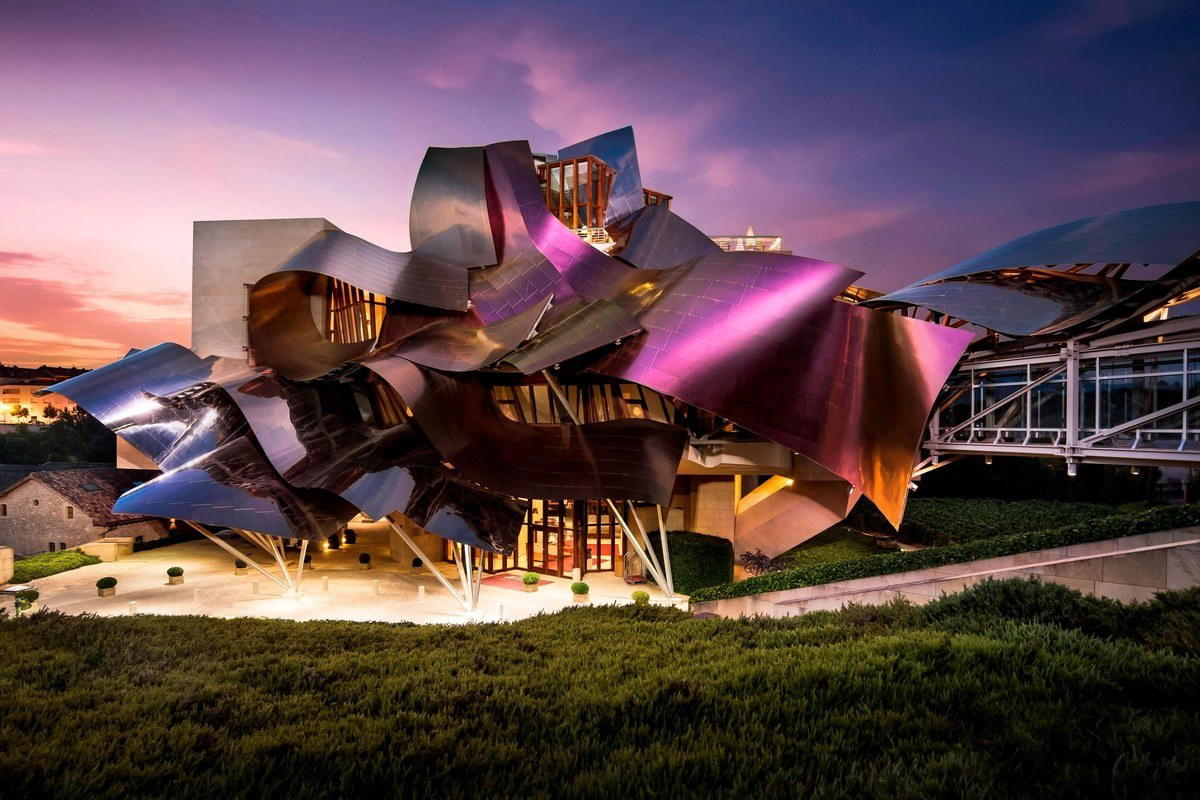
The evening format combines a full tasting menu with a shorter menu option, giving the table a choice between depth and a more edited experience. À la carte is available at both services. For visitors planning a Logroño trip around the dining scene, the Marques de Riscal Restaurant in the broader La Rioja region anchors the wine-country dining argument, while Ajonegro represents the strongest case for staying in the city itself.
Address on Calle Hermanos Moroy places the restaurant in Logroño's old quarter, a few minutes on foot from the Calle Laurel pintxos corridor. For those building a broader picture of what Logroño offers, the full Logroño restaurants guide covers the range from neighbourhood cooking to starred kitchens. The hotels guide, bars guide, wineries guide, and experiences guide map the rest of the city's offer for those who want to structure several days around La Rioja's capital rather than passing through it.
Comparison Snapshot
Comparable venues nearby, for context on price, style, and recognition.
| Venue | Cuisine | Price | Awards | Notes |
|---|---|---|---|---|
| AjonegroThis venue — the venue you are viewing | Mexican-Riojan Fusion | $$$ | Michelin 1 Star | Not listed |
| Ikaro | Ecuadorian-Rioja Fusion | $$$ | Michelin 1 Star | Logroño Municipality |
| Kiro Sushi | Traditional Japanese Omakase | $$$$ | Michelin 1 Star | Logroño |
| Tastavin | Modern Spanish Tapas & Pintxos | $$ | Michelin Plate | Calle San Juan, Old Town |
| La Cocina de Ramón | Traditional Riojan Cuisine | $$ | Bib Gourmand | Casco Viejo |
| La Galería | Modern Spanish-Rioja restaurant | $$ | Not listed | Logroño |
Recognition history
Dated appearances from independent guides and award organizations, with the underlying list record or original source where available.
Macarfi 8.5 Food Rating
Macarfi
Michelin 1 Star
Michelin
Michelin 1 Star
Michelin
Michelin 1 Star
Michelin
Continue exploring
More in Logroño
Restaurants in Logroño
Browse all →
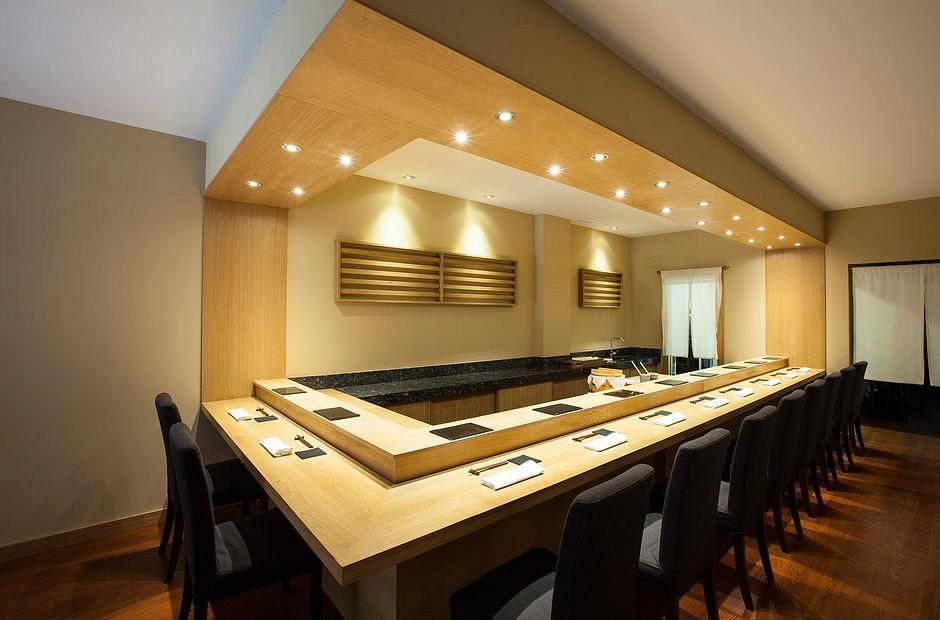
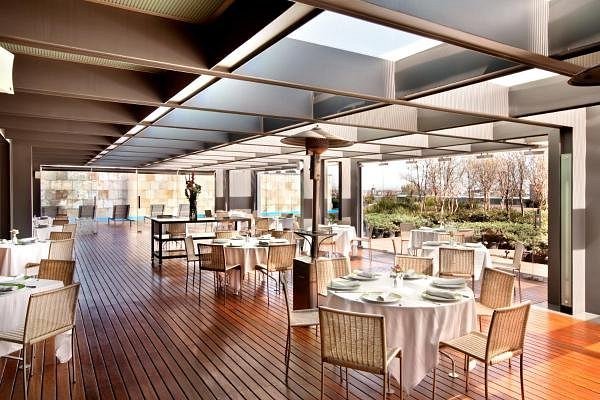
Bars in Logroño
Browse all →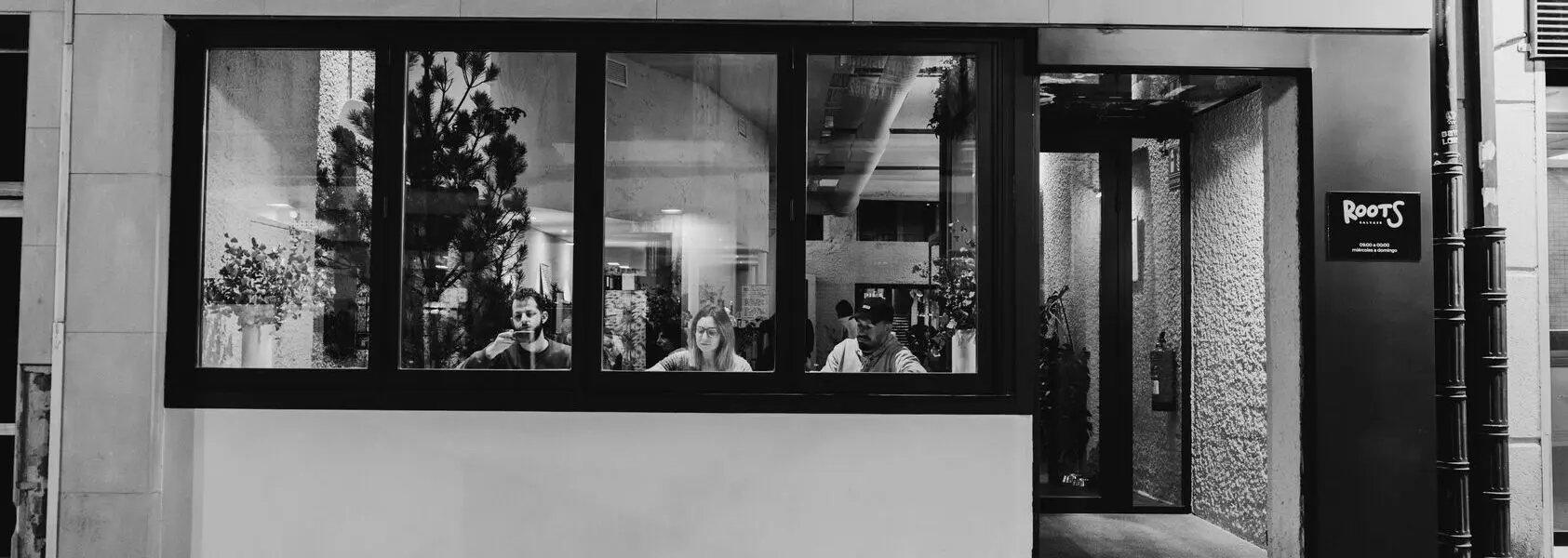
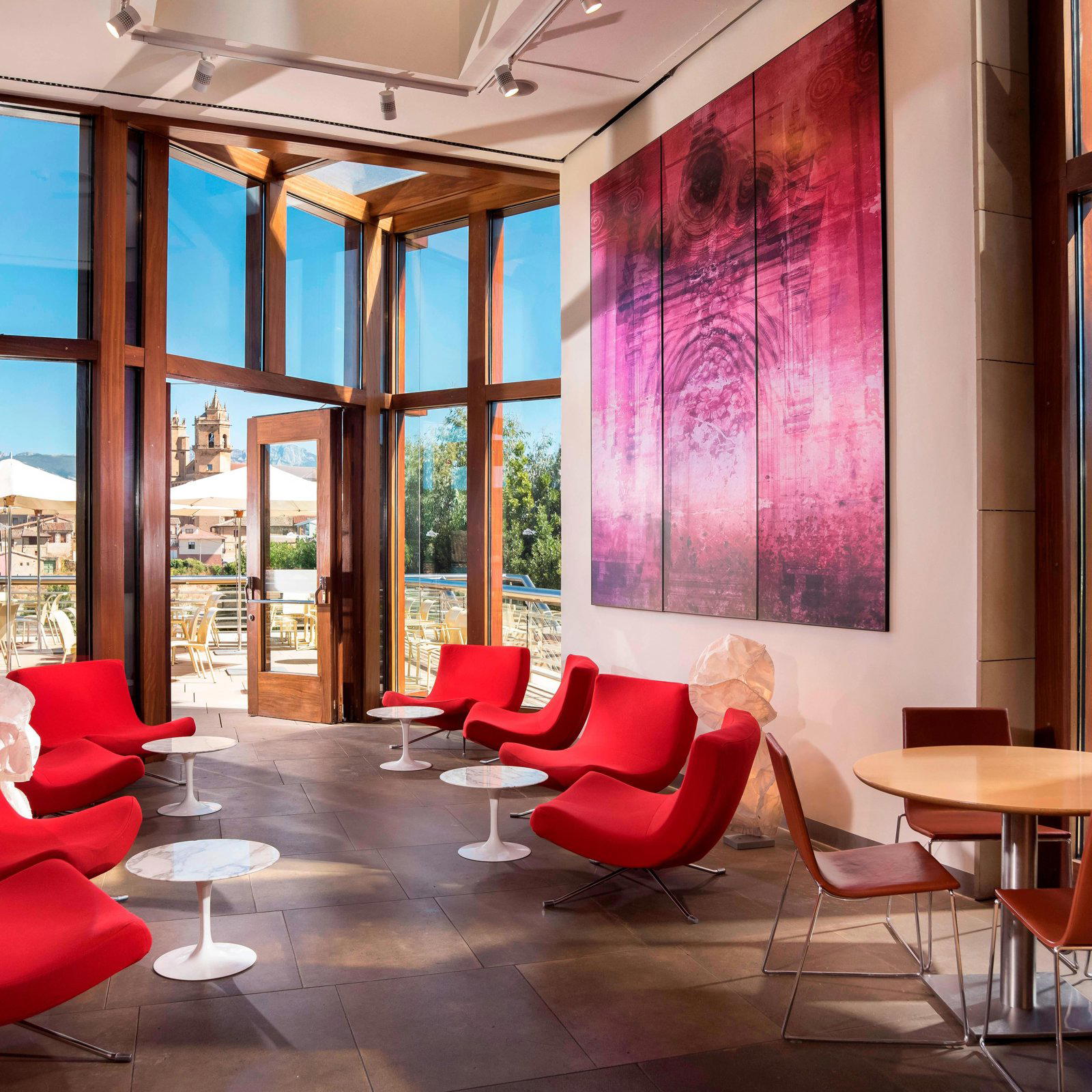
Hotels in Logroño
Browse all →


At a Glance
- Elegant
- Sophisticated
- Intimate
- Special Occasion
- Date Night
- Open Kitchen
- Extensive Wine List
- Local Sourcing
Current opening hours
- Monday
- Closed
- Tuesday
- Closed
- Wednesday
- 1:45–3:15 PM, 8:45–10:15 PM
- Thursday
- 1:45–3:15 PM, 8:45–10:15 PM
- Friday
- 1:45–3:15 PM, 8:45–10:15 PM
- Saturday
- 1:45–3:15 PM, 8:45–10:15 PM
- Sunday
- 1:45–3:15 PM
Hours can change for holidays and private events. Last verified .
Warm, inviting atmosphere ideal for conversation, with beautiful presentation and elegant setting.