O-Ku occupies a address on 5th Street NE in Washington, D.C.'s NoMa corridor, placing it inside one of the capital's most actively evolving dining neighborhoods. The restaurant draws from the broader mid-Atlantic Japanese dining tradition, operating in a city where the premium Asian counter format has grown considerably over the past decade. Reservations and current menu details are best confirmed directly with the venue.
Pearl is the En Primeur Club membership app — saves, bookings, and concierge access live there. Same editors, same standards.
- Address
- 1274 5th St NE, Washington, DC 20002
- Phone
- +12028888790
- Website
- o-kusushi.com
- Directions
- Get directions
 Saves & bookings on Pearl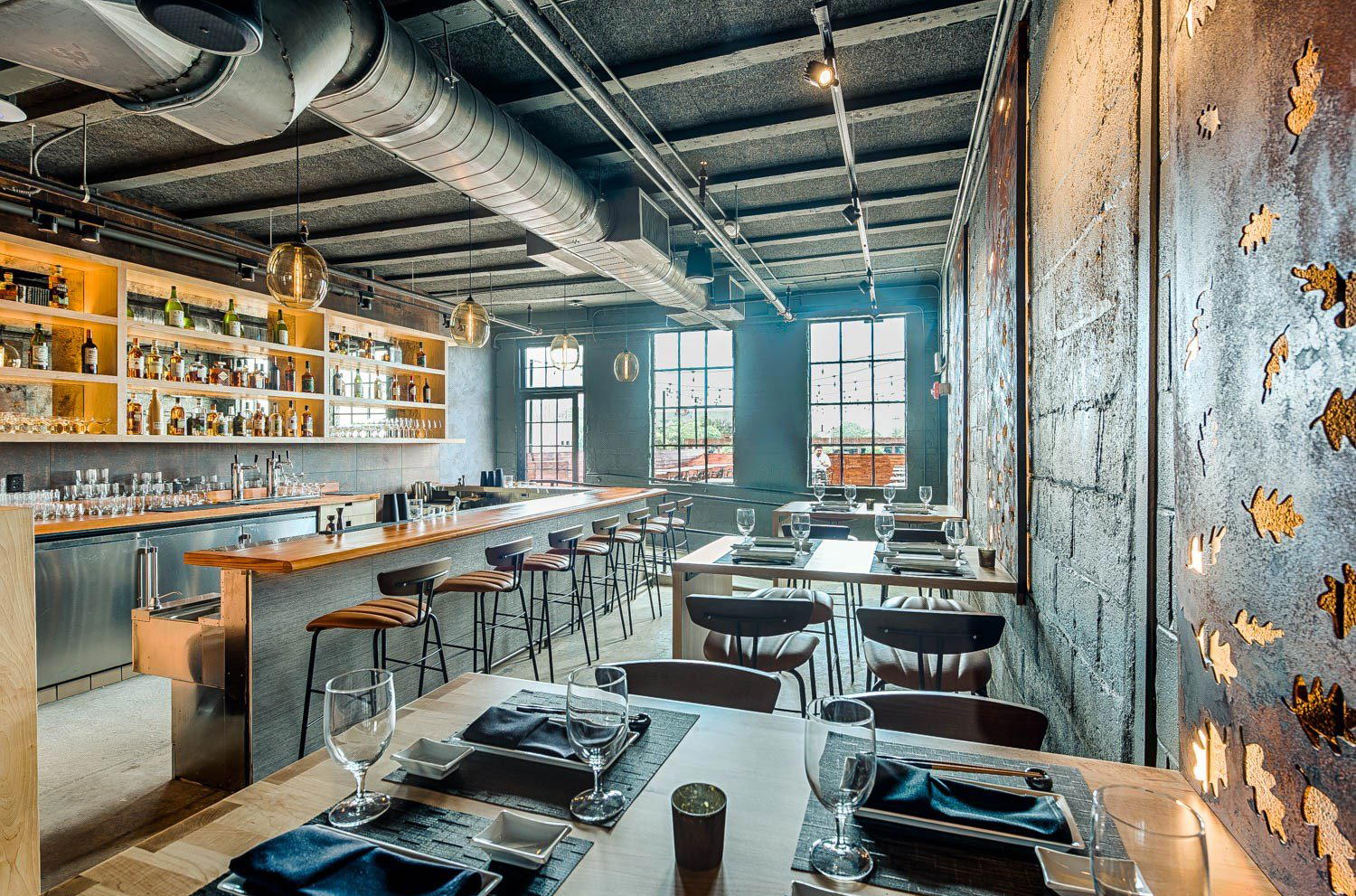
NoMa's Shifting Dining Identity and Where O-Ku Fits
Washington, D.C.'s Northeast quadrant has changed faster than almost any other part of the city over the past ten years. NoMa, the corridor running north of Massachusetts Avenue along the Red Line, has changed rapidly in recent years. Today it holds a concentration of independent restaurants that operate with the ambition you'd have expected to find only in Dupont Circle or the Penn Quarter a decade ago. O-Ku, at 1274 5th Street NE, sits inside that shift, occupying a neighborhood that is still finding its identity but already drawing serious diners away from the city's more established corridors.
The capital's dining scene has, in recent years, split into two recognizable camps: the tasting-menu institutions anchored in Georgetown, the West End, or downtown, and the more neighbourhood-embedded independents pushing into emerging postcodes. O-Ku belongs to the latter category, positioned in an area where the surrounding dining context is newer, less codified, and more interesting for it. For visitors, that distinction matters practically: NoMa rewards dedicated trips rather than spontaneous post-meeting dinners.
The Meal as Sequence: How the Kitchen Frames a Progression
Japanese-influenced dining in American cities has matured considerably since the early omakase boom of the 2010s. The format that once felt novel, counter seating, chef-directed progression, no printed menu, has now settled into a tiered market. At the upper end sit omakase counters charging well above $200 per head; at the lower end, accessible izakaya-style rooms that borrow Japanese vocabulary without the formality. Between those poles, a range of mid-tier restaurants apply Japanese culinary logic to broader American contexts, organizing meals around sequence and restraint rather than à la carte abundance.
O-Ku operates within that broader tradition of sequenced Japanese dining, where the architecture of the meal matters as much as any individual dish. In this format, early courses tend toward lighter, more acidic preparations, citrus-forward crudos, delicate starters that calibrate the palate without overwhelming it. The middle of the meal is where the kitchen typically makes its argument: heavier proteins, more complex sauces, the dishes that anchor the evening in memory. Closer courses often return to simplicity, a clean rice preparation or a restrained dessert that closes the arc without adding unnecessary weight. That progression is a discipline, and restaurants that execute it well tend to be the ones worth returning to.
For diners comparing options across D.C.'s Japanese and Asian-influenced scene, it's worth understanding that Atomix in New York City represents the upper ceiling of what Korean-Japanese fine dining looks like at its most formalized. Closer to home, Jônt offers D.C.'s own take on the high-commitment tasting counter. O-Ku occupies different territory from both: less ceremonially structured than Jônt, more food-focused than a casual Japanese-American bistro.
The NoMa Dining Context: Peer Venues and Competitive Set
Understanding any restaurant means understanding what surrounds it. The D.C. dining market has developed several distinct sub-scenes in recent years. Shaw and U Street carry the city's most concentrated independent restaurant energy. Georgetown and the West End hold its legacy fine dining. NoMa and the nearby H Street corridor represent the frontier, where concepts are newer and the comparable set is still assembling itself.
In that environment, the relevant comparisons for O-Ku are not the grand tasting-menu rooms but the confident neighborhood independents that have made the Northeast quadrant a destination. Albi has established itself as one of the serious Middle Eastern kitchens on the East Coast, operating with the kind of credibility that attracts diners specifically for its food rather than its setting. Causa brings a Peruvian fine dining sensibility at the $$$$ price point. Oyster Oyster has built a reputation for sustainable New American cooking that sits comfortably in the $$$ tier. These are the kinds of restaurants that share a dining public with O-Ku, and the comparison is instructive: NoMa increasingly attracts restaurants with genuine culinary ambition, not just neighborhood convenience.
For those building a longer D.C. itinerary, minibar's molecular tasting counter and The Inn at Little Washington represent the city's highest-commitment tasting experiences.
American Cities, Japanese Dining, and the Tasting Tradition
Japanese-influenced tasting formats have proven durable in American fine dining in a way that few other imported structures have. The model that Le Bernardin in New York City applied to French seafood, or that Alinea in Chicago applied to modernist American cooking, has a parallel in the Japanese tasting tradition: discipline in sequence, restraint in presentation, and an insistence that the meal should build meaning over its duration rather than deliver isolated hits of pleasure.
Restaurants like Lazy Bear in San Francisco, Single Thread Farm in Healdsburg, Providence in Los Angeles, and Blue Hill at Stone Barns in Tarrytown all operate within this tradition of the meal-as-arc, each in their own idiom. Addison in San Diego and The French Laundry in Napa anchor the California end of the American tasting-menu canon. Even internationally, venues like 8 1/2 Otto e Mezzo Bombana in Hong Kong demonstrate how the sequenced progression format travels across cultures. Emeril's in New Orleans remains a reference point for how American fine dining can absorb outside influences without losing its regional character. O-Ku sits in the American tradition that takes Japanese sequencing seriously, adapting it to a D.C. dining culture that has grown more sophisticated about this format over the past decade.
Know Before You Go
- Address: 1274 5th St NE, Washington, DC 20002
- Neighborhood: NoMa, Northeast Washington
- Phone: Not listed, confirm contact via the venue directly
- Hours: Mon to Sun, 5 to 10 PM
- Booking: Reservations recommended
- Price range: About $52 per person
- Nearest Metro: NoMa-Gallaudet U station (Red Line) is the closest Metro access point to 5th Street NE
Cost and Credentials
Comparable venues nearby, for context on price, style, and recognition.
| Venue | Cuisine | Price | Notes |
|---|---|---|---|
| O-KuThis venue — the venue you are viewing | Not listed | $$$ | Not listed |
| KYOJIN Sushi | Not listed | $$$ | West Village Georgetown, Modern Japanese Sushi |
| Two Nine | Not listed | $$$$ | East Village Georgetown, Kaiseki-Inspired Japanese Omakase |
| Uchi | Downtown, Modern Japanese Sushi | $$$$ | Not listed |
| Toryumon Japanese House | Not listed | $$ | Golden Triangle, Japanese Sushi and Ramen |
| Omakase @ Barracks Row | Not listed | $$$$ | Barracks Row, Modern Japanese Sushi Omakase |
Continue exploring
More in Washington DC
Restaurants in Washington DC
Browse all →
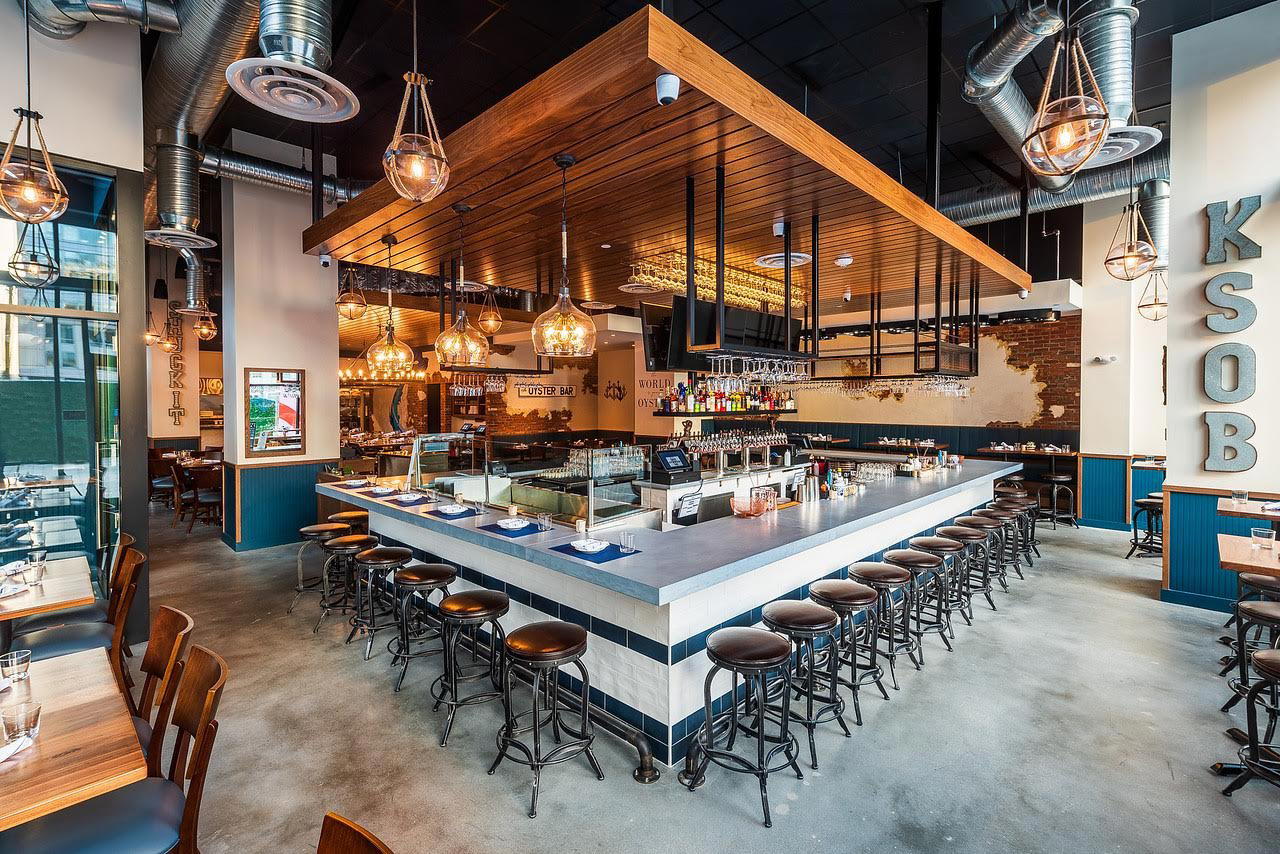
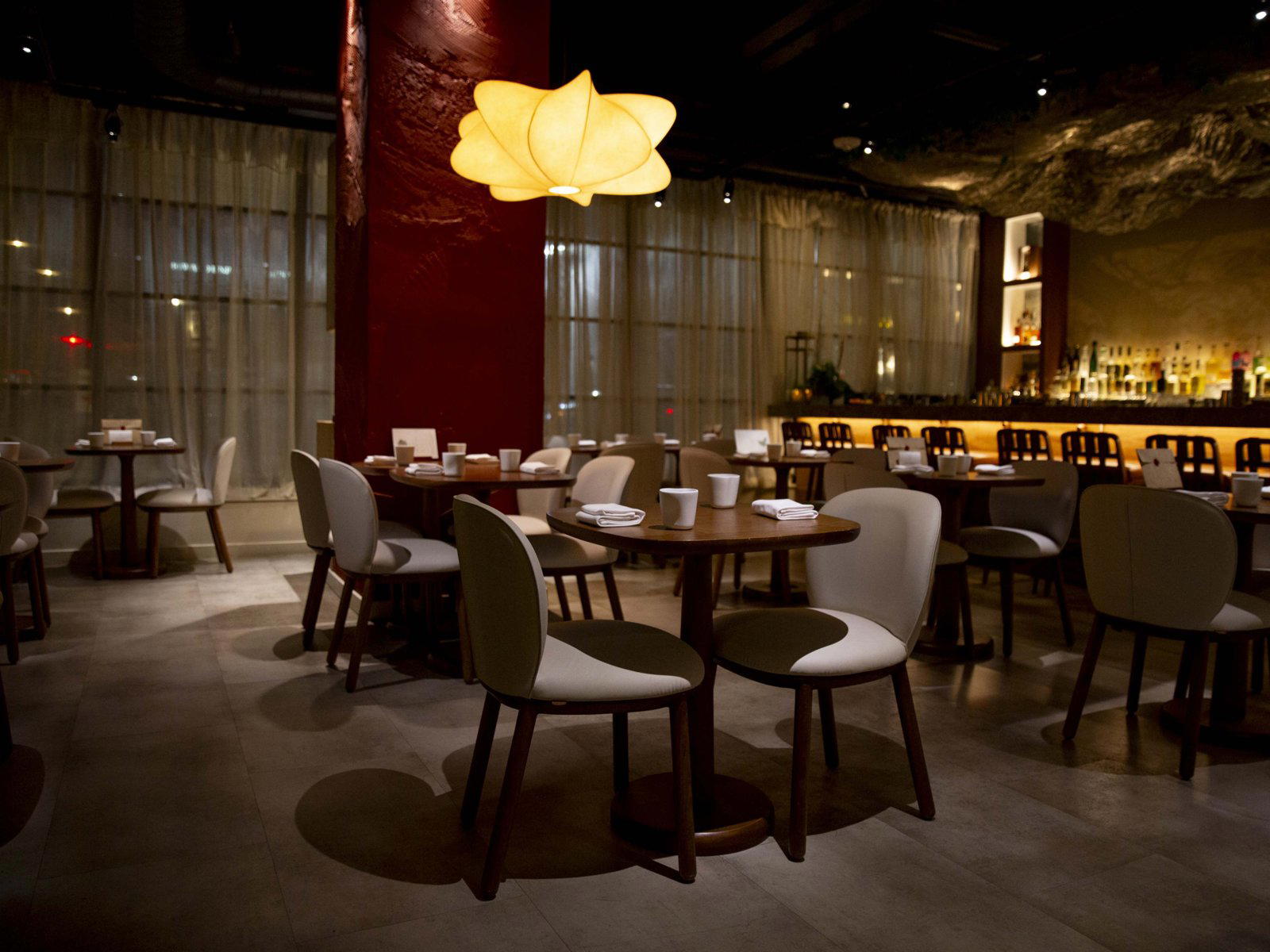
Bars in Washington DC
Browse all →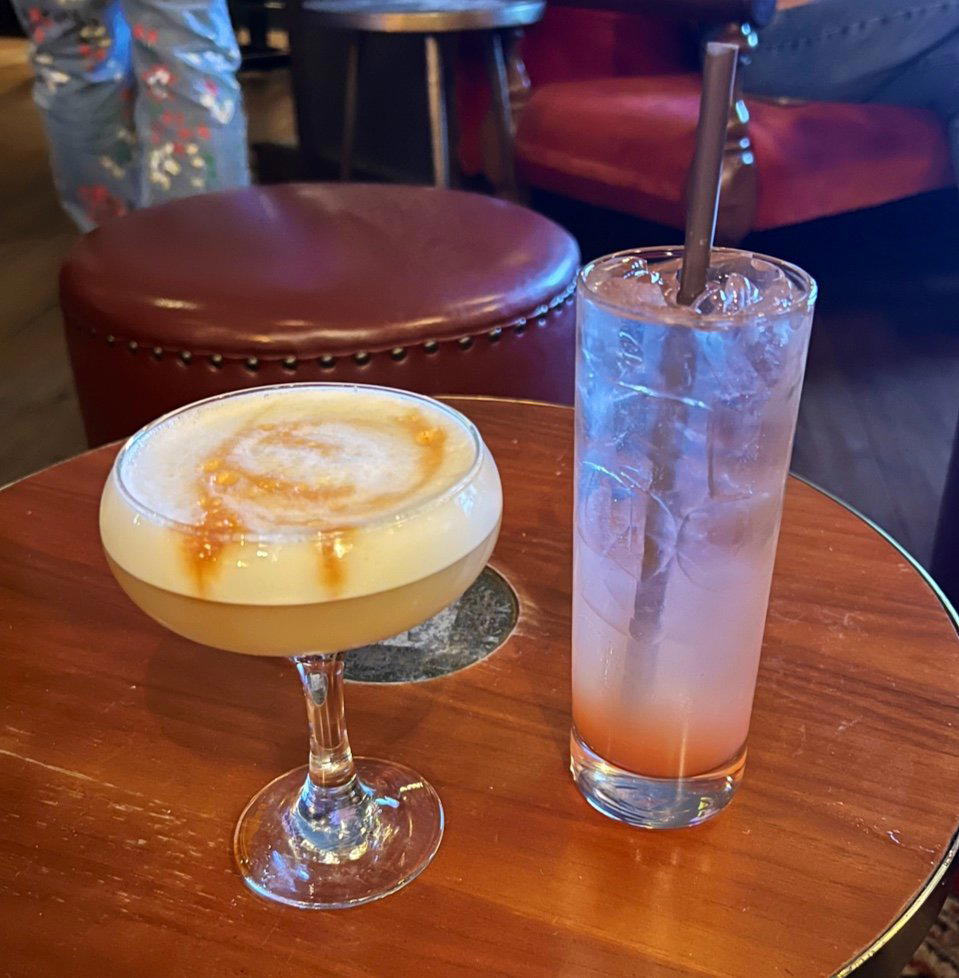
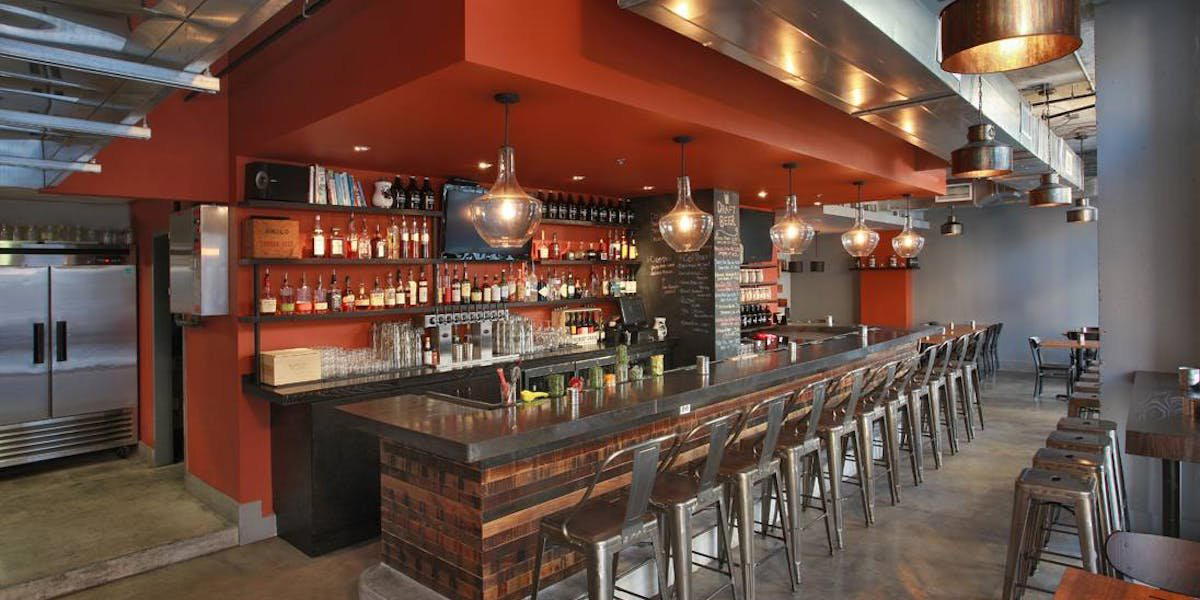
Hotels in Washington DC
Browse all →
At a Glance
- Modern
- Sophisticated
- Trendy
- Elegant
- Date Night
- Business Dinner
- Group Dining
- After Work
- Special Occasion
- Chefs Counter
- Rooftop
- Open Kitchen
- Panoramic View
- Design Destination
- Sake Program
- Craft Cocktails
- Beer Program
- Sustainable Seafood
- Local Sourcing
- Skyline
Current opening hours
- Monday
- 5–10 PM
- Tuesday
- 5–10 PM
- Wednesday
- 5–10 PM
- Thursday
- 5–10 PM
- Friday
- 5–10 PM
- Saturday
- 5–10 PM
- Sunday
- 5–10 PM
Hours can change for holidays and private events. Last verified .
Sleek industrial design with modern furnishings across two floors, featuring counter seating and a sophisticated lounge atmosphere with specialty cocktails and premium sake.