Uchi's downtown Washington D.C. location brings the Austin-born Japanese concept to the capital's competitive sushi tier, pairing creative omakase-style formats with a front-of-house and beverage program calibrated for a city that runs on power dinners and policy lunches. The kitchen works in a register that sits above casual Japanese but outside the strictest traditional counter format, making it a reference point for modern American-Japanese dining in D.C.
 Discover on Pearl
Pearl is the En Primeur Club membership app — saves, bookings, and concierge access live there. Same editors, same standards.
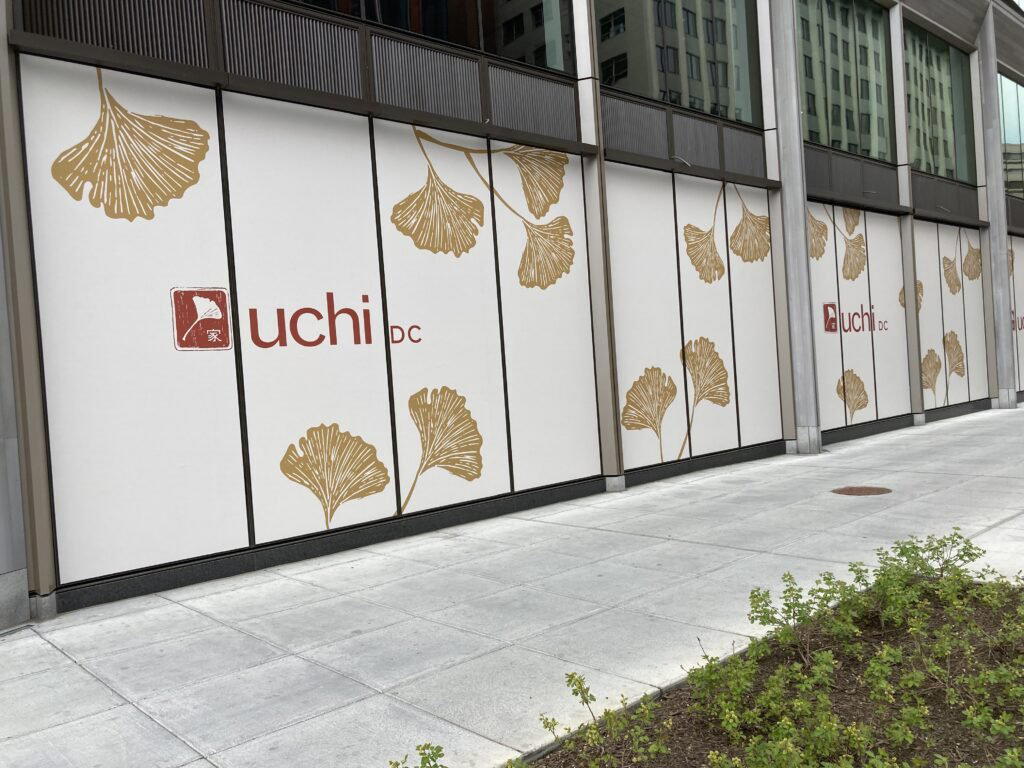
Where D.C.'s Modern Japanese Scene Has Landed
Washington's fine dining identity has long been shaped by its diplomatic circuit and expense-account culture, but the city's Japanese restaurant tier has matured considerably over the past decade. The upper bracket no longer belongs exclusively to traditional omakase counters or hotel sushi bars. A newer cohort of American-Japanese concepts, drawing on Japanese technique without strict adherence to kaiseki or edomae tradition, has opened alongside them, and Uchi is a modern Japanese sushi restaurant in Washington, priced at about $150 per person, and it sits squarely in that cohort. The Uchi brand originated in Austin, where chef Tyson Cole built a format that treats Japanese culinary vocabulary as a creative foundation rather than a fixed protocol. That approach travels well to Washington, a city whose dining audience is international, opinionated, and accustomed to format-bending concepts from operators like José Andrés, whose Bazaar Meat has demonstrated that playful technical ambition lands in this market.
Entering the Room
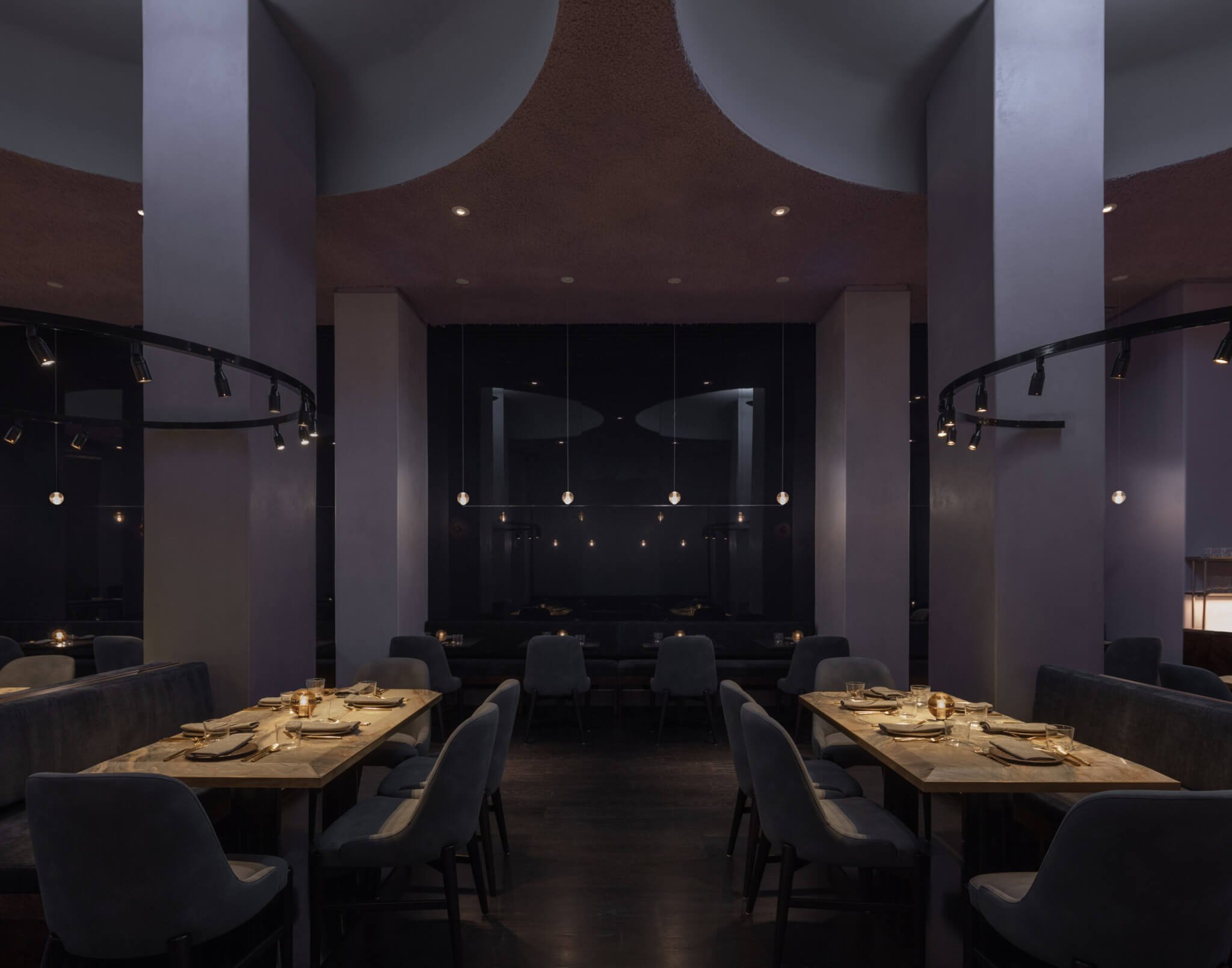
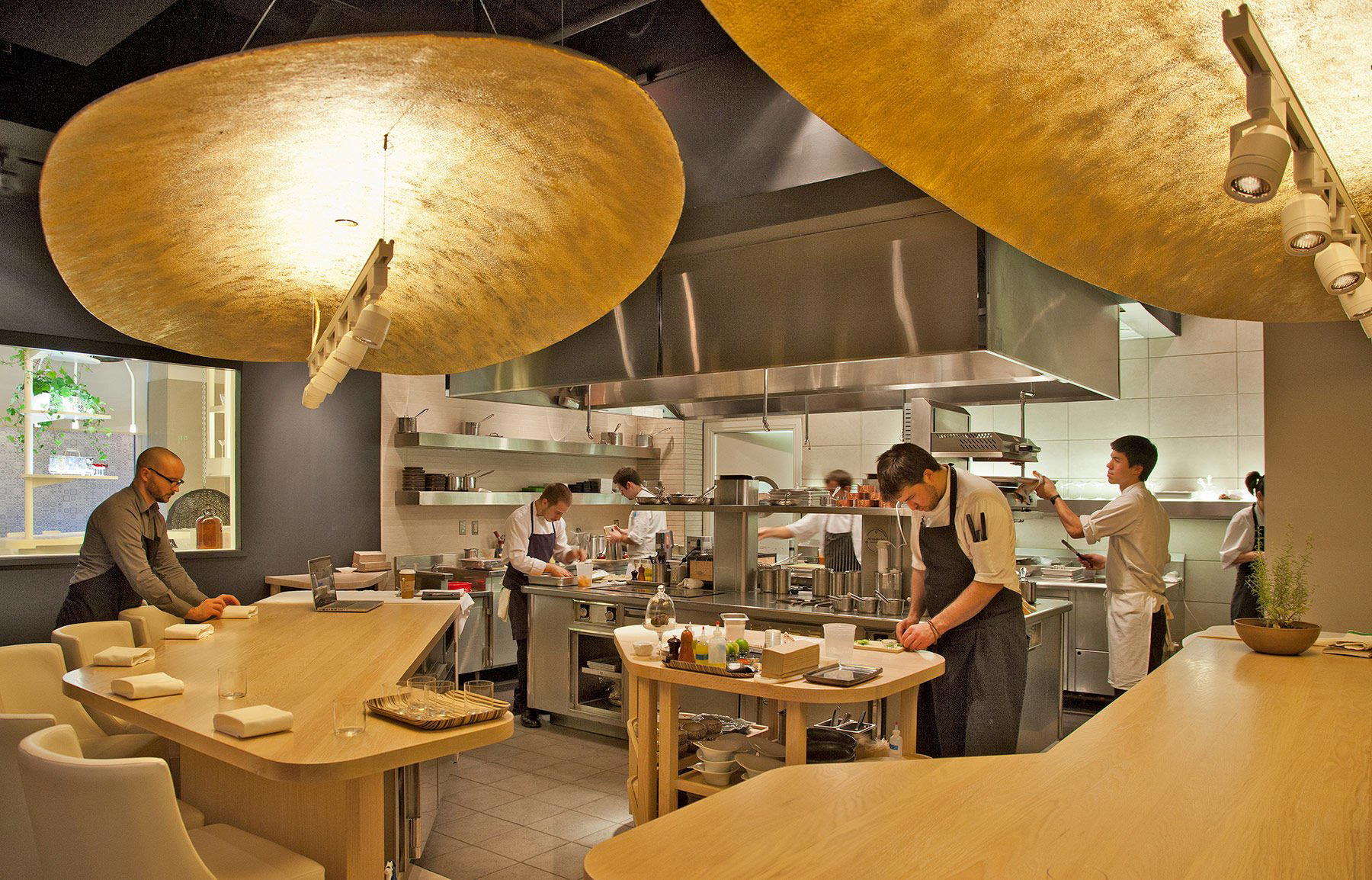
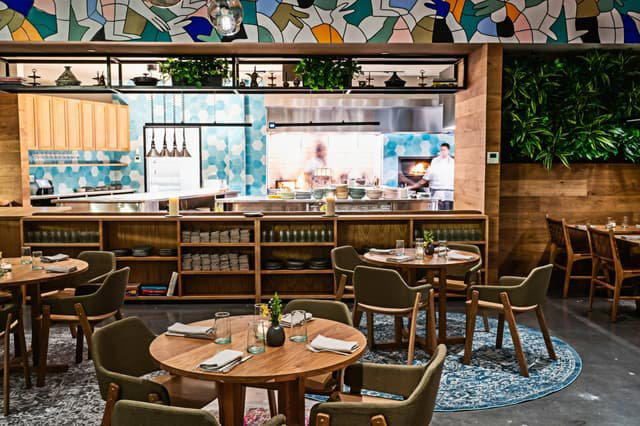
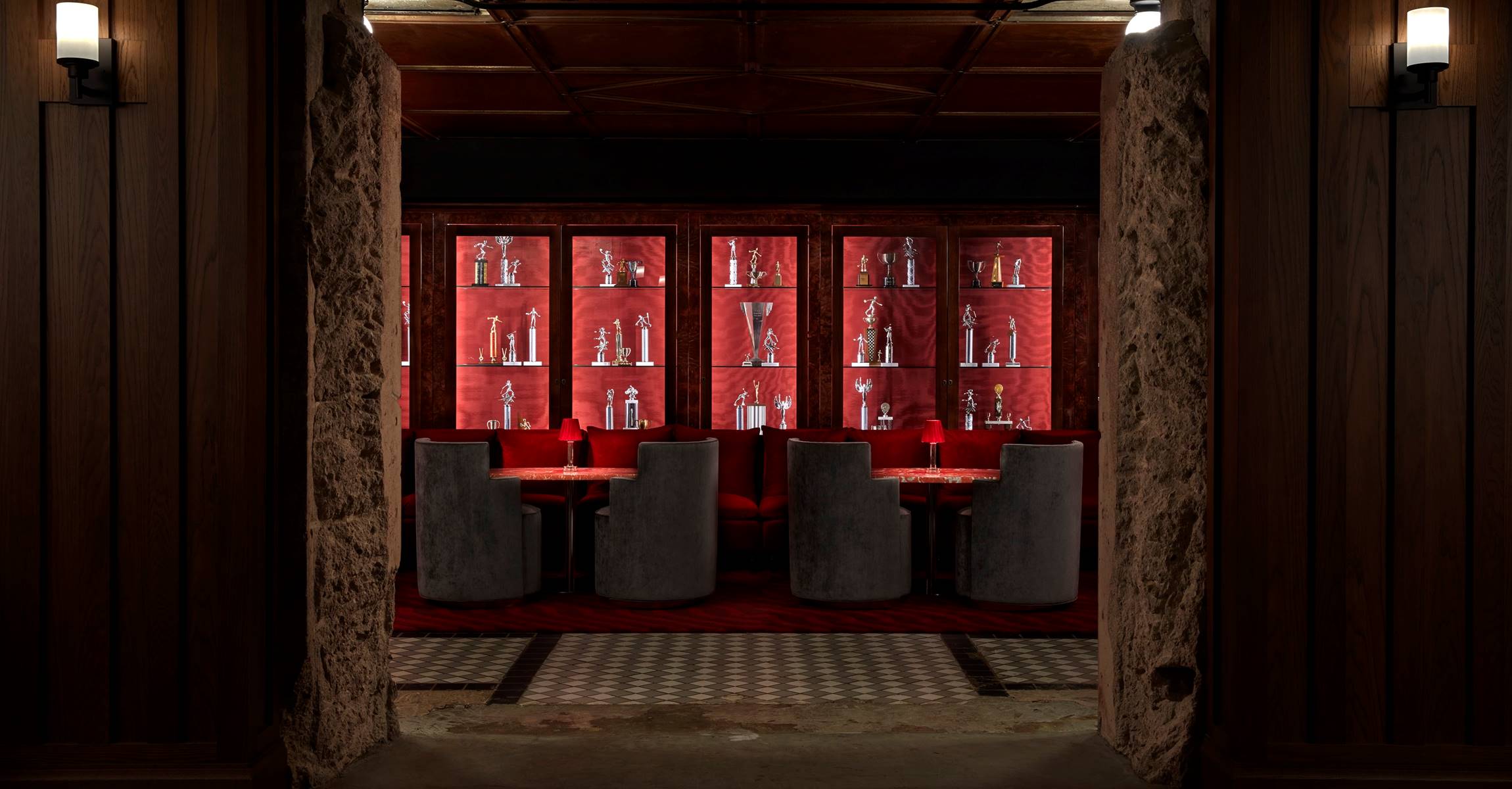
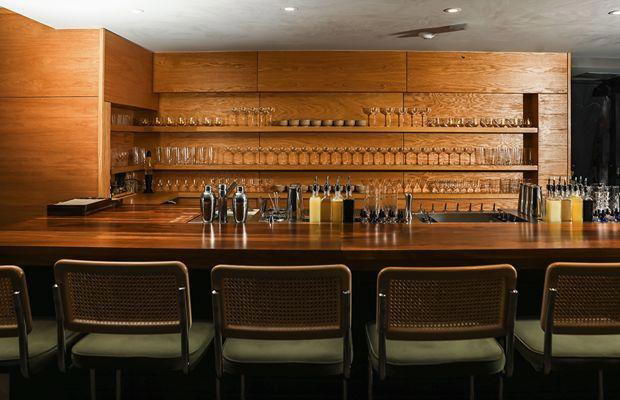
The physical experience of arriving at a restaurant like this one signals its position immediately. Uchi D.C. operates in a register that reads as considered without being austere: the kind of room where the lighting has been dialled carefully, the noise level sits at animated rather than overwhelming, and the counter, if you are seated there, brings you close enough to the kitchen to read the rhythm of the team. That rhythm is the real subject. In concepts where the kitchen-to-floor relationship is tight, the pace of service becomes a form of communication. Dishes arrive in a sequence that reflects decisions made collectively, not just by the head cook but by a team that includes the floor and the beverage side. Getting to that counter, or to any table here in the autumn and winter months when the city's political calendar densifies and reservations compress, requires forward planning.
The Team Structure Behind the Menu
What distinguishes the better American-Japanese concepts from their more conventional peers is not the fish sourcing alone but the coherence of the team operating around it. At restaurants in the Uchi lineage, the front-of-house and beverage programs are designed to work with the menu's logic rather than alongside it independently. That means a sake and wine list built to match a format where dishes arrive in composed sequences rather than à la carte clusters, and a service approach trained to read the table's pace. This model has parallels at the highest tier of American tasting-menu restaurants: Alinea in Chicago and Lazy Bear in San Francisco both treat the floor team as active participants in the dining format rather than order-takers. In the Japanese register specifically, the leading international references, including Masa in New York and Sushi Masaki Saito in Toronto, demonstrate how far that integration can go at the traditional omakase end of the spectrum. Uchi operates in a more accessible but still ambitious middle register, where the team dynamic matters as much as the product itself.
How Uchi Sits in the D.C. Competition Set
The D.C. restaurant market in 2024 and into 2025 has been shaped by a tension between established fine dining institutions and a wave of concept-driven arrivals that prioritise format and atmosphere as much as pure technique. The Inn at Little Washington, Patrick O'Connell's long-running Virginia landmark, represents the institutional end of the spectrum. Newer arrivals like Canton Disco and the natural-wine-forward Alfie's, with its permanent Georgetown iteration at Alfie's Georgetown, represent a different current, one that treats the dining format as part of the concept's identity. Uchi sits between these poles: it carries brand recognition and a defined culinary lineage, which gives it institutional credibility, but its format is progressive enough to read as current rather than conservative. Against pure sushi benchmarks like Le Bernardin in New York or The French Laundry in Napa, Uchi prices and positions itself differently: it is not attempting that tier of formal, single-track tasting protocol. Its comparable set is closer to American-Japanese concepts at the upper-casual to fine-dining boundary, where the menu retains creative latitude.
What the Menu Format Communicates
American-Japanese menus at this level typically separate themselves from traditional sushi bars through composition: the kitchen is treating ingredients with techniques drawn from both traditions rather than operating within one. Cooked preparations sit alongside raw ones. Temperature contrasts are deliberate. The beverage list, when built properly for this format, includes sake selections that vary in texture and weight across the meal's arc, plus wine choices that acknowledge both the acidity requirements of raw fish and the richer registers of cooked dishes. This is a different discipline from pairing wine to a French tasting menu, and restaurants that get it right tend to do so because the sommelier is in active dialogue with the kitchen sequence, not consulting a static pairing sheet. At reference-level operations like Single Thread Farm in Healdsburg or Emeril's in New Orleans, that kind of programme integration has become a distinguishing feature of the format. In D.C., where the dining audience skews international and drinks-literate, a thoughtful beverage program is not supplementary; it is part of what the ticket price justifies.
Planning Your Visit
For readers approaching Uchi D.C. as part of a broader Washington itinerary, the practical framing is this: it belongs in the upper tier of the city's Japanese and contemporary dining options, positioned above the casual sushi corridor but without the booking friction of the most constrained traditional omakase counters. Reservations are advisable, particularly from September through December when the city's calendar tightens, and the counter seats, where available, provide the closest read on the kitchen's pace and the team's coordination. For context on where this fits within Washington's full dining range,
Comparable Spots
Comparable venues nearby, for context on price, style, and recognition.
| Venue | Cuisine | Price | Notes |
|---|---|---|---|
| UchiThis venue — the venue you are viewing | Modern Japanese Sushi | $$$$ | |
| Sushi Taro | Traditional Japanese Omakase | $$$$ | Dupont Circle |
| Uchi | Modern Japanese Sushi | $$$$ | Old Town Scottsdale |
| Maru San | Japanese-Peruvian Nikkei Hand Rolls | $$$$ | Eastern Market |
| O-Ku | Modern Japanese Sushi & Robata | $$$ | Capital City Market |
| Katsumi | Japanese Sushi & Lounge | $$$$ | Logan Circle |
Continue exploring
More in Washington DC
Restaurants in Washington DC
Browse all →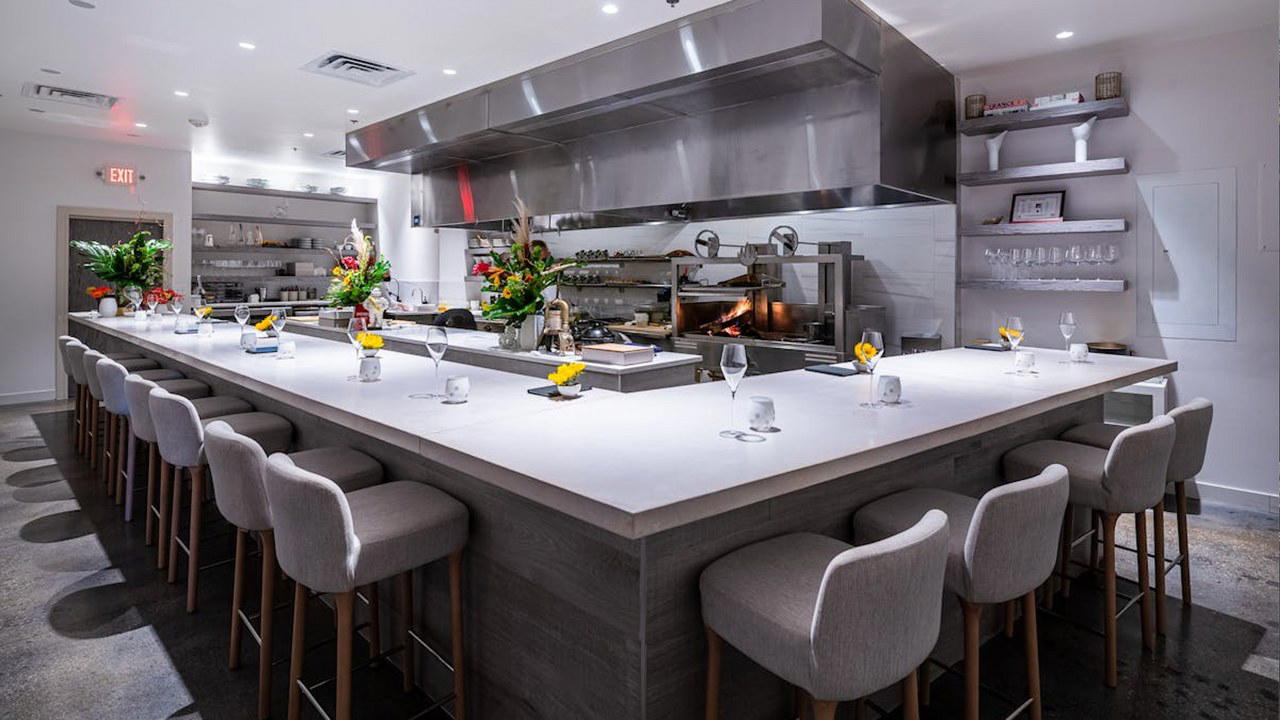
Bars in Washington DC
Browse all →



At a Glance
- Modern
- Trendy
- Sophisticated
- Elegant
- Date Night
- Special Occasion
- Business Dinner
- Open Kitchen
- Sake Program
- Craft Cocktails
- Sustainable Seafood
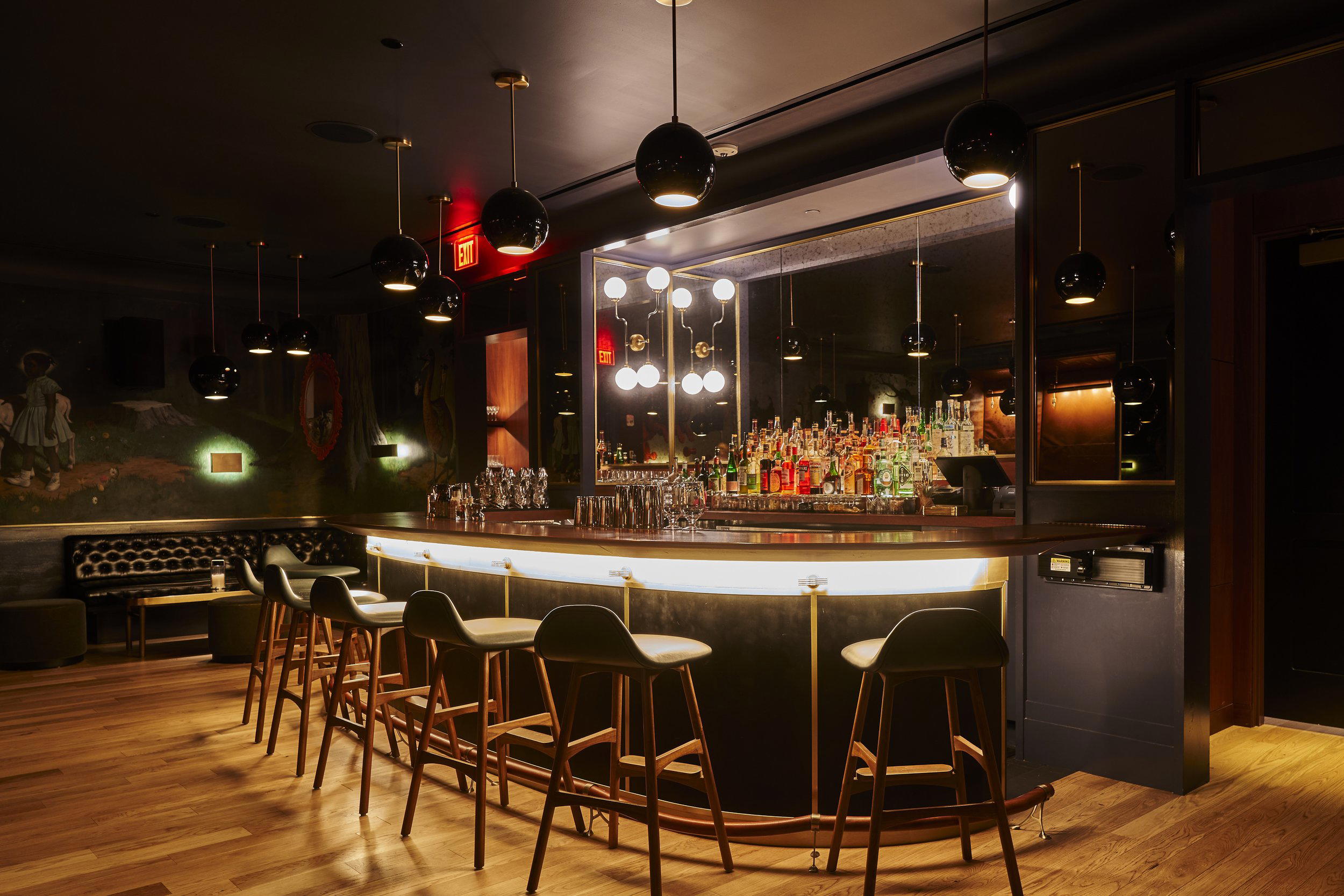
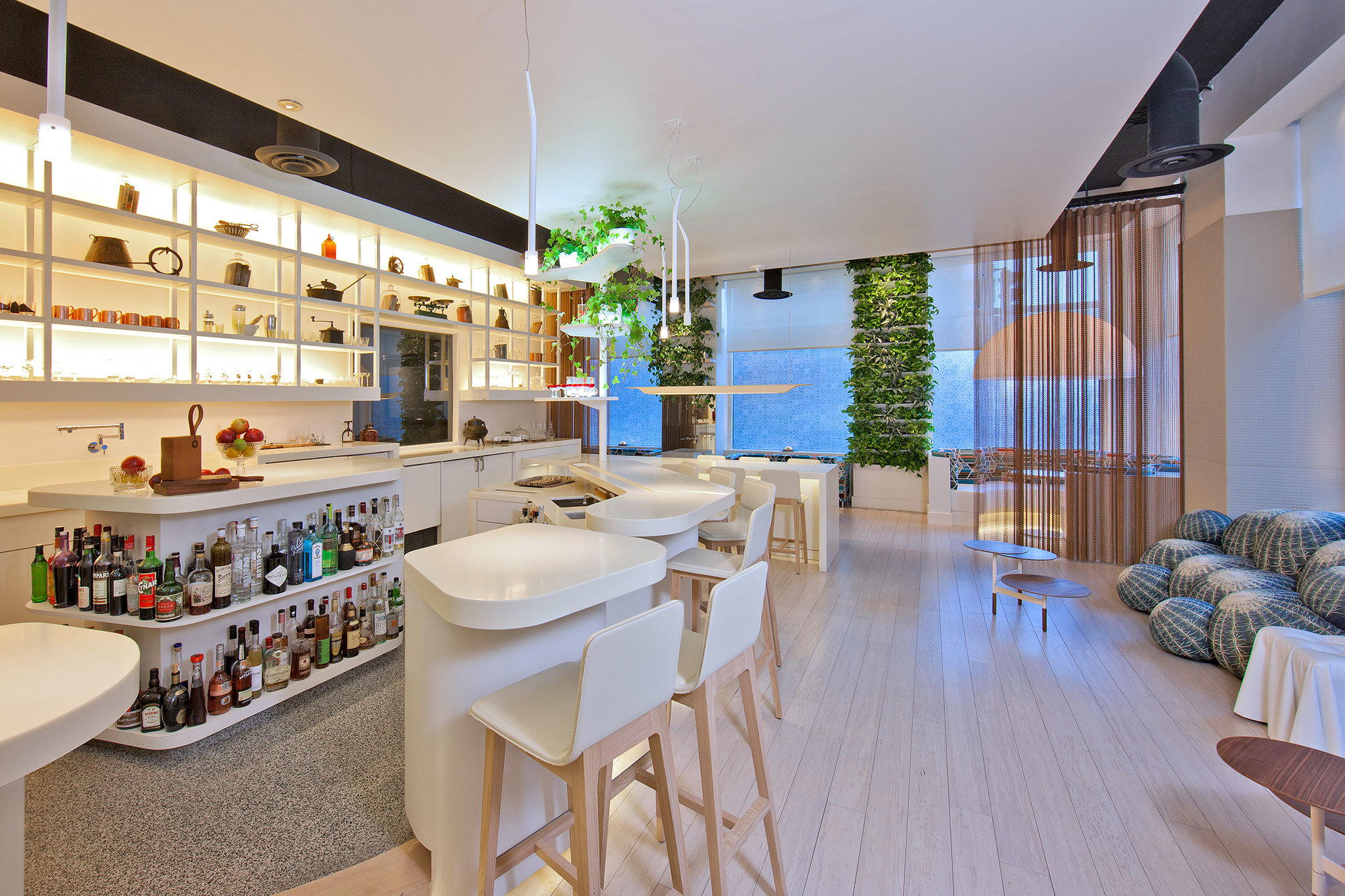
Sleek modern dining room with cream-colored wave walls, warm-toned woods, soft lighting, and vibrant colorful plates creating an intimate and sophisticated atmosphere.