Pascual






Michelin Plate · World's 50 Best #42 · James Beard Award Semi Finalist
Our verdict
Pascual on Capitol Hill brings the structure of Mexico City's contemporary dining scene to Washington, D.C., with a shareable menu built around open-fire technique and regional Mexican ingredients. A Michelin Plate holder recognized by Opinionated About Dining in 2025, the restaurant draws on Oaxacan fire-cooking traditions and dishes rarely seen in D.C. Reservations fill quickly, so advance planning is essential.

Pearl is the En Primeur Club membership app — saves, bookings, and concierge access live there. Same editors, same standards.
- Address
- 732 Maryland Ave NE, Washington, DC 20002
- Phone
- (202) 450-1954
- Hours
- Mon 5–9 PMTue–Wed ClosedThu 5–9 PMFri–Sat 5–9:30 PMSun 5–9 PM
- Website
- pascualdc.com
- Directions
- Get directions
- Booking
- Book on Resy
The menu
What to order
- Lamb neck barbacoa
- Guacamole
- Chayote salad
A Menu Built for the Table, Not the Plate
There is a particular logic to how Mexico City's better casual restaurants organize a meal: not by the European sequence of courses, but by a flow of textures and temperatures that rewards sharing and slows the table down. That architecture is exactly what Chefs Isabel Coss and Matt Conroy have imported to Capitol Hill at Pascual, 732 Maryland Ave NE, and it explains both the restaurant's appeal and the reason reservations have been difficult to secure since it opened.
Washington, D.C. has seen a genuine expansion of its Mexican dining tier over the past decade. Oyamel represents the accessible, high-volume end of that spectrum, while Amparo Fondita and Taqueria Habanero anchor the neighbourhood-staple tier. Pascual sits in a different bracket: a $$$-priced, reservation-forward room that competes less on familiarity and more on technique, sourcing specificity, and menu depth. Its Michelin Plate recognition in 2024 and Opinionated About Dining's Casual in North America listing for 2025 confirm its placement in that upper-casual register.
How the Menu Moves
The menu at Pascual is structured to resist the instinct to anchor on a single protein. Nearly everything is framed for sharing, and the sequence from masa-based dishes through vegetables and into larger proteins is where the cooking reveals its priorities. Tetelas and tlayudas serve as entry points: masa formats that carry flavour rather than merely delivering it, and that give the kitchen a canvas for technique before heavier dishes arrive.
That masa foundation connects the cooking here to a broader shift in how serious Mexican restaurants internationally have repositioned corn. At places like Pujol in Mexico City, the elevation of indigenous corn varieties to fine-dining centrepiece status has reshaped expectations. Pascual works in a more casual register, but the same instinct is present: a blue corn tamal, balanced on pickled onion and tomato and finished with crema and a charred eggplant sauce, is not a starter in the traditional sense but a statement about what the kitchen values. The sourcing detail of blue corn signals intentionality; the charred eggplant sauce signals fire.
Fire is the organizing principle of the larger dishes. Open-fire and smoke techniques, informed by the cooking Coss and Conroy experienced while travelling through Oaxaca, run through the menu in ways that are structural rather than decorative. Smoked chicken is not smoke-finished but smoke-cooked, and lamb neck barbacoa — a two-pound portion of brined, grilled, and braised meat served with shaved onion, mint, and heirloom-corn tortillas — is the clearest expression of what this kitchen does when it commits to a technique. The dish arrives primal and direct, with a lamb depth that doesn't tip into gaminess, which is the specific challenge of barbacoa at this scale.
The vegetable work, which in the D.C. market increasingly separates the serious rooms from those merely gesturing at seasonality, holds its own. Roasted oysters with brown butter and dark lager and Badger Flame beets with smoked apple, habanero, and feta represent a seasonal menu approach with more specificity than the average mid-tier kitchen. These are not token vegetable plates but dishes that require the same fire and acid balance as the larger proteins. That balance is the signature of the kitchen's approach: smoke and char on one axis, brightness and acidity on the other.
Capitol Hill in Context
The neighbourhood address at 732 Maryland Ave NE places Pascual within the Capitol Hill dining corridor, an area that has attracted serious independent operators at a meaningful pace over the past several years. Restaurants like Albi, the acclaimed Middle Eastern open-fire restaurant nearby, have demonstrated that Capitol Hill diners will travel for and commit to ambitious cooking that isn't in Penn Quarter or Shaw. Pascual benefits from this same dynamic: it draws a crowd willing to plan ahead and book early rather than walk in.
Opinionated About Dining's Casual listing carries specific weight: that list prioritises food-forward operators rather than scene restaurants, and inclusion confirms the kitchen's consistency across visits.
For comparison within D.C.'s broader ambitious dining tier, Pascual prices at $$$ against peers like Bresca and Gravitas that operate at $$$$. That gap matters: the food achieves the same level of intention at a lower commitment per head, which partly explains the demand pressure on reservations. For those exploring the full range of what D.C.'s restaurant scene has developed, our [full Washington, D.C. restaurants guide]() covers the wider field. Related city guides for [bars](), [hotels](), [wineries](), and experiences round out the planning picture.
Nationally, the casual Mexican tier has been expanding in cities with strong chef-driven dining cultures. Alma Fonda Fina in Denver represents a similar approach on the West side of the country: contemporary technique, regional Mexican reference points, a shareable format. The format produces restaurants that sit awkwardly in traditional fine-dining hierarchies, too casual for star consideration, too serious for the neighbourhood-spot category, but that earn critical recognition in exactly the lists, like OAD, that weight food quality over room experience. In that national context, Pascual is a clear representative of the category at its better end.
For those building a longer D.C. itinerary around open-fire cooking and ambitious casual formats, La Tejana offers a useful point of comparison at the Tex-Mex intersection, while Amparo Fondita covers the more traditional Mexican fondant register. Beyond Mexico, Albi demonstrates what open-fire Middle Eastern cooking achieves in the same city at the $$$$ tier.
The Closing Logic of the Menu
The menu's dessert position matters more here than in most restaurants of this format. A buñuelo, a crispy rosette dusted in cinnamon sugar and served with cajeta and chocolate sauces, closes the meal in a way that's legible to anyone familiar with Mexican street-food tradition but executed with precision. It is not a reinvention; it is a reminder of what the kitchen's real reference point is. The entire menu, read from tetela to buñuelo, describes a specific culinary lineage delivered with consistency. That coherence is what the Michelin Plate and OAD recognition are responding to.
Know Before You Go
- Address: 732 Maryland Ave NE, Washington, DC 20002
- Cuisine: Contemporary Mexican, open-fire
- Price range: $$$ (mid-upper casual tier)
- Reservations: Advance booking strongly advised; demand is consistent and walk-in availability is limited
- Format: Shareable plates; plan the meal as a table rather than per individual
- Recognition: Michelin Plate 2024; Opinionated About Dining Casual in North America 2025
Frequently asked questions
What should I budget for a meal at Pascual?
Pricing at Pascual is listed as $$$.
Where is Pascual located?
Pascual is located at 732 Maryland Ave NE, Washington, DC 20002, Washington, D.C..
What distinctions does Pascual have?
Pascual has received recognition including: Opinionated About Dining Casual in North America (2025); Pascual may be named for the patron saint of cooks and the kitchen, but this spot from Chefs Isabel Coss and Matt Conroy doesn't need any extra blessings (and reservations are a chall….
Where the Accolades Land
A quick snapshot of similar venues for side-by-side context.
| Venue | Cuisine | Price | Awards | Notes |
|---|---|---|---|---|
| PascualThis venue — the venue you are viewing | Modern Mexican | $50–100 | Michelin Plate · World's 50 Best #42 | Not listed |
| Albi | Modern Levantine Fine Dining | $300–500 | 1 Michelin Star · World's 50 Best #6 | United States, Middle Eastern |
| Causa | Modern Peruvian Fine Dining | $150–200 | 1 Michelin Star · James Beard Award Best Chef: Mid-Atlantic | Peruvian |
| Oyster Oyster | Modern Vegetable-Focused Tasting Menu | Not listed | 1 Michelin Star · James Beard Award Outstanding Chef #1 | New American, Vegetarian, Vegetarian (Sustainable) |
| Bresca | Modern French Bistronomy | $150–200 | 1 Michelin Star · James Beard Award Semi Finalist | Modern French, Contemporary |
| Gravitas | Modern American Fine Dining | $150–200 | 1 Michelin Star | New American, Contemporary |
Recognition history
Dated appearances from independent guides and award organizations, with the underlying list record or original source where available.
Michelin Plate
Michelin
World's 50 Best North America's Best Restaurants #42
World's 50 Best
James Beard Award Semi Finalist
James Beard Award
Opinionated About Dining Casual in North America Recommended
Opinionated About Dining
Washingtonian 100 Very Best Restaurants #13
Washingtonian
Full recognition history (8 entries)
Opinionated About Dining Casual in North America
Opinionated About Dining
Robb Report The 10 Best New Restaurants in America #9
Robb Report
Michelin Plate
Michelin
Continue exploring
More in Washington DC
Restaurants in Washington DC
Browse all →
Bars in Washington DC
Browse all →
Hotels in Washington DC
Browse all →
Details
- Trendy
- Modern
- Cozy
- Intimate
- Sophisticated
- Date Night
- Special Occasion
- Open Kitchen
- Craft Cocktails
- Small Plates
- A La Carte
- Cocktails
- Mezcal
- Vegetarian Friendly
Current opening hours
- Monday
- 5–9 PM
- Tuesday
- Closed
- Wednesday
- Closed
- Thursday
- 5–9 PM
- Friday
- 5–9:30 PM
- Saturday
- 5–9:30 PM
- Sunday
- 5–9 PM
Hours can change for holidays and private events. Last verified .
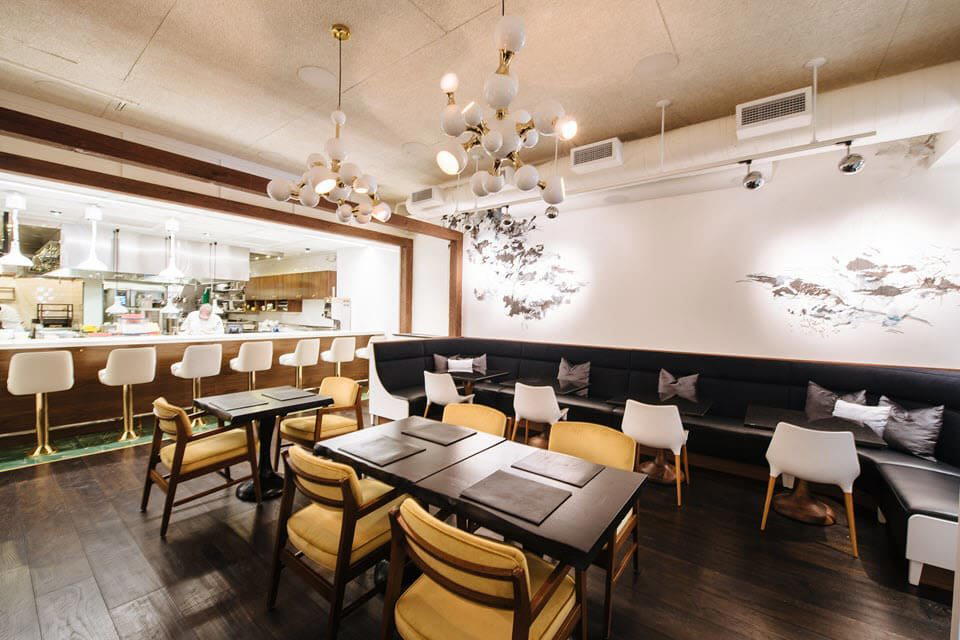
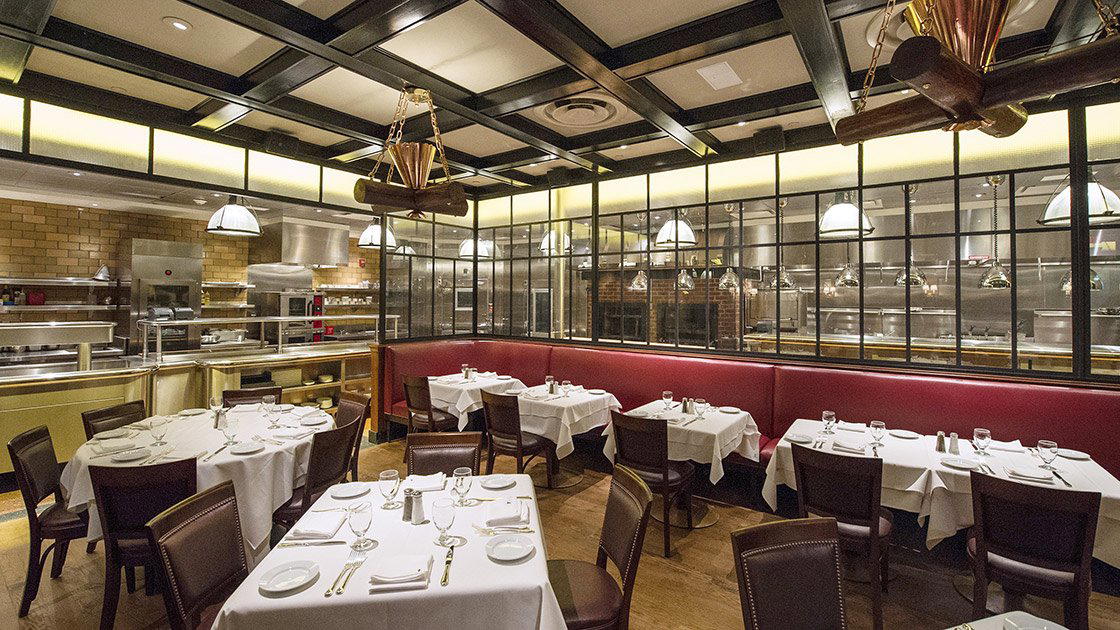
Minimalist chic interior with close tables, buzzy atmosphere, and cozy patio enhanced by open fire cooking.