KYOJIN Sushi
KYOJIN Sushi occupies a suite in Cady's Alley NW, Washington D.C.'s design-forward corridor in Georgetown, placing omakase dining within a neighborhood better known for furniture showrooms and architecture studios than traditional Japanese counters. In a city where serious sushi has historically required a trip to the suburbs, KYOJIN's Georgetown address signals a shifting center of gravity for D.C.'s high-end Japanese dining scene.
Pearl is the En Primeur Club membership app — saves, bookings, and concierge access live there. Same editors, same standards.
- Address
- 3315 Cady's Alley NW Suite B, Washington, DC 20007
- Phone
- +12029535748
- Website
- kyojindc.com
- Directions
- Get directions
 Saves & bookings on Pearl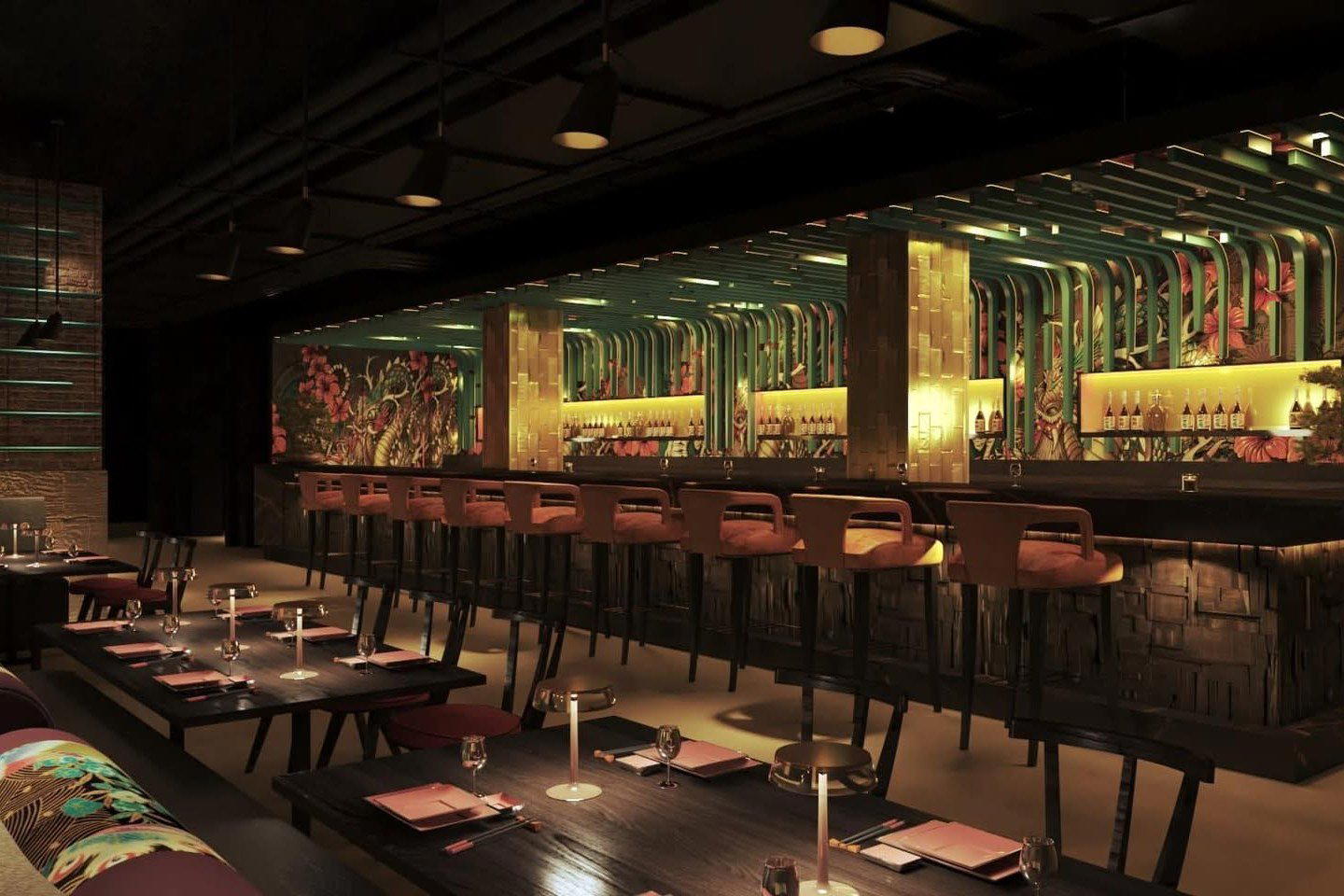
A Counter in the Alley
KYOJIN Sushi is a modern Japanese sushi restaurant in Washington, D.C. with a $80 per person price point. The block runs behind M Street, lined with design showrooms and architecture studios rather than the restaurant rows that dominate Penn Quarter or 14th Street. Finding Suite B off the alley requires a specific kind of attention, the sort you'd apply to locating a discreet counter in Tokyo's Ginza or a reservation-only bar in lower Manhattan. That geographic remove from D.C.'s obvious dining corridors is part of what defines the experience before you've sat down.
The physical setting matters in omakase dining in a way it doesn't for most other formats. Counter sushi is an exercise in compressed space and deliberate atmosphere: the width of the counter, the arrangement of cutting boards, the temperature of the room, the acoustic discipline that allows conversation without disruption. These elements shape the meal as much as the fish itself. KYOJIN's placement inside a suite rather than a freestanding restaurant suggests an interior orientation, a space designed inward rather than outward toward street traffic.
Where KYOJIN Sits in D.C.'s Sushi Conversation
Washington D.C. has long occupied an awkward position in the national omakase conversation. New York has density of counters across multiple price tiers. Los Angeles draws from proximity to both West Coast fishing and a deep Japanese-American culinary tradition. D.C. by contrast, built its fine-dining identity around European-inflected tasting menus, power-lunch steakhouses, and increasingly, a generation of chef-driven rooms that includes Jônt, minibar, and Albi. High-end Japanese counter dining has arrived later and in smaller numbers here than in comparable American cities.
That relative scarcity changes how a venue like KYOJIN functions within the market. In New York, an omakase counter competes against dozens of peers at similar price points. In D.C. the competitive set is narrower, which raises the stakes for individual venues and sharpens diner attention. Comparisons extend naturally to the tasting-menu format more broadly: rooms like Causa and Oyster Oyster occupy the city's ambitious chef-driven tier, each anchored by a defined culinary identity and a format built around sequenced dining rather than à la carte choice. KYOJIN's Georgetown address positions it alongside that cohort rather than inside a dense sushi district.
Nationally, the omakase format has matured into a category with clear internal hierarchies. Counters with documented Michelin recognition or lineage from Tokyo's most decorated kitchens sit at the summit tier. Venues like Atomix in New York City show how Korean fine dining has established itself within that same refined, counter-format tradition, drawing international critical attention to a city already well-served by Japanese counters. The question for any serious omakase room in a secondary American market is whether it can establish comparable credibility.
The Sensory Architecture of Counter Sushi
The omakase counter format is built around controlled sensory sequence. Fish arrives at precise temperatures. Rice, the element that separates a technically accomplished sushiya from a merely expensive one, carries a vinegar ratio and texture that only reveals itself at the right warmth. The progression of courses moves from lighter, more delicate fish through richer, fattier cuts, a pacing decision that shapes how flavor accumulates across the meal. None of this is incidental; the entire format assumes a chef in direct control of every variable from water temperature to the moment of service.
At the counter level, the visual dimension is equally deliberate. Watching knife work from eighteen inches away is different from receiving a plated dish from a runner. You see the cut, the placement, the angle of a slice against the grain. The discipline required to perform that work consistently across a full counter of diners is what distinguishes the format from other high-end dining categories. It is closer to a craft demonstration than a conventional restaurant service.
Sound at serious counters is also a considered element. The leading rooms allow for quiet conversation without the acoustic chaos that undermines concentration in larger dining rooms. Suite formats, as opposed to open-plan restaurants, tend to support that containment more naturally.
Georgetown as a Dining Address
Georgetown's dining identity has historically skewed toward neighborhood stalwarts and casual formats that serve its residential and university populations. The arrival of a serious omakase counter in Cady's Alley represents a different kind of hospitality ambition for the neighborhood: one that assumes a destination diner willing to seek out the address rather than a passing pedestrian drawn in from the street.
That shift mirrors what has happened in other cities where fine dining has moved away from central business districts toward residential neighborhoods with design culture and higher household income density. In San Francisco, Lazy Bear established itself in the Mission before that neighborhood was considered a fine-dining address. In Virginia, The Inn at Little Washington has long demonstrated that destination dining does not require a metropolitan address to generate serious critical attention. KYOJIN's Cady's Alley location follows that same logic: the address is specific enough to filter for intent.
Planning Your Visit
Cady's Alley runs off the main M Street corridor in Georgetown, and Suite B requires locating the correct building entrance within the alley itself. First-time visitors should allow extra time to find the space, particularly in evening hours when the surrounding design showrooms are closed and the alley is quieter. Georgetown sits west of Dupont Circle and is accessible via the D.C. Circulator from several Metro stations; parking in the neighborhood is limited during peak hours. KYOJIN is recommended for reservations and is open Mon: 5–10 PM; Tue: 5–10 PM; Wed: 5–10 PM; Thu: 5–11 PM; Fri: 5 PM–1 AM; Sat: 5 PM–1 AM; Sun: 5–10 PM. Counter sushi at the level KYOJIN occupies in this market typically operates on advance reservations rather than walk-in availability, and given the city's narrow competitive set for the format, booking lead times can extend several weeks.
KYOJIN sits within Washington, D.C.'s ambitious dining tier, alongside venues like Causa, Oyster Oyster, and Albi. Nationally, the omakase counter tradition includes venues such as Providence in Los Angeles and Le Bernardin in New York City.
Just the Basics
Comparable venues nearby, for context on price, style, and recognition.
| Venue | Cuisine | Price | Notes |
|---|---|---|---|
| KYOJIN SushiThis venue — the venue you are viewing | Not listed | $$$ | Not listed |
| Umai Nori | Not listed | $$ | Dupont Circle, Modern Japanese Sushi & Temaki |
| Nobu DC | West End, Japanese-Peruvian Fusion | $$$$ | Not listed |
| Alta Strada Embassy Row | Not listed | $$$ | Dupont Circle, Authentic Italian Trattoria |
| Mita | Not listed | $$$ | Shaw, Michelin-starred Latin American vegetable tasting menu |
| Bistro 525 | Not listed | $$$ | East End, Mediterranean-Accented American Bistro |
Continue exploring
More in Washington DC
Restaurants in Washington DC
Browse all →
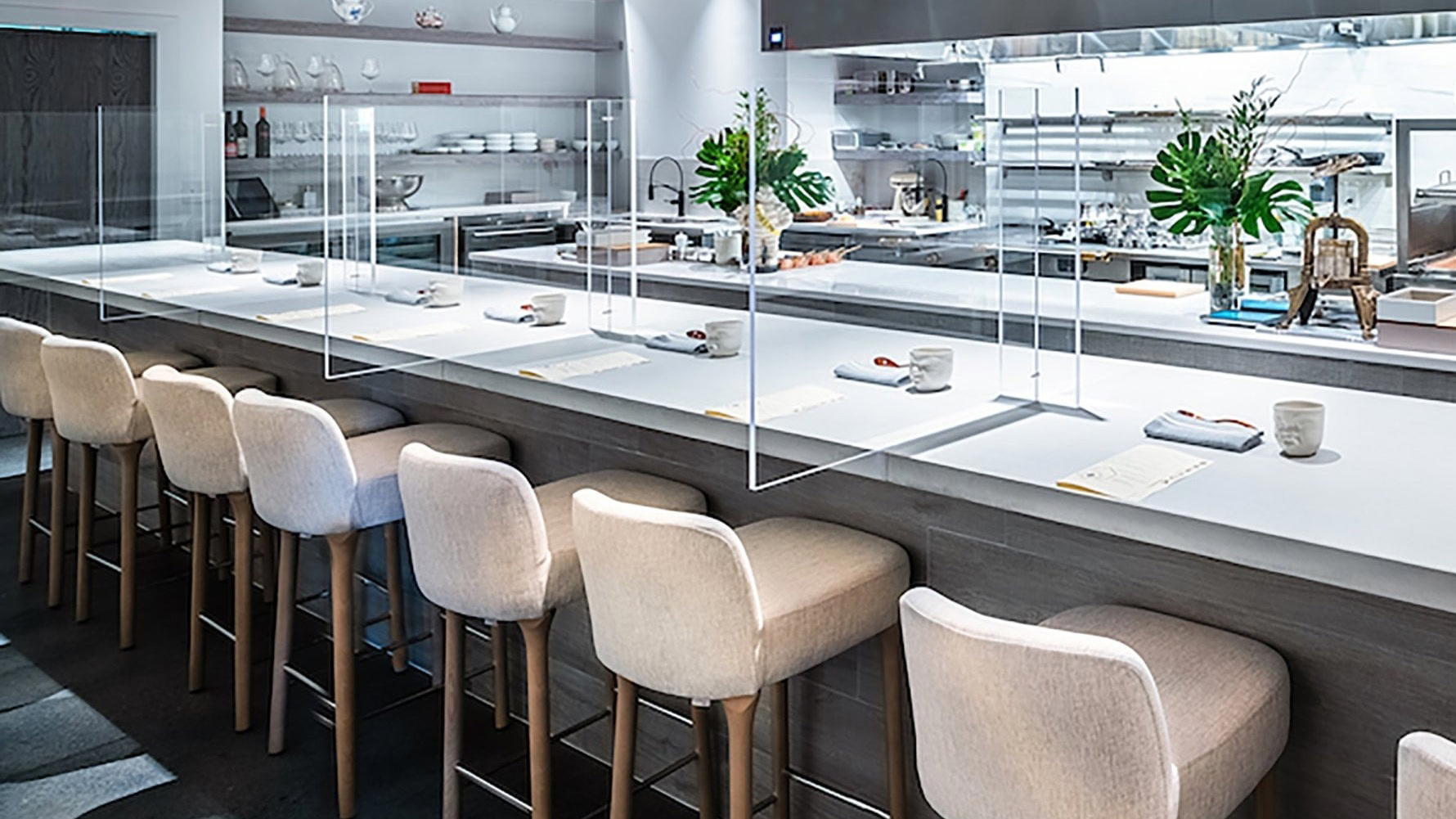
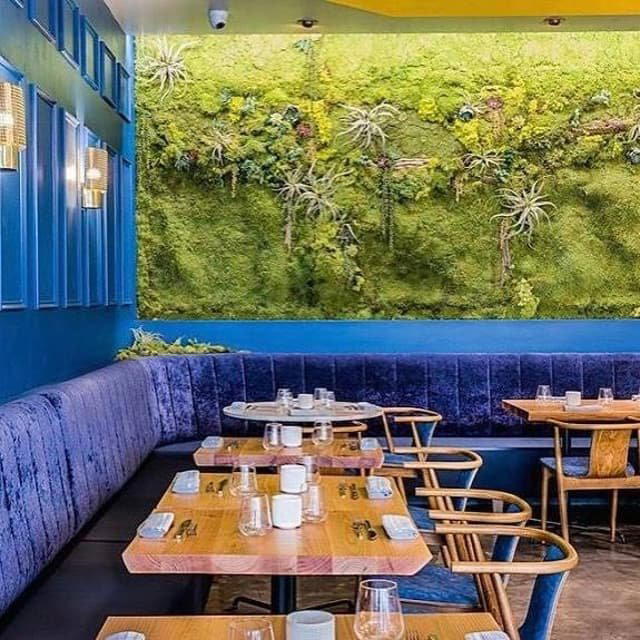
Bars in Washington DC
Browse all →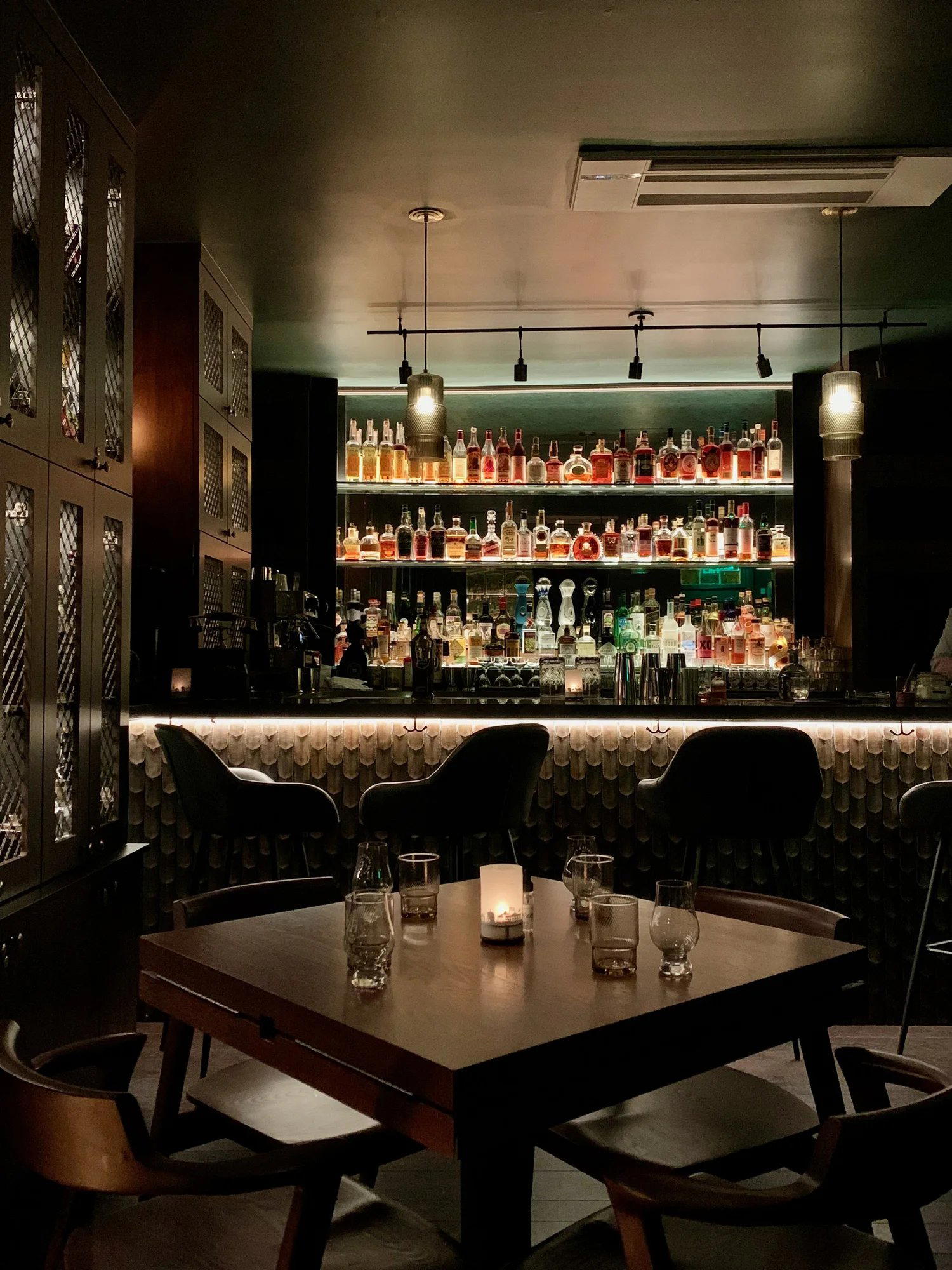
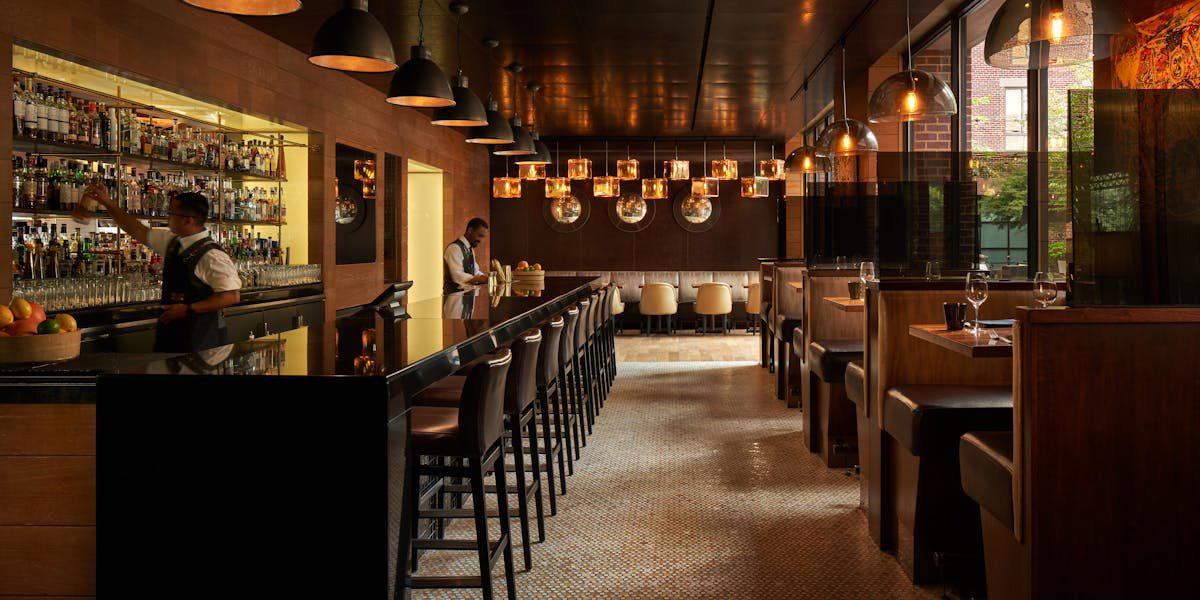
Hotels in Washington DC
Browse all →
At a Glance
- Trendy
- Elegant
- Sophisticated
- Intimate
- Modern
- Date Night
- Business Dinner
- Group Dining
- Special Occasion
- Chefs Counter
- Open Kitchen
- Private Dining
- Sake Program
- Craft Cocktails
- Sustainable Seafood
Current opening hours
- Monday
- 5–10 PM
- Tuesday
- 5–10 PM
- Wednesday
- 5–10 PM
- Thursday
- 5–11 PM
- Friday
- 5 PM–1 AM
- Saturday
- 5 PM–1 AM
- Sunday
- 5–10 PM
Hours can change for holidays and private events. Last verified .
Sultry and inviting with spectacular interior design featuring hand-painted murals, kimono seats, and an underground lair-like layout that buzzes with energy.