La’ Shukran




La' Shukran occupies a second-floor space above a Northeast D.C. alley, reached through a green door that most of the city hasn't found yet. Chef Michael Rafidi blends Palestinian American cooking with the informal energy of Parisian bistronomy, producing Levantine mezze, soujek dumplings, and arak-driven cocktails that make the room hard to leave. Reservations fill fast.
Pearl is the En Primeur Club membership app — saves, bookings, and concierge access live there. Same editors, same standards.
- Address
- Alley Entrance, 417 Morse St NE 2nd Floor, Washington, DC 20002
- Website
- lashukran.com
- Directions
- Get directions
 Saves & bookings on Pearl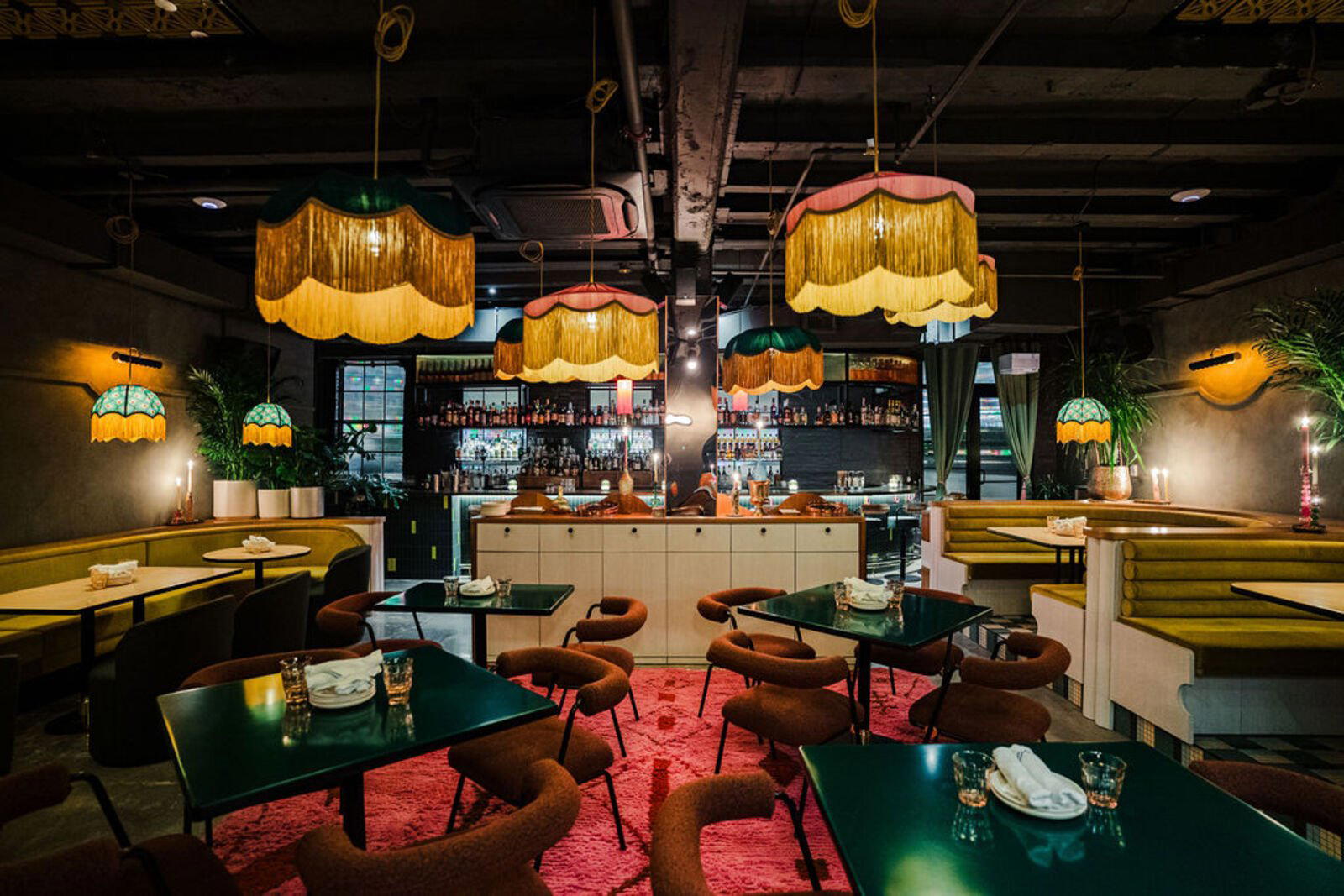
An Alley, a Green Door, and a Second Floor That Earns the Climb
Northeast Washington holds some of the city's most interesting dining energy right now, and the stretch around Morse Street NE is a fair illustration of why. The neighbourhood has drawn a younger, less formula-driven wave of operators who trade on atmosphere and specificity over polish. La' Shukran sits on the second floor of 417 Morse St NE, accessed through an alley entrance and up a staircase behind a green door. That approach is not theatrical for its own sake: it sets a specific social contract before you've ordered anything. You've made an effort, you've found the place, and you arrive somewhere that rewards the minor trouble. The room carries a retro, slightly dim atmosphere that functions as both bar and dining room with equal conviction.
This part of Northeast D.C. is not the neighbourhood most out-of-town visitors default to, which is precisely what makes La' Shukran's address meaningful. Washington's better-known dining corridors, Shaw, 14th Street, Penn Quarter, carry weight and critical recognition, but they also carry a predictability of format. The Morse Street corridor hasn't calcified into a type yet. La' Shukran opened in September 2024, arriving into that relatively open space with a concept that resists easy categorisation.
Where Levantine Cooking Meets Parisian Bistronomy
Washington has developed a serious Modern Levantine track over the past decade. Albi established Michael Rafidi's credentials in that space and built a following around Palestinian American cooking that earned consistent recognition. La' Shukran extends that project but shifts the register. The formal dining ambitions of Albi make room here for something more lateral, closer in spirit to the informal creative energy of the Paris bistronomy movement, where technically rigorous cooks strip the ceremony from the room without reducing the ambition on the plate.
The comparison holds in specific ways. Bistronomy, as a format, asks whether a dish can be smart and accessible at once, whether the wine program can be genuinely considered without requiring a sommelier briefing, whether the space can support both a drink at the bar and a full meal without either feeling like a compromise. La' Shukran answers all three. The cocktail program uses arak as a structural spirit alongside ingredients like urfa biber and kibbeh spice, treating the bar as a genuine extension of the kitchen's logic rather than an afterthought. Wine director William Simons and bar director Radovan Jankovic give the drinks side of the room as much editorial weight as the food.
For a comparative frame across American cities, the model has some kinship with what Lazy Bear in San Francisco achieved in collapsing the distance between serious cooking and social occasion, or what Atomix in New York City demonstrates about how a specific cultural tradition can anchor an ambitious contemporary program. La' Shukran operates at a different price tier and with a different format, but the underlying question, how do you honour a culinary tradition while giving it room to move, is consistent across all three.
The Menu as a Conceptual Argument
Chef de cuisine Nico Christiansen works within a menu that announced its logic with a single founding idea: escargot on hummus. That image, a French bistro staple landing in a Levantine context, tells you exactly what the kitchen is willing to do. Some dishes sit closer to tradition: haswei, a fried rice preparation with seven-spice lamb, reads simply and delivers precisely. Others push the geography further. The white asparagus arrives with goat-cheese curd, preserved lemon, and pistachio duqqa. The quail is covered in Ramallah chili oil and paired with tahini ranch. Labneh gets Maryland crab, summer peppers, and corn in green harissa.
The soujek dumplings have developed a reputation that functions as its own draw. Filled with beef and lamb shoulder, they rest in a smoked corn and tomato brodo finished with urfa chili crunch and toum. The dish spans three or four culinary reference points without losing coherence. The falafel stuffed with jibneh and finished with trout roe is a similar exercise in compression. Whole-fried quail dunked in chile oil belongs to the same register.
The through-line is a kitchen that treats the Levant not as a fixed archive but as a living set of techniques and flavours that can absorb influence from Beirut cafe culture, West Bank home cooking, and the Paris bistro without the seams showing. When it works, and the evidence from multiple named sources suggests it works consistently, the effect is a menu that feels both deeply considered and genuinely casual to eat.
This approach places La' Shukran in a broader national conversation about what modern Middle Eastern cooking looks like in an American context. Calliope in Chattanooga is doing adjacent work in a different city. In Washington itself, the comparable set is smaller. Causa and Oyster Oyster demonstrate that the city has appetite for culturally specific, technique-forward cooking at the mid-to-upper range. La' Shukran slots into that track while operating with a different entry point, the bar-first atmosphere, that broadens its accessible hours and occasions.
How It Compares to the Wider D.C. Scene
Washington's most discussed restaurants in recent years have split between high-concept tasting menu formats, Jônt and minibar sit in that tier, and more flexible, sharing-forward rooms that can absorb a weeknight dinner or a longer weekend occasion. La' Shukran operates firmly in the second category, with a mezze format built for the table to direct its own pace. Reservations are essential. That flexibility is not a lesser ambition. Particularly recognised restaurants across American cities have made the same choice: Le Bernardin in New York City, Emeril's in New Orleans, Alinea in Chicago, and The French Laundry in Napa each represent a different point on the formality spectrum. Single Thread Farm in Healdsburg sits at the structured end of that range. La' Shukran occupies the opposite end deliberately.
The room's speakeasy quality, the arrival through an alley, the second-floor remove from the street, creates an atmosphere that the food then has to justify. Based on the speed at which reservations move, it does. The dishes that have been named in national coverage, the soujek dumplings, the quail, the falafel with trout roe, the escargot-on-hummus origin concept, collectively land the kitchen's argument: that Palestinian American cooking, filtered through Beirut and Paris, produces something that doesn't need a cultural explainer to be immediately compelling.
Know Before You Go
- Address: Alley Entrance, 417 Morse St NE, 2nd Floor, Washington, DC 20002
- Access: Enter via the alley; look for the green door and take the stairs to the second floor
- Format: Sharing mezze menu; works as a drinks-only visit or a full dinner
- Booking: Reservations are essential
- Neighbourhood: Northeast D.C., Morse Street corridor
Compact Comparison
Comparable venues nearby, for context on price, style, and recognition.
| Venue | Cuisine | Price | Notes |
|---|---|---|---|
| La’ ShukranThis venue — the venue you are viewing | Modern Levantine | $$$ | Not listed |
| Maydan | Not listed | $$$ | Cardozo, Modern Middle Eastern Fire Cooking |
| Rumi's Kitchen | Mount Vernon Square, Creative Persian | $$ | Not listed |
| The Red Hen | Bloomingdale, Rustic Italian Trattoria | $$$ | Not listed |
| Obelisk | Not listed | $$$ | Dupont Circle, Seasonal Italian Prix Fixe |
| Bistro Aracosia, Aracosia & Afghania | Palisades, Authentic Afghan Chop House | $$$ | Not listed |
Recognition history
Dated appearances from independent guides and award organizations, with the underlying list record or original source where available.
Michelin Plate
Michelin
Washingtonian 100 Very Best Restaurants #9
Washingtonian
New York Times America's Best Restaurants
New York Times
New York Times The 23 Best Restaurant Dishes We Ate Across the U.S.
New York Times
Robb Report The 10 Best New Restaurants in America #5
Robb Report
Continue exploring
More in Washington DC
More from Chef Michael Rafidi
Browse all →
Restaurants in Washington DC
Browse all →
Bars in Washington DC
Browse all →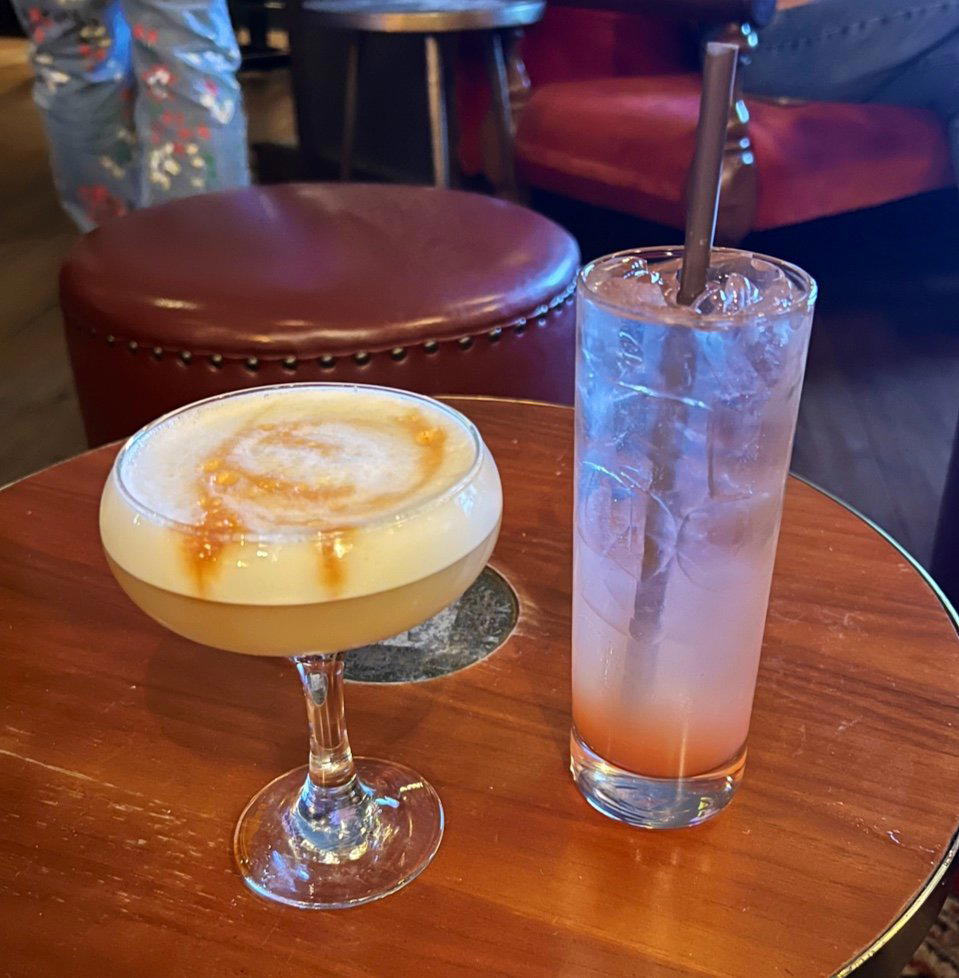
Hotels in Washington DC
Browse all →
At a Glance
- Lively
- Trendy
- Energetic
- Intimate
- Date Night
- Late Night
- Group Dining
- Celebration
- Rooftop
- Open Kitchen
- Craft Cocktails
Current opening hours
- Monday
- 5 PM–12 AM
- Tuesday
- Closed
- Wednesday
- Closed
- Thursday
- 5 PM–12 AM
- Friday
- 5 PM–1 AM
- Saturday
- 5 PM–1 AM
- Sunday
- 5 PM–12 AM
Hours can change for holidays and private events. Last verified .
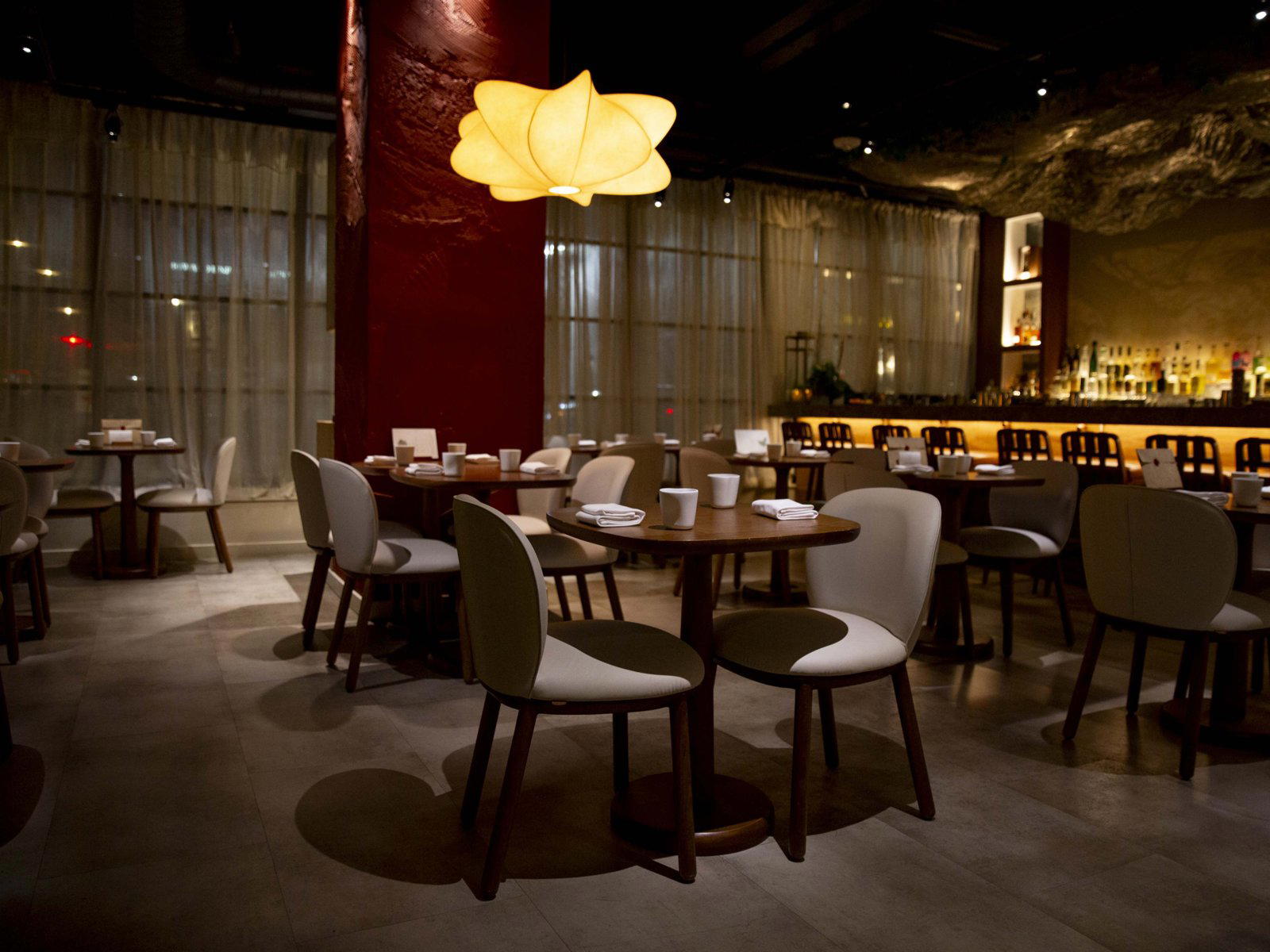
Dimly lit with low lights from candles, loud Arabic hip-hop and habibi funk music, energetic and chaotic atmosphere with a funky retro vibe.