All Souls Bar
All Souls Bar occupies a corner of Shaw's T Street corridor, where the neighborhood's historically Black cultural identity meets a contemporary bar scene that has quietly become one of D.C.'s more considered drinking destinations. The address puts it within the same stretch that defines Shaw's character: deliberately local, resistant to formula, and better understood as a ritual than a transaction.

Pearl is the En Primeur Club membership app — saves, bookings, and concierge access live there. Same editors, same standards.
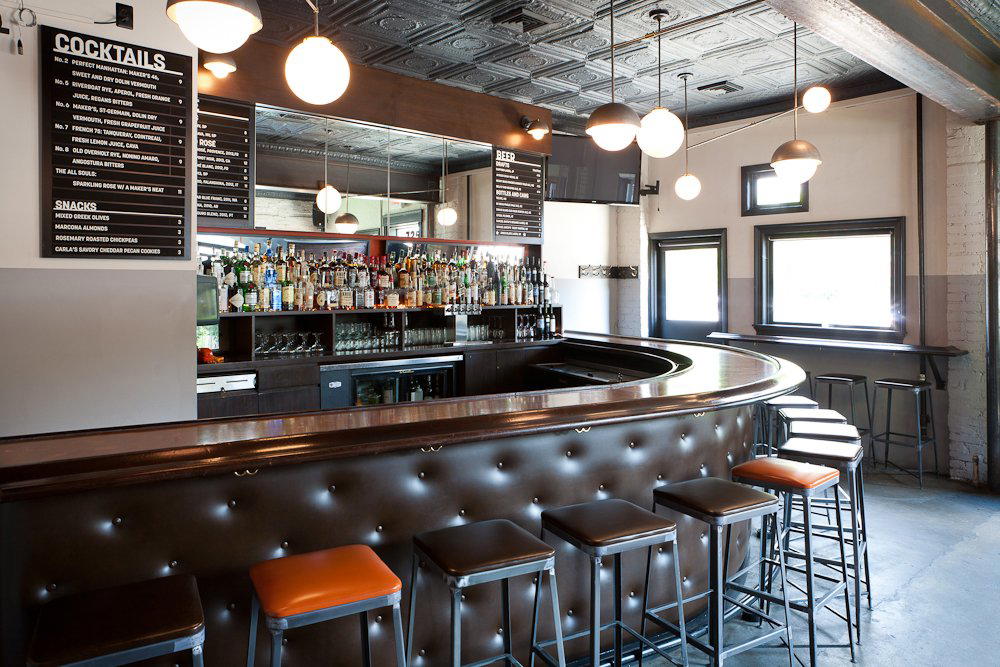
Shaw's Corner, Taken Seriously
Shaw has been through several reinventions, but the version that took hold over the past decade is the one worth paying attention to: a neighborhood that absorbed new investment without entirely surrendering its identity. The stretch of T Street NW that runs through this part of the district carries that tension in its bones. Bars here don't tend to announce themselves with signage designed for social media. They earn their place by showing up consistently, night after night, in a neighborhood that has seen enough trends come and go to know the difference between a bar and a bar program.
All Souls Bar, at 725 T St NW, sits inside that context. The address puts it squarely in the Shaw corridor, a few blocks from the Howard Theatre and within walking distance of the 9:30 Club, which means the foot traffic on any given evening tends to skew toward people who are actually out for the night rather than passing through. That distinction matters. Bars in this part of Shaw inherit a crowd that already knows how to pace itself.
How the Evening Moves
The ritual of a good neighborhood bar is distinct from the ritual of a cocktail destination, and the most interesting bars in American cities right now are the ones that manage to sit somewhere between those two modes. Washington, D.C. has developed a recognizable tier of bars that take their programs seriously without performing seriousness at the customer. Service Bar, on 14th Street, built a reputation on exactly that balance, turning a tight whiskey and cocktail program into something approachable enough that the bar never felt like a seminar. Silver Lyan, in Penn Quarter, operates at the more formal end of that spectrum, where the program is the point. All Souls occupies a different register: a place where the neighborhood itself is the organizing principle, and the drinks are expected to hold up their end of that bargain.
That positioning shapes the pacing of an evening here. You don't arrive at a bar in Shaw with the expectation of a timed tasting sequence. You arrive, you settle, you order a round, and you let the room tell you whether you're staying for two drinks or four. The leading bars in this mode are calibrated for that kind of open-ended time. The risk of getting that wrong, of pushing too hard toward destination status or too far toward dive territory, is one that bars in gentrifying neighborhoods navigate constantly. The ones that find the middle register tend to last.
D.C.'s Bar Tier and Where All Souls Sits
Washington's cocktail bar scene has sorted itself into reasonably legible tiers over the past several years. At the leading, places like Allegory at the Eaton Hotel operate as full program bars, where the concept, the design, and the drinks are inseparable, and the experience is structured accordingly. At the other end, the neighborhood dive remains a genuine category, sustained by regulars and indifferent to trends. Between those poles is a productive middle ground: bars with genuine programs that don't require you to engage with the concept before you can order a drink.
All Souls reads as a bar in that middle register, shaped by its Shaw address and the particular expectations that come with a neighborhood that has both long-term residents and a wave of newer arrivals who moved in precisely because they wanted somewhere that didn't feel like it had been designed for them. That tension is productive. It keeps the room honest.
For points of comparison elsewhere in the country, the model isn't entirely different from what ABV in San Francisco established in the Mission: a serious program inside a format that doesn't require the customer to be serious. Or what Kumiko in Chicago does in a different direction entirely, bringing a precision-led program to a space that still reads as a bar rather than a laboratory. The common thread is intention: these are bars where decisions have been made, and the customer benefits from those decisions without having to think about them.
In a different regional register, the approach of Jewel of the South in New Orleans or Julep in Houston shows how bars rooted in neighborhood identity can sustain a high-quality program without migrating toward the destination tier. Superbueno in New York City takes that further, embedding a specific cultural identity into the program itself. All Souls draws on Shaw's particular history in a way that places it in that same current of bars that treat neighborhood as content rather than backdrop.
The Shaw Context You Need
Shaw's history as the center of D.C.'s Black cultural and commercial life through much of the twentieth century gives the neighborhood a weight that newer arrivals sometimes underestimate. The Howard Theatre, a block north, hosted everyone from Duke Ellington to James Brown before falling into decades of decline and a subsequent restoration. That history doesn't disappear just because a bar opened in 2015 or 2019 or whenever the newest iteration of the block arrived. It accumulates. Bars that understand this tend to develop a different relationship with their regulars than bars that treat the neighborhood as a neutral container.
That context shapes what a visit to All Souls means in practice. You're drinking in a neighborhood that has absorbed more transformation in fifteen years than it saw in the previous fifty, and the bar's corner position on T Street puts it at a literal and figurative crossroads of that change. The leading evening here is probably a weeknight when the crowd is local rather than a weekend when the 9:30 Club has just emptied out and the block runs hotter and louder than its usual register.
For a broader look at where All Souls fits within Washington's drinking and dining options, our full Washington, D.C. restaurants guide maps the city's scene across neighborhoods and categories. If you're moving between bar styles in a single evening, the contrast between All Souls and the more formally structured programs at 12 Stories or Allegory is worth building an itinerary around. And for travelers interested in how neighborhood bars operate at a high level in other cities, Bar Leather Apron in Honolulu and The Parlour in Frankfurt on the Main offer useful reference points for how a serious program can sustain itself inside a format that reads as local rather than international.
Planning a Visit
The address is 725 T St NW, walkable from the Shaw-Howard University Metro station on the Green and Yellow lines, which puts it within easy reach of most of central D.C. without requiring a car. Hours, booking policy, and current pricing are best confirmed directly before visiting, as this information was not available at time of publication. Given the neighborhood foot traffic, arriving earlier in the evening on weekends tends to produce a more considered experience than arriving after the nearby venues have turned over their crowds.
Cuisine-First Comparison
A quick peer check to anchor this venue’s price and recognition.
| Venue | Cuisine | Price | Awards |
|---|---|---|---|
| All Souls BarThis venue — the venue you are viewing | Not listed | $10–20 | Not listed |
| Allegory | Not listed | $30–50 | World's 50 Best #57 · Pinnacle Guide 2 Pins |
| Service Bar | Not listed | $30–50 | World's 50 Best #39 · James Beard Award Semi Finalist |
| Barmini | Not listed | $50–100 | Not listed |
| Eebee’s Corner Bar | American (burgers, bar food) | $20–30 | Not listed |
Continue exploring
More in Washington DC
Bars in Washington DC
All bars in Washington DC →
Restaurants in Washington DC
All restaurants in Washington DC →
All Souls Bar
The drinks
- Classic cocktails
- Craft beer
Signature drinks: Negroni, All Souls, Perfect Manhattan, French 75.
Details
- Classic
- Cozy
- Intimate
- After Work
- Late Night
- Casual Hangout
- Group Outing
- Standalone
- Historic Building
- Seated Bar
- Outdoor Terrace
- Classic Cocktails
- Craft Beer
- Conventional Wine
- Street Scene
Current opening hours
- Monday
- 5 PM–2 AM
- Tuesday
- 5 PM–2 AM
- Wednesday
- 5 PM–2 AM
- Thursday
- 5 PM–2 AM
- Friday
- 5 PM–3 AM
- Saturday
- 5 PM–3 AM
- Sunday
- 5 PM–2 AM
Hours can change for holidays and private events. Last verified .
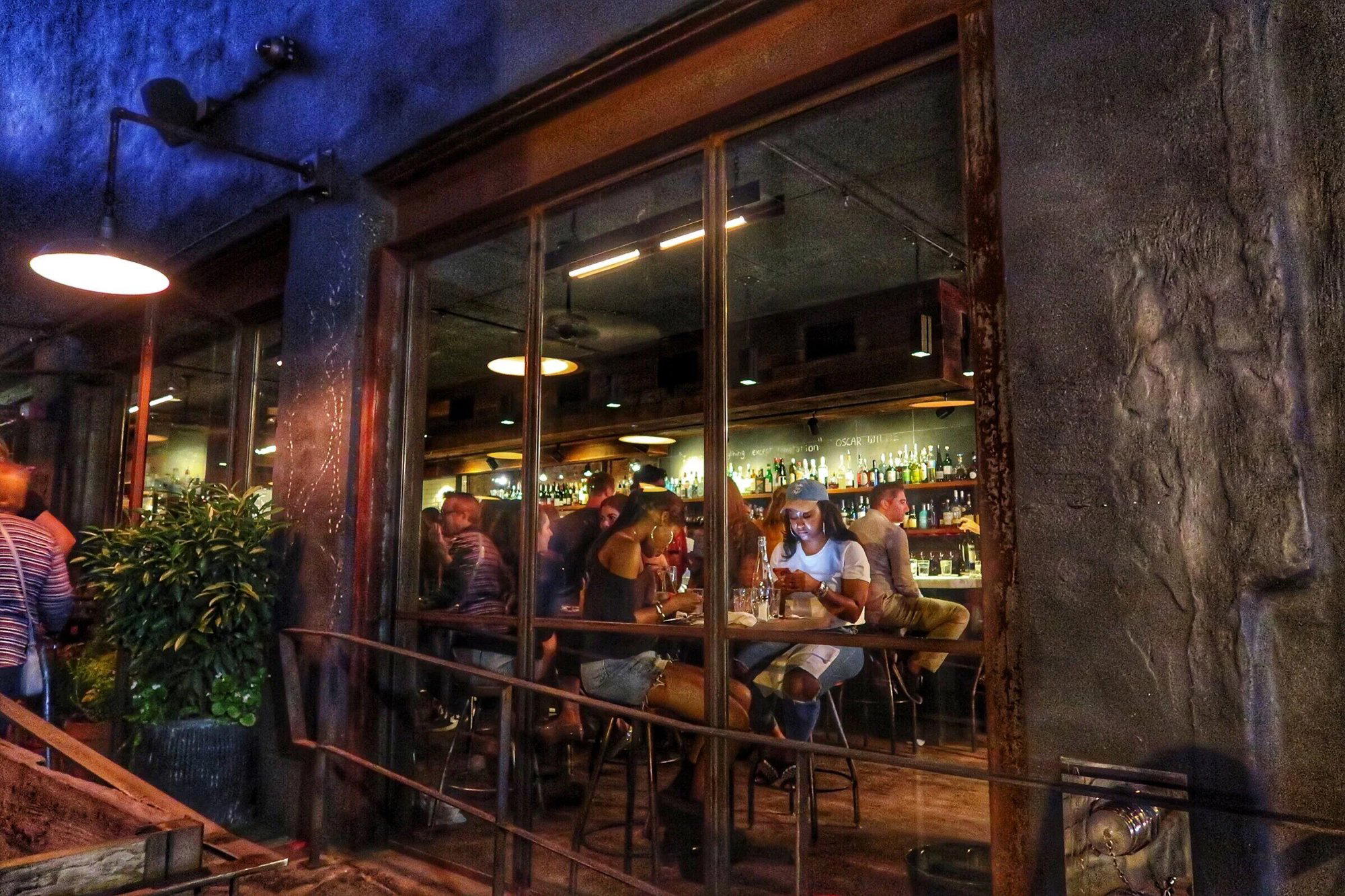
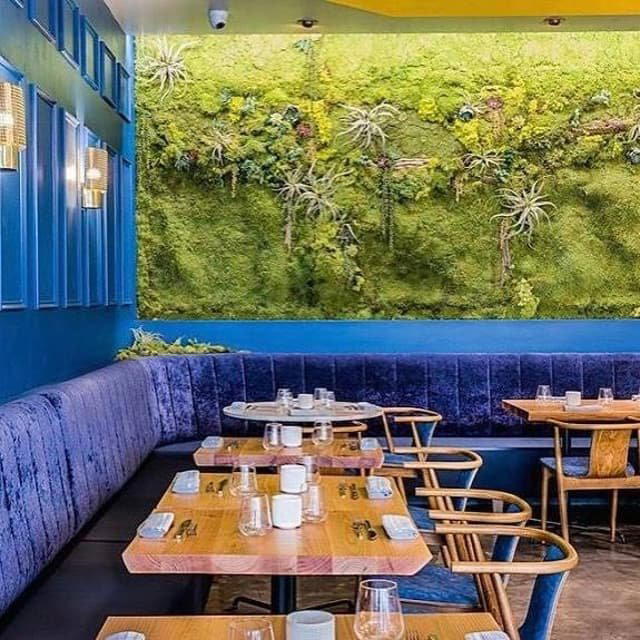
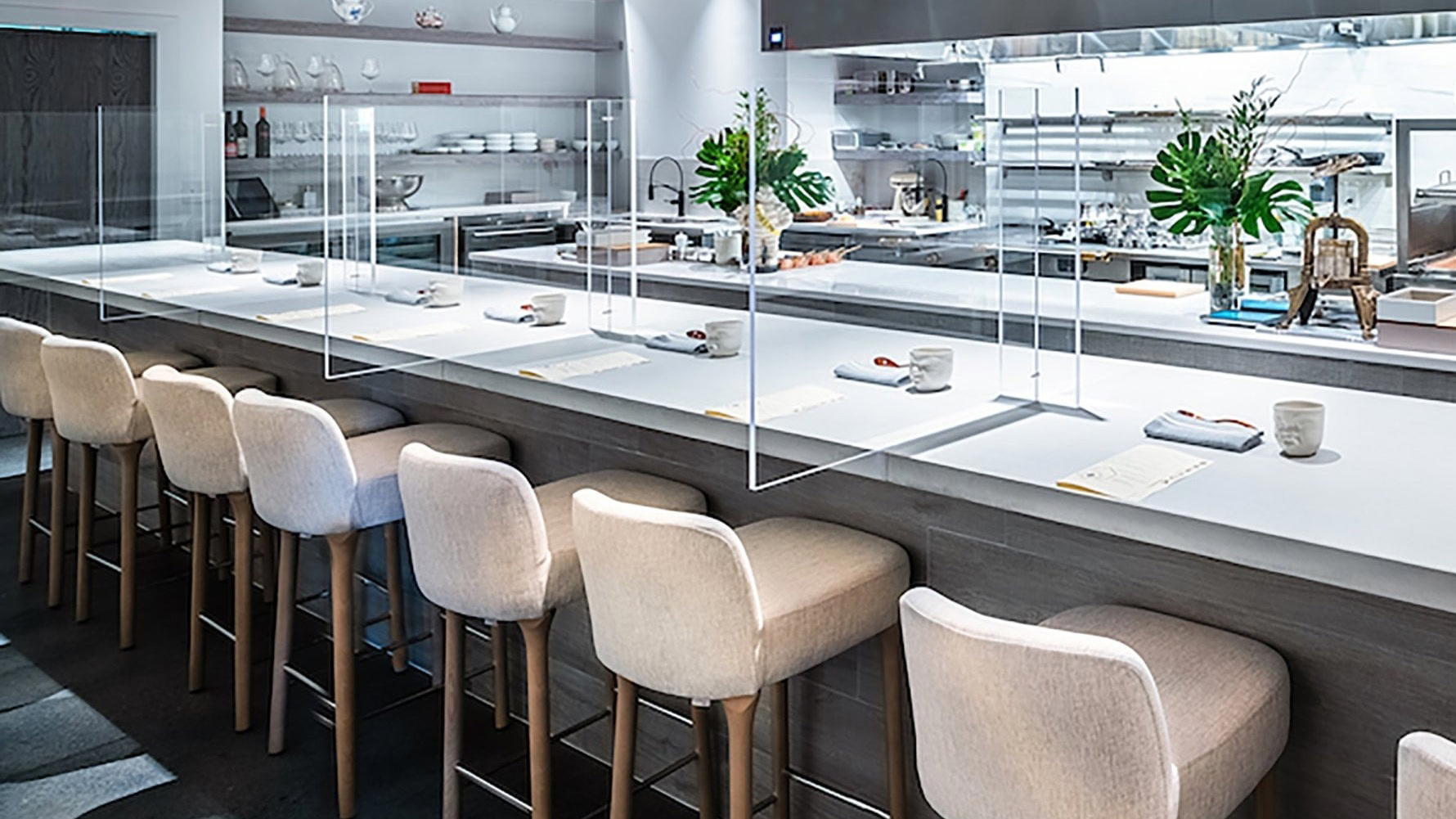
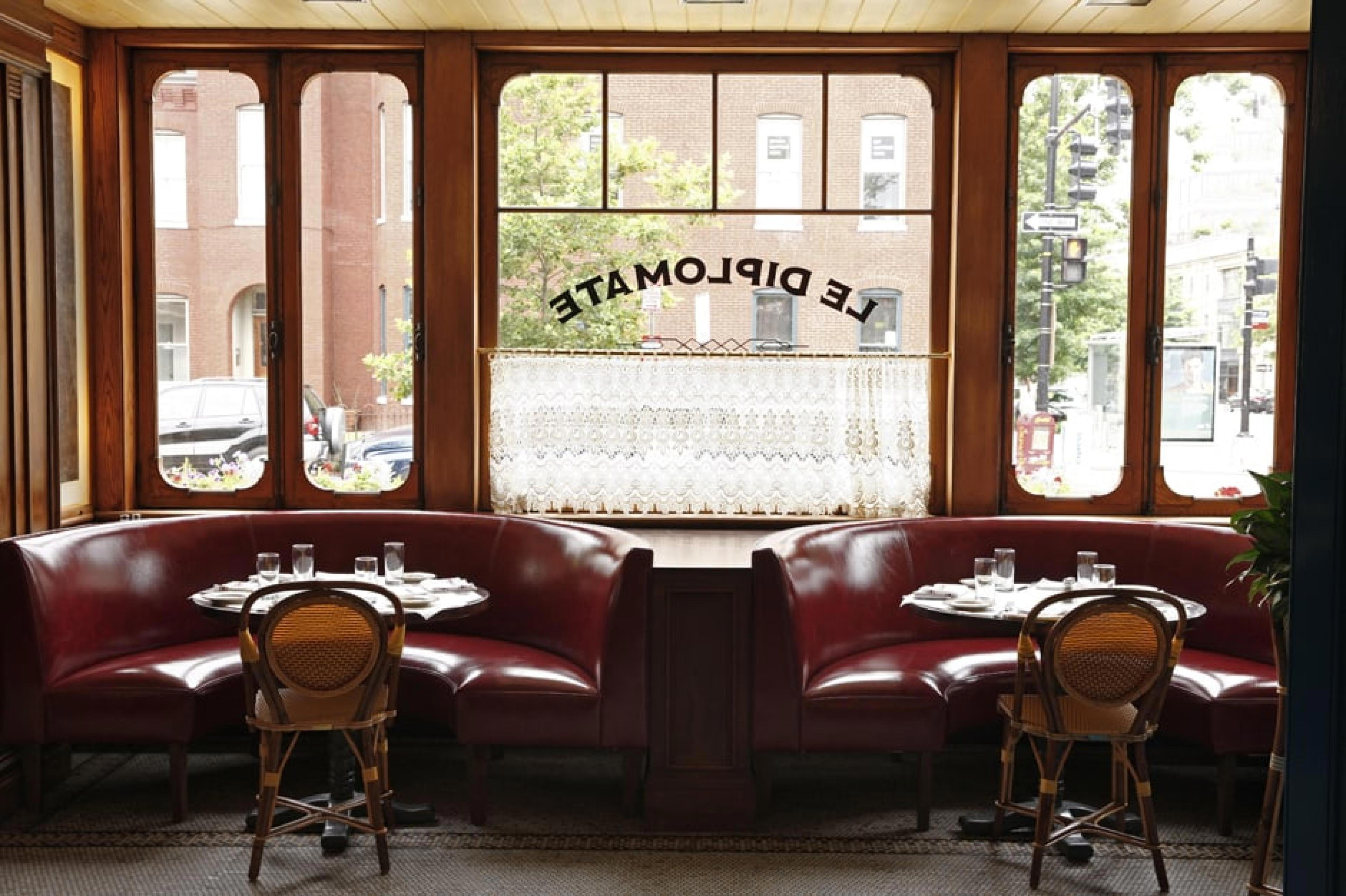
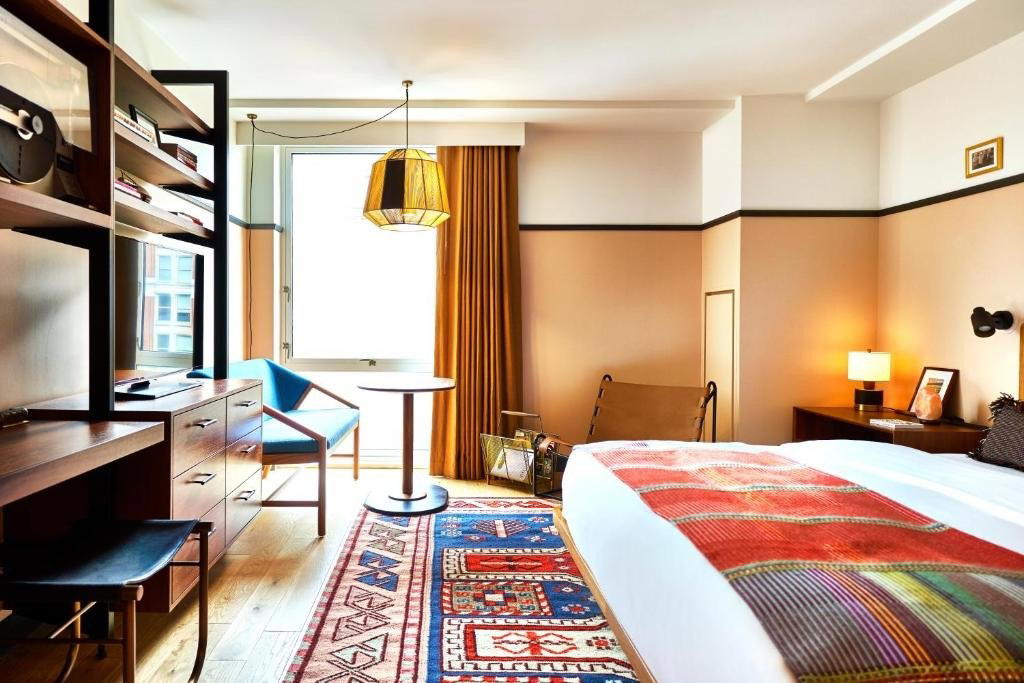
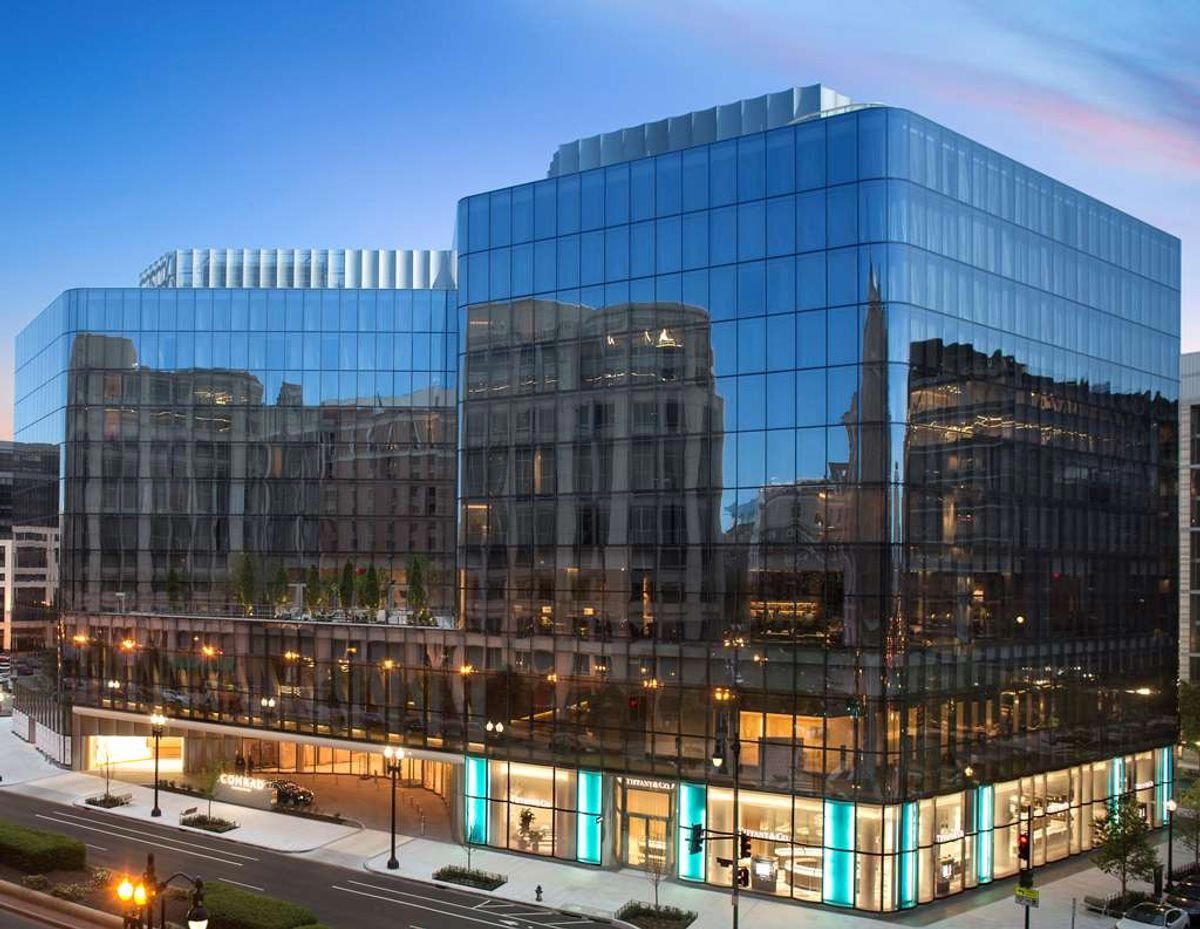
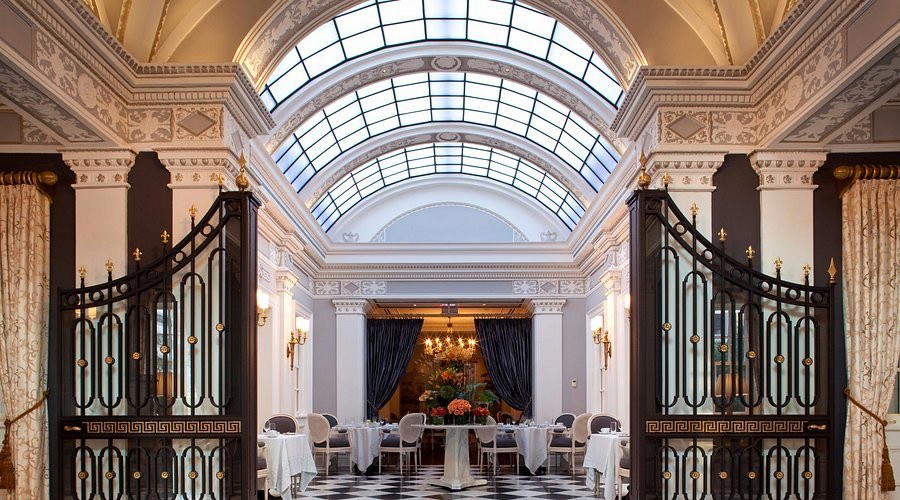
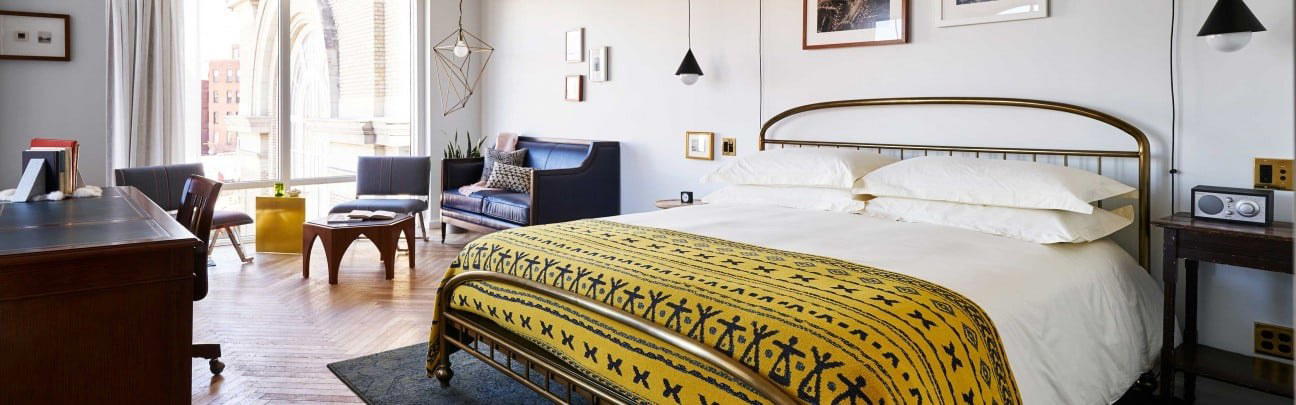
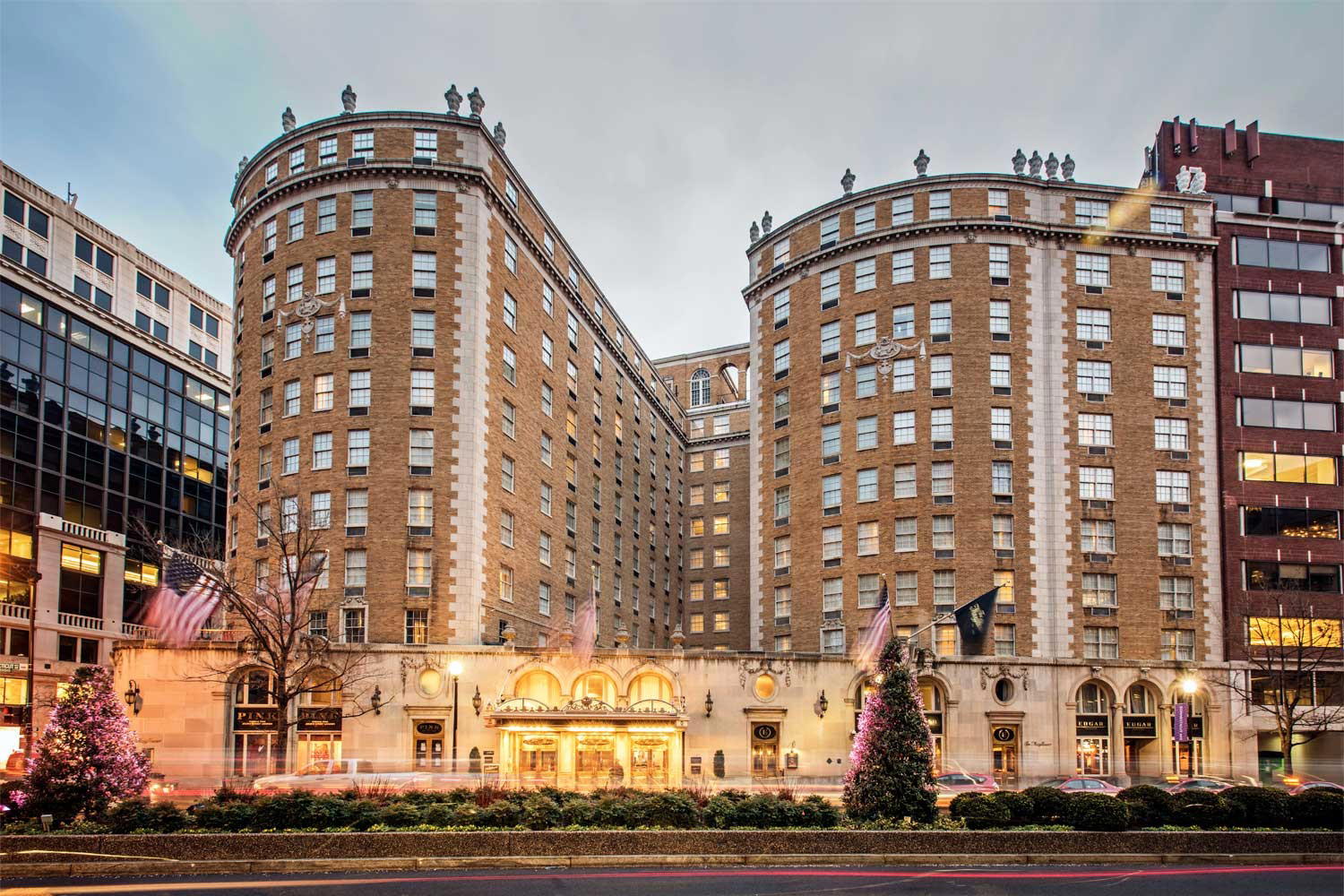
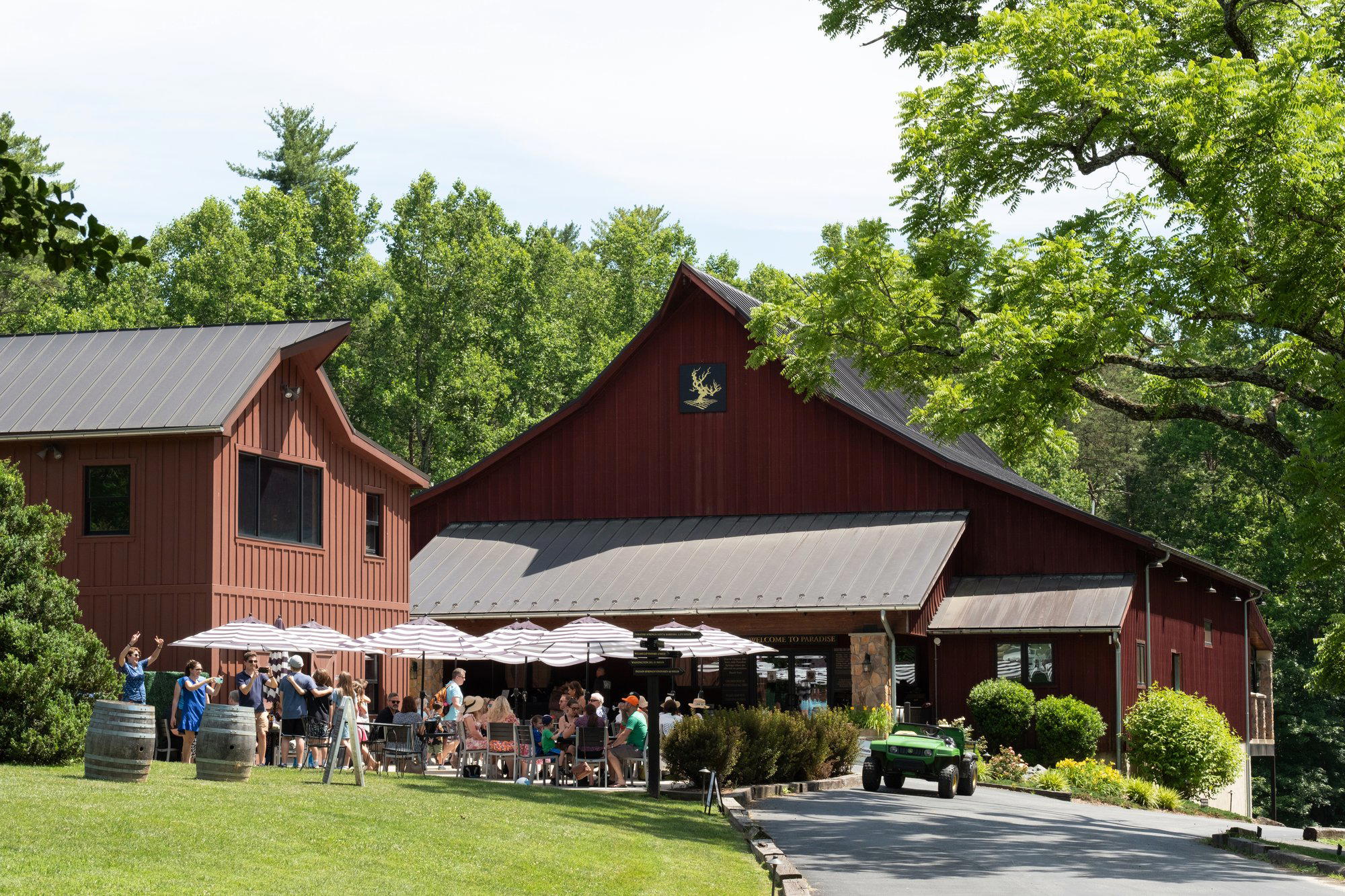
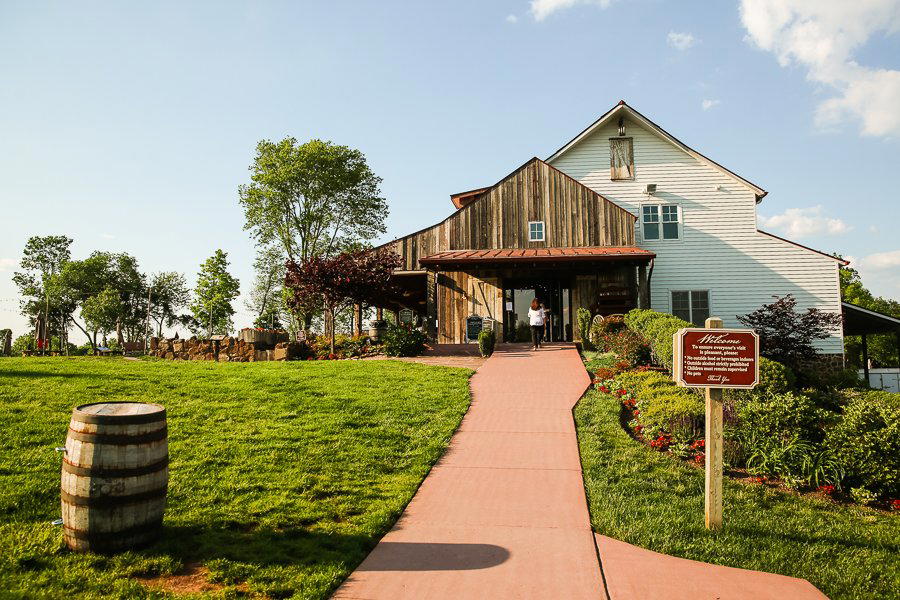
Modest, welcoming neighborhood atmosphere with dim mood lighting and simple decor in a small 33-seat space; feels like a proper corner bar gathering spot rather than a themed venue.