Our verdict
On Ben Yehuda Street in northern Tel Aviv, Nini Hachi occupies a stretch of the city where neighbourhood dining culture runs deeper than tourist circuits. The address places it within reach of the beach corridor yet draws a local crowd more interested in the food than the postcode. For visitors mapping Tel Aviv's dining scene beyond the obvious stops, it sits on a street worth walking with intent.

Pearl is the En Primeur Club membership app, where members save venues, book tables and use the concierge.

Ben Yehuda Street and the Dining Logic of Northern Tel Aviv
The upper reach of Ben Yehuda Street, past the point where it stops being a tourist artery and starts being a neighbourhood, tells a different story about Tel Aviv's food culture. Here, the restaurants answer to a local clientele with opinions and return habits, not to the rotating audience of first-time visitors working through a list. Number 228 sits in that residential logic, in a stretch where longevity is earned rather than assumed and where a dining room's real test is what happens after the opening buzz fades.
Tel Aviv's dining scene has sorted itself, over the past decade, into several distinct tiers and geographic clusters. The Carmel Market radius and the Sarona development anchor contrasting ends of a spectrum, from market-adjacent casual to curated modern Israeli. Ben Yehuda, running north-south along the coast, occupies something else: a corridor with enough foot traffic to sustain a serious kitchen, but enough neighbourhood density to reward places that invest in consistency over spectacle.
How a Meal Here Tends to Move
The logic of eating well in Tel Aviv often follows a particular rhythm: something small and sharp to open, a spread that rewards sharing, and a main that earns its place without overpowering what came before. That progression is the grammar of the city's better informal dining rooms, influenced equally by Levantine mezze tradition and by the European training that a generation of Israeli chefs brought home in the 2000s and 2010s. The result is a meal structure that feels neither strictly Middle Eastern nor generically Mediterranean, but something built from both.
At Ben Yehuda 228, the tasting arc tends to follow that city-wide pattern. An opening sequence of smaller dishes establishes the kitchen's register before the meal commits to its heavier territory. This is where the Israeli dining format diverges most sharply from European multi-course convention: the boundary between starter and main is porous, and the table's rhythm is set by the room rather than by a printed menu's numbered sections. For a visitor accustomed to tighter sequencing, that looseness is part of the education. For a returning local, it is the point.
Across town, comparable dining rooms like Habasta and Abie have built reputations on exactly this kind of structured informality, where the kitchen's confidence shows in what it does not over-explain. The same instinct governs the better end of this neighbourhood category: restraint as a signal of assurance rather than minimalism for its own sake.
The Broader Israeli Dining Context
Israel's restaurant culture has grown increasingly sophisticated in how it handles the interplay between tradition and technique. Older institutions, from the hummus counters of Jaffa, including the long-established Abu Hassan, to the historic kitchens of places like Azura, hold one end of the spectrum. The other end runs through internationally trained chefs working in formats that would be recognisable in any European capital, like the team behind Alena at The Norman.
The middle ground, where neighbourhood-scale restaurants operate with genuine kitchen ambition but without the full apparatus of a hotel dining room or a destination-dining experience, is where Tel Aviv's dining culture is arguably most alive. That is the tier occupied by places on Ben Yehuda's upper stretch, and it is where the city's culinary confidence shows most clearly. Comparable ambition operates in other Israeli cities too: Diana in Nazareth and Uri Buri in Acre demonstrate that the country's serious dining extends well beyond Tel Aviv's city limits, while Majda and Helena in Caesarea represent the regional range of the country's food culture.
Within Tel Aviv itself, the scene rewards those who look beyond the headline addresses. Aria and a sit at the more formal end of the city's dining register, while HaSalon represents the theatrical, high-energy Israeli dining format that has attracted international attention. Ben Yehuda 228 operates in a quieter register than any of those, which is not a weakness but a different kind of pitch to a different kind of diner.
Planning a Visit
Ben Yehuda Street 228 is accessible from both the beach corridor and the city's inner neighbourhoods, making it a practical dinner destination for visitors staying in the central Tel Aviv hotel cluster as well as for those based further north. For a wider map of where to eat across the city, our full Tel Aviv restaurants guide covers the range from market-side casual to formal modern Israeli.
Visitors building a broader Israel itinerary alongside their Tel Aviv meals might factor in the drive time to spots like Herbert Samuel in Herzliya, a short coastal run north, or the very different register of Menza in Jerusalem for a cross-city comparison. For those whose itinerary runs to more casual ground, Burger 232 in Maggen, Pitmaster in Beersheba, and Michael Local Bistro in Liman sketch the range of what serious eating looks like outside the major cities. And for those mapping reference points beyond Israel entirely, the kitchen discipline visible in Tel Aviv's leading neighbourhood rooms has clear lines of influence to technically demanding formats abroad, from the precision of Le Bernardin in New York to the tasting-menu rigour of Atomix.
Frequently asked questions
Where do I go for Nini Hachi?
Nini Hachi is located at Ben Yehuda St 228, Tel Aviv-Yafo, Israel, Tel Aviv.
Is Nini Hachi worth visiting if you're staying near the Tel Aviv beachfront?
Ben Yehuda Street 228 runs parallel to the coastline and connects naturally to the beach corridor, making it a short trip from most seafront accommodation. The upper section of Ben Yehuda, where Nini Hachi is located, sits away from the concentrated tourist strip and reflects more of the city's day-to-day neighbourhood character. For visitors wanting dinner that reads as local rather than tourist-facing, the location alone makes it worth the walk.
What do people recommend at Nini Hachi?
Nini Hachi sits on Ben Yehuda Street 228 in the upper, residential stretch of the road, which tends to attract a crowd that knows what it wants. Regulars in this part of northern Tel Aviv typically gravitate toward shared plates and the kind of menu that rewards repeat visits rather than one-off curiosity. Specific dish recommendations are best confirmed directly with the restaurant before visiting.
What's the best way to book Nini Hachi?
The address is Ben Yehuda Street 228, Tel Aviv-Yafo, which is reachable from both the beach corridor and inner city neighbourhoods. Showing up in person during quieter service hours to ask about reservations is a practical approach for venues on this stretch of Ben Yehuda.
What's the defining dish or idea at Nini Hachi?
Nini Hachi operates in the context of northern Tel Aviv's dining scene, where the prevailing logic favours ingredient-led cooking over elaborate production. The address on Ben Yehuda Street places it squarely in a neighbourhood where restaurants tend to prioritise a regular local clientele over tourist foot traffic. Specific signature dishes or menu concepts have not been independently confirmed.
Can Nini Hachi adjust for dietary needs?
Israel's restaurant culture has broad familiarity with dietary restrictions given the structural requirements of kosher practice and the prevalence of plant-forward cooking across the country.
Standing Among Peers
Comparable venues nearby, for context on price, style, and recognition.
| Venue | Cuisine | Price | Notes |
|---|---|---|---|
| Nini HachiThis venue (the venue you are viewing) | Kosher Japanese Sushi | $30–50 | Not listed |
| Aria | Contemporary Israeli Fusion Bistro | $50–100 | Newe Ẕedeq |
| Dinings Restaurant | Japanese Izakaya Tapas with European Influences | $100–150 | Newe Sha'anan |
| North Abraxas | Modern Israeli Small Plates | $50–100 | Newe Ẕedeq |
| Dallal Restaurant | Mediterranean Bistro with French Influences | $30–50 | Newe Ẕedeq |
| Bellboy | Creative Cocktail Bar | $30–50 | HaQirya |
Continue exploring
More in Tel Aviv
Restaurants in Tel Aviv
All restaurants in Tel Aviv →
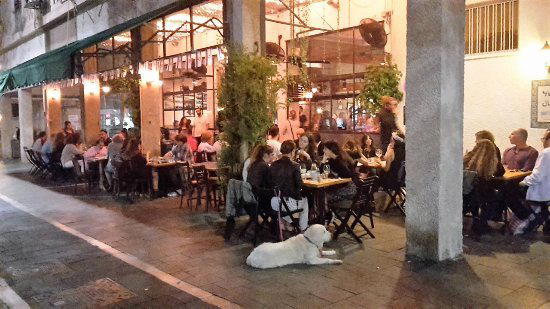
Bars in Tel Aviv
All bars in Tel Aviv →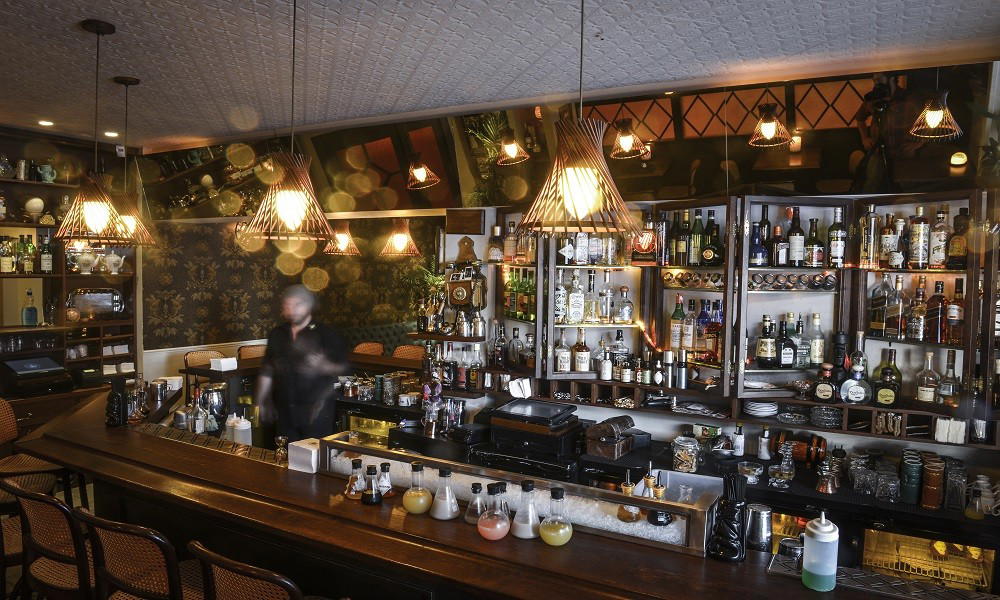
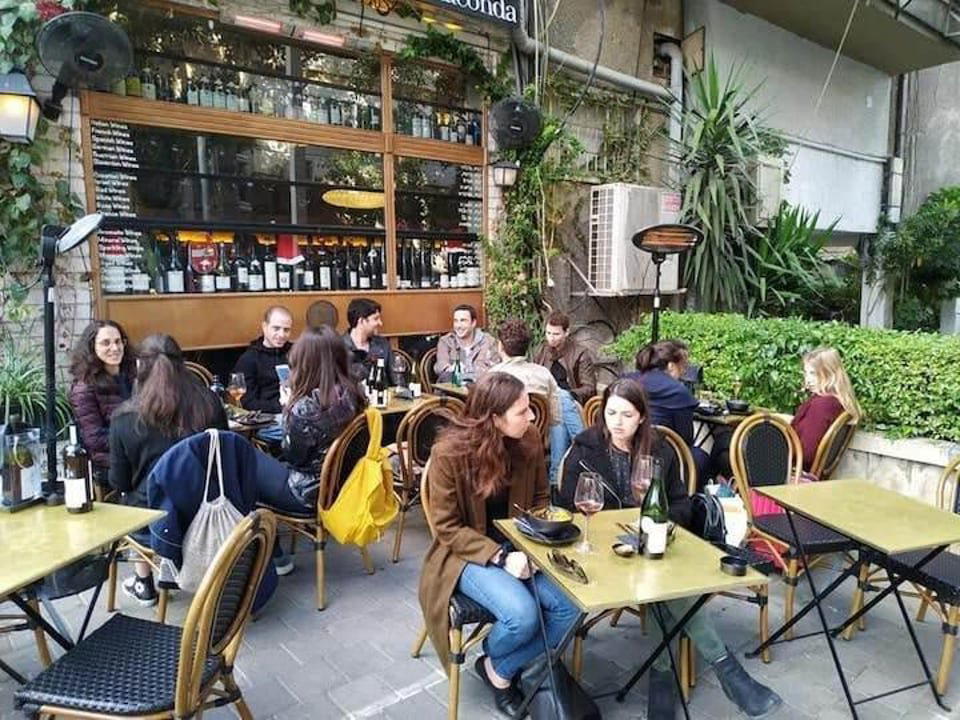
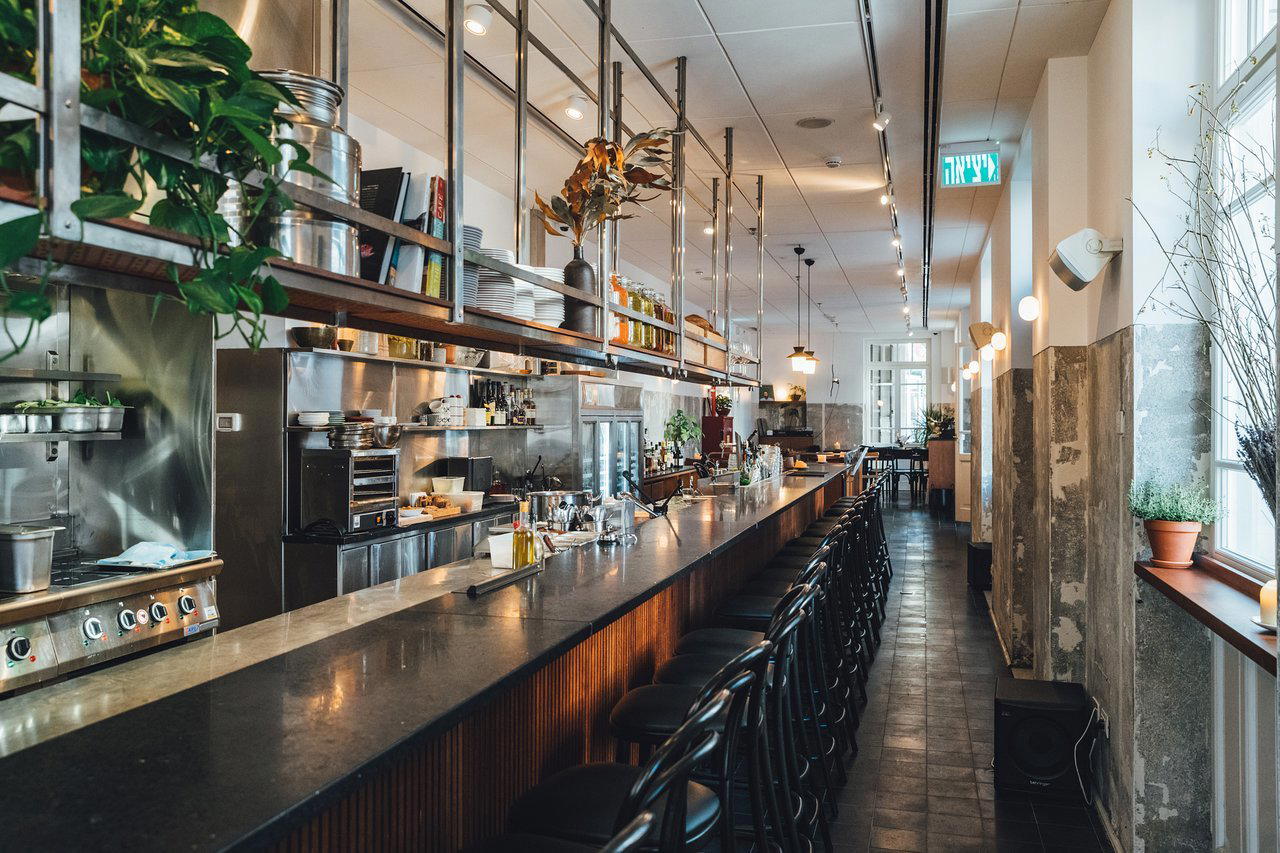

Details
- Trendy
- Modern
- Date Night
- Casual Hangout
- Open Kitchen
- Street Scene
- A La Carte
- Small Plates
- Vegetarian Friendly
- Vegan Options
- Gluten Free Options
- Kosher
Current opening hours
- Monday
- 12–11:30 PM
- Tuesday
- 12–11:30 PM
- Wednesday
- 12–11:30 PM
- Thursday
- 12–11:30 PM
- Friday
- 9 AM–5 PM
- Saturday
- 8–11:30 PM
- Sunday
- 12–11:30 PM
Hours can change for holidays and private events. Hours as of .
Cozy and lively atmosphere with fresh, diverse Japanese dishes in a beach-near location.