Nikuzo operates out of Kashihara, a city anchored by ancient Yamato history and positioned well south of Nara's main tourist corridor. The restaurant's address in Kumecho places it within a neighbourhood where serious eating tends to happen away from institutional scrutiny, and the name itself signals a focused commitment to meat, a format that carries particular weight in Kansai's broader dining conversation.
Pearl is the En Primeur Club membership app — saves, bookings, and concierge access live there. Same editors, same standards.
- Address
- 860-3 Kumecho, Kashihara, Nara 634-0063, Japan
- Phone
- +81744419219
- Directions
- Get directions
 Saves & bookings on Pearl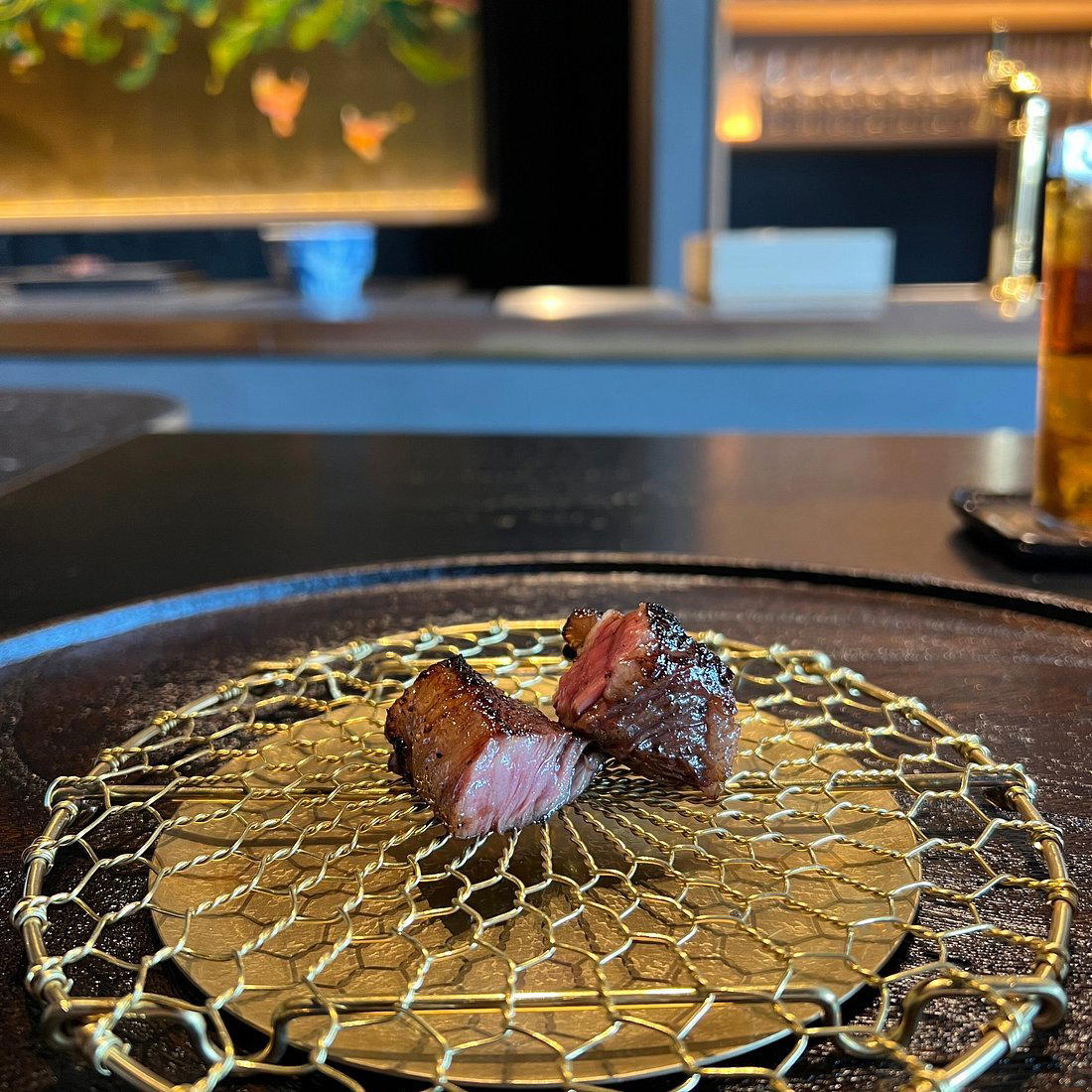
Where Yamato Beef Culture Meets Everyday Seriousness
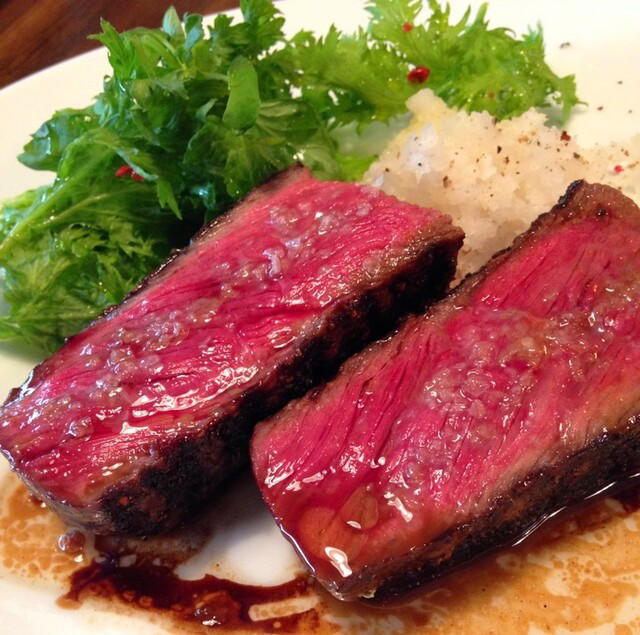
Nikuzo is a restaurant in Kashihara, Nara, serving Premium Filletniku Yakiniku at about $95 per person. It is not a dining destination in the way Osaka's Kitashinchi or Kyoto's Gion are dining destinations. What the city has instead is a quiet, place-specific seriousness about food that operates largely on local terms. Nikuzo, at 860-3 Kumecho, belongs to that register: a meat-focused restaurant whose name, which translates roughly as "meat warehouse" or "meat place", signals intent without ceremony.
The Kansai tradition of yakiniku and wagyu has roots across the region, from the great cattle markets of Hyogo to the grilling culture of Osaka's Tsuruhashi. Nara Prefecture's contribution to that tradition is less celebrated outside the region, but the prefecture produces cattle under the Yamato Gyu designation. Restaurants like Nikuzo, operating in provincial cities rather than prefectural capitals, form the practical infrastructure of that beef culture, serving the communities where the animals are raised rather than the tourists who eventually consume the export story.
The Cultural Architecture of the Japanese Meat Restaurant
To understand what Nikuzo represents, it helps to understand how Japan's premium meat restaurant category is structured. At the upper end, teppanyaki and kappo-style wagyu houses in cities like Osaka and Tokyo command prices that rival kaiseki. HAJIME in Osaka and Harutaka in Tokyo represent one pole of Kansai and Kanto fine dining respectively, where the ingredient and the technique are both under maximum critical scrutiny. Below that tier sits a wider category of specialist meat restaurants that serve serious product without the formal framework of a tasting menu. These restaurants are where most serious eating in Japan actually happens, away from the award architecture that international visitors tend to follow.
In Nara specifically, the fine dining conversation has expanded in recent years. akordu in Nara represents the city's engagement with European-influenced fine dining, while Gion Sasaki in Kyoto defines the kind of kaiseki standard that Kansai as a region benchmarks against. Kashihara does not compete in that formal register. What it offers is a different proposition: cooking that answers to a local audience with high ingredient expectations rather than a destination-dining audience importing external frameworks.
Kansai Beef Eating: Context Before the Counter
Japan's meat-eating culture has a layered history. Restrictions on consuming four-legged animals under Buddhist dietary codes shaped much of Japanese food culture for centuries, and the Meiji-era opening to Western influence is often credited with normalising beef consumption. But Kansai, and particularly the corridors around Hyogo and Nara, developed cattle-raising traditions that predated mass consumption, partly through temple and shrine economies that kept animals for agricultural work. The premium wagyu designation system that exists today, with its grading scale of marbling, colour, and yield, formalised what regional producers had been developing empirically for generations.
For a restaurant like Nikuzo, operating in a city like Kashihara, that history is not academic. The proximity to agricultural Nara, and to the Kinki region's broader cattle culture, means ingredient sourcing is a practical daily question rather than a prestige marketing exercise. The name's directness, no poetic reference, no chef's name above the door, suggests a format where the product is expected to carry the room.
The pattern holds: provincial restaurants with focused formats tend to maintain ingredient standards that match or exceed what urban equivalents offer, because their clientele judges the product directly rather than through the mediation of atmosphere or chef celebrity.
Placing Nikuzo in Kashihara's Eating Scene
Within that scene, Nikuzo holds a position alongside #肉といえば松田 奈良本店 as a meat-focused address in a city that rewards visitors willing to move beyond the standard Nara temple circuit. The two restaurants represent different approaches to what is broadly the same product category, a pattern common in Japanese provincial cities where a single cuisine type develops internal competition and differentiation rather than spreading across multiple styles.
Wider reference points in the Kansai and broader Japan meat-restaurant category include Birdland in Sakai, a poultry-focused specialist that demonstrates how narrowly a Japanese meat restaurant can define its scope while maintaining a serious audience. At the opposite end of the geography, Blue Ocean Steak in Nakagami District and Bistro Ange in Toyohashi show how Western-influenced meat formats operate in provincial Japanese contexts with different cultural framing. Nikuzo's name aligns it clearly with the Japanese-style specialist tradition rather than the Western steakhouse format.
For Those Planning a Visit
Kashihara is reachable from Osaka via the Kintetsu Osaka Line, with Kashiharajingu-mae Station serving as the primary arrival point for the southern end of the city. The Kumecho address puts Nikuzo within the residential and local commercial fabric of the city rather than near the major shrine and tourist zones. For visitors combining the restaurant with the region's archaeological sites, the Asuka area is within close reach, an evening here extends a day trip into something more grounded in how the area actually lives rather than how it presents itself to visitors.
Booking is recommended, and dinner service runs Tue to Sun from 5 to 10 PM; the restaurant is closed on Monday. Reservations are recommended. Visitors travelling from Osaka or Nara city would be well served to treat a meal here as a deliberate evening rather than an add-on, given the travel time and the specificity of the format.
For broader Kansai and Japan context, Goh in Fukuoka illustrates how a regional Japanese city sustains a serious fine dining conversation outside the Osaka-Kyoto-Tokyo triangle. The comparison is instructive: Japan's most serious eating is distributed across the country's geography in ways that international dining media consistently underrepresents.
Price and Positioning
Comparable venues nearby, for context on price, style, and recognition.
| Venue | Cuisine | Price | Notes |
|---|---|---|---|
| NikuzoThis venue — the venue you are viewing | Kashihara, Premium Filletniku Yakiniku | $$$ | Not listed |
| Men Tokoro To Ichi | Kashihara, Ramen and tsukemen | $ | Not listed |
| steak&wine Lamp | Yagi Nishiguchi, Yamato Beef Steakhouse | $$$ | Not listed |
| Yakiniku Mikazuki | Not listed | $$ | Unebi, Yakiniku / Japanese BBQ |
| Dango Sho Honten | Bojo, Japanese Traditional Sweets | $ | Not listed |
| #肉といえば松田 奈良本店 | Kashihara, Wagyu Kappo | $$$$ | Not listed |
Continue exploring
More in Kashihara
Restaurants in Kashihara
Browse all →

Bars in Kashihara
Browse all →
Hotels in Kashihara
Browse all →

Wineries in Kashihara
Browse all →
At a Glance
- Elegant
- Sophisticated
- Classic
- Group Dining
- Special Occasion
- Celebration
- Open Kitchen
- Local Sourcing
Current opening hours
- Monday
- Closed
- Tuesday
- 5–10 PM
- Wednesday
- 5–10 PM
- Thursday
- 5–10 PM
- Friday
- 5–10 PM
- Saturday
- 5–10 PM
- Sunday
- 5–10 PM
Hours can change for holidays and private events. Last verified .
Refined and focused dining atmosphere centered on high-quality meat preparation and interactive grilling.