
Dango Sho Honten puts Kashihara’s wagashi culture in the foreground: low-priced Japanese sweets, a cafe format, and a 2023 Tabelog 100 selection for Japanese traditional sweets and sweets cafes in western Japan. It is the kind of address that makes more sense as part of Nara’s everyday tea-and-sweets rhythm than as a grand restaurant occasion.
Pearl is the En Primeur Club membership app — saves, bookings, and concierge access live there. Same editors, same standards.
- Address
- 860 Higashibojocho, Kashihara, Nara 634-0835, Japan
- Phone
- +81 744-27-4340
- Website
- dango.kir.jp
 Saves & bookings on Pearl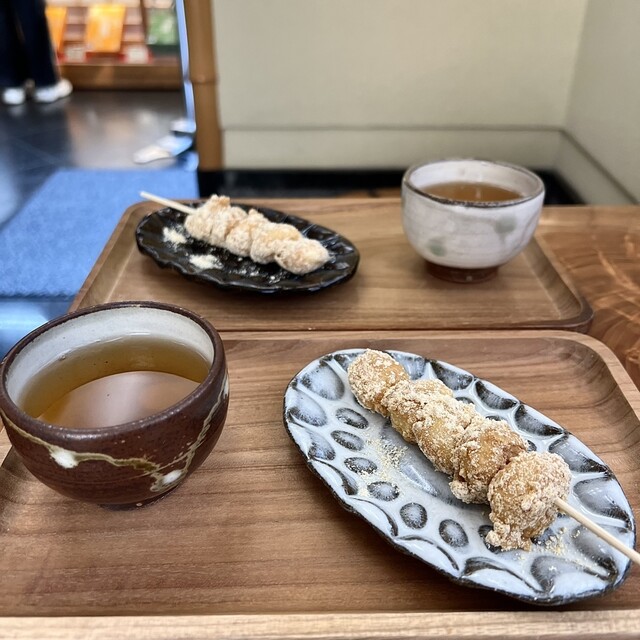
Approach Kashihara through its quieter residential and temple-town edges and the appeal of wagashi becomes easier to read. Japanese sweets are not designed to behave like restaurant courses; they sit closer to season, tea, gifting, and the short pause between errands. Dango Sho Honten belongs to that tradition rather than to the performative end of contemporary dessert culture, with a category identity rooted in Japanese traditional sweets and a cafe featuring Japanese sweets.
The point here is not spectacle. In Nara, confectionery carries an older logic: rice, beans, sugar, roasted powders, and tea have long supplied a vocabulary of restraint. The pleasure is in proportion, texture, and timing. A small sweet eaten at the right hour can say more about place than a multi-course meal built for attention. That is why Kashihara’s sweets shops matter in a dining itinerary that might otherwise lean toward beef, noodles, and sake-led evenings.
Wagashi as Kashihara's quiet counterweight to heavier meals
Kashihara’s dining map has a strong savoury spine. Travellers building a local route will run into yakiniku, steak, ramen, and casual Japanese formats before they notice the sweets culture sitting in plain sight. For that heavier side of town, compare the gravitational pull of #肉といえば松田 奈良本店, Nikuzo, steak&wine Lamp, and Yakiniku Mikazuki. Noodles add another layer through Men Tokoro To Ichi. Against that context, Dango Sho Honten plays a different role: short, inexpensive, ingredient-led, and better understood as a daytime stop than a full meal replacement.
The 2023 Tabelog 100 selection for Japanese traditional sweets and sweets cafes in western Japan gives the shop a clear trust signal without changing its scale of experience. This is not luxury dining disguised as tradition. The listed spending range sits below JPY 999, which places it in a category where craft must show through repetition and volume discipline rather than through rare ingredients or elaborate service. That matters. Wagashi culture depends on consistency: rice-based sweets, bean preparations, and tea-pairing formats succeed when the basics are handled with precision, not when the room tries to imitate a fine-dining counter.
Ingredient sourcing is the useful lens because wagashi is unusually exposed. There is little sauce, smoke, or plating architecture to hide behind. Rice texture, bean sweetness, toasted notes, and the balance between chew and softness define the experience. In Japan’s older confectionery towns, that exposure is the point. The ingredients are humble by design, but the margin for error is narrow. A shop selected in a regional sweets category is being judged inside that grammar, not against pastry boutiques or plated-dessert restaurants.
The sweet-shop format rewards timing, not ceremony
Dango Sho Honten works well when folded into the day rather than isolated as an evening destination. The format suits a morning or afternoon pause, especially for travellers using Kashihara as a base for Nara’s historic sites. The city’s appeal is not only its imperial archaeology and shrine culture; it is also the way ordinary food rituals remain close to daily life. Sweets shops, tea stops, and modest cafes give that rhythm a practical expression.
That also explains why the shop’s value is not captured by the language usually attached to destination restaurants. A wagashi cafe does not need a long chef biography, a tasting-menu arc, or a sommelier narrative. Its credibility comes from category recognition, price discipline, and the clarity of the thing being sold. In a city where dinner is built around beef or noodles, a low-cost sweets stop sharpens the itinerary by changing pace.
For travellers comparing Kashihara with broader Japanese food routes, the lesson is useful. A sweets address in Nara does not occupy the same lane as a Kamakura sukiyaki meal at -Grilled beef Sukiyaki- KAMAKURA TANUKIAN 鎌倉 たぬき庵 in Kamakura, a Tokyo charcoal-and-tuna stop such as. 鮪と炭火焼き うお炭 秋葉原店 in Tokyo, or casual city cafes like.cafe in Osaka. It sits closer to the small-format Japanese tradition represented by places such as.know in Kumamoto, (Shoku) Vietnam in Kawasaki, [Curry Senmon Ten] Maruyama Kyoju. in Sapporo, Onigiri Time in Pasadena, or sake-adjacent Japanese dining abroad at Jōdo Saké Bar in Los Angeles: compact, focused, and defined by a narrow promise.
How to place it in a Kashihara itinerary
The editorial case for Dango Sho Honten is strongest for travellers who care about how a city eats between formal meals. In Kashihara, that means using sweets as a bridge: before a temple visit, after a train arrival, or between a substantial lunch and dinner. The shop’s low price bracket makes it easy to add without distorting the day’s budget, while the Tabelog 100 recognition places it above a purely casual convenience stop.
It is also a useful reminder that Nara’s food identity is not only about set-piece dining. The region’s older capital history gives even modest formats a cultural frame. Wagashi grew in conversation with tea, gifting, and seasonal observance; those habits reward attention to small differences rather than appetite alone. The stronger itinerary pairs that quiet register with Kashihara’s fuller restaurant options, then leaves room for the city’s hotels, bars, wineries, and experiences depending on the trip’s purpose.
For wider planning, use Our full Kashihara restaurants guide to balance sweets with savoury meals, then cross-check Our full Kashihara hotels guide, Our full Kashihara bars guide, Our full Kashihara wineries guide, and Our full Kashihara experiences guide. The sharper move is not to overbuild the sweets stop. Let it do what wagashi does well: compress place, season, and craft into a short interval.
Fast Comparison
Comparable venues by cuisine and price in the same metro.
| Venue | Cuisine | Price | Awards | Notes |
|---|---|---|---|---|
| Dango Sho HontenThis venue — the venue you are viewing | Japanese Traditional Sweets | $ | , | |
| steak&wine Lamp | Yamato Beef Steakhouse | $$$ | , | Yagi Nishiguchi |
| Yakiniku Mikazuki | Yakiniku / Japanese BBQ | $$ | , | Unebi |
| #肉といえば松田 奈良本店 | Wagyu Kappo | $$$$ | , | Kashihara |
| Men Tokoro To Ichi | Ramen and tsukemen | $ | , | Kashihara |
| Nikuzo | Premium Filletniku Yakiniku | $$$ | , | Kashihara |
Continue exploring
More in Kashihara
Restaurants in Kashihara
Browse all →


Bars in Kashihara
Browse all →

Hotels in Kashihara
Browse all →



Wineries in Kashihara
Browse all →
At a Glance
- Classic
- Cozy
- Hidden Gem
- Solo
- Family
- Casual Hangout
- Standalone
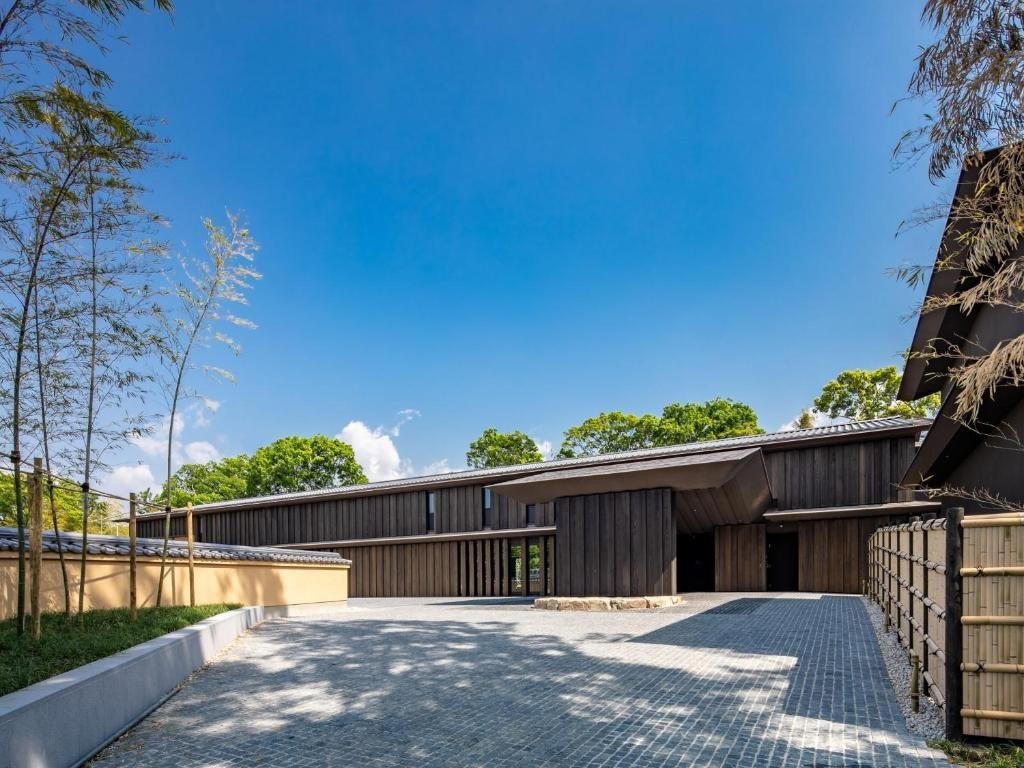
Traditional, low-key, and cozy, with a calm confectionery-shop atmosphere rather than a full-service restaurant feel.