
Kashihara’s steak scene is small but serious, and steak&wine Lamp sits in the city’s ingredient-led camp: Yamato beef, wine, and a compact room built for counter dining, semi-private tables, and small groups. Its 2025 Tabelog 100 Steak / Teppanyaki WEST selection gives it a clear signal beyond local reputation, while the pricing keeps it below Japan’s luxury teppanyaki tier.
Pearl is the En Primeur Club membership app — saves, bookings, and concierge access live there. Same editors, same standards.
- Address
- 奈良県橿原市内膳町1-2-7
- Phone
- +81744221010
- Website
- tabelog.com
- Directions
- Get directions
 Saves & bookings on Pearl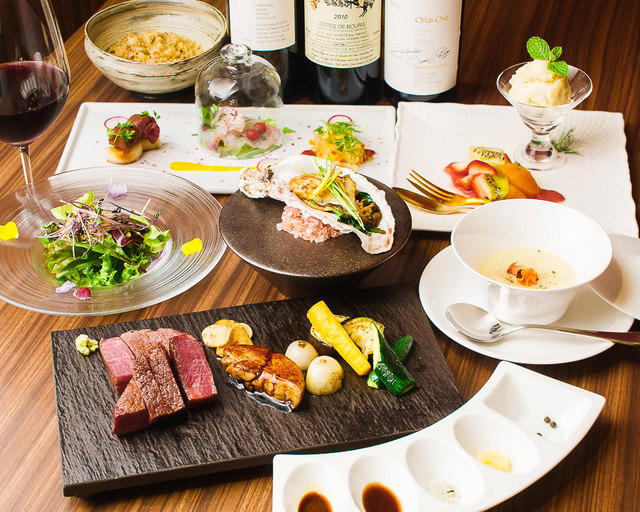
The approach to steak in Nara is quieter than in Kobe or Tokyo: less theatre, fewer luxury-hotel counters, and more emphasis on regional beef, drink pairing, and rooms scaled for regular use rather than occasion-only spectacle. In Kashihara, that makes a 25-seat steak house with counter seating, semi-private tables, and a wine-forward drinks list more meaningful than its size suggests. steak&wine Lamp belongs to this more local register of Japanese steak dining, where the point is not excess but sourcing, doneness, and whether the kitchen can make beef feel specific to Nara rather than interchangeable with any urban grill.
Its strongest credential is external and recent: selection for Tabelog 100 Steak / Teppanyaki WEST 2025. That matters because the WEST category groups restaurants across a broad competitive region, not just Kashihara, and steak is a category where reputation often clusters around major cities. A Kashihara address appearing in that field says something about how regional beef cooking is being assessed in 2026: smaller cities can compete when the product and format are clear.
Yamato beef gives Kashihara steak its local argument
Japan’s beef culture is often flattened into a few famous labels, but Nara has its own case to make through Yamato beef, a local brand associated with the prefecture’s cattle tradition. That is the relevant lens here. A steak restaurant in Kashihara does not need to mimic Ginza teppanyaki or Kobe beef tourism to justify the table; it needs to show why Nara beef belongs in the conversation at dinner level rather than souvenir level.
The name signals steak and wine, but the broader format is more flexible than a single-course temple to beef. The drinks list includes wine alongside sake, shochu, and cocktails, which places the restaurant closer to contemporary Japanese steak dining than old-school Western grill formality. The kitchen also lists an interest in fish, a useful detail in a region where steak restaurants increasingly broaden the meal without abandoning the beef centre. The editorial read is simple: this is for diners who want a Nara steak address with enough range to work for lunch, dinner, dates, and family use, not a rigid tasting-counter performance.
Within Kashihara, the comparison is not only other steak rooms. The city’s dining map runs from beef-focused rooms such as #肉といえば松田 奈良本店, Nikuzo, and Yakiniku Mikazuki to more casual local anchors such as Dango Sho Honten and Men Tokoro To Ichi. That spread is useful for travellers: Kashihara is not a single-category dining town. Beef can be the planned dinner, while noodles and sweets fill the day without forcing a detour back to Osaka or Nara City.
A compact room changes the way steak is eaten
Steak houses live or die by pacing. A 25-seat room naturally narrows the experience: five counter seats, paired tables, semi-private seating, and a private room create a dining pattern closer to a neighbourhood special-occasion restaurant than a large grill room. Counter seats suit diners who care about cooking and timing; semi-private seating is the better fit for families or small groups who want beef without the formality of a hotel restaurant. The format also explains the restaurant’s range of use cases, from dates to children welcome and stroller access.
The price band reinforces that middle-premium position. Dinner sits at JPY 6,000 to JPY 7,999, while lunch is listed at JPY 2,000 to JPY 2,999. In Japan’s steak economy, that is not luxury wagyu theatre; it is a level where the value test becomes sharper. Diners should expect the meal to justify itself through product choice and execution rather than spectacle, branded scarcity, or an imported luxury setting. For travellers, that makes the restaurant more compelling as a Kashihara-specific stop than as a substitute for a grand teppanyaki night elsewhere.
The drink programme helps define the room’s intent. Wine is the obvious partner for steak, but sake and shochu widen the pairing logic in a Japanese context. That flexibility matters with richer cuts, fish-led openings, and mixed tables where not everyone wants the same kind of meal. It also keeps the restaurant from feeling locked into a Western steakhouse template.
How to place it in a Kashihara itinerary
Kashihara rewards travellers who build meals around neighbourhood proximity rather than chasing a single dining district. The restaurant is listed near Yamato-Yagi and Yagi Nishiguchi, which makes it practical for rail-based movement through the city. For a broader read on the area, use Our full Kashihara restaurants guide alongside Our full Kashihara hotels guide, Our full Kashihara bars guide, Our full Kashihara wineries guide, and Our full Kashihara experiences guide. The smarter plan is to let transport and meal weight shape the day: lighter lunch, temples or heritage sites, then beef and wine in the evening.
For readers comparing beef formats across Japan, Kashihara sits in a different lane from destination sukiyaki or urban charcoal restaurants. See -Grilled beef Sukiyaki- KAMAKURA TANUKIAN 鎌倉 たぬき庵 in Kamakura for a more sukiyaki-led reference point, or. 鮪と炭火焼き うお炭 秋葉原店 in Tokyo for a different charcoal-and-drink rhythm. Other useful contrasts across Japan include.cafe in Osaka.know in Kumamoto, (Shoku) Vietnam in Kawasaki, and [Curry Senmon Ten] Maruyama Kyoju. in Sapporo. Abroad, Jōdo Saké Bar in Los Angeles and Onigiri Time in Pasadena show how Japanese dining categories translate differently outside Japan.
The judgment is not complicated: steak&wine Lamp is strongest when understood as a Nara beef address with credible regional recognition, not as a luxury steak shrine. Its Tabelog 100 WEST selection, compact seating, wine emphasis, and Yamato beef positioning make it a serious Kashihara dinner choice for travellers who want locality on the plate without leaving the city’s practical dining rhythm.
Fast Comparison
Comparable venues by cuisine and price in the same metro.
| Venue | Cuisine | Price | Notes |
|---|---|---|---|
| steak&wine Lamp | Yamato Beef Steakhouse | $$$ | Yagi Nishiguchi |
| Yakiniku Mikazuki | Yakiniku / Japanese BBQ | $$ | Unebi |
| #肉といえば松田 奈良本店 | Wagyu Kappo | $$$$ | Kashihara |
| Nikuzo | Premium Filletniku Yakiniku | $$$ | Kashihara |
| Men Tokoro To Ichi | Ramen and tsukemen | $ | Kashihara |
| Dango Sho Honten | Japanese Traditional Sweets | $ | Bojo |
Recognition history
Dated appearances from independent guides and award organizations, with the underlying list record or original source where available.
Tabelog 100 #19 · No. 19
Tabelog · Tabelog 100 - Steak / Teppanyaki - WEST - 2025
Continue exploring
More in Kashihara
Restaurants in Kashihara
Browse all →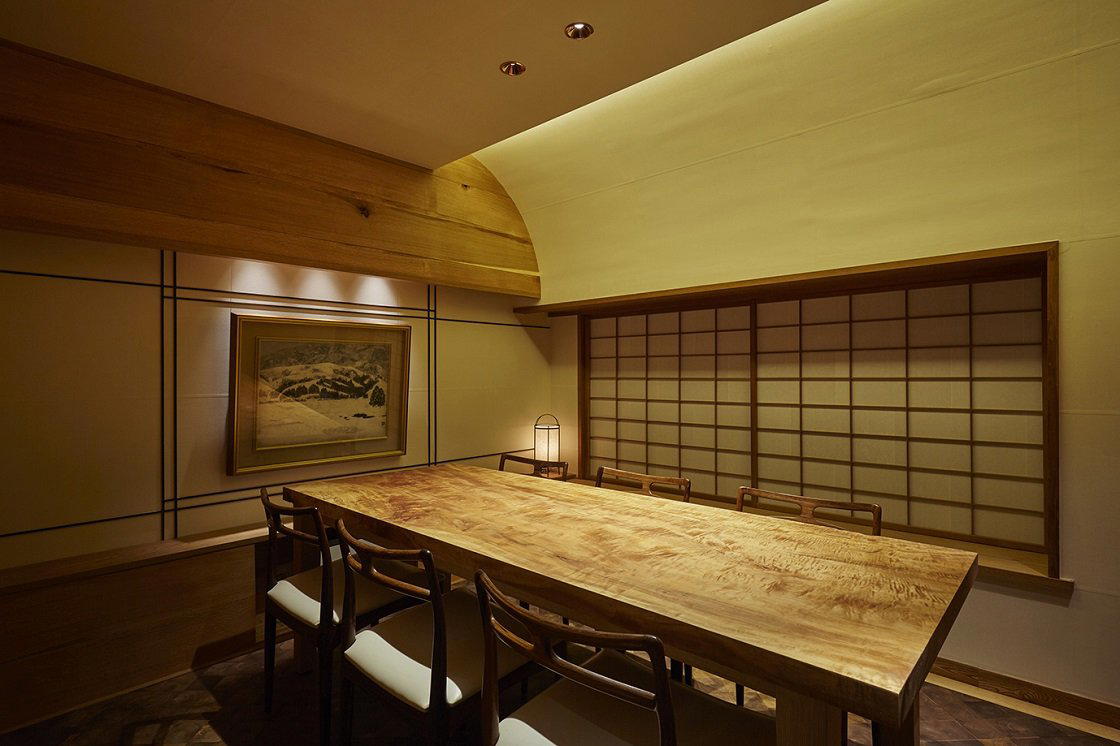



Bars in Kashihara
Browse all →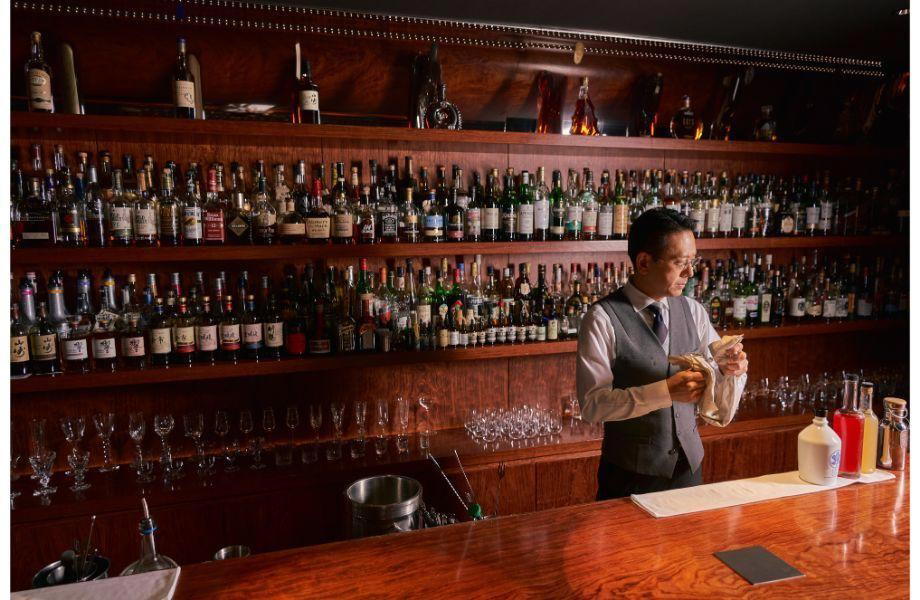

Hotels in Kashihara
Browse all →




Wineries in Kashihara
Browse all →
At a Glance
- Quiet
- Intimate
- Sophisticated
- Elegant
- Date Night
- Business Dinner
- Group Dining
- Special Occasion
- Standalone
- Private Dining
- Extensive Wine List
- Sommelier Led
- Local Sourcing
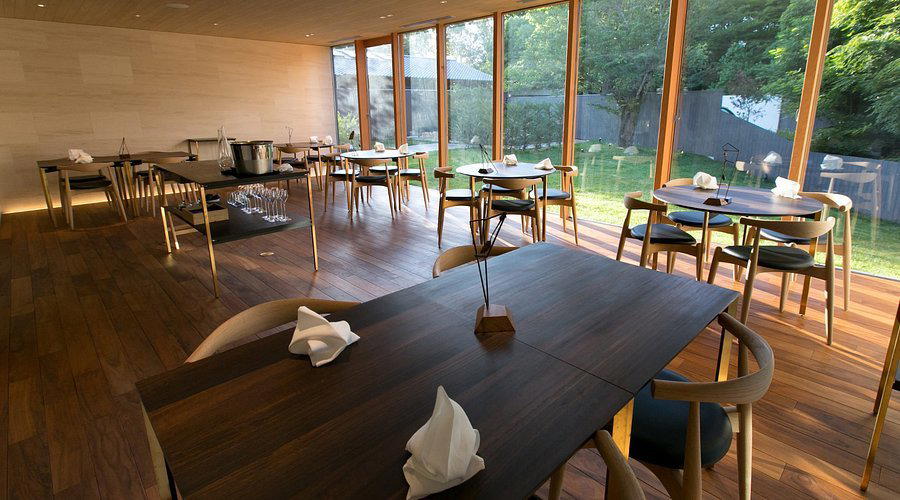
An adult-oriented, stylish dining room with a relaxed, spacious feel that suits a quiet steak-and-wine meal.