
Yakiniku Mikazuki places Kashihara’s beef dining culture inside the wider Kansai yakiniku conversation, with Tabelog 100 Yakiniku WEST selections in 2023, 2024, and 2025. The format is approachable rather than ceremonial: Wagyu-focused Japanese barbecue, family-friendly seating, private rooms, and enough structure for a serious dinner without the stiffness of a tasting-menu counter.
Pearl is the En Primeur Club membership app — saves, bookings, and concierge access live there. Same editors, same standards.
- Address
- 奈良県橿原市縄手町31-1 綿松第2ビル1F
- Phone
- +81744419429
- Website
- tabelog.com
- Directions
- Get directions
 Saves & bookings on Pearl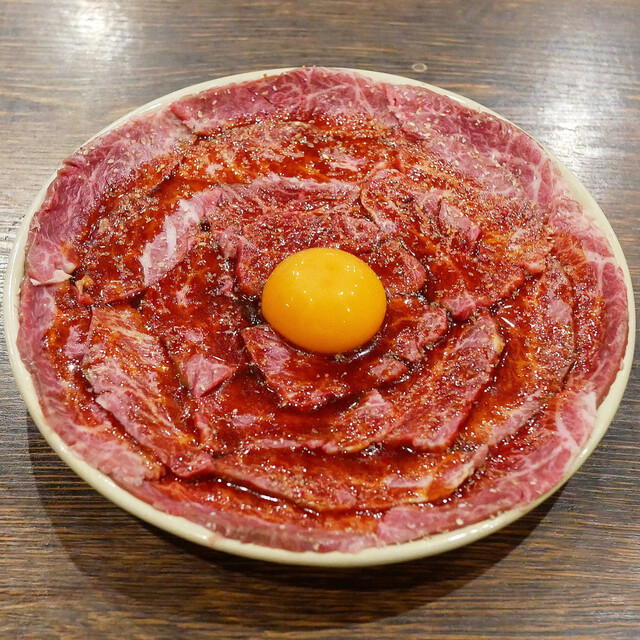
Approaching the room in Kashihara, the cues are familiar to anyone who understands yakiniku as social dining rather than restaurant theatre: tables built around grills, a room set for groups, and a rhythm governed by heat, timing, and shared attention. In Kansai, serious beef cooking does not always announce itself with formality; it often lives where families, work groups, and meat obsessives share a service, judging by cut selection, grill control, and repeat-use comfort.
That context matters because Nara is not framed as a beef-dining capital like Kobe, Osaka, or Tokyo. Kashihara’s better restaurants work at a more local scale, where destination value comes from focus rather than spectacle. Yakiniku Mikazuki enters that conversation with a clear credential: selection for Tabelog 100 Yakiniku WEST in 2025, a useful signal in a dense, severe consumer-scored category.
Kansai yakiniku without the performance of a formal counter
Yakiniku’s strength in Japan is its balance of precision and participation. The restaurant sources and prepares the beef; the table finishes it. Unlike kaiseki, sushi omakase, or French-style tasting menus, yakiniku rewards agency: thicker cuts need patience, thinner slices demand speed, and conversation naturally breaks around the grill. The better rooms make that feel relaxed, not careless.
Yakiniku Mikazuki sits in that middle register. Its public positioning is yakiniku, or Japanese BBQ, with a dinner budget listed at JPY 6,000 - JPY 7,999. The point is not a chef-led procession of named dishes but the older yakiniku grammar of ordering, grilling, sharing, and pacing. For travellers who know beef only through steakhouse service, the format teaches that marbling is not one luxury cue but something managed cut by cut, heat by heat, bite by bite.
Within Kashihara, that places the restaurant among the city’s more serious meat-focused addresses rather than everyday dining stops. Readers comparing local options should also look at #肉といえば松田 奈良本店, other Kashihara dining rooms, and steak&wine Lamp. The distinctions are format-driven: grill-table yakiniku, beef-specialist dining, and steak-and-wine service answer different cravings even when the headline ingredient overlaps.
Why the recognition matters in a local beef city
Tabelog’s Hyakumeiten lists are not Michelin and should not be read as the same institutional judgment. Their value is different: they identify restaurants with sustained traction in a specific Japanese category. For yakiniku, that helps because the field is fragmented, with many excellent rooms outside hotel districts and international press circuits. A Kashihara address appearing in the WEST selection places it in a competitive regional frame, not just a neighbourhood one.
The distinction matters for travellers building a Nara itinerary. Many visitors move through the prefecture around temples and day-trip timing, eating near transit nodes or heritage sites. Kashihara asks for a slower read. It has local dining depth but less English-language shorthand, so category awards, seating format, and practical logistics matter more than lifestyle language. A Tabelog 100 selection, alongside a listed score of 3.78, helps separate a purposeful dinner from a merely convenient one.
That does not mean every Kashihara meal should revolve around beef. The city’s food map is broader, and a strong itinerary benefits from contrast. Other Kashihara dining rooms speak to different local traditions, from casual meals to more specialised stops. For a wider scan, use Our full Kashihara restaurants guide, then match dinner ambition to the day rather than treating every meal as a trophy booking.
How to place it in a Kashihara itinerary
The practical case is strongest for a group dinner. Yakiniku as a format tells experienced diners much about the atmosphere before arrival: this is not the hush of a tiny counter. It is a beef restaurant built around shared attention, conversation, and the pace of the grill, while keeping the meal anchored around the table rather than a formal sequence of courses.
Transport also shapes the decision. The restaurant is in Kashihara, making it most plausible for travellers already staying or dining in the city rather than those rushing through Nara on a compressed day trip. Planning should allow for the pace of a grill-table meal and for the fact that dinner is the listed budget reference, with lunch not listed in the provided budget field.
For EP Club readers, the recommendation is simple: choose this for a Kashihara dinner when the goal is serious yakiniku in a room that supports conversation, not a silent procession of courses. The price tier sits above a casual stop and below the rarefied expense of major-city luxury beef counters, exactly where regional yakiniku can persuade. The strongest comparison is not destination kaiseki, but other meat-focused evenings where format, group size, and appetite decide the address.
Planning beyond dinner should stay concrete. For sleep strategy, see Our full Kashihara hotels guide; for pre- or post-dinner drinking, use Our full Kashihara bars guide. Travellers extending the trip through regional producers and cultural programming can also scan Our full Kashihara wineries guide and Our full Kashihara experiences guide.
For broader Japanese dining context, compare beef service across regions and then see how casual specialization shifts in larger cities and abroad. The useful lesson is not that every place fits the same category, but that specific formats travel differently: grill-table yakiniku, steak service, sweets, noodles, bars, and casual counters each create their own rhythm once they leave their home setting.
Pricing, Compared
Nearby venues at a similar price tier for orientation.
| Venue | Cuisine | Price | Notes |
|---|---|---|---|
| Yakiniku Mikazuki | Not listed | $$ | Unebi, Yakiniku / Japanese BBQ |
| #肉といえば松田 奈良本店 | Kashihara, Wagyu Kappo | $$$$ | Not listed |
| Men Tokoro To Ichi | Kashihara, Ramen and tsukemen | $ | Not listed |
| Dango Sho Honten | Bojo, Japanese Traditional Sweets | $ | Not listed |
| Nikuzo | Kashihara, Premium Filletniku Yakiniku | $$$ | Not listed |
| steak&wine Lamp | Yagi Nishiguchi, Yamato Beef Steakhouse | $$$ | Not listed |
Recognition history
Dated appearances from independent guides and award organizations, with the underlying list record or original source where available.
Tabelog 100 #56 · No. 56
Tabelog · Tabelog 100 - Yakiniku - WEST - 2025
Continue exploring
More in Kashihara
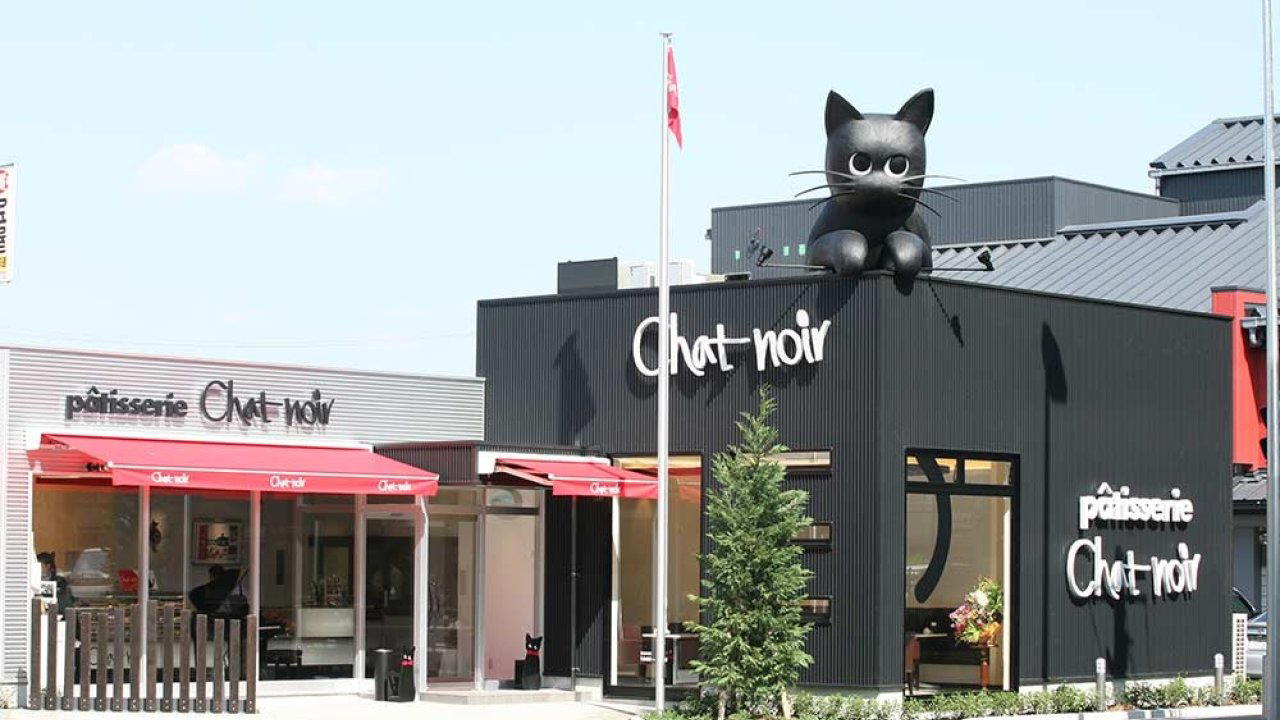
Restaurants in Kashihara
Browse all →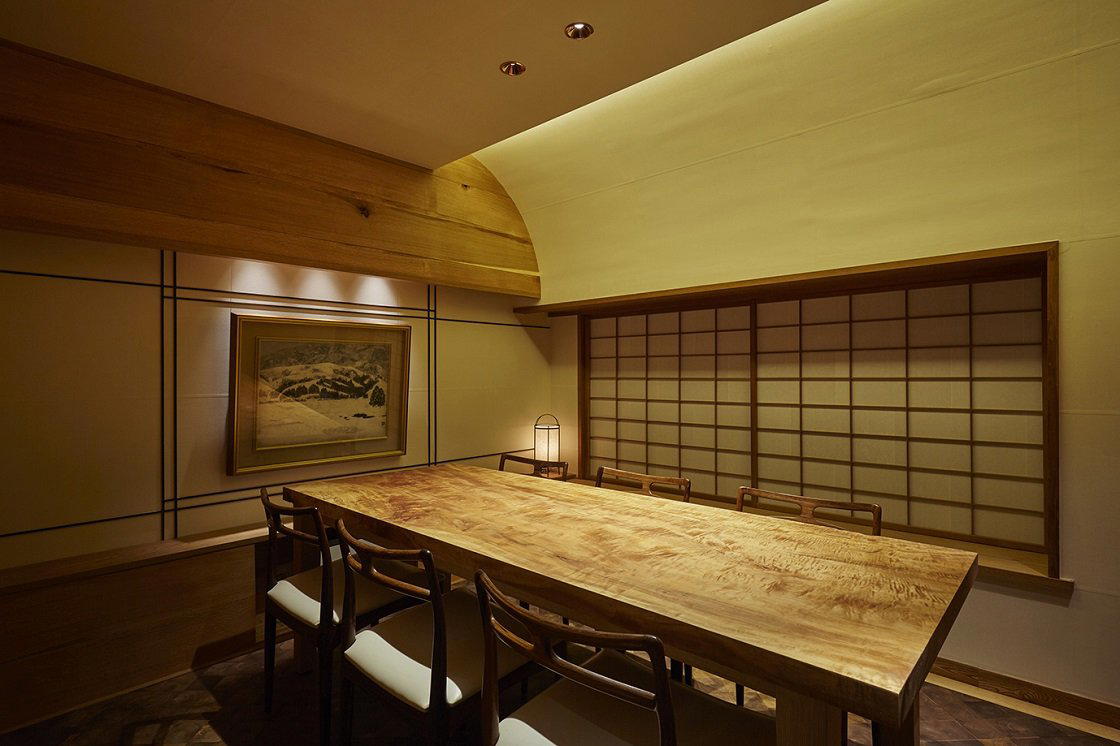
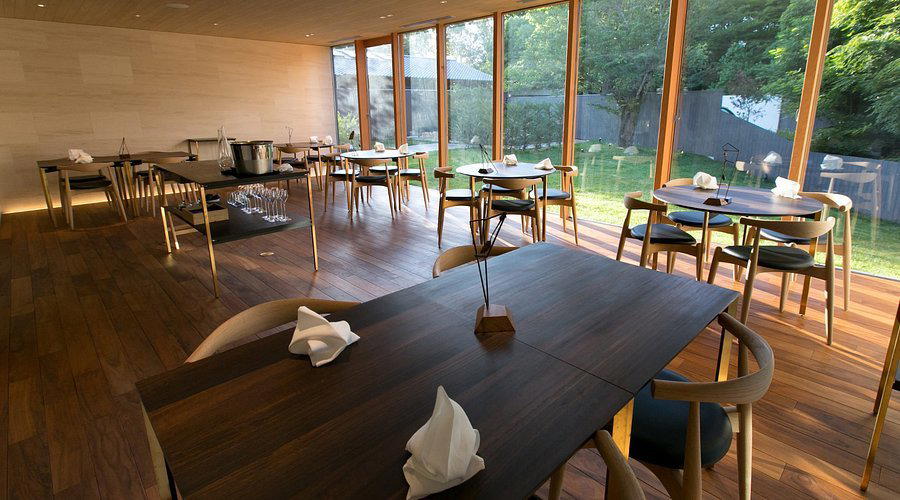



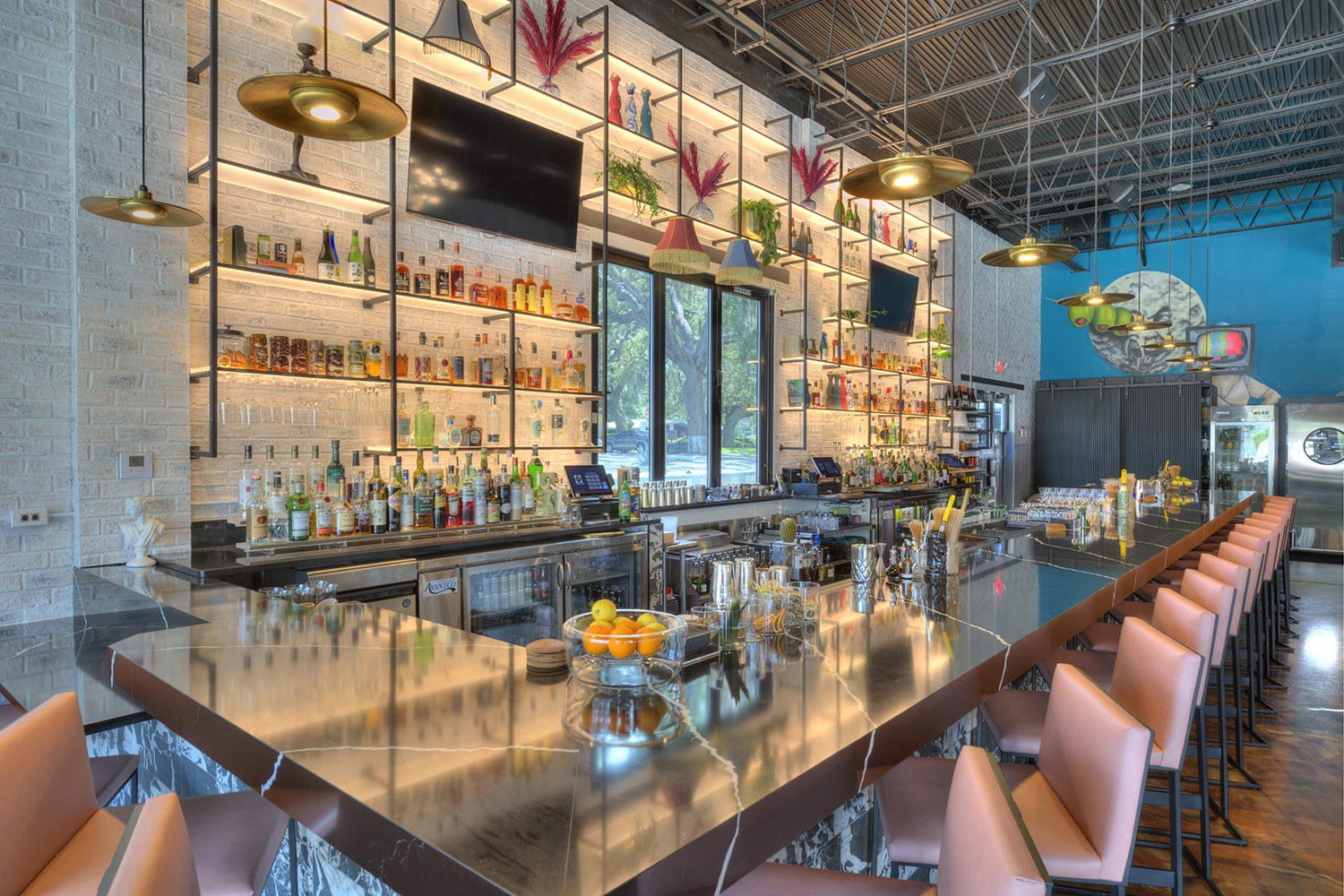
Bars in Kashihara
Browse all →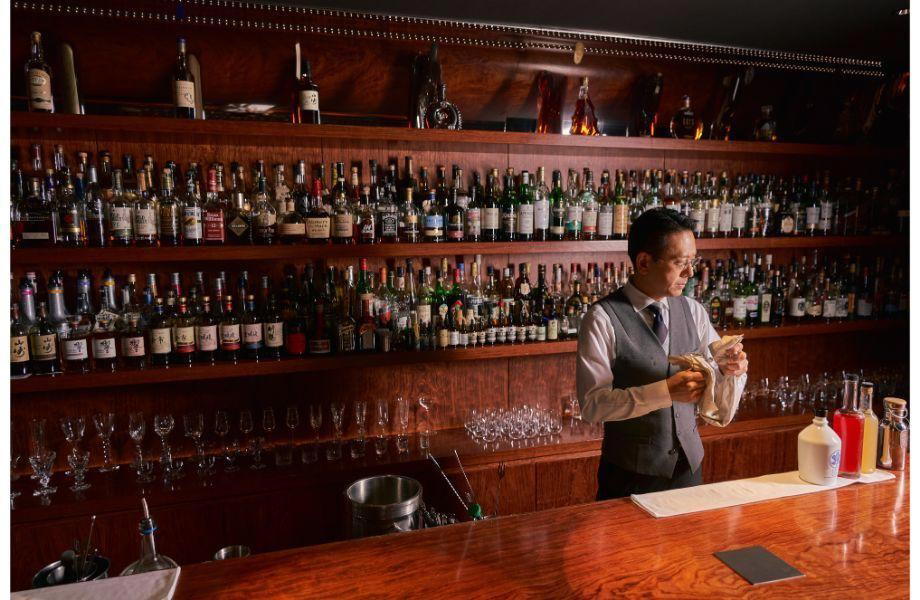
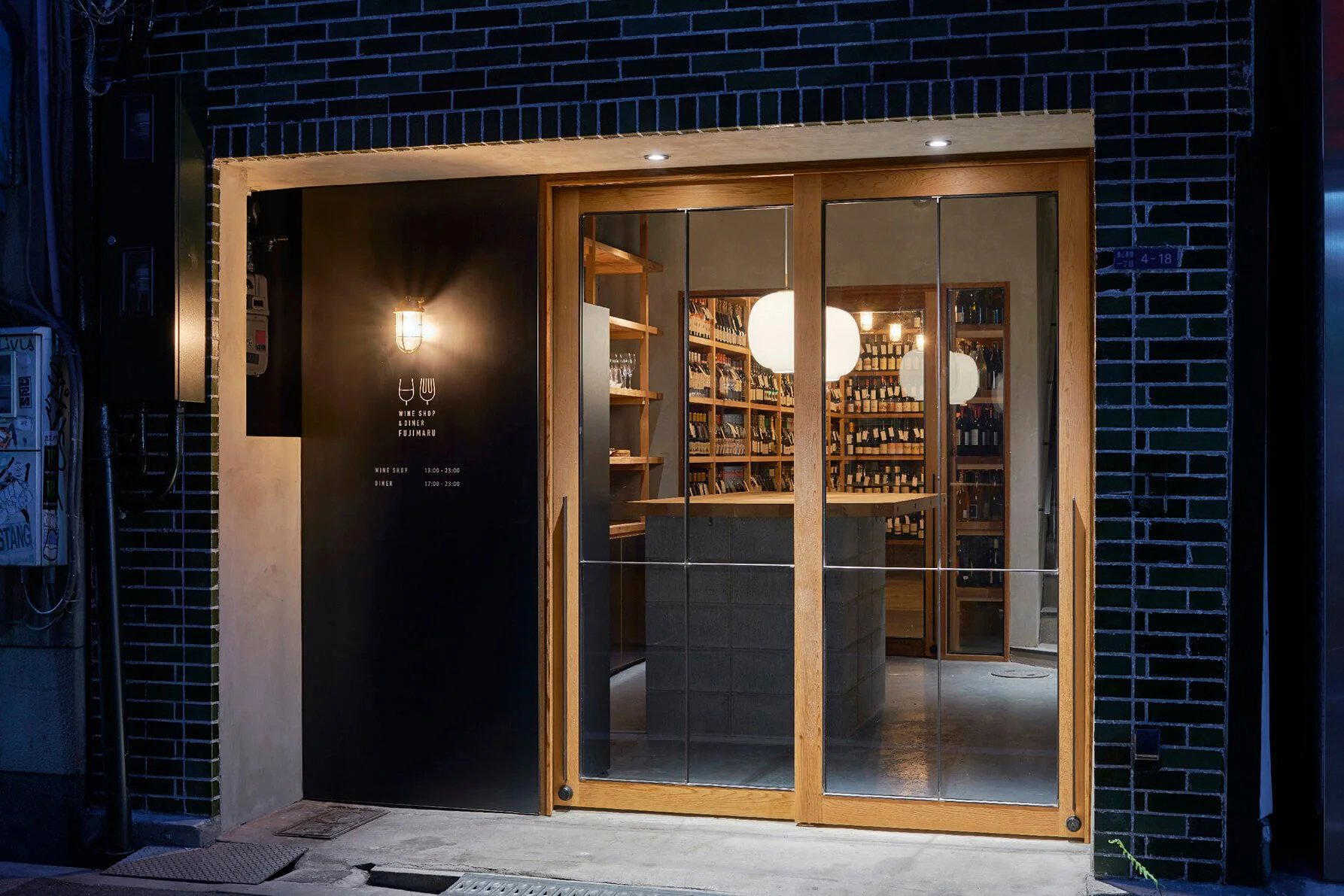
Hotels in Kashihara
Browse all →


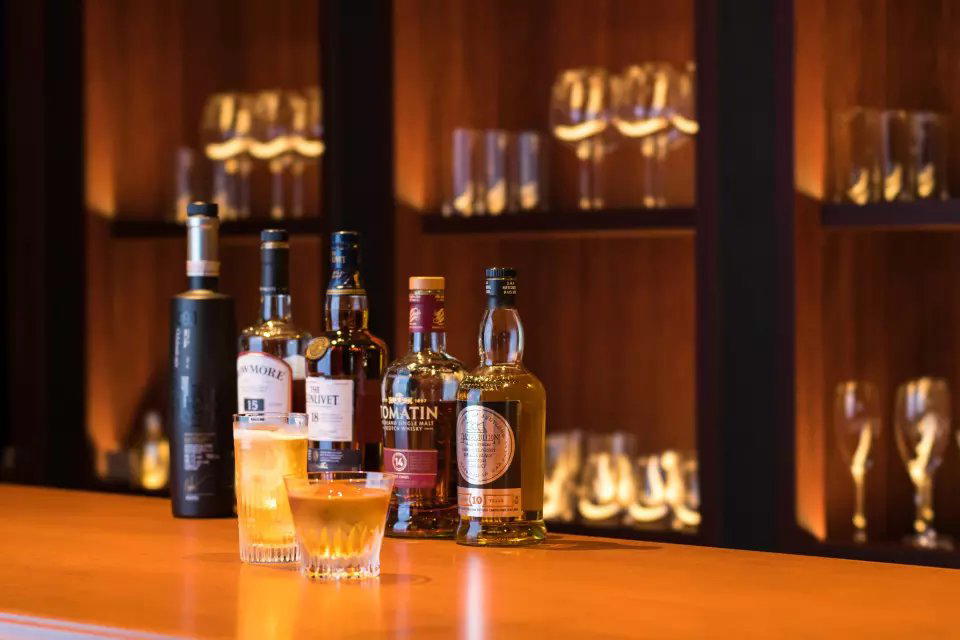
Wineries in Kashihara
Browse all →
At a Glance
- Cozy
- Casual
- Family
- Group Dining
- Casual Hangout
- Private Event
- Private Dining
- Standalone
- Sake Program
- Craft Cocktails
- Beer Program
- Local Sourcing
Current opening hours
- Monday
- 5–11 PM
- Tuesday
- 5–11 PM
- Wednesday
- 5–11 PM
- Thursday
- 5–11 PM
- Friday
- 5–11 PM
- Saturday
- 5–11 PM
- Sunday
- 5–11 PM
Hours can change for holidays and private events. Last verified .
Casual and comfortable, with partitioned tables, a practical smoke-managed dining room, and a private-reservation-friendly setup.
Know Before You Go
- Reservations
- Recommended
- Dress code
- Casual
- Getting there
- 奈良県橿原市縄手町31-1 綿松第2ビル1F