Our verdict
In Kashihara's Naizen-cho district, #肉といえば松田 奈良本店 occupies a second-floor space in the FACE Building, positioning itself within the Kinki region's serious yakiniku and wagyu beef tradition. The venue's name — roughly translating to 'when you think meat, think Matsuda' — signals a focus on ingredient identity over decorative cooking. For visitors exploring Nara Prefecture's dining scene beyond temple-town tourist circuits, it represents a locally rooted option worth understanding on its own terms.

Pearl is the En Primeur Club membership app — saves, bookings, and concierge access live there. Same editors, same standards.
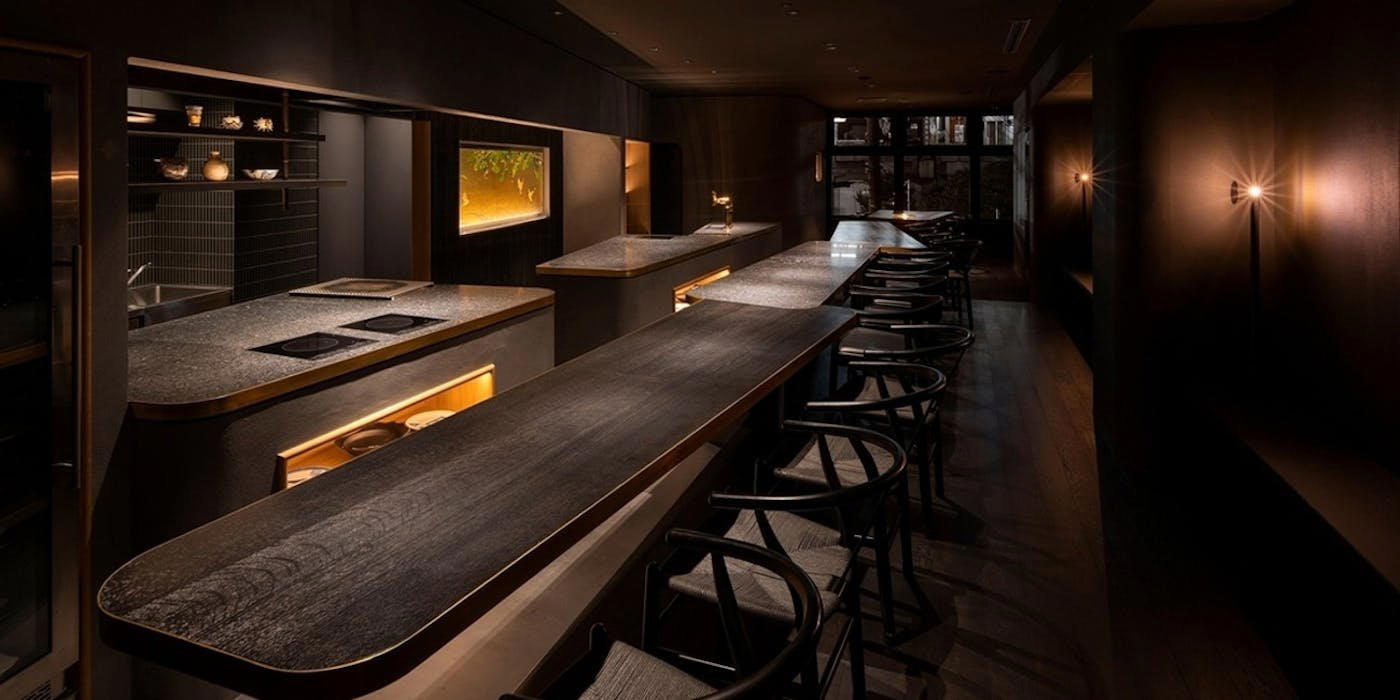
Kashihara's Meat Culture and Where This Fits
Nara Prefecture sits at an interesting intersection in Japan's beef geography. Kinki region — which spans Osaka, Kyoto, Hyogo, and Nara — has long held serious yakiniku culture, fed in part by the concentration of Wagyu producers in neighbouring prefectures and the deeply embedded Korean-Japanese grilling tradition that defines Japan's yakimiku scene at a national level. Within that regional frame, Kashihara is not a city that typically draws the food-focused traveller who might book a counter seat at Harutaka in Tokyo or a table at Gion Sasaki in Kyoto. It is a mid-sized city in the southern reaches of Nara Prefecture, better known for Kashihara Jingu shrine than for dining ambition. That context is worth holding when assessing what #肉といえば松田 奈良本店 represents: a venue rooted in local practice rather than positioned for international recognition.
The name itself does much of the positioning work. '#肉といえば松田', phonetically, 'Niku to ieba Matsuda,' or 'when it comes to meat, Matsuda', is a declaration of category ownership in the local market. This is not a restaurant that hedges with ambiguity about what it is. In a prefecture where most fine dining attention flows toward Nara city's more internationally recognised addresses, a Kashihara operation making that kind of categorical claim is staking out specific local territory. For context on what the wider Nara dining conversation looks like, akordu in Nara represents the more internationally-oriented end of the prefecture's restaurant spectrum.
The Sourcing Frame: Why Ingredient Identity Matters Here
Japan's premium beef culture is built on provenance. Wagyu branding, Matsusaka, Ohmi, Kobe, Yonezawa, functions more like a wine appellation than a general quality signal, and the most serious yakiniku and teppanyaki operations in the Kinki region differentiate themselves first through sourcing relationships rather than through kitchen technique. This is a different logic from the ingredient-as-canvas approach you find at a place like HAJIME in Osaka, where produce identity serves a larger compositional argument. In the meat-focused restaurant category, the ingredient often IS the argument.
The venue name's emphasis on 'meat' as category rather than style or technique suggests this logic is operative at #肉といえば松田 奈良本店. Restaurants that build their identity around ingredient specificity in Japan typically maintain direct or near-direct relationships with producers, selecting cuts based on individual animal assessment rather than bulk grading. Whether that is the model here cannot be confirmed from available data, but the regional context, proximity to Yamato beef and access to Kinki-area Wagyu supply chains, makes some form of sourcing-led identity plausible. What can be said with confidence is that the restaurant's name commits it to a beef-first identity in a region where that commitment carries specific expectations from the local dining public.
For comparison, the way sourcing defines identity in Japan's premium food culture extends across categories: Goh in Fukuoka draws from Kyushu's specific agricultural and fishing networks; Atomix in New York City brings Korean ingredient logic to a different geography entirely. In each case, provenance is the argument before the plate arrives.
The Physical Setting: Second Floor, FACE Building
The address, 5 Chome-2-40 Naizencho, FACE Building, 2F, places the restaurant in a commercial building in Kashihara's Naizen-cho area. Second-floor restaurant spaces in Japan carry a particular character: removed from street-level foot traffic, they tend to attract deliberate visitors rather than walk-ins, which shapes the atmosphere toward regulars and purposeful bookings rather than casual passersby. This format is common across Japan's mid-tier to serious restaurant segment, from yakitori specialists to ramen counters to, in this case, a beef-focused operation. The building name, FACE, is a common commercial development designation in provincial Japanese cities and does not carry particular prestige associations.
What the physical address signals, practically, is that first-time visitors need to locate the building, find the elevator or stairs to the second floor, and arrive with some intention. This is not the kind of place you stumble into. That dynamic is worth noting for visitors who may be combining a Kashihara dining stop with visits to the surrounding area's historical sites, which include Kashihara Jingu and the broader Yamato plain archaeological zone.
Positioning Within Kashihara's Restaurant Scene
Kashihara's restaurant options sit well below the density and recognition of Nara city, let alone Osaka or Kyoto. The city's dining scene is primarily local-facing, and the venues that develop genuine reputations do so through repeat custom rather than media recognition. Within that environment, a restaurant that asserts categorical authority through its name is making a specific competitive claim: it is positioning against other meat-focused establishments in the area, not against the prefecture's higher-profile dining rooms.
For visitors building a broader Kinki region itinerary, Kashihara functions as a secondary stop rather than a primary destination, typically paired with Asuka or Yoshino in the south, or folded into a Nara city day that extends to the city's outer districts. Our full Kashihara restaurants guide covers the city's dining options in broader context, including Nikuzo, which represents another meat-focused address in the same city and serves as the most direct local peer for comparison.
Further afield in the EP Club Japan coverage, the contrast between Kashihara's local meat culture and the internationally recognised end of Japan's dining spectrum is worth acknowledging. Restaurants like Le Bernardin in New York City or 一本木 森川制 in Nanao operate with entirely different credentialling systems and audience expectations. #肉といえば松田 奈良本店 does not compete in that register, nor does it appear to be trying to.
Planning a Visit
The restaurant is located on the second floor of the FACE Building in Kashihara's Naizencho district. No phone number, website, or booking method is confirmed in available data, which means visitors planning ahead should verify current contact details and reservation requirements through local directories or Google Maps before visiting. Given the name's implied positioning as a neighbourhood-anchor meat restaurant, walk-in dining may be possible depending on timing, but confirmation is advisable for groups or weekend visits. Kashihara is accessible by rail from Osaka (Kintetsu Osaka Line to Yamato-Yagi or Kintetsu Kashihara Line) and sits approximately 30 to 40 minutes by train from central Osaka, making it a plausible addition to a Kinki day itinerary without requiring an overnight stay.
Frequently asked questions
Where exactly is #肉といえば松田 奈良本店?
#肉といえば松田 奈良本店 is located at Japan, 〒634-0804 Nara, Kashihara, Naizencho, 5 Chome−2−40 FACEビル 2F, Kashihara.
Is #肉といえば松田 奈良本店 a good dining stop when visiting Kashihara's archaeological sites?
The restaurant sits on the second floor of the FACE Building in Kashihara's Naizencho district, which puts it within reach of visitors moving through the city en route to Asuka's burial mounds and imperial sites. Kashihara itself is compact, and the Naizen-cho area is accessible from the city's main rail connections. Confirming current hours via Tabelog or Google Maps before building it into an itinerary is advisable, as no operating hours are confirmed in available data.
What should I order at #肉といえば松田 奈良本店?
The name translates directly to 'When you think meat, think Matsuda' — which signals a beef-forward menu built around that single category commitment.
What's the best way to book #肉といえば松田 奈良本店?
For restaurants at this level in smaller Nara Prefecture cities, Tabelog and Google Maps are the most reliable starting points — both often carry reservation links or contact details updated by recent visitors. Walk-in availability depends on the day and season, so confirming ahead via one of those platforms is the practical approach.
What has #肉といえば松田 奈良本店 built its reputation on?
The venue's name makes a declarative category claim: in this part of Nara, this is the address people associate with beef. Japan's restaurant naming conventions are conservative, so a name structured as a direct category statement carries weight in the local market. That positioning places it within Kashihara's dining scene as a specialist rather than a general-menu restaurant.
Do they accommodate allergies at #肉といえば松田 奈良本店?
No allergy or dietary accommodation information is confirmed for this Kashihara restaurant. Most Japanese specialty restaurants operating without an English-language web presence handle allergy requests in person, in Japanese. Visitors with serious dietary restrictions should prepare to communicate requirements clearly on arrival or seek assistance through a Japanese-speaking contact before visiting.
A Quick Peer Check
Comparable venues nearby, for context on price, style, and recognition.
| Venue | Cuisine | Price | Awards | Notes |
|---|---|---|---|---|
| #肉といえば松田 奈良本店This venue — the venue you are viewing | Wagyu Kappo | $100–150 | Not listed | Not listed |
| Nikuzo | Premium Filletniku Yakiniku | $50–100 | Not listed | Kashihara |
| Dango Sho Honten | Japanese Traditional Sweets | Not listed | Tabelog 100 #70 | Bojo |
| Yakiniku Mikazuki | Yakiniku / Japanese BBQ | $30–50 | Tabelog 100 #56 | Unebi |
| Men Tokoro To Ichi | Ramen and tsukemen | $1–10 | Tabelog 100 #99 | Kashihara |
| steak&wine Lamp | Yamato Beef Steakhouse | $30–50 | Tabelog 100 #19 | Yagi Nishiguchi |
Continue exploring
More in Kashihara
Restaurants in Kashihara
All restaurants in Kashihara →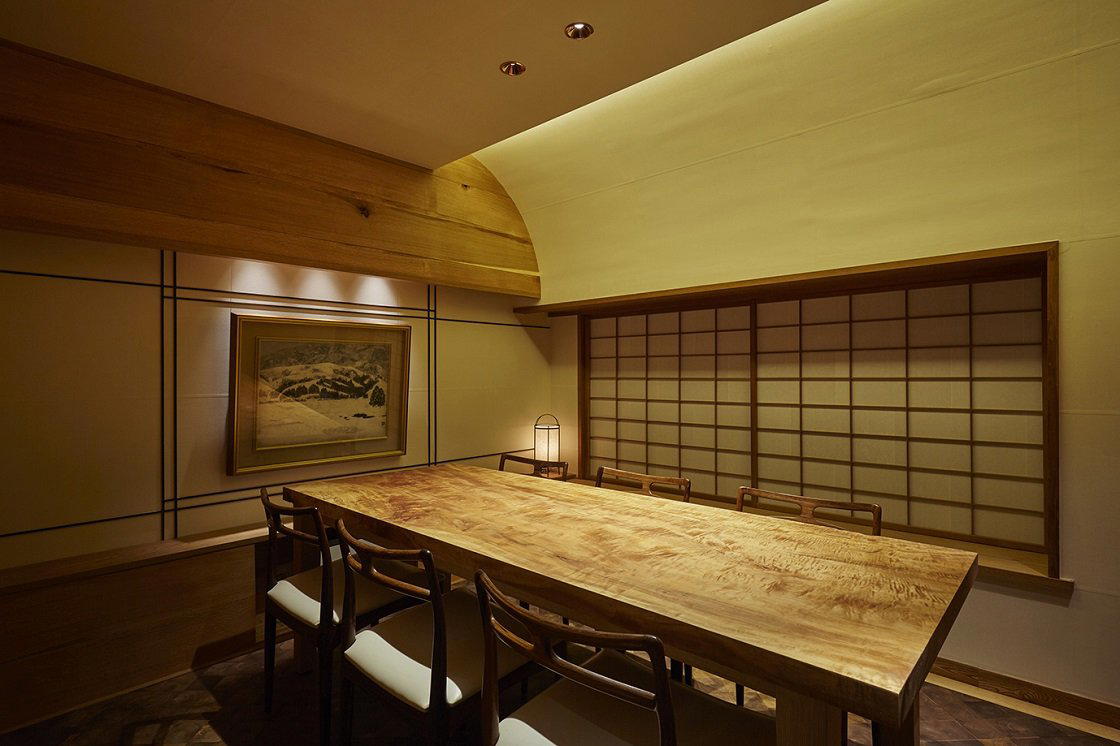
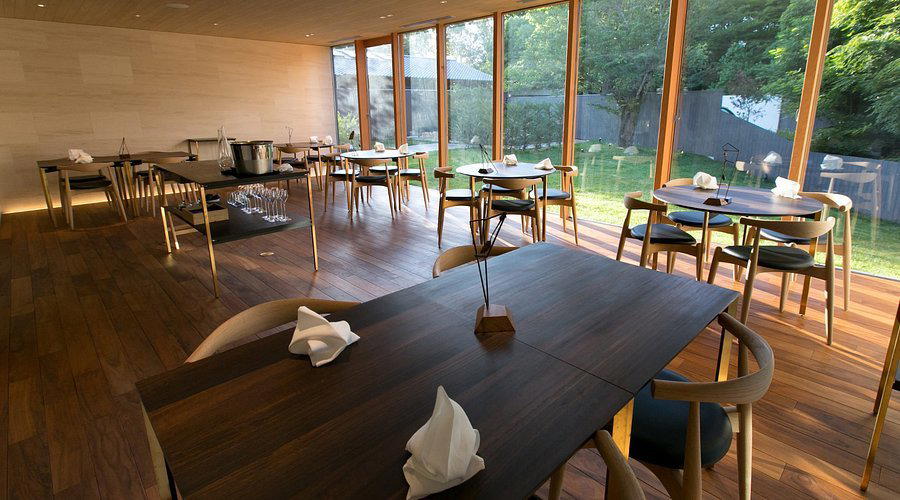



Bars in Kashihara
Browse all →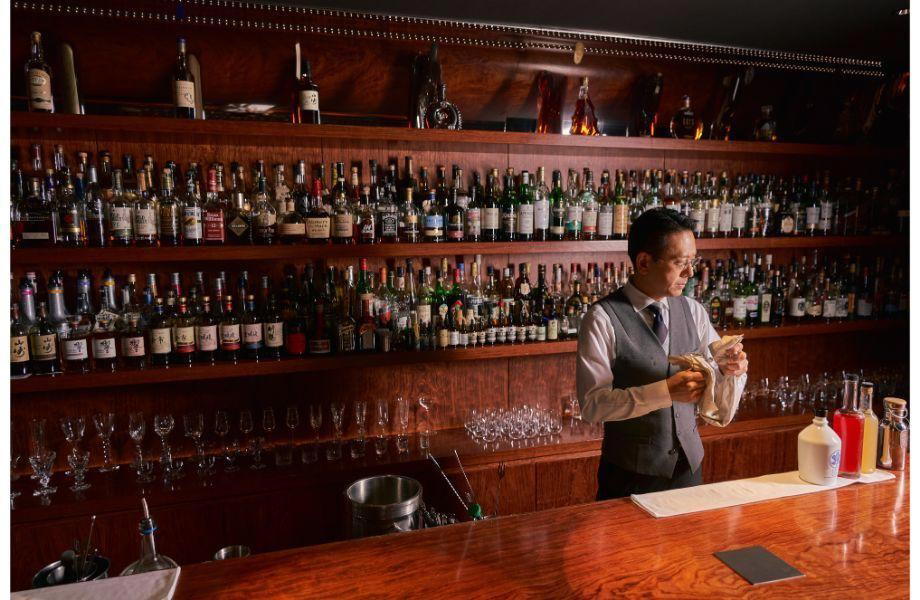

Hotels in Kashihara
Browse all →



Wineries in Kashihara
Browse all →
Details
- Intimate
- Elegant
- Cozy
- Special Occasion
- Date Night
- Chefs Counter
- Open Kitchen
- Sake Program
- Local Sourcing
- Omakase
- Tasting Menu
Current opening hours
- Monday
- Closed
- Tuesday
- Closed
- Wednesday
- 7–11 PM
- Thursday
- 7–11 PM
- Friday
- 7–11 PM
- Saturday
- 12–11 PM
- Sunday
- 12–11 PM
Hours can change for holidays and private events. Last verified .
Warm and inviting with dimmed lighting and a calm, sophisticated atmosphere.