Michelin Plate
Our verdict
LA PIE brings consistent French technique to central Nara, earning consecutive Michelin Plate recognition in 2024 and 2025. Positioned in the mid-price tier relative to the city's starred French and kaiseki establishments, it occupies a practical but credentialed space in a dining scene more associated with heritage tourism than contemporary European cooking. Located at 15-3 Kasasagicho, it draws a local and visiting clientele looking for French execution without the formality of the city's upper bracket.

Pearl is the En Primeur Club membership app, where members save venues, book tables and use the concierge.
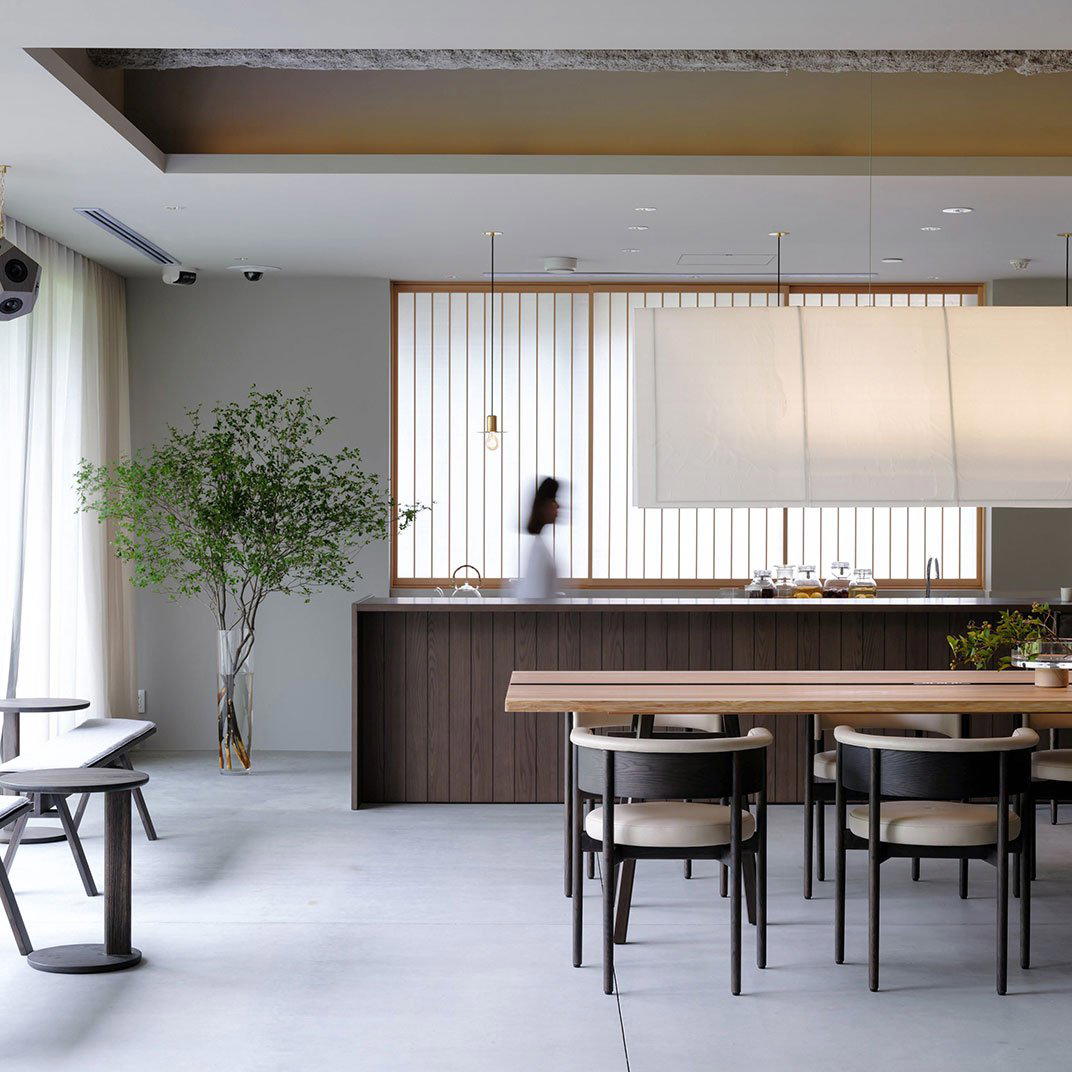
French Cooking in a City Better Known for Deer and Temples
Nara's dining identity has historically been defined by its kaiseki tradition and the quiet, understated hospitality that suits a city most visitors pass through in an afternoon. Against that backdrop, the presence of a cluster of French restaurants, some carrying Michelin recognition, others operating in the mid-tier with consistent local followings, reads as a minor cultural anomaly worth examining. LA PIE, situated at 15-3 Kasasagicho in central Nara, belongs to this pattern. It has held a Michelin Plate in both 2024 and 2025, a signal that the guide's inspectors consider it a competent, well-run kitchen, even if the starred tier remains occupied by others in the city's French and kaiseki cohort.
The Michelin Plate, often misread as a consolation prize, is better understood as a quality floor: it marks restaurants where the cooking meets the guide's baseline standard for technique and consistency. For a French restaurant operating at the ¥¥ price point in a secondary Japanese city, consecutive Plate recognition over two years carries weight. It suggests a kitchen that isn't chasing novelty but is delivering reliably within a defined register.
Where LA PIE Sits in Nara's French Scene
Nara's French dining tier is narrower than Osaka or Kyoto but more developed than casual visitors expect. At the upper end, venues like La Terrasse irisée and LA TRACE operate with the kind of format discipline and price positioning associated with destination dining. à plus, A VOTRE SANTE, and Bon appétit Meshiagare each carve out distinct positions across the city's French and French-adjacent spectrum. LA PIE operates in the mid-range, where the ¥¥ pricing makes it accessible to a broader dining public without the formality overhead of the starred tier.
This mid-tier French positioning in Japan tends to follow a recognizable pattern: classical French technique adapted with local produce, a compact menu that reflects seasonal availability, and a room-size and staffing model that keeps overheads in check while maintaining quality control. It's a format that works in cities where the customer base is knowledgeable but not necessarily willing to commit to the time and spend of a full tasting menu. Nara, with its mix of local residents, domestic tourists, and an international visitor flow tied to the Deer Park and Todai-ji, supports exactly this kind of operation.
The Ingredient Case for French Cooking in the Kansai Region
One reason French restaurants have taken root across the Kansai region, more durably here than in some other parts of Japan, relates directly to agricultural geography. The prefectures surrounding Nara, including Mie to the south and Kyoto and Osaka to the west, collectively supply some of Japan's most referenced produce: Yamato vegetables from Nara itself, premium seafood from the Ise coast, and a density of small-scale farmers whose output rarely reaches Tokyo distribution channels. For a French kitchen working at any price point, this proximity to high-quality, short-supply-chain produce is a structural advantage.
Yamato vegetables, the traditional cultivars of Nara prefecture, include varieties that have been grown in the Yamato basin for centuries and are tied to the prefecture's agricultural identity. They appear regularly in Nara's kaiseki restaurants, but French kitchens in the city have increasingly found ways to work with the same suppliers. The logic is direct: classical French technique applied to produce with genuine regional character often produces more interesting results than the same technique applied to generic commodity ingredients. This isn't a philosophy exclusive to Nara, it's the operating premise of French restaurants across rural Japan, but the specific sourcing geography of the Kansai region makes it particularly coherent here.
For restaurants like HAJIME in Osaka (see our Osaka profile), this Kansai produce access underpins cooking at three-Michelin-star level. The mid-tier in Nara draws from the same regional supply web, scaled to a different format and price point. What a kitchen does with that access, how it sources, what relationships it builds with local growers and suppliers, tends to be the differentiating factor at this level of the market, where technical gaps between competent kitchens are smaller than the gaps in ingredient quality and sourcing discipline.
Reading the Michelin Plate Signal
Consecutive Michelin recognition across two years at the Plate level, as LA PIE holds for 2024 and 2025, tells a specific story. It indicates a kitchen that passed inspection twice in succession, not a fluke, but a documented consistency. In cities like Nara, where the total number of Michelin-recognized venues is small relative to Tokyo, Osaka, or Kyoto, each Plate carries proportionally more signal value. The competition for reader attention is lower, but so is the density of inspection activity, which means Plate recognition reflects genuine quality rather than proximity effect.
Comparing this to the broader Japanese French dining scene: L'Effervescence in Tokyo and Hotel de Ville Crissier represent the internationally benchmarked upper tier of French cooking in the region. LA PIE operates well below that tier by every metric, but the Plate signal confirms it isn't operating below the credibility floor either. It occupies a legitimate mid-market position that serves a real and consistent dining need in the city.
Planning a Visit
LA PIE is located at 15-3 Kasasagicho in central Nara, within the walkable core of the city that also contains the main heritage sites. At the ¥¥ price point, it sits comfortably below the investment threshold of the city's starred restaurants, making it a practical choice for travelers who want credentialed French cooking without the advance planning and spend that the upper tier requires.
For broader context on dining and staying in the city, see our full Nara restaurants guide, our full Nara hotels guide, our full Nara bars guide, our full Nara wineries guide, and our full Nara experiences guide. Travelers building a wider Kansai and Kyushu itinerary may also find value in our profiles of Gion Sasaki in Kyoto, Goh in Fukuoka, Harutaka in Tokyo, 1000 in Yokohama, and 6 in Okinawa.
Frequently asked questions
Does LA PIE have a Michelin star or similar recognition?
LA PIE has received recognition including: Michelin Plate (2025); Michelin Plate (2024).
How would you describe the cuisine at LA PIE?
What dish is LA PIE famous for?
No single signature dish has been documented in public records for LA PIE. What the record does confirm is consecutive Michelin Plate recognition in 2024 and 2025, which points to consistent kitchen execution across the French menu rather than a single showpiece. At the ¥¥ price tier in Nara, the focus appears to be on accessible French cooking with sufficient technical rigour to sustain two years of Michelin attention.
What price level is LA PIE?
Pricing at LA PIE is listed as ¥¥.
How do I find LA PIE?
LA PIE is located at 15-3 Kasasagicho, Nara, 630-8391, Japan, Nara.
The Quick Read
| Venue | Cuisine | Price | Awards | Notes |
|---|---|---|---|---|
| LA PIEThis venue (the venue you are viewing) | Modern French Bistro with Local Japanese Ingredients | $50–100 | Michelin Plate | Not listed |
| akordu | Modern Spanish with Nara Influences | $150–200 | 2 Michelin Stars · La Liste Top Restaurants | Spanish, Innovative |
| Wa Yamamura | Traditional Kaiseki | $100–150 | 1 Michelin Star | Kaiseki, Japanese |
| Araki | Seasonal Japanese Tempura and Kaiseki | $100–150 | Michelin Plate · Tabelog Bronze #23 | Sushi, Japanese |
| Tama | French with Local Nara Ingredients | $50–100 | Michelin Plate | Okinawan, French |
| NARA NIKON | Kaiseki | $150–200 | 2 Michelin Stars · La Liste Top Restaurants | Japanese |
Recognition history
Dated appearances from independent guides and award organizations, with the underlying list record or original source where available.
Michelin Plate
Michelin
Full recognition history (3 entries)
Michelin Plate
Michelin
Michelin Plate
Michelin