
A Michelin Plate recipient in 2024 and 2025, Soba Saishoku Ichinyoan sits in Nara's mid-range dining tier where traditional soba craft earns recognition without the formality of kaiseki pricing. For visitors moving between Nara's temples and shrines, it offers a grounded, unhurried counterpoint to the city's heritage circuit.
Pearl is the En Primeur Club membership app — saves, bookings, and concierge access live there. Same editors, same standards.
- Address
- 2201-1 Oshikumacho, Nara, 631-0011, Japan
- Phone
- +81 742-46-5503
- Website
- kiminami.crayonsite.net
- Directions
- Get directions
 Saves & bookings on Pearl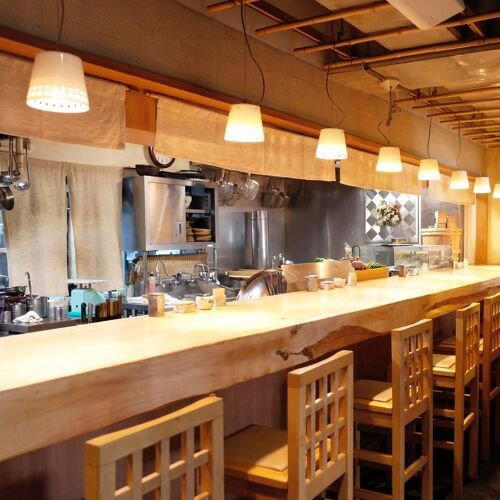
Where the Noodle Is the Point
There is a particular kind of restaurant that Nara does well and that gets passed over in the rush toward the city's kaiseki tables and temple lunch sets: the neighbourhood soba-ya that has been doing one thing with enough consistency and care that it accumulates a loyal clientele over years and charges prices that regulars can sustain weekly rather than quarterly. Soba Saishoku Ichinyoan, in the residential Oshikuma district north of Nara's central tourist corridor, belongs to that category. Its address, 2201-1 Oshikumacho, places it away from the deer park crowds and the main Higashimuki shopping arcade, which is partly why the people who know it keep returning.
The Scene That Soba Creates
Soba restaurants in Japan occupy a distinct social register from other noodle formats. Ramen is democratic and fast; udon is generous and filling; but soba, particularly hand-cut soba made with high-ratio buckwheat, asks something of its diner. You are expected to eat it quickly once it arrives, to notice the texture before the sauce overwhelms it, and to finish the cooking water mixed with your remaining dipping broth at the end. That ritual is not performance, it is the accumulated logic of a food culture that treats the grain seriously. The better soba-ya sustain this rhythm without instructing their customers; the room and the service pace do the teaching.
Within Nara's dining scene, Ichinyoan occupies a different tier from the ¥¥¥ restaurants that dominate critical attention. Those restaurants, kaiseki houses, progressive Japanese cuisine, and the handful of internationally oriented addresses like akordu, serve an occasion-dining function. Ichinyoan's ¥¥ pricing puts it in the range where a Nara resident can and does return without special occasion justification. That frequency is what builds the kind of 553-review base that carries statistical weight; it is not a place visited once for a tourist experience but a place that earns repeat visits from people who know the difference.
Michelin Recognition in the Soba Category
Recognition in 2024 and 2025 matters differently for a soba-ya than for a tasting-menu restaurant. The recognition signals that Michelin inspectors found cooking worth noting, a useful marker in a category where the differences between an average bowl and a carefully crafted one are real but subtle to outside observers. Japan's soba tradition has produced Michelin-recognized addresses across its major cities: Akasaka Sunaba in Tokyo is among the more cited examples of the form in the capital, while Ayamedo in Osaka represents the craft in Kansai's larger city. Ichinyoan holds its own within that regional context, serving as Nara's entry in the conversation about where buckwheat soba is taken seriously in the ancient capitals corridor.
Within Nara's soba category specifically, the competitive picture includes Nidaime Izumosoba Dandan and Noto Toto Teuchisoba Tabiki, both of which serve hand-cut soba with their own regional emphases. The recognition distinguishes Ichinyoan within that local set and aligns it with recognition-holding addresses rather than general noodle houses. For a visitor building a Nara itinerary that already includes stops at Michelin-recognized tables like Gen or Kiminami, Ichinyoan represents a different register of the same recognition system at a significantly different price point.
The Regulars' Logic
The pattern of a 4.5 score held across more than five hundred reviews, at a mid-range price point, tells you something about who is eating here and how often. In restaurants where tourism drives volume, scores tend to flatten toward the mean, a mix of high expectations met and modest ones exceeded. A sustained 4.5 at ¥¥ pricing in a residential neighbourhood outside the main tourist circuit suggests a customer base that is returning rather than passing through, and that has calibrated its expectations precisely because it keeps coming back. That is the regulars' endorsement: not a single strong impression but accumulated confidence in what the kitchen will deliver.
That confidence, in soba terms, centres on consistency of the noodle itself. Buckwheat ratios, water temperature, resting time, and cutting width all affect the texture and fragrance of the finished strand. A soba-ya that holds a specific style across service after service, year after year, earns its regulars through that dependability. The Michelin Plate acknowledges this without sensationalizing it, the designation says the cooking is worth seeking, not that it redefines the form.
Nara in the Broader Kansai Context
Nara sits between Kyoto and Osaka in the Kansai itinerary, and its dining scene reflects that position. The city does not have the density of Michelin-starred restaurants that Kyoto sustains, a city where addresses like Gion Sasaki anchor the upper tier, nor the sheer volume of Osaka's food culture. What Nara has is a smaller, more legible scene where individual restaurants in the mid-range carry real weight. A ¥¥ Michelin Plate soba-ya in this context is not a footnote; it is part of the city's case for dining worth taking seriously outside Japan's three largest food cities. Travellers who have been to Harutaka in Tokyo, HAJIME in Osaka, or Goh in Fukuoka understand that Japan's food culture extends well beyond starred dining. Ichinyoan is part of that broader evidence.
For a complete picture of what Nara's food, drink, and hospitality scene offers, the full Nara restaurants guide covers the city's dining range. Those planning longer stays can also consult the Nara hotels guide, the Nara bars guide, the Nara wineries guide, and the Nara experiences guide. For context on Kansai dining beyond Nara, the profiles for 1000 in Yokohama and 6 in Okinawa illustrate how Japan's regional food culture holds quality across different city scales.
Planning a Visit
Ichinyoan's address in Oshikumacho places it north of the central sightseeing zone, making it a reasonable lunch stop for visitors moving between Nara's northern temples and the main park area. The ¥¥ price range means a meal here falls comfortably below the kaiseki tier without sacrificing the quality signal that consecutive Michelin Plate recognition implies. Because the restaurant's hours are set and reservations are essential, checking in advance before visiting is the sensible approach. Given the restaurant's strong local following and limited residential-neighbourhood footprint, arriving earlier in the lunch window is the practical logic that regulars tend to apply.
Side-by-Side Snapshot
Comparable venues nearby, for context on price, style, and recognition.
| Venue | Cuisine | Price | Awards | Notes |
|---|---|---|---|---|
| Soba Saishoku IchinyoanThis venue — the venue you are viewing | Artisanal Soba | $$ | Michelin Plate | Not listed |
| Menya Ittoku | Refined Shio Ramen | $$ | Bib Gourmand | Nara |
| Kiminami | Authentic Juwari Soba | $$ | Bib Gourmand | Nara |
| Kiyosuminosato AWA | Sustainable Yamato Vegetable Kaiseki | $$ | Michelin Plate | Nara |
| 麺屋 NOROMA | 鶏白湯ラーメン | $$ | Not listed | 西大寺 |
| Sosakukushinomise Rindo | Creative Kushikatsu with French Influences | $$ | Bib Gourmand | Ikoma |
Recognition history
Dated appearances from independent guides and award organizations, with the underlying list record or original source where available.
Michelin Plate
Michelin
Michelin Plate
Michelin
Continue exploring
More in Nara




Bars in Nara
Browse all →


Hotels in Nara
Browse all →




Wineries in Nara
Browse all →
At a Glance
- Quiet
- Elegant
- Intimate
- Rustic
- Classic
- Solo
- Special Occasion
- Date Night
- Historic Building
- Open Kitchen
- Terrace
- Sake Program
- Farm To Table
- Local Sourcing
- Organic
Current opening hours
- Monday
- 11:30 AM–2:30 PM, 5:30–8:30 PM
- Tuesday
- 11:30 AM–2:30 PM, 5:30–8:30 PM
- Wednesday
- 11:30 AM–2:30 PM
- Thursday
- Closed
- Friday
- 11:30 AM–2:30 PM, 5:30–8:30 PM
- Saturday
- 11:30 AM–2:30 PM, 5:30–8:30 PM
- Sunday
- 11:30 AM–2:30 PM, 5:30–8:30 PM
Hours can change for holidays and private events. Last verified .
Soft natural light spills across pale woods in a deliberately composed space; the air carries whispers of roasted buckwheat, creating an immediate sense of calm and unhurried cadence that invites meditative presence.