
1 Michelin Star
Our verdict
A Michelin-starred kappo in Osaka's Higashitenma district, Naniwaryori Yu carries the lineage of Naniwa-style cooking through a menu written right-to-left like a scroll and a signature egg custard prepared with dried-plum broth. The chef reads the room with precision, adjusting to guests as the evening unfolds. At the ¥¥¥ price tier, it sits among Osaka's most considered single-star addresses.

Pearl is the En Primeur Club membership app, where members save venues, book tables and use the concierge.
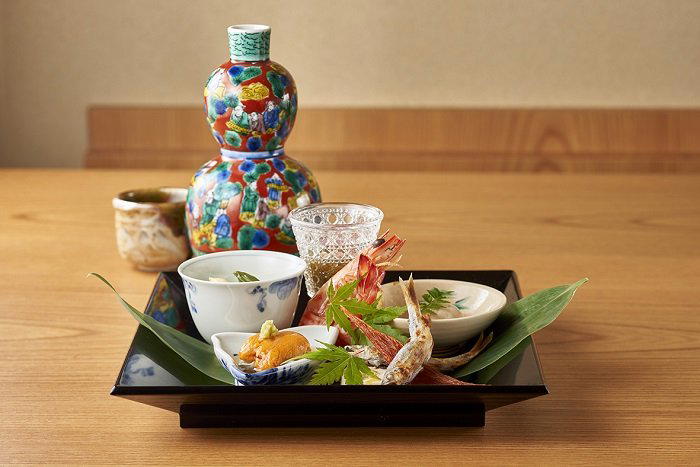
Higashitenma and the Kappo Tradition
Osaka's Kita Ward has long functioned as the quieter counterweight to Namba's theatre. Higashitenma, in particular, occupies a specific kind of residential-commercial register: narrow streets, shopfronts without much signage, the occasional izakaya operating on something close to a nod-and-enter system. This is where Osaka's more committed dining culture has historically taken root, away from the department-store restaurant floors and the tourist-facing corridors of Dotonbori. Kappo, the Japanese cooking tradition that places the chef in open view of the guest, cutting and preparing in real time rather than dispatching from a closed kitchen, fits this neighbourhood's temperament precisely.
Kappo as a format has its deepest roots in Osaka. Where Kyoto's kaiseki tradition organises a meal around seasonal progression and visual formality, Osaka kappo has always leaned toward directness: fewer courses designed as conceptual statements, more dishes shaped by what the guest appears to want next. The chef-guest relationship in kappo is not decorative, it actively determines what lands on the counter. Naniwaryori Yu operates squarely within that tradition, holding a Michelin one star as of 2024 at the ¥¥¥ price tier, which positions it comfortably within the mid-high bracket of Osaka's Japanese dining scene alongside addresses like Kashiwaya Osaka Senriyama and Miyamoto.
The Menu as Artifact
The long Japanese menu at Naniwaryori Yu is written right-to-left, in the manner of a traditional scroll. This is not an affectation. In Osaka's kappo culture, the format of the menu is itself a statement of lineage, a way of placing the meal in a longer culinary history before the first dish arrives. Few restaurants at any price point maintain this kind of presentational commitment, and it signals where Naniwaryori Yu positions itself relative to modernised Japanese dining.
The signature preparation is Tenjin Kobai Mushi: savoury egg custard made with dried-plum broth and finished with a plum glaze. Chawanmushi in its standard form is already a technically demanding dish, requiring precise heat control to achieve a custard that holds its shape without tightening. The Tenjin Kobai version adds an additional layer of acidity and aromatics through the plum elements, which complicates both the broth construction and the glaze timing. This dish was passed down from the chef's mentor along with a set of cherished serving bowls, a transmission of both technique and material culture that kappo places particular weight on. The name of the restaurant itself encodes this lineage: 'Yu' adds a kanji to the chef's surname, Sato, in direct homage to the shop where he trained.
For context on how this lineage-conscious approach functions across Japan's leading tables, the same disciplined transmission of craft appears at Gion Sasaki in Kyoto and in Tokyo's more formally structured omakase rooms like Azabu Kadowaki and Myojaku.
Reading the Room at a Kappo Counter
One of the structural differences between kappo and kaiseki is the latitude given to the chef to adapt. A kaiseki progression is typically fixed, courses follow a predetermined sequence and the guest moves through the chef's vision. Kappo allows, and in its more serious forms demands, that the chef observe and respond. Naniwaryori Yu's approach to this is described in its award documentation as a point of pride: the chef reads guests' preferences with attention and adjusts accordingly.
This responsiveness is harder to sustain than a fixed menu. It requires the chef to carry a repertoire wide enough to pivot, and to read signals, pace of eating, what gets left on the plate, the shape of the conversation, without making the recalibration visible. Among Osaka's Michelin-starred addresses, that kind of attentiveness is more characteristic of smaller, counter-format rooms than of the city's larger kaiseki establishments. Tenjimbashi Aoki and Oimatsu Hisano operate in related territory within Osaka's traditional Japanese dining tier.
For those who have experienced the more theatrically paced omakase format at Harutaka in Tokyo, the kappo model at Naniwaryori Yu will feel notably different: more conversational in structure, less ceremonial in pacing.
Osaka's Starred Japanese Tier: Where Naniwaryori Yu Sits
Osaka's current Michelin map spreads across a range of styles. At the top of the price scale, Yugen and the three-star French houses like Hajime and La Cime represent the highest-commitment, highest-expenditure options. The ¥¥¥ tier in Japanese cuisine, where Naniwaryori Yu operates, offers Michelin recognition without the ¥¥¥¥ commitment, which in practical terms means the meal remains demanding and considered without extending into the four-hour, course-heavy format of Osaka's most formal kaiseki rooms.
That combination, limited seating, Michelin recognition, a menu in traditional Japanese script, means Naniwaryori Yu has not accumulated the international review footprint of more tourism-oriented restaurants. The experience is calibrated for guests who arrive with some familiarity with kappo protocol, though the chef's reading-the-room approach means first-timers are not left without guidance.
Across Japan's regional dining circuit, comparable single-star Japanese-cuisine addresses operating in this register include akordu in Nara, Goh in Fukuoka, 1000 in Yokohama, and 6 in Okinawa, each rooted in regional identity rather than seeking a broader international audience.
For further planning across the city, see our full Osaka restaurants guide, along with guides to hotels, bars, wineries, and experiences across Osaka.
Know Before You Go
- Address: 1 Chome-9-17 Higashitenma, Kita Ward, Osaka 〒530-0044
- Price tier: ¥¥¥ (mid-high; accessible relative to Osaka's ¥¥¥¥ formal kaiseki tier)
- Awards: Michelin One Star (2024)
- Rating:
- Menu format: Long Japanese menu written right-to-left in traditional scroll style; working knowledge of Japanese or a dining companion who reads Japanese will help
- Booking: Not available directly through this listing; approach via specialist reservation services or a hotel concierge with Osaka restaurant connections
- Neighbourhood: Higashitenma, Kita Ward, residential-commercial district north of central Osaka, accessible from Tenjimbashi-suji Rokuchome or Minami-Morimachi stations
Frequently asked questions
What should I order at Naniwaryori Yu?
The Tenjin Kobai Mushi, savoury egg custard prepared with dried-plum broth and finished with a plum glaze, is the dish most directly tied to the chef's training lineage and is served with the same bowls passed down from his mentor. Beyond that, the menu is responsive rather than fixed: the chef adjusts to what he reads from guests, so arriving without a rigid agenda is the more productive approach. At the ¥¥¥ tier with a Michelin star behind it, trust in the progression is well-placed.
What's the vibe at Naniwaryori Yu?
Kappo in Higashitenma is a quieter register than Osaka's more tourism-visible dining formats. The counter format, the traditional scroll menu, and the chef's responsive style create a meal that feels attentive rather than performative. This is not a room built around spectacle. Guests sitting at the counter of a Naniwa-style kappo are in direct conversation with the cooking, and the 2024 Michelin recognition places Naniwaryori Yu in the tier where that intimacy is matched by consistent technical delivery. It fits leading for guests who prefer engagement over ambient dining.
Does Naniwaryori Yu work for a family meal?
The kappo counter format, the traditional Japanese menu written in scroll style, and the ¥¥¥ price positioning suggest Naniwaryori Yu is calibrated for a particular kind of guest: someone attentive to the meal and comfortable without English-language menus or the softer, more guided approach of internationally oriented restaurants. For families with younger children or guests unfamiliar with counter dining, Osaka offers alternatives at the same price tier with more structured kaiseki formats and broader accessibility. For a family of adults with a serious interest in Osaka's culinary tradition, the setting is appropriate, but advance coordination through a concierge familiar with the restaurant is advisable given the language and reservation considerations.
Category Peers
A short peer table to compare basics side-by-side.
| Venue | Cuisine | Price | Awards | Notes |
|---|---|---|---|---|
| Naniwaryori YuThis venue (the venue you are viewing) | Osaka Kappo Omakase | $100–150 | 1 Michelin Star | Not listed |
| HAJIME | Avant-Garde Japanese Fine Dining | $300–500 | 3 Michelin Stars · World's 50 Best #83 | French, Innovative |
| La Cime | Modern French with Japanese Ingredients | $150–200 | 2 Michelin Stars · World's 50 Best #13 | French |
| Kashiwaya Osaka Senriyama | Seasonal Kaiseki Omakase | $200–300 | 3 Michelin Stars · La Liste Top Restaurants | Japanese |
| Taian | Traditional Japanese Kaiseki Omakase | $150–200 | 3 Michelin Stars · La Liste Top Restaurants | Kaiseki, Japanese |
| Fujiya 1935 | Modern Japanese with European influences | $100–150 | 2 Michelin Stars · La Liste Top Restaurants | Innovative |
Recognition history
Dated appearances from independent guides and award organizations, with the underlying list record or original source where available.
Michelin 1 Star
Michelin
Full recognition history (2 entries)
Michelin 1 Star
Michelin
Continue exploring
More in Osaka
Restaurants in Osaka
All restaurants in Osaka →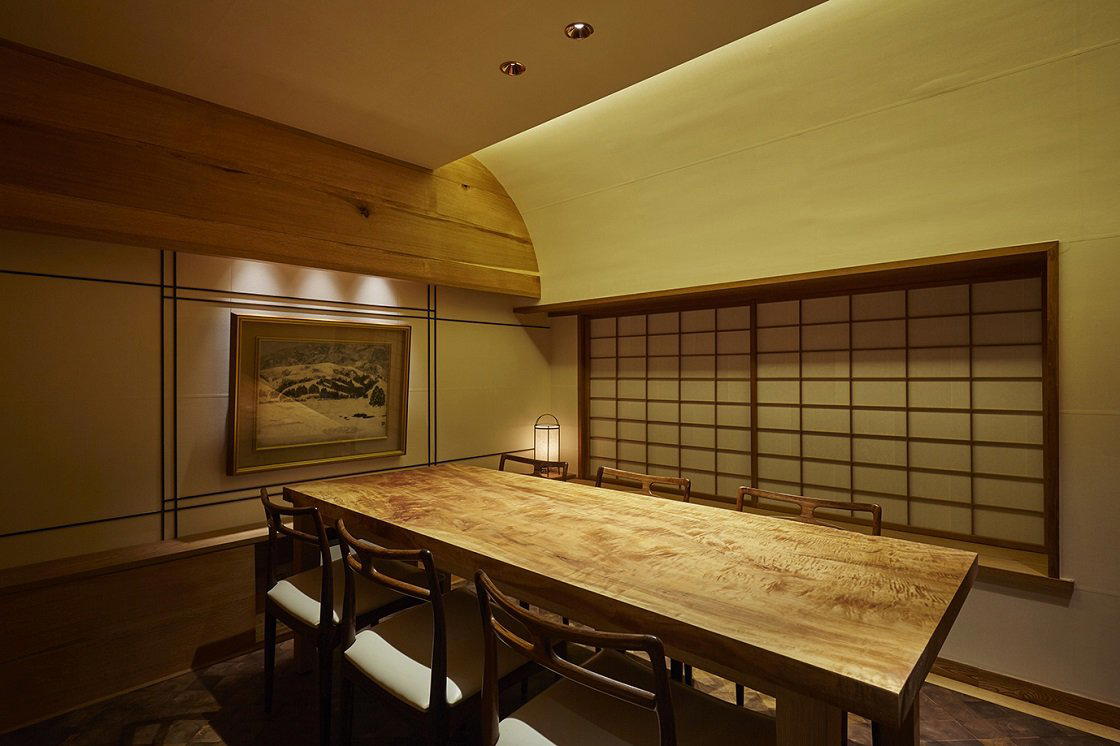


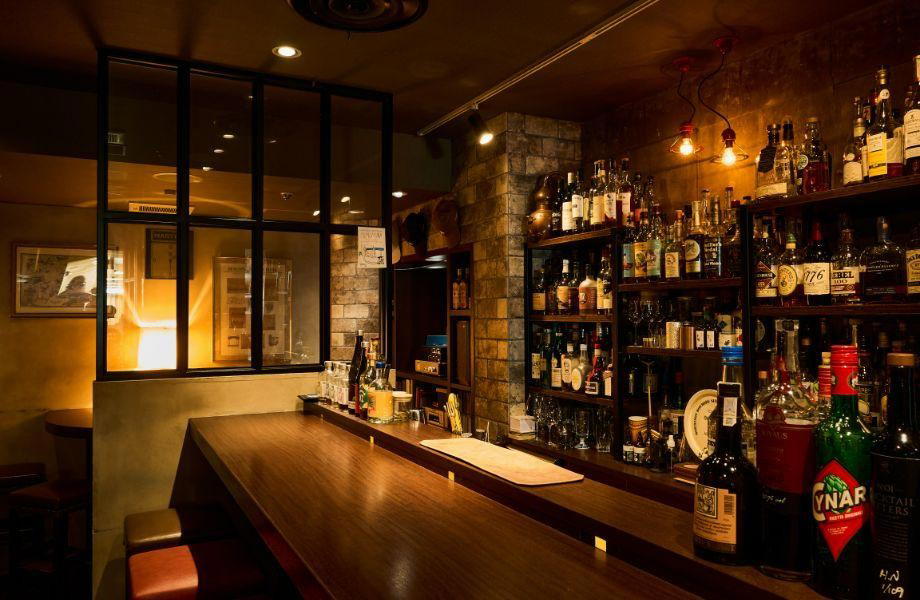
Bars in Osaka
All bars in Osaka →
Hotels in Osaka
All hotels in Osaka →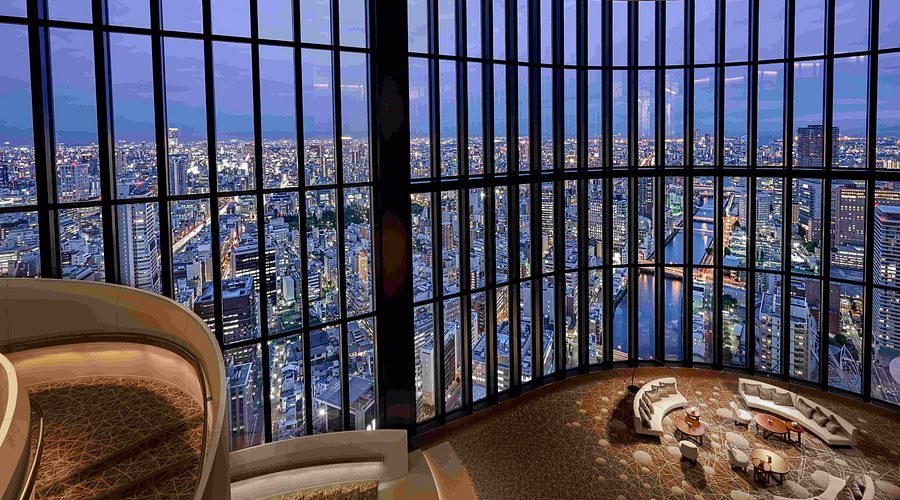
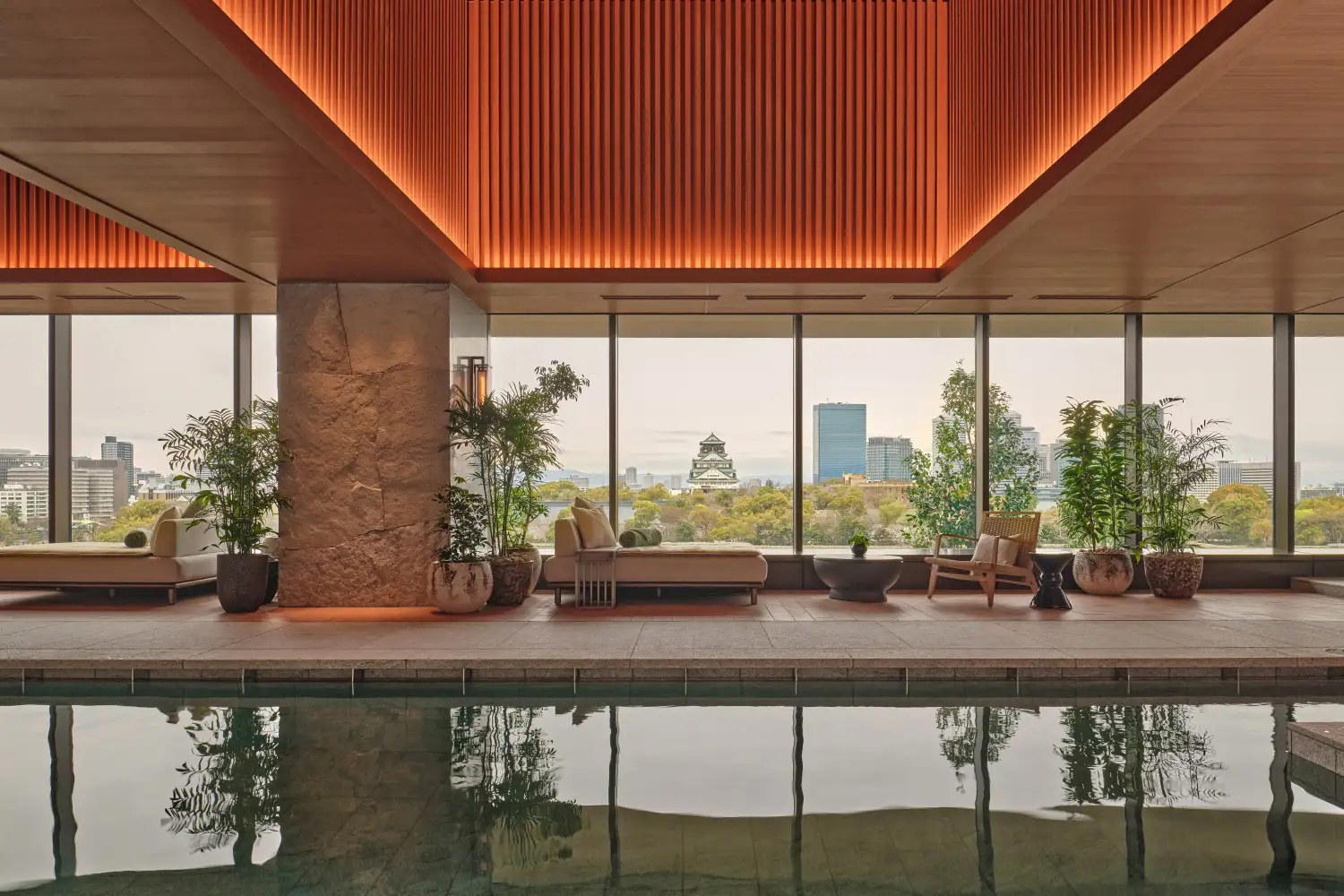



Wineries in Osaka
Browse all →
Details
- Intimate
- Elegant
- Cozy
- Sophisticated
- Date Night
- Special Occasion
- Solo
- Chefs Counter
- Sake Program
- Omakase
- Counter Dining
- Sake Program
Current opening hours
- Monday
- Closed
- Tuesday
- 5:30–10 PM
- Wednesday
- 5:30–10 PM
- Thursday
- 5:30–10 PM
- Friday
- 5:30–10 PM
- Saturday
- 5:30–10 PM
- Sunday
- Closed
Hours can change for holidays and private events. Hours as of .
Lacquered wood counter warmed by soft lighting, creating a refined sanctuary of quiet elegance and personal engagement.