
Michelin Plate
Our verdict
The kitchen works in full view, the philosophy draws on a classical Naniwa craftsman tradition, and the tone is warm without being theatrical.

Pearl is the En Primeur Club membership app, where members save venues, book tables and use the concierge.
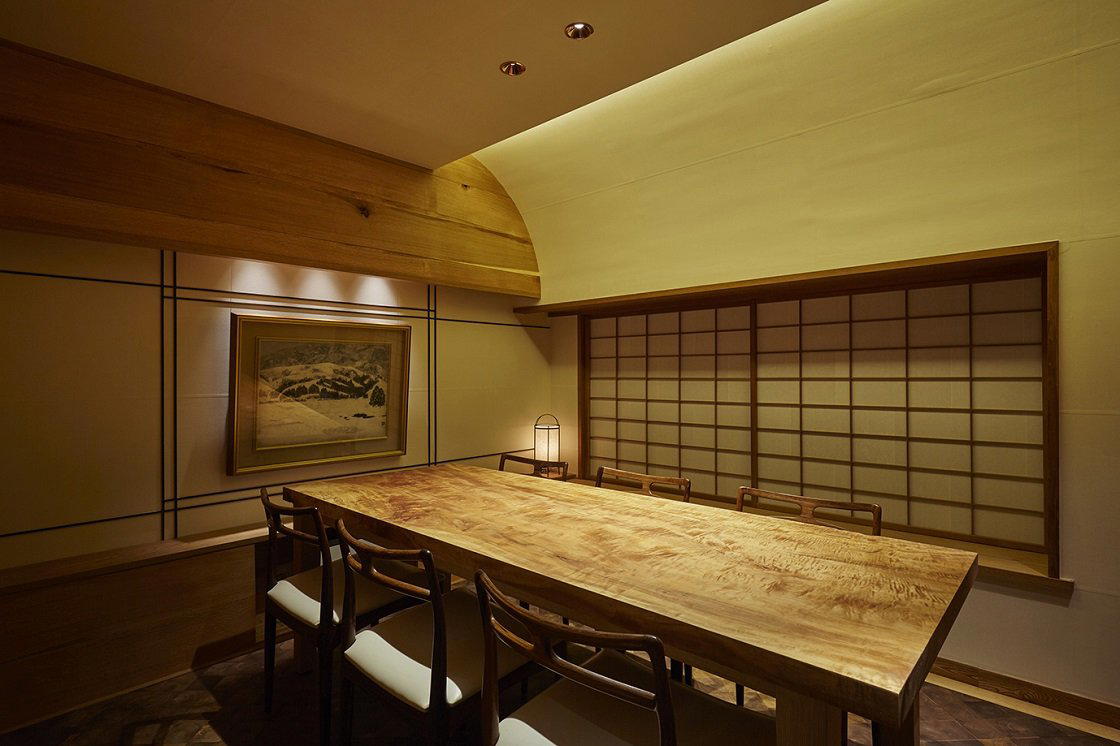
The Counter as Stage: Kappo Dining in Osaka
Osaka has always understood that cooking is a performance, not a secret. In the city's kappo tradition, the kitchen wall comes down entirely: the chef works at a counter, the guest watches, and the distance between preparation and consumption collapses to a few feet of hinoki wood. This format, which predates the omakase boom that swept Tokyo and later the world, belongs specifically to the cultural register of Naniwa, the older name for Osaka that still carries weight among the city's dining establishments.
Kappo sits in an interesting position within the broader map of formal Japanese dining. Kaiseki, as practiced at places like Kashiwaya Osaka Senriyama or Taian, tends toward ceremony and predetermined structure: a sequence of dishes decided before the guest sits down, delivered with a choreography that leaves little room for improvisation. Kappo, by contrast, allows the chef to read the table, adjust the pacing, and respond to what the guest is enjoying. The form carries the rigor of kaiseki sequencing without its rigidity.
This responsiveness is not casual. It requires a chef with deep technical range, since the menu cannot be rehearsed to the same degree every night. The Naniwa kappo model asks the kitchen to be ready for almost anything, and the counter format means every adjustment happens in plain sight. That visibility is the point.
How the Meal Works
At Naniwakappo NOBORU, orders are placed in kaiseki fashion, meaning there is a recognizable arc to the meal: lighter courses giving way to richer ones, seasonal ingredients organized according to the logic of traditional Japanese sequencing. But the content within that arc shifts according to the mood of the day and the preferences of each guest. The phrase guiding the kitchen comes from the restaurant where the chef trained: Shinjo o hakari, ninjo wo kurau, which translates roughly as an exhortation to read the guest's spirit and serve what they truly desire. This is not a license for improvisation without discipline; it is a philosophy of attentiveness.
That attentiveness shapes the pacing of the meal more than any fixed menu could. A guest who lingers over a particular dish may find the next course held back slightly. A guest who has signaled enthusiasm for a certain ingredient may find it reappear in a later form. The counter enables this kind of dialogue because both parties can see each other throughout. The chef's smiles and conversation, noted specifically in Michelin's own assessment of the restaurant, are not decoration. They are the medium through which the meal's adjustments get negotiated.
This stands in contrast to the more tightly scripted formats at higher price points across Osaka. The French-influenced tasting menus at places like Hajime or La Cime (both rated ¥¥¥¥) operate on a different logic, one where the chef's vision is fully determined before the guest arrives. Naniwakappo NOBORU, at the ¥¥¥ tier, positions itself inside the Japanese tradition where reading the guest is itself part of the craft.
The Naniwa Craftsman Tradition
The restaurant's name carries its context deliberately. Naniwakappo signals both a geographical identity and a set of values. The craftsman spirit of Osaka's kappo lineage is one of directness: good ingredients, skilled technique, no unnecessary flourish. The watchword here is, simply, flavour first. This is an older idea than the plating-led aesthetics that now define much of Japan's fine dining conversation, and in Osaka it has always had particular force. The city's food culture has historically been less interested in restraint as a visual statement and more interested in depth of flavour as an end in itself.
Venues like Miyamoto, Oimatsu Hisano, Tenjimbashi Aoki, and Yugen each represent distinct approaches to formal Japanese cooking in the city. What sets the kappo format apart from all of them is the structural openness of the counter: no curtain, no separation, no ritual distance.
The same format, in slightly different registers, can be found at Tokyo counters like Myojaku and Azabu Kadowaki. The Kansai interpretation, however, tends to carry a warmer social register than its Tokyo equivalents, reflecting the broader cultural difference between the two cities. Osaka's food culture is, by general consensus, less reverential and more conversational.
Osaka in Context: Placing NOBORU on the Regional Map
Any serious engagement with Japanese fine dining across the Kansai and wider Japan regions will eventually orbit back to the question of what each city does distinctively. Gion Sasaki in Kyoto represents the more ceremonial end of the kaiseki tradition. Harutaka in Tokyo sits in the precision-driven omakase counter world. Further afield, akordu in Nara, Goh in Fukuoka, 1000 in Yokohama, and 6 in Okinawa each define their own local registers. Naniwakappo NOBORU belongs to none of these traditions directly, but the Naniwa kappo lineage it draws on is as specifically Osaka as any of them are specific to their own cities.
For visitors building a broader Japan itinerary, the restaurant sits in Kita Ward, Osaka's main commercial and transport hub, which puts it within easy reach of both Osaka Station and the Umeda interchange. This makes it more logistically accessible than some of the south-side Osaka restaurants, and considerably more central than venues in the Senriyama or Shinsaibashi areas. The full scope of what Osaka offers beyond the restaurant is covered in our full Osaka restaurants guide, and visitors who want to plan around accommodation, bars, or experiences in the city can consult our full Osaka hotels guide, our full Osaka bars guide, our full Osaka wineries guide, and our full Osaka experiences guide.
What Michelin's Assessment Signals
A Michelin Plate is awarded to restaurants that inspectors consider worth visiting, distinct from the Bib Gourmand (which signals value at a modest price) and below the star tier. Neither number alone is sufficient; together they suggest a restaurant that has found a stable register and is executing it reliably.
Know Before You Go
- Address: 1 Chome-3-12 Oyodominami, Kita Ward, Osaka, 531-0075, Japan
- Price range: ¥¥¥
- Cuisine format: Kappo counter, kaiseki sequencing with daily variation
- Booking: Contact the restaurant directly; advance reservations are expected for Michelin-recognised counters in this price tier
- Language: English-language bookings may require a Japanese-speaking intermediary or hotel concierge assistance
Frequently asked questions
at Naniwakappo NOBORU?
The menu at Naniwakappo NOBORU is not fixed in the way a printed tasting menu would be. Orders are placed in kaiseki sequence, but the actual dishes shift with the season, the day's market, and the preferences of each guest at the counter. This is precisely how kappo is meant to function: the chef adapts rather than performs a predetermined script. Given that the restaurant's guiding principle is serving what the diner truly desires, the most productive approach is to communicate clearly at the counter about ingredients or preparations you respond to. The Michelin assessment specifically calls out the kitchen's commitment to flavour as its primary criterion, which places seasonal produce and technique above any single signature item. Rather than arriving with a specific dish in mind, arrive with an openness to the counter format, and let the sequencing and the chef's read of the room do its work.
How far ahead should I plan for Naniwakappo NOBORU?
Michelin-recognised counters in Osaka at the ¥¥¥ tier typically require reservations made at least several weeks in advance, and for first-time visitors without an existing relationship with the restaurant, a booking window of four to eight weeks is a reasonable working assumption. The counter format means seat count is inherently limited, which compresses availability further than a larger dining room would. If you are travelling from outside Japan, securing a reservation before you arrive is close to obligatory: walk-in access at this level of recognition is unlikely, and concierge assistance from your hotel can be valuable if a language barrier complicates direct contact. Visiting during Osaka's high-traffic travel periods (Golden Week in late April to early May, and the autumn foliage season in November) will add further pressure on availability, so planning with additional lead time during those windows is advisable.
Pricing, Compared
| Venue | Cuisine | Price | Awards |
|---|---|---|---|
| Naniwakappo NOBORUThis venue (the venue you are viewing) | Naniwa Kappo | $100–150 | Michelin Plate |
| HAJIME | Avant-Garde Japanese Fine Dining | $300–500 | 3 Michelin Stars · World's 50 Best #83 |
| La Cime | Modern French with Japanese Ingredients | $150–200 | 2 Michelin Stars · World's 50 Best #13 |
| Kashiwaya Osaka Senriyama | Seasonal Kaiseki Omakase | $200–300 | 3 Michelin Stars · La Liste Top Restaurants |
| Taian | Traditional Japanese Kaiseki Omakase | $150–200 | 3 Michelin Stars · La Liste Top Restaurants |
| Fujiya 1935 | Modern Japanese with European influences | $100–150 | 2 Michelin Stars · La Liste Top Restaurants |
Recognition history
Dated appearances from independent guides and award organizations, with the underlying list record or original source where available.
Michelin Plate
Michelin
Full recognition history (2 entries)
Michelin Plate
Michelin
Continue exploring
More in Osaka
Restaurants in Osaka
All restaurants in Osaka →



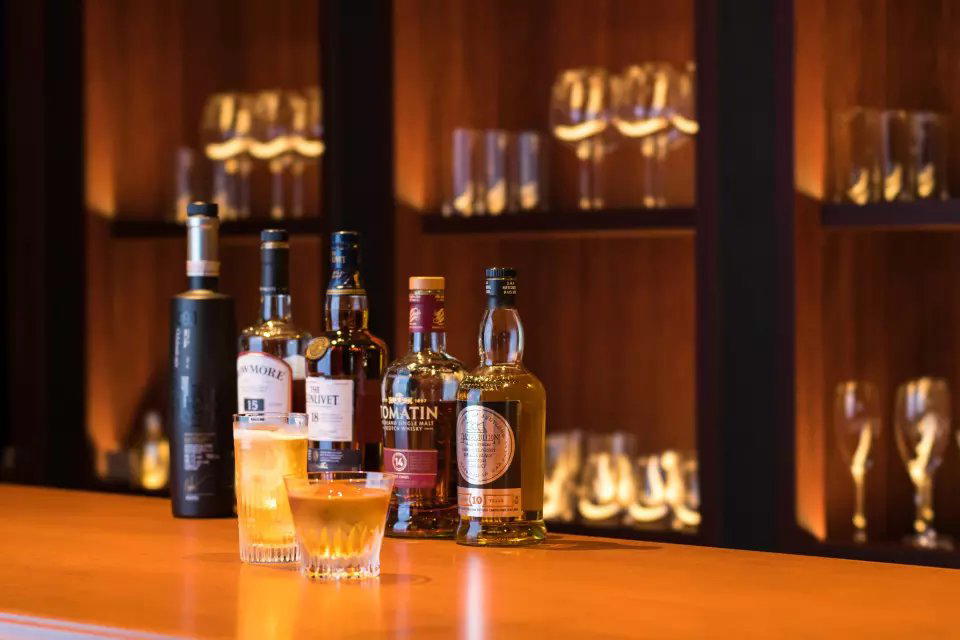
Bars in Osaka
All bars in Osaka →



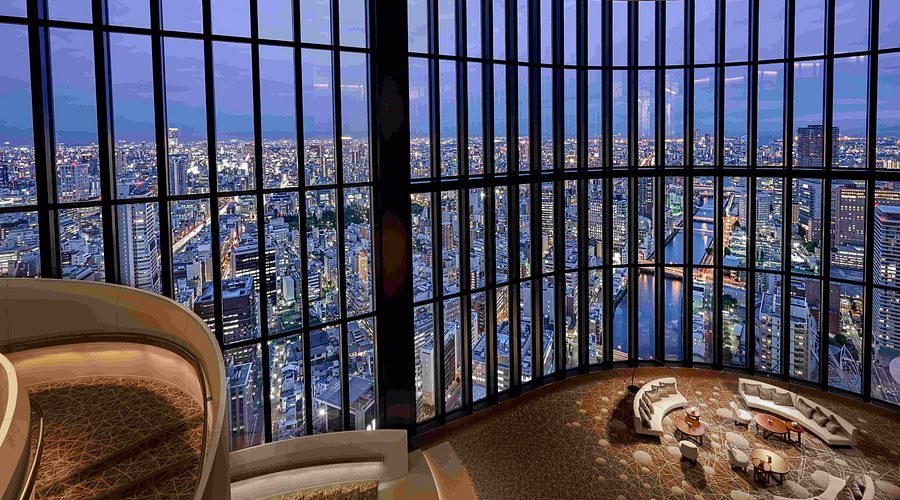
Hotels in Osaka
All hotels in Osaka →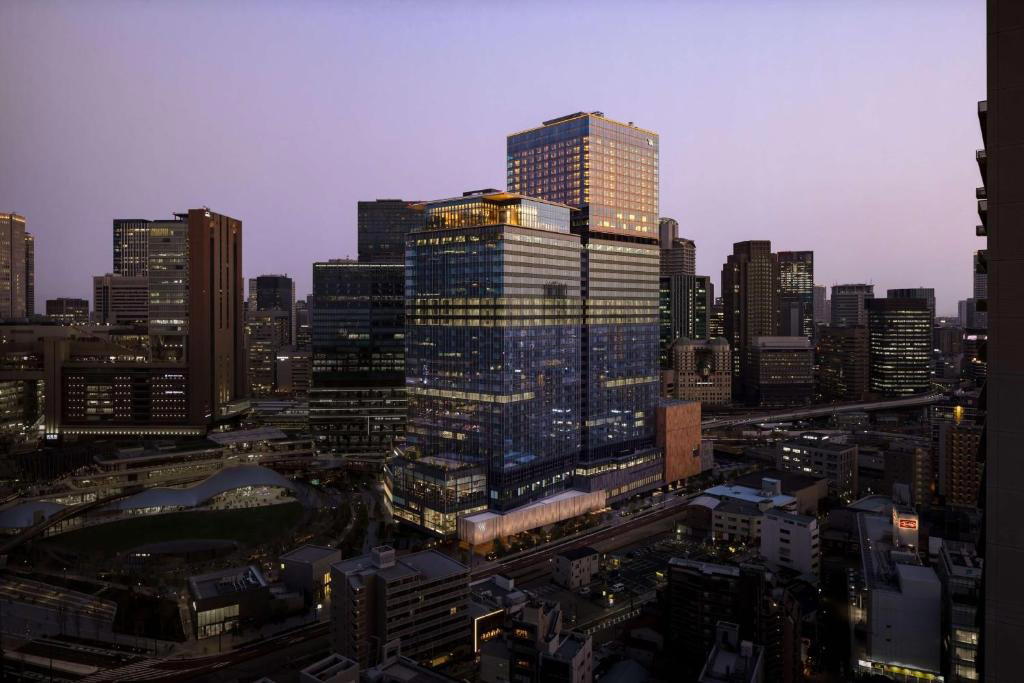


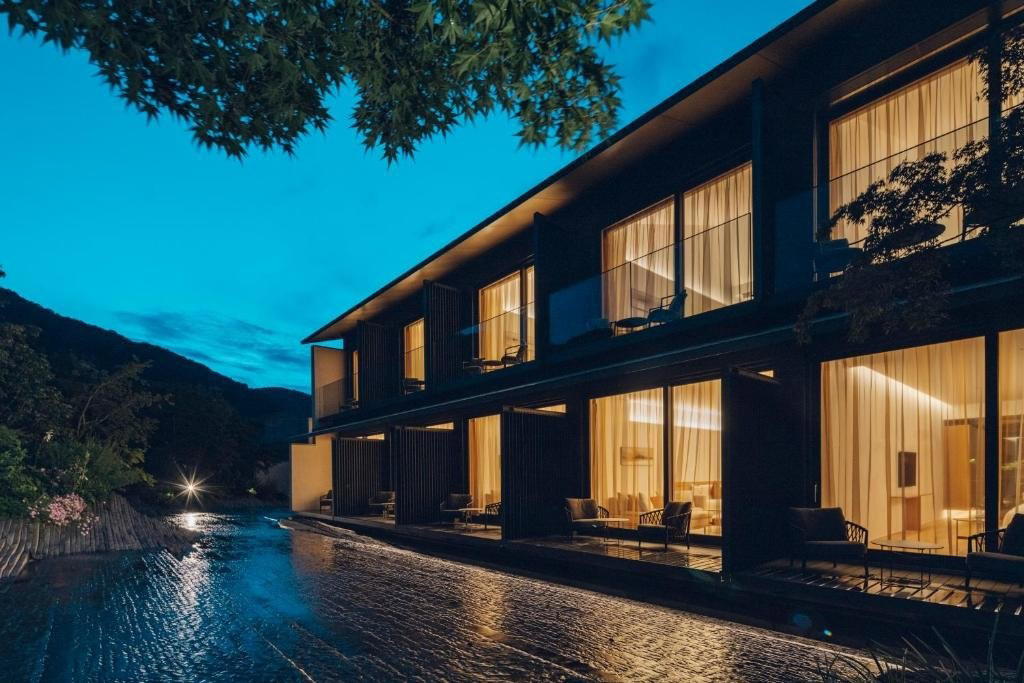
Wineries in Osaka
Browse all →
Details
- Elegant
- Intimate
- Sophisticated
- Cozy
- Relaxed
- Special Occasion
- Business Dinner
- Celebration
- Chefs Counter
- Private Dining
- Open Kitchen
- Sake Program
- Local Sourcing
- Omakase
- Counter Dining
- Tasting Menu
- Sake Program
Current opening hours
- Monday
- Closed
- Tuesday
- Closed
- Wednesday
- 6–10 PM
- Thursday
- 6–10 PM
- Friday
- 12–3 PM, 6–10 PM
- Saturday
- 12–3 PM, 6–10 PM
- Sunday
- 12–3 PM, 6–10 PM
Hours can change for holidays and private events. Hours as of .
Calm and relaxing atmosphere with stylish, spacious seating including counter and tatami private rooms.