
A Michelin-starred kaiseki table in Kyoto's Sakyo Ward, Nakazen draws its seasonal menus from the Ohara region and sources fish from Awaji Island, where the chef trained. Set in a residential district rather than a tourist corridor, it represents the quieter, community-rooted tier of Kyoto dining, earning.
Pearl is the En Primeur Club membership app — saves, bookings, and concierge access live there. Same editors, same standards.
- Address
- 26 Kitashirakawa Kubotacho, Sakyo Ward, Kyoto, 606-8266, Japan
- Phone
- +81 75-708-7519
- Website
- nakazen-kyoto.com
- Directions
- Get directions
 Saves & bookings on Pearl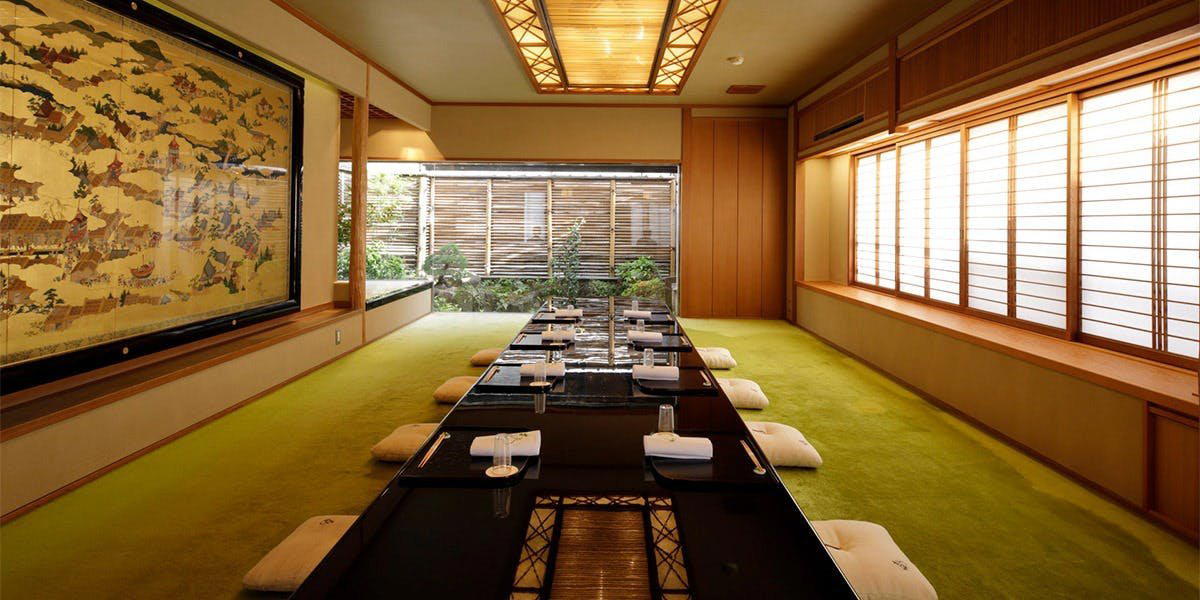
A Residential District and Its Table
Nakazen is a one-star Michelin restaurant in Kyoto serving Traditional Kyoto Kaiseki at about $120 per person. Sakyo Ward's quieter northern reaches operate by different rules. The streets around Kitashirakawa run through a neighbourhood that feels genuinely lived-in: small grocers, local sake shops, houses with tended gardens. When a chef chooses this kind of address over a more visible postcode, it is usually a deliberate signal about who the restaurant is for and what it is trying to say.
Nakazen, at 26 Kitashirakawa Kubotacho, sits precisely in this register. The address is not a calculated act of anti-establishment branding, it reflects a direct orientation toward the surrounding community and toward the produce that grows nearby. This is a type of Japanese restaurant with a long tradition but relatively few current practitioners who stay true to it: the neighbourhood table, rooted in local supply chains and shaped by the immediate geography rather than the demands of a destination dining circuit.
What the Menu Is Made Of
The seasonal menu at Nakazen draws on vegetables from Ohara, the mountain village north of Kyoto that has supplied the city's kitchens for centuries. Ohara's terraced fields produce ingredients that carry a specificity of place, the result of elevation, cold mountain water, and growing conditions that differ meaningfully from the flatland farms closer to central Kyoto. Using these ingredients is not a marketing decision; it is a sourcing logic that connects the kitchen to a geography within roughly twenty kilometres.
Fish arrive from Awaji Island, off the coast between Osaka Bay and the Seto Inland Sea. Awaji has long held a reputation in the Kansai food supply as a source of high-quality sea bream and other coastal fish, and the connection here runs through the chef's own training rather than through a broker relationship. That kind of direct supply link shapes what ends up on the plate in ways that are difficult to replicate through conventional procurement.
This combination, mountain vegetables from Ohara, coastal fish from Awaji, describes a kitchen operating within a defined geography. The menu changes with the seasons because the supply changes with the seasons. Spring vegetables, summer river fish, autumn mushrooms and root vegetables, winter citrus and preserved ingredients: the progression is not a concept, it is the natural consequence of the sourcing approach.
Where Nakazen Sits in Kyoto's Dining Structure
Kyoto's restaurant sector occupies an unusual position in the Japanese dining hierarchy. The city has the highest density of long-established kaiseki houses in the country, several of which have held Michelin recognition continuously since the guide entered Japan in 2007. The upper tier, represented by restaurants like Kyokaiseki Kichisen operating at ¥¥¥¥, commands a different price point and a different clientele than the mid-tier. Nakazen prices at ¥¥¥, placing it in a bracket that also includes Italian-influenced tables like cenci but at a meaningfully different level of formality and tradition than the upper-end kaiseki houses.
For context on how Kyoto's one-starred restaurants position themselves relative to peers, consider the difference between a table in Gion, where restaurants like Gion Matayoshi and Kenninji Gion Maruyama draw heavily from the heritage tourism circuit, and a table in a residential ward, where the walk to the door passes homes and not gift shops. The context changes what a meal means and, practically, who is likely to be sitting nearby.
Nakazen's 2024 Michelin one-star recognition places it in a category that includes some of Kyoto's most considered cooking, alongside addresses like Kikunoi Roan and Isshisoden Nakamura. The star validates the kitchen's technical level without repositioning the restaurant toward the high-volume destination circuit. It remains, by address and orientation, a neighbourhood table that happens to cook at Michelin standard.
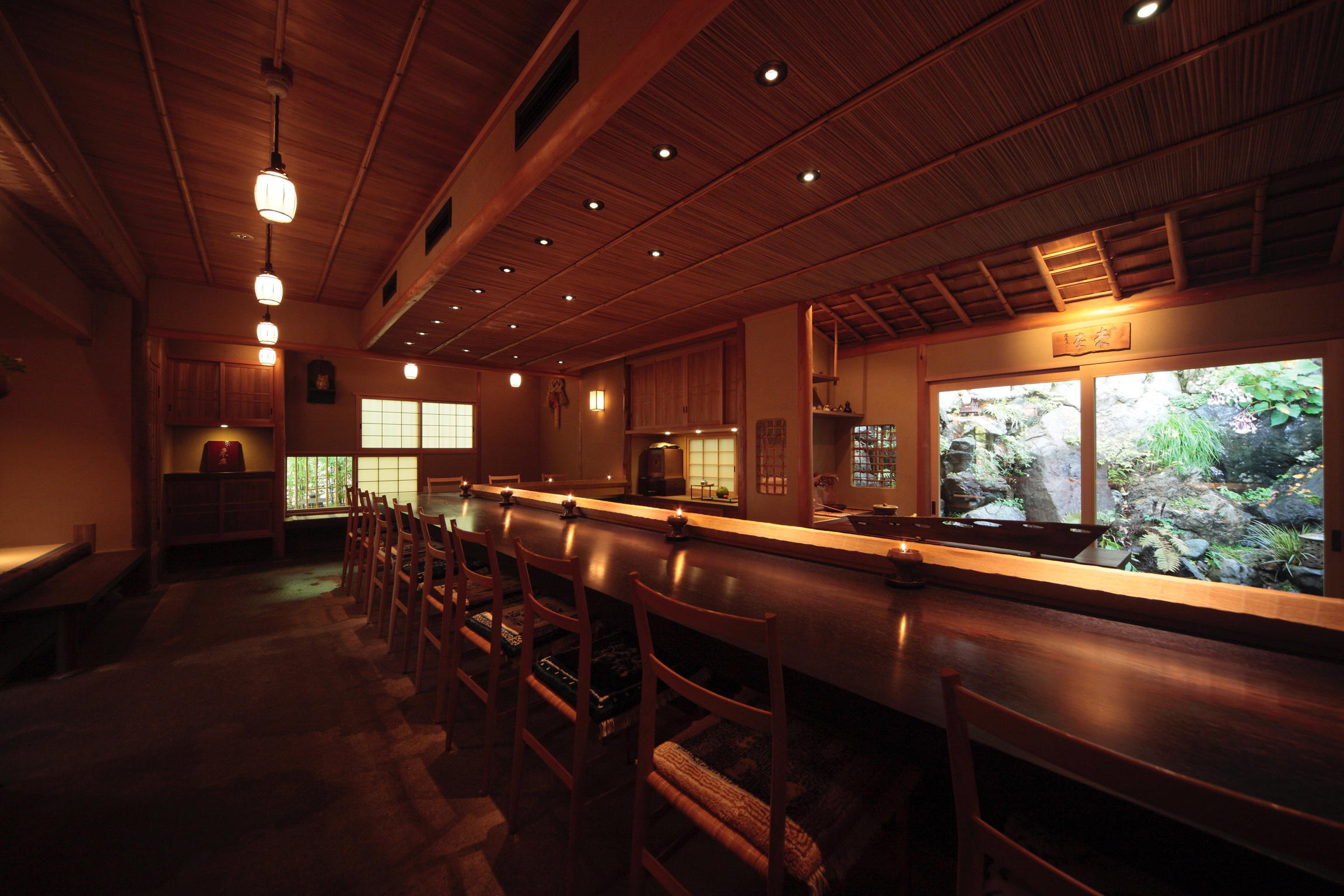
The Dining Room as an Extension of the Street
The editorial angle that matters here is spatial: what it means for a restaurant to occupy a residential block rather than a commercial one. In cities like Tokyo, the neighbourhood restaurant model is common enough that it barely registers. In Kyoto, where the tourism infrastructure has pushed many mid-tier restaurants toward the established visitor districts, a functioning local table in Sakyo Ward reads differently. It suggests a clientele that includes regulars, a pace that is not calibrated to tourist itineraries, and a service register that is relaxed rather than ceremonially formal.
The service at Nakazen is warm rather than austere, a distinction that matters in a city where some traditional dining formats can feel closer to ritual performance than to hospitality. The gap between those two outcomes is significant in practice.
For comparison, Kyoto tables at higher price points, Kodaiji Jugyuan among them, operate within a register where the formal weight of the meal is part of the proposition. Nakazen's register is less weighted in that direction. The food is the point; the setting is comfortable rather than theatrical.
Craft Lineage and Community Roots
The owner-chef's background runs through a family with craft food traditions: a grandfather in catering, a father in baking. This kind of multigenerational proximity to food preparation produces something different from a chef who trained first in professional kitchens and only later developed a relationship with ingredients. The sourcing decisions at Nakazen, Ohara vegetables, Awaji fish, read as extensions of a personal geography rather than research-driven menu development. Within Japan's kaiseki tradition, the distinction between technique-forward cooking and ingredient-forward cooking is well-established; Nakazen positions toward the latter.
This connects Nakazen to a broader pattern visible across several Japanese cities. Tables like Myojaku in Tokyo and Azabu Kadowaki reflect a similar orientation: Michelin-level craft expressed through local and seasonal supply rather than through elaborate technique or imported luxury ingredients. The same impulse appears in restaurants further afield, akordu in Nara, Goh in Fukuoka, where the supply chain is the creative brief. For a broader view of how this philosophy operates across Japan, the range extends from Harutaka in Tokyo to HAJIME in Osaka, 1000 in Yokohama, and 6 in Okinawa.
Planning Your Visit
Nakazen is located at 26 Kitashirakawa Kubotacho in Sakyo Ward, north of the Heian Shrine area, away from the main tourist routes. The address falls outside the standard Kyoto walking circuits, which means arrival by taxi or public transport requires planning. Sakyo Ward is served by bus lines connecting to Kyoto Station and the Keage area, but the specific block sits at a remove from major interchange points.
| Detail | Nakazen | Gion Sasaki (peer ref.) | Ifuki (peer ref.) |
|---|---|---|---|
| Price Tier | ¥¥¥ | ¥¥¥¥ | ¥¥¥¥ |
| Michelin | 1 Star (2024) | Starred | Starred |
| District | Sakyo Ward (residential) | Gion (tourist corridor) | Central Kyoto |
| Cuisine | Japanese / seasonal | Kaiseki | Kaiseki |
| Google Score | 4.7 (69 reviews) | N/A | N/A |
Booking is recommended, and the restaurant is open Monday, Tuesday, Thursday through Sunday from 6:30 PM to 12 AM, with Wednesday closed.
What It’s Closest To
Comparable venues nearby, for context on price, style, and recognition.
| Venue | Cuisine | Price | Awards | Notes |
|---|---|---|---|---|
| NakazenThis venue — the venue you are viewing | Traditional Kyoto Kaiseki | $$$ | Michelin 1 Star | Not listed |
| Kako Okamoto | Kaiseki with Sake Pairing | $$$ | Michelin 1 Star | Higashiyama |
| Enyuan Kobayashi | Tempura Kaiseki | $$$$ | Michelin 1 Star | Higashiyama |
| Tenjaku | Kyoto-style Kaiseki with Tempura | $$$$ | Michelin 1 Star | Kamigyō |
| Nijo Minami | Michelin-Starred Kyoto Kaiseki | $$$$ | Michelin 1 Star | Nakagyō |
| Nijojo Furuta | Michelin 1-Star Kyoto Kaiseki | $$$$ | Michelin 1 Star | Nakagyō |
Recognition history
Dated appearances from independent guides and award organizations, with the underlying list record or original source where available.
Michelin 1 Star
Michelin
Michelin 1 Star
Michelin
Continue exploring
More in Kyoto
Restaurants in Kyoto
Browse all →
Bars in Kyoto
Browse all →
Hotels in Kyoto
Browse all →

Wineries in Kyoto
Browse all →
At a Glance
- Intimate
- Cozy
- Elegant
- Minimalist
- Special Occasion
- Date Night
- Sake Program
- Local Sourcing
Current opening hours
- Monday
- 6:30 PM–12 AM
- Tuesday
- 6:30 PM–12 AM
- Wednesday
- Closed
- Thursday
- 6:30 PM–12 AM
- Friday
- 6:30 PM–12 AM
- Saturday
- 6:30 PM–12 AM
- Sunday
- 6:30 PM–12 AM
Hours can change for holidays and private events. Last verified .
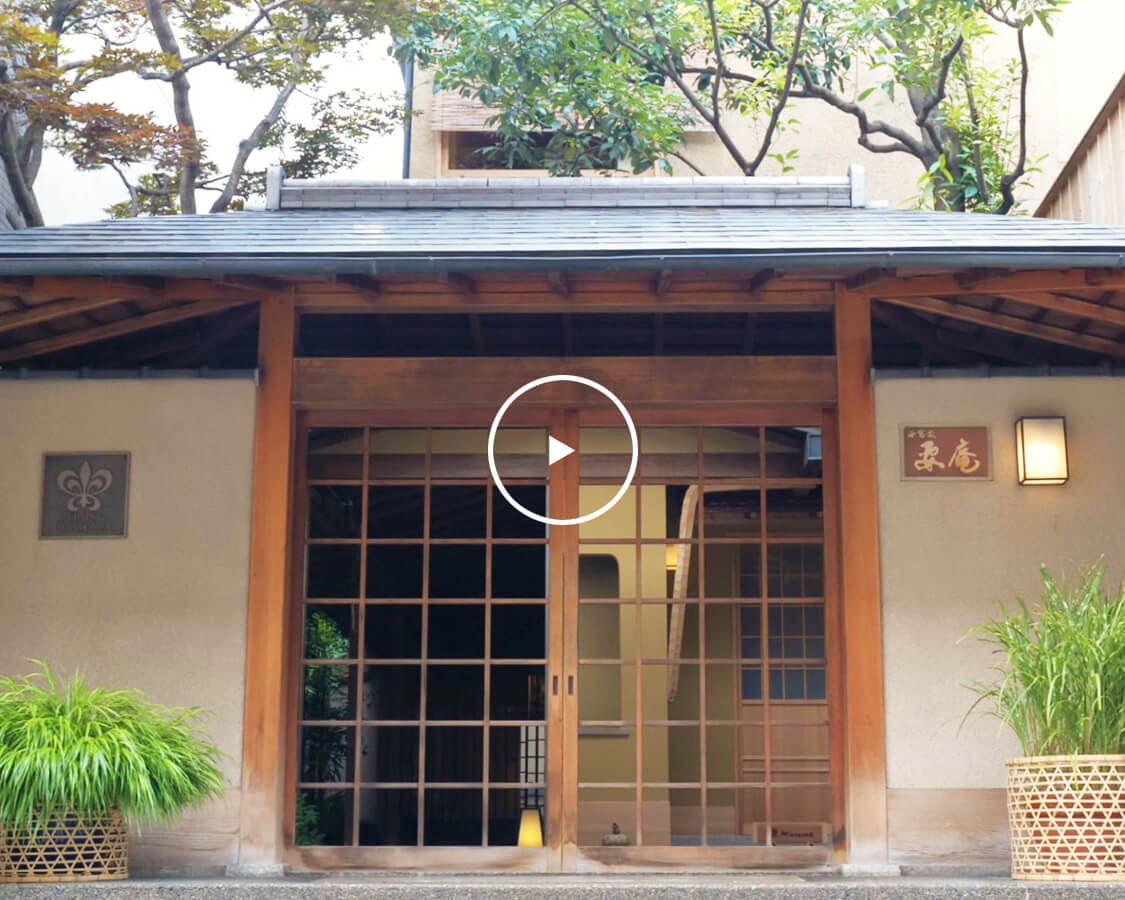
Minimalist decor with warm, hushed intimacy creating a relaxing, personal atmosphere.