
Forbes Recommended
Open since 1952 on the Kurfürstendamm, Hotel Bristol Berlin carries seven decades of West Berlin's social history — John F. Kennedy, Cary Grant, and Ava Gardner have all passed through its doors. A recent renovation layered contemporary comforts over that heritage, while the location keeps Berlin's zoo, Tiergarten, and the city's U-Bahn network within easy reach.

Pearl is the En Primeur Club membership app — saves, bookings, and concierge access live there. Same editors, same standards.
Kurfürstendamm: The Address That Still Carries Weight
The Kurfürstendamm — Ku'damm to anyone who has spent more than a weekend in Berlin — is one of those thoroughfares that functions simultaneously as a shopping artery, a cultural barometer, and a shorthand for an entire era of the city's identity. West Berlin built its postwar confidence along this boulevard, and the hotels that opened here in the 1950s were, in a real sense, declarations of civic optimism. Hotel Bristol Berlin, which opened in 1952 at number 27, sits squarely inside that history. To stay on Ku'damm today is to opt for a different Berlin from the one offered by Mitte's renovated bank-buildings-turned-hotels or Prenzlauer Berg's converted structures. It is a choice for western Berlin's particular atmosphere: commercial without being frantic, historic without feeling fossilised.
That neighbourhood character shapes the practical logic of the hotel more than any amenity list can. The Berlin Zoo and the aquarium are a short walk east. Tiergarten, the city's largest park at roughly 520 acres, is reachable on foot in under ten minutes. 25hours Hotel Bikini Berlin sits in the same cluster, facing the zoo from the opposite angle, which gives a useful sense of how the immediate neighbourhood has been repopulated by different hospitality approaches over the years. Hotel Bristol occupies the older, more formally structured end of that spectrum.
Seven Decades of Guests, One Recent Renovation
The guest list attached to Hotel Bristol Berlin reads less like a hotel record and more like a mid-century cultural inventory. John F. Kennedy, Cary Grant, and Ava Gardner are among the names publicly associated with the property, a credential that positions it alongside a small number of European hotels where the history of the building is itself part of what guests are paying for. That kind of institutional memory is not manufactured; it accrues over decades of being in the right place at the right time, and Ku'damm in the postwar decades was precisely that place.
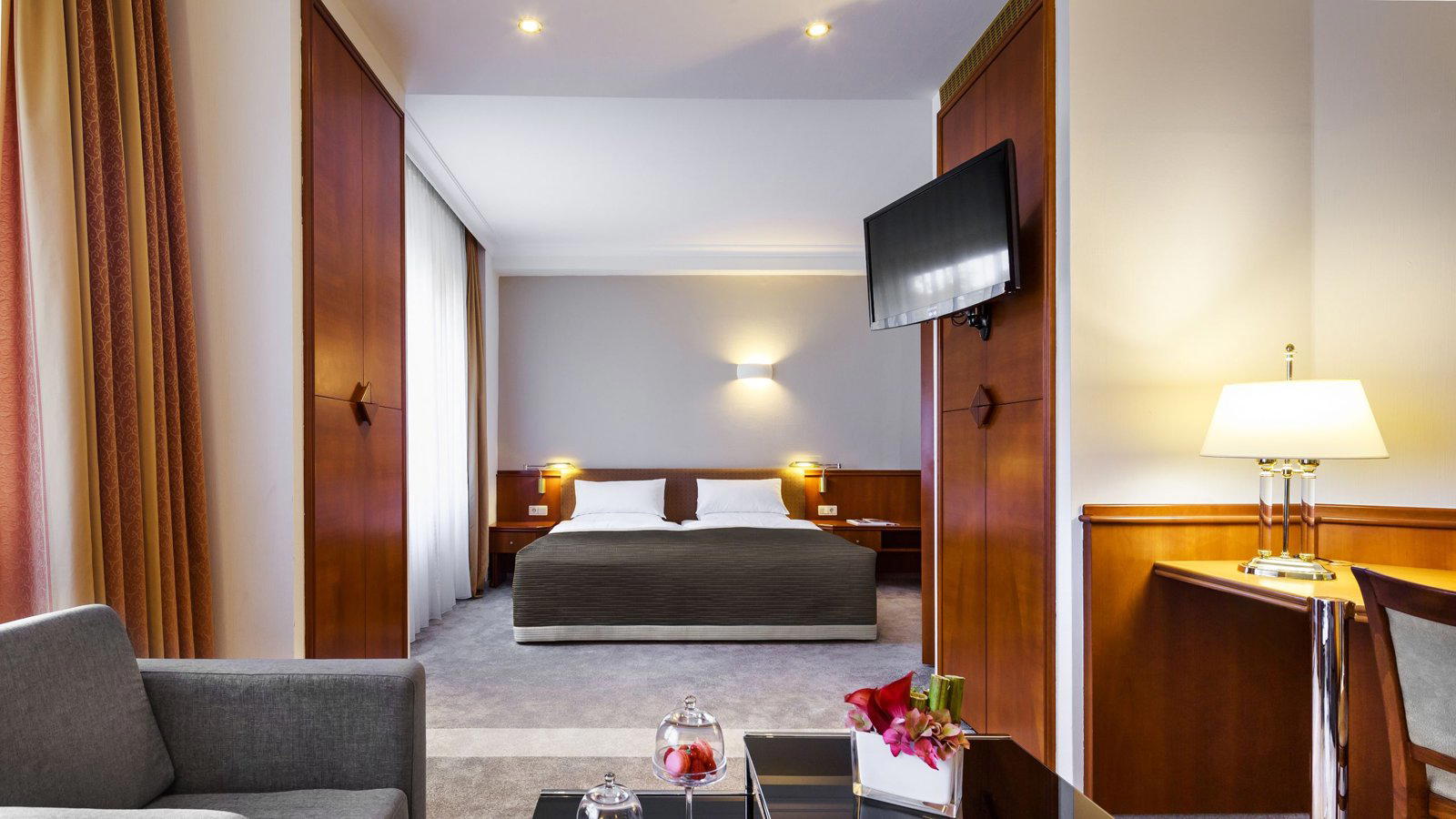
The challenge for any hotel of this vintage is threading the needle between historical atmosphere and contemporary expectation. A renovation addressed that tension by introducing modern comforts without stripping the property of the architectural character that gives it authority. The tower rooms, 64 in total, were refurbished in 2009 and now carry the most contemporary aesthetic in the building: dark mahogany woods, neutral colour palette, a visual register closer to what you find in newer West Berlin openings. The rooms across the main floors sit in a more traditional register, with warm woods, rich fabrics, and brass accessories that read as period-appropriate rather than dated. This split-personality approach across the building's two sections, historic block and 11-storey tower, gives the hotel a wider stylistic range than most of its immediate peers. Guests selecting rooms are, in effect, choosing which version of the hotel they want to inhabit.
All rooms carry the practical baseline: pillow selection as standard, Tempur-Pedic mattresses available on request, television, and minibar. The 55 suites fall into seven distinct categories, each sitting somewhere on the spectrum between traditional-elegant and contemporary. For those prioritising views over interior style, the Ku'damm Suite looks directly over the boulevard below, a useful orientation point for first-time visitors trying to absorb the geography of western Berlin from a high vantage.
By comparison, Hotel de Rome in Mitte operates inside a former bank building with its own form of institutional drama, while The Ritz-Carlton, Berlin occupies the Potsdamer Platz end of the luxury market. Hotel Bristol's distinction is specifically its Ku'damm address and its uninterrupted operating history from 1952, neither of those can be replicated by newer entrants.
The Wellness Offering and What It Signals
The wellness area at Hotel Bristol was designed in a Roman-Greek aesthetic, light-filled, tile-heavy, deliberately classical in reference. A heated 59-foot pool sits at its centre, supported by sauna, infrared cabin, steam room, and cold plunge pool. The combination covers a serious range of thermal therapy options without requiring guests to leave the building, which matters particularly in Berlin's colder months when the gap between a warm pool and an icy plunge becomes the entire point of a winter stay.
A pool bar serving drinks and light snacks rounds out the offer, and a fitness room handles the more utilitarian end of wellness demand. This is not the type of destination spa that anchors itself as a selling point in the way that, say, Schloss Elmau Luxury Spa Retreat & Cultural Hideaway in Elmau or Das Kranzbach Hotel & Wellness Retreat in Kranzbach do. It is, instead, a well-equipped hotel wellness floor that serves as a complement to an urban stay rather than the reason for it.
Getting Around from Ku'damm
The U-Bahn station directly opposite the hotel solves what is, for many Berlin visitors, the central logistical question: how quickly can you move from a western-Berlin base into the eastern and central districts that now hold much of the city's contemporary cultural energy. The answer, from this address, is efficiently. Mitte, Alexanderplatz, and the gallery district around Hackescher Markt are all accessible without a taxi or a long walk. Adina Apartment Hotel Berlin Hackescher Markt sits at the other end of that U-Bahn logic, embedded in the eastern districts for guests who prefer that orientation. Hotel Bristol's value proposition runs in the opposite direction: base yourself in the west, move east as needed.
For guests who prefer not to use public transport, a limousine service is available on request, a useful note for arrivals from Tegel or early morning departures when the U-Bahn schedule is less convenient.
Those building a broader German itinerary from Berlin should note that the country's luxury hotel tier extends well beyond the capital. Fairmont Hotel Vier Jahreszeiten in Hamburg, Excelsior Hotel Ernst in Cologne, and Breidenbacher Hof Düsseldorf each occupy a similar tier in their respective cities. For alpine alternatives, Hotel Bareiss in Baiersbronn and Althoff Seehotel Überfahrt in Rottach-Egern represent a different register entirely. See our full Berlin restaurants and hotels guide for deeper coverage of the city.
Other Berlin properties worth mapping against Hotel Bristol include Patrick Hellmann Schlosshotel for those who want a more secluded, villa-style setting in Grunewald, Telegraphenamt for adaptive-reuse architecture in Mitte, and Roomers Berlin Steinplatz, Autograph Collection for a design-forward option in Charlottenburg. Casa Camper Berlin offers a smaller-scale alternative for those who prioritise neighbourhood-embedded character over historical footprint. Internationally, the heritage-hotel model Hotel Bristol most closely resembles can be found at properties like The Fifth Avenue Hotel in New York City and Aman Venice, each of which trades on a specific address and accumulated institutional history in a comparable way.
Peers in This Market
Comparable venues nearby, for context on price, style, and recognition.
| Venue | Cuisine | Price | Awards | Notes |
|---|---|---|---|---|
| Hotel Bristol BerlinThis venue — the venue you are viewing | Historic luxury hotel blending Berlin's architectural heritage with contemporary comfort and refined service. | $200–300 | Forbes Recommended | Not listed |
| Adina Apartment Hotel Berlin Hackescher Markt | contemporary apartment hotel with European design | $1–100 | Not listed | Mitte |
| Cosmo Hotel Berlin Mitte | Contemporary urban design hotel | $100–200 | Michelin Selected | Mitte |
| Hotel Louisa´s Place | Owner-run boutique hotel blending Berlin's Golden Age charm with contemporary luxury. | $200–300 | Not listed | Wilmersdorf |
| Provocateur | Art Nouveau building with restored 1912 elevator and burlesque interiors | $100–200 | Michelin Selected · Design Hotels Member | Wilmersdorf |
| Waldorf Astoria Berlin | Contemporary luxury Art Deco palace hotel with modern amenities and classical elegance. | $300–500 | 2 Michelin Keys · Michelin Guide New Hotels New Hotel | Charlottenburg |
Recognition history
Dated appearances from independent guides and award organizations, with the underlying list record or original source where available.
Forbes Recommended
Forbes
Full recognition history (2 entries)
Forbes Recommended
Forbes
Continue exploring
More in Berlin
Hotels in Berlin
All hotels in Berlin →
Bars in Berlin
All bars in Berlin →
Restaurants in Berlin
All restaurants in Berlin →

Details
- Classic
- Elegant
- Sophisticated
- Well Known
- Business Trip
- Romantic Getaway
- Family Vacation
- Weekend Escape
- Historic Building
- Terrace
- Garden
- Panoramic View
- Wi Fi
- Pool
- Spa
- Fitness Center
- Room Service
- Concierge
- Business Center
- Restaurant
- Bar
- Sauna
- Bicycle Rental
- Street Scene
- Wheelchair Accessible
- Elevator
- Accessible Restroom
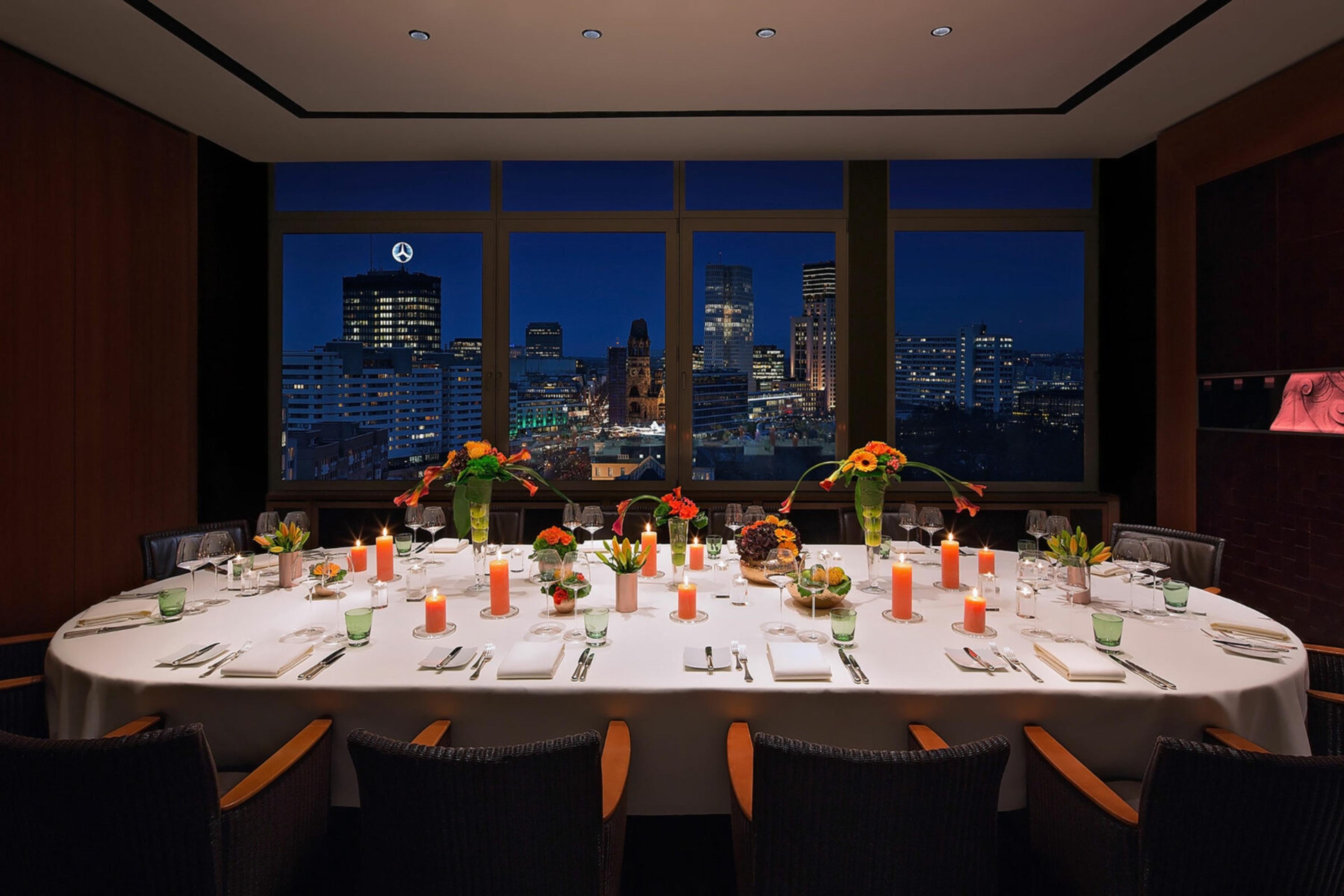
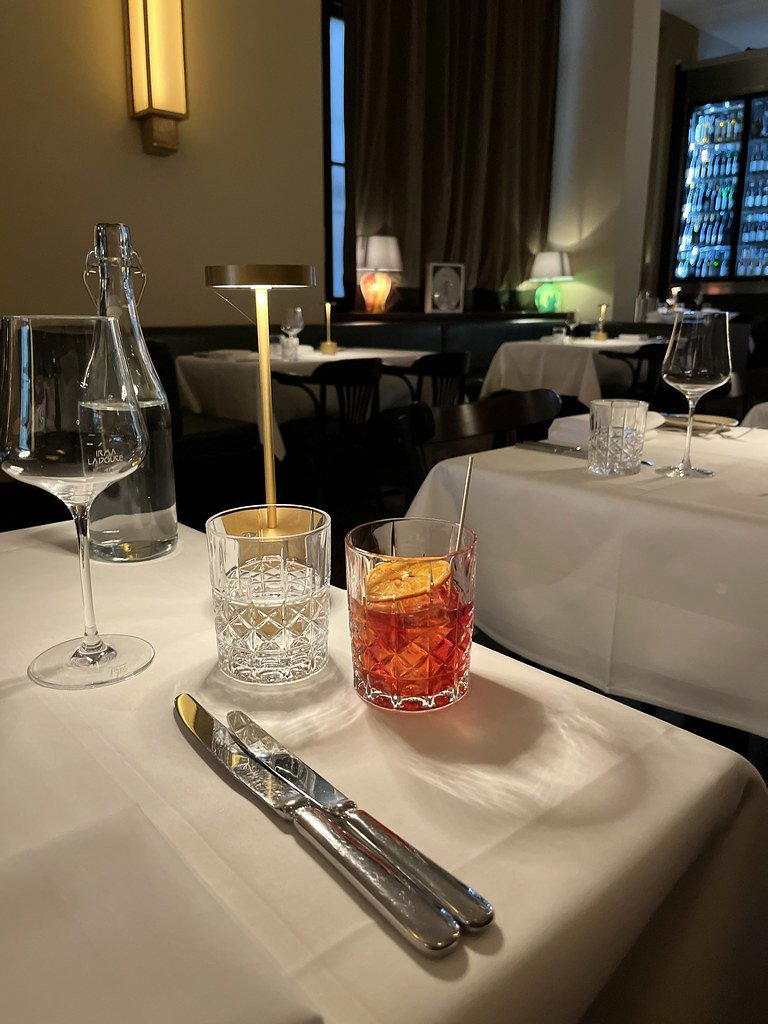
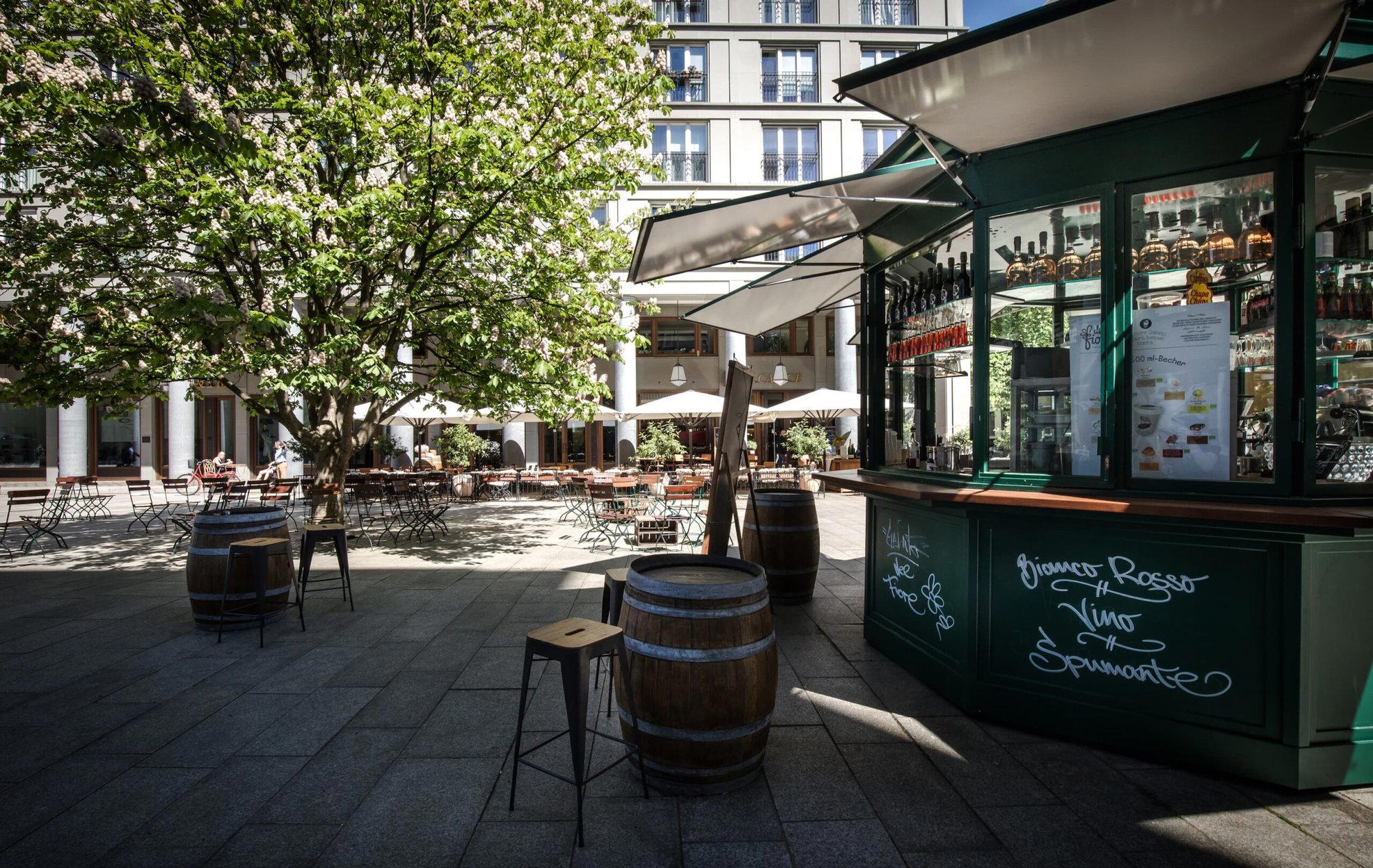
Classic elegance with modern touches; refined lobby lounge atmosphere with views of the lively Kurfürstendamm boulevard and quieter courtyard options.